Master Paris Coffee Culture: What Americans Need to Know 2026
April 8, 2026
Master Paris Coffee Culture: What Americans Need to Know 2026
French café culture can bewilder Americans who expect fast service and smiling waiters. France has its own language, cultural customs and unspoken code of etiquette that transforms ordering coffee into a cultural experience. Café culture in Paris has its roots in the Enlightenment period, at the time intellectuals, writers and artists gathered at coffee houses to exchange ideas. What café culture means is this: eating and drinking here isn't meant to be rushed through before moving on to the next activity. In this piece, I'll walk you through café etiquette, the art of slowing down and how to guide you through both traditional Parisian cafés and the new wave of specialty coffee shops.

Table of Contents
Understanding What is Café Culture and Its Significance
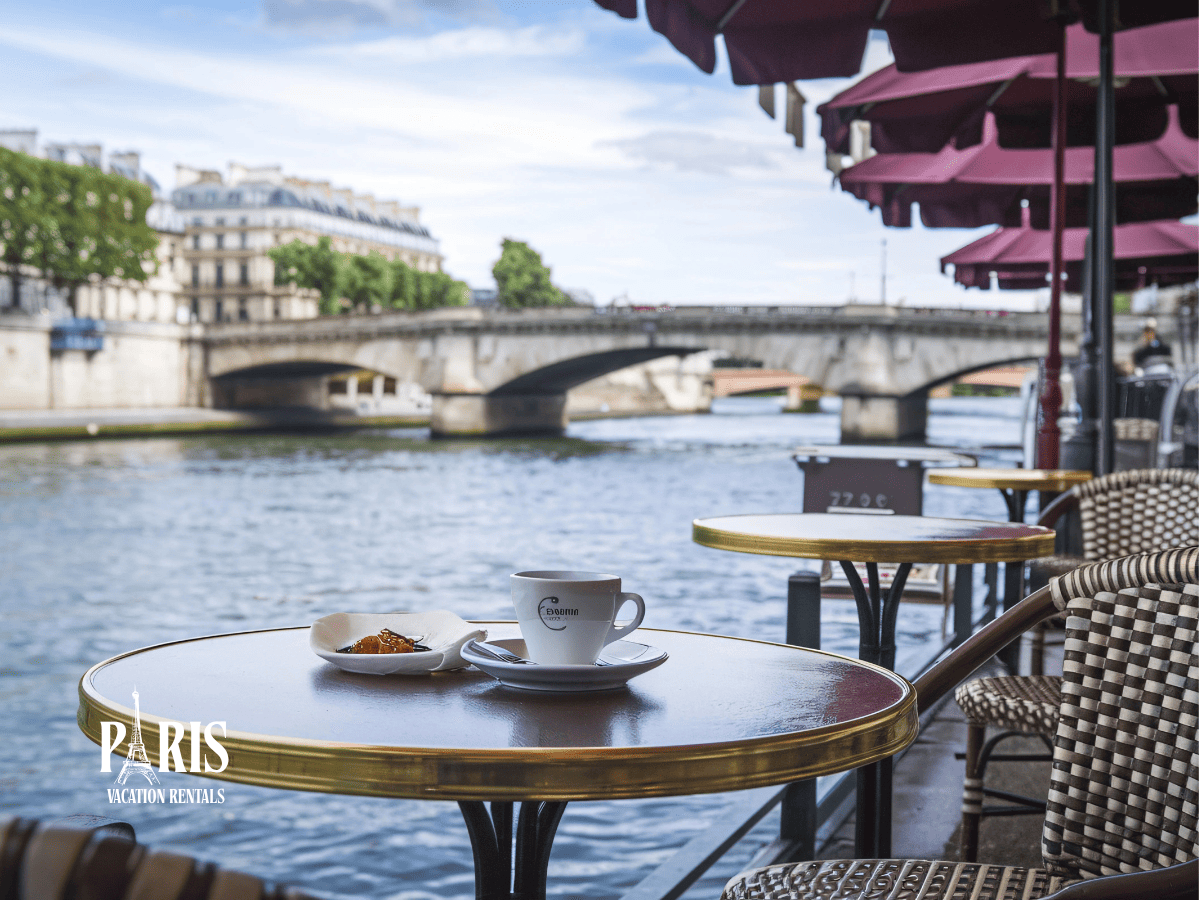
The Roots of Parisian Café Culture
Café Procope opened in 1686, founded by Sicilian chef Francesco Procopio dei Coltelli, who sold coffee and Italian-style sorbets that proved popular. The café attracted Enlightenment thinkers like Voltaire and Rousseau, who gathered to discuss political and social issues. These spaces offered something revolutionary: social equality. Status didn't matter at the café, and this democratic nature made them associated with republican ideals.
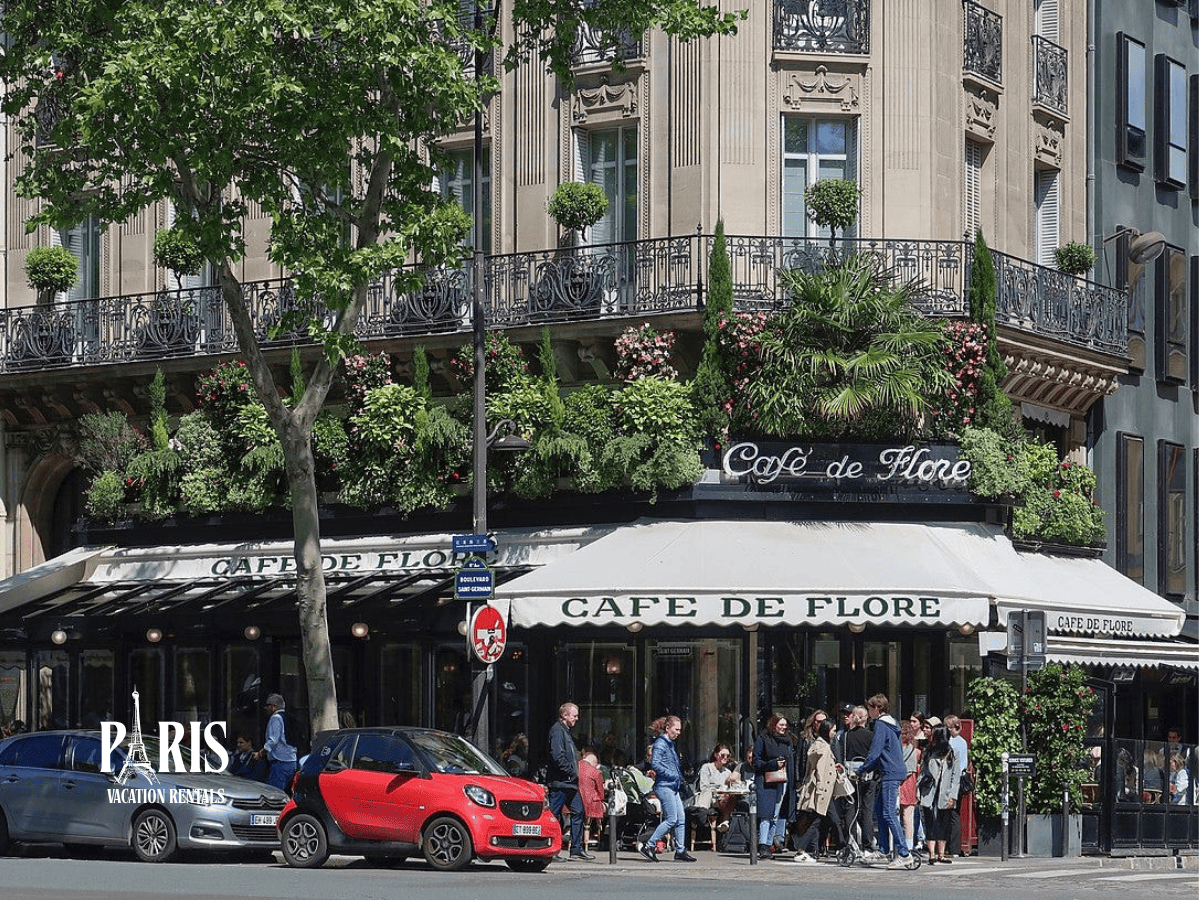
Political clubs met in cafés near St Germain to distribute pamphlets and recruit sympathisers during the Revolutionary period. Cafés became vital to French cultural movements over time. Artists like Monet and Degas gathered in Montmartre cafés during the 19th century. The 20th century saw Café de Flore and Les Deux Magots become refuges for French Resistance members and philosophers like Jean-Paul Sartre and Simone de Beauvoir.
Café Culture as a Way of Life
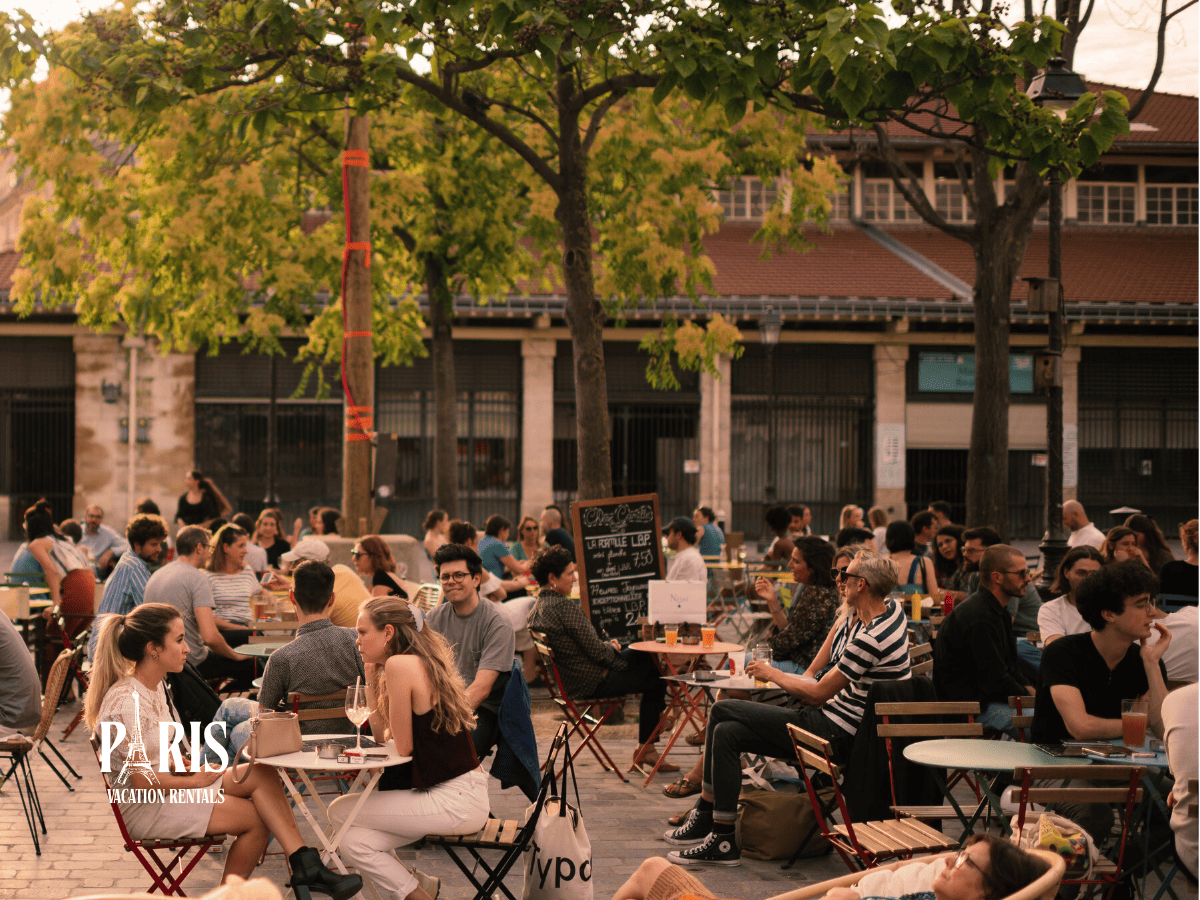
What is café culture in France? Coffee isn't about caffeine; it's about the moment. The French café functions as a shared living room, familiar and welcoming. It's designed for lingering rather than rushing. You can sit for an hour over a single espresso once your coffee is served, and that's acceptable.
Chairs face outward for a reason. People-watching is an art form. Coffee consumption follows a predictable rhythm: a quick morning espresso at the bar, a mid-morning coffee with colleagues, and the post-lunch café that signals the return to work. Each cup punctuates time with intention rather than being consumed without thought throughout the day. Outdoor seating remains part of the experience even in winter, with heaters provided during colder months.
What Americans Get Wrong About French Cafés
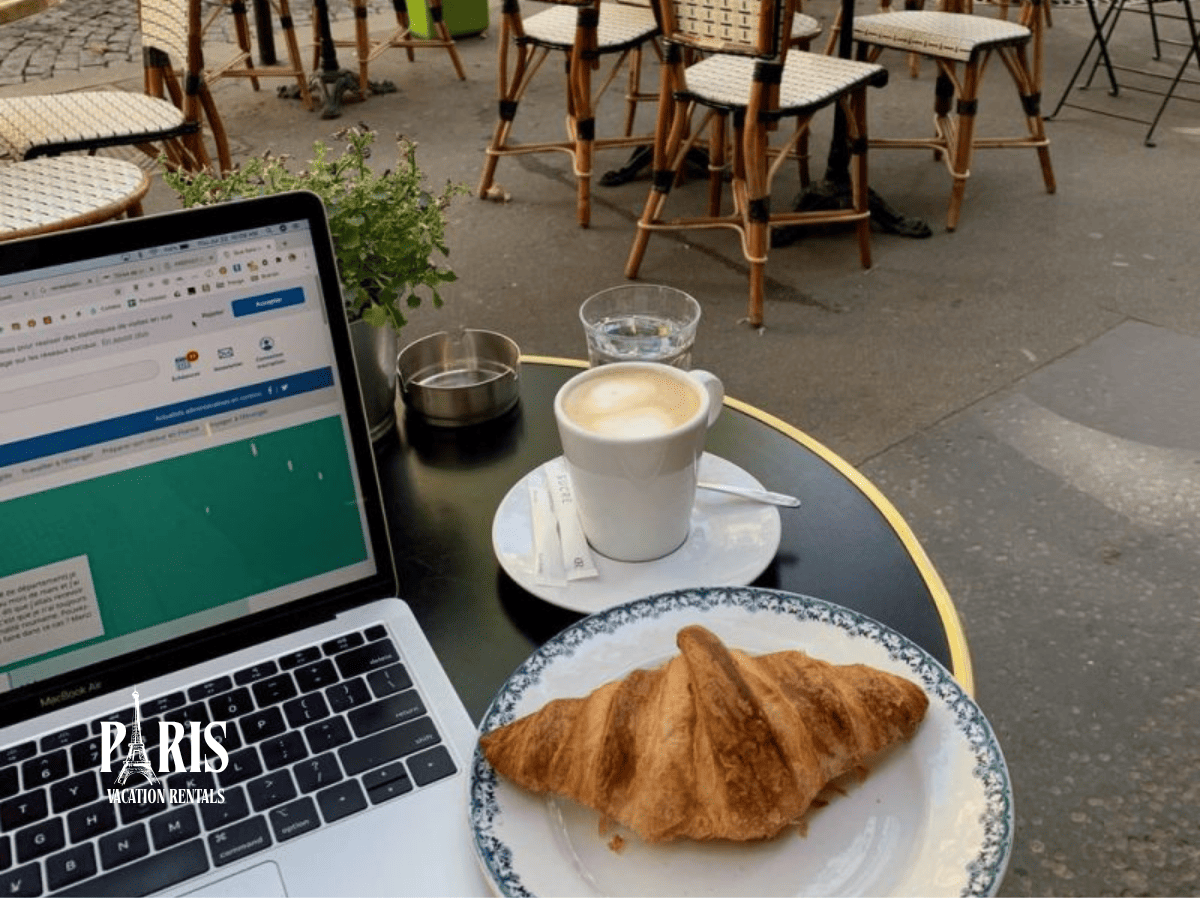
Tourists picture Parisians spending hours at cafés, but locals often stop for an espresso before heading off. Coffee culture in the US reflects a fast-paced rhythm: people grab coffee to-go, and cafés function as workspaces with Wi-Fi and laptops. French cafés are social spaces where people sit down, maybe smoke a cigarette, and drink their coffee there.
Americans seldom eat or drink while walking, preferring to sit down and enjoy the moment. One in three Americans feel lonely. The lack of social connections takes a toll on mental health as a result. French café culture offers desired co-presence: the ability to occupy the same place together in different ways, interacting or not, but choosing to be there.
The Complete Guide to Paris Café Etiquette
Arriving and Choosing Your Seat
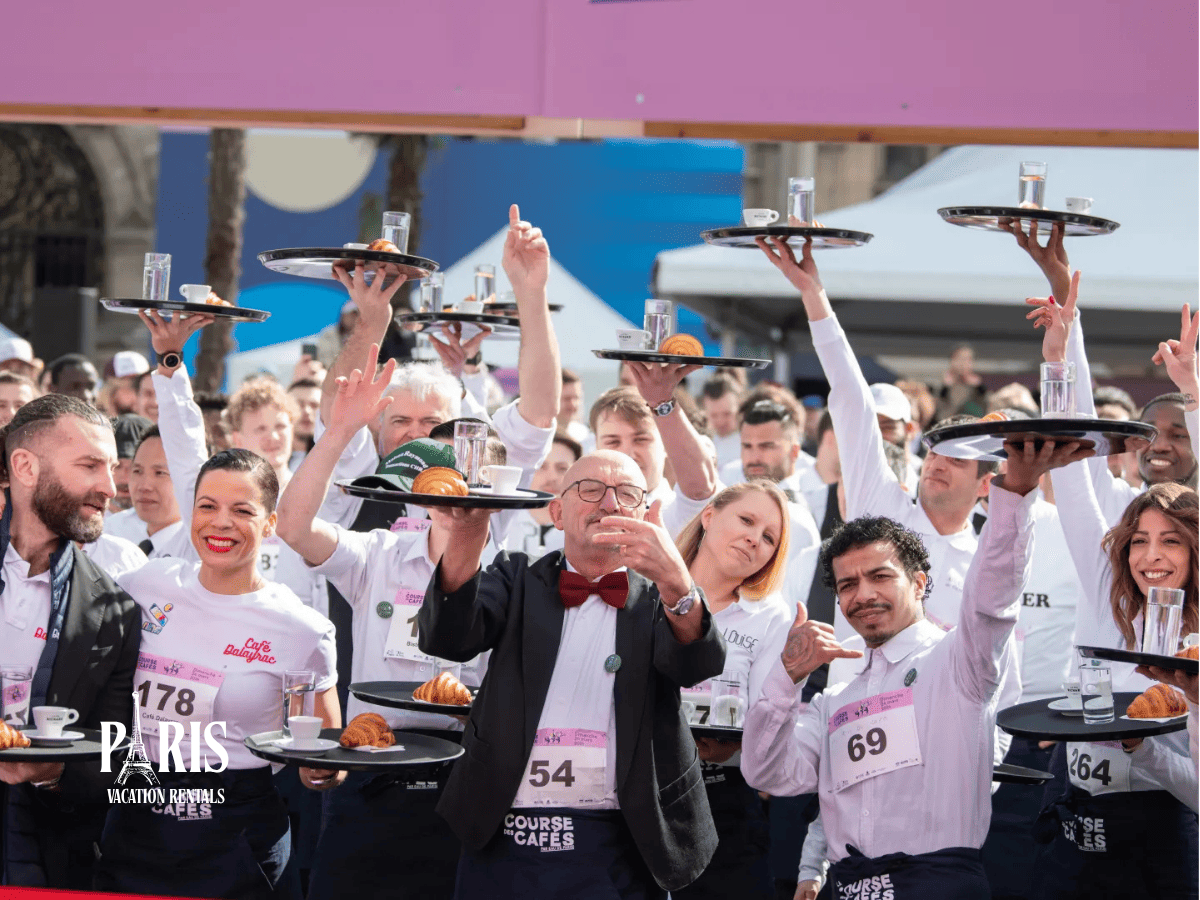
A café visit without saying "Bonjour" marks you as a tourist right away. Before you do anything else, greet the staff within earshot with "Bonjour, monsieur" or "Bonjour, madame". This acknowledgment earns respect and smoother service.
You can seat yourself at sidewalk cafés most of the time, but observe the tables first. Tables set with silverware are reserved for guests who order full meals, not just coffee. Choose an empty table without place settings if you want only a drink. Wait to be seated on busy terraces or at establishments with a hostess stand.
Pricing follows a three-tier system. The bar costs the least when you stand there. Sitting inside costs more, and terrace seating commands the highest price. Prices can double from bar to terrace.
Ordering Drinks and Food
Have your order ready and keep it simple when the waiter arrives. Say "Oui, je vais prendre..." followed by your choice. Use "J'attends un ami(e)" if you wait for someone.
Never ask for "un café au lait" in a café. This phrase refers to coffee at home in a large bowl meant for breakfast. Parisians avoid milk-based drinks like café crème after noon. Milk in coffee signals morning consumption, whilst espresso dominates the rest of the day.
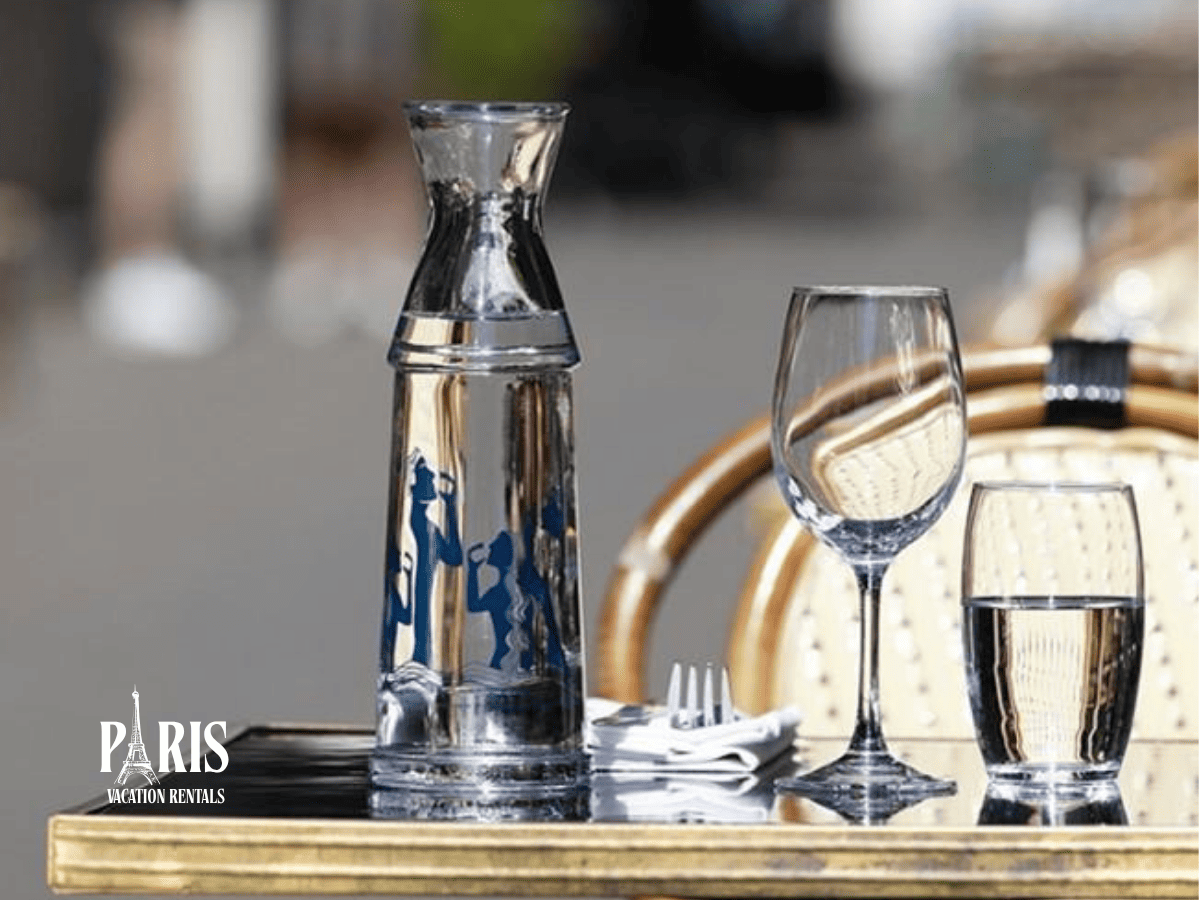
Request free tap water with "Une carafe d'eau, s'il vous plaît". Asking for "de l'eau" often brings bottled Evian and an unexpected charge.
The Unwritten Rules of Service
Your waiter acknowledges your presence when they say "J'arrive," not ignoring you. French service prioritises discretion. Waiters won't check on you over and over, as constant interruptions are impolite.
Getting the Bill and Leaving
Make eye contact with your waiter and say "L'addition, s'il vous plaît". Never shout "Garçon". Service is already included in your bill at around 15%. Tipping remains optional, though leaving a few coins or 5% for exceptional service is appreciated.
Slowing Down: The Parisian Approach to Café Time
Why Rushing is Frowned Upon
The French place high value on leisure and work-life balance. Rushing through your café experience contradicts the fundamental philosophy as a result. A single espresso can justify an hour's occupation of a prime terrace table. No waiter will rush you, and no fellow patron will judge you.
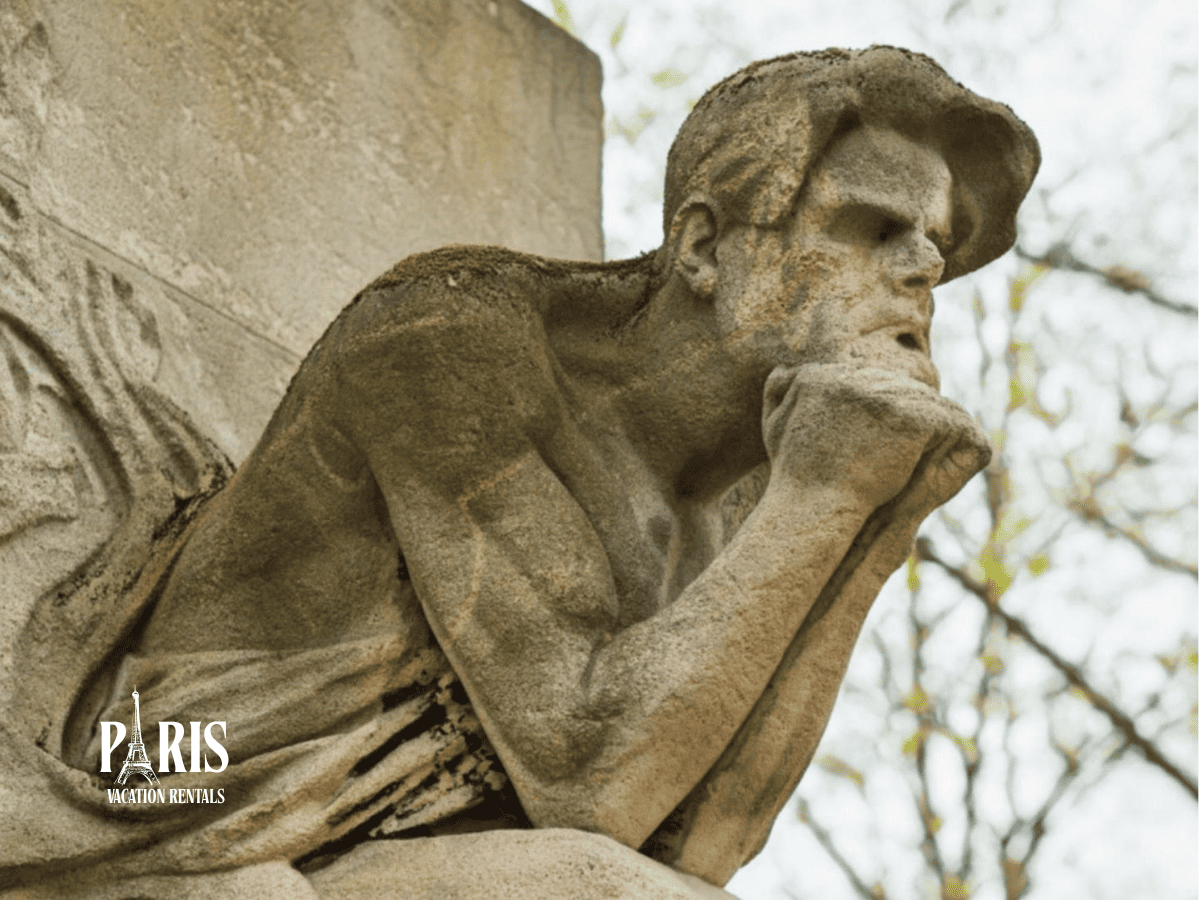
This stems from flânerie, the art of wandering without purpose and existing without agenda. Charles Baudelaire romanticised these urban wanderers in 19th-century Paris. He called them "passionate spectators" who found poetry in everyday city life. Service is relaxed by design. Waiters won't rush you because cafés are designed to provide leisure, not fast service.
What to Do While Sitting at a Café
Chat with a friend, read, journal, or people-watch. Take a section to peruse whilst sipping your coffee or wine if seated at the bar and newspapers are stacked nearby. Keep your volume low and avoid scrolling your phone too much.
One thing you shouldn't do: open your laptop or tablet. Visit new wave coffee shops like Ten Belles or Café Lomi instead to work.
Reading, Writing, and People-Watching
Tables face outward toward the street and encourage observation rather than intense conversation. People-watching is among the most entrenched of Parisian pastimes. The outdoor terrace functions as theatre where Parisians both watch and star in the eternal show of city life.
Writers have elected Parisian cafés as offices to work for decades. Hemingway wrote at Café de Flore in the afternoons. Sartre described spending hours there with Simone de Beauvoir while working and discussing.
Understanding the Leisurely Pace
Sitting and staring at people carries an unspoken tone of laziness in America. In stark comparison to this, French café culture argues: why not take a break to reset? You can sit at the same table for hours with just one espresso. Servers will never pressure you to order more or leave.
Traditional Parisian Cafés Worth Visiting
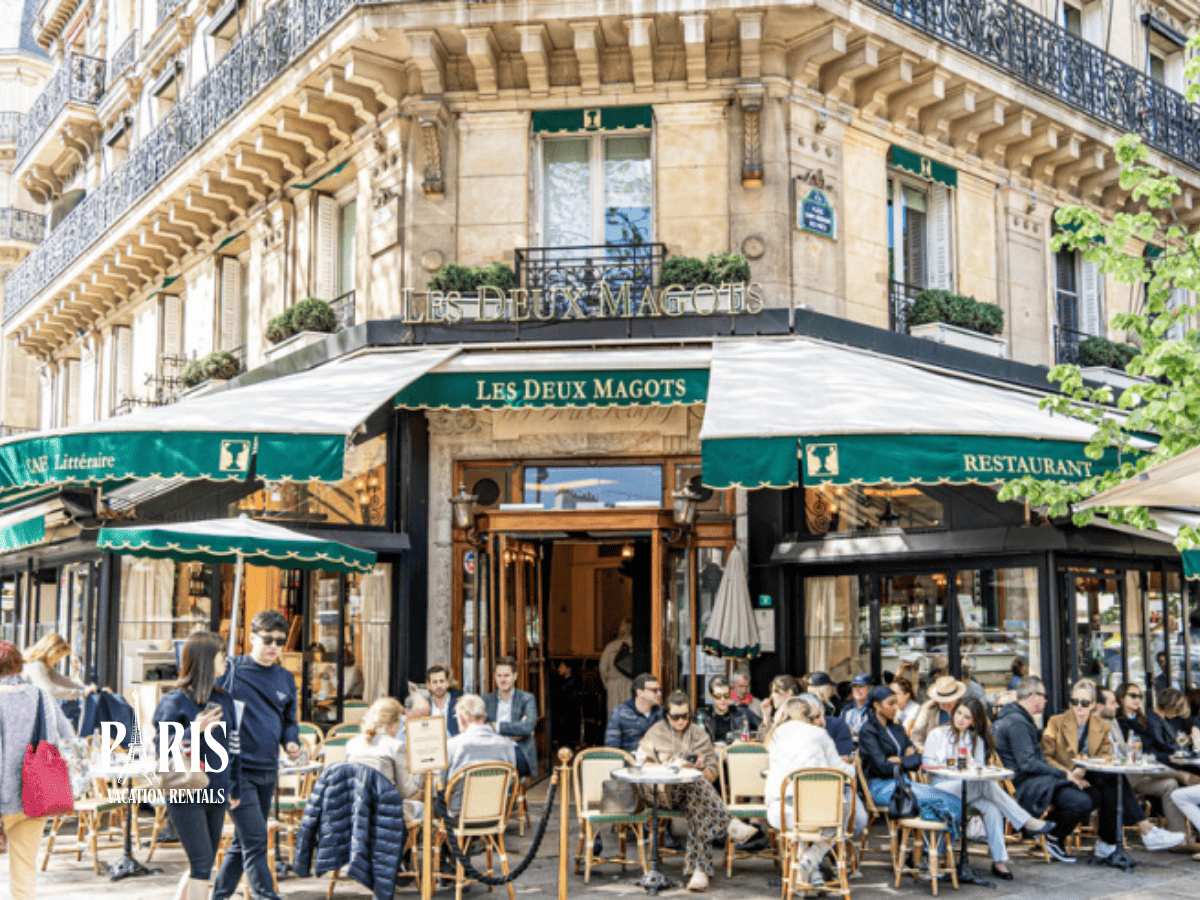
Paris divides between classic haunts and modern imports. Café de Flore, opened in 1880, still draws crowds to its mosaic floors and cream awning. Sartre and Picasso were regulars here. Expect overpriced coffee served in traditional crockery emblazoned with the café's green logo. Les Deux Magots sits nearby, famous to award the Prix des Deux Magots every year since 1933. Hemingway and Simone de Beauvoir frequented this spot. Le Procope, founded in 1686, holds the title of Paris's oldest café. Voltaire and Benjamin Franklin gathered here.
The New Wave of Specialty Coffee Shops
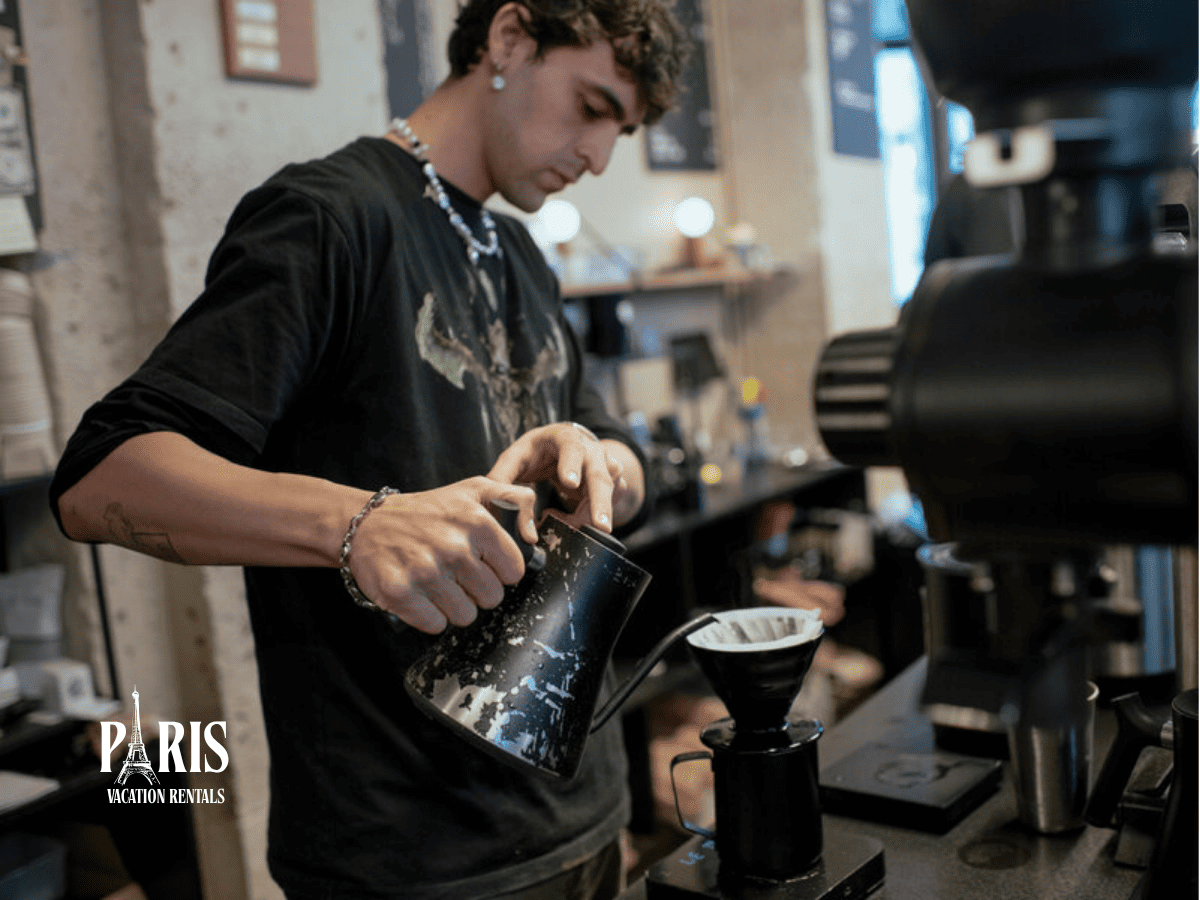
Specialty coffee took years to reach Paris, but quality has improved. KB Coffee roasts beans in-house from farmers they know. Ten Belles Canal Saint-Martin sources from ethical suppliers. Coutume Cafe roasts beans that restaurants use in France. Belleville Brulerie in the 19th arrondissement has built a loyal following through skilled roasting. These shops offer pour-over and single-origin options with plant-based milk alternatives.
Unique Café Experiences in Paris
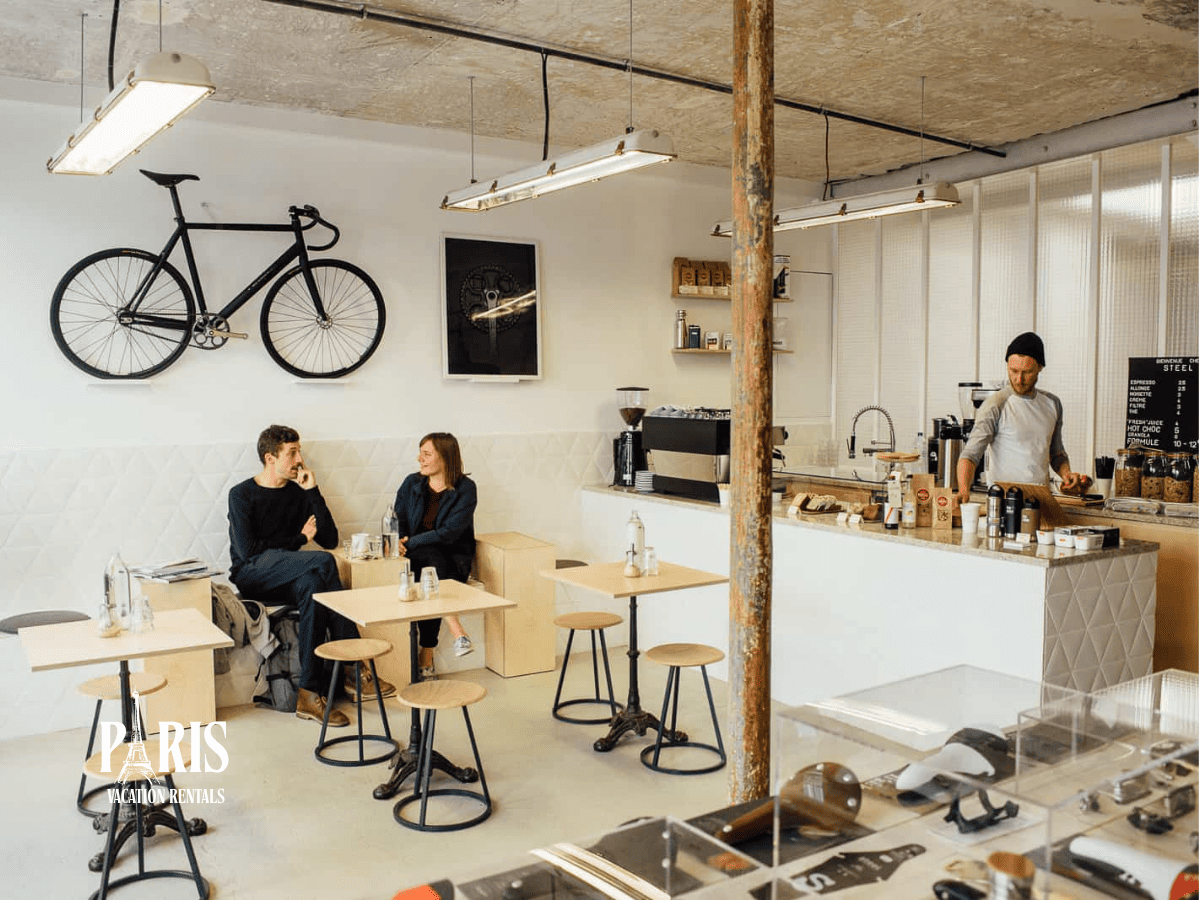
Désirée combines coffee with a florist shop and sources blooms from French producers. Shakespeare and Company Café sits across from Notre Dame. The café serves the signature Mélange Shakespeare in partnership with Café Lomi. Le Café des Chats in Bastille offers coffee with feline companionship.
Your Ideal Stay in Paris
Paris Vacation Rentals offers a charming apartment located close to cozy cafés and restaurants, where you can truly relax and enjoy the peaceful atmosphere. Step out of your apartment and immerse yourself in the Parisian café culture, sipping on amazing coffee and savoring the calmness of local cafés. Perfect for those looking to unwind and experience Paris at its best!
Key Takeaways
Understanding Parisian café culture transforms your visit from tourist observation to authentic cultural participation, offering Americans a masterclass in the art of slowing down.
- Always greet staff with "Bonjour" upon entering and avoid ordering café au lait or milk-based drinks after noon
- Embrace the leisurely pace—you can sit for hours over one espresso without pressure to order more or leave
- Choose your seating strategically: bar service is cheapest, terrace most expensive, and tables with cutlery are for meals only
- People-watching is an art form—chairs face outward for a reason, so observe the street theatre of Parisian life
- Traditional cafés like Café de Flore offer historic ambiance, whilst specialty shops like Ten Belles provide quality coffee experiences
French café culture isn't about caffeine consumption—it's about creating intentional moments of pause in daily life, something that can profoundly benefit our increasingly rushed American lifestyle.
FAQs
Basic etiquette for Parisian cafés?
Greet with "Bonjour," avoid milk-based drinks after noon, sit at the bar for cheaper prices, and be mindful of the seating price differences.
How is American coffee culture different?
Americans focus on speed and to-go coffee, while Parisians enjoy leisurely moments, savoring coffee without rushing.
Can I sit for hours with one coffee?
Yes, you can. Parisians linger over a single coffee, with no pressure to leave.
What to do at a traditional Parisian café?
Chat, read, journal, or people-watch. Avoid excessive phone use and laptops; instead, enjoy the environment.
How to request the bill?
Make eye contact and say, "L'addition, s'il vous plaît." Tipping is optional but appreciated for exceptional service.