Rue Montorgueil Paris France: Where to Eat, Shop, and Wander
March 25, 2026
Rue Montorgueil Paris France: Where to Eat, Shop, and Wander
Rue Montorgueil Paris France is home to a market that has operated for more than 800 years, and I believe it's one of the most authentic food streets you'll experience in Paris. This street in the 2nd arrondissement became the city's centralized food trade hub in 1183, not a destination created for tourists. The rue montorgueil market maintains that village-like atmosphere with historic boulangeries and bustling cafés today. Stohrer rue montorgueil paris france, the city's oldest bakery dating back to 1730, still draws crowds with its legendary pastries. I'll walk you through the best times to visit and must-stop shops. You'll discover unfamiliar French foods worth trying, why montorgueil paris works well for families, and practical tips to navigate this charming rue paris like a local.

Table of Contents
Understanding Rue Montorgueil: Location and History
Where Rue Montorgueil Is in Paris
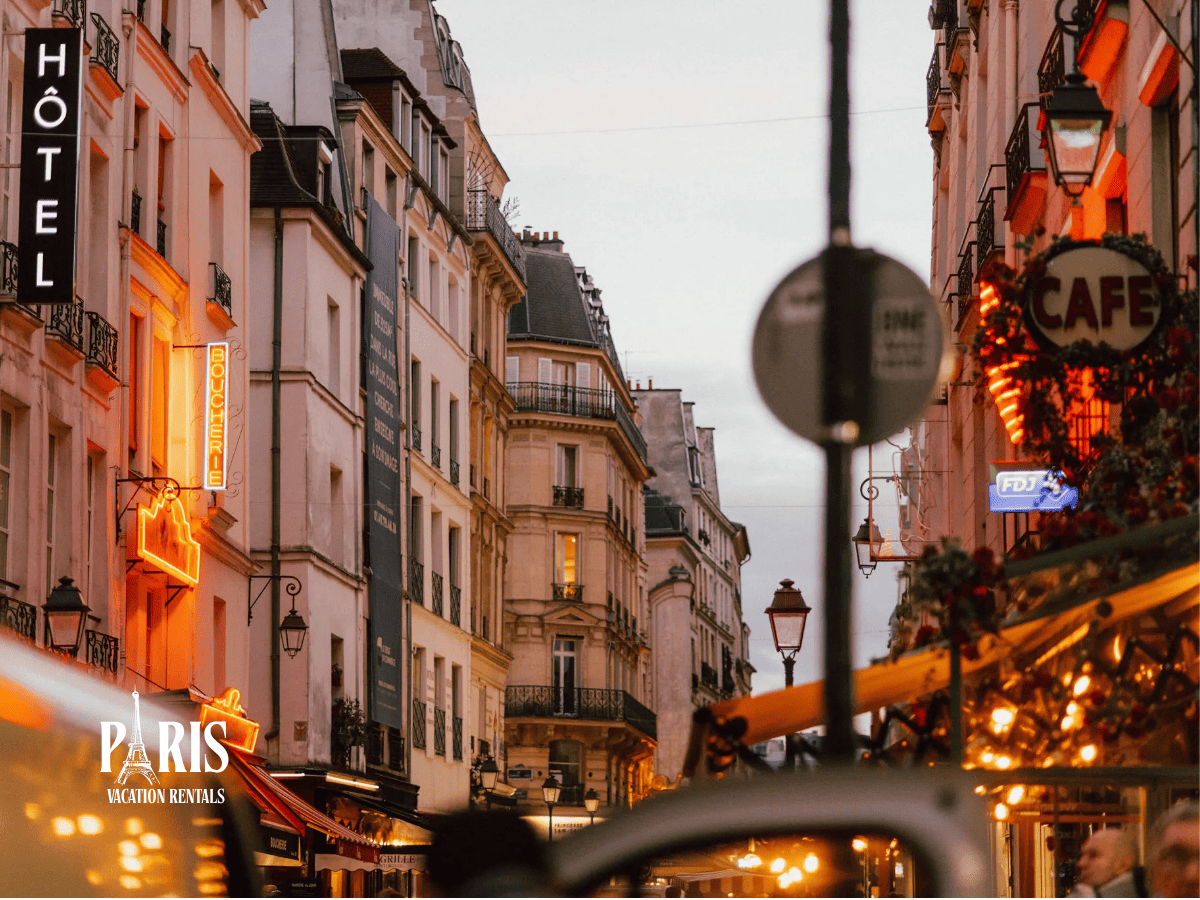
The street sits mostly in the 2nd arrondissement, though it touches the 1st arrondissement at its southern end near Saint-Eustache Church and Les Halles. Rue Montorgueil runs between Rue Réaumur to the north and the Forum des Halles area to the south. Three Metro stops place you within walking distance: Etienne Marcel, Sentier, and Les Halles. The street reveals itself as you approach on foot rather than announcing itself all at once. For official district information, visitors can also check the City of Paris page for Paris Centre.
Cars aren't banned, but pedestrians claim priority on the cobblestones. Most of the rue paris feels pedestrianized. You can wander between cheese shops and bakeries without dodging traffic.
From 13th Century Trade Route to Modern Market
The name Rue Montorgueil dates to the 13th century and derives from Mont Orgueilleux, or "Proud Mountain," because the street ascended a small hill. King Philippe Auguste centralized Paris's food trade at Les Halles in 1183. Rue Montorgueil developed as a direct supply route to that market.
The street's character changed by a lot after 1645. The Porte Poissonnière opened in the city walls that year. Fish and oyster merchants from northern France used this entrance. Rue Montorgueil became the landing zone for their cargo. Oysters arrived from Normandy and cheeses moved toward restaurants while wines flowed to kitchens and cellars.
Les Halles relocated outside Paris in 1969. Many expected the montorgueil district to collapse. The street adapted instead. Vehicle traffic disappeared and specialty shops focused on quality. Residents continued shopping to buy food here rather than treating it as a pass-through route.
Why It's Called the Belly of Paris
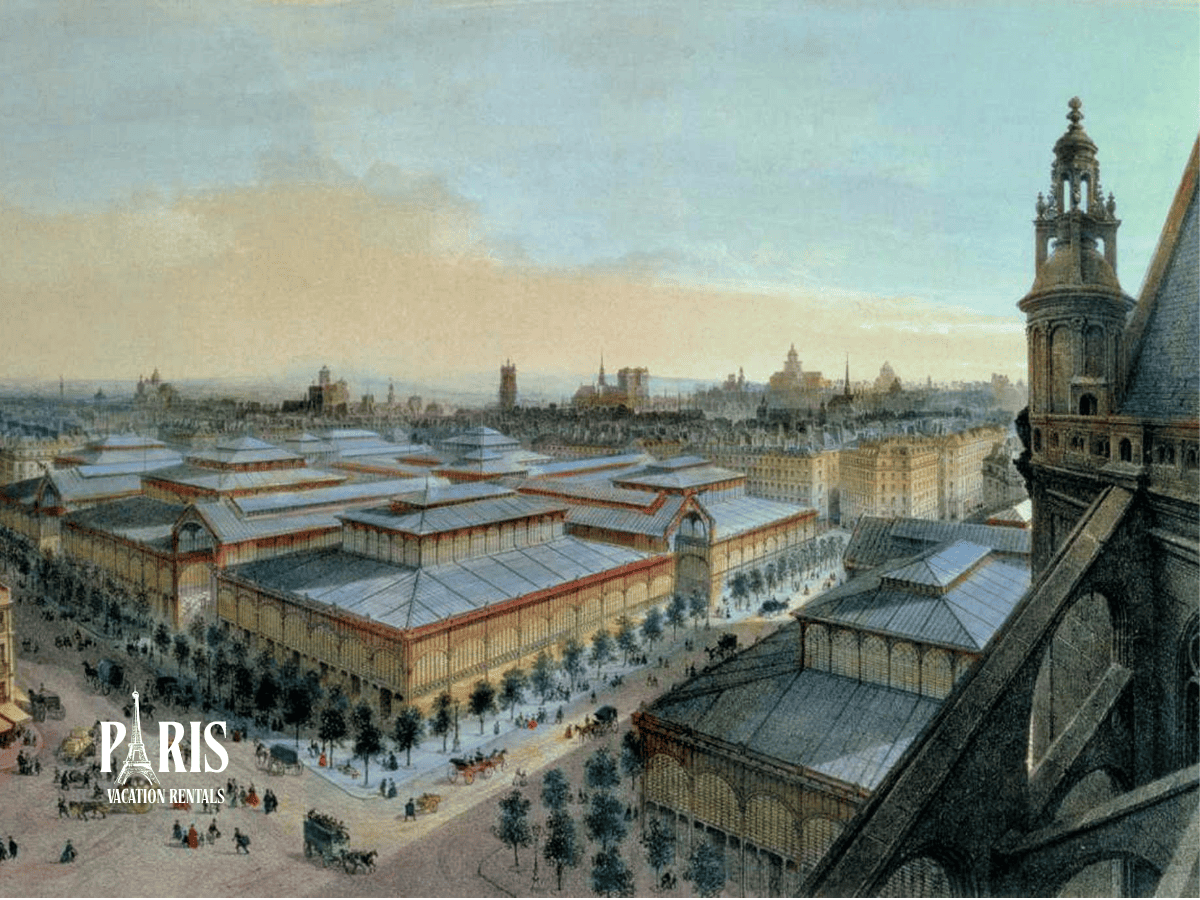
The nickname Le Ventre de Paris, "the Belly of Paris," described Les Halles' role as the city's main market where nightly food deliveries fed Parisians. Émile Zola immortalized this scene in his 1873 novel Le Ventre de Paris. Rue Montorgueil earned the same nickname due to its direct connection to Les Halles. It served as the artery through which food flowed daily into the city's heart.
Planning Your Visit to Rue Montorgueil
Best Time of Day to Experience the Market
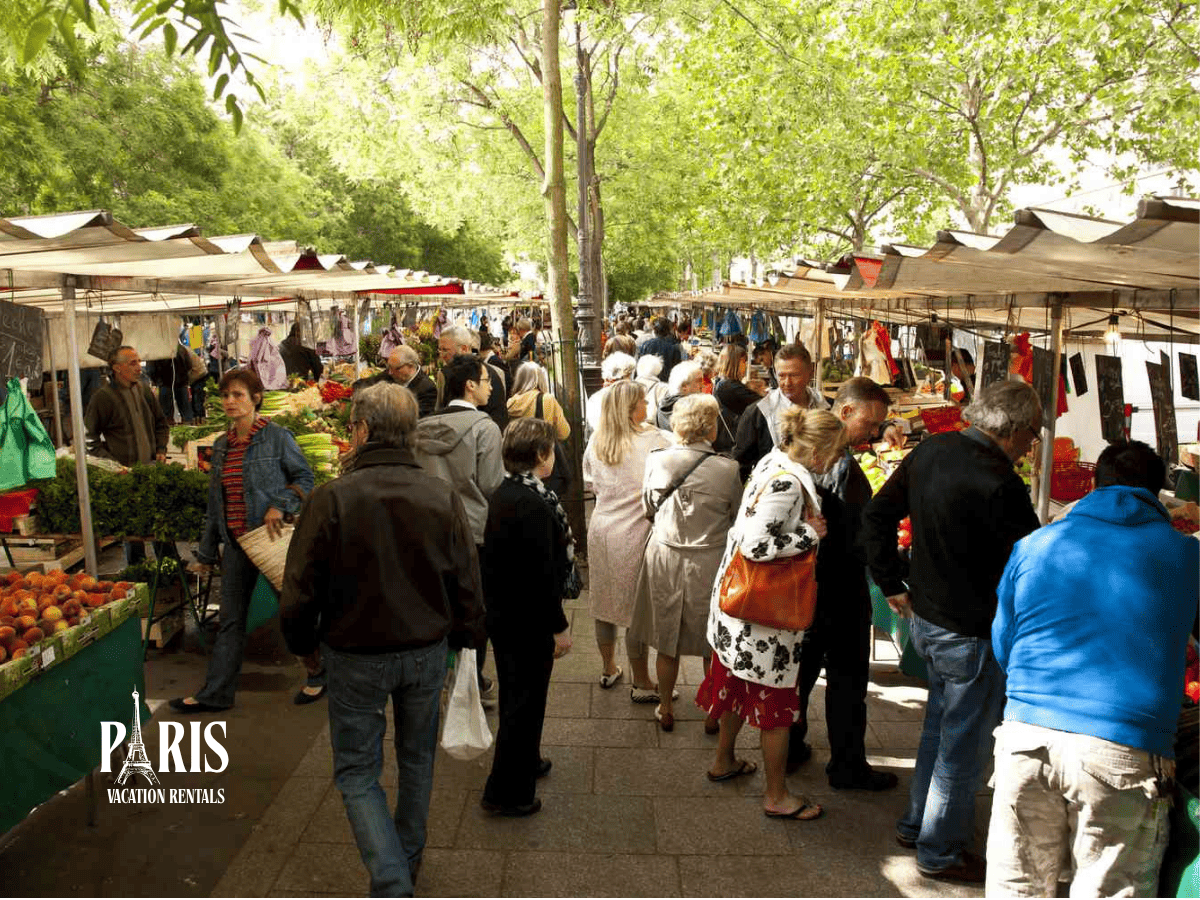
You'll find the rue montorgueil market at its peak if you arrive between 10:00 AM and 12:00 PM. Vendors are operational, fresh produce displays look their best, and the atmosphere buzzes without overwhelming you. Tuesday or Wednesday mornings offer the most authentic experience. Vendors restock after Monday closures and crowds remain manageable while locals conduct their weekly shopping.
Early risers benefit from visiting between 8:00 and 10:00 AM. Fresh daily deliveries arrive, bakeries pull pastries from ovens, and the street maintains a quiet energy. The sort of thing I love is this window to photograph and browse unhurriedly before tourist groups appear.
Morning vs Evening: What to Expect
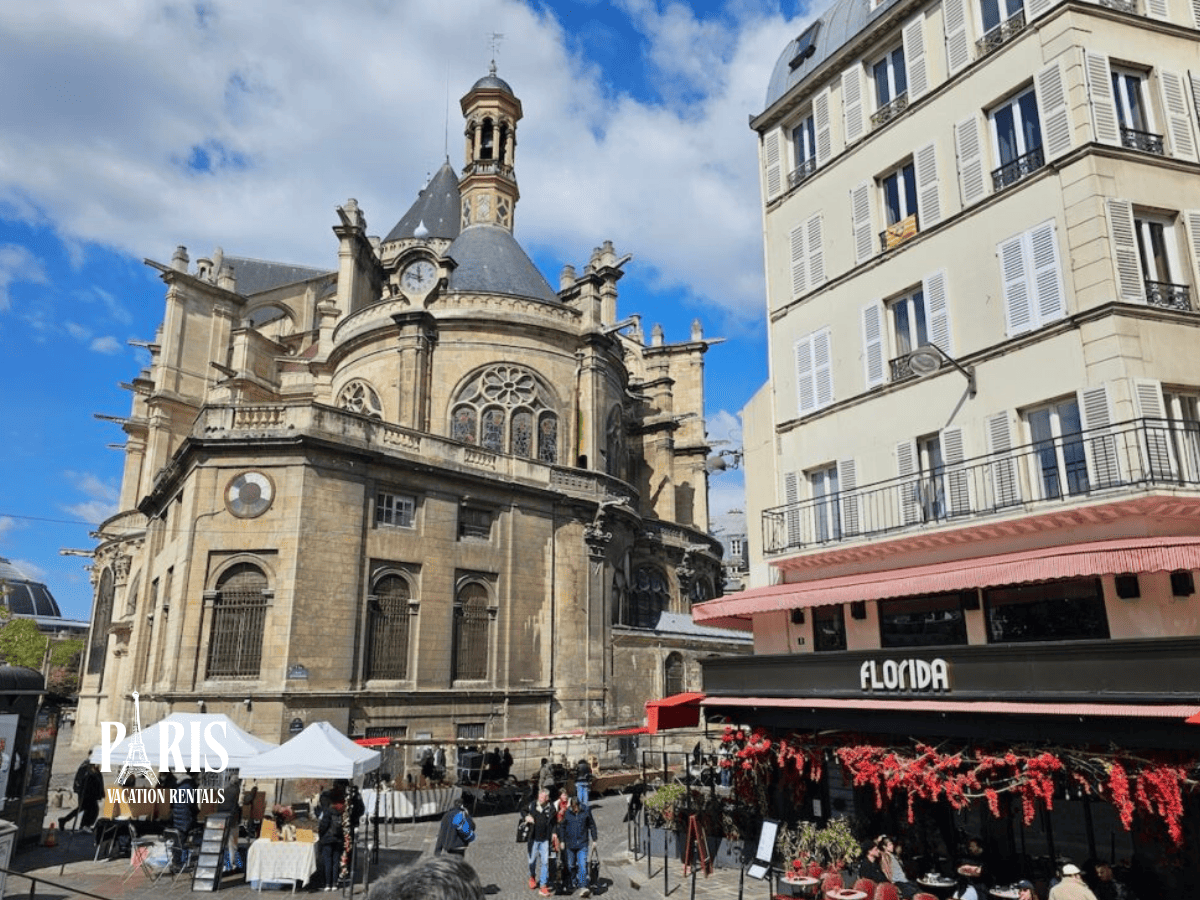
The montorgueil district transforms throughout the day. Mid-morning presents the full market experience with vendors who involve themselves eagerly to assist customers. Many shops close between noon and 2:00 PM, though restaurants hit peak service during this period.
Evening visits from 6:00 to 8:00 PM move the focus. Food shops begin closing, but restaurants and bars take over as aperitif culture begins. The social atmosphere intensifies and makes evening hours better suited to dine than shop.
Days When Shops Are Closed
Monday is restoration day in the montorgueil paris area. Many shops and restaurants close as market vendors take their weekly break. I recommend avoiding Mondays to shop at the market. Sundays bring mixed availability, with many traditional shops closed while restaurants and cafés remain open.
Why It Works Well for Families with Kids
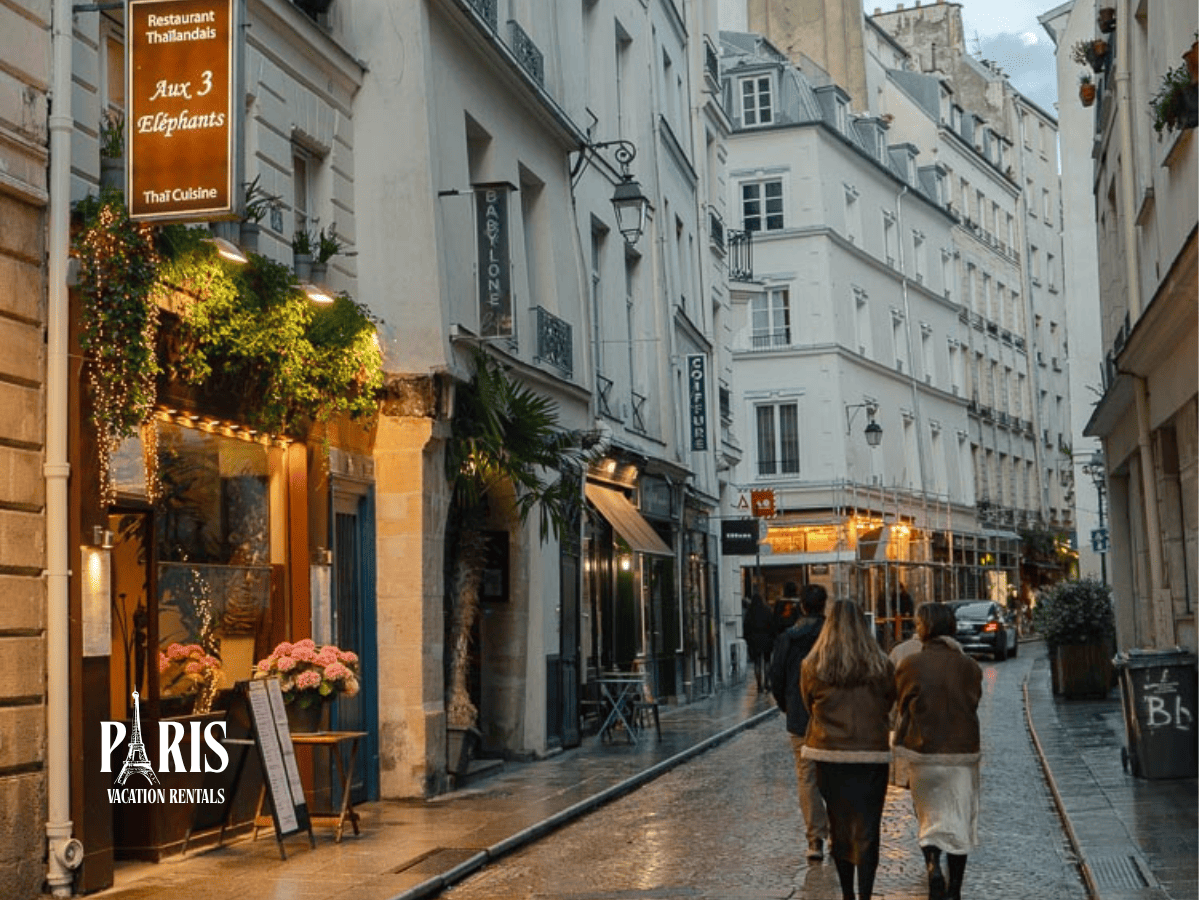
The pedestrian-friendly cobblestones let children move safely between shops. Grab-and-go foods like crêpes and pain au chocolat from stohrer rue montorgueil paris france mean no need to sit down at restaurants. The visual excitement of cheese wheels and colorful produce displays keeps kids interested naturally, as do bustling bakeries.
Where to Shop and What to Buy
Stohrer Rue Montorgueil Paris France: Historic Bakery
Stohrer stands at 51 rue Montorgueil as the oldest pâtisserie in Paris. Nicolas Stohrer, pastry chef to King Louis XV, founded it in 1730. He invented the rum baba, a cake soaked in rum-infused syrup. A student of Paul Baudry, who decorated the Opéra Garnier, designed the shop's 1860 interior. It remains a protected historical site.
Cheese Shops and What to Ask For
La Fermette at 86 rue Montorgueil sells pre-sliced cheese tasting plates for €9. This removes the pressure of choosing. Ask for their 30-month-old Comté. The staff speaks English and vacuum-seals cheese to travel.
Fresh Fish, Quality Meat, and Wine Selections
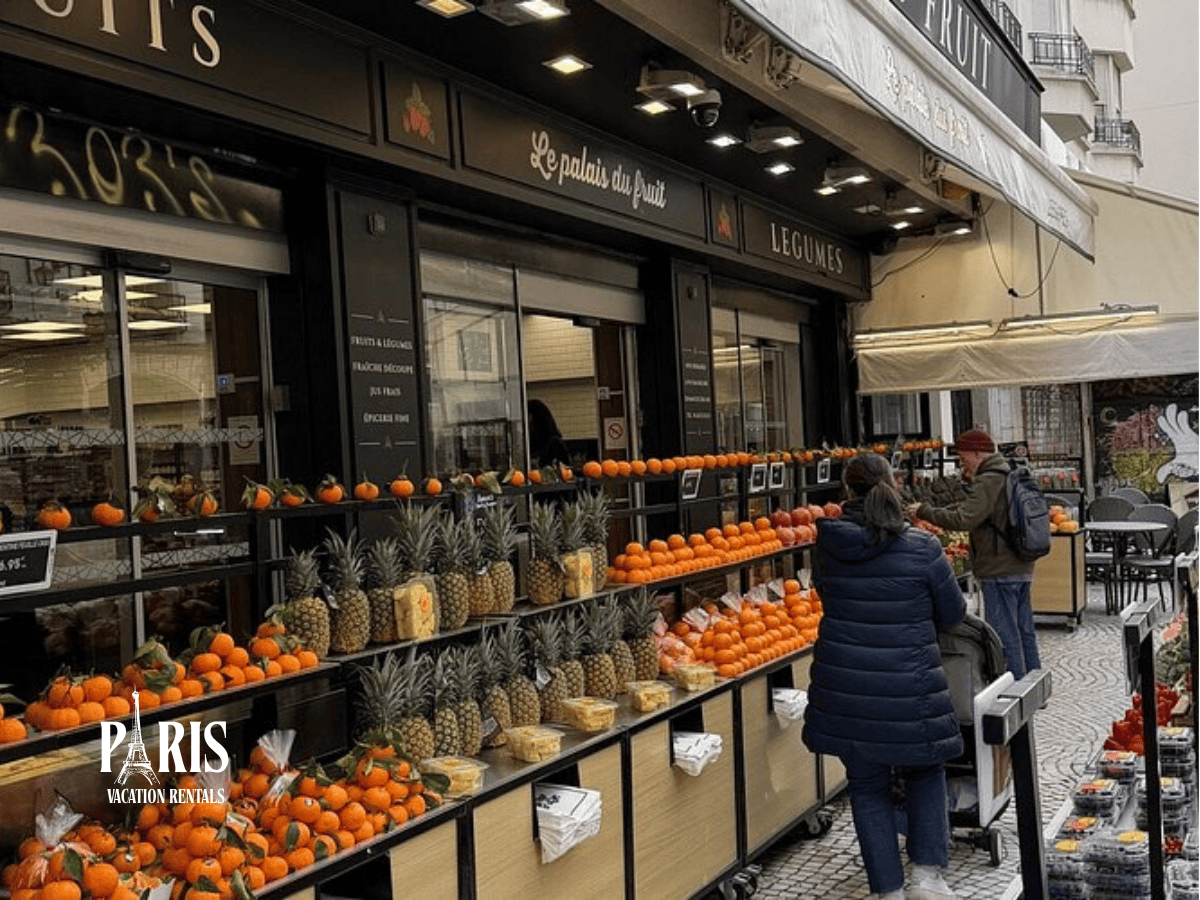
Poissonnerie Soguisa displays whole fish with heads intact, typical in France. Alain Tribolet at 54 rue Montorgueil offers various meat cuts. Nicolas wine shop provides selections for everyday meals.
Foods Americans Might Not Recognize
Whole fish displayed with heads on and boudin noir (blood sausage) appear often. Soft-boiled eggs served in egg cups with bread strips for dipping confuse some visitors.
Walking the Street from North to South
Start at Metro Sentier where rue Montorgueil begins. Work south past Stohrer and La Fermette, then finish near Rue Etienne Marcel.
Where to Eat and Drink on Rue Montorgueil
Casual Cafés for Coffee and People-Watching
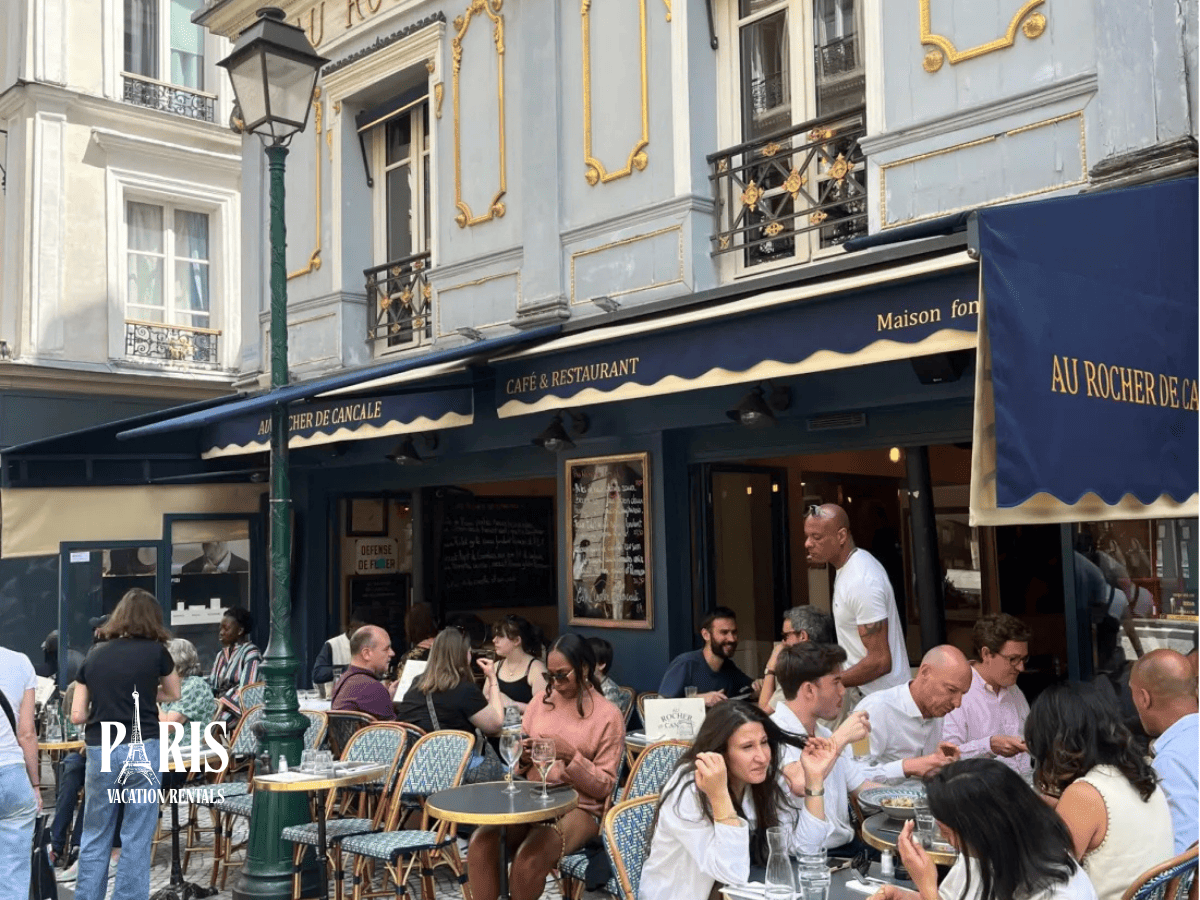
Terraces line both sides of rue montorgueil. They create prime spots to observe street life over extended coffee sessions. Café du Center, Le Compas, and Café Montorgueil serve drinks and snacks throughout the day, though their food offerings remain simple. Prices run higher than nearby cafés, but the location justifies the premium. Caldo Freddo at 36 rue Montorgueil pulls Italian espresso at a counter and serves some of Paris's best grilled panini.
Traditional French Restaurants Worth Trying
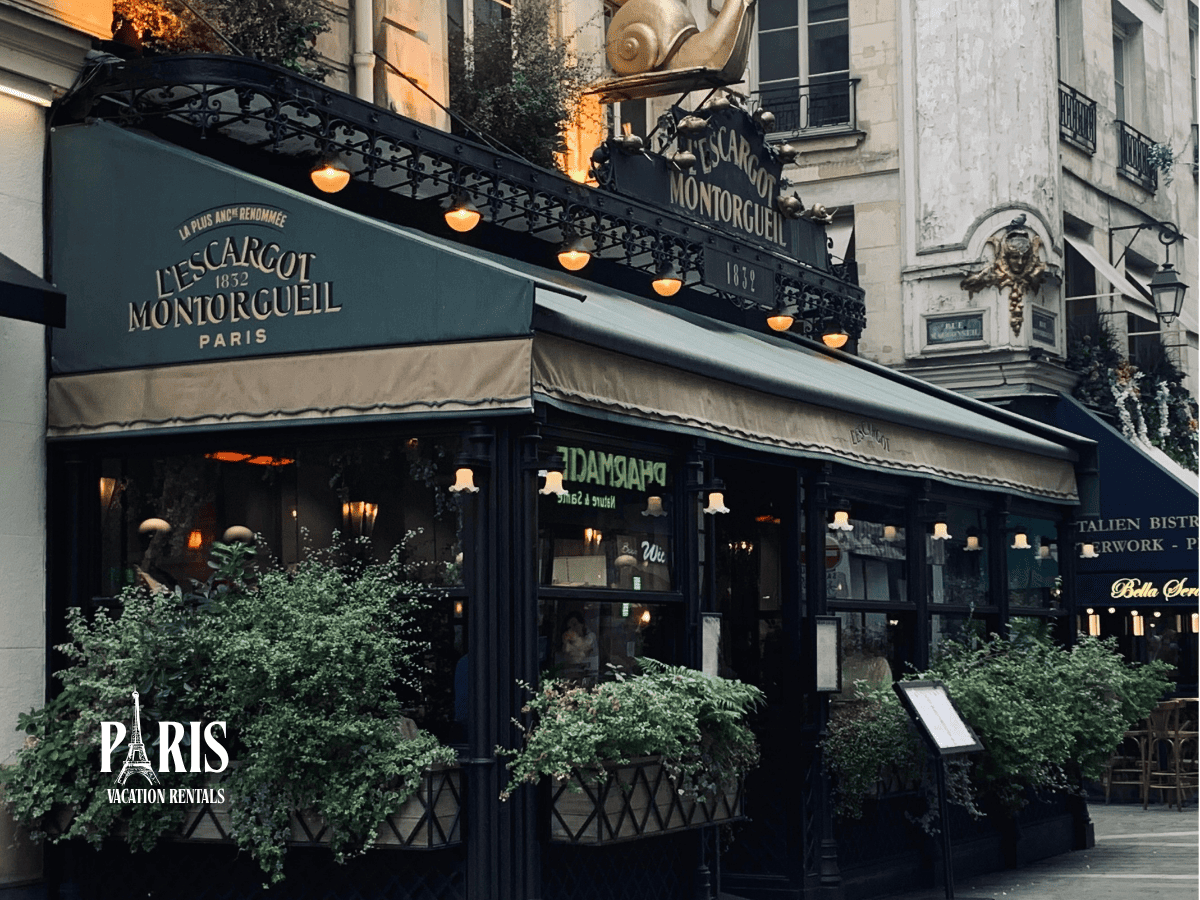
L'Escargot Montorgueil preserves Belle Époque interiors with original murals and vintage zinc bars while serving signature escargots with traditional garlic-parsley butter. Au Rocher de Cancale maintains its historic commitment to oysters and seafood from Breton ports. Aux Tonneaux des Halles at 28 rue Montorgueil offers classic bistro fare with all dishes under €20 and natural wines. La Grille Montorgueil serves excellent French classics including onion soup and duck confit. Au Pied du Cochon operates 24 hours daily. It serves traditional French onion soup for jet-lagged visitors craving pork at 3:45 AM.
Quick Bites: Crêpes and Pain au Chocolat Spots
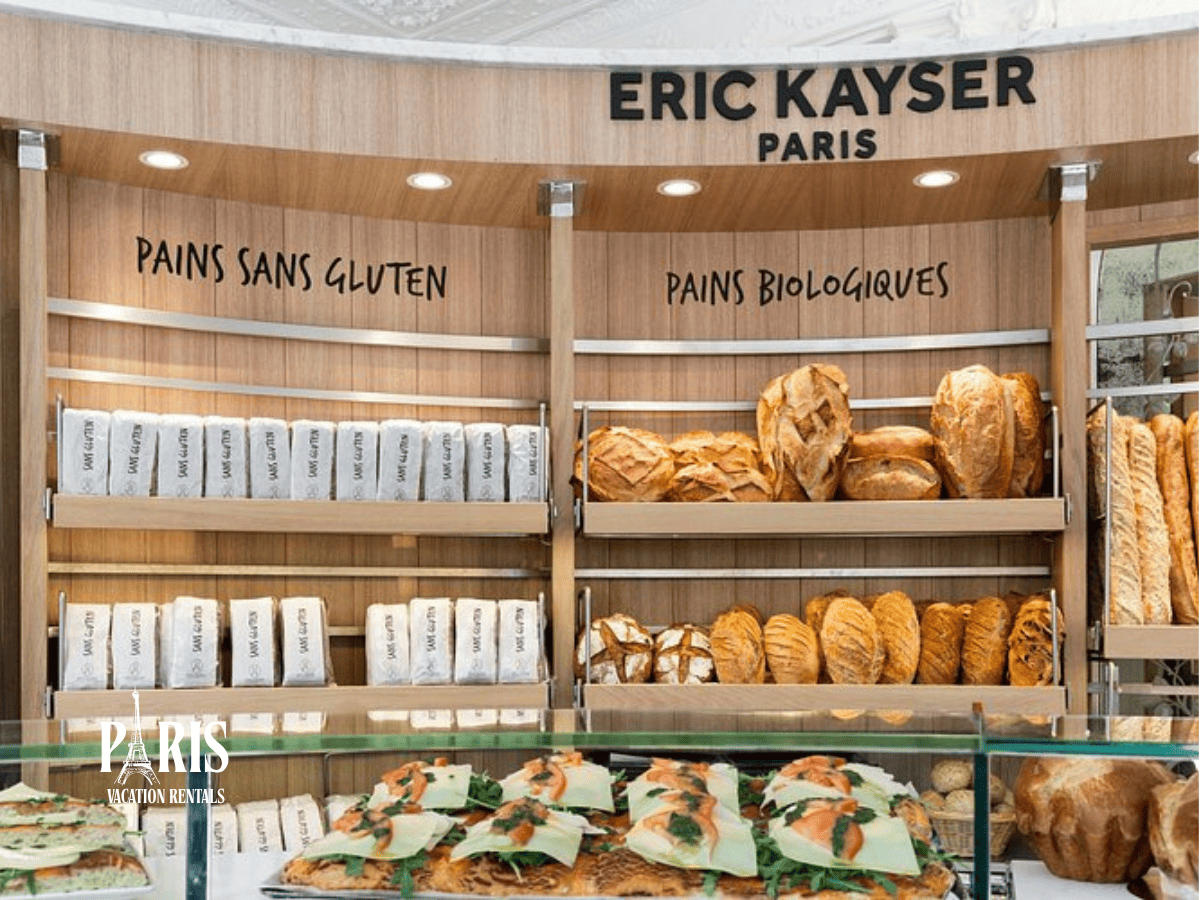
Breizh Café at 14 Rue des Petits Carreaux specializes in sweet and savory crêpes with multiple locations throughout Paris. Eric Kayser bakery at 16 rue des Petits Carreaux produces buttery, flaky viennoiseries including pain au chocolat. Maison du Durum serves Kurdish sandwiches with charcoal-cooked chicken, lamb, and vegetables wrapped in homemade flatbreads.
Family-Friendly Dining Options
Modern bistros near montorgueil paris incorporate seasonal ingredients and natural wines while maintaining classical French techniques. Breizh Café accommodates families with its crêpe selections.
Nearby Areas and Practical Information
Surrounding Streets in the 2nd Arrondissement
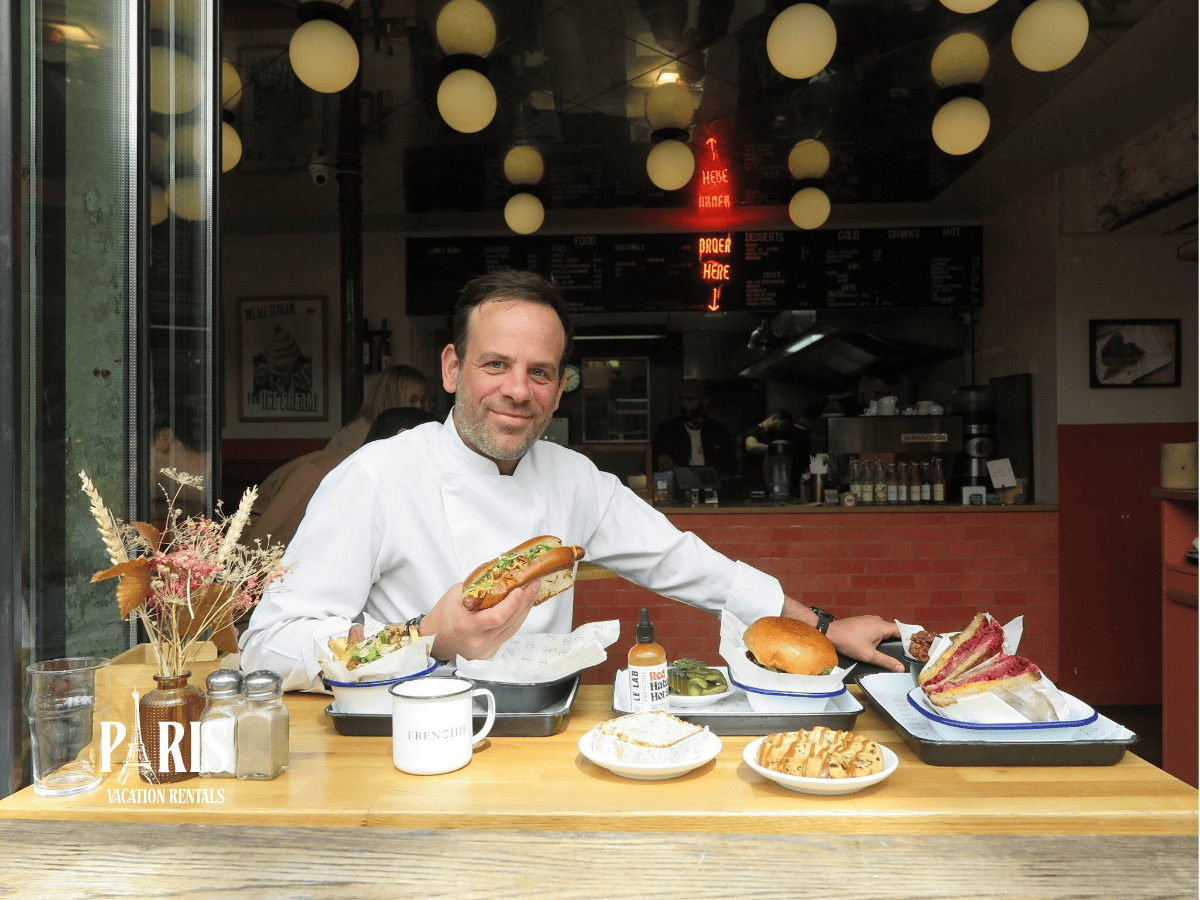
The 2nd arrondissement shows its diverse character when you venture beyond rue montorgueil. The Sentier neighborhood to the east still houses wholesale textile stores and garment manufacturers. Hip bistros and upscale hotels now share the streets. Rue de Nil sits just blocks away and features Chef Grégory Marchand's renowned Frenchie restaurant. Shops that showcase produce, meat, fish, and cheese from local sources line the street. The Bourse neighborhood takes its name from the former Paris stock exchange in Palais Brogniart and occupies the district's middle section.
Passage du Grand Cerf and Rue Étienne Marcel
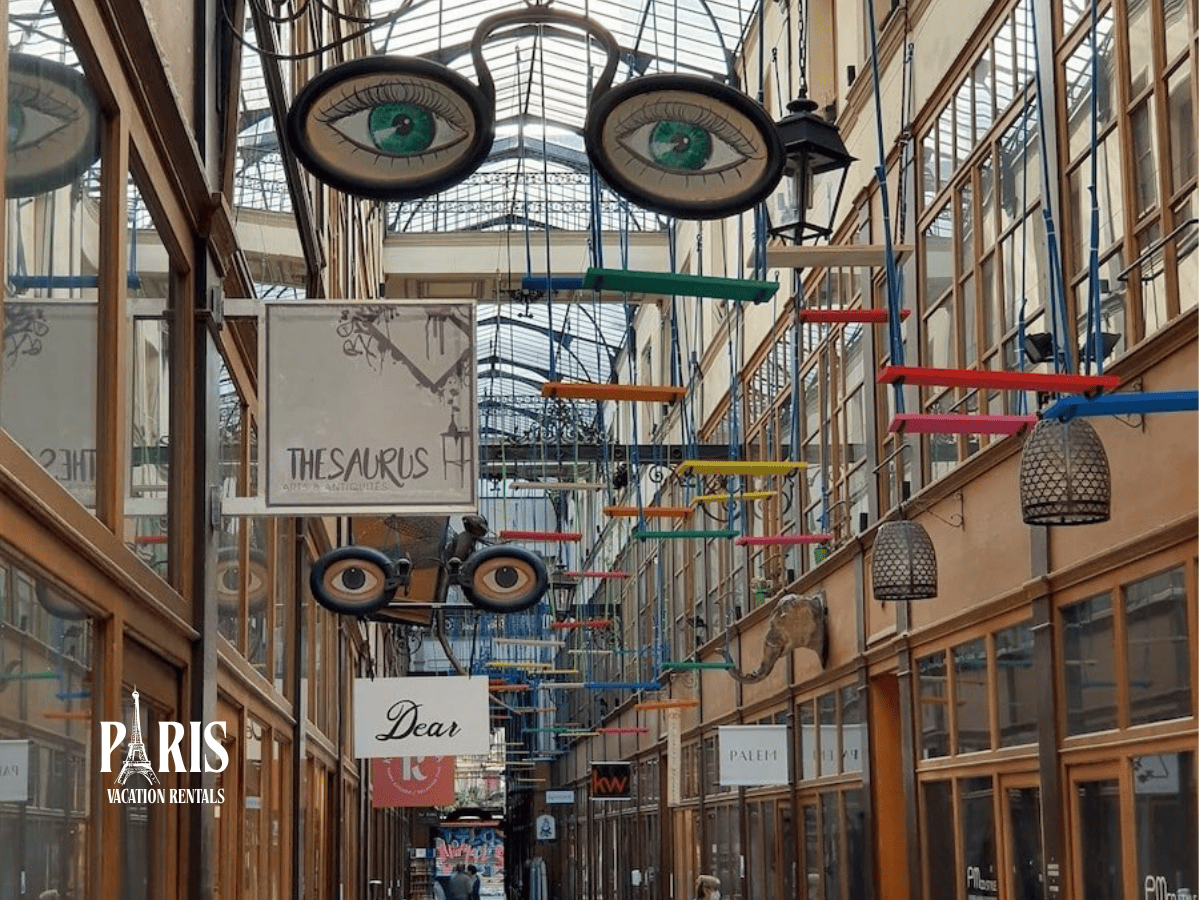
Passage du Grand Cerf was created in 1825 and offers a steel and glass roof that soars three floors high. Vintage treasures, art, crafts, and artisan-made jewelry fill this light-filled covered arcade. You can access it from Rue Dussoubs and Rue Saint-Martin. Rue Étienne Marcel sits nearby and takes you to Tour de Jean Sans Peur, a remaining medieval relic.
Apartment Options Near Rue Montorgueil
The Montorgueil district provides excellent Metro service via line 4. You can access Les Halles, Étienne Marcel, and Réaumur-Sébastopol, where it intersects with line 3 that takes you to Sentier. Apartments here place you within Paris's most central neighborhoods. The 1st arrondissement's Louvre-Tuileries, the 9th's Opéra Garnier, and the 3rd's Le Marais are all close by. Paris Vacation Rentals also offers convenient accommodation options in well-located areas, making it easy to get around Paris and reach the places you want to visit.
Shopping Tips: Etiquette and Simple French Phrases
Walk into any shop and greet the proprietor with "Bonjour Monsieur/Madame" right away. Never touch produce without asking first. Use "Je peux toucher?". Useful phrases include "Je peux regarder?" (May I look around?) and "Combien coûte?" (How much?). Say "Merci, au revoir" when you leave. Bring reusable shopping bags because food shops rarely provide them. French vendors serve customers in order of arrival rather than multitasking.
Key Takeaways
Discover the authentic heart of Parisian food culture on this historic 800-year-old market street that locals still use for daily shopping.
- Visit Tuesday or Wednesday mornings (10 AM-12 PM) for the best market experience with fresh deliveries and manageable crowds
- Start at Stohrer bakery (Paris's oldest from 1730) and work south, greeting vendors with "Bonjour" before browsing
- Expect unfamiliar foods like whole fish with heads, blood sausage, and raw beef preparations that showcase authentic French cuisine
- The pedestrian-friendly cobblestones and grab-and-go options like crêpes make it ideal for families with children
- Avoid Mondays when most shops close for restoration, and bring reusable bags as vendors rarely provide them
This living market street offers a genuine alternative to tourist destinations, where you can shop alongside Parisians while experiencing centuries of culinary tradition in the heart of the 2nd arrondissement.
FAQs
What types of food can you find on Rue Montorgueil?
Fresh bread, pastries, cheese, seafood, meat, crêpes, and deli foods.
When is the best time to visit Rue Montorgueil for shopping?
Tuesday or Wednesday morning, around 10 AM to 12 PM.
Is Rue Montorgueil suitable for families with children?
Yes, it is very family-friendly and easy to walk.
What are some must-visit spots on Rue Montorgueil?
Stohrer, La Fermette, L’Escargot Montorgueil, and Caldo Freddo.
What shopping etiquette should visitors follow on Rue Montorgueil?
Say Bonjour, wait your turn, and do not touch produce without asking.