Unusual Things to Do in Paris 2026 for Americans
April 5, 2026
Unusual Things to Do in Paris 2026 for Americans
I've found that the most fun things to do in Paris aren't always the ones plastered across Instagram. The Eiffel Tower draws millions, but Père Lachaise Cemetery welcomes around 3.5 million visitors annually to its 70,000 plots. Hidden gems such as secret apartments and glass-roofed shopping arcades remain unexplored by most Americans.
This piece goes beyond typical things to do in Paris. We'll explore unusual things to do in Paris, from quirky museums to cool things to do in paris like elevated parks and street art in Belleville. I'll share alternative things to do in paris that helped me guide you through hidden Paris like a local, including the best places to go in paris that most guidebooks skip.

Table of Contents
Paris Things to Do for Americans: Navigate Like a Local
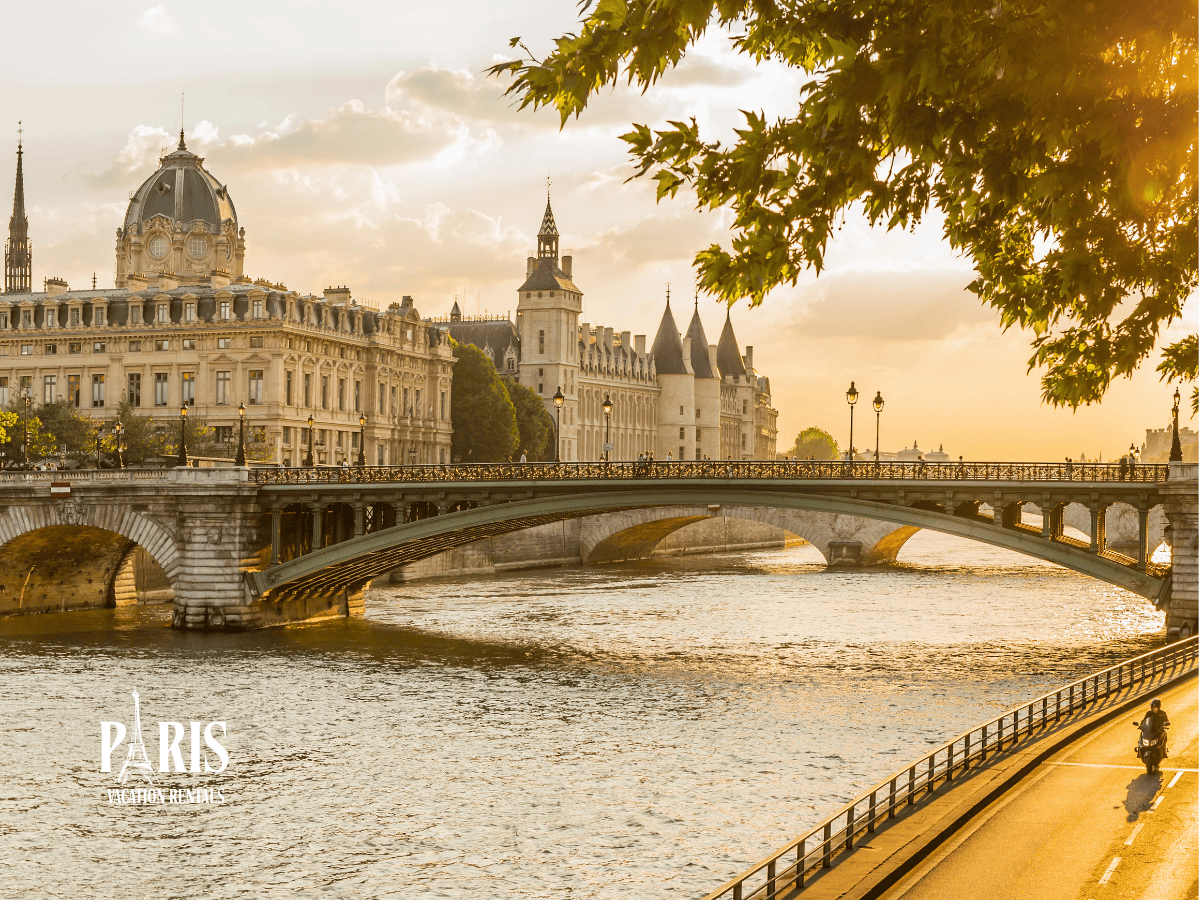
Paris operates on a system that confuses most Americans at first but becomes second nature within hours. The city divides into 20 arrondissements that spiral clockwise from the centre, numbered 1 through 20. Think of it like a snail shell (locals call it "l'escargot de Paris") starting near the Louvre and curling outward. Any address reveals its location through the postal code: 75001 means the 1st arrondissement, while 75011 sits in the 11th.
Understanding the Arrondissement System
Street signs display the arrondissement number among other details like the street name. The Seine River cuts through the middle and creates the Right Bank (north) and Left Bank (south). Lower numbers cluster near the centre and tend to cost more, while higher numbers stretch toward the city's edges.
Best Neighbourhoods to Base Yourself
I recommend the 1st, 4th, 5th, or 6th arrondissements for first-time visitors. The Marais (3rd and 4th) puts you within walking distance of most major sites and offers excellent metro connections. The 1st arrondissement places you near the Louvre, Tuileries Gardens, and Palais Royal.
Stay in the 9th, 10th, 11th, or 12th arrondissements if you want a more authentic experience. The 11th around Bastille buzzes with wine bars and local bistros. These neighbourhoods cost less and feel Parisian.
Using Vélib' Bikes Instead of Tourist Buses
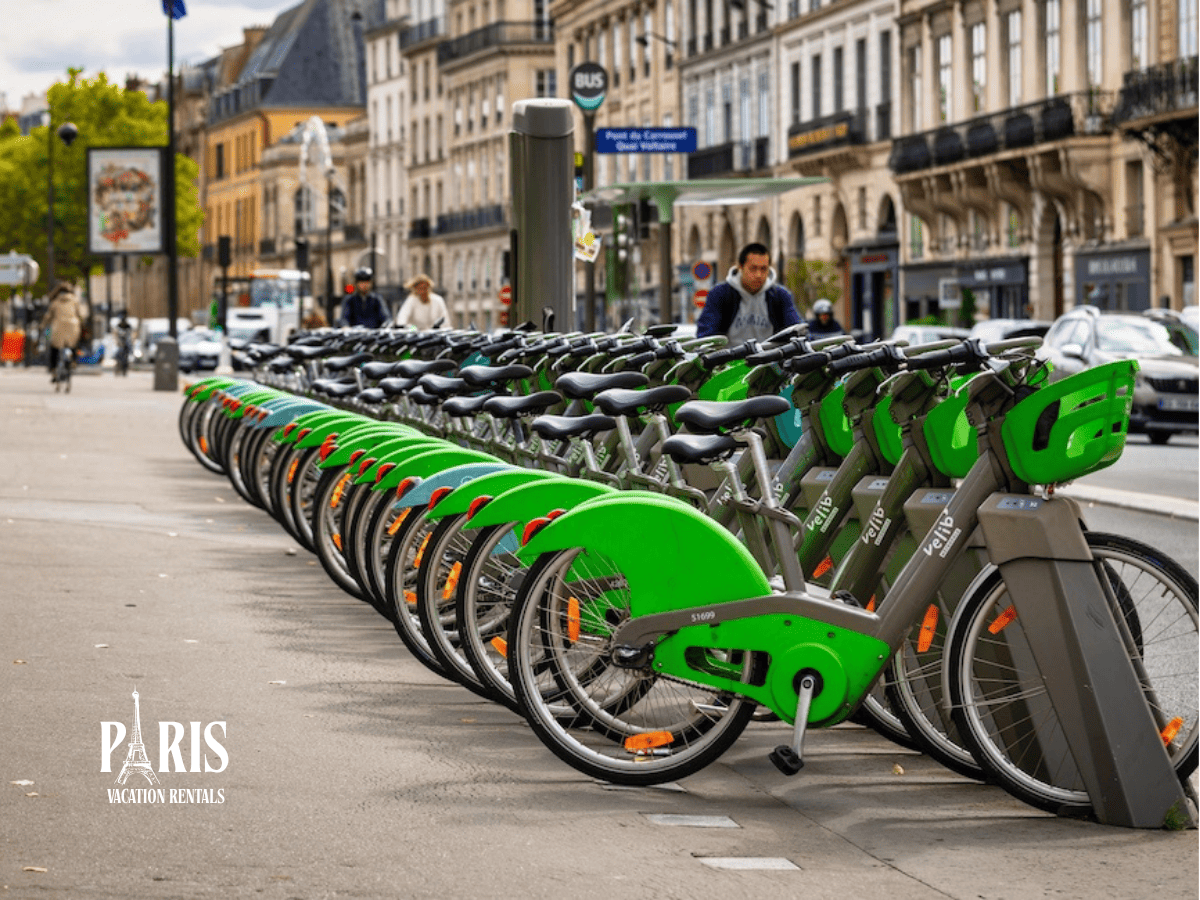
Skip the hop-on-hop-off buses. Paris has 20,000 Vélib' bikes at 1,400 docking stations. A single ride costs €3 for 45 minutes, while a 24-hour pass runs €5 for classic bikes or €10 for electric. One account gives you access to up to five bikes at once.
Check the bike's last review in the app and choose one reviewed within 24 hours. Always verify the return station has empty docks before departing. You must return the bikes to official stations, not leave them on streets.
The Passages Couverts: Glass-Roofed Shopping Arcades
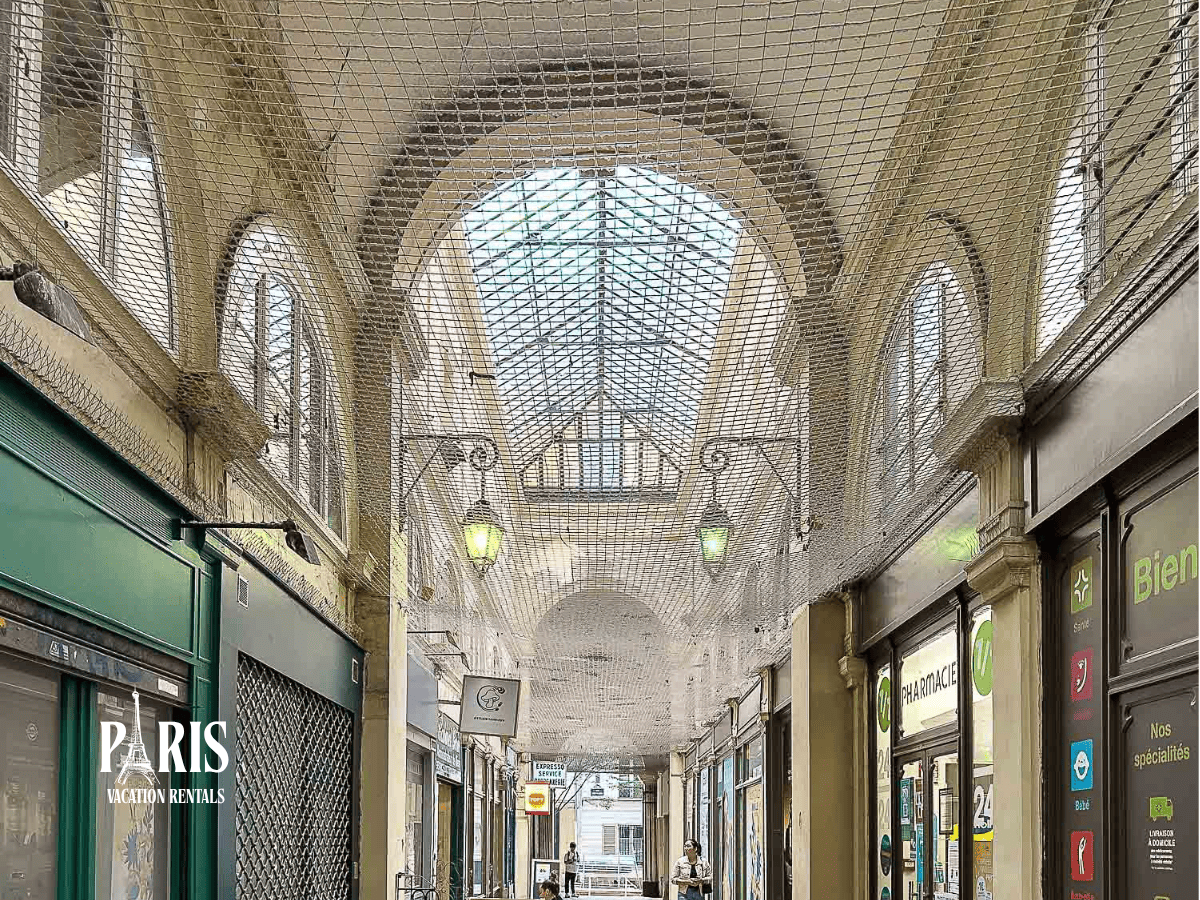
The 2nd arrondissement hides one of Paris's best secrets: glass-roofed shopping arcades from the 19th century. Around 21 passages couverts still exist, though roughly 150 operated during their peak. Galerie Vivienne features mosaic floors and elegant boutiques, while Passage des Panoramas (the oldest, built in 1799) packs in restaurants and cafés.
These private pedestrian lanes connect major streets through iron gates that lock nightly. Look for Passage du Grand Cerf with its 12-metre-high structure and Passage du Caire stretching over 360 metres.
When to Skip the Famous Champs-Élysées
Locals avoid the Champs-Élysées. It's Paris's version of Times Square: busy, overpriced, and packed with chain stores. Walk it once for photos, then move on. The real Paris happens in neighbourhood bistros and quiet side streets.
Hidden Paris: Quirky Museums and Cultural Spots Americans Miss
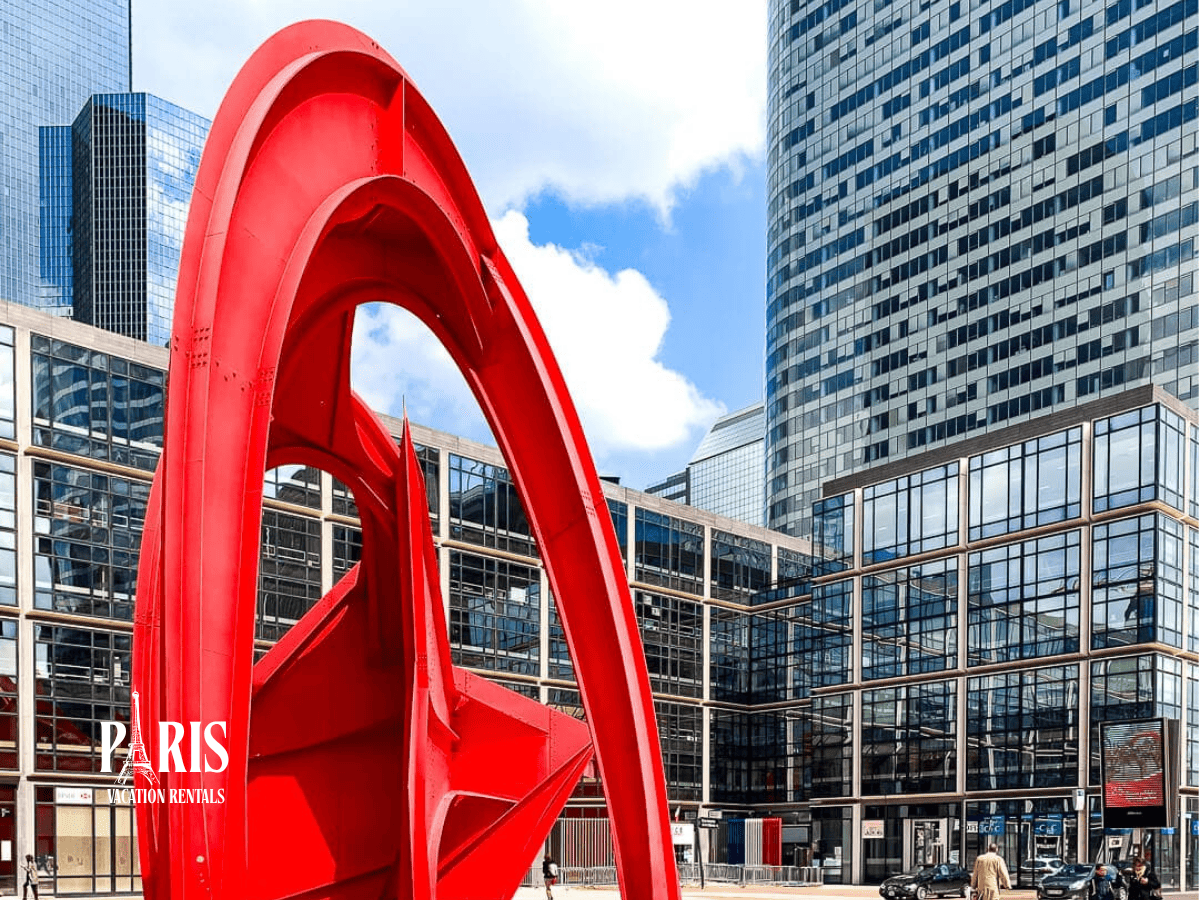
Most Americans rush between the Louvre and Musée d'Orsay, missing Paris's quirkiest cultural spots. These hidden paris venues offer unusual things to do in paris without the crowds.
Musée Carnavalet: The Paris History Museum
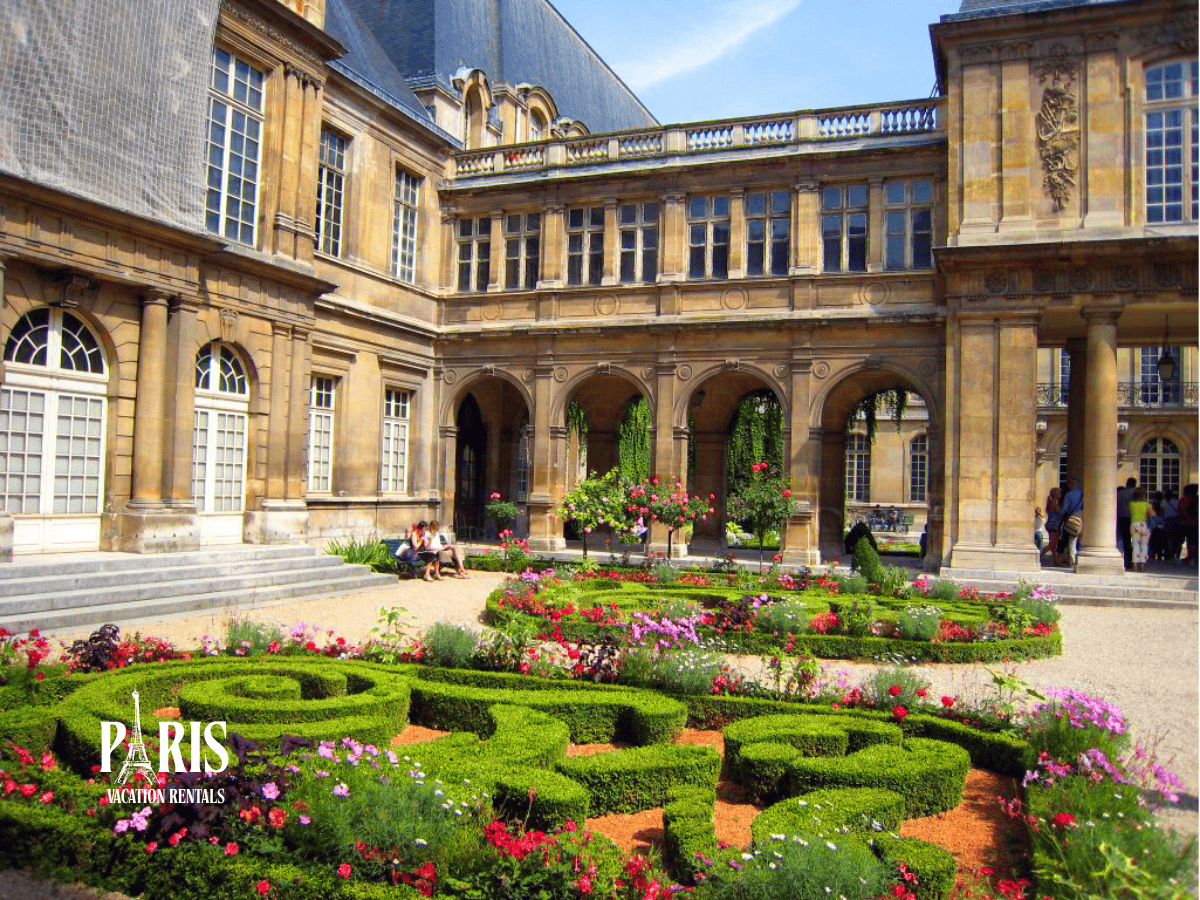
The oldest City of Paris museum occupies two connected mansions at 23 rue Madame de Sévigné. Years of renovation preceded its 2021 reopening with 40 decorated rooms displaying 3,800 objects from a total collection of 625,000 pieces. Open Tuesday to Sunday from 10am to 6pm (closed Mondays), admission costs nothing. You'll find the original Bastille key and Marie-Antoinette's belongings among the Paris history exhibits, along with guillotine-shaped earrings.
Cognacq-Jay Museum: 18th-Century Art in the Marais
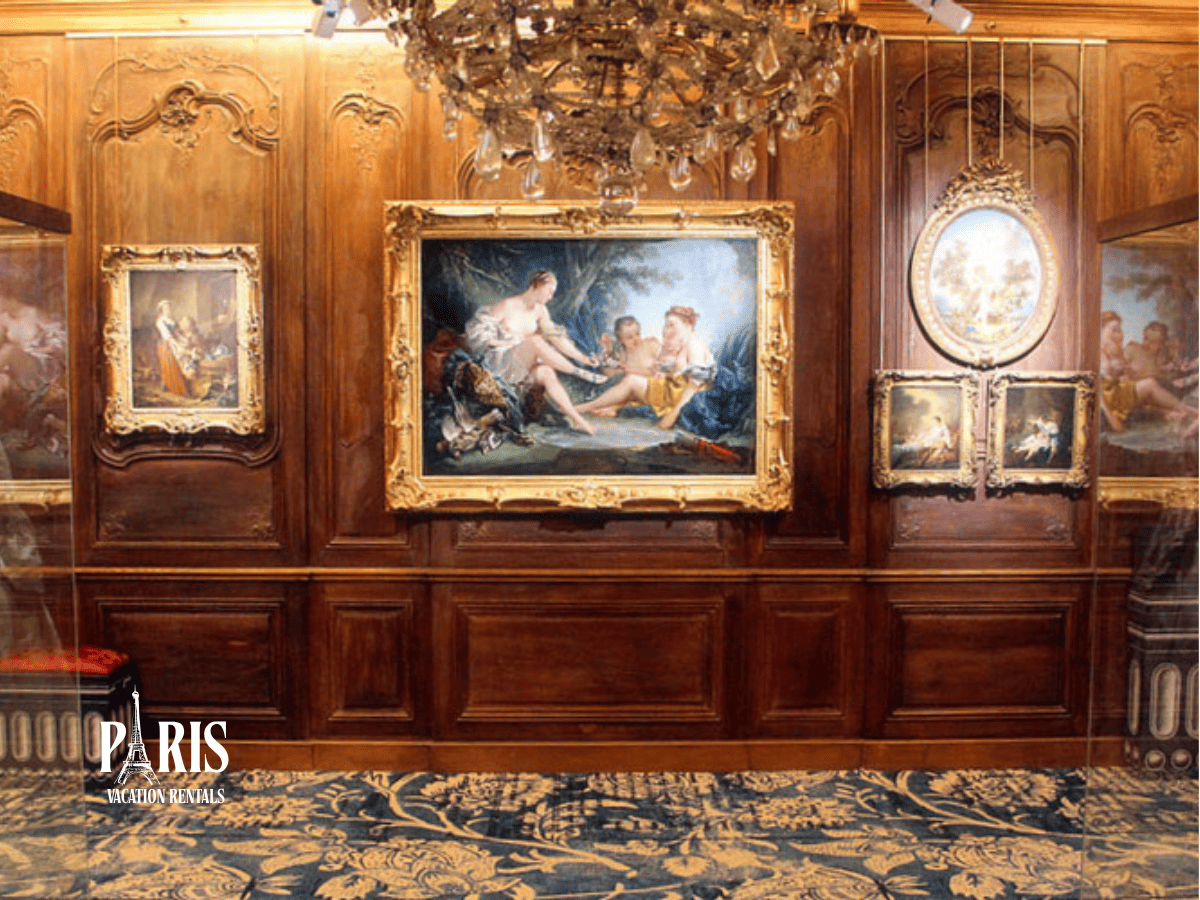
Ernest Cognacq, founder of La Samaritaine department store, and his wife Marie-Louise Jay assembled this 18th-century art collection between 1900 and 1927. The museum moved to the 16th-century Hôtel Donon in the Marais in 1990. Expect paintings by Canaletto, François Boucher, and Jean-Honoré Fragonard with porcelains and furniture from wealthy 1700s estates.
Grand Rex: Europe's Largest Movie Screen
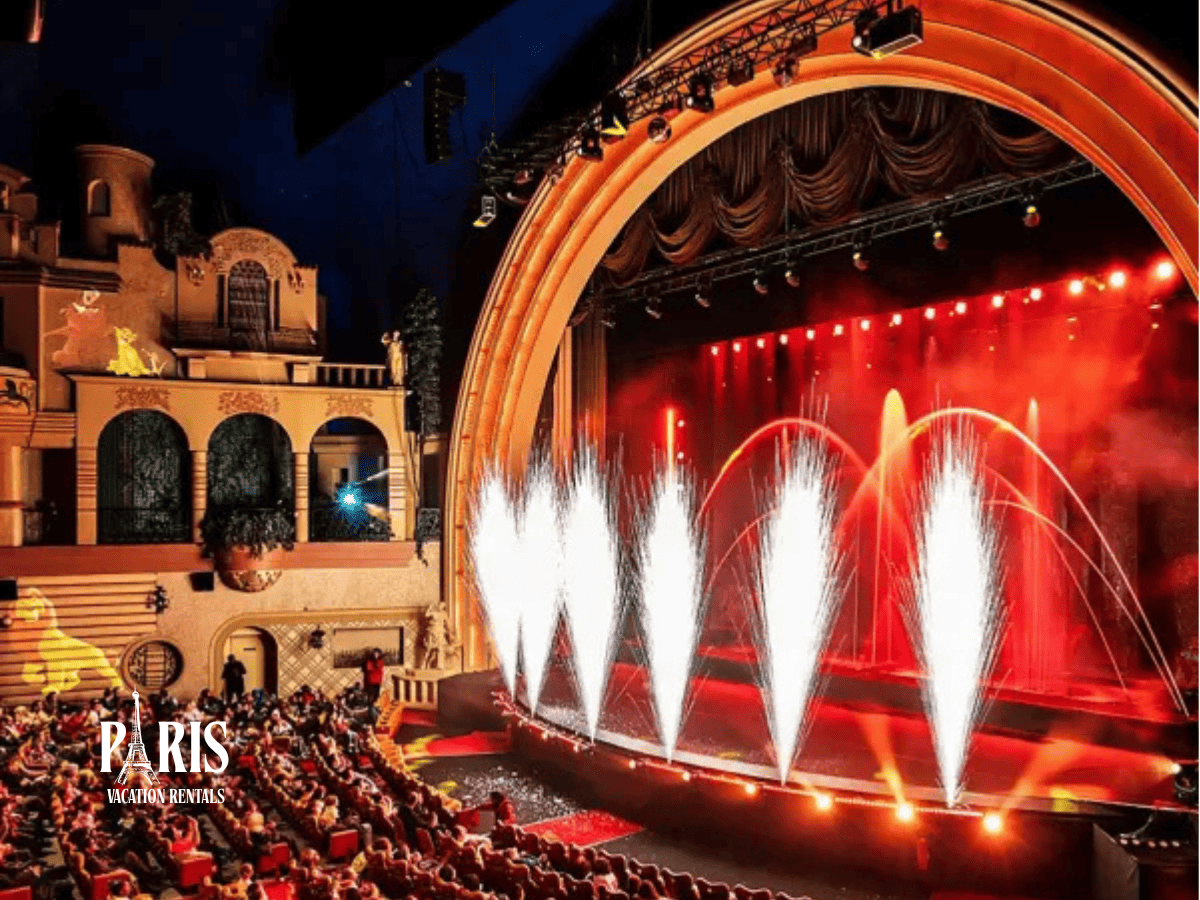
This Art Deco cinema at 1 boulevard Poissonnière seats 2,700 to 2,800 people in its grand hall. The 300-square-metre screen remains Europe's largest non-IMAX screen. Louis Lumière attended the opening on 8 December 1932. The venue hosts film premieres and marathons. Behind-the-scenes tours run daily except Fridays.
Comédie Française: The World's Oldest Active Theatre
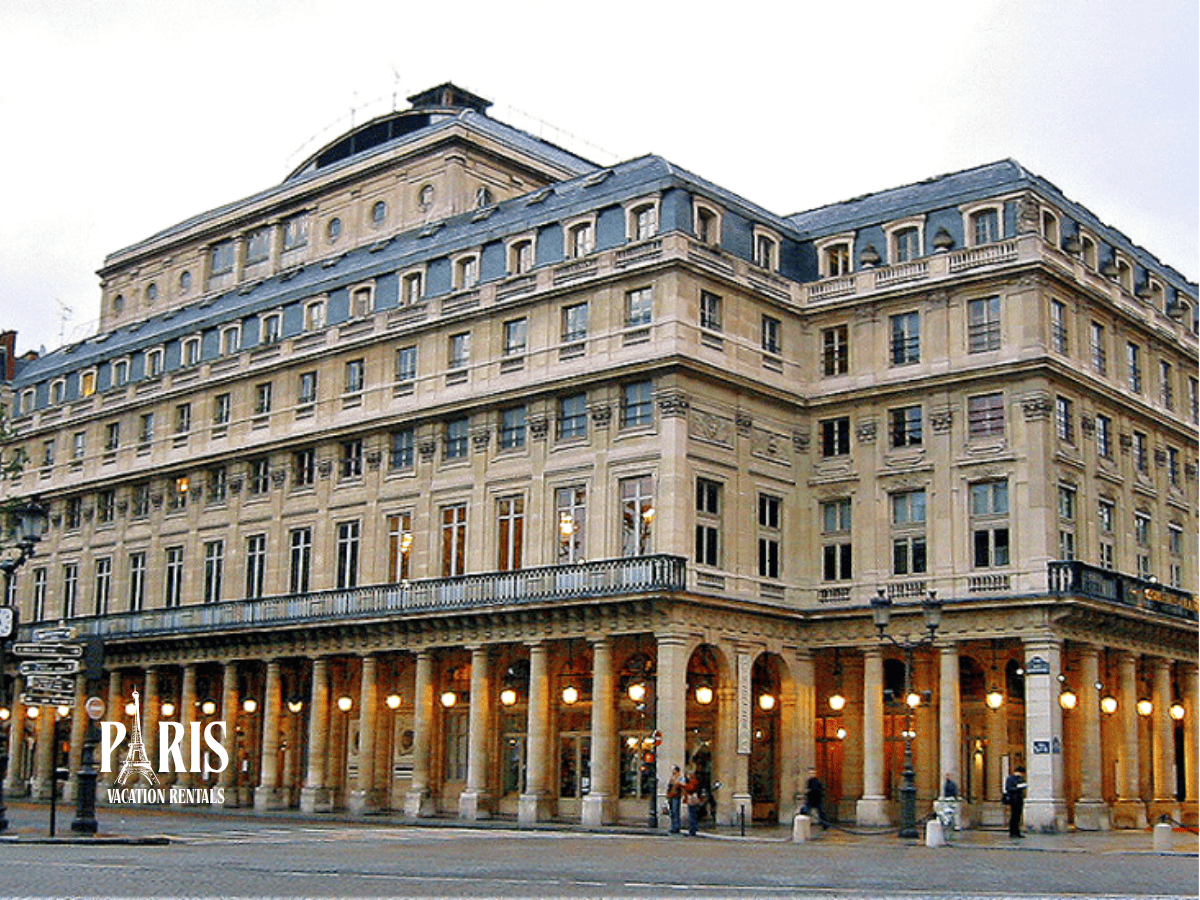
Founded in 1680, this state theatre at 2 rue de Richelieu holds the title of world's oldest active theatre company. Known as "La Maison de Molière," it maintains France's only permanent state-controlled acting troupe.
Folies Bergère: Art Deco Music Hall
Operating since 2 May 1869 at 32 Rue Richer, this music hall received its distinctive Art Deco facade in 1929 from architect Maurice Pico. The Grande Salle accommodates 1,200 spectators, whilst the intimate Salle Boris Vian seats 500. Josephine Baker performed here in 1926.
Cool Things to Do in Paris: Local Food Experiences and Markets
Eating well in Paris doesn't require Michelin stars or €100 meals. The best food experiences happen at markets, wine bars and traditional bouillons where locals eat.
Marché aux Puces: Weekend Flea Market Adventures
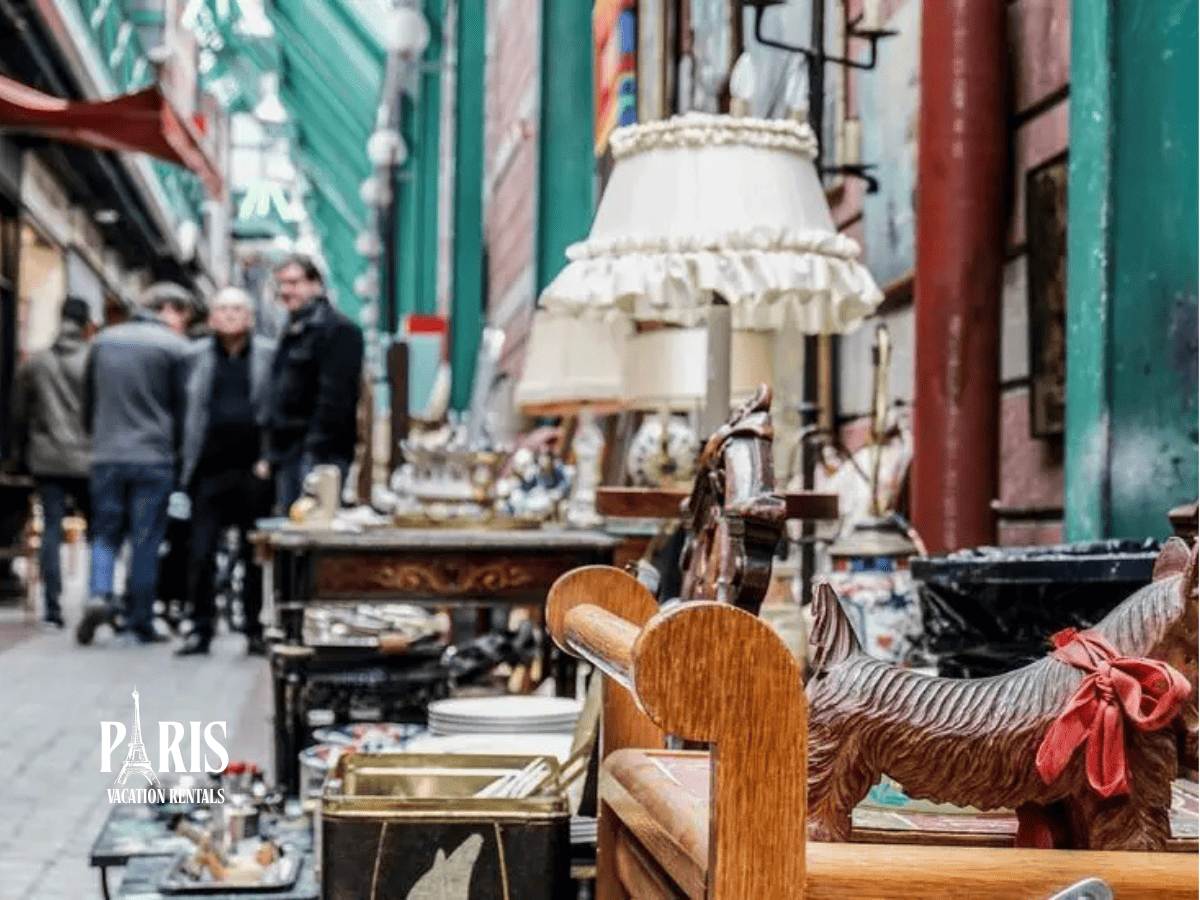
Les Puces de Saint-Ouen covers seven hectares and receives between 120,000 to 180,000 visitors each weekend. This is the world's largest antique market. Open Saturdays from 9am to 6pm, Sundays 10am to 6pm, and Mondays 11am to 5pm. Take Metro Line 4 to Porte de Clignancourt. Many dealers close on Mondays or open by appointment only.
Marché des Enfants Rouges: Communal Food Court
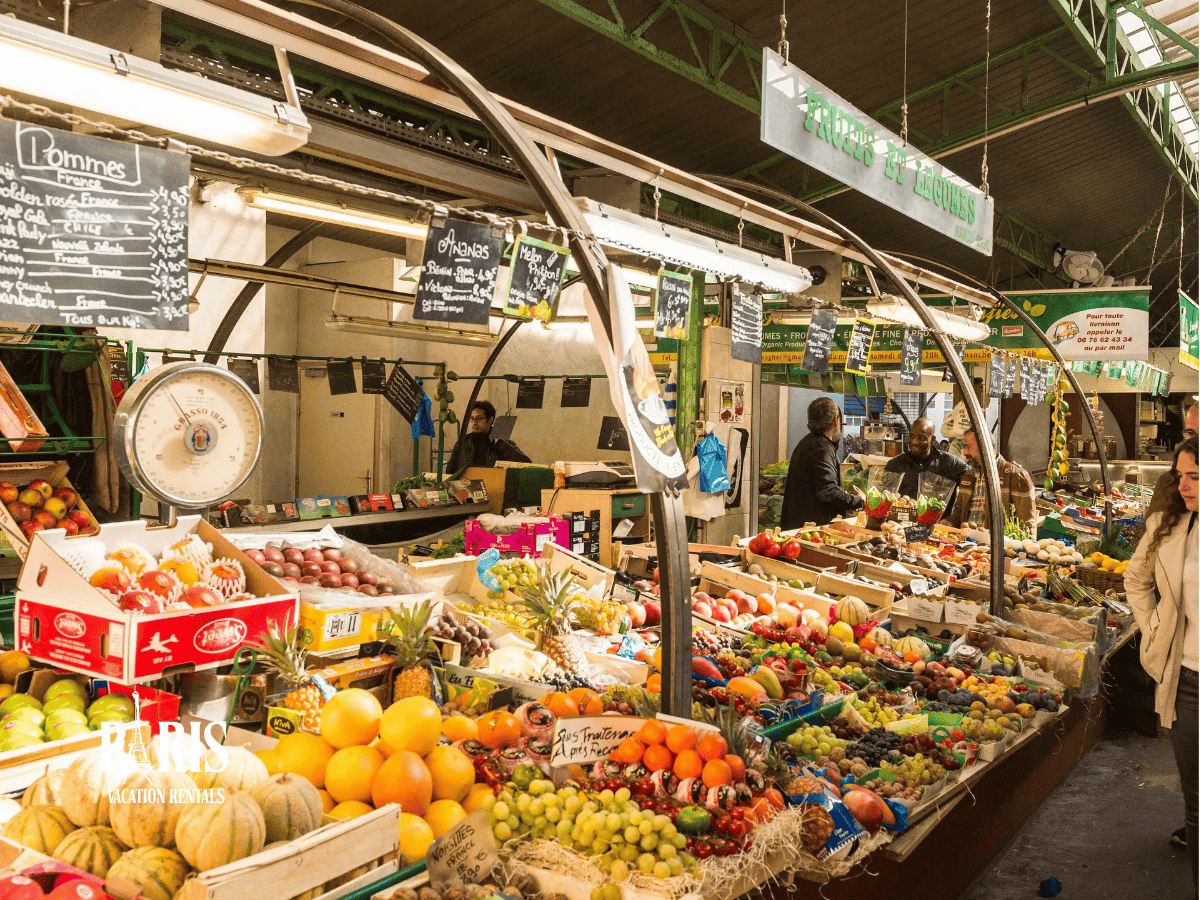
Paris's oldest covered market sits at 39 rue de Bretagne and dates back to 1615. The market now operates as a food court with Moroccan tagines from €9 and Japanese bento boxes served at noisy communal tables. Open Tuesday through Saturday 8:30am to 8:30pm, Sundays until 5pm. Arrive before noon to avoid lunchtime crowds.
Natural Wine Bars in Bastille
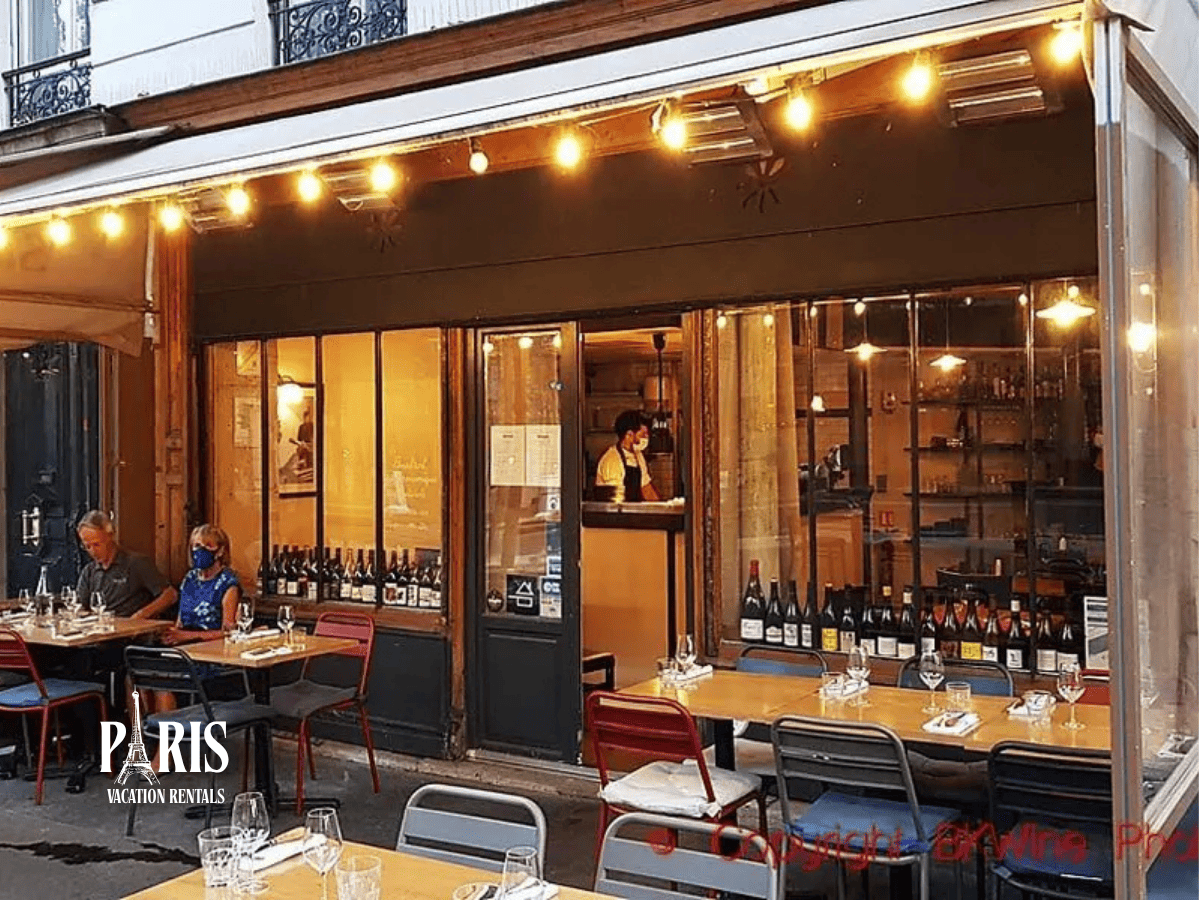
The 11th arrondissement around Bastille concentrates Paris's natural wine scene. Loulou de Bastille at 11 rue Richard Lenoir serves French cooking with natural wines around €20 per bottle. Cave de Septime offers exceptional wine selections in a standing-room space.
Traditional Bouillon Restaurants
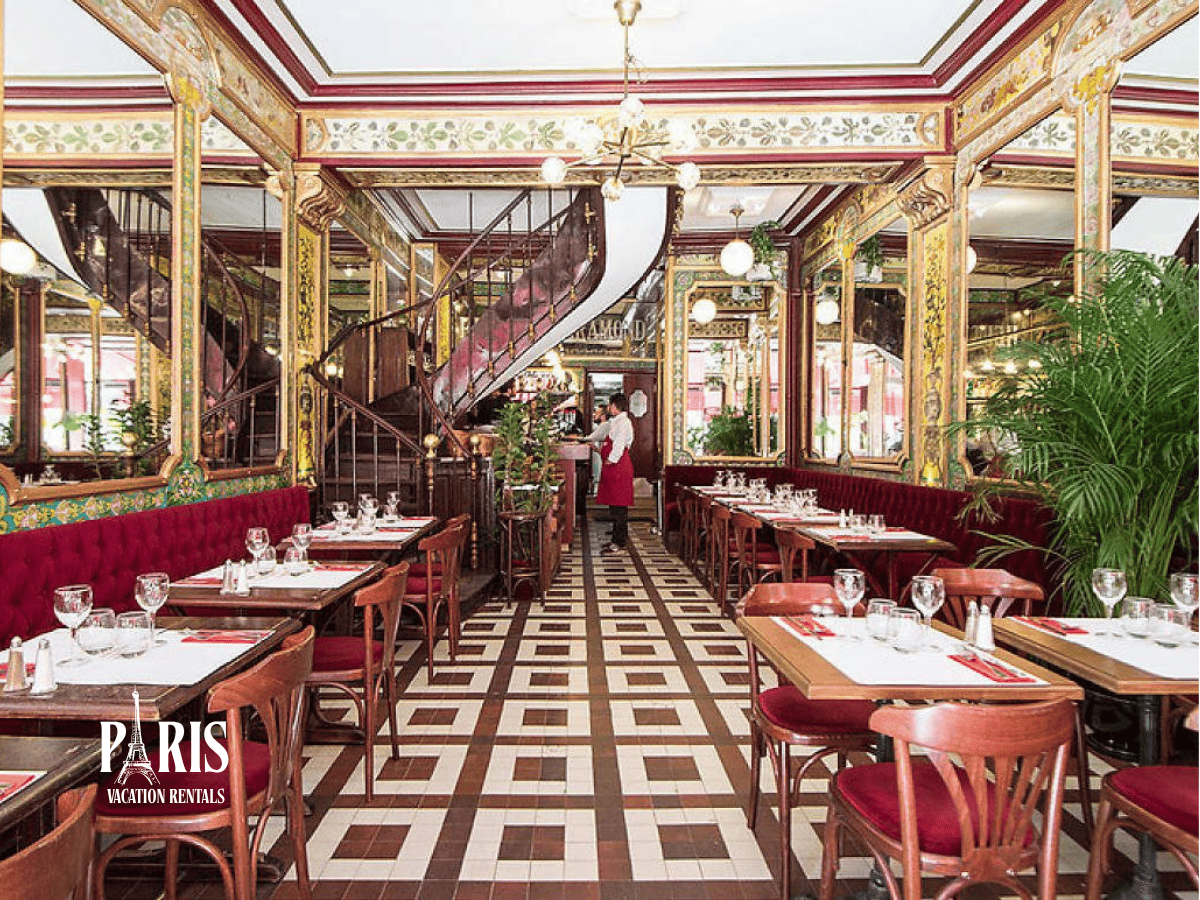
These large brasseries serve classic French dishes at prices that shocked me. Bouillon Chartier opened in 1896 and offers three courses with wine and coffee for under €30. Starters begin at €1. No reservations accepted, so arrive at 12:00 or 19:00 sharp.
Picnicking Along the Seine or in Luxembourg Gardens
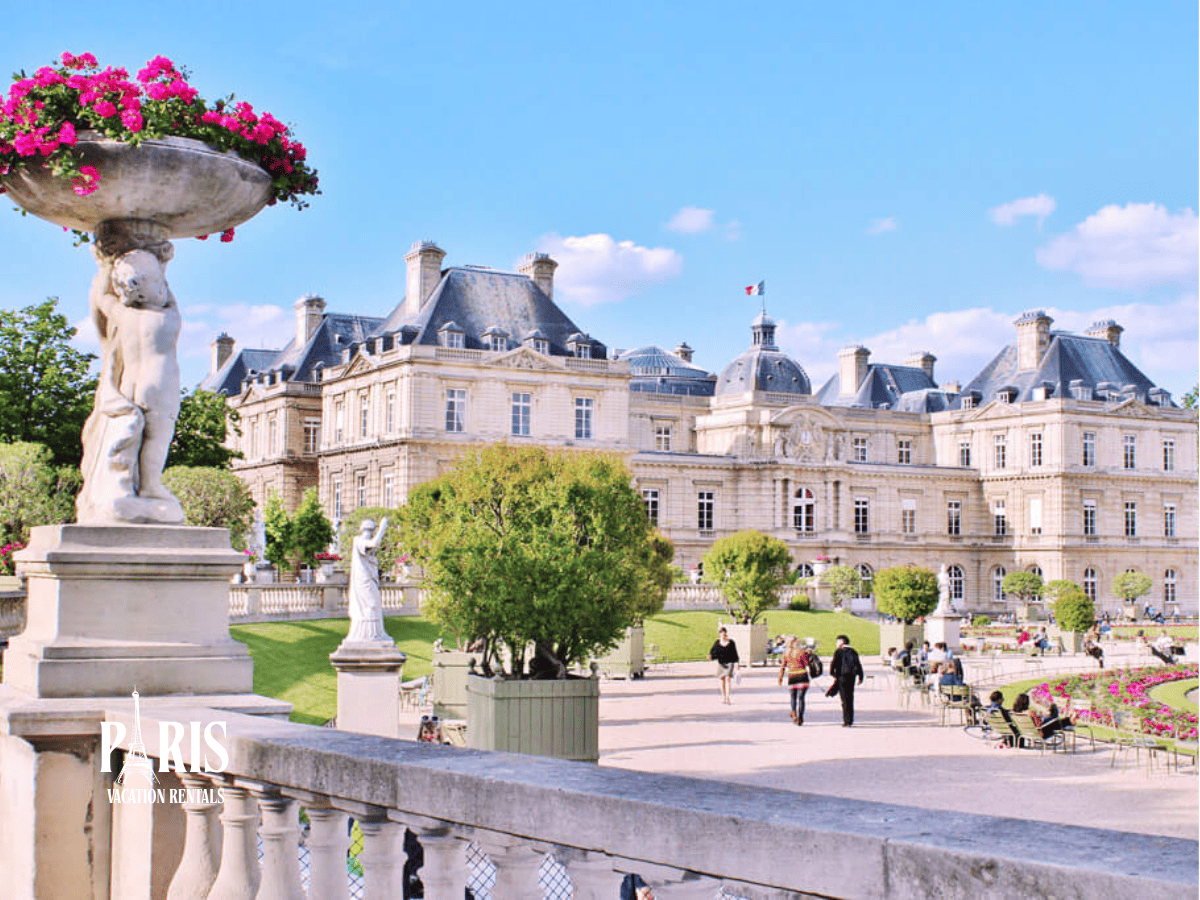
Grab bread and cheese from any boulangerie and fromagerie. The tip of Île Saint-Louis offers views of the Seine. Luxembourg Gardens provides green chairs around the central basin if sitting on grass doesn't appeal to you.
Places to Go in Paris: Off-the-Beaten-Path Activities
Beyond museums and restaurants, these places to go in paris reveal unusual things to do in paris that feel genuinely local.
La Promenade Plantée: The Original Elevated Park
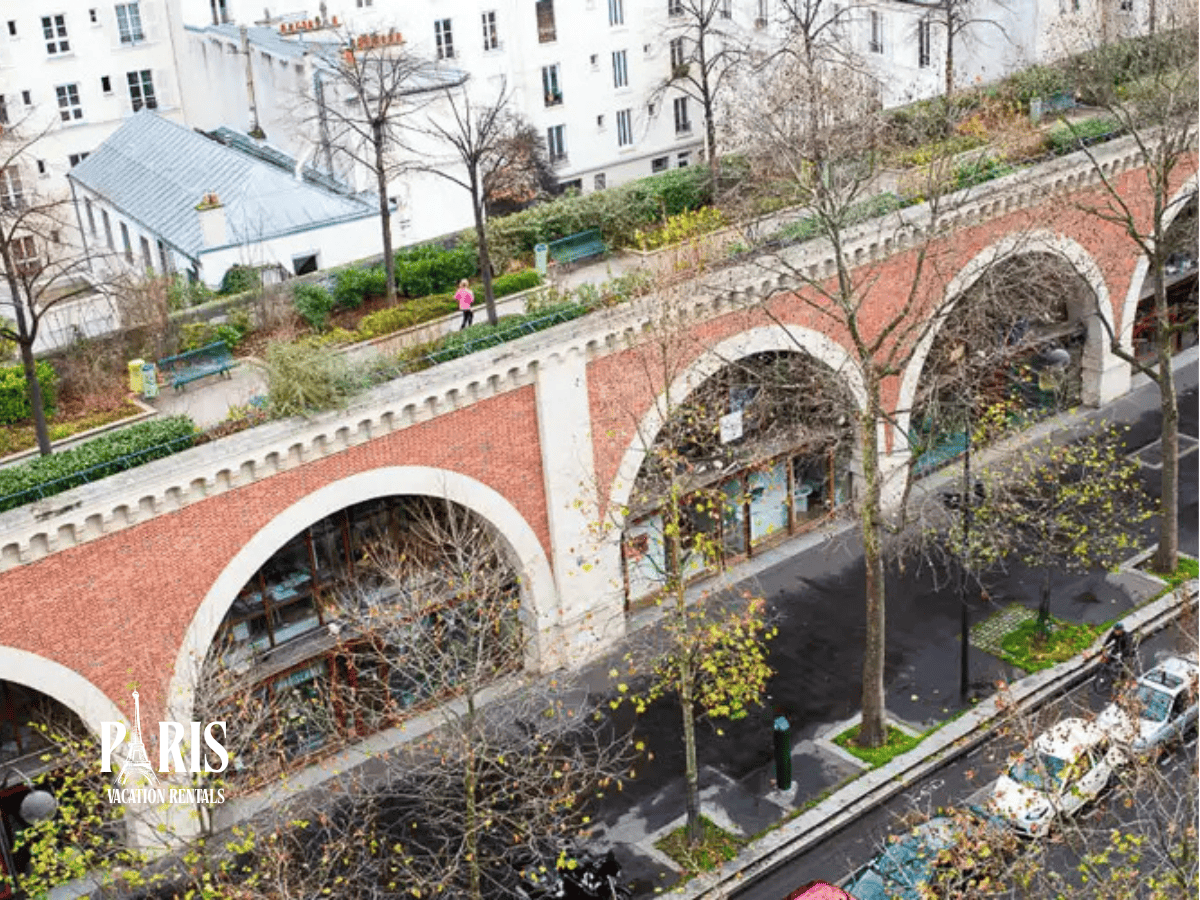
This 4.7-kilometre linear park opened in 1993 as the world's first elevated urban park and inspired New York's High Line years later. It starts behind Opéra Bastille and runs atop the Viaduc des Arts before descending through tunnels near Bois de Vincennes.
Père Lachaise: Celebrity Graves and Quiet Corners
Jim Morrison's grave remains the most visited site. Oscar Wilde's tomb sits behind glass to prevent lipstick kisses, whilst Édith Piaf's plot always displays fresh flowers. Georges Rodenbach's bronze figure bursts from his granite tomb.
Canal Saint-Martin: Picnic with Parisians
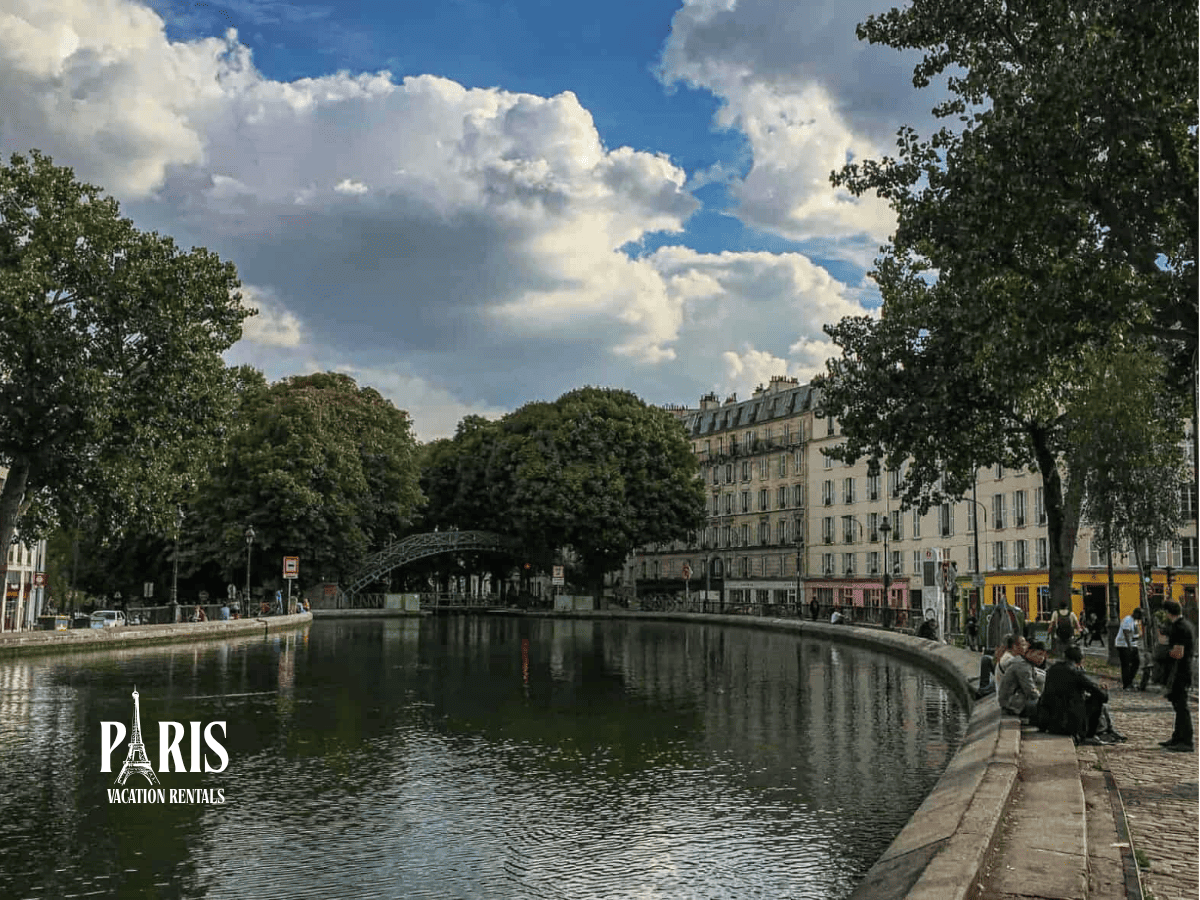
This 4.5-kilometre waterway attracts young Parisians who gather along the stone embankments with wine and cheese. The area near Rue de Lancry offers the liveliest scene.
A Baking Class Instead of Museum Hopping
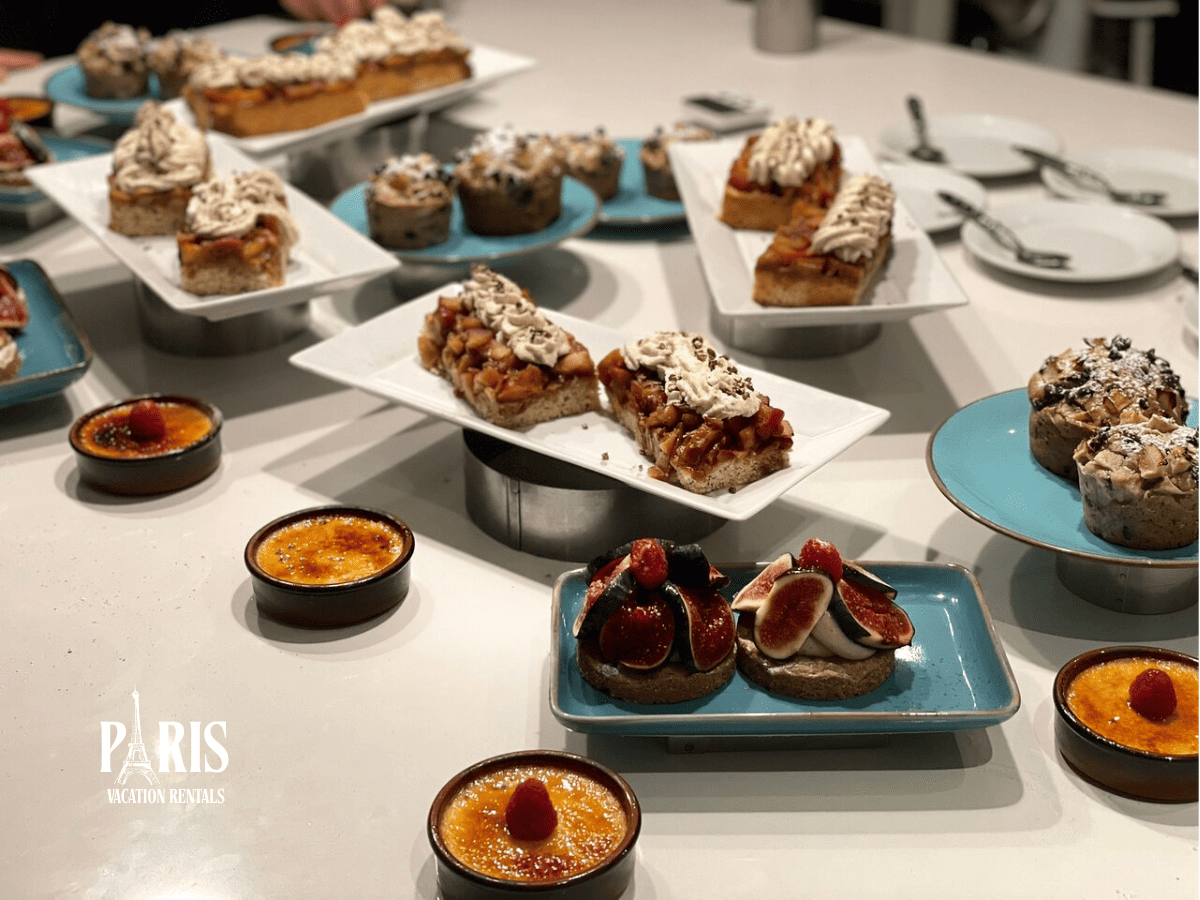
Three-hour croissant-making classes with champagne operate near the Eiffel Tower. Chefs provide hands-on guidance and teach classic French techniques in small group settings.
Street Art in Belleville
Belleville's walls have showcased graffiti artists since the 1980s. Rue Denoyez displays layers of spray-painted images and stencils. Seth's 2014 piece (refreshed in 2022) towers over Belleville Park, whilst Nemo's detective character has appeared since the 1980s.
Day Trip to Giverny: Monet's Water Lily Pond
Monet's house and gardens open April 1st through November 1st, 2026, from 10am to 6pm. Adult admission costs €13. The train from Gare Saint-Lazare to Vernon takes under an hour, then a €5 shuttle reaches Giverny in 10-15 minutes.
Key Takeaways
Discover the authentic Paris that most Americans miss by exploring beyond the typical tourist attractions to find genuine local experiences and hidden cultural gems.
- Navigate Paris like a local using the arrondissement system and Vélib' bikes instead of tourist buses for authentic exploration
- Skip crowded museums for quirky alternatives like Musée Carnavalet (free Paris history) and Europe's largest cinema screen at Grand Rex
- Experience genuine Parisian food culture at weekend flea markets, natural wine bars in Bastille, and traditional bouillon restaurants under €30
- Explore off-the-beaten-path spots like La Promenade Plantée (the original elevated park) and street art in Belleville for unique adventures
- Visit glass-roofed shopping arcades from the 19th century and picnic along Canal Saint-Martin where young Parisians actually gather
The real Paris happens in neighbourhood bistros, quiet side streets, and local haunts where authentic culture thrives away from Instagram-worthy tourist traps.
FAQs
What is the arrondissement system?
Paris is divided into 20 numbered districts spiralling clockwise from the centre. The postal code tells you where you are — 75001 is the 1st, 75011 is the 11th. Lower numbers mean more central, higher numbers mean further out.
Which neighbourhoods are best for Americans?
The 1st, 4th, 5th and 6th are closest to major sights. The Marais (3rd/4th) is great for walkability. For a more local feel, try the 11th around Bastille — excellent wine bars, bistros and good metro connections.
What are the passages couverts?
19th-century glass-roofed arcades, with around 21 still open today, mostly in the 2nd arrondissement. Top picks: Galerie Vivienne, Passage des Panoramas (the oldest, from 1799) and Passage du Grand Cerf.
How much does Musée Carnavalet cost?
It's completely free. The museum covers Paris history across 40 rooms, including the original Bastille key and Marie-Antoinette's belongings. Open Tuesday to Sunday, 10am to 6pm.
What makes La Promenade Plantée unique?
Opened in 1993, it was the world's first elevated urban park — predating New York's High Line by years. The 4.7km route runs from Bastille atop an old railway viaduct before descending towards Bois de Vincennes.