Americans Scammed in Paris: How to Avoid It
March 20, 2026
Americans Scammed in Paris: How to Avoid It
France attracts tens of millions of visitors every year. This makes it one of the most visited travel destinations in the world. Paris draws crowds with its iconic landmarks and vibrant culture. But this popularity has led to sophisticated scams that target unsuspecting tourists.
Americans visiting Paris need to stay vigilant against scams. These range from pickpocketing at major attractions to paris taxi scams that inflate fares. Understanding common scams in paris and recognising tourist scams in paris before they happen can protect your trip substantially.
In this piece, we'll walk you through the most prevalent scams and show you how to spot warning signs. We'll also provide practical steps to keep yourself safe while exploring the City of Light.

Table of Contents
Most Common Scams in Paris Targeting Americans

Each year, approximately 2,000 Americans report their passports stolen or lost in Paris. Scammers operate with precision at the city's most beloved sites and use tactics refined over decades.
Pickpocketing at Tourist Attractions

The Eiffel Tower ranks as the worst place for pickpockets in France. Thieves target distracted visitors at the tower's base and inside crowded elevators. Tourists become easy marks there. The Champs-Élysées, Louvre, and Notre Dame have similar problems.
Pickpockets employ the "crush-and-grab" technique on the Metro. Several people swarm you while boarding or exiting and push from all sides while emptying your pockets. Another method involves grabbing purses from passengers near doors and then hopping off as the doors close.
Distraction tactics are common at street level. Two or more people approach and ask for directions or try to sell items. One person occupies your attention while an accomplice picks your pocket.
Gold Ring Scam

A scammer pretends to find a gold ring on the sidewalk, picks it up, and asks if it's yours. They offer to sell it when you say no. Tourists encounter this scam repeatedly near the Eiffel Tower, sometimes three times within an hour. The rings are cheap brass and worthless despite appearing gold.
Friendship Bracelet Scam

Men approach tourists around Sacré-Coeur in Montmartre and tie colourful string bracelets around your wrist. They grab your arm, which makes it difficult to refuse. They ask for payment once the bracelet is on, often over €15-20. The scammers become aggressive and intimidating if you refuse. Accomplices may pickpocket you while you're distracted.
Petition Scam

Groups of young women carrying clipboards approach tourists at major attractions. They ask you to sign a petition for a supposed charity. They ask for money for the cause after signing. Other members of the gang may be picking your pockets meanwhile. Some petitions display different prices on each side, hidden by their hands and then revealed based on your perceived nationality.
ATM Skimming and Card Theft
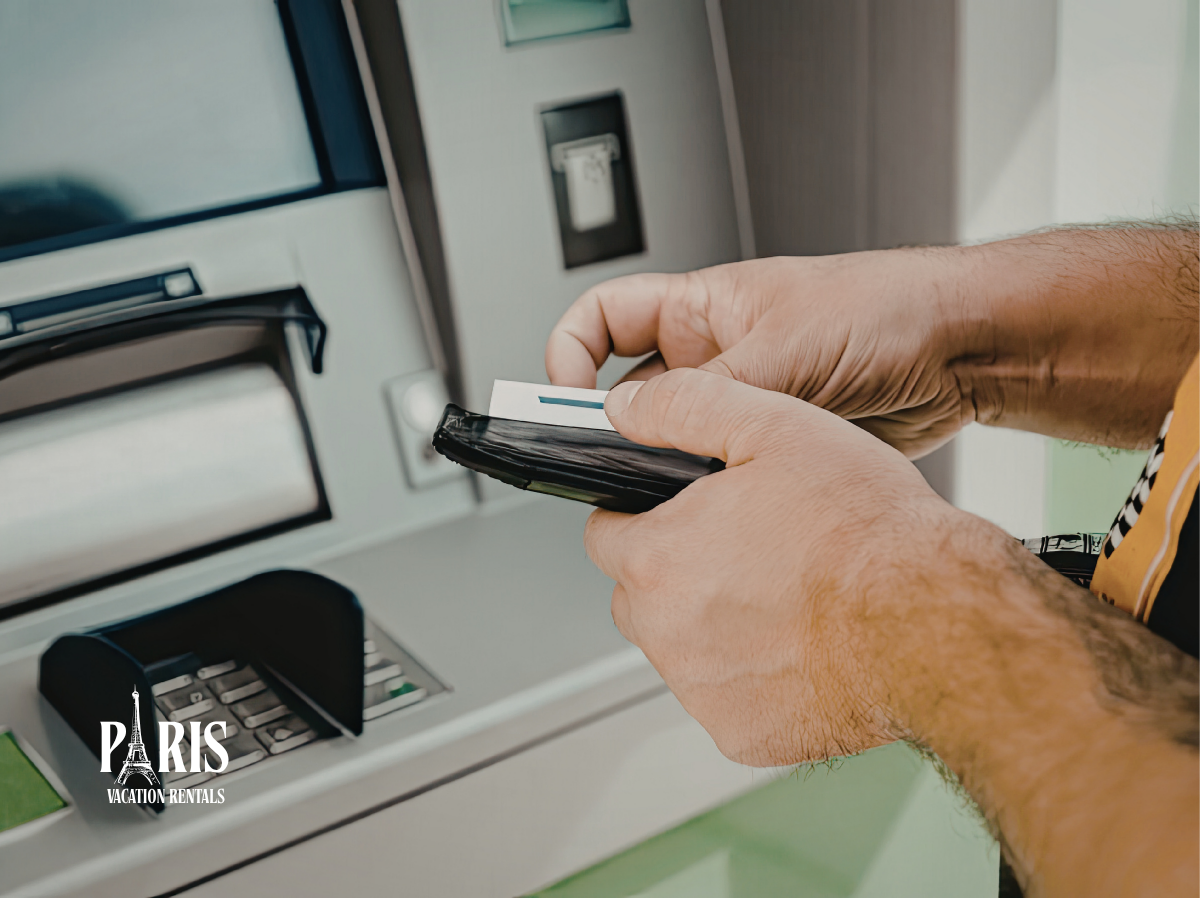
Devices placed on ATMs steal your card information. Scammers sometimes insert fake card slots. Your card gets stuck and you leave to seek help. They remove the insert and take your card. Restaurant staff taking cards out of sight may photograph all details (16 card numbers, 4-digit expiry, 3-digit CVV). One traveller's card was later charged €1,099 without authorisation.
Taxi Scams in Paris
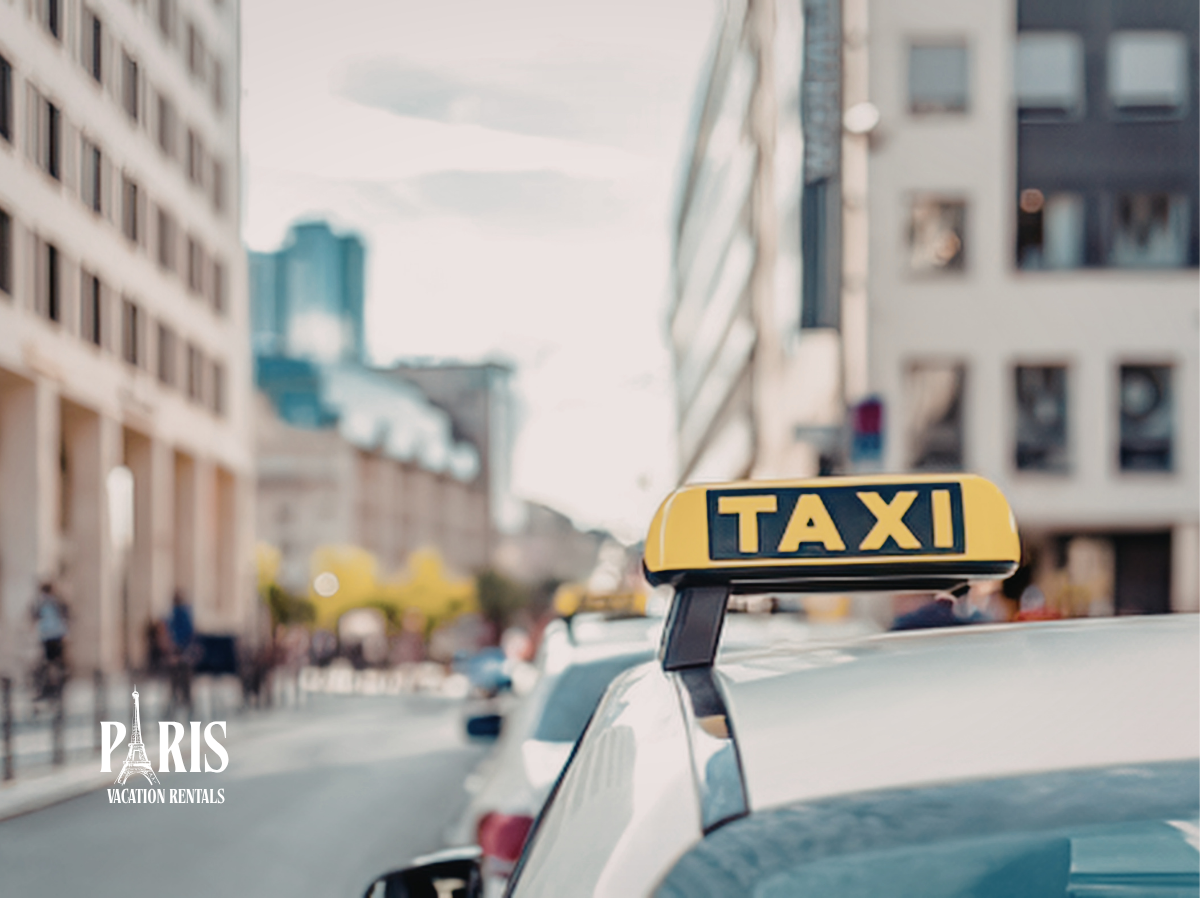
Unlicensed drivers often divert tourists away from official taxi queues at Charles de Gaulle Airport. One victim was charged €360 for a journey that should have cost around €55 to €60. Another traveller was presented with a card machine pre-set to €1,890 instead of the actual €17.70 fare. Official taxis have fixed rates for airport transfers, usually around €56 to €65 depending on the destination, but some drivers still overcharge or take unnecessarily long routes. This is especially important to keep in mind because Paris has many reliable transport options, including the Metro, buses, trams, and official taxis, so visitors do not need to rely on suspicious drivers.
How to Recognise Scam Patterns Before They Happen
This is paragraph text. Click it or hit the Manage Text button to change the font, color, size, format, and more. To set up site-wide paragraph and title styles, go to Site Theme.
Unwanted Approaches in Crowded Areas
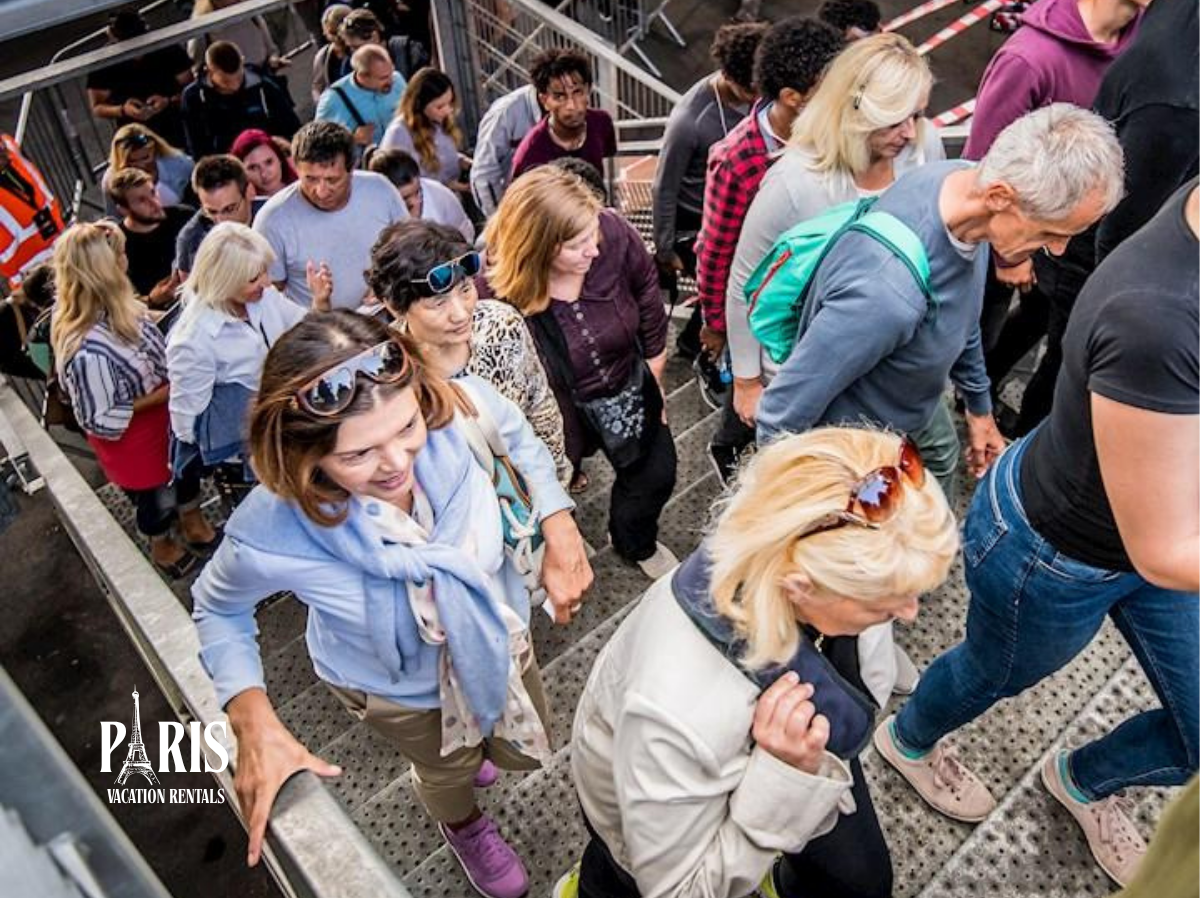
Watch for people acting suspiciously, such as looking around frequently or loitering without clear purpose. Groups of teenage girls with running shoes and no bags often work Metro lines at Étoile and Châtelet stations. They distract you and ask where something is while leaning against you or pushing. One grabs your phone or wallet right when the doors close.
Too-Good-to-Be-True Offers

People often target tourists by offering discounted Metro or museum tickets, claiming they have extras or access to special deals. These tickets are usually fake and can lead to fines or denied entry. Some scammers also pretend to be Metro staff and approach tourists directly to sell tickets at inflated prices, even though real Metro staff stay behind official ticket counters or machines. This matters even more because there are legitimate ways to make visiting Paris museums easier, including booking official timed-entry tickets in advance and choosing less crowded hours instead of trusting people selling unofficial shortcuts.
Distraction Tactics

Distraction is the foundation of many pickpocket events. Someone distracts you with a petition, newspaper, or question while an accomplice searches for your wallet. A distressed tourist hands you a map and asks where to go; during this, an accomplice may snatch your belongings. Physical encounters also serve as distractions. Someone may spill something on you and help clean up while an accomplice makes off with your money.
Fake Urgency and Pressure

Scammers use specific language to manipulate targets. Common phrases include urgent requests for help or questions that evoke sympathy. After tying a bracelet around your wrist, they demand payment, sometimes in an aggressive manner. Pay attention to inconsistencies in their stories. Scammers may change details when pressed for information. If someone seems rehearsed or avoids answering questions directly, it indicates a scam.
Practical Steps to Protect Yourself

Protecting yourself from Paris scams requires security measures before and during your visit.
Keep Valuables and Documents Safe
Leave your passport locked in your hotel safe and carry a photocopy with you. Store electronic and physical copies of all documents, including passport, credit cards and prescriptions. Email these to yourself or save them in a password-protected location so you always have access. Never keep all cash or credit cards in one place. Spread them across a passport wallet, regular wallet, hidden wallet and hotel safe. Think about getting an RFID-blocking wallet or passport holder worn discreetly under clothing. This prevents electronic pickpocketing.
Use Verified Transportation Services
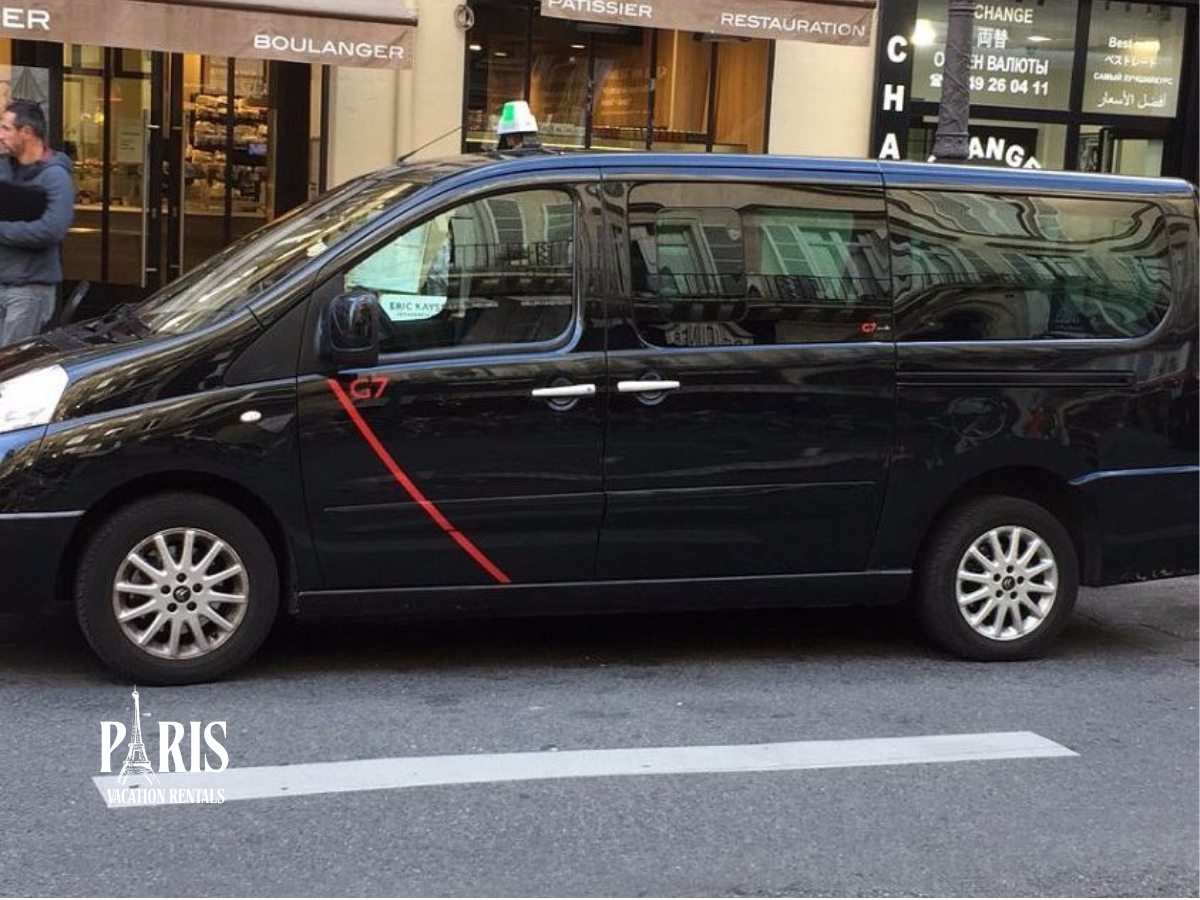
G7 operates over 7,500 taxis in the Paris region and is recommended by the Paris Airport Authority. Book rides through their app to lock in fixed-price fares. Official taxi rates from Charles de Gaulle Airport range from €56-65 depending on your destination. Use official taxi queues at airports. Real taxis display illuminated rooftop signs that read 'TAXI Parisien' and have visible metres inside.
Be Careful With Cash and Cards
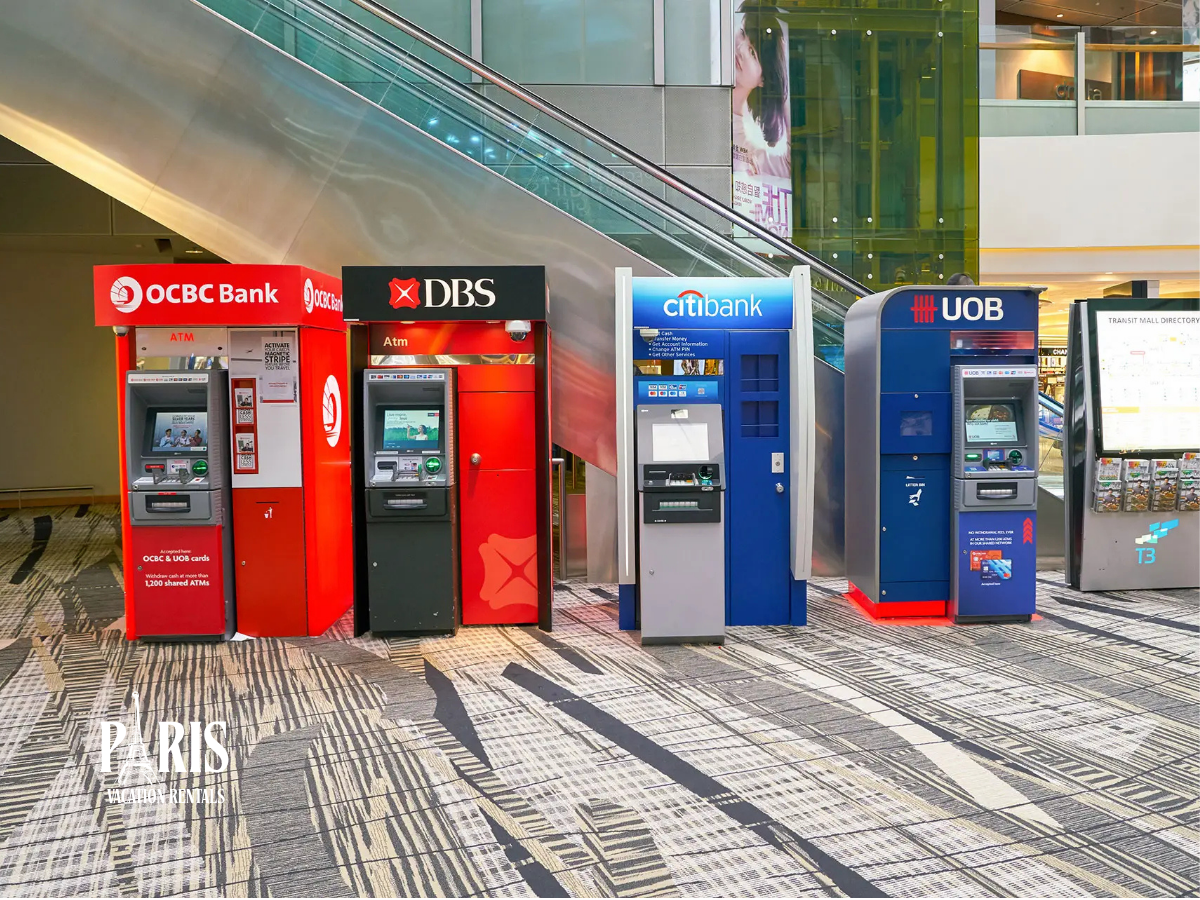
Withdraw cash from ATMs inside banks rather than street machines. This reduces skimming risks. Notify your bank before travelling so your card doesn't get blocked. Carry minimal cash daily and use contactless payment methods when you can.
Stay Alert in Tourist Hotspots
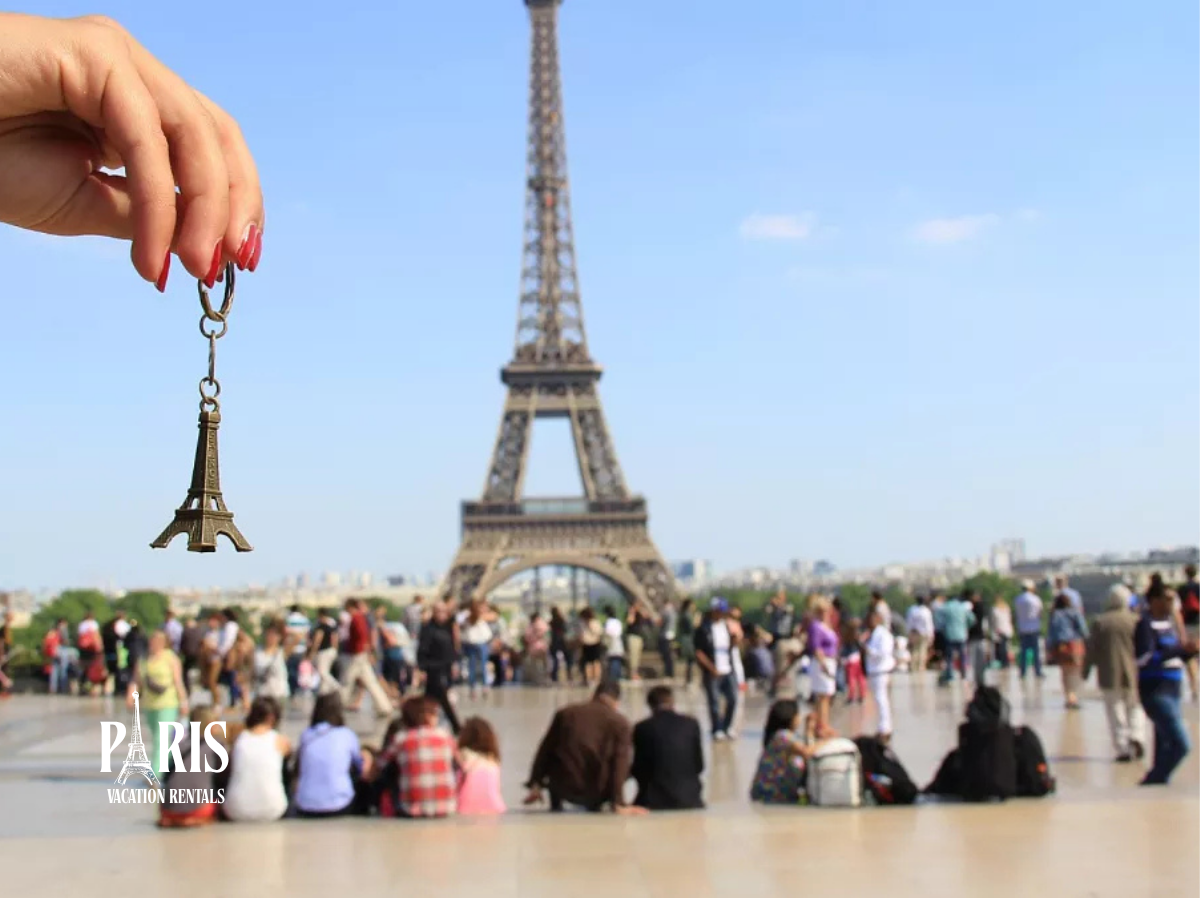
Wear crossbody bags in front of you with zippers locked or secured with safety pins. Keep your hand on bag openings in crowded areas. Store phones in zipped pockets or bras. Never put them in back pockets.
Protect Your Phone and Personal Data
Enable Find My Device and remote wiping features before travel. Avoid using public WiFi for banking or purchases. Update security software and use strong, unique passwords with two-factor authentication.
What to Do After a Scam in Paris
Falling victim to Paris scams requires immediate action to minimise financial damage and begin recovery.
Report It to the Police
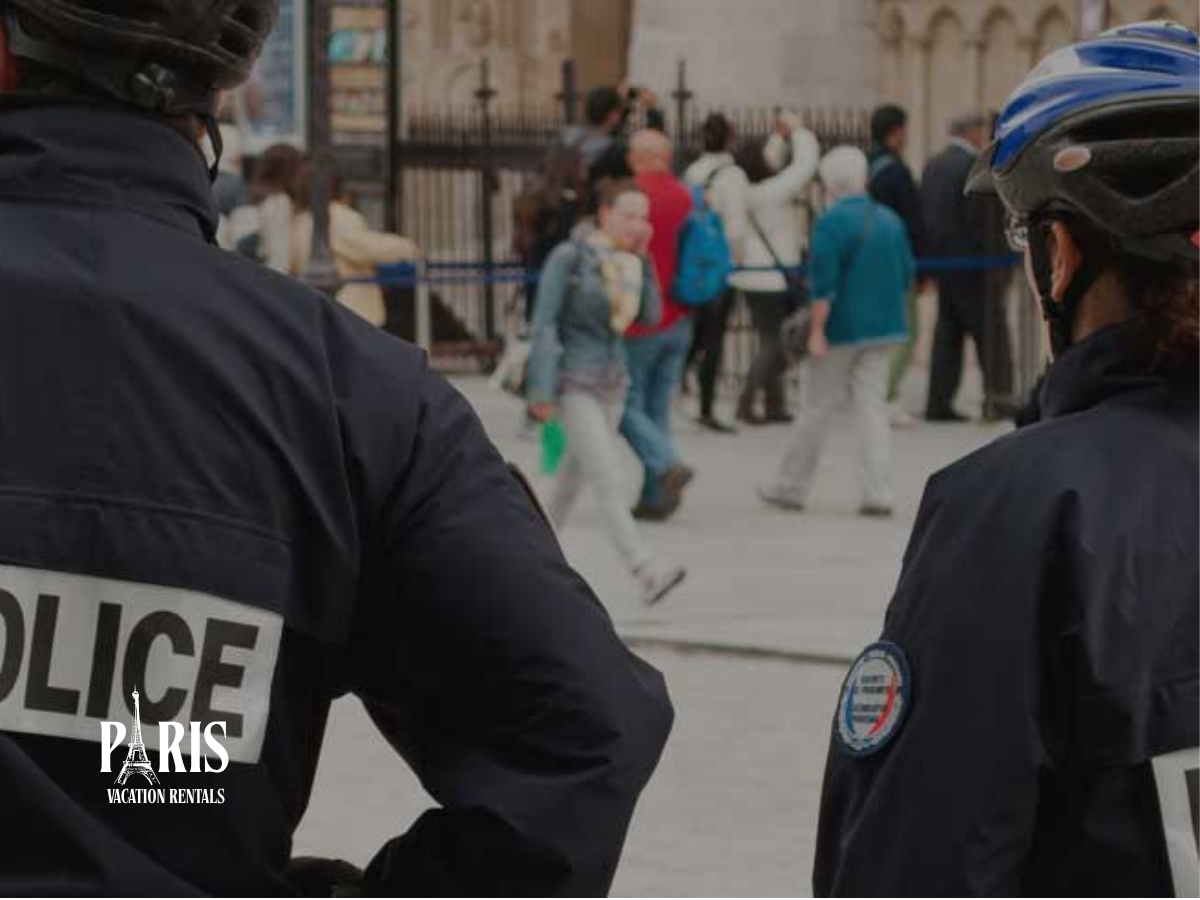
File a police report at the nearest station or commissariat within 24 hours. Request a written copy of the report (procès-verbal). You'll need this documentation to support insurance claims and embassy assistance. Police stations near major tourist areas handle theft reports and have English-speaking officers.
Contact Your Bank Right Away
Ring your bank to freeze compromised cards and dispute unauthorised charges. Most banks provide 24-hour fraud hotlines for international travellers. Request replacement cards sent to your hotel or the US Embassy. Document all fraudulent transactions with dates and amounts.
Reach Out to the US Embassy
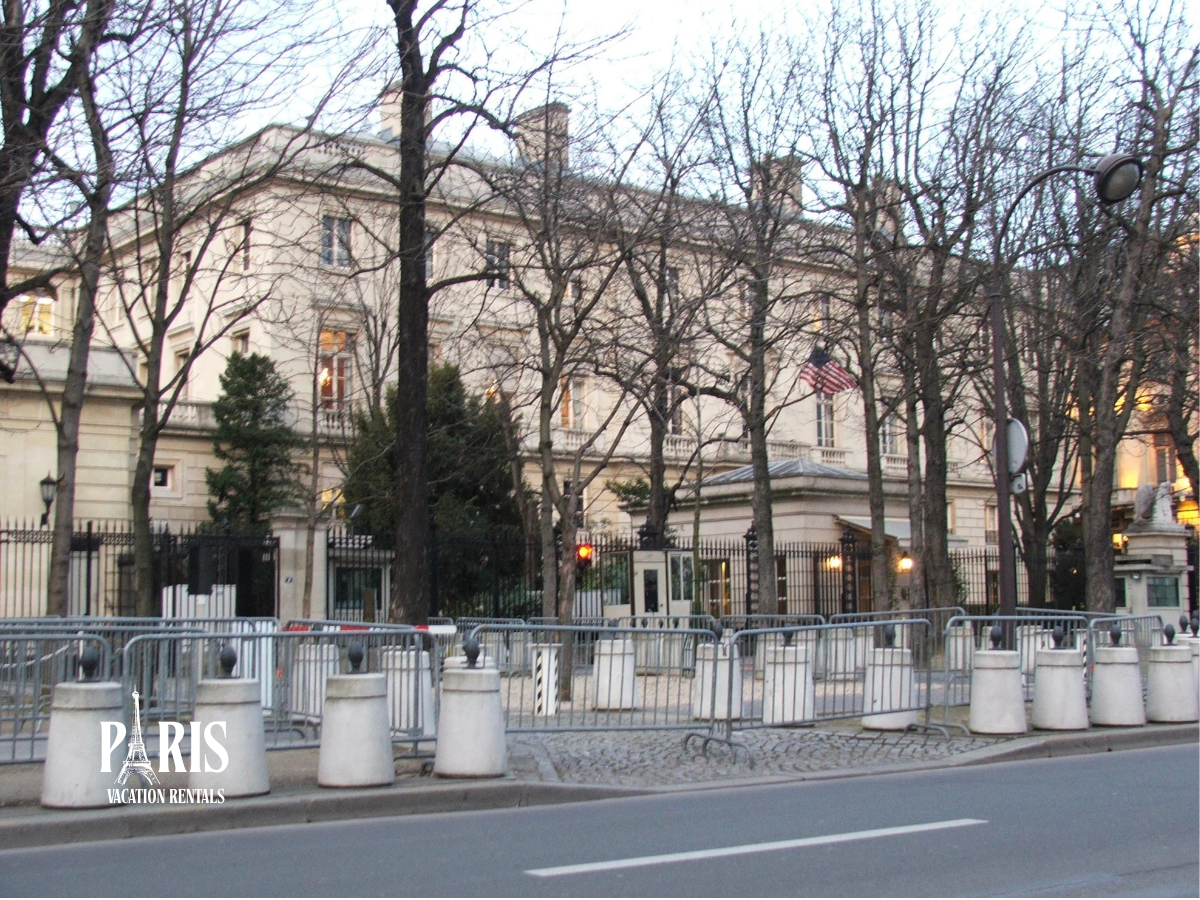
The US Embassy in Paris assists citizens facing theft or fraud. They can issue emergency passport replacements if yours was stolen. Call their American Citizens Services unit for guidance on navigating French authorities and filing reports. They also provide lists of English-speaking lawyers if legal action becomes necessary.
Keep Records and Proof
Photograph all documentation: police reports, bank statements and correspondence with authorities. Save receipts for replacement items or emergency expenses. These records support insurance claims and potential reimbursement requests.
Paris Vacation Rentals offers a scam-free and secure alternative to both unofficial listings and standard hotels, with verified apartments, safe payment methods, more space, and direct support from a trusted local team in Paris.
Key Takeaways
Paris attracts millions of visitors annually, making tourists prime targets for sophisticated scams. Here are the essential insights to protect yourself whilst exploring the City of Light:
- Stay vigilant at major attractions - The Eiffel Tower, Louvre, and Metro stations are hotspots for pickpockets using distraction tactics and crush-and-grab techniques.
- Recognise common scam patterns - Avoid unsolicited approaches offering gold rings, friendship bracelets, or charity petitions, especially around tourist areas like Montmartre.
- Use verified transportation only - Book official taxis through G7 app with fixed rates (€56-65 from CDG Airport) to avoid overcharging scams.
- Secure your valuables properly - Keep passport copies instead of originals, use RFID-blocking wallets, and spread cash across multiple locations including hotel safes.
- Act immediately if scammed - File police reports within 24 hours, contact your bank to freeze cards, and reach out to the US Embassy for assistance.
Remember: approximately 2,000 Americans report stolen or lost passports in Paris annually. By staying alert and following these precautions, you can enjoy Paris safely whilst avoiding becoming another statistic.
FAQs
What are the most common tourist scams in Paris?
The friendship-bracelet scam near Sacré-Cœur, fake petition signers who pickpocket while distracting you, rigged "found ring" scams, and unofficial ticket sellers outside major attractions.
How can I avoid scams in Paris?
Buy tickets only from official sites or the venue itself, politely but firmly ignore street vendors and petition-holders, and keep bags zipped and in front of you in crowds.
Are taxis safe in Paris, or is that a common scam area?
Official taxis and licensed ride apps are safe — the risk is unlicensed drivers approaching you at the airport or train stations; always use a marked taxi rank or a booking app.
What should I do if I fall for a scam in Paris?
Don't engage further or hand over more money, walk away, and report serious incidents to the nearest police station or tourist police point if needed.
Are restaurant bill scams common in Paris?
They're rare at established restaurants, but it's still good practice to check the bill against the menu prices, especially at very touristy spots near major landmarks.