Americans’ Guide to Paris’ Smallest Districts
March 5, 2026
Americans’ Guide to Paris’ Smallest Districts
Many Americans flock to the Eiffel Tower and Champs-Élysées. The smallest Paris neighbourhoods often hold the city's most authentic charm. Paris is a compact city that contains 20 arrondissements, with the 2nd arrondissement being the smallest. These compact districts of Paris pack incredible history, dining and culture into walkable areas perfect for our travel style.
This piece will guide you through Paris by arrondissement. We focus on the smallest yet most rewarding districts. We'll explore how to use an arrondissements of Paris map and find family-friendly attractions. Practical tips that strike a chord with American travellers are shared. Understanding these Paris districts will change your visit from typical to extraordinary.

Table of Contents
- Paris by Arrondissement: What Americans Need to Know
- Exploring the 2nd Arrondissement: Shopping and Dining
- Learning About the 2nd Arrondissement: Shopping and Dining
- Discovering the 3rd and 9th: Compact Neighbourhoods Worth Visiting
- Practical Tips for Americans Visiting Small Arrondissements
- Key Takeaways
- FAQs
Paris by Arrondissement: What Americans Need to Know
| Feature | Details |
|---|---|
| Total Arrondissements | 20 districts |
| Layout | Clockwise spiral (“Paris snail”) |
| Central District | 1st arrondissement |
| Smallest District | 2nd arrondissement (0.992 km²) |
| Largest District | 12th arrondissement (16.324 km²) |
| Administrative Structure | Each arrondissement has a mayor and town hall |
| Subdivisions | 4 quartiers per arrondissement |
How Paris Districts Work
The City of Paris has twenty administrative districts called arrondissements. They arrange in a clockwise spiral pattern that starts from the city centre. This layout, often called "l'escargot de Paris" (Paris snail), reflects how the city expanded over time from its mediaeval core. The territorial division dates back to the French Revolution. Authorities organised Paris into 12 arrondissements in 1795. Paris incorporated part of its suburbs in 1860 and created 8 new arrondissements.
Each arrondissement has its own mayor and town hall. They function as distinct administrative units. Each subdivides into four quartiers and gives Paris 80 quartiers administratifs in total. Each contains a police station. The four central arrondissements were amalgamated into a new administrative district called Paris Central in 2020. The mairie of the 3rd Arrondissement became the town hall of this new district.
Why Size Matters: Smallest vs. Biggest
The smallest arrondissement is the 2nd at just 0.992 km2. The largest is the 12th at 16.324 km2 (this figure has Bois de Vincennes). This size difference affects your travel planning substantially. The compact 2nd arrondissement allows you to explore its covered passages and markets on foot within hours. Staying in smaller Paris districts means you'll spend less time on metro rides. You'll have more time to experience the neighbourhood.
Using the Arrondissements of Paris Map
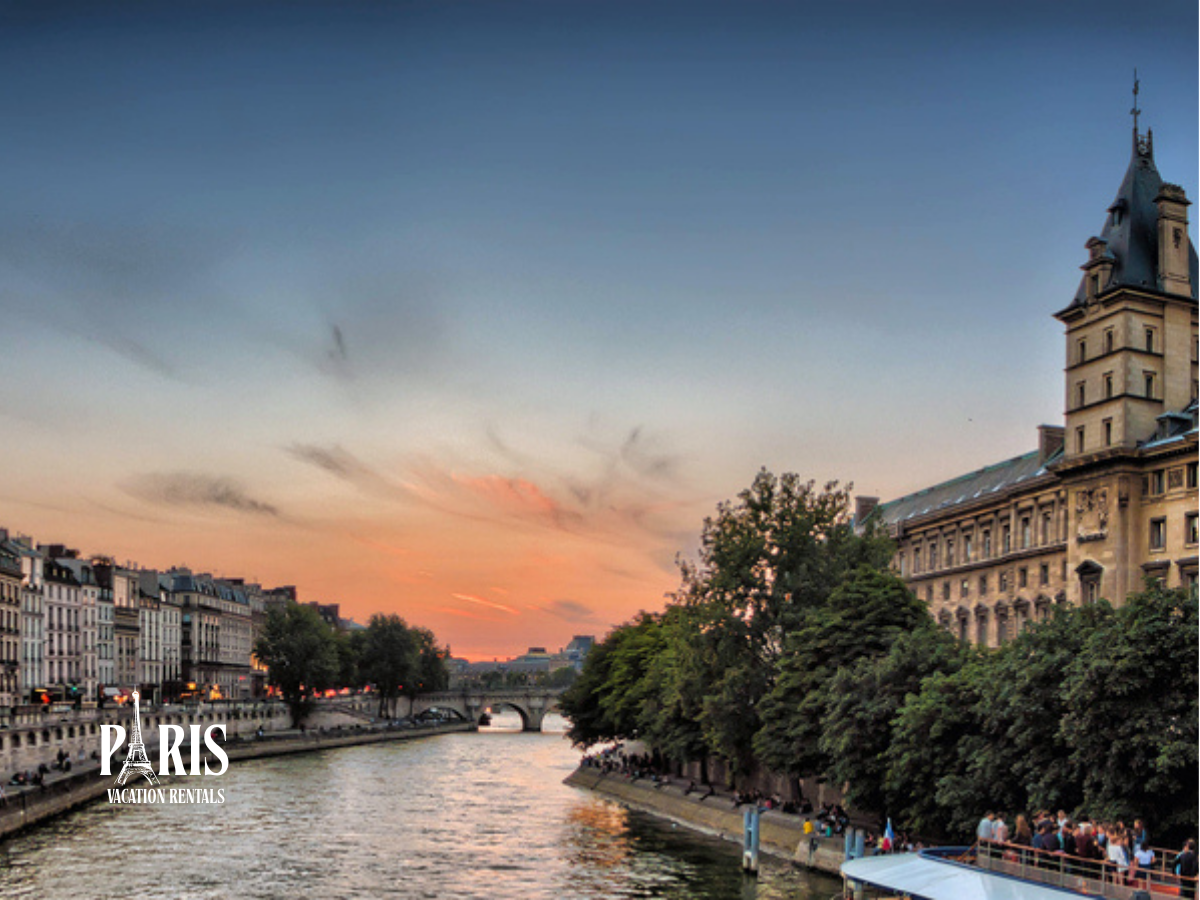
The arrondissements spiral outward like a snail shell from the 1st arrondissement at the city centre to the 20th in the northeast. The Seine River cuts through the middle and divides the city into Right Bank (rive droite) and Left Bank (rive gauche). Six arrondissements are found on the Left Bank (5th, 6th, 7th, 13th, 14th and 15th). The remaining 14 sit on the Right Bank.
Postal Codes and Street Signs
Every Paris address has a five-digit postal code that starts with 75 and ends with the arrondissement number. The Louvre Museum's postcode is 75001 (1st arrondissement). Shakespeare and Company bookshop is 75005 (5th arrondissement).
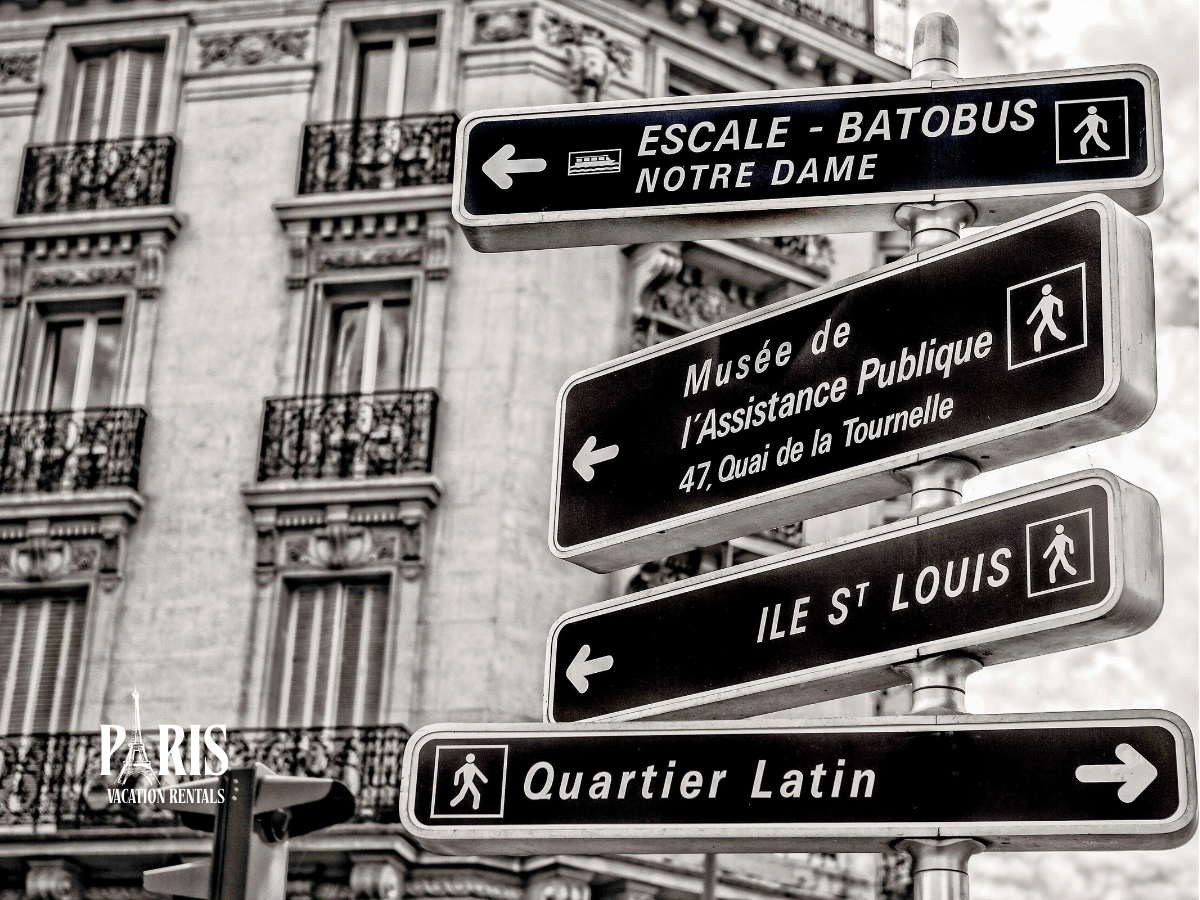
Street signs in Paris display the arrondissement number above the street name. Blue, white and green plaques affix to building corners. You'll often see the number in Roman numerals on street signs, such as "VIIe arrondissement" for the 7th. This system makes navigation straightforward once you understand the pattern.
Exploring the 2nd Arrondissement: Shopping and Dining
Learning About the 2nd Arrondissement: Shopping and Dining
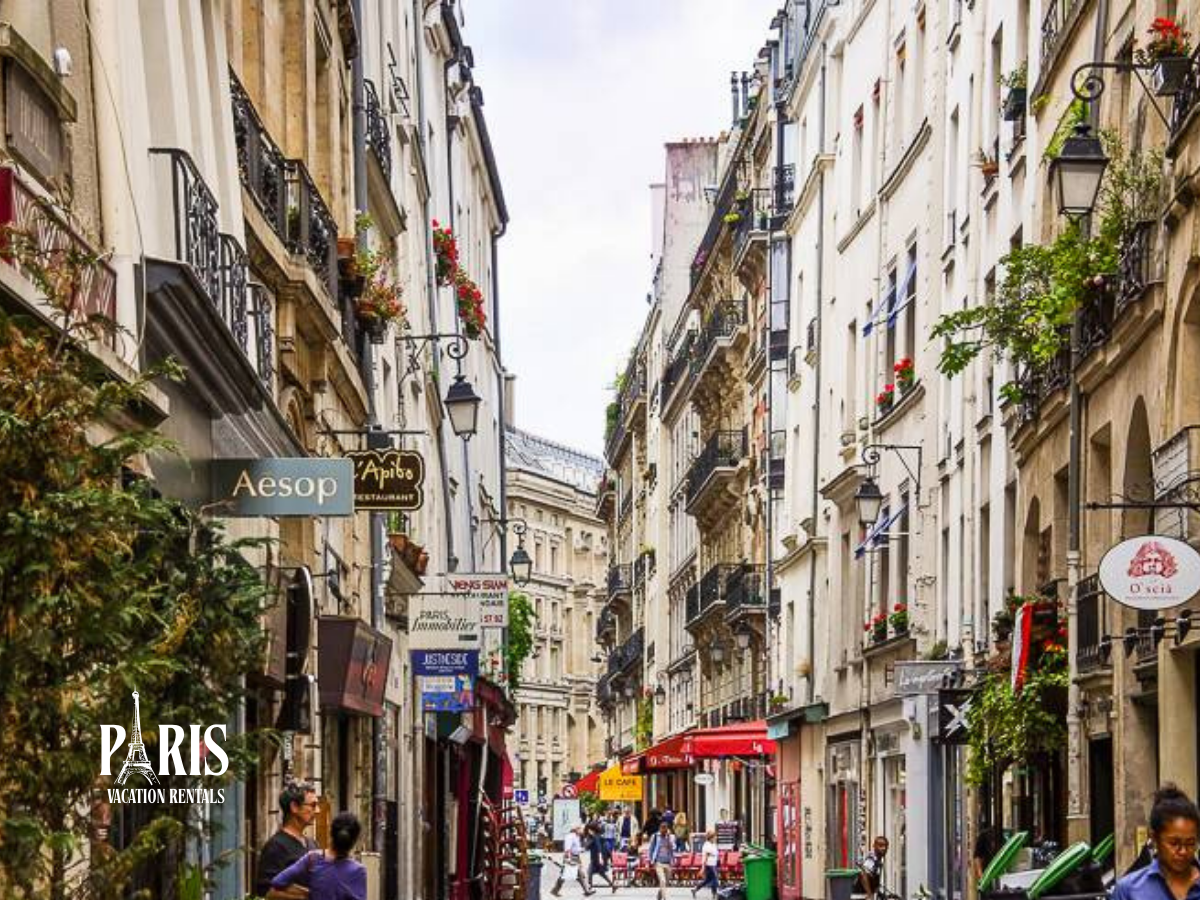
The 2nd arrondissement delivers authentic Parisian experiences within the smallest district boundaries. This compact neighbourhood puts you steps from the Louvre Museum, Palais Garnier Opera House and Galeries Lafayette.
Historic Covered Passages
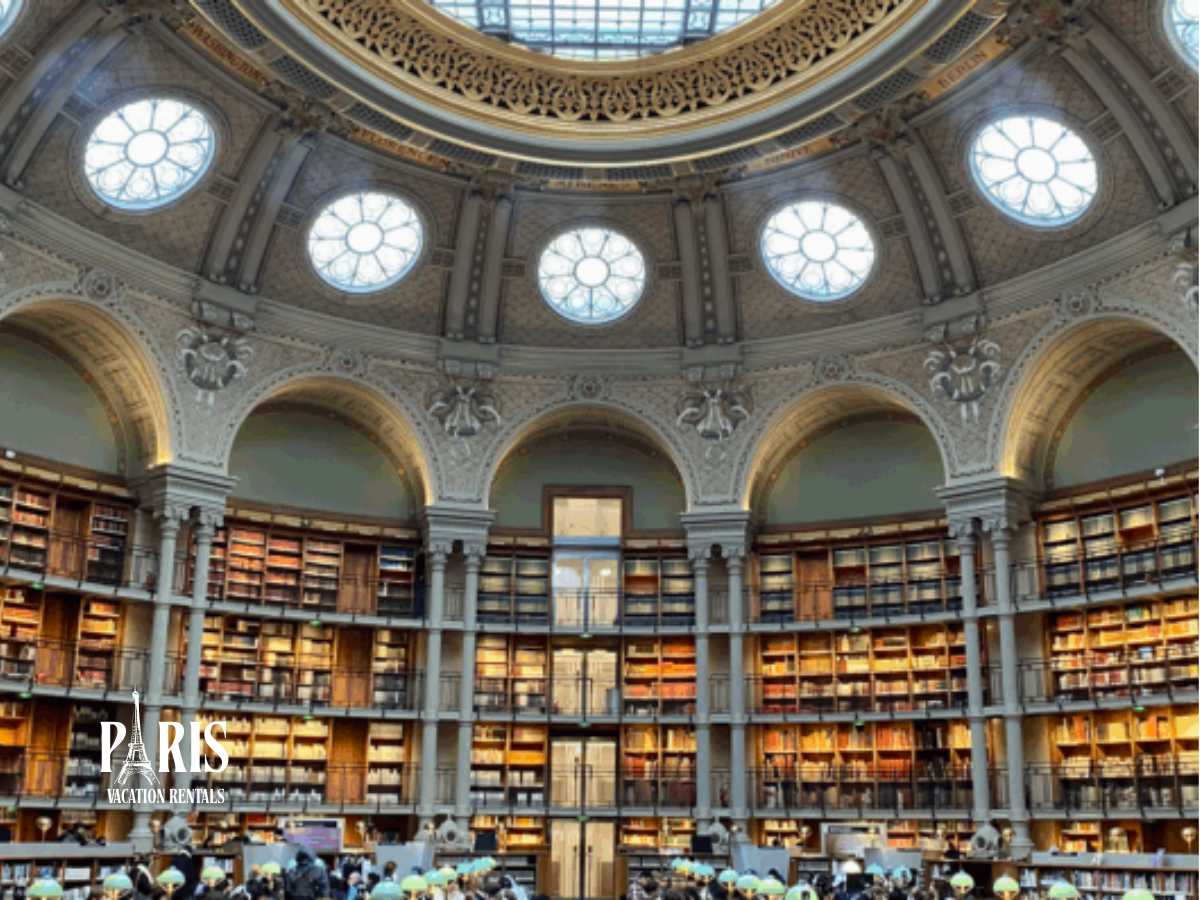
The 2nd arrondissement contains 9 of these glass-roofed arcades. Twenty-one covered passages still remain in Paris. These passages couverts emerged in the late 18th and 19th centuries as private pedestrian lanes between buildings. They feature spectacular glass roofs and elaborate Neoclassical details alongside Art Nouveau and Art Deco elements.
Passage des Panoramas ranks among the oldest. Built in 1799, it houses vintage stamp shops alongside quirky boutiques and bistros. Galerie Vivienne dates to 1823 and stuns visitors with restored mosaic floors. A steel-and-glass roof soars over a rotunda, and high-end boutiques line the arcade. Passage Choiseul attracts Korean and Japanese businesses. This reflects the district's Asian influence that began when designer Kenzo Takada opened his first Paris boutique there in 1970.
Rue Montorgueil Market Street
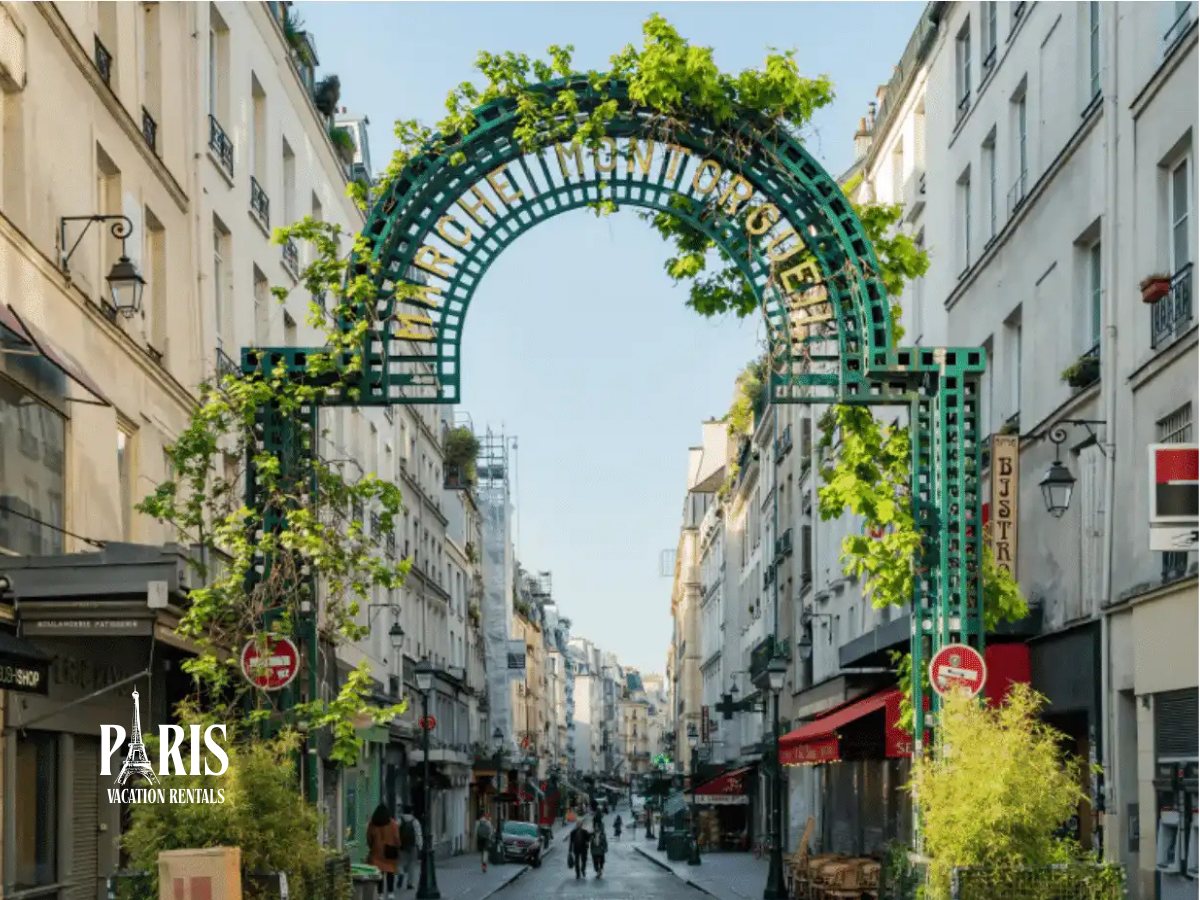
This pedestrian-only market street runs through the 2nd arrondissement up to Rue Réaumur. Stohrer, Paris's oldest patisserie from 1730, originated Baba au Rhum here. Au Rocher de Cancale has served oysters from Brittany since 1804. La Fermette draws crowds to get artisanal cheeses. You'll find Mariage Frères tea shop from 1854 alongside bakeries and wine stores.
Asian Restaurants and Food Scene
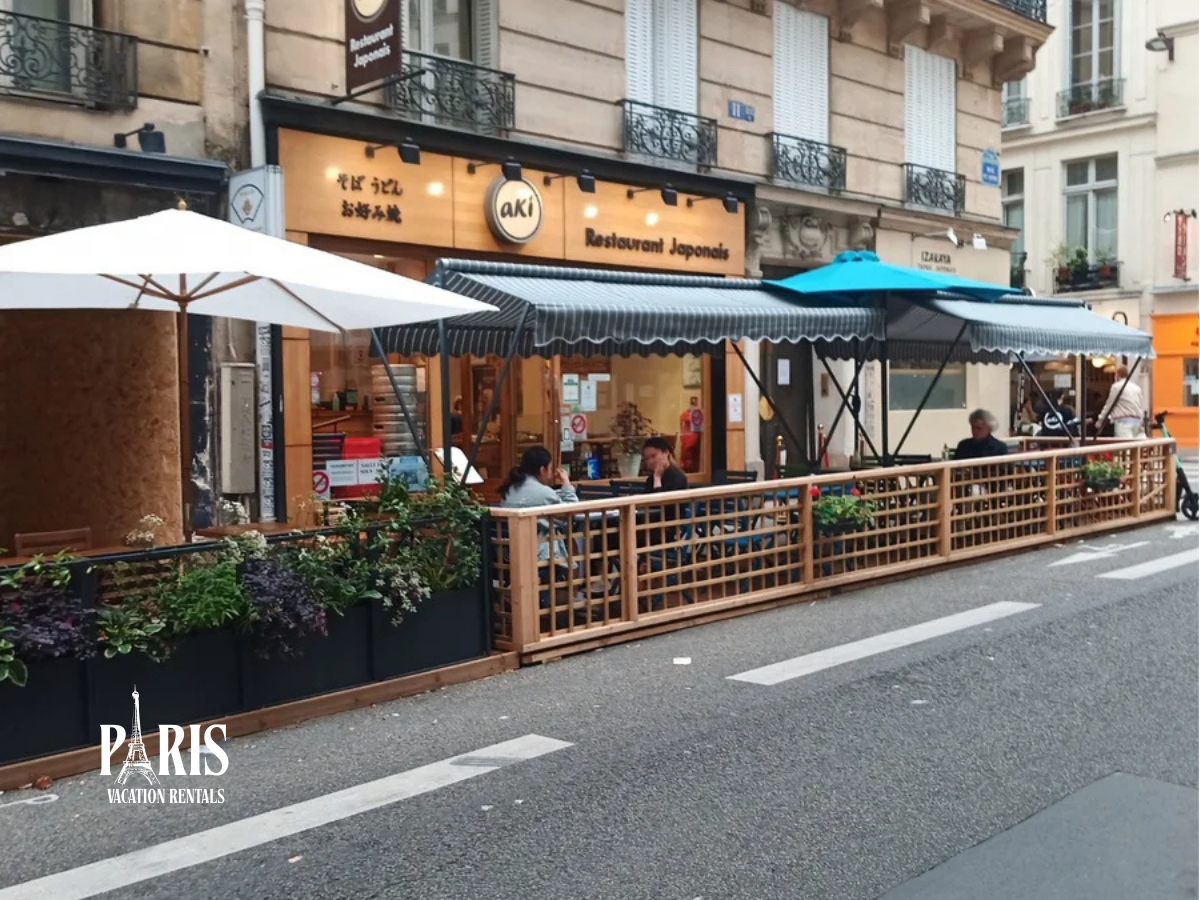
Rue Sainte-Anne spans both the 1st and 2nd arrondissement. It offers Japanese, Korean and Thai cuisine alongside Burmese, Vietnamese and Cambodian options. The Sentier neighbourhood surrounding this area is a foodie paradise. Yujin in Passage des Panoramas fuses Japanese cuisine with street food and specialises in Japanese curry.
Affordable Hotels in Central Paris
Hotel Bachaumont features Art Deco décor near pedestrian-only Rue Montorgueil. The citizenM Paris Opera delivers affordable value near Opera Garnier and Passage des Panoramas. Bourse metro station sits nearby. Hotel Filigrane sits close to Drouot auction house and is surrounded by budget-friendly places to eat.
For travellers who prefer more space and flexibility, you can also book directly with Paris Vacation Rentals. Staying in an apartment gives you more freedom than a hotel, including the possibility to prepare your own meals, enjoy a living area, and experience the neighbourhood more like a local. This option is especially convenient for families, longer stays, or anyone who wants a more authentic Paris experience.
Discovering the 3rd and 9th: Compact Neighbourhoods Worth Visiting
Two more Paris districts are worth your time for their cultural depth and manageable size once you move beyond the covered passages.
The 3rd: Museums and Jewish Quarter
The 3rd arrondissement ranked 23rd on Time Out's list of the coolest neighbourhoods in the world. It was the only Parisian neighbourhood to make the cut. Musée Picasso houses the master's works in the grand Hôtel Salé, a 17th-century mansion. Musée Carnavalet traces the city's history from the Middle Ages through free exhibitions and is Paris's oldest museum. Musée des Arts et Métiers showcases scientific inventions including telescopes and aeroplanes.
The Marais district remains the focal point of Jewish life in Paris, especially Rue des Rosiers. This area has housed Jewish communities since the 13th century and is known as the Pletzl, Yiddish for "little square". Alsatian Jews arrived after the Emancipation in 1791. Eastern European Jews fleeing persecution followed from the 1880s. Thousands settled around Rue des Rosiers until the Second World War decimated the community. More than half of Jewish inhabitants were murdered in the camps. Jews arriving from North Africa helped the community recover in the 1960s and 1970s. You'll find Israeli street food and kosher restaurants alongside fashion boutiques today.
The 9th: Opera and Department Stores
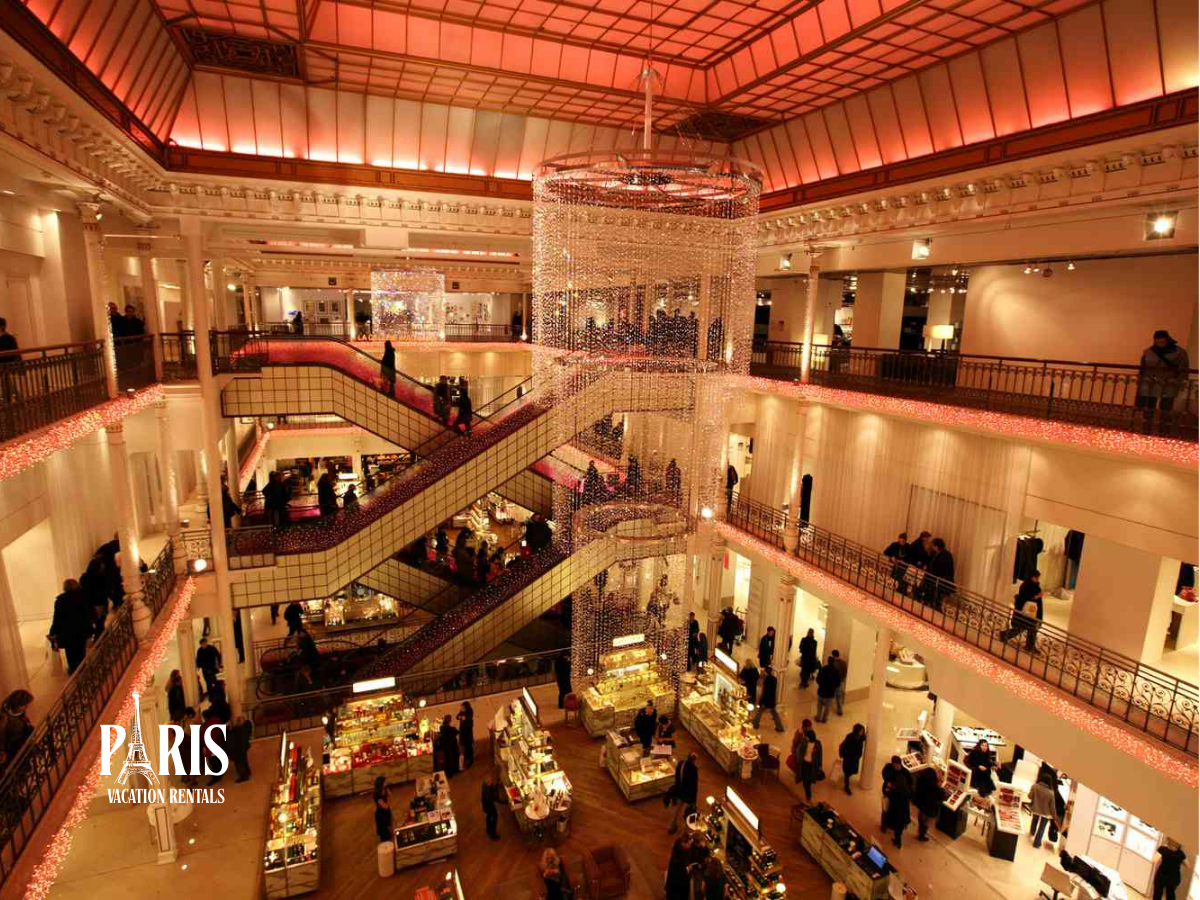
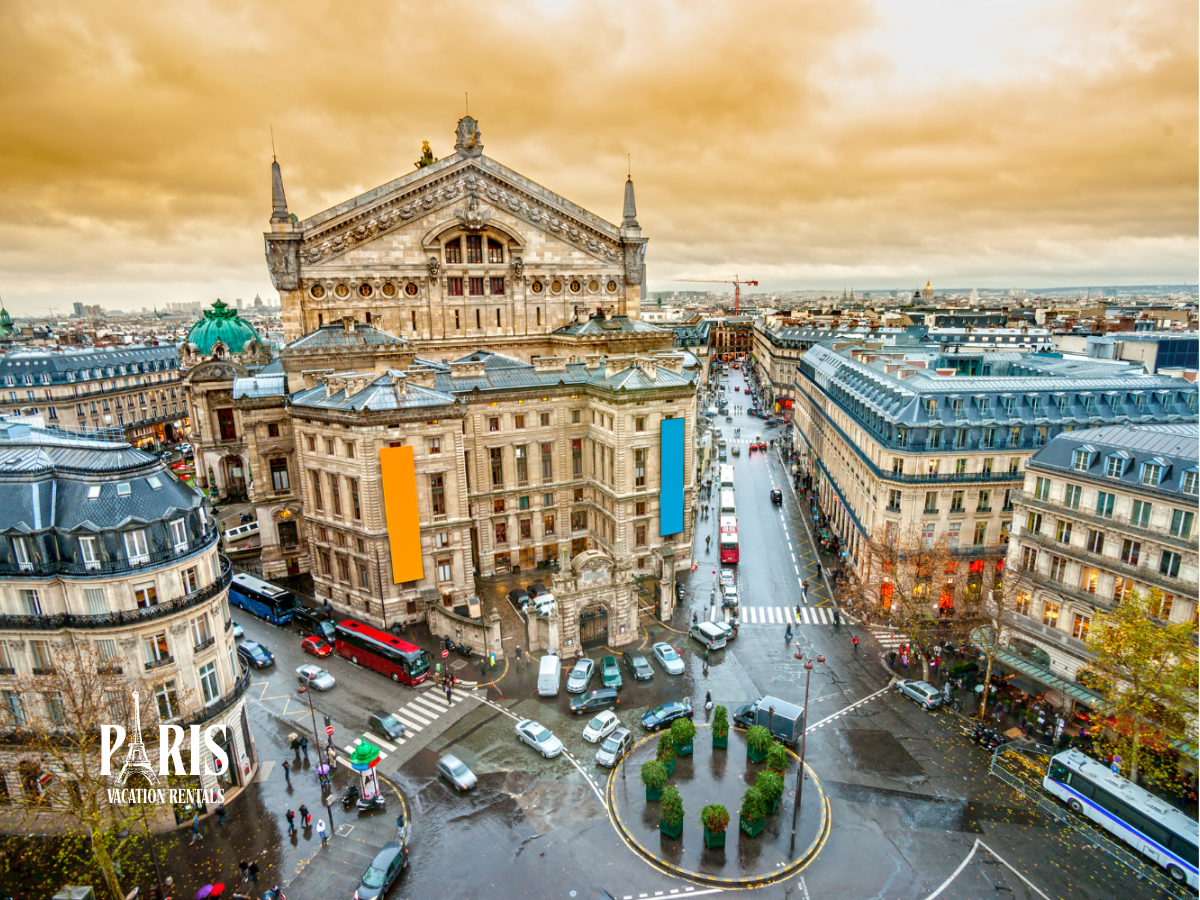
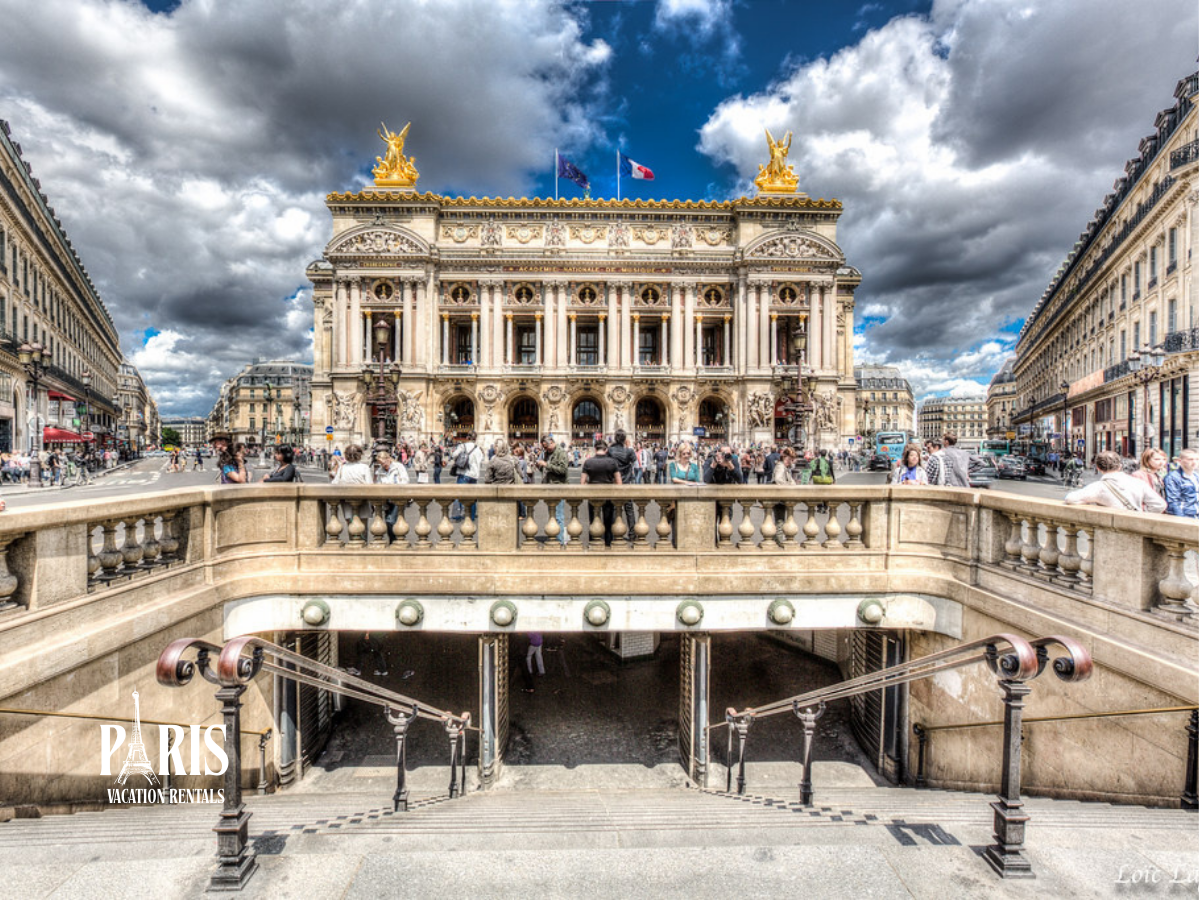
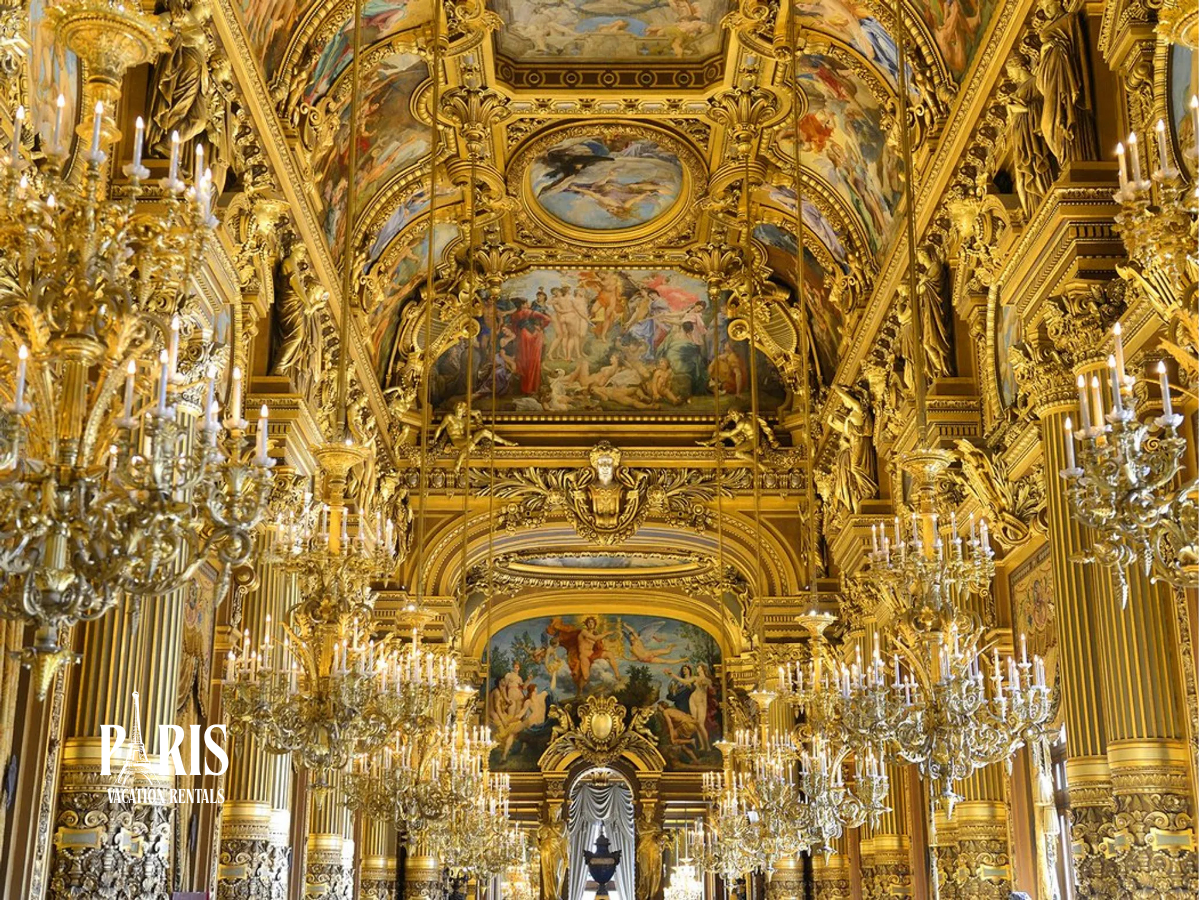
Boulevard Haussmann dominates the 9th arrondissement and is home to Galeries Lafayette and Printemps department stores. Both feature rooftop terraces with panoramic Paris views. Galeries Lafayette alone has over 3,500 brands. Palais Garnier, the Beaux-Arts opera house, hosts ballet and opera performances.
Family-Friendly Attractions in Both Districts
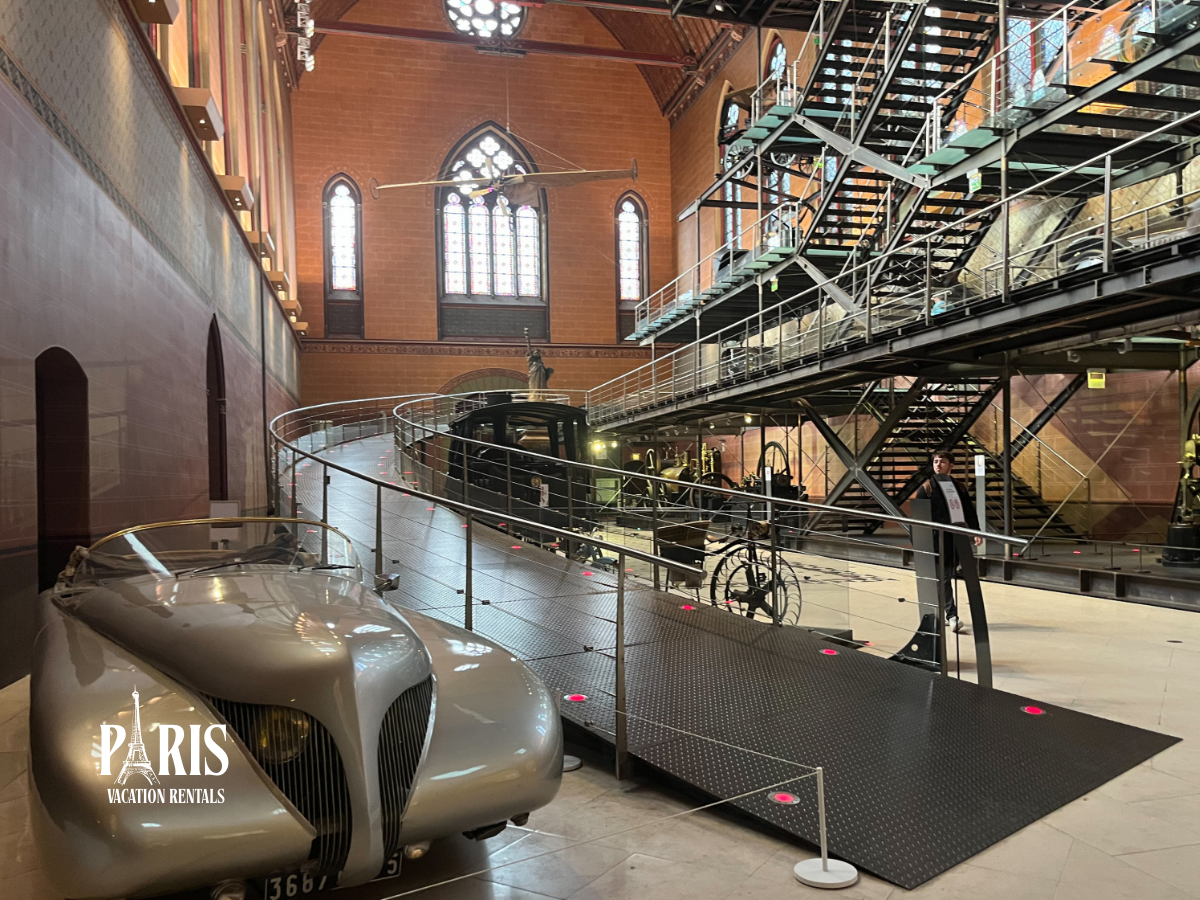
Musée des Arts et Métiers captivates young minds with its inventions. Musée Picasso has interactive displays and workshops that introduce children to the artist's work. Place des Vosges provides green space to picnic and play.
Best Times to Visit These Paris Districts
The best times to visit the 3rd arrondissement run from April 23rd to October 21st. July is the busiest month, followed by June and May. December sees the fewest tourists and lowest prices.
Practical Tips for Americans Visiting Small Arrondissements
Metro Stations and Transportation
The Paris Metro has 16 lines with 321 stations across the city. Service runs from 5:30 a.m., with the last train arriving at terminals around 1:15 a.m. on weekdays and 2:15 a.m. on Fridays, Saturdays, and holiday eves. Bourse station serves the 2nd arrondissement, while Cadet, Notre Dame de Lorette, and Opéra stations provide access to the 9th. Multiple metro stations sit within a 5-minute walk in these compact Paris districts.
Where to Stay for Easy Access
The 2nd arrondissement's hotels place you near Palais Garnier, Galeries Lafayette, and Louvre Museum. The 9th arrondissement offers strategic positioning among beloved attractions and remains a haven from overwhelming crowds. Hotel Lorette and Hotel Joyce serve the 9th, among other options like Maison Mère, a budget-friendly four-star hotel.
Avoiding Tourist Traps in Central Districts
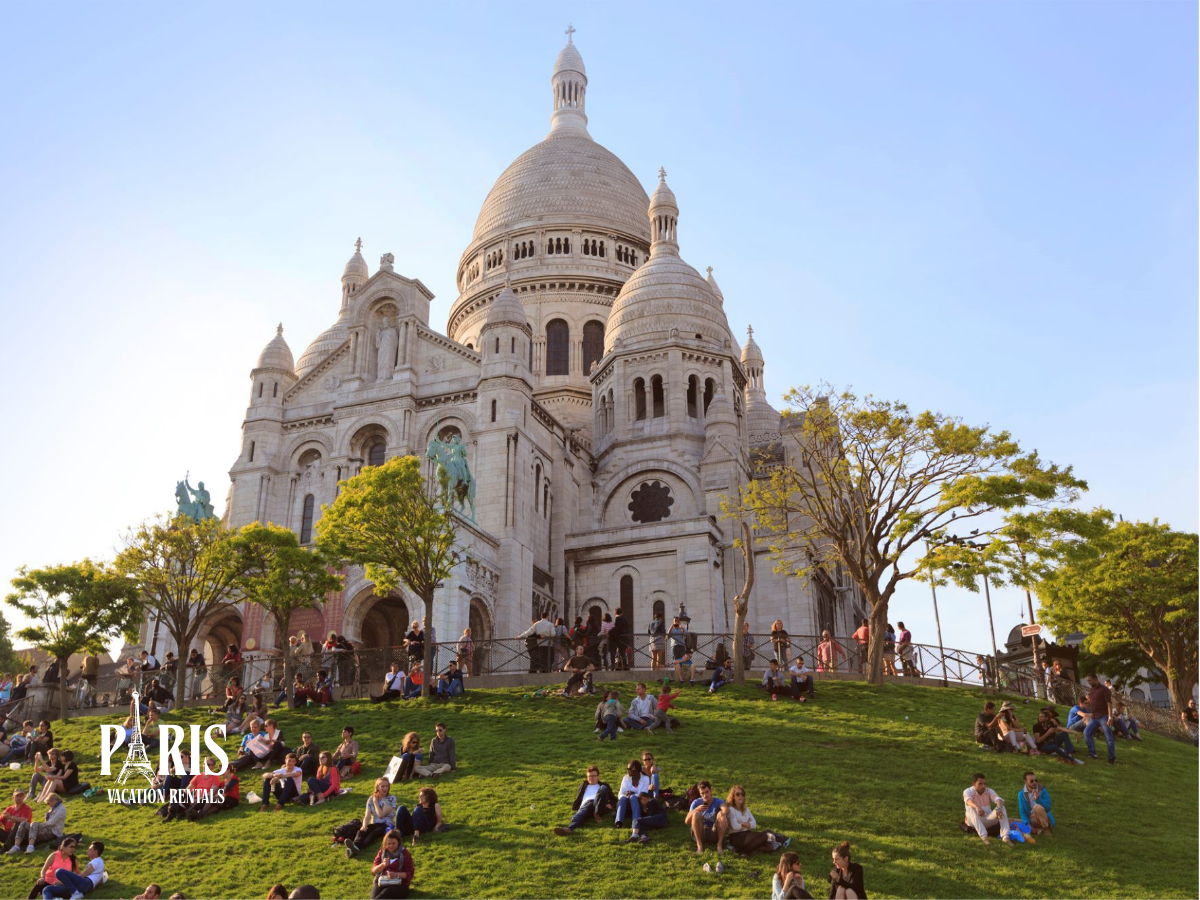
Restaurants near Notre-Dame Cathedral or Sacré Coeur offer mediocre food at inflated prices. Avoid establishments displaying English menus at storefronts, as these cater to tourists rather than locals. Sidewalk vendors who promote their restaurants with aggressive tactics signal below-standard, overpriced food.
Best Restaurants and Cafes for American Travellers
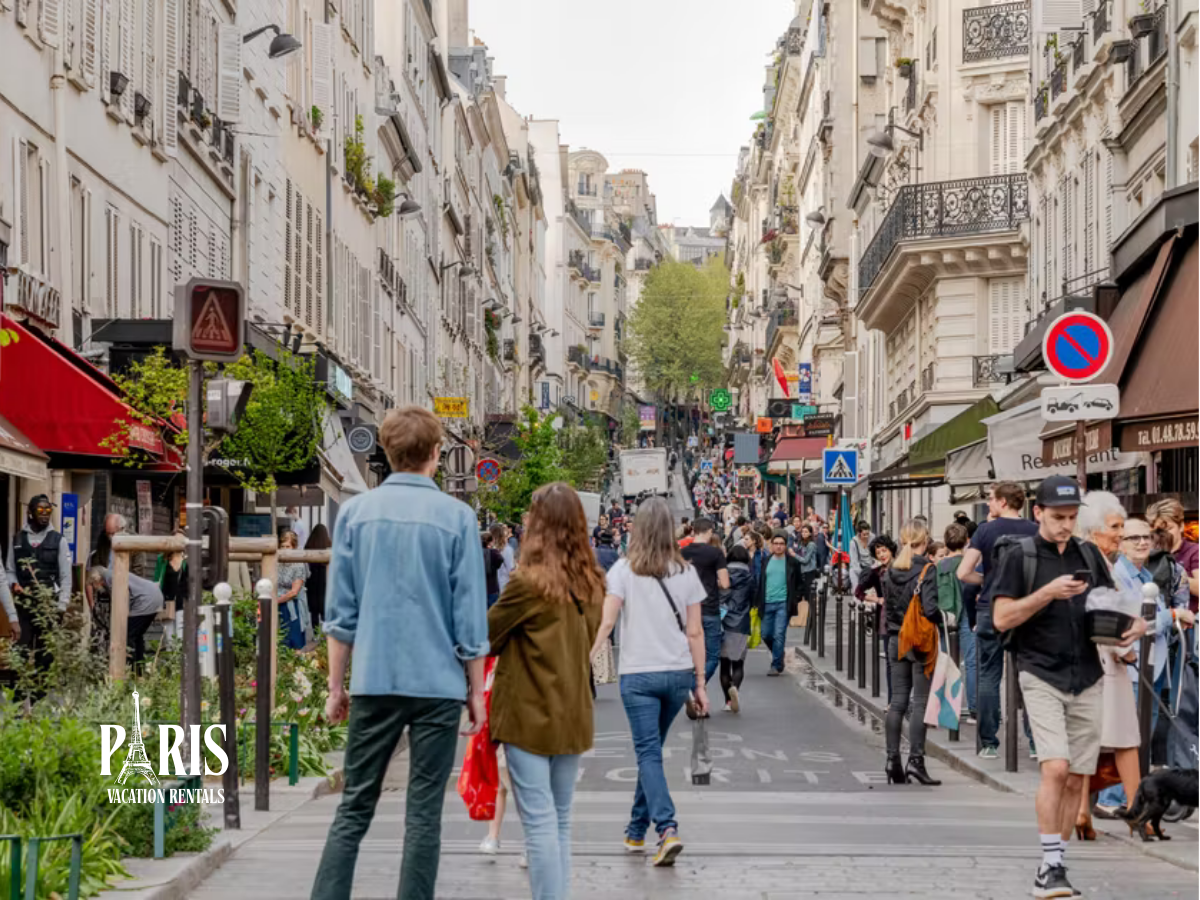
KB Coffee Roasters on Rue des Martyrs serves single-origin beans roasted in-house. Le Bon Georges delivers exceptional French cuisine with seasonal menus. Bouillon Chartier features classic French dishes at reasonable prices in a Belle Epoque dining room. The 9th arrondissement rewards exploration on foot, especially when you walk along Rue des Martyrs with its chocolatiers.
Safety and Navigation Tips
Le Marais ranks among the safest neighbourhoods for first-time visitors and offers charming streets with a lively atmosphere. Saint-Germain-des-Prés maintains safety through its affluent reputation and consistent police presence. Pickpockets target busy areas, especially around Châtelet–Les Halles and major metro stations. Use crossbody bags with closed zippers and keep them in front during crowded areas. Be extra cautious when metro doors close, as thieves grab phones before escaping.
Making the Most of Your Visit
The 9th arrondissement reveals itself best on foot. Walk these Paris neighbourhoods to find authentic experiences locals cherish. Step inside cafes or shops when checking directions to avoid drawing attention on sidewalks.
Key Takeaways
Paris' smallest arrondissements offer authentic experiences away from typical tourist crowds, with the compact 2nd district being just 0.992 km² yet packed with historic covered passages and local markets.
- The 2nd arrondissement contains 9 of Paris' 21 remaining covered passages, including Passage des Panoramas (1799) and Galerie Vivienne with stunning mosaic floors
- Rue Montorgueil market street features Stohrer patisserie (1730) and authentic local food vendors, creating a pedestrian-friendly foodie paradise
- The 3rd arrondissement houses world-class museums like Musée Picasso and the historic Jewish quarter around Rue des Rosiers
- Paris postal codes end with arrondissement numbers (75001 for 1st district), whilst street signs display Roman numerals for easy navigation
- Stay in these central districts for 5-minute walks to multiple metro stations and proximity to major attractions without overwhelming crowds
Understanding Paris' spiral arrondissement system transforms your visit from surface-level tourism to authentic neighbourhood exploration, allowing you to experience the city as locals do whilst maximising your time in these culturally rich, walkable districts.
FAQs
How are Paris arrondissements organised and numbered?
Paris has 20 arrondissements arranged in a clockwise spiral from the center (1st) to the 20th. Each district has its own mayor and four quartiers.
Which is the smallest arrondissement in Paris?
The 2nd arrondissement is the smallest (0.99 km²). It’s known for historic covered passages, Rue Montorgueil market street, and great Asian restaurants.
How can I identify which arrondissement I'm in?
Check the postal code (75001–75020) or the Roman numeral on blue street signs showing the arrondissement number.
What are the main attractions in the 3rd and 9th arrondissements?
The 3rd has Musée Picasso and the historic Jewish quarter. The 9th features Palais Garnier and Galeries Lafayette.
What safety precautions should visitors take?
Watch for pickpockets in busy areas and metro stations. Use zipped crossbody bags and check maps inside cafés or shops.