Paris with Kids Month by Month: Guide for American Families
April 1, 2026
Paris with Kids Month by Month: Guide for American Families
American families face a puzzle most travel guides ignore: school calendars clash with French holidays, and summer crowds battle spring weather. Paris gets thought of as a romantic getaway, but families of all ages find it a memorable destination. Your trip's timing determines everything from Eiffel Tower queue lengths to whether you'll enjoy the best things to do in Paris with kids. Understanding the right time to go makes the difference between a magical family holiday and an exhausting ordeal, whether you're travelling with toddlers or older children.

Table of Contents
Perfect Paris timing for families
Understanding the American School Calendar Challenge
American schools follow a distinctive pattern that is different from most countries. The system centres around one long summer holiday with shorter breaks scattered throughout the year. Most schools require around 180 instructional days each year, but those days cluster in ways that create specific windows for Paris travel.
Spring Break: Your March and April Window
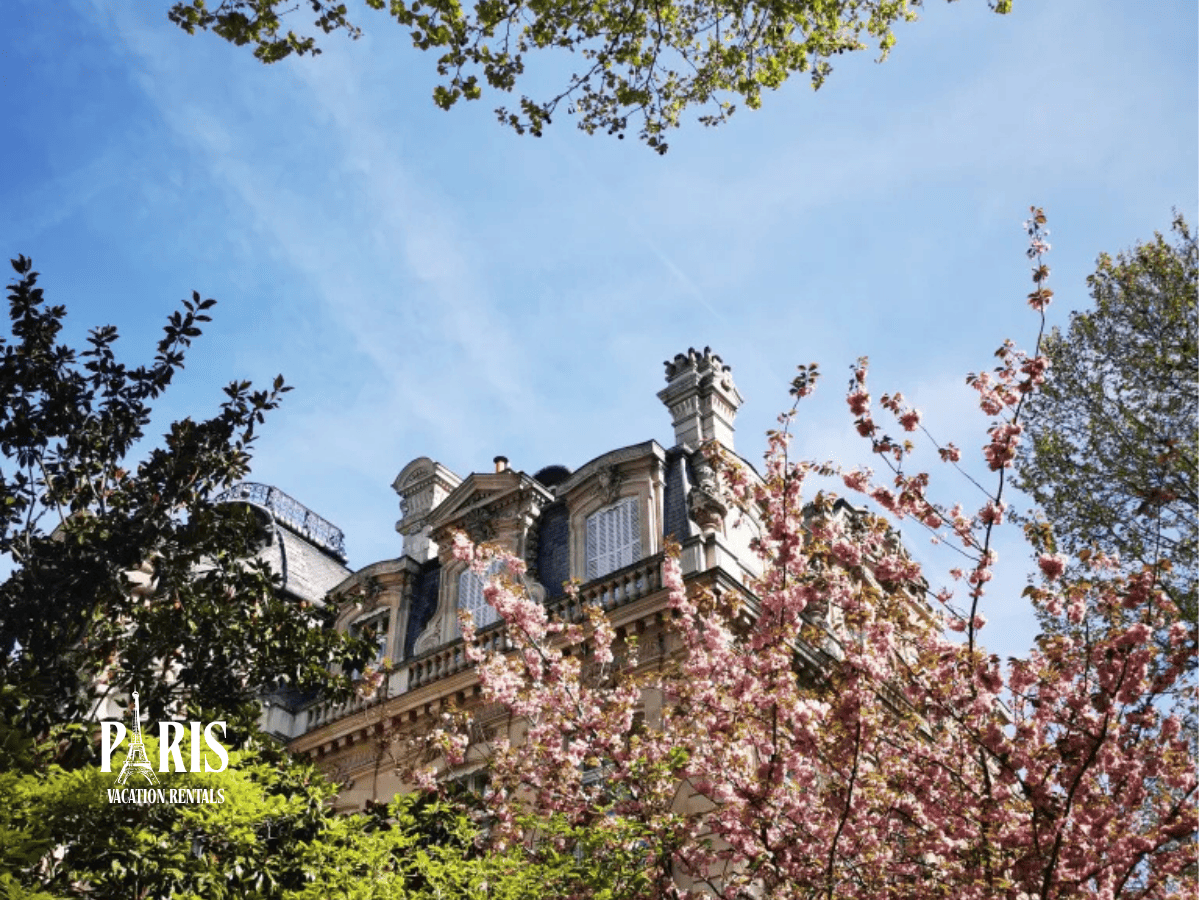
Spring break falls during a one-week period in March or April. Schools in different districts schedule this break at varying times, which works in your favour. Not every American family travels during the same week. The crowds spread out somewhat. The break has Easter holidays in districts where the timing aligns.
This window offers mild weather in Paris without the intense summer heat. You'll find shorter queues at major attractions compared with July and August, though weekends still get busy. Spring break is a realistic option to families who cannot travel during off-peak months.
Summer Break: The Primary Travel Season
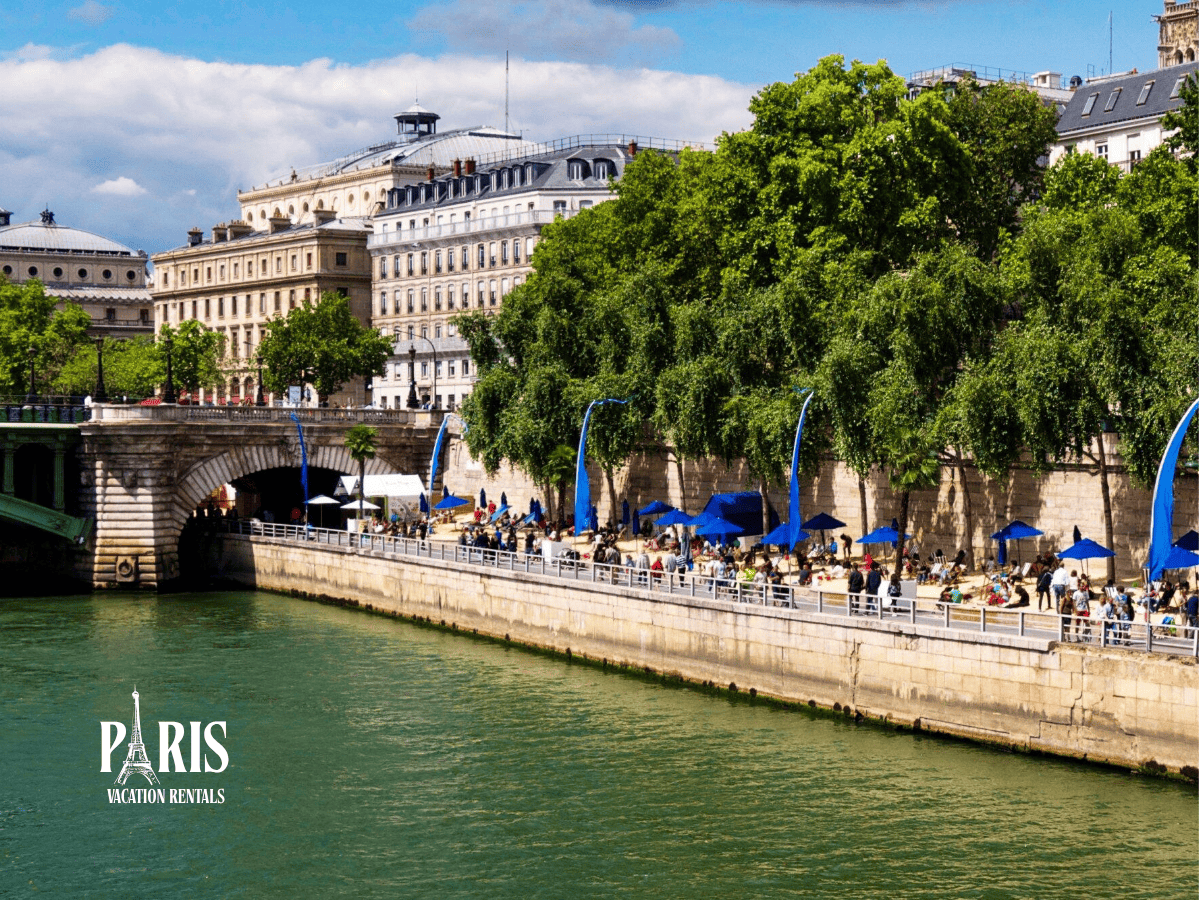
Summer holidays run between 10 and 12 weeks. They begin anywhere from late May to early June and extend through late August or early September. Schools in southern states like Georgia and Florida often start their academic year in early August. Northeastern schools begin closer to mid-September. This creates a lengthy window where most American families can travel.
The extended summer break dates back to an agrarian society when children helped with farming during warmer months. Cultural expectations and family vacation planning have kept this tradition alive. Summer means peak season crowds and higher prices at hotels and attractions for Paris travel. Major tourist destinations experience their busiest periods during these months.
Thanksgiving Week: A Short but Sweet Option
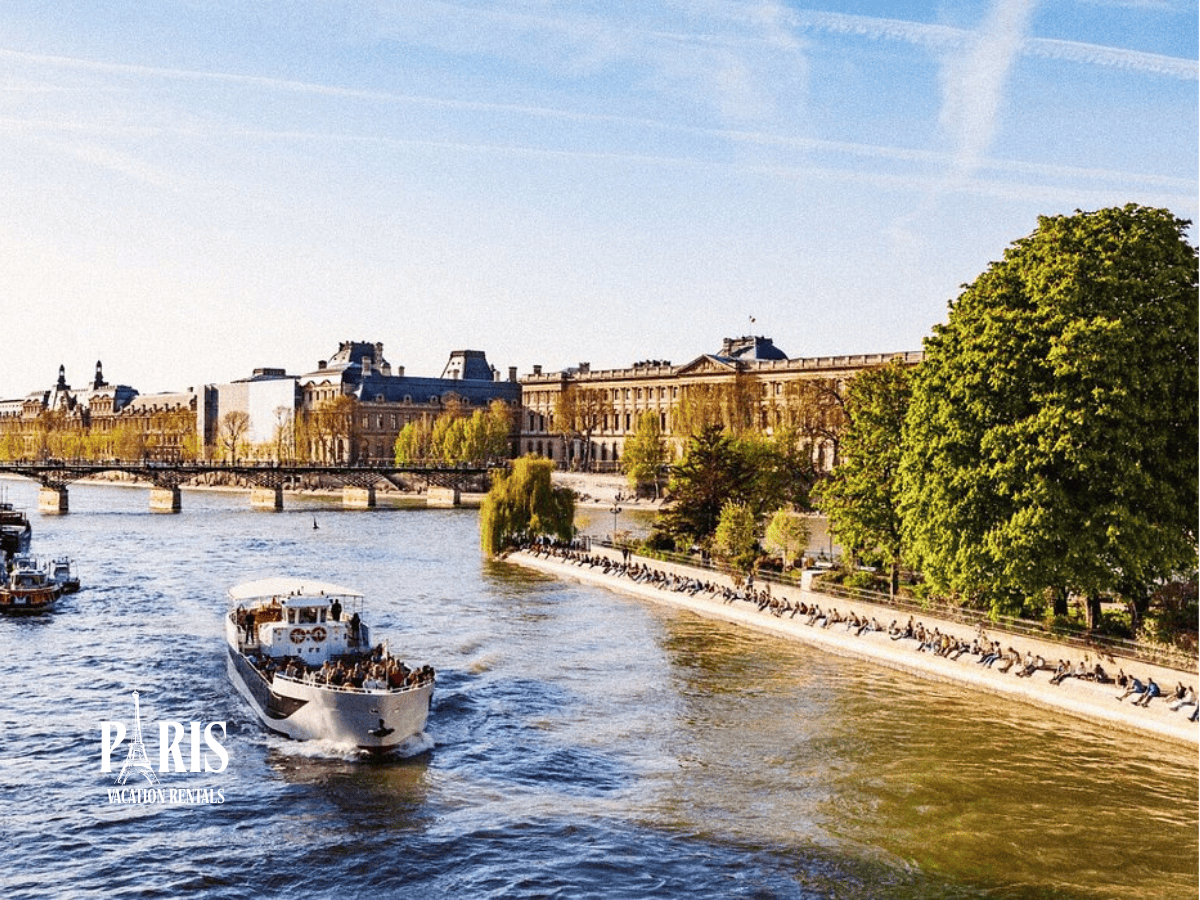
Thanksgiving falls on the fourth Thursday of November. It occurs between 22 and 28 November each year. Schools close for 3 to 5 days. Some districts give students the entire week off. This is one of the busiest travel weeks in America apart from Christmas.
Paris sees fewer American tourists during Thanksgiving compared with summer. French domestic tourism remains quiet during late November. The weather turns chilly, but Christmas decorations begin appearing. They create early festive atmosphere without the December crowds.
Halloween at Disneyland Paris
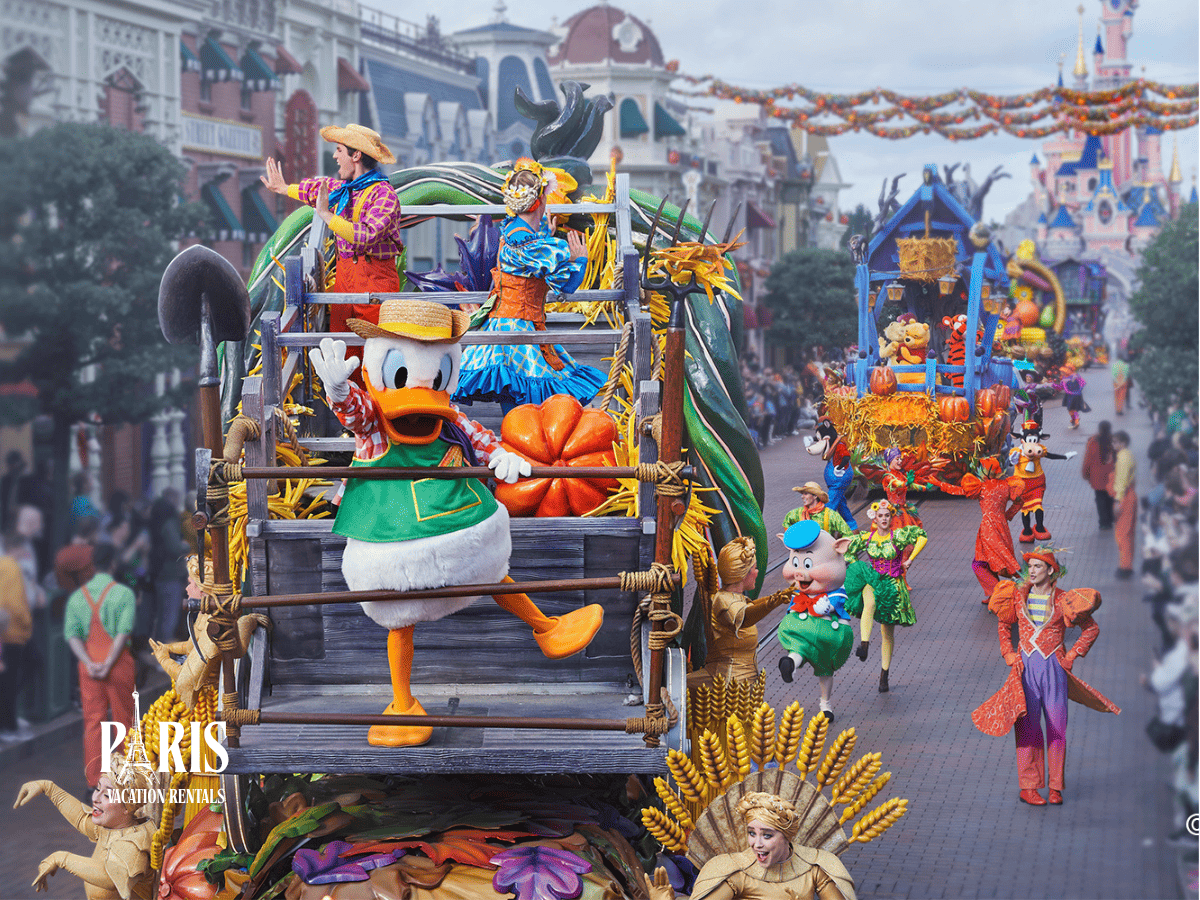
Disneyland Paris runs its Halloween festival from mid-September through 2 November. The 2025 season operates from 1 October to 2 November, with Halloween night extending park hours until 11:30pm. October sits right in the off-season for France travel, as the vacation season peaks from June through August.
Weekends and French school breaks bring the busiest crowds during October. The first weekend attracts Disneyland Paris fans, whilst dates closer to Halloween see increased attendance. American families visiting during this period find fewer crowds than summer. This makes it an attractive option to those wanting both Paris and Disneyland Paris experiences.
Christmas and New Year: Festive but Crowded
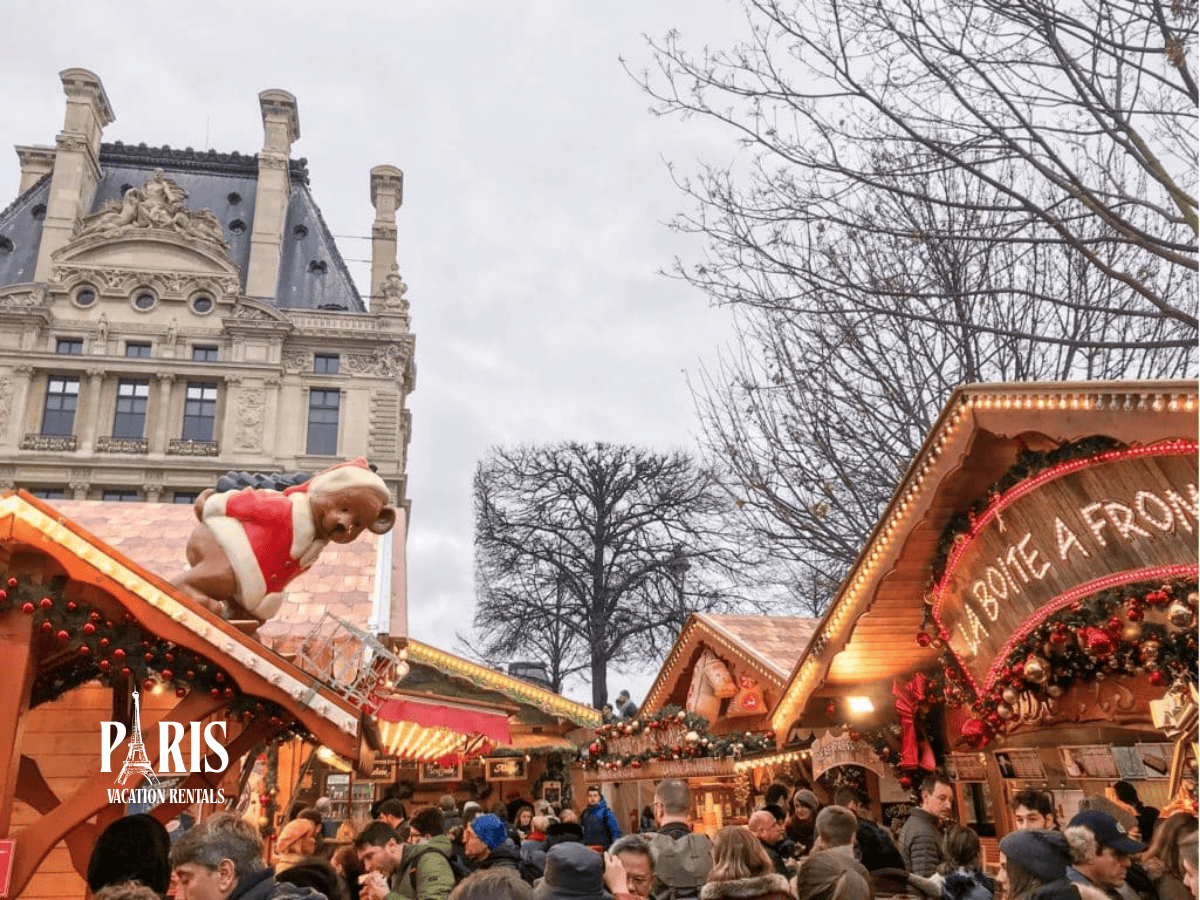
Winter break runs about two weeks in late December through early January. Schools break between 20 and 24 December and resume in the first week of January. Paris transforms during this period with Christmas markets and decorations along the Champs-Élysées. Department store windows feature festive displays.
Hotels charge premium rates during this period. Tourist attractions remain open with long queues to those without advance tickets. The weather turns cold and damp and requires layers and warm clothing. The festive atmosphere and holiday spirit make Paris appealing to families who prioritise seasonal magic over budget considerations, these factors aside.
Month-by-Month Guide to Paris with Kids
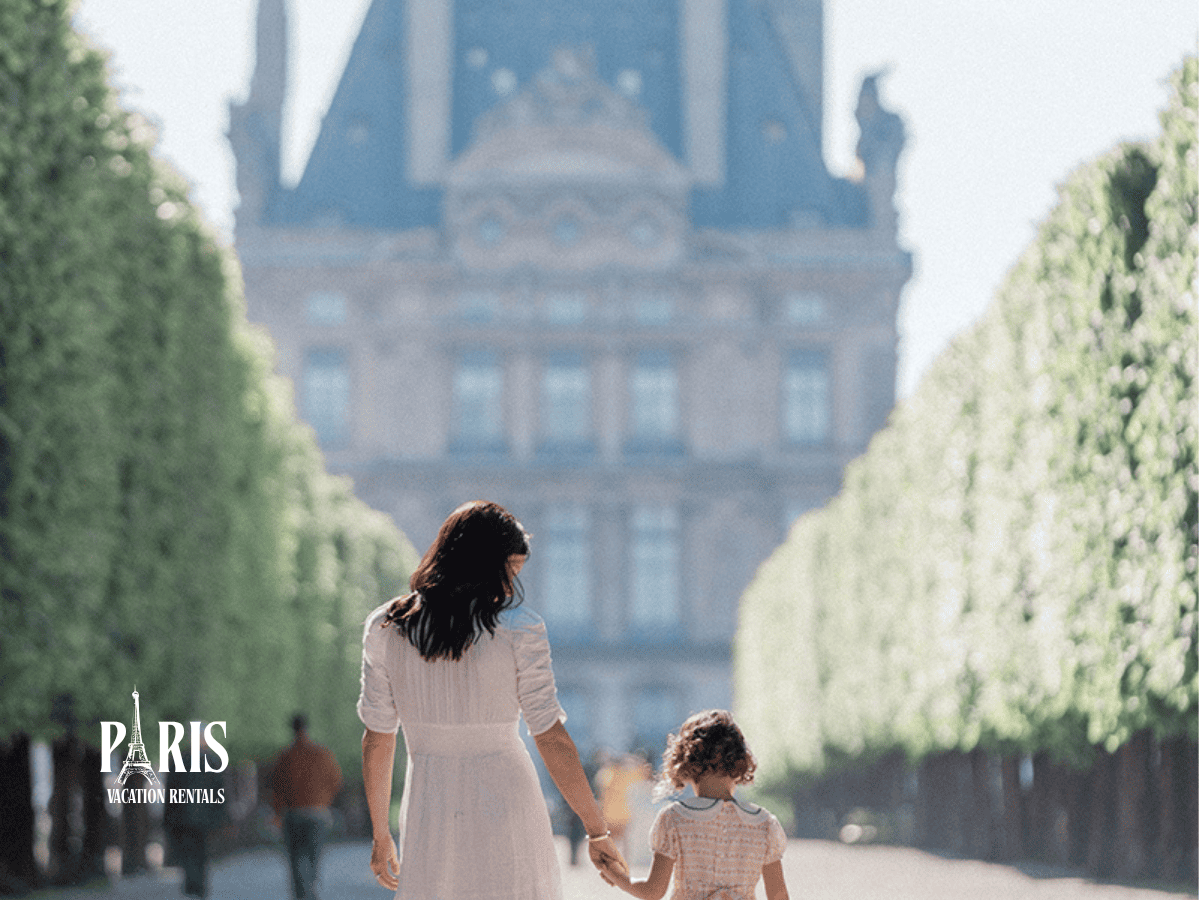
January and February: Winter Quiet
Temperatures hover between 3-9°C, with humidity making it feel colder than the thermometer suggests. Paris averages 10-11 rainy days per month during winter, whilst daylight shrinks to approximately 8 hours. The sun rises after 9am in late December and sets by 5pm. January brings substantially fewer crowds and some of the best rates of the year for accommodation — apartments in particular drop significantly, making it an ideal time to secure a well-located flat at a fraction of the summer price. A self-catering apartment also makes practical sense in winter: you can cook breakfast at home, warm up between sightseeing, and settle in without the rigid check-in rhythm of a hotel. Some outdoor attractions close for the season. Toy boats in park ponds and certain theme parks shut down. Museums and indoor attractions remain open with minimal queues, though.
March and April: Spring Break Prime Time
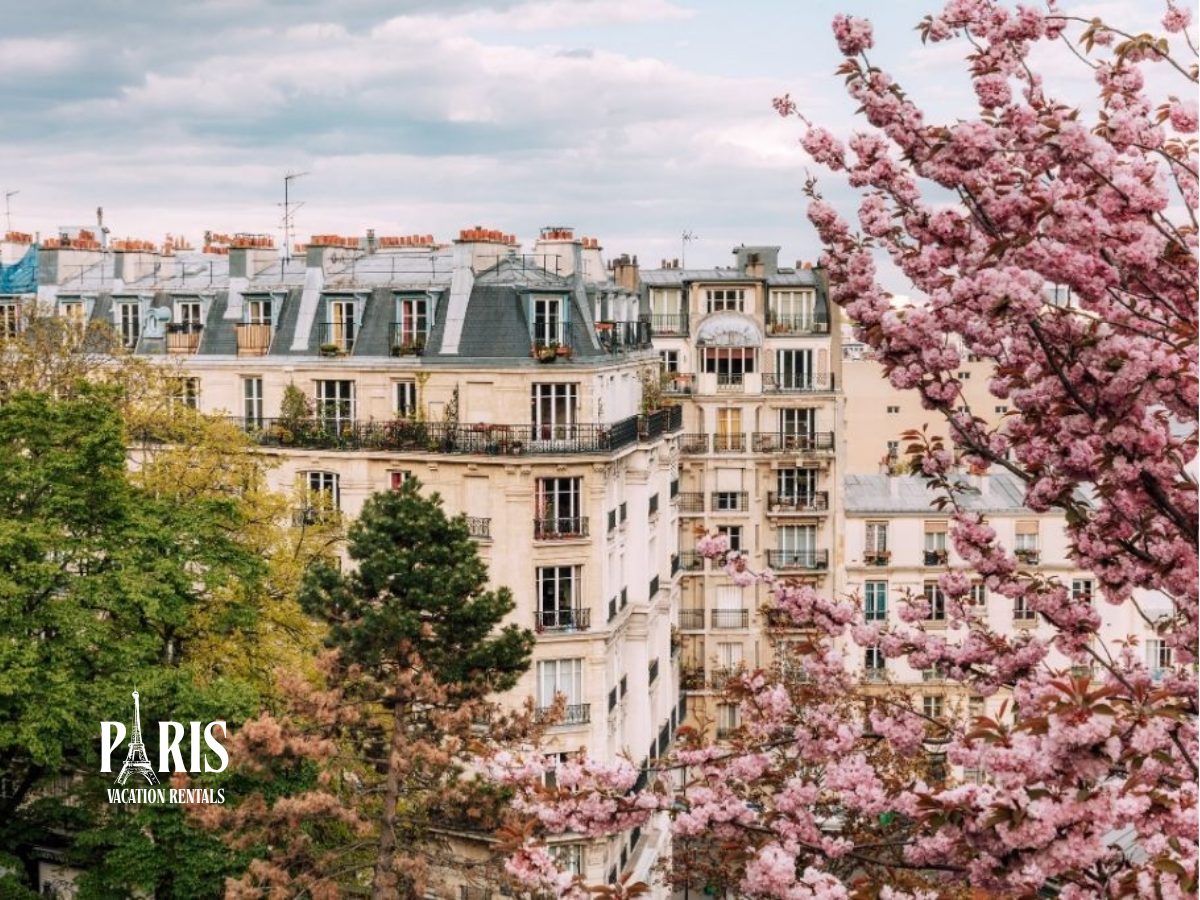
Spring brings mild temperatures and blooming gardens throughout Paris. Early spring sees fewer tourists compared to summer months. Navigation around popular sites becomes considerably easier. Parks turn into picturesque settings that work well for family photos and outdoor play. Variable weather remains a factor. Occasional rain showers require layers and umbrellas. Crowds increase substantially around major attractions as May approaches, especially during school holiday periods.
May: The Sweet Spot
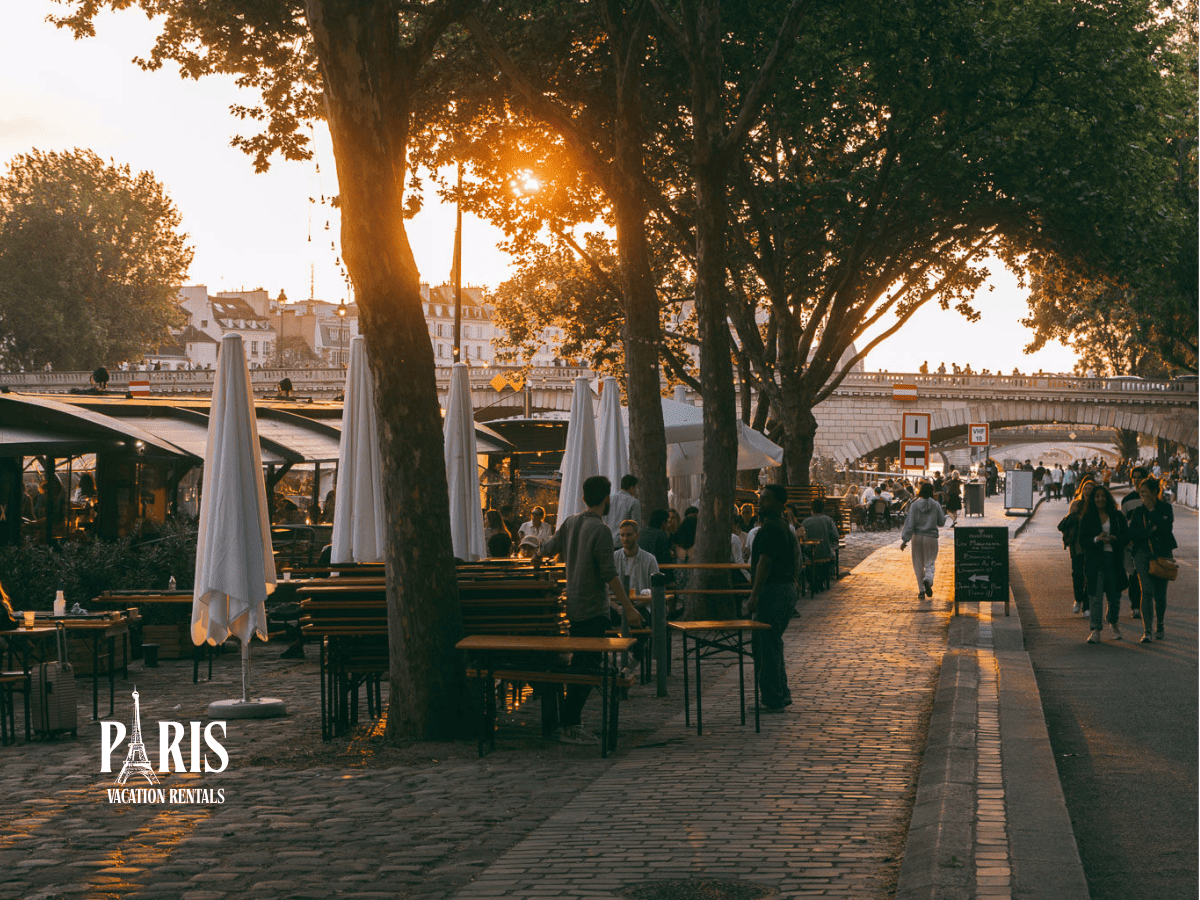
Average temperatures range from 19-22°C during the day and 11-13°C at night. Daylight extends between 14.5 and nearly 16 hours, with sunset occurring around 9:45pm by month's end. Paris receives rain on approximately 9 days in May. The weather sits right between spring coolness and summer heat. Crowds remain minimal compared to peak season, though May contains four bank holidays that trigger long weekends for French families. Labour Day on May 1st closes major museums. The Louvre and Musée d'Orsay shut their doors.
June: Early Summer Transition
This is paragraph text. Click it or hit the Manage Text button to change the font, color, size, format, and more. To set up site-wide paragraph and title styles, go to Site Theme.
July and August: Peak Season Reality
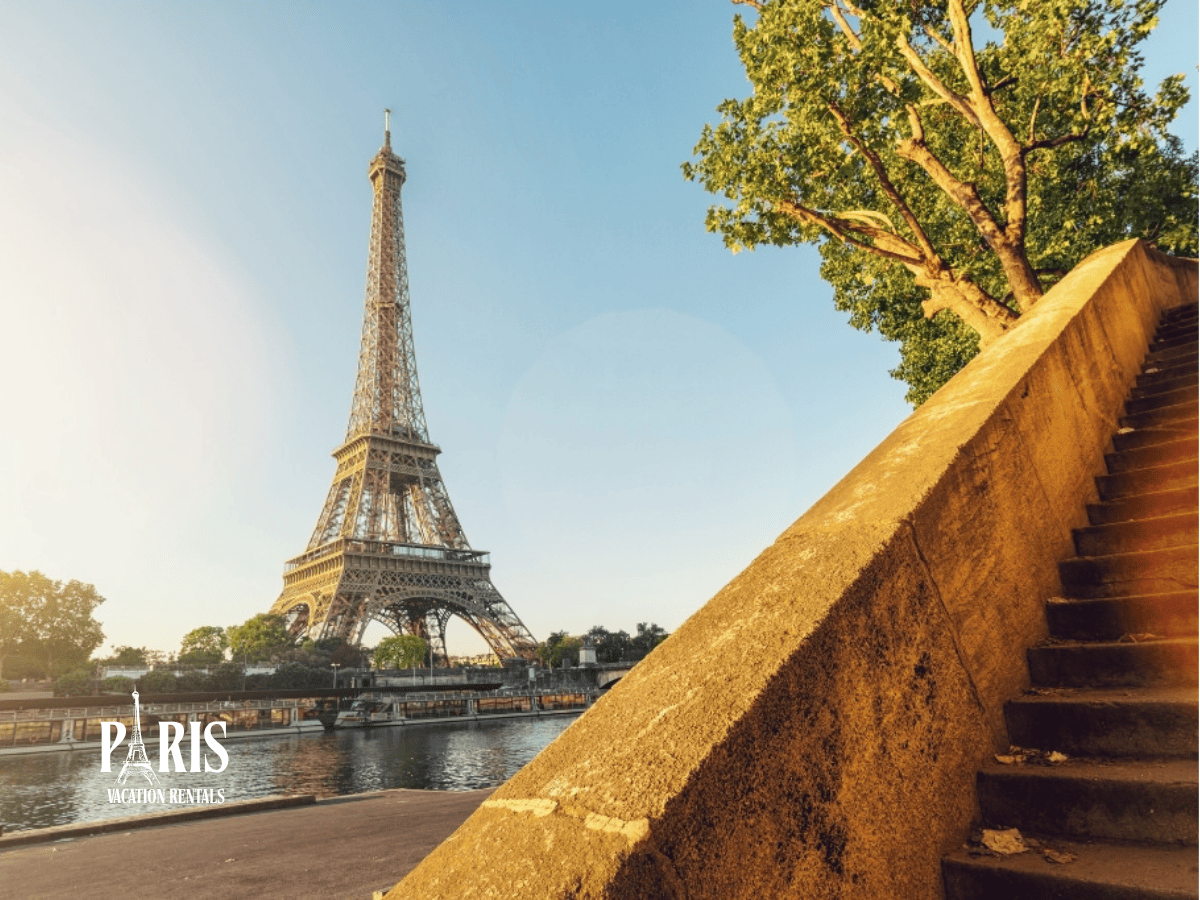
Temperatures reach the high twenties to thirties Celsius. Many local shops and restaurants close during August as Parisians take extended holidays. The city feels calmer in residential neighbourhoods despite tourist presence at major landmarks. Areas around the Eiffel Tower experience expected crowds, but side streets and evening hours offer surprising peace. Accommodation and flight prices peak during these months. Heat waves occur with increasing frequency and push average temperatures higher than historical norms.
September and October: The Hidden Gem
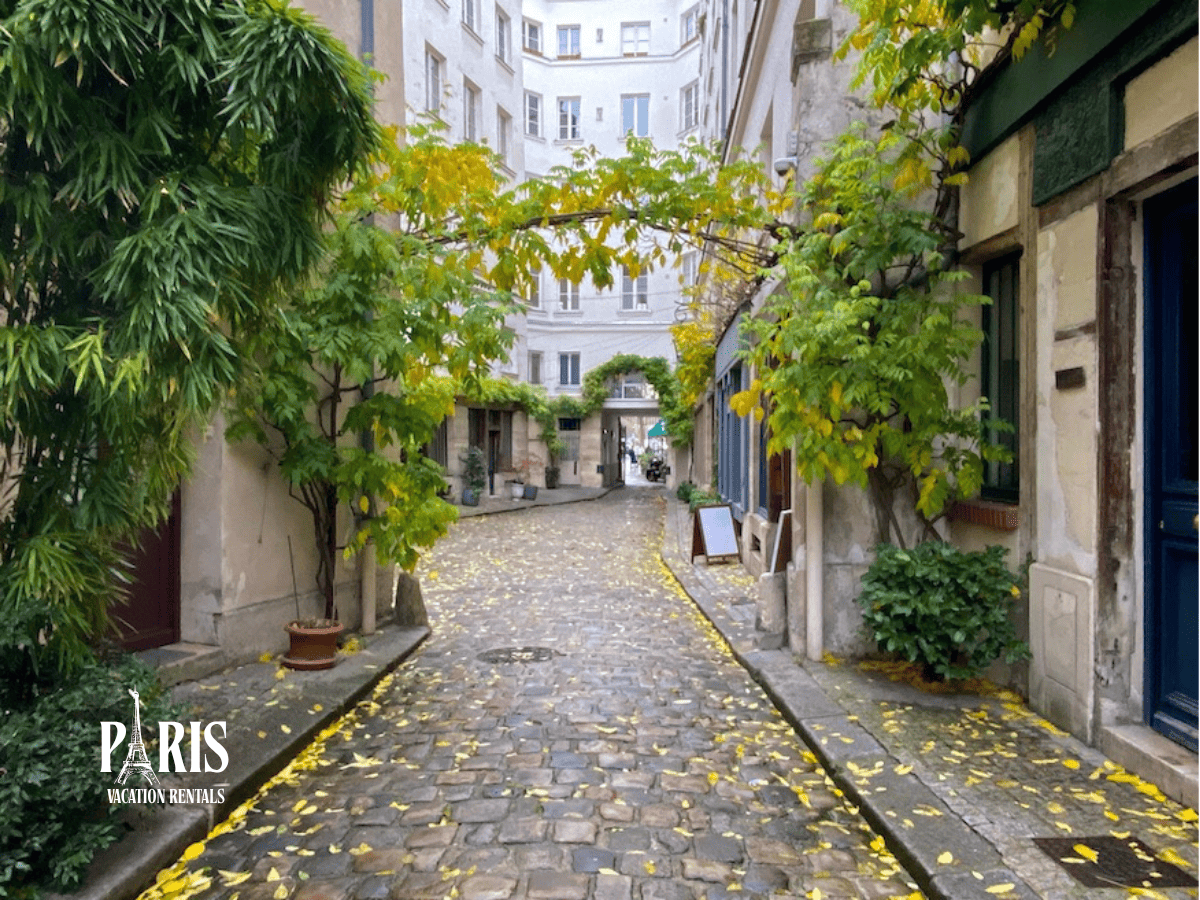
Weather remains warm without excessive heat. School resumption reduces tourist numbers dramatically. September works well for Paris with children. September and October offer pleasant conditions with shorter wait times at attractions. Cultural venues begin new seasons and provide indoor alternatives for rainy days. Beautiful autumn foliage appears in parks and tree-lined avenues.
November: Pre-Holiday Calm
Days grow shorter whilst temperatures turn chilly progressively. Indoor activities become preferable. Free museums and covered passages offer good options. Crowds stay manageable before Christmas tourism begins. November 11th commemorative ceremonies at the Arc de Triomphe offer memorable family experiences.
December: Christmas Market Magic
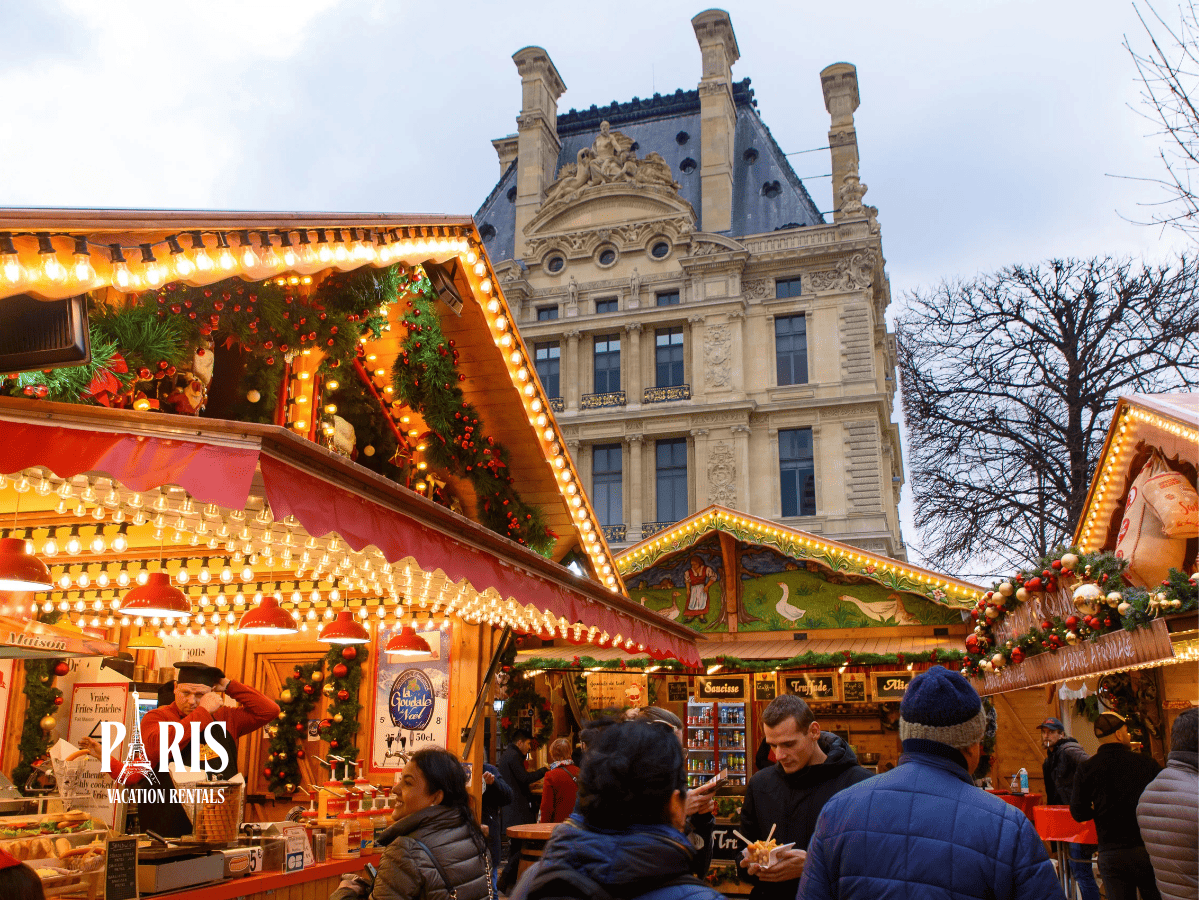
Paris illuminates with millions of holiday lights. The Champs-Élysées features over 400 trees that sparkle between Place de la Concorde and Arc de Triomphe. Christmas markets appear throughout the city. The large Tuileries Garden market, Notre-Dame artisan market, and Alsatian market at Gare de l'Est draw visitors. Ice skating rinks open at multiple locations. Grand Palais, Galeries Lafayette, and several Christmas markets host them. Department stores reveal elaborate animated window displays. Hotels charge premium rates whilst attractions maintain long queues without advance tickets.
Making Summer Work for Your Family
Summer travel to Paris with children just needs specific strategies. You cannot simply wing it during peak season and expect smooth sailing.
Book Accommodations Three Months Ahead
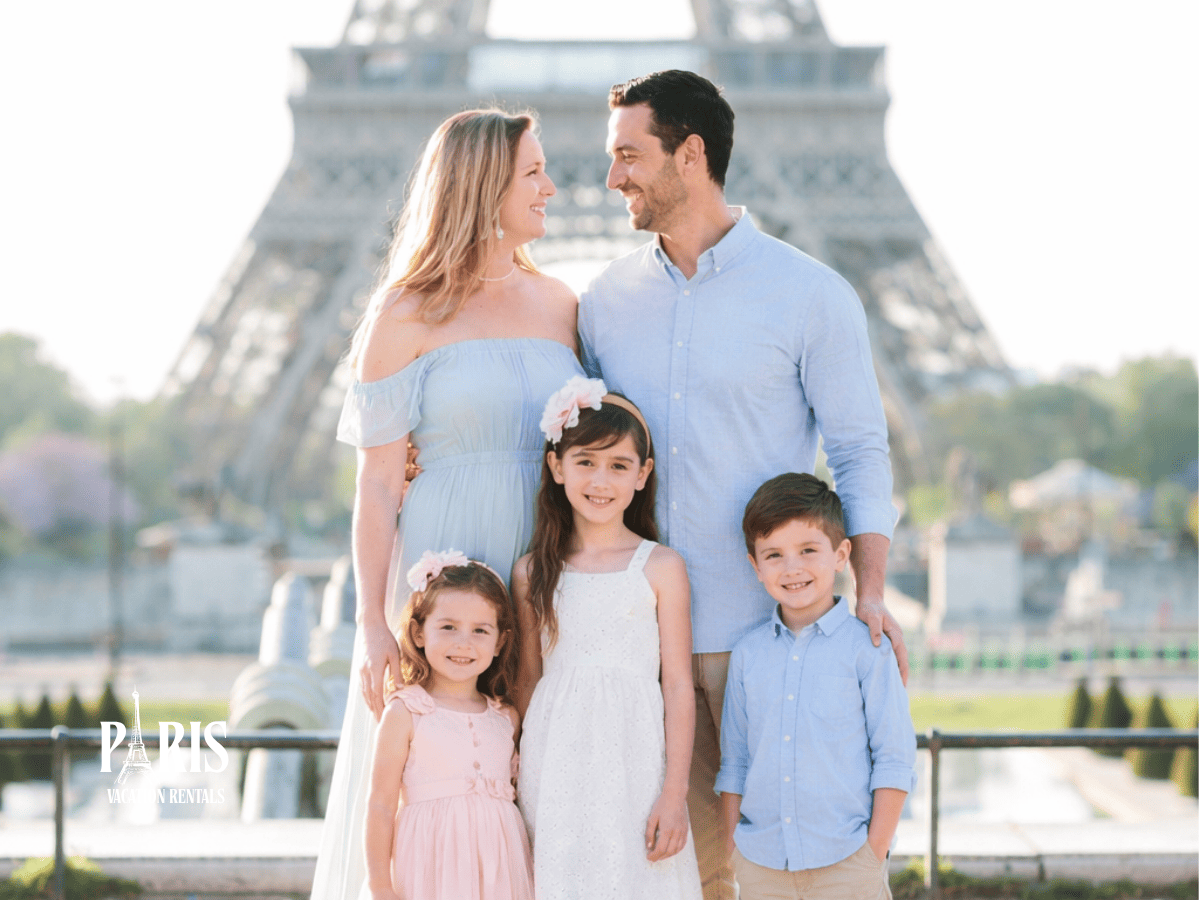
Hotels fill faster for summer dates. Families planning July visits should book by April at the latest. This timeline secures better rates and wider selection of family-friendly properties. If you wait until six weeks before departure, you'll face limited options and inflated prices.
Visit Major Attractions Before 9am
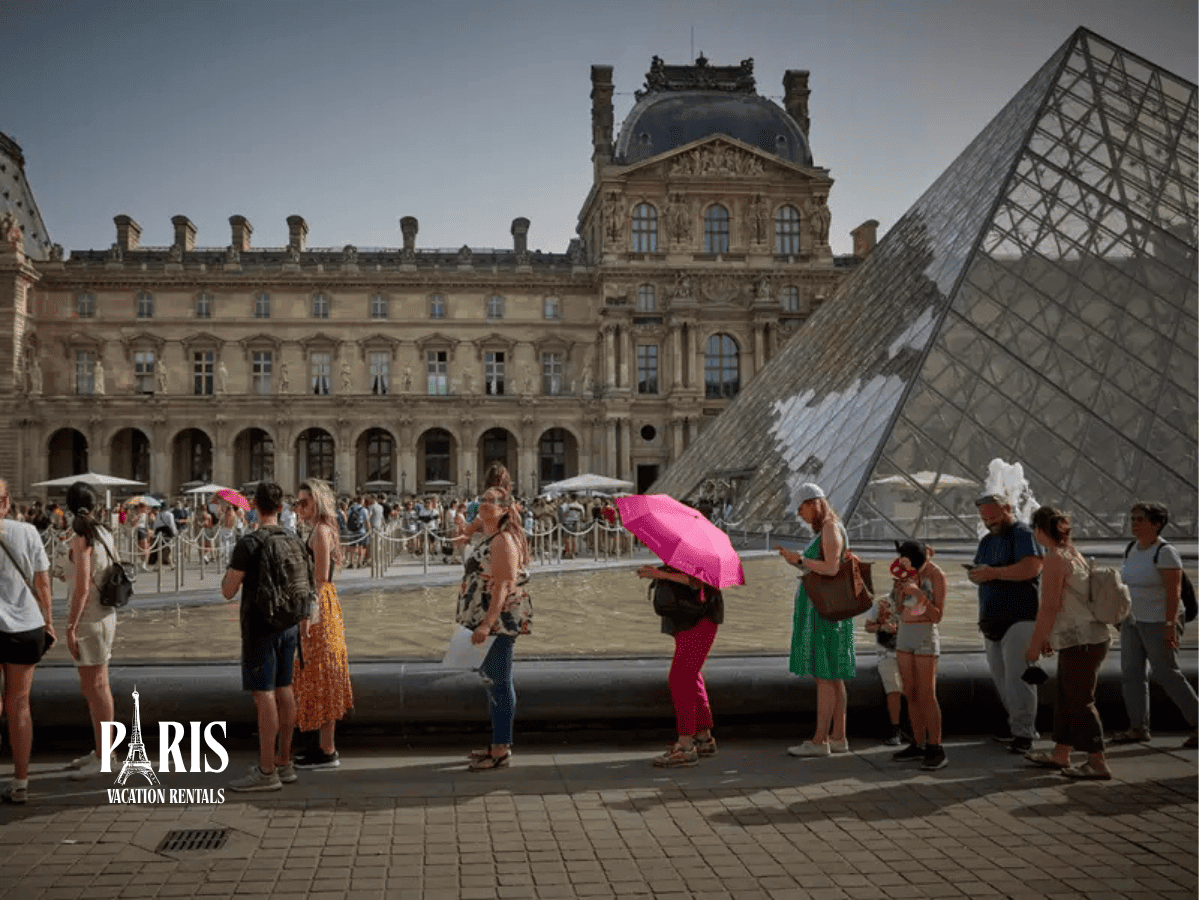
Major Paris attractions open from 9am, and early arrival pays dividends. Lines form by mid-morning, especially during peak season. The Louvre and Eiffel Tower pull massive crowds, with the Iron Lady attracting over 6 million visitors annually. Queue lengths for elevators exceed those for stairs (all 674 of them). The Arc de Triomphe requires climbing 284 steps, but early arrivals face shorter waits and clearer views of the Champs-Élysées, Eiffel Tower, and Sacré-Coeur. Museums like the Louvre and Musée d'Orsay reward morning visits with manageable crowds and unobstructed views of iconic works.
Plan Indoor Activities for Midday Heat
Temperatures average in the high twenties to low thirties, but occasional heatwaves push past 38°C. Air-conditioned museums provide relief during the hottest hours. The Louvre, Musée d'Orsay, and Pompidou Centre offer cool interiors. The Paris Catacombs stay cool underground. The Rodin Museum's seven-acre sculpture garden lets you enjoy culture outdoors while accessing shaded areas.
Pack Water Bottles and Sun Protection

Paris has over 1,200 drinking fountains throughout the city. Some dispense sparkling water. Refillable bottles save money and keep everyone hydrated. Children enjoy splashing in fountains at Place de la République and Parc André-Citroën.
Use Evening Hours at Parks and Gardens
Paris operates 140 parks and gardens open 24 hours. An additional 14 parks extend hours from 7am to midnight between July 5th and September 7th. Six more parks stay open until midnight during heatwaves. Parc de la Villette, Buttes-Chaumont, and Parc Montsouris offer expansive green spaces for evening relaxation.
Morning versus Evening Sightseeing
Start sightseeing early before crowds arrive, then plan slower afternoons in parks to avoid travel fatigue. Long daylight hours in July extend until 10pm, perfect for evening walks and river picnics.
French School Holidays and Why They Matter
French school holidays create crowd patterns that catch American families off guard. France staggers certain breaks into three zones to reduce nationwide congestion, which differs from the U.S. system.
Toussaint Break: Late October Crowds
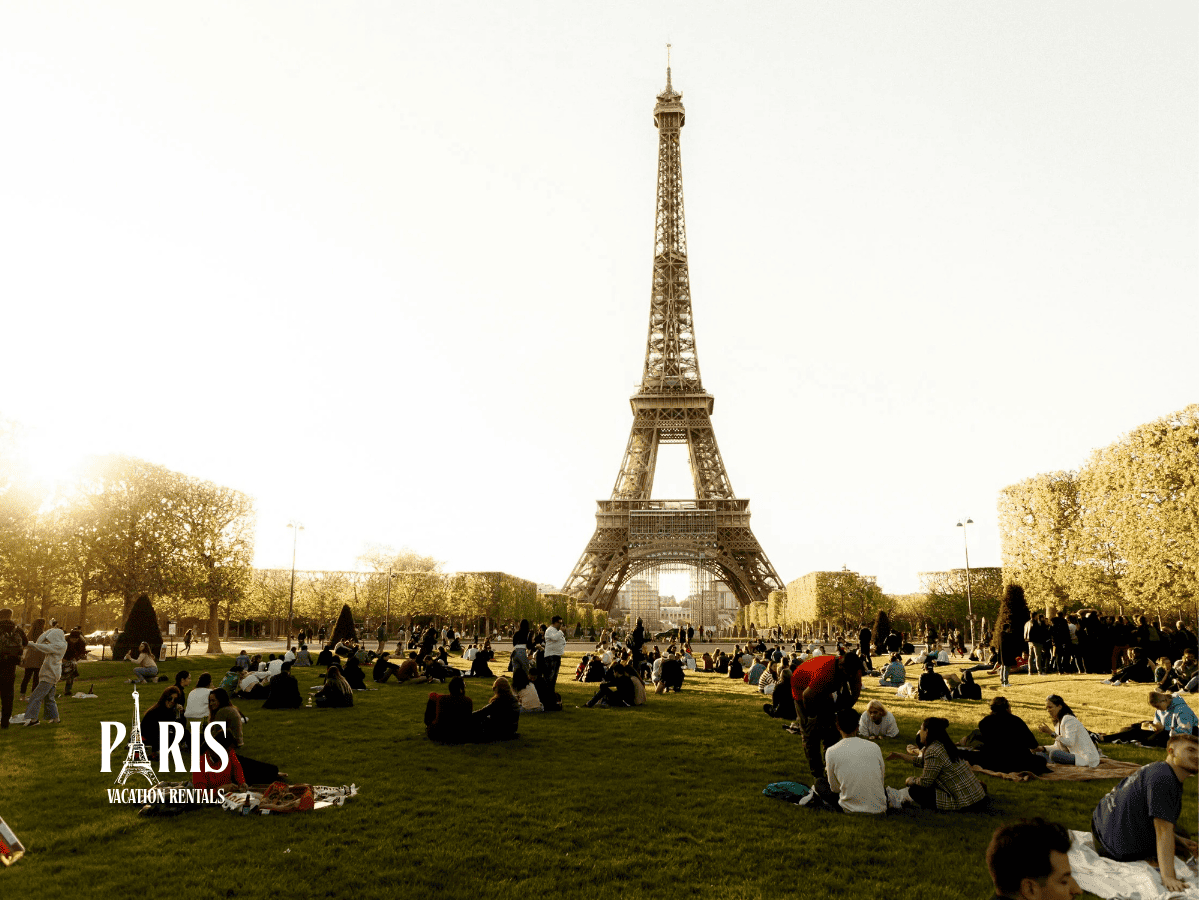
All Saints holidays run from October 18 to November 3, 2025. They affect every zone at the same time. This two-week break floods Paris with French families, especially during weekends when Disneyland Paris sees peak attendance. Museums and major attractions experience longer queues than autumn weekdays see. Hotels raise rates during this period, though not to summer levels.
February Half-Term: Domestic Tourism Spike
Winter holidays stagger by zone to prevent overwhelming ski resorts and coastal destinations. Zone A breaks from February 7-23, 2026. Zone B follows from February 14 through March 2, and Zone C from February 21 to March 9 [213]. Paris sits in Zone C with Versailles, Montpellier, and Toulouse. This staggered system means Paris experiences three consecutive waves of domestic tourism throughout February and early March. The overlap periods bring dense crowds, especially at indoor attractions during cold weather.
When French and American Breaks Collide
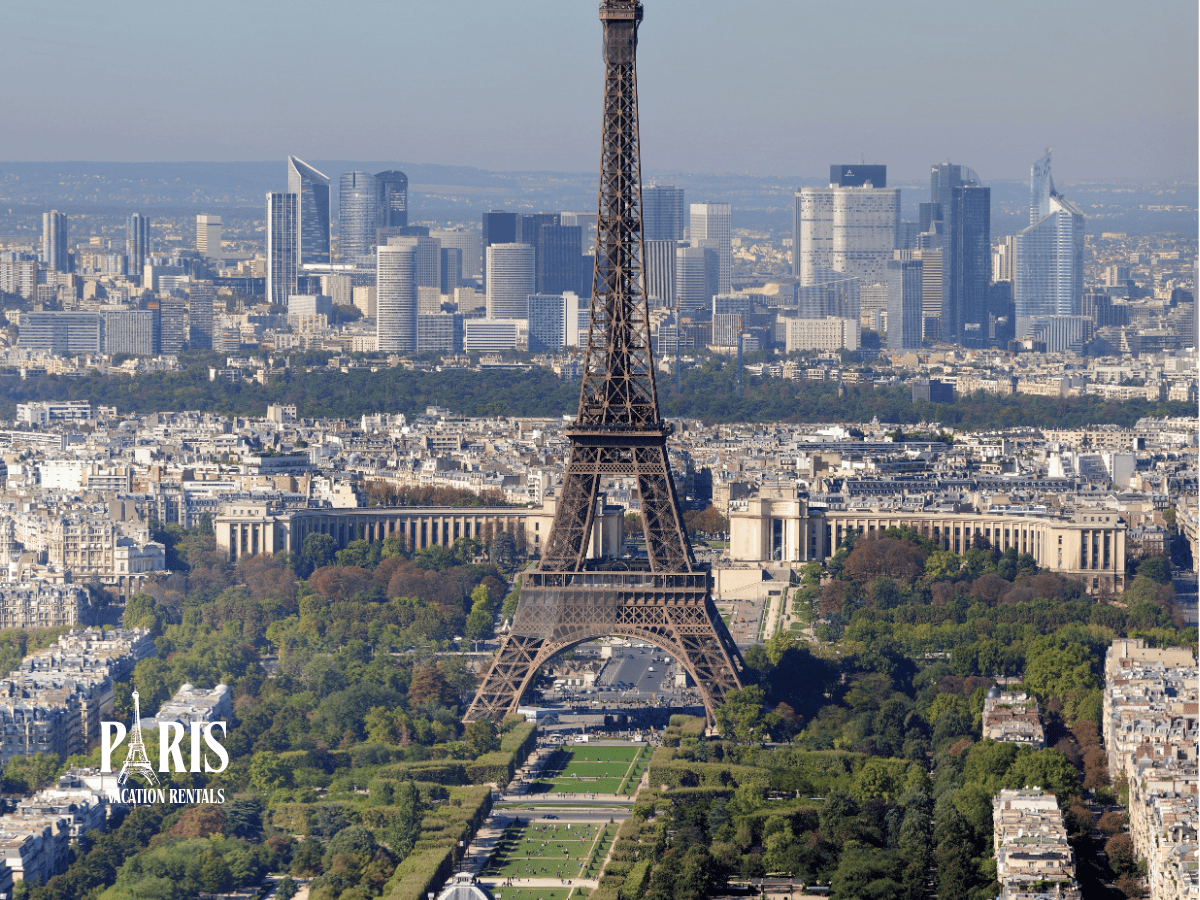
Spring breaks present the most problematic overlap. French spring holidays follow the same staggered zone pattern in April, while many American schools schedule breaks during March and April. Queue lengths at the Eiffel Tower and Louvre extend by a lot when these periods match up. Summer months of July and August create regular traffic jams as French families head to holiday destinations. American families visiting during these weeks face international tourists and peak French domestic travel.
Planning Around Zone Vacations
The zone system reduces congestion on roads and at tourist sites, but you need to understand how it affects your trip. Check which zone's holiday coincides with your Paris dates. Zone C holidays matter most since Paris falls within this zone. French families leave the city during their designated break, which makes Paris quieter for Zone C dates despite increased domestic tourism from Zones A and B. Mid-week visits during school term time are a great way to get the shortest queues and most authentic Parisian experience.
Your Family Travel Decision Matrix
Your circumstances determine your best Paris timing more than any general recommendation. Each family faces unique constraints that shape the decision.
If You Can Only Go in Summer
Accept that queues will be long and plan for them. Booking guided tours at museums lets you skip lines, which matters when standard waits stretch beyond an hour. Apartments cost less than hotels while providing more space, especially outside the city centre where you gain square footage without sacrificing convenience. Lines at the Eiffel Tower turn insane during August, so either visit before 9am or skip the top. Pack a baby carrier with your stroller because many locations make prams impractical. Versailles demands a full day with packed snacks since surrounding food options disappoint. Many Parisians leave on holiday during August, which makes residential neighbourhoods calmer than expected.
If You Have Scheduling Flexibility
April, early May, September, and early October deliver optimal conditions. These shoulder months avoid sweltering heat while providing warm, balmy days. Crowds thin once families return to school. December offers Christmas market magic if festive atmosphere outweighs budget concerns. Avoid June through August when European temperatures rise and humidity makes Paris oppressive.
If You Want the Cheapest Trip
Mid-November through mid-December offers the lowest prices between summer tourism and holiday season rates. February delivers big savings, as do late January and early March. Midweek travel rather than weekends reduces accommodation costs. Early September provides cheaper options if your school calendar permits. Flight costs from London airports to Charles de Gaulle drop during Easter and May holidays compared to regional airports.
If This Is Your First Time with Kids
Plan four to five days and give yourself breathing room beyond must-see attractions. Shoulder season months create the most forgiving conditions for first-timers. Research free entry days at museums, including European Night of Museums in May. Think about a Paris Pass if visiting multiple attractions over several days.
Key Takeaways
Planning a successful Paris trip with children requires strategic timing that balances American school schedules with French holiday patterns and seasonal considerations.
- May and September offer the sweet spot - mild weather, manageable crowds, and reasonable prices before peak tourist seasons hit
- Summer travel demands early morning starts - visit major attractions before 9am to avoid lengthy queues and midday heat
- French school holidays create unexpected crowds - avoid Toussaint break (late October) and February half-term when domestic tourism spikes
- Book summer accommodation three months ahead - hotels fill rapidly during peak season, leaving limited family-friendly options
- Shoulder seasons provide optimal conditions - April, early May, September, and early October deliver warm weather without overwhelming crowds
The key is matching your family's constraints with Paris's seasonal rhythms, then using smart strategies like skip-the-line tickets and indoor backup plans to maximise your experience regardless of when you visit.
FAQs
How many days in Paris with kids?
4–5 days for a first visit. 6–7 if you want a more relaxed pace.
Most budget-friendly time?
Mid-November to mid-December. Also late January and early March. Midweek beats weekends.
When do French school holidays crowd Paris most?
Toussaint (late October) and February half-term. April overlaps with many US spring breaks — avoid if possible.
Best time to visit attractions in summer?
Before 9am. Lines form fast by mid-morning.
Best months for weather and smaller crowds?
April, early May, September, early October.