10 Things That Shock Americans in Paris Apartments
February 1, 2026
Things That Shock Americans in Paris Apartments
For many Americans, the first stay in a Paris apartment is a genuine culture shock. Not because the apartments are uncomfortable or poorly maintained, but because they are built around an entirely different philosophy of living. Parisian homes reflect centuries of urban density, strict preservation rules, and habits shaped long before modern American housing standards existed. This can be particularly jarring for those considering living in France or specifically living in Paris.
What feels surprising, inconvenient, or even "wrong" at first often makes perfect sense once you understand the context. Still, the contrast can be striking. Here are the most common things that genuinely shock Americans when they step inside Paris apartments—and why they exist. These cultural differences often contribute to what many experience as French culture shock.

Apartment Size Feels Surprisingly Small
American visitors are often taken aback by how compact Paris apartments feel, even in prime central neighborhoods.
In the United States, space is often equated with comfort. Open-plan living, large bedrooms, walk-in closets, and expansive kitchens are considered standard. In Paris, square footage is treated as a scarce and valuable resource. Apartments are designed to use every meter efficiently, not generously.
Studios regularly range between 15 and 30 square meters. One-bedroom apartments may feel closer to what Americans would classify as a "large studio." Even family apartments in central districts often remain modest in size. Some particularly small apartments, known as "chambre de bonne," were originally servants' quarters and can be as tiny as 9 square meters.
This does not mean Paris apartments are impractical. Storage is usually built vertically. Shelving reaches the ceiling. Closets are narrower but deeper. Furniture is chosen for flexibility rather than scale. Dining tables fold away. Sofas convert into beds. Rooms serve multiple functions without apology.
For Americans used to separating living, dining, and working spaces, this multifunctional approach can feel cramped at first. Over time, many realize it encourages a more intentional lifestyle and less unused space. This adjustment is often part of the broader experience of living in Paris and adapting to a new way of life.
Bathrooms Break Almost Every American Habit
Bathrooms are often the single biggest surprise and a significant source of cultural differences.
One of the most confusing features for Americans is the separate toilet. In many Paris apartments, especially older ones, the WC is in a small room entirely separate from the bathroom—and often without a sink. This design stems from older hygiene beliefs and plumbing layouts that prioritized isolation over convenience.
Showers are another adjustment. Full walk-in showers are not guaranteed. Many apartments still rely on bathtubs with handheld showerheads. Enclosures may be partial. Water pressure can vary floor by floor. Counter space is minimal.
The washing machine often adds to the confusion. Instead of a dedicated laundry room, machines are frequently located in the kitchen or bathroom. This is not considered unusual locally. Dryers, however, are rare. Air-drying racks are the norm, even in higher-end apartments.
For Americans used to large bathrooms designed for comfort and storage, Parisian bathrooms feel purely functional. Once expectations shift, they begin to feel logical rather than lacking. Understanding these differences is crucial for those moving to Paris and adapting to local living conditions.
No Air Conditioning Is the Norm
Another major shock is the absence of air conditioning.
In the US, AC is expected. In Paris, it is optional and often unavailable. Many historic buildings cannot be retrofitted easily due to preservation laws. External units are restricted. Internal modifications require approvals that owners often avoid.
Parisians rely on architectural solutions instead. Thick stone walls regulate temperature. Tall ceilings trap heat above living space. Shutters block direct sunlight during the day. Windows are opened strategically in the early morning and late evening to create airflow.
Portable AC units do exist, but they are far from standard. Even in summer, many apartments operate without them. Americans visiting during heat waves may find this particularly challenging.
That said, apartments that do offer air conditioning usually advertise it clearly. When present, systems tend to be compact and limited to one or two rooms rather than whole-home cooling. This is one of many aspects of living in France that requires adaptation and a shift in expectations.
Elevators Are Optional, Not Guaranteed
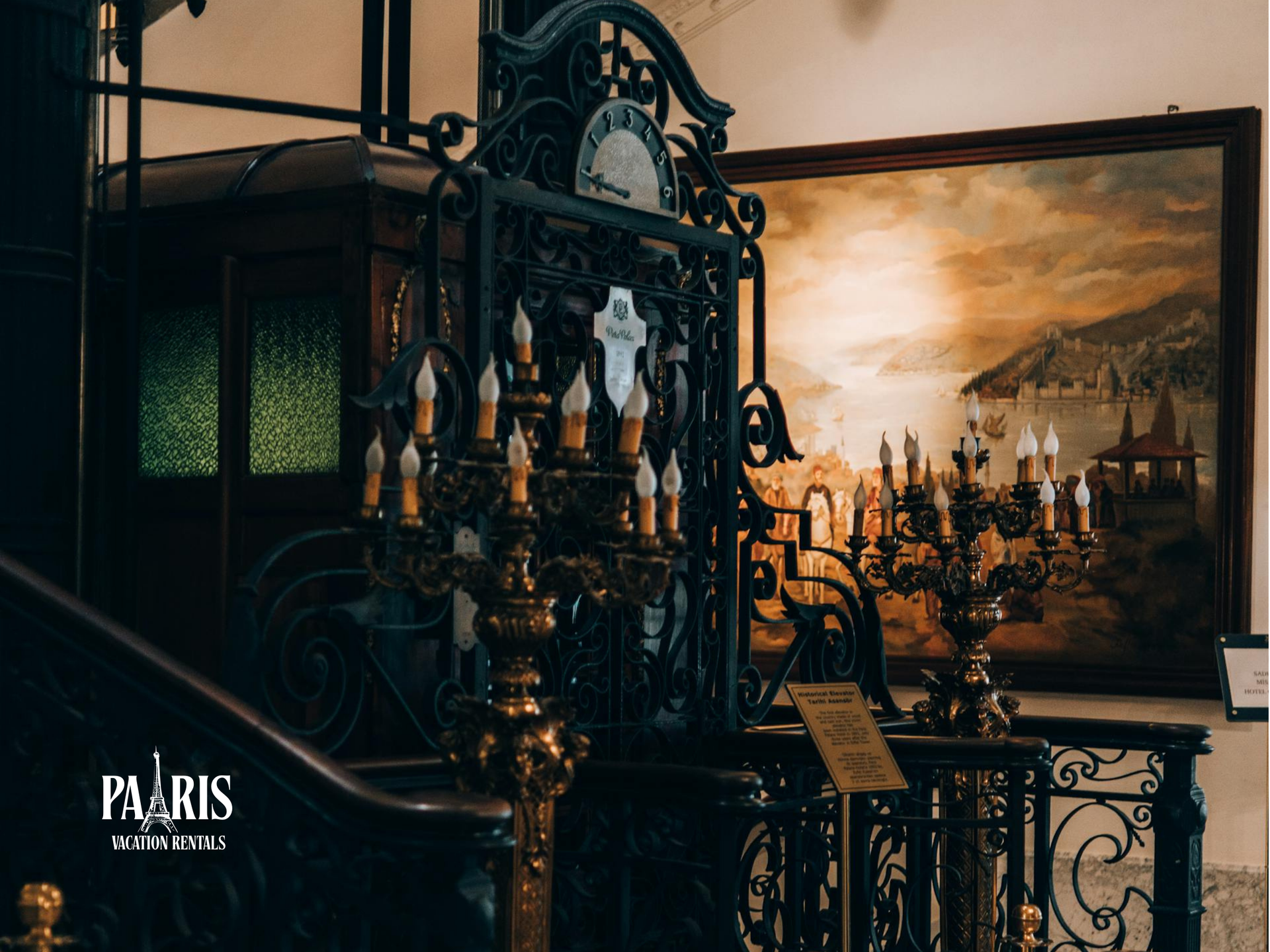
Americans often assume elevators are standard in multi-story buildings. In Paris, they are a privilege.
Many buildings constructed before the mid-20th century were not designed with elevators in mind. Walk-ups are common, especially in charming historic districts. When elevators exist, they may be surprisingly small. Some fit only one person or a single suitcase.
Staircases are narrow and steep. Spiral stairs are common in older buildings. Carrying luggage to the fourth or fifth floor can be a memorable introduction to Parisian living.
Floor level significantly affects pricing. Higher floors without elevators often rent for less. Higher floors with elevators may command premiums due to better light and views.
For Americans with mobility concerns or heavy luggage, checking elevator access before booking is essential. This is particularly important for those planning on living in Paris long-term, as it can significantly impact daily life.
Sound Travels More Than Expected
Noise is another adjustment Americans frequently mention.
Many Paris apartments were built long before modern soundproofing standards. Walls may be solid stone but internal separations can be thin. Footsteps from above, conversations next door, and street activity below are part of daily life.
Street noise varies dramatically by orientation. Apartments facing busy boulevards can be lively late into the night. Those overlooking interior courtyards are often remarkably quiet.
Cultural tolerance for everyday noise is also different. City sounds are accepted as part of urban life. Complete silence is not expected, especially in central areas.
This does not mean Paris apartments are constantly noisy, but Americans accustomed to insulated suburban homes often need time to adjust. The language barrier can sometimes exacerbate this issue, as understanding neighbors' conversations or street chatter can be challenging for non-French speakers.
Appliances Feel Minimal or "Outdated"
Kitchens in Paris apartments rarely resemble American ones.
Refrigerators are compact. Ovens are smaller. Microwaves may be absent entirely. Dishwashers exist but are far from guaranteed, especially in studios and one-bedroom apartments.
Garbage disposals are virtually nonexistent. Trash separation is taken seriously, and waste is managed manually rather than mechanically. Dryers are rare, reinforcing the culture of air-drying clothes.
What Americans perceive as outdated is often intentional. Smaller appliances use less energy, cost less to run, and fit limited space. Kitchens are designed for daily cooking, not bulk storage or oversized appliances.
Once again, the focus is practicality over abundance. This approach to kitchen design and appliances is part of the broader cultural differences that Americans encounter when living in France.
Layouts Feel Unfamiliar to American Eyes
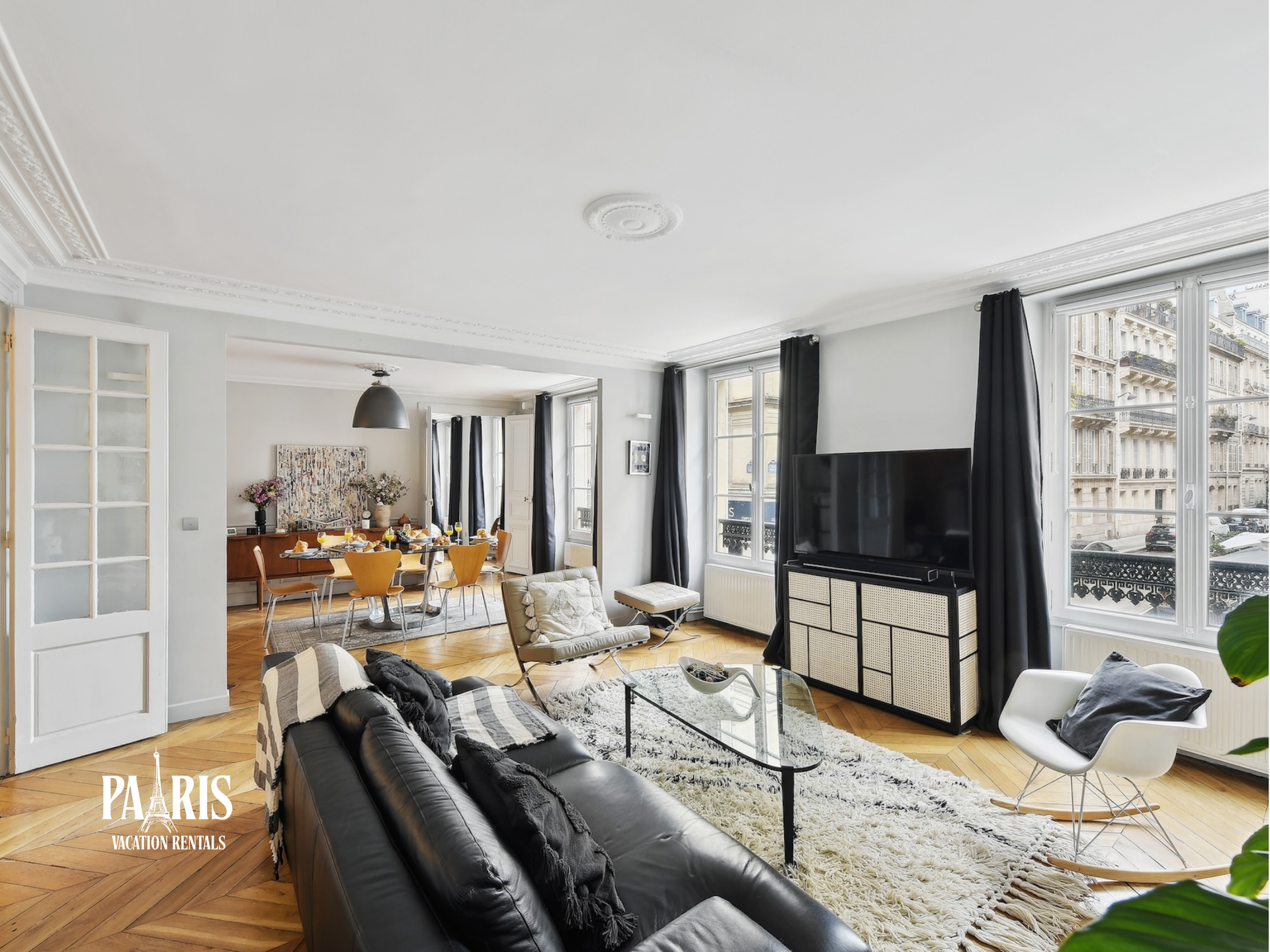
Paris apartment layouts often feel unconventional to American visitors.
Long corridors are common. Bedrooms may open directly off kitchens or entryways. Living spaces are not always central. Floor plans prioritize light exposure over symmetry.
This irregularity comes from centuries of modifications. Buildings were expanded, subdivided, merged, and reconfigured over time. Modern zoning consistency never existed in the same way it did in the US.
Rather than uniform layouts, each apartment has its own logic. Light, ceiling height, and window placement matter more than standardized room flow.
For Americans used to predictable floor plans, this can feel disorienting. Many later come to appreciate the individuality. Understanding and adapting to these unique layouts is part of the experience of moving to Paris and embracing the city's architectural heritage.
Storage Is Clever but Limited
Closet space is another common surprise.
Walk-in closets are rare. Storage is integrated into walls, built above doors, or hidden under beds. Entryway storage may double as coat space, cleaning supply storage, and shoe racks.
Basements and attics exist but are not always accessible or included. As a result, residents own fewer items and rotate seasonally.
Americans used to storing everything at home often find this challenging initially. Over time, many adopt a more minimalist approach. This adjustment in living habits is often part of the broader French culture shock experienced by those new to living in Paris.
Light Matters More Than Space
One concept Americans often underestimate is the importance of light.
A small apartment with tall windows and southern exposure is considered far more desirable than a larger, darker one. Parisian living places enormous value on natural light, even if it means sacrificing square meters.
High ceilings, French windows, and reflective interiors are common tools used to maximize brightness. This design priority explains many layout decisions that confuse first-time visitors.
Once understood, the emphasis on light becomes one of the most appreciated features of Paris apartments. It's an aspect of living in France that many come to value deeply over time.
The Shock Fades Faster Than Expected
What initially shocks Americans in Paris apartments usually becomes part of the charm.
The scale encourages spending time outside. Neighborhood cafés replace oversized dining rooms. Walkable streets replace backyard patios. Compact living spaces shift attention toward the city itself.
After a few days, many Americans stop noticing what feels "missing" and start appreciating what is gained: efficiency, character, and a sense of connection to centuries of urban life.
Paris apartments are not designed to impress at first glance. They are designed to function within one of the densest, oldest, and most beautiful cities in the world. Once expectations align with reality, the shock fades—and for many, the appeal lasts long after they leave.
For those considering moving to Paris, it's important to be prepared for these differences. Understanding the administrative processes involved in renting, such as providing proof of income and opening a French bank account, can help smooth the transition.
Staying in Paris with Paris Vacation Rentals
For Americans visiting Paris, the choice of apartment directly shapes the overall experience. Many first-time visitors are surprised by smaller layouts, limited amenities, or unclear listing details. Professionally managed apartments help reduce these gaps by setting clear expectations from the start.
Paris Vacation Rentals offers centrally located apartments designed with international travelers in mind. Property descriptions are precise, layouts are transparent, and practical features are clearly listed before booking. This approach helps American guests feel comfortable without removing the character that makes Parisian living unique. The result is a stay that feels familiar enough to be easy, yet authentic enough to feel local.
Key Takeaways
- Paris apartments feel small by American standards, but layouts prioritize efficiency, light, and daily use rather than unused space.
- Bathrooms often include separate toilets, limited storage, and minimal fixtures, which reflects older building designs rather than poor quality.
- Air conditioning is uncommon due to preservation rules and climate habits, with most locals relying on shutters, airflow, and thick walls.
- Elevators are not standard, especially in historic buildings, and staircase access directly affects pricing and comfort.
- Noise levels can feel higher due to older construction and street activity, though courtyard-facing apartments are often very quiet.
- Kitchens and appliances are compact by design, focusing on energy efficiency and daily cooking rather than storage or bulk use.
- Once the initial shock fades, many Americans appreciate how Paris apartments support a walkable, city-centric lifestyle.
- Understanding these differences and preparing for administrative processes can greatly ease the transition for those moving to Paris or considering living in France.

FAQs
Why are Paris apartments so small compared to American ones?
Paris is dense, historic, and highly regulated, so apartments prioritize efficient layouts and location over square footage.
Is it normal for Paris apartments to have no air conditioning?
Yes. Most buildings rely on thick walls, shutters, and airflow, and adding AC is often restricted in historic properties.
Why are toilets sometimes separate from the bathroom?
Older plumbing and hygiene standards led to isolated WC rooms, a layout still common in many buildings.
Do most Paris apartments have elevators?
No. Many older buildings are walk-ups, and elevators are more common only in newer or renovated properties.
Are Paris apartments uncomfortable for long stays?
Not usually. Once expectations adjust, many people find them practical, well-located, and easy to live in daily.