Paris Neighborhoods Explained in American Terms
January 24, 2026
Paris Neighborhoods in American Terms: Full Guide
For many American travelers, Paris feels familiar yet hard to decode. The arrondissements of Paris, while looking close on a map, can vary dramatically in lifestyle, pace, and "vibe" from one to the next. A useful shortcut is to translate the neighborhoods in Paris into American—especially New York—terms. This comparison does not aim for perfect equivalence, but it helps set realistic expectations about atmosphere, walkability, dining, and daily life in various Paris quartiers.
Le Marais ≈ SoHo / Williamsburg
Le Marais in Paris is one of the city's most in-demand neighborhoods and consistently one of the easiest areas for Americans to enjoy immediately. Expect narrow streets of Paris lined with historic buildings, independent boutiques, contemporary art galleries, and cafés that stay busy from morning to late evening.
Like SoHo, it blends history with fashion and design. Like Williamsburg, it attracts creatives, entrepreneurs, and younger travelers who want to be central without feeling stiff or overly formal. The dining scene is modern and international, with plenty of casual but high-quality options—ideal if you prefer relaxed meals rather than white-tablecloth dining every night.
It is extremely walkable, well connected by metro, and lively without feeling chaotic. For Americans unsure where to stay, the Marais district remains one of the safest Paris neighborhoods and most versatile choices. Don't miss a stroll through the beautiful Place des Vosges or along the bustling Rue de Rivoli while exploring this part of Paris centre.
7th Arrondissement ≈ Upper East Side
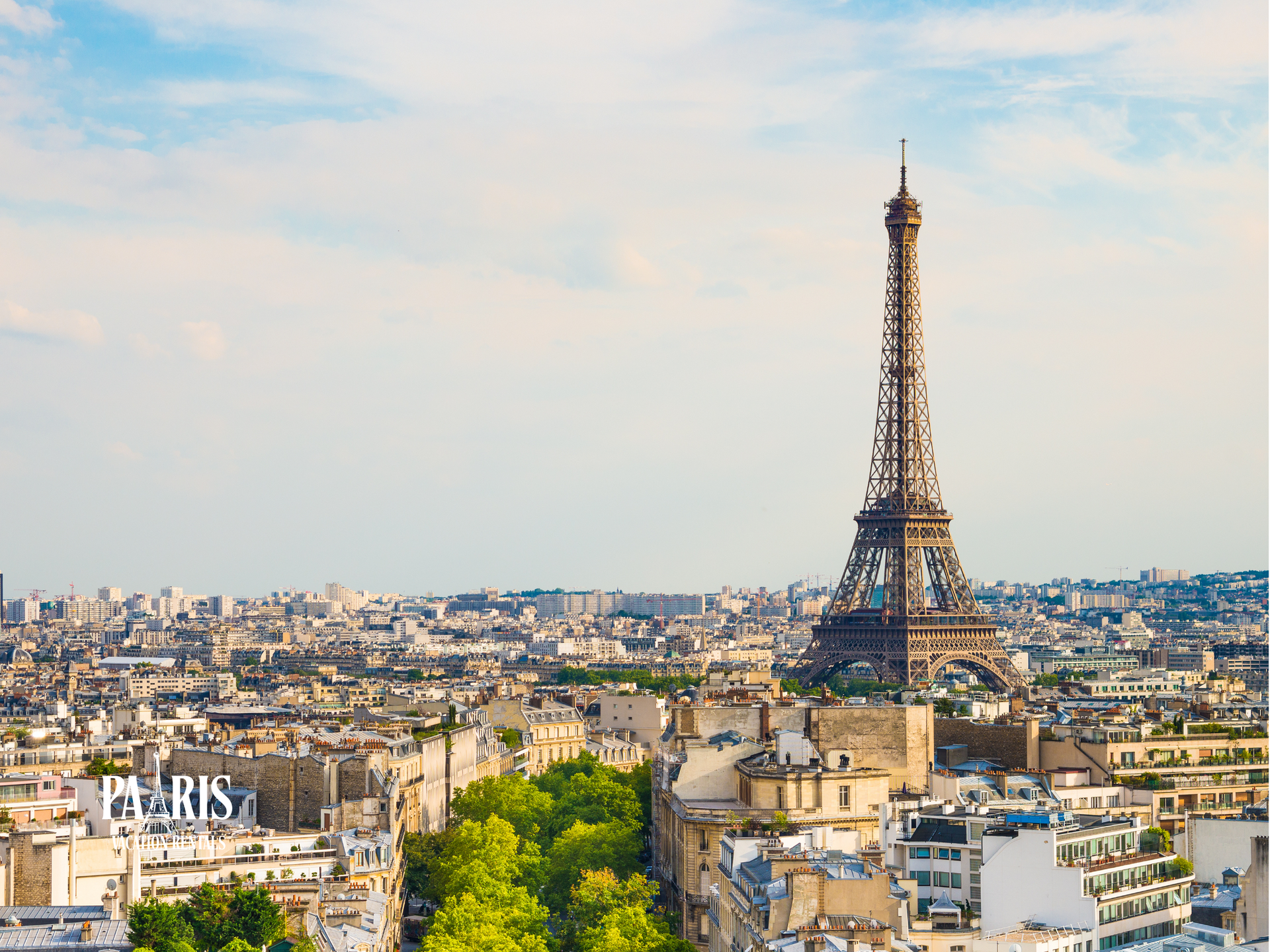
The 7th arrondissement of Paris is refined, orderly, and quietly prestigious. Wide streets, classic Haussmann buildings, and proximity to landmarks like the Eiffel Tower and the Seine define this area of Paris.
Comparable to the Upper East Side, it prioritizes calm and elegance over nightlife or trendiness. Restaurants are polished and traditional. Shops are discreet and high-end. Evenings are peaceful, with very little late-night noise.
Americans who value safety, structure, and postcard Paris views feel comfortable here immediately. It is particularly popular with families, first-time visitors, and travelers who want Paris to feel effortless rather than stimulating.
Saint-Germain-des-Prés ≈ West Village
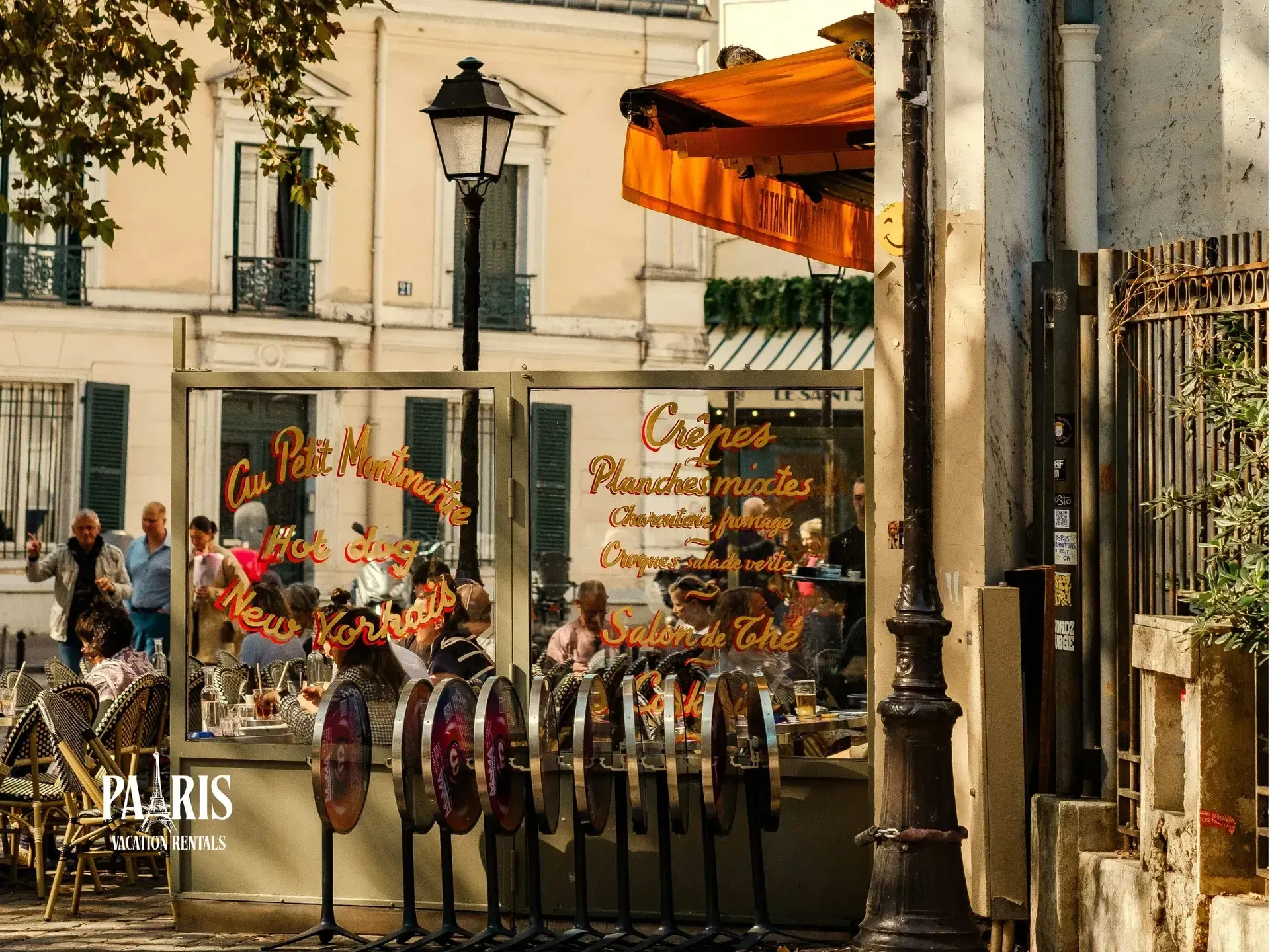
Saint-Germain-des-Prés carries a deeply intellectual, café-centric identity rooted in Parisian literary and artistic history. Bookstores, historic cafés, galleries, and compact side streets shape daily life in this neighborhood in Paris.
Like the West Village, it feels intimate and cultured rather than flashy. Dining is consistently excellent but understated. Streets reward wandering, stopping for coffee, and slow evenings. There is a sense of confidence and permanence that appeals to travelers who value atmosphere over novelty.
This area works best for repeat visitors, couples, and Americans who want Paris to feel personal and human rather than monumental.
Latin Quarter ≈ Upper West Side (with a student core)
The Quartier Latin (Latin Quarter) is anchored by universities, bookshops, and traditional restaurants. The atmosphere is academic, practical, and slightly bohemian, with a clear everyday rhythm.
Comparable to the Upper West Side near Columbia, this neighborhood of Paris blends students, families, and long-term residents. Prices are generally more accessible than in Saint-Germain or the Marais. Streets are lively during the day and calmer in the evening.
It is a strong option for longer stays, budget-conscious travelers who still want centrality, and families who appreciate walkability and a local, lived-in feel.
Montmartre ≈ Brooklyn Heights / Park Slope (on a hill)
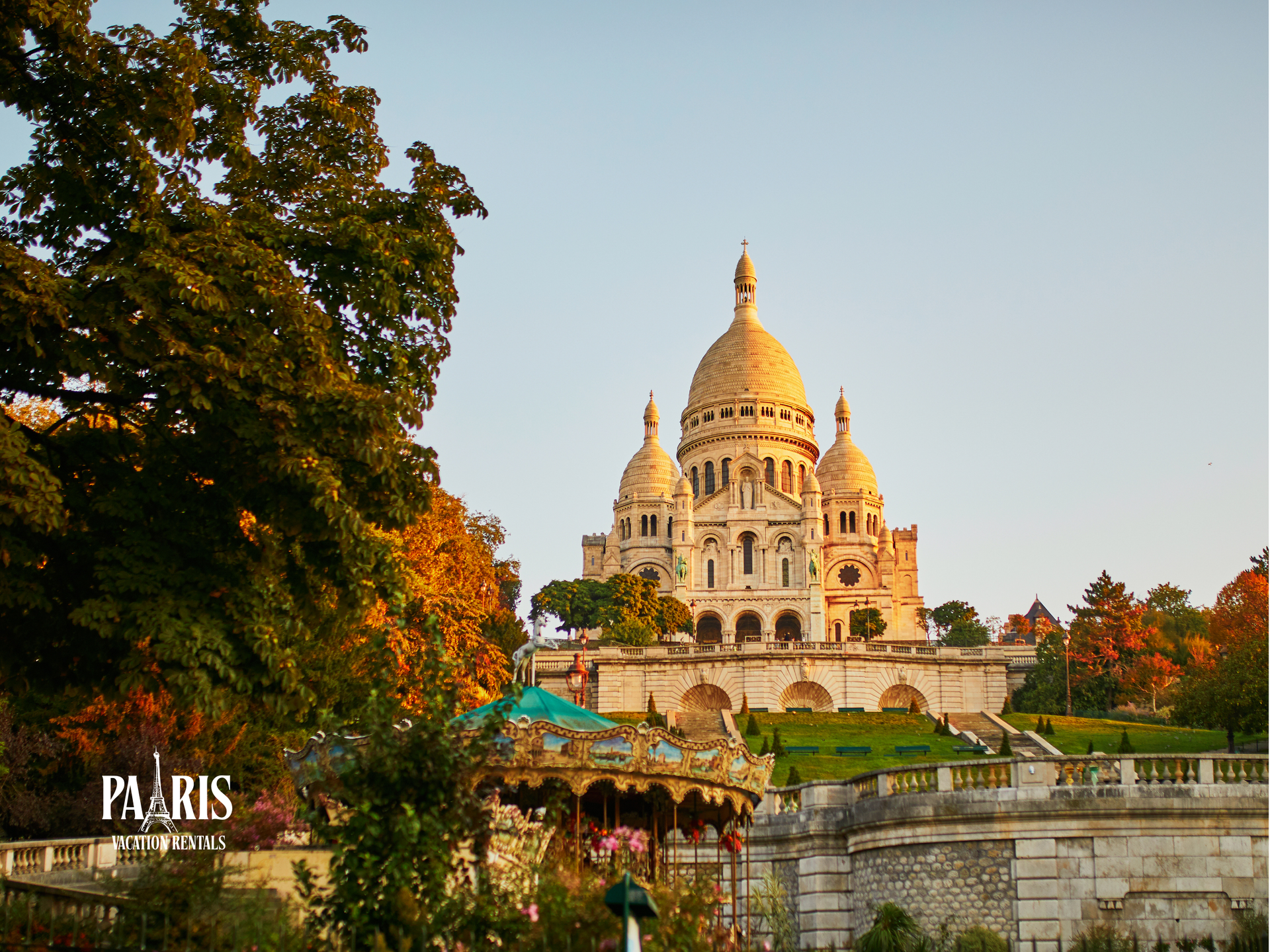
Montmartre is visually striking and often polarizing. It feels village-like and residential, with winding streets, staircases, and elevated views over the city.
Comparable to Brooklyn neighborhoods with elevation and character, it offers charm and atmosphere but requires more effort. Streets are steeper. Metro stations can be farther apart. Daily sightseeing involves more planning.
Montmartre suits travelers who value character, scenery, and authenticity over convenience, and who are comfortable being slightly removed from the main tourist flow in Paris center.
Opéra & Grands Boulevards ≈ Midtown Manhattan
The Opéra district is efficient, commercial, and exceptionally well connected. Offices, department stores, theaters, and major transit lines dominate this area of Paris.
Like Midtown Manhattan, it excels at logistics. Getting anywhere in Paris is fast and simple. Dining options are abundant but often functional rather than atmospheric. The area is busy during the day and noticeably quieter at night.
This neighborhood works best for short stays, business travelers, and visitors who prioritize transport access over neighborhood charm. Take a stroll down Rue Montorgueil for a taste of local Parisian life amidst the bustle.
Champs-Élysées / 8th Arrondissement ≈ Fifth Avenue
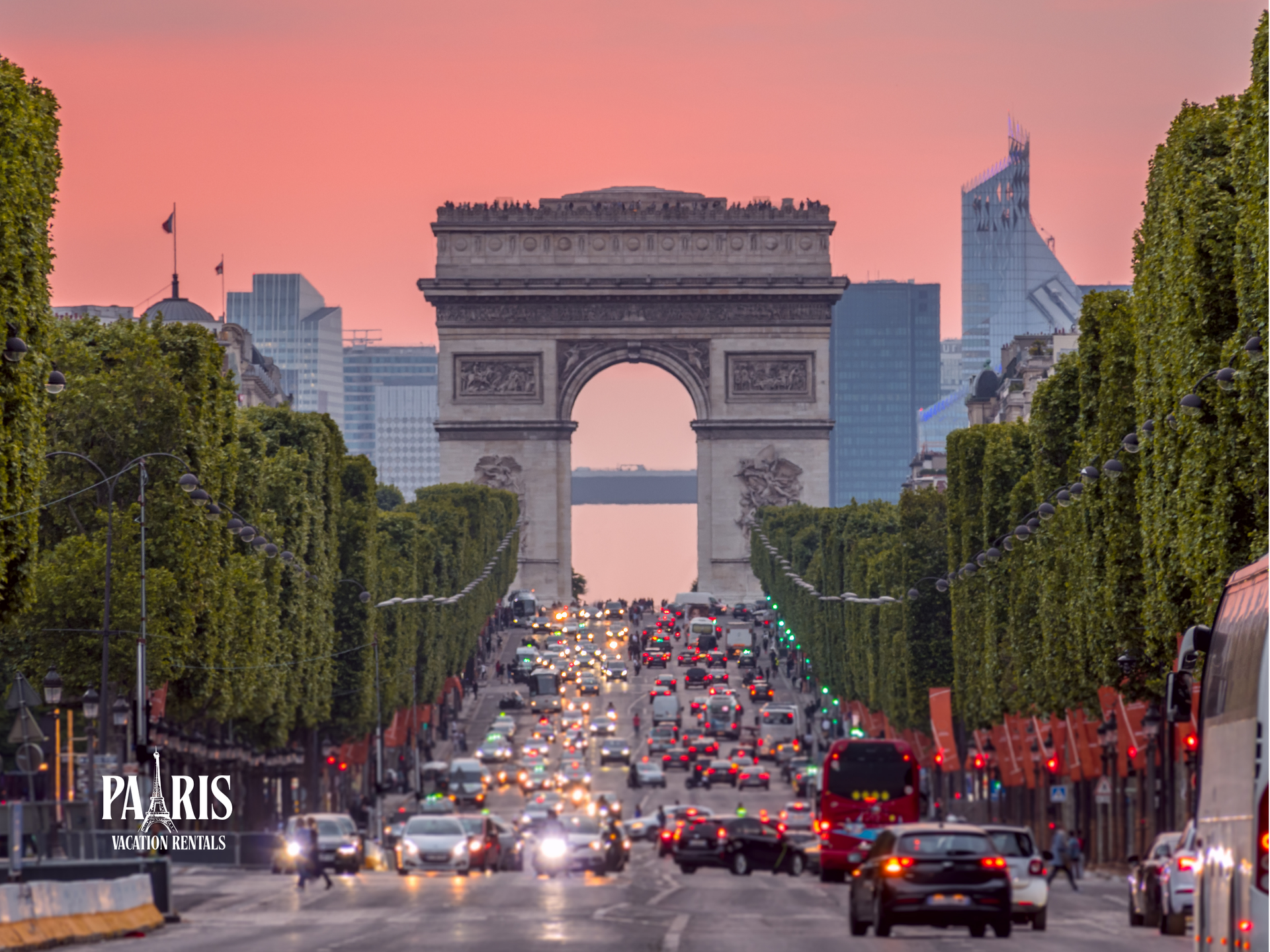
The 8th arrondissement of Paris represents the city at its most polished and recognizable. Flagship stores, luxury hotels, embassies, and monumental avenues dominate the landscape.
Like Fifth Avenue, it is prestigious and visually impressive but not particularly local. Americans often choose this area for short stays, landmark proximity, and a strong sense of security. Dining is formal, shopping is high-end, and evenings are quiet once offices and boutiques close.
Best suited to first-time visitors who want iconic Paris and effortless navigation rather than neighborhood immersion.
Canal Saint-Martin / 10th Arrondissement ≈ Lower East Side / Bushwick
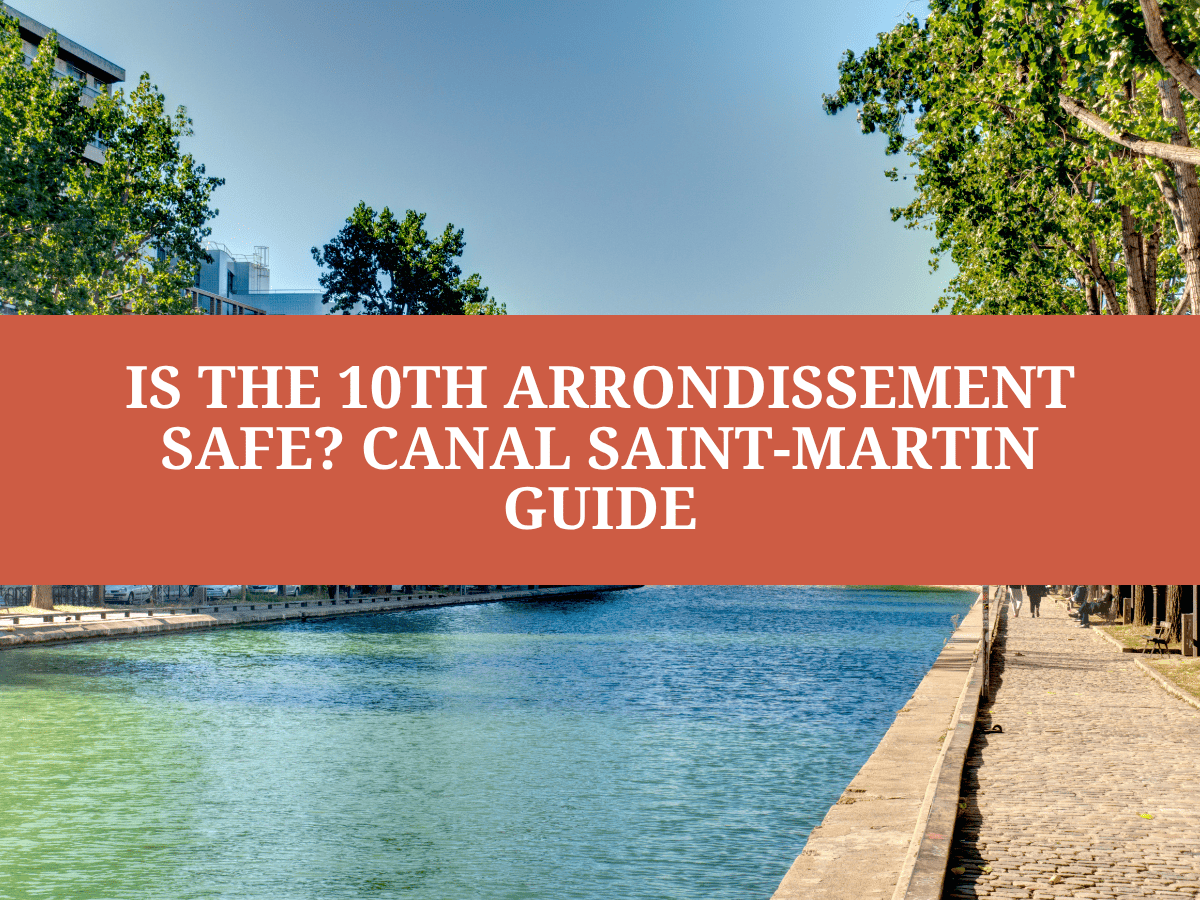
Canal Saint-Martin has grown rapidly in popularity among younger Americans and repeat visitors. The atmosphere is creative, casual, and noticeably less curated than central Right Bank neighborhoods.
Comparable to the Lower East Side or Bushwick, it attracts designers, freelancers, and travelers who want cafés, bars, and a lived-in feel rather than monuments. Apartments tend to be larger, prices more accessible, and the vibe more contemporary.
Ideal for longer stays and travelers who already know Paris and want something more local.
Île Saint-Louis ≈ Upper East Side Townhouse Blocks
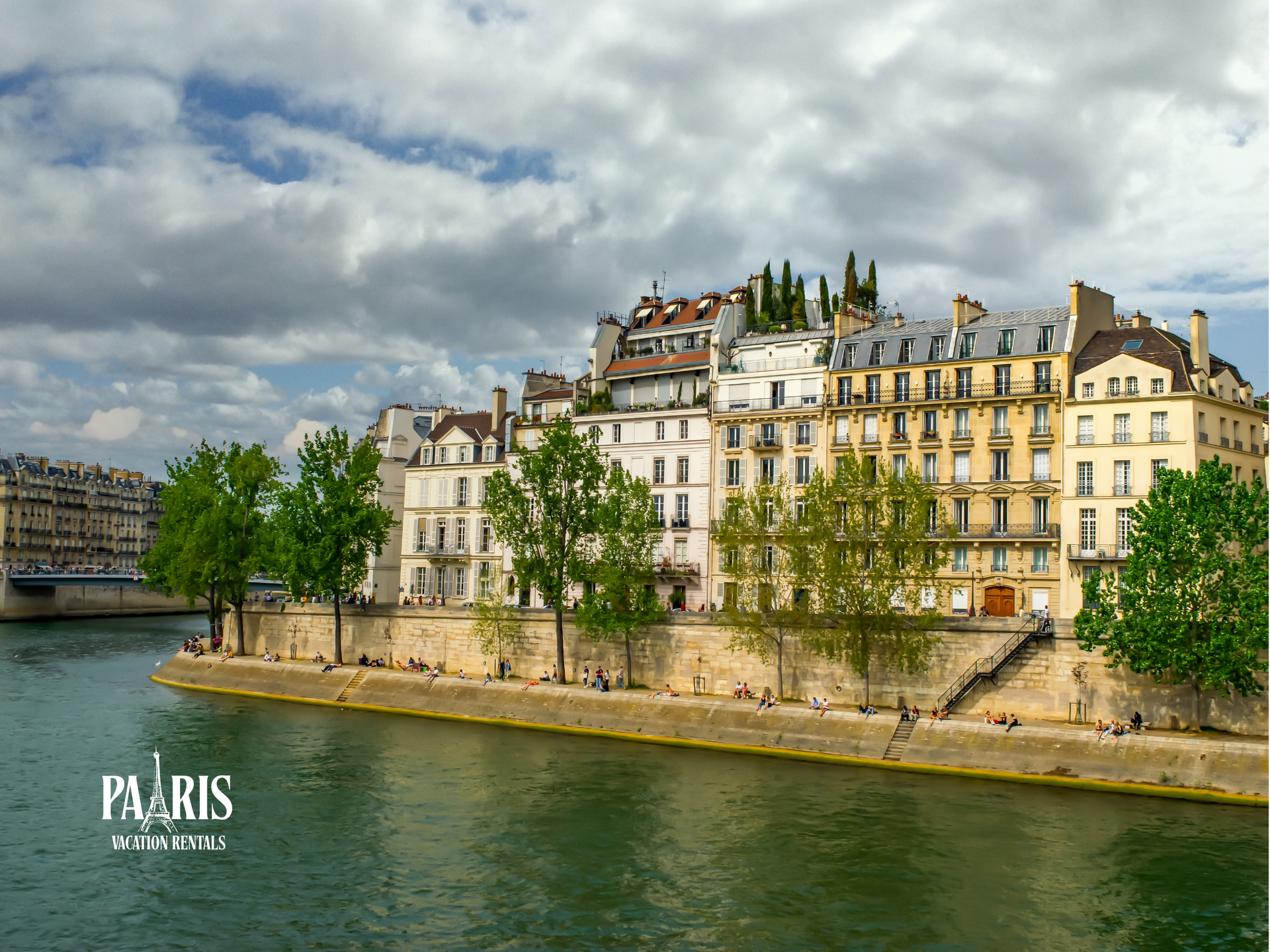
Île Saint-Louis is quiet, residential, and exceptionally refined. Despite sitting in the heart of Paris, it feels insulated from traffic and crowds.
Comparable to classic Upper East Side townhouse streets, it appeals to Americans who value privacy, beauty, and discretion. There is little nightlife, but walks along the Seine and the architectural setting are unmatched.
Best for couples, mature travelers, and longer stays where calm and exclusivity matter more than activity.
Trocadéro / Passy (16th Arrondissement) ≈ Upper East Side (Residential)
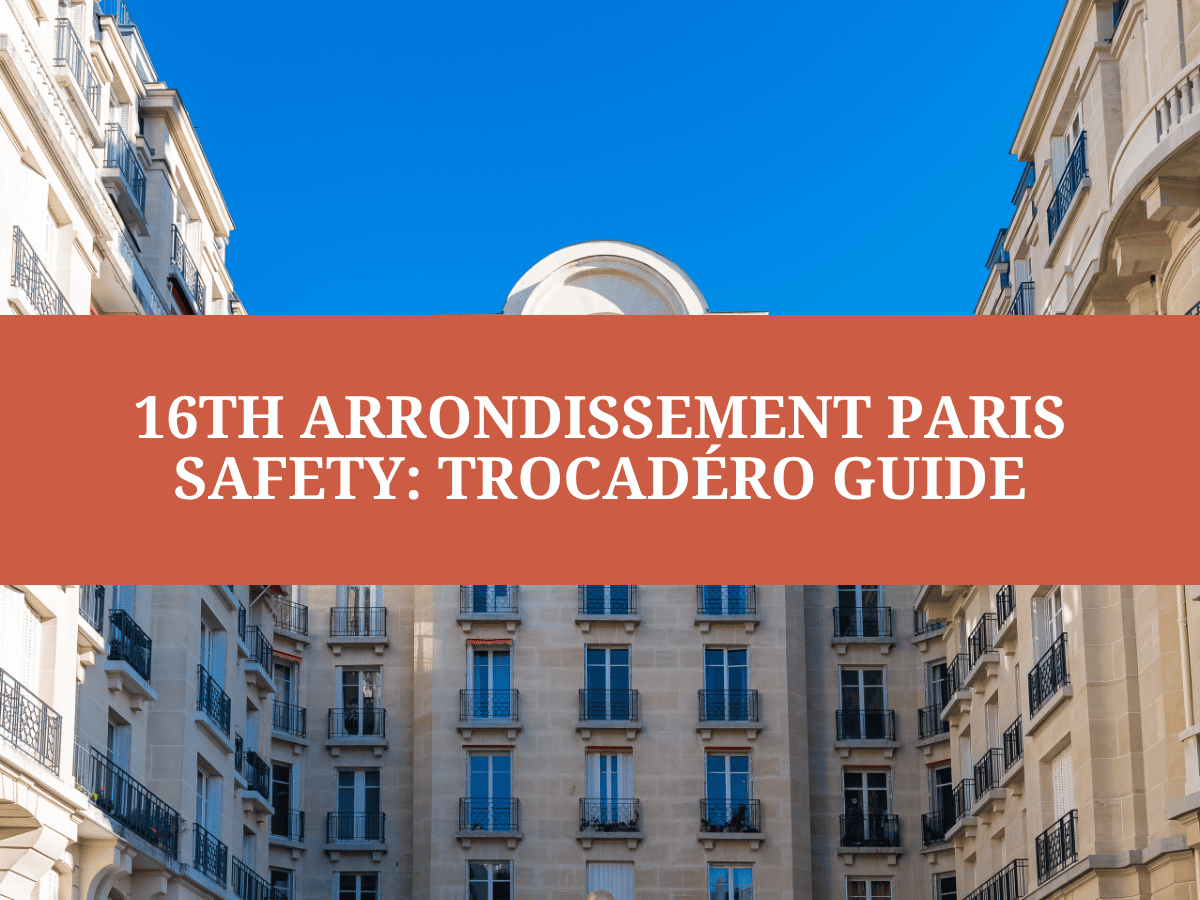
The 16th arrondissement of Paris is often overlooked by tourists but extremely popular with American families. It is residential, green, orderly, and comfortable, with wide sidewalks and excellent public transport.
Comparable to residential Upper East Side areas near Central Park, it offers space, safety, and spectacular Eiffel Tower views without the density of more tourist-heavy zones. Daily life feels calm and structured. The Passy neighborhood within the 16th is particularly charming, offering a village-like atmosphere.
This arrondissement is a top choice for families, high-end travelers, and multi-week stays where comfort and stability are priorities. It's also home to the vast Bois de Boulogne, Paris's second-largest park, perfect for outdoor activities and picnics.
Key Takeaways
Paris neighborhoods make much more sense for Americans when translated into familiar U.S. lifestyle references. The goal is not geography—it is daily experience.
- Le Marais = SoHo / Williamsburg: Creative, walkable, stylish. One of the safest Paris neighborhoods and the best all-around choice for Americans who want energy and centrality.
- 7th & 16th arrondissements = Upper East Side: Elegant, quiet, structured. Ideal for families, first-time visitors, and longer, comfortable stays.
- Saint-Germain-des-Prés = West Village: Intellectual, café-driven, intimate. Best for travelers who value culture over landmarks.
- Quartier Latin = Upper West Side: Lively by day, calmer at night. Practical, central, and well-suited to longer stays.
- Canal Saint-Martin = Lower East Side / Bushwick: Trendy, local, and informal. Popular with younger Americans and repeat visitors.
- Opéra = Midtown Manhattan: Transport-first, efficient, and convenient. Works well for short stays and logistics-focused trips.
Americans enjoy Paris most when they choose a neighborhood that matches how they live, not just what they want to see. Framing the districts of Paris through U.S. equivalents reduces uncertainty, improves satisfaction, and leads to better booking decisions—especially for families and longer stays.

FAQs
Which Paris neighborhood is best for first-time American visitors?
Le Marais and the 7th arrondissement are the easiest starting points. They feel familiar, central, and well connected.
Where do American families usually prefer to stay?
The 7th and 16th arrondissements are the most popular. They are quiet, safe, walkable, and close to parks and landmarks.
Which area feels the most "local" rather than touristy?
Canal Saint-Martin and parts of the Latin Quarter offer a more residential, everyday Paris atmosphere.
Is staying outside central Paris a good idea?
Usually no for short trips. Central neighborhoods reduce transport time and make the stay more enjoyable.
What is the safest choice when unsure?
Le Marais. It consistently works for Americans across age groups, travel styles, and lengths of stay.