Is the 13th Arrondissement Safe? Paris Guide for Americans
September 22, 2026
Is the 13th Arrondissement Safe? Paris Guide for Americans
Is the 13th arrondissement safe? For most visitors, yes. This largely residential part of Paris includes the village-like Butte-aux-Cailles, busy Place d'Italie and the Quartier Asiatique. As elsewhere in Paris, travelers should be most mindful of phones, wallets and bags in crowded places and on public transport.
For American travelers, the 13th offers a less touristy side of the city without putting central Paris out of reach. Here's what to know about its neighborhoods, walking at night, Metro safety and where to stay.

Table of Contents
Is the 13th Arrondissement Safe? The Direct Answer
13th Arrondissement Safety by Neighborhood
Is the 13th Arrondissement Safe at Night?
Safety Tips for American Travelers
Is the 13th Arrondissement Safe? The Direct Answer
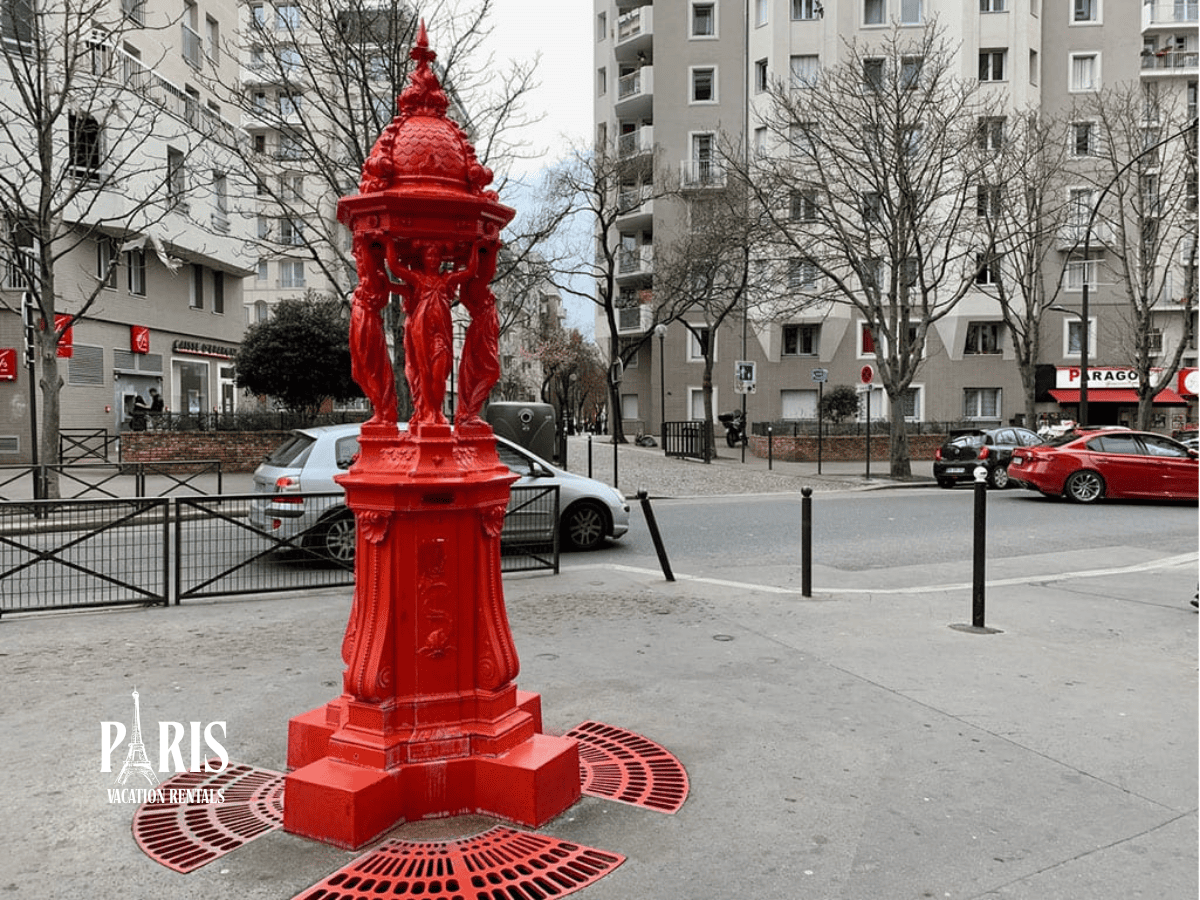
The 13th arrondissement is generally a comfortable area for tourists, including first-time visitors to Paris. Much of the district is residential, with restaurants, local shops, universities and neighborhoods that see far less tourist traffic than areas around the Louvre, Eiffel Tower or Champs-Élysées.
For visitors, petty theft in crowded places is a more useful concern to focus on than trying to classify the entire arrondissement as safe or unsafe. Busy Metro stations, trains and commercial streets are places where it makes sense to pay closer attention to your belongings.
France's Ministry of the Interior publishes recorded crime data for Paris arrondissements through its Statistical Service for Internal Security (SSMSI). These figures record offenses known to police, however, rather than providing a tourist-specific "safety score."
The 13th also changes considerably from neighborhood to neighborhood. Butte-aux-Cailles feels very different from Place d'Italie, while the modern streets around Bibliothèque François-Mitterrand barely resemble either.
13th Arrondissement Safety at a Glance
| Area | What It's Like | What Visitors Should Know |
|---|---|---|
| Butte-aux-Cailles | Village-like, cafés and restaurants | Lively around dining streets, quieter on residential roads |
| Place d'Italie | Transport and shopping hub | Keep belongings secure around busy Metro areas |
| Quartier Asiatique | Restaurants, markets and shops | More foot traffic around Avenue de Choisy and Avenue d'Ivry |
| Bibliothèque François-Mitterrand | Modern residential/business area | Spacious and quieter outside busy hours |
| Square des Peupliers | Residential streets | Calm, local atmosphere |
Rather than choosing where to go based on a generalized safety ranking, consider what kind of neighborhood atmosphere you prefer and how you'll be getting around.
How Does the 13th Compare With Central Paris?
The biggest difference visitors notice is often not safety but tourist density.
The 13th receives fewer tourists than the neighborhoods surrounding the Eiffel Tower, Louvre, Montmartre or Champs-Élysées. Large sections remain primarily residential.
That can make the arrondissement feel quieter and more local. It doesn't mean you can ignore normal city precautions, particularly on public transportation.
For travelers interested in experiencing Paris beyond its headline attractions, however, this more residential character is one of the 13th's biggest advantages.
Is Butte-aux-Cailles Safe for Tourists?
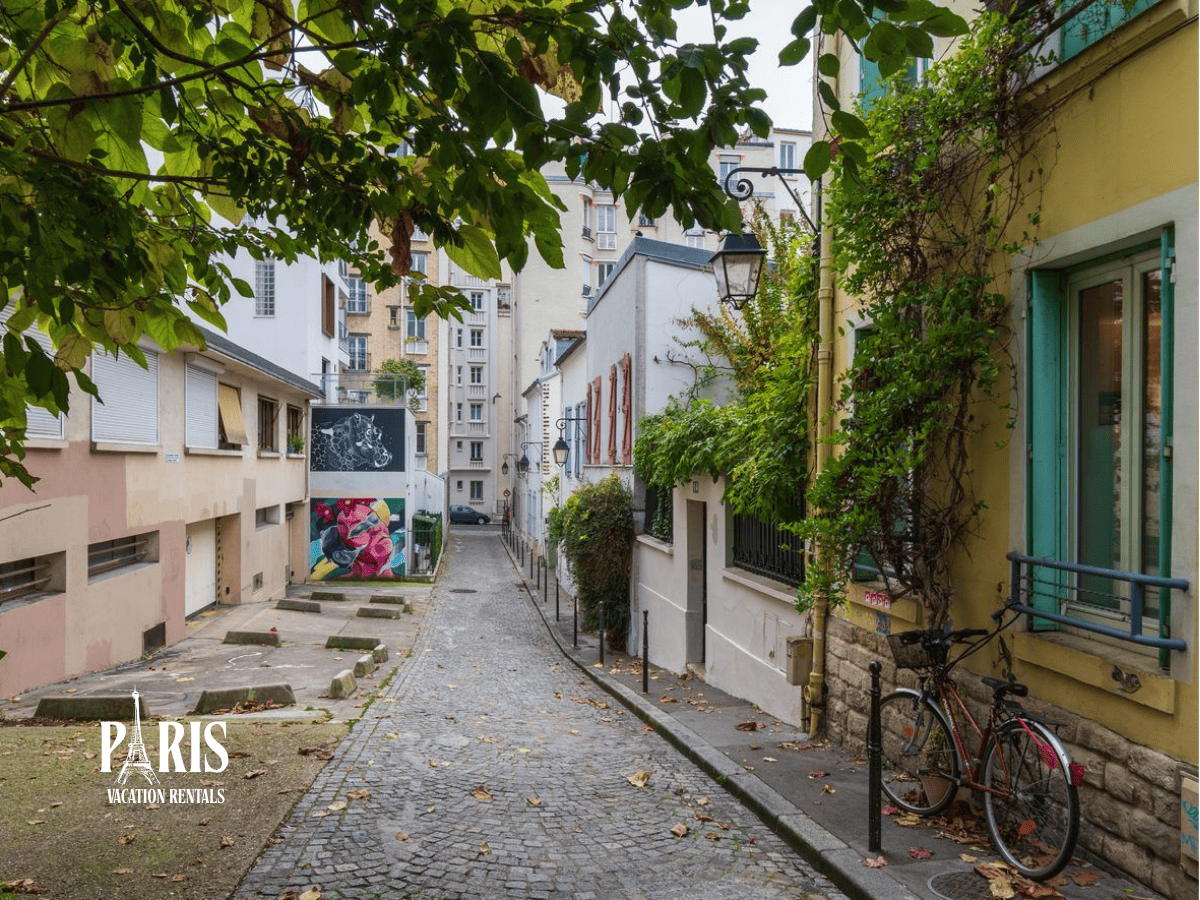
Butte-aux-Cailles is one of the most appealing parts of the 13th arrondissement for travelers seeking a quieter, neighborhood-oriented Paris experience.
Located just southwest of Place d'Italie, it is known for narrow streets, small houses, cafés, restaurants and street art. Its scale feels remarkably different from the broad Haussmannian avenues many Americans associate with Paris.
The heart of the neighborhood lies around Rue de la Butte-aux-Cailles and Rue des Cinq-Diamants, where restaurants and bars create more activity throughout the evening. Nearby residential streets become considerably quieter.
Normal Paris precautions still apply: keep valuables secure, know how you're getting back to your accommodation and stay aware when passing through busy transportation areas.
What Is Butte-aux-Cailles Like?
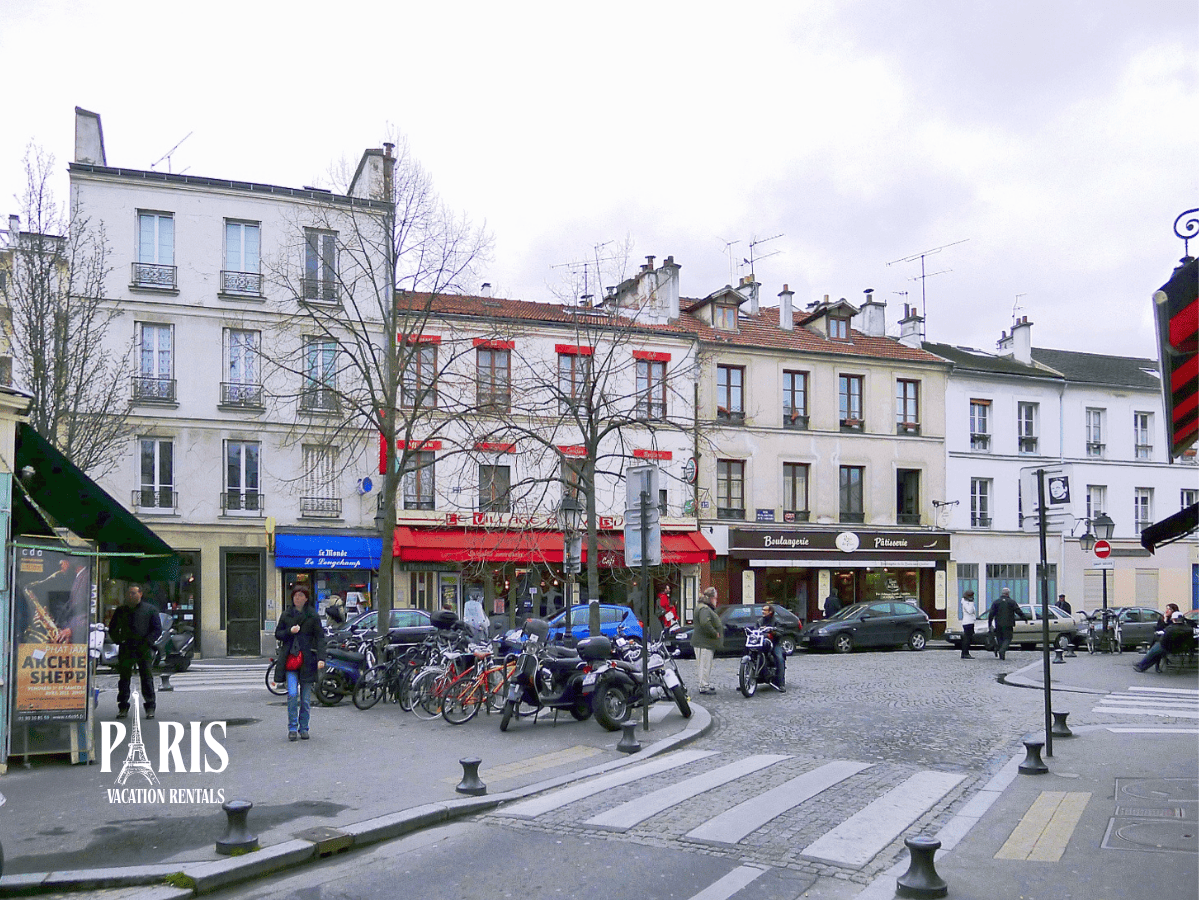
Think less grand boulevard and more small-scale neighborhood.
Rue de la Butte-aux-Cailles and Rue des Cinq-Diamants are good places to start exploring. Nearby Place Paul-Verlaine provides another neighborhood focal point, while Rue Daviel is worth seeing for its distinctive houses and the Petite Alsace.
Street art is another recognizable feature of the area, appearing on façades and corners throughout the neighborhood.
There isn't one major attraction you need to rush toward. Butte-aux-Cailles works best as a place to walk, stop for coffee or dinner and experience a more residential side of Paris.
Is Butte-aux-Cailles Safe at Night?
Butte-aux-Cailles remains active around its restaurants and bars after dark, while smaller residential streets naturally become quieter later in the evening.
American visitors sometimes find residential Paris surprisingly quiet compared with commercial areas in major U.S. cities. Narrower streets and less intense lighting don't automatically mean an area is unsafe.
If you're returning late, stick to routes you know, remain aware of your surroundings and check your transportation options before leaving.
13th Arrondissement Safety by Neighborhood
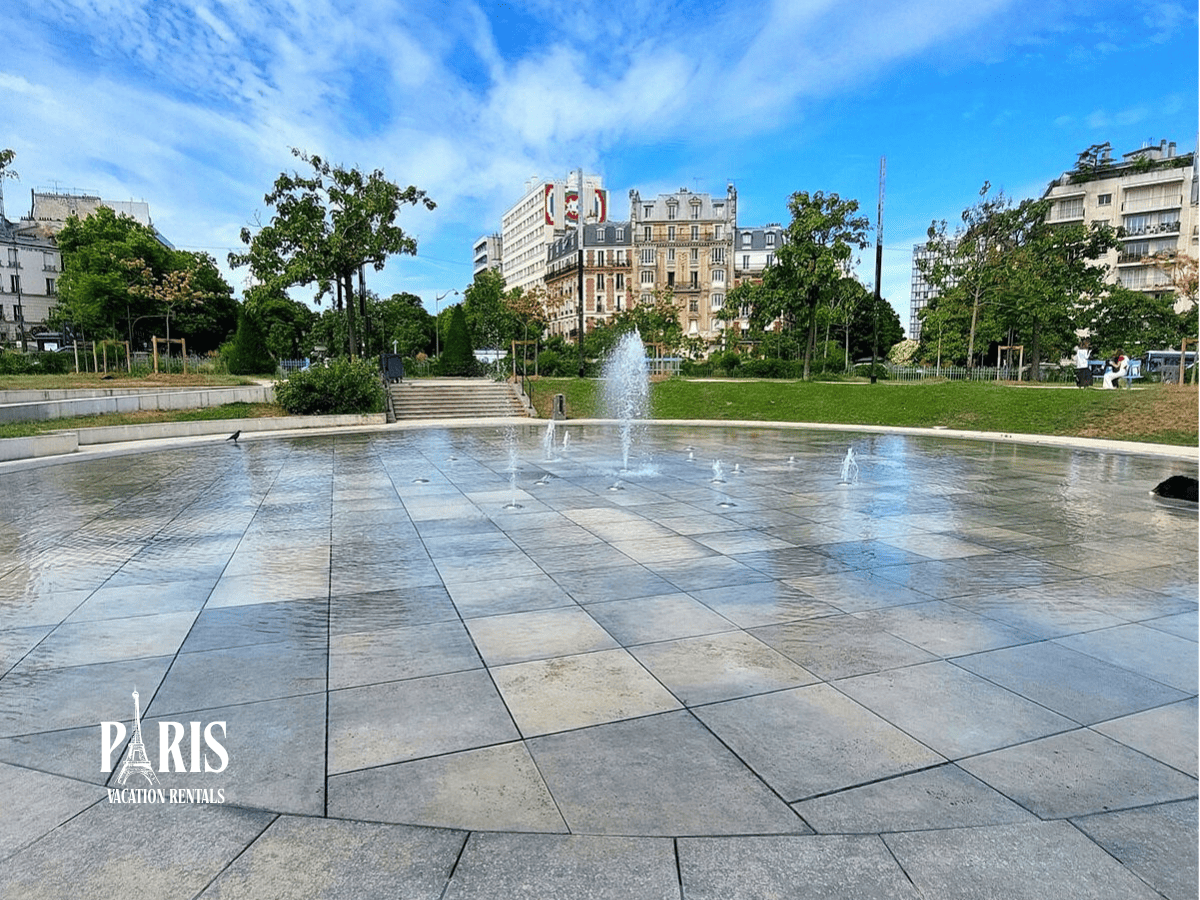
Butte-aux-Cailles isn't the only part of the 13th worth exploring. Three other areas are particularly useful for visitors to understand.
Is Place d'Italie Safe?
Place d'Italie is one of the arrondissement's busiest locations and an important transportation hub.
Metro Lines 5, 6 and 7 meet here, making it convenient for travelers who want easy access to other parts of Paris. Shops, restaurants and transportation also mean considerably more foot traffic than in nearby residential streets.
For visitors, the main practical consideration is simply to be more attentive to belongings around crowded Metro entrances, platforms and trains.
Place d'Italie also works well as a starting point for exploring the area. Walk southwest and you'll reach Butte-aux-Cailles; head toward Avenue de Choisy and you'll enter the Asian Quarter.
Is Paris Chinatown Safe?
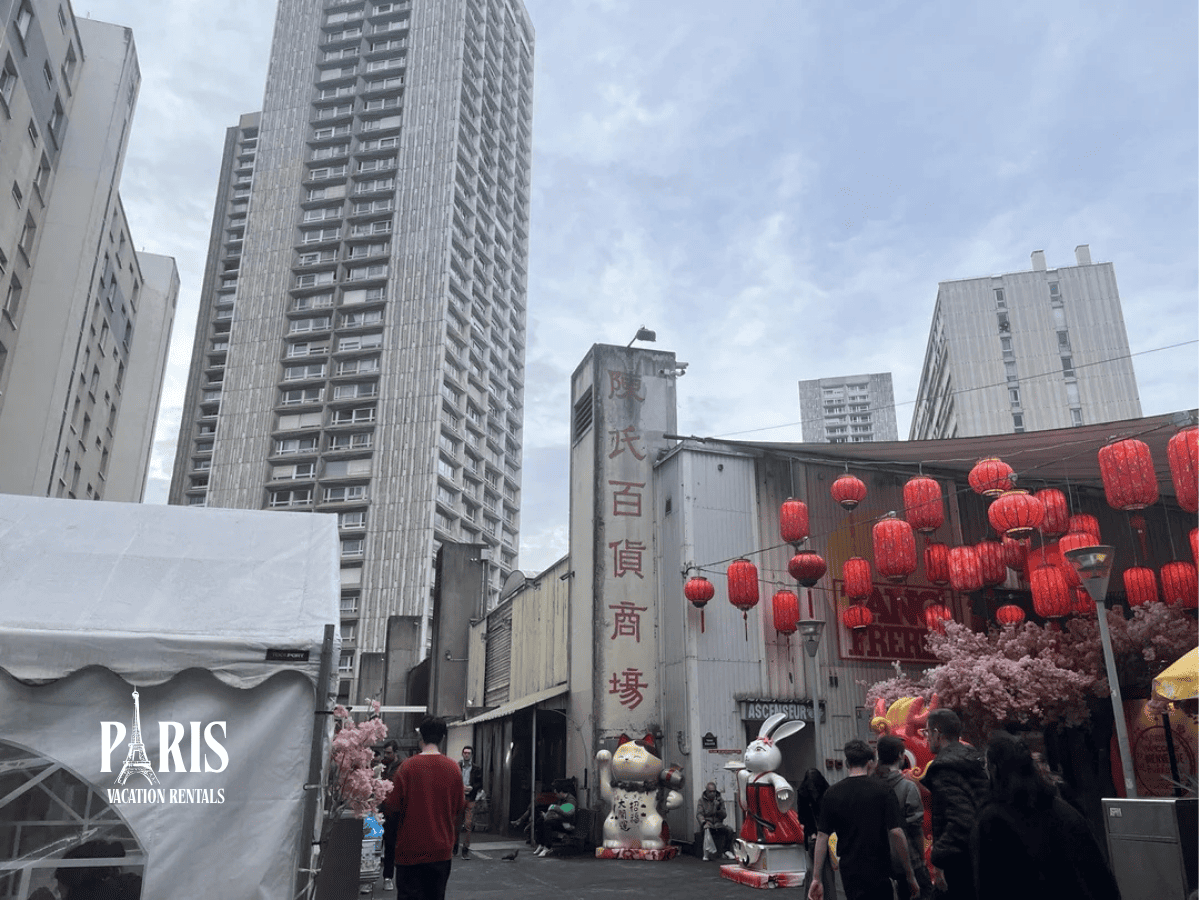
The Quartier Asiatique, often referred to by visitors as Paris Chinatown, centers around Avenue de Choisy, Avenue d'Ivry and Boulevard Masséna.
This is a genuine residential and commercial neighborhood rather than an area designed primarily for tourists. Chinese, Vietnamese, Cambodian and Laotian influences can be seen throughout its restaurants, supermarkets and shops.
Crowded commercial areas call for ordinary precautions with valuables, particularly when restaurants, stores or public transportation are busy.
For travelers interested in food, this is also one of the highlights of the 13th. It provides a completely different Paris experience from the traditional cafés and historic architecture found closer to the Seine's central tourist areas.
Bibliothèque François-Mitterrand and Residential Areas
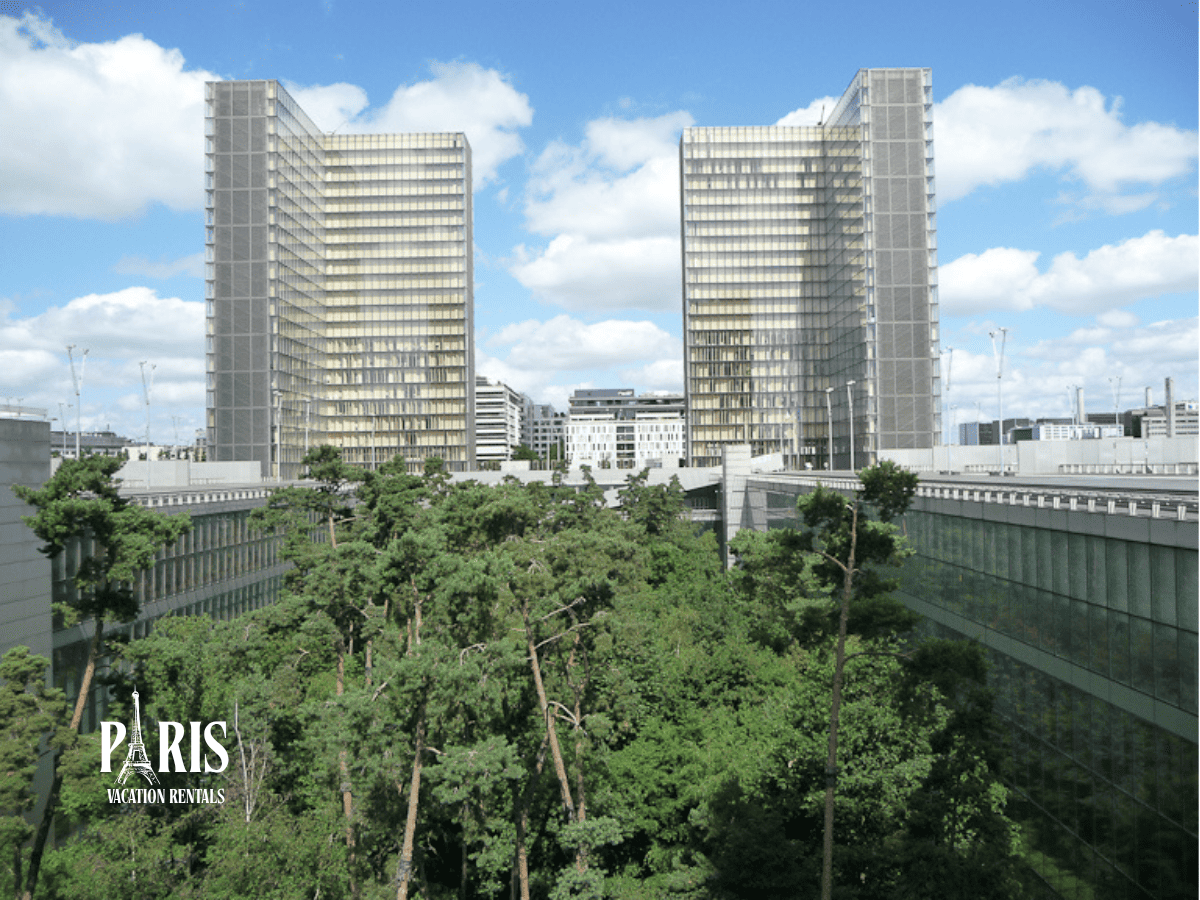
Closer to the Seine, the arrondissement changes again.
The neighborhood around Bibliothèque François-Mitterrand and Avenue de France is characterized by contemporary architecture, offices, newer residential developments and wide public spaces.
Elsewhere, areas such as Square des Peupliers offer almost the opposite experience: small houses, greenery and quiet residential streets.
These contrasts are exactly why it's difficult to make sweeping statements about the 13th. It contains several distinct versions of Paris within the same arrondissement.
Is the 13th Arrondissement Safe at Night?
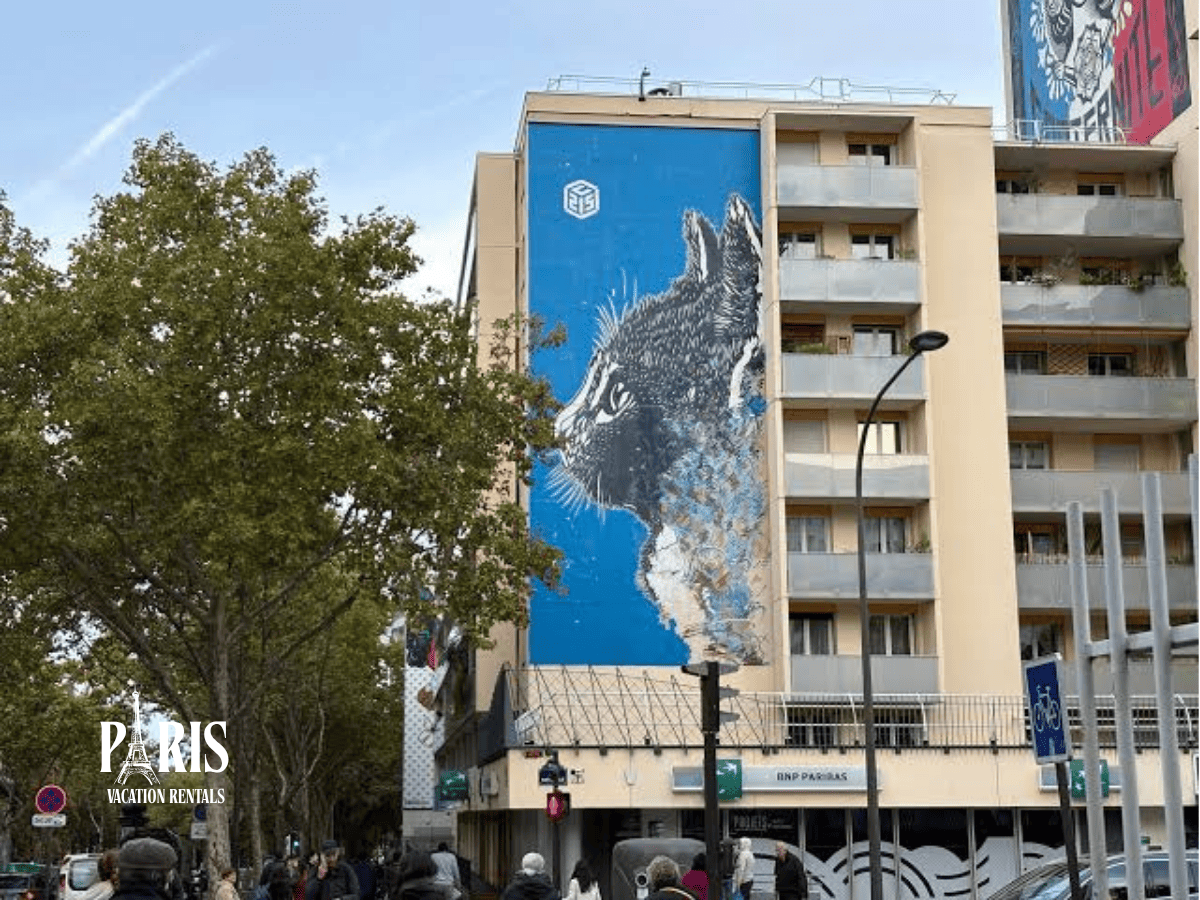
For most visitors, exploring the 13th in the evening is largely about normal city awareness rather than avoiding the arrondissement after dark.
The atmosphere varies depending on where you are. Butte-aux-Cailles remains lively around restaurants and bars, Place d'Italie stays active because of its transport connections, while residential streets become considerably quieter.
The best approach is simple: know your route, stay aware of your surroundings and use a taxi or established ride-hailing service if you don't want to walk an unfamiliar route late at night.
Metro Safety in the 13th Arrondissement
The Metro is one of the biggest advantages of staying in the 13th.
Place d'Italie connects Lines 5, 6 and 7, while other parts of the arrondissement are served by Line 7, Line 14, RER, tram and bus services.
On crowded trains and platforms, keep bags closed and avoid keeping phones or wallets in easily accessible pockets. Be particularly aware when boarding or leaving busy trains.
According to RATP, Metro services generally operate from around 5:30 a.m. until approximately 1:15 a.m. on weekdays, with later service on Friday and Saturday nights and before public holidays. Check current RATP schedules if you're planning a late return.
Getting Around From the 13th
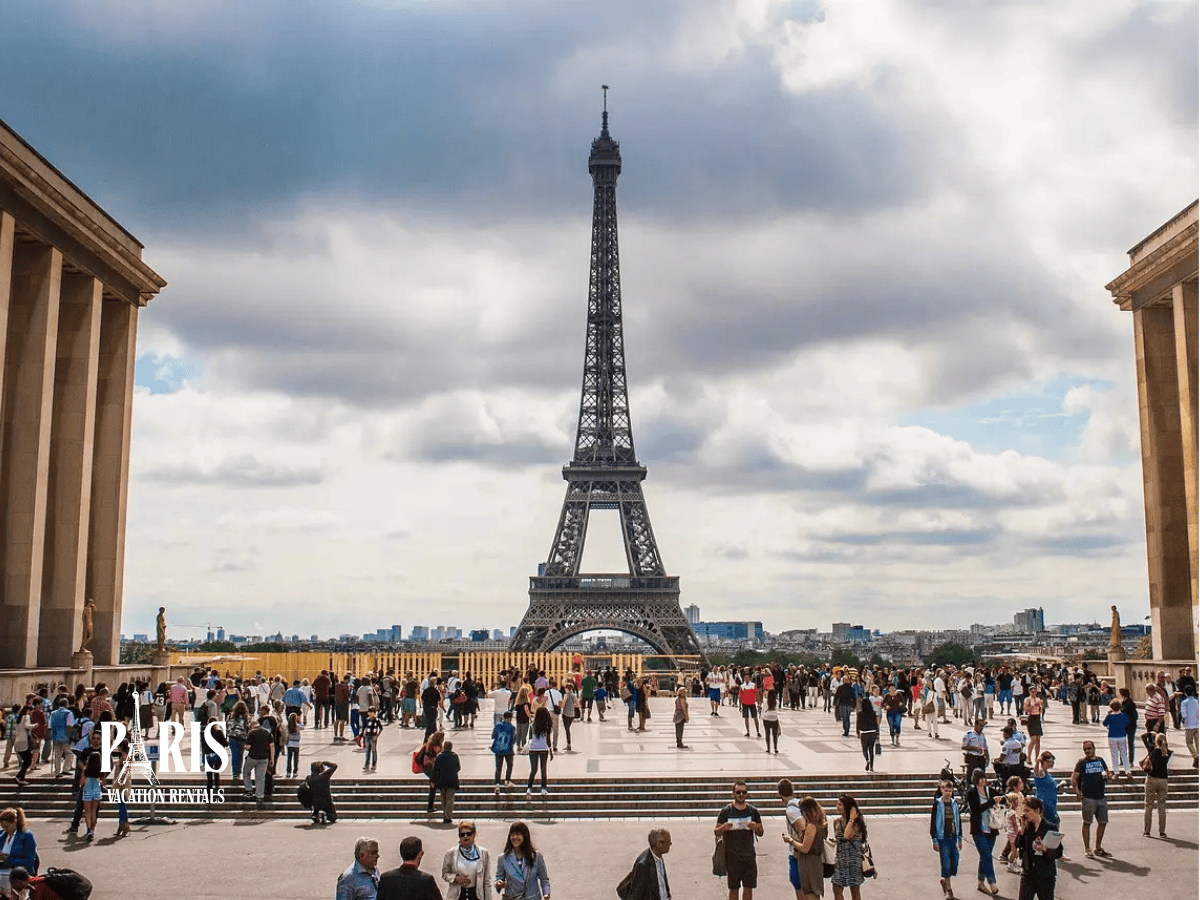
Being outside Paris's main tourist center doesn't mean being disconnected from it.
Line 6 from Place d'Italie provides connections toward the Eiffel Tower area, while Line 7 is useful for reaching central Paris and the Louvre area.
The northern part of the 13th also borders the Latin Quarter.
This makes the arrondissement particularly practical for travelers who want to spend their days sightseeing but return to a more residential neighborhood in the evening.
Safety Tips for American Travelers
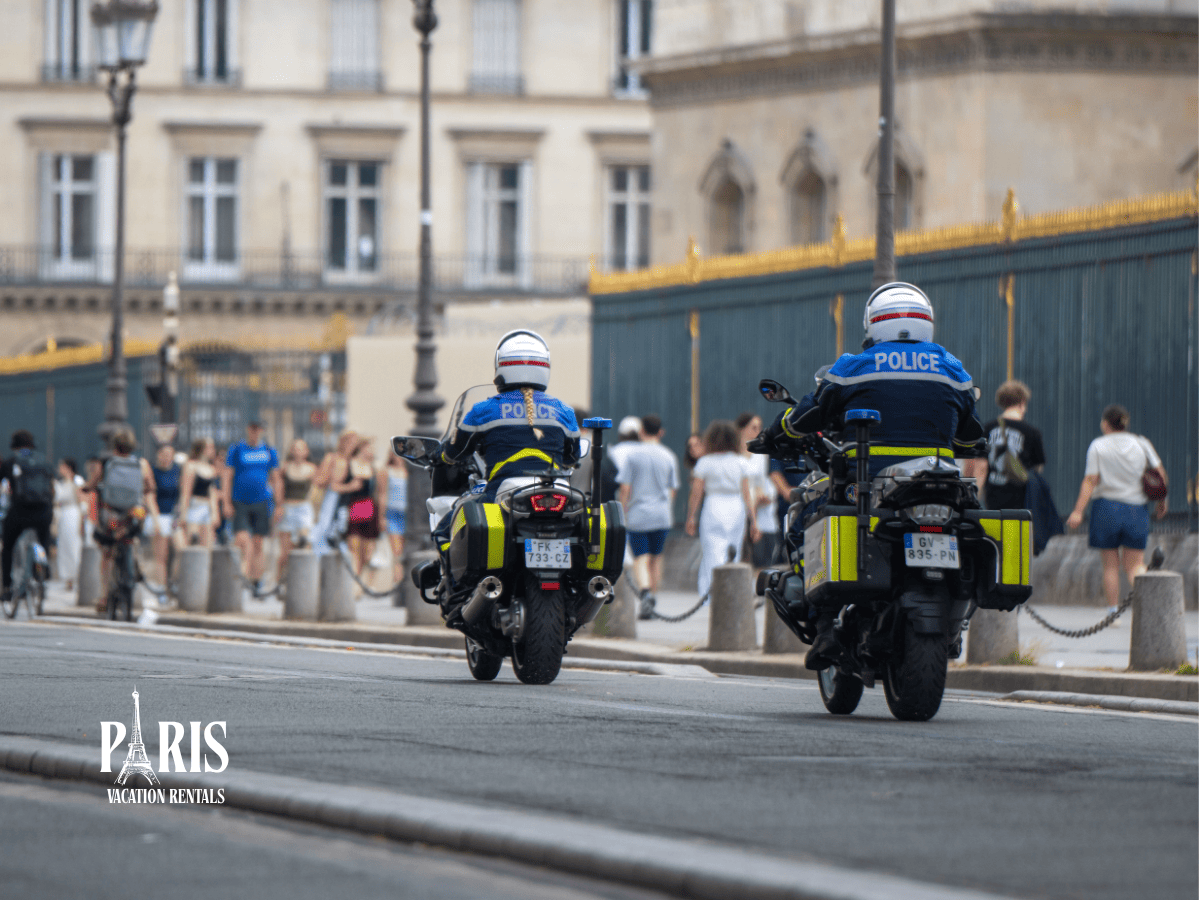
American travelers don't need a long list of special rules for the 13th. A few habits are more useful than memorizing supposedly dangerous streets.
Protect Your Phone and Belongings
Keep bags closed in crowded areas and position them where you can see them. Avoid leaving your phone on the edge of a café table, and be more attentive when using it near busy Metro doors.
Don't keep your passport, all your bank cards and all your cash together in one easily accessible place.
The idea isn't to spend your vacation worrying about theft. It's simply to make your belongings difficult to take unnoticed.
Don't Confuse Quiet With Unsafe

Residential Paris can become remarkably quiet at night.
This is particularly noticeable in parts of the 13th, where moving only a few streets away from restaurants or major roads can significantly reduce foot traffic.
For American visitors accustomed to wider roads, brighter commercial lighting and more vehicle traffic, this can initially feel unfamiliar.
Judge your actual surroundings rather than assuming that an empty-looking residential street is automatically dangerous.
Know the Emergency Numbers
Save these numbers before your trip:
| Emergency | Number |
|---|---|
| European emergency number | 112 |
| Police | 17 |
| Medical emergency – SAMU | 15 |
| Fire brigade | 18 |
Use official taxis or established ride-hailing services when needed, and buy public transportation tickets through official machines, staffed counters or authorized services.
Where to Stay in the 13th Arrondissement
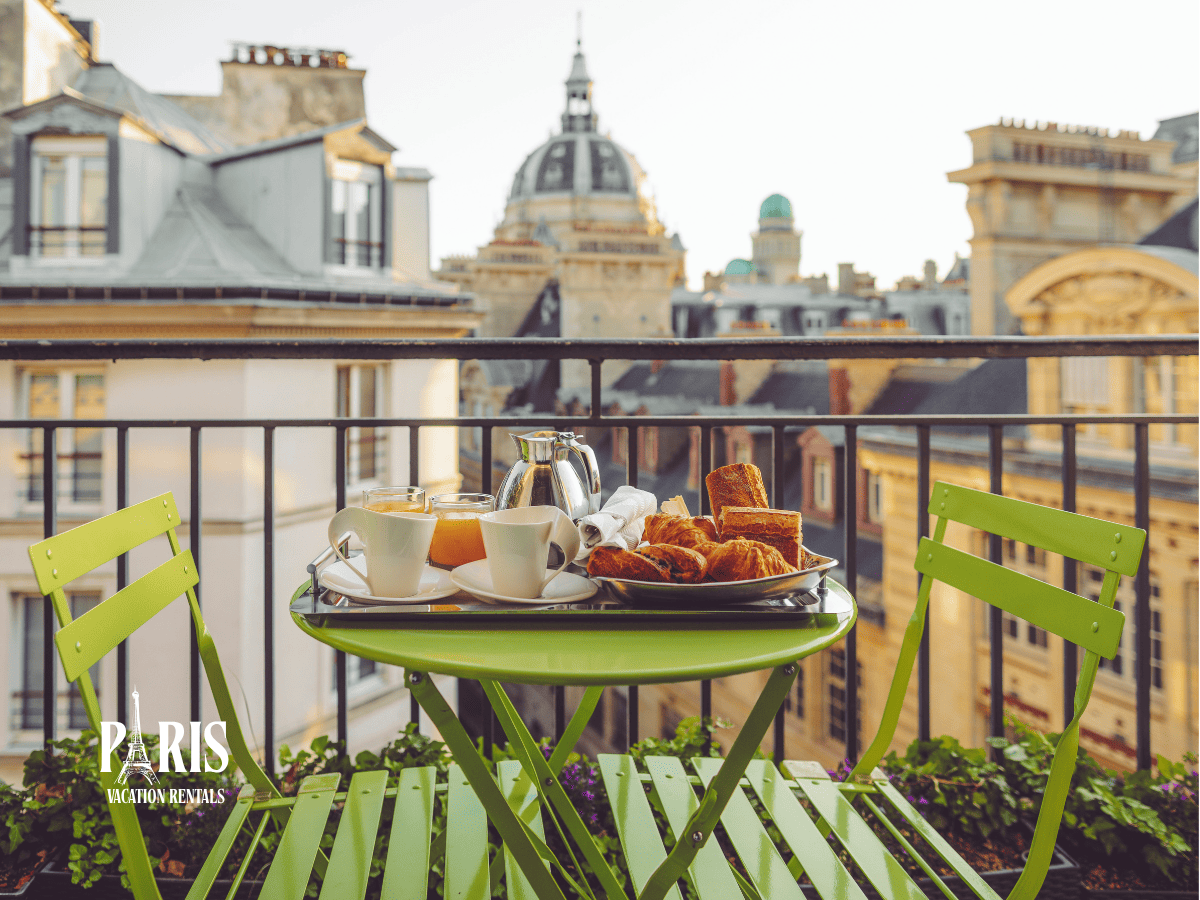
The best place to stay depends less on which neighborhood is supposedly "safest" and more on the type of Paris experience you want.
Butte-aux-Cailles: Best for Local Atmosphere
Choose Butte-aux-Cailles if you want small streets, cafés, restaurants and a neighborhood that feels removed from the city's busiest tourist areas.
It is particularly attractive for couples, repeat Paris visitors and travelers who value local atmosphere over being within walking distance of major monuments.
Place d'Italie: Best for Transportation
Place d'Italie is the practical choice.
With three Metro lines meeting here, it works well if you plan to explore different parts of Paris each day.
You'll trade some of Butte-aux-Cailles' village atmosphere for more convenient transportation and a busier urban environment.
Quartier Asiatique or BnF: Food vs Modern Paris
Choose the Quartier Asiatique if restaurants, Asian supermarkets and multicultural neighborhood life are important to you.
Choose Bibliothèque François-Mitterrand if you prefer contemporary architecture, newer buildings, access to the Seine and a more modern Paris environment.
For first-time visitors, the 13th works particularly well if you're comfortable using the Metro. Travelers who want to walk out of their apartment directly toward several major monuments may prefer a more central neighborhood such as the Latin Quarter.
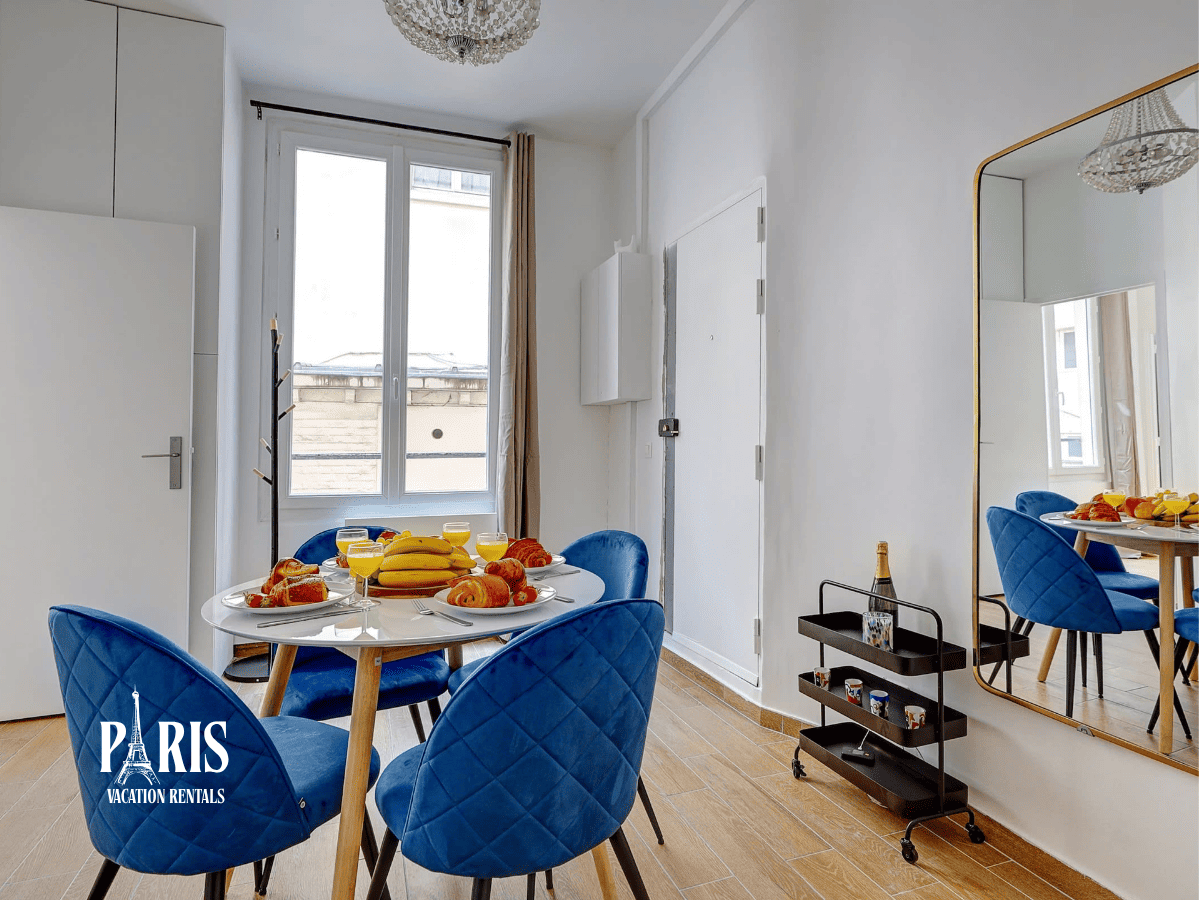
13th Arrondissement vs Other Paris Neighborhoods
| Area | Best For | Atmosphere |
|---|---|---|
| 13th Arrondissement | Local life, food, quieter stays | Residential and multicultural |
| Latin Quarter | First-time sightseeing | Historic and lively |
| Le Marais | Cafés, shopping, nightlife | Central and busy |
| 15th Arrondissement | Residential stays | Quiet and local |
If you're still deciding, compare our guides to the Latin Quarter, Le Marais, the 10th arrondissement and Canal Saint-Martin, and where to stay in Paris.
Stay in Paris Like a Local
Choosing the right neighborhood can shape your entire Paris experience.
Paris Vacation Rentals offers professionally managed apartments across Paris, from central sightseeing locations to quieter residential neighborhoods.
Explore our Paris vacation rentals and find an apartment that fits the way you want to experience the city.
Key Takeaways
- The 13th arrondissement is generally comfortable for tourists, with normal big-city precautions recommended.
- Butte-aux-Cailles is one of the best areas for a local atmosphere, with small streets, cafés and restaurants.
- Place d'Italie is ideal for transport connections, with Metro Lines 5, 6 and 7.
- Petty theft in crowded areas is more relevant to travelers than labeling entire neighborhoods as safe or unsafe.
- The 13th is a strong choice for visitors who want residential Paris while remaining well connected to major attractions.
FAQs
Is the 13th arrondissement in Paris safe?
Generally, yes. Use normal big-city precautions, particularly with valuables on crowded public transportation.
Is Butte-aux-Cailles safe?
Generally, yes. It's a residential neighborhood with restaurants, cafés and active streets around its main dining areas.
Is Butte-aux-Cailles safe at night?
Restaurant and bar streets remain active in the evening, while residential streets become quieter. Normal nighttime awareness is recommended.
Is Place d'Italie safe?
Generally, yes. Because it's a busy transport hub, pay closer attention to your phone, wallet and bag around the Metro.
What is the best area to stay in the 13th arrondissement?
Choose Butte-aux-Cailles for atmosphere, Place d'Italie for transport, the Quartier Asiatique for food, or BnF for modern Paris.