7 Mistakes Americans Make in Paris: How to Avoid Them
January 24, 2026
7 Mistakes Americans Make When Visiting Paris: How to Avoid Them
For many Americans, Paris travel feels familiar long before arrival. Films, TV series, social media, and guidebooks create the impression of a city that is easy to consume, efficient to navigate, and instantly rewarding. In reality, Paris operates on a very different rhythm. When expectations collide with local norms, the result is often disappointment, frustration, or the sense that the city is "overrated."
The truth is simpler. Most negative experiences stem from applying American travel habits to a city that does not function on American logic. Paris is not difficult, unwelcoming, or impractical. It is structured around daily life rather than visitor convenience, and it rewards those who adapt rather than optimise.
This article focuses on the most common mistakes Americans make when traveling to Paris for the first time. These are not cultural clichés or etiquette lectures. They are practical, structural missteps that directly affect how enjoyable and smooth a trip feels. Each mistake is followed by clear guidance on how to avoid it, allowing visitors to experience Paris as a living city rather than a checklist destination. Consider these Paris travel tips as essential reading before your journey.
Mistake #1 – Trying to See Everything in One Trip
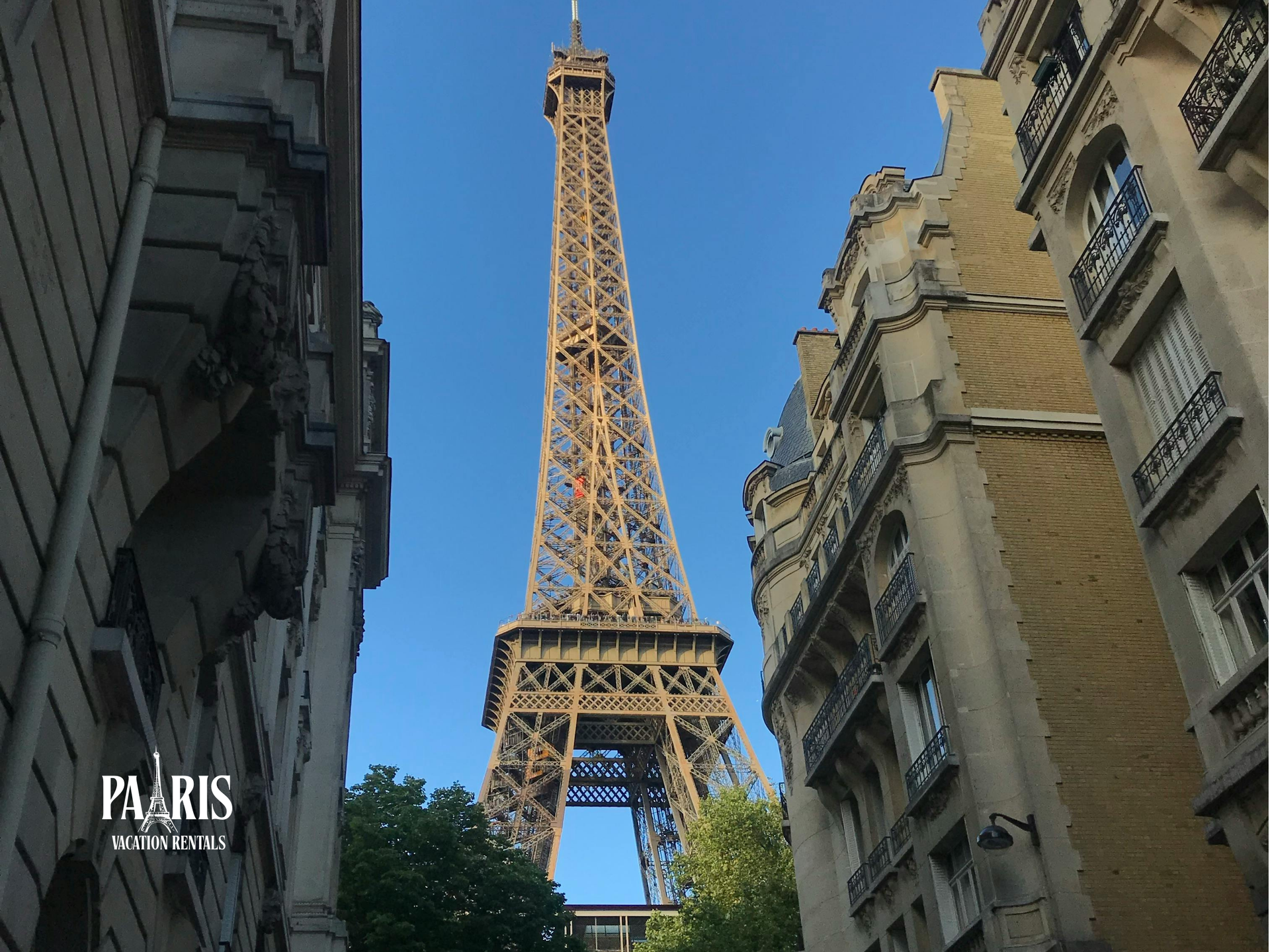
Many Americans arrive in Paris with an ambitious agenda. Museums stacked back-to-back, neighbourhoods scheduled by the hour, and major landmarks planned across the city in a single day. This approach is understandable, especially after a long-haul flight and the feeling that this may be a once-in-a-lifetime trip.
The problem is that Paris does not accommodate speed well. Distances look short on maps but feel longer on foot. Museums require more time than expected. Meals are not designed to be rushed. Queues fluctuate unpredictably. The result is fatigue, irritation, and a constant sense of falling behind schedule.
This mindset also strips the city of its most rewarding moments. Paris reveals itself between plans: on side streets, in cafés, in neighbourhood markets, and during unplanned walks. When every minute is accounted for, these moments disappear.
How to avoid it?
Plan fewer anchor activities per day and leave space between them. Choose depth over coverage. Accept that missing some sights is not a failure but part of returning home wanting more. Paris rewards presence far more than productivity.
Mistake #2 – Staying in the Wrong Area
Accommodation choice shapes the entire Paris experience more than most Americans anticipate. A common mistake when traveling to Paris is booking far outside the city to gain space or reduce cost, assuming transport will compensate. Others stay near famous landmarks expecting charm and convenience, only to find themselves surrounded by crowds and generic businesses.
Paris is compact, but daily commuting still drains energy. Staying outside central neighbourhoods adds friction to mornings and evenings, exactly when visitors are tired. Conversely, hyper-touristic areas often lack local life, good bakeries, and relaxed dining.
Neighbourhood rhythm matters. The right area allows visitors to walk to cafés, bakeries, parks, and shops, turning daily routines into experiences rather than logistical exercises.
How to avoid it?
Prioritise location over apartment size. Choose walkable, residential neighbourhoods within the city. Understand that being central does not mean being next to monuments. It means being close to daily life.
Mistake #3 – Misreading French Service Culture
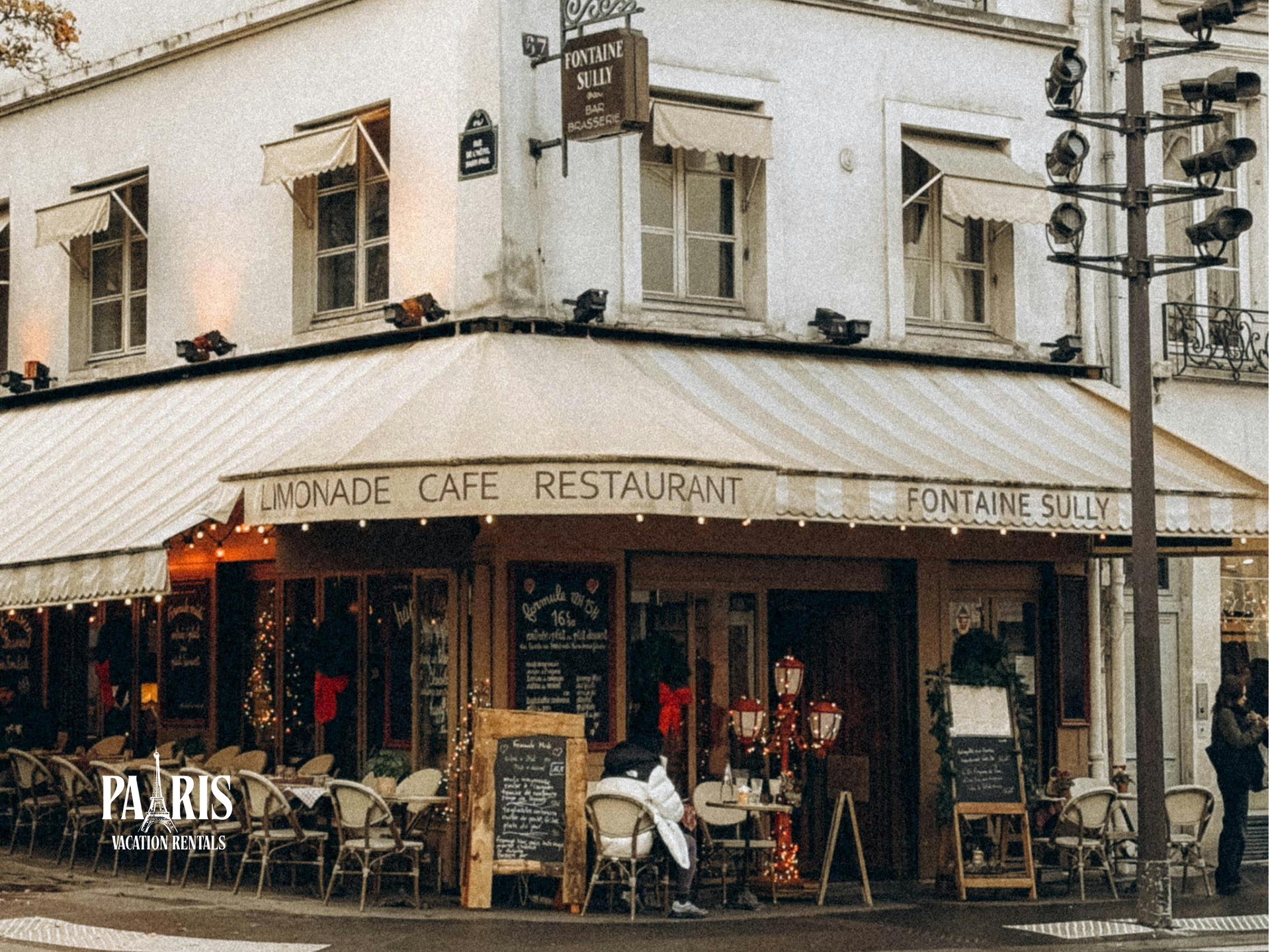
Service culture is one of the most misunderstood aspects of visiting Paris. Many Americans interpret French service as cold or dismissive because it lacks the constant check-ins and overt friendliness common in the U.S.
In France, service is professional, not performative. Servers are expected to be efficient, knowledgeable, and discreet. They will not interrupt meals repeatedly, rush guests, or proactively upsell. This is not indifference; it is respect for the dining experience.
Problems arise when visitors expect immediate attention, fast turnover, or casual familiarity. The mismatch leads to frustration on both sides.
How to avoid it?
Adjust expectations. Understand that a slower pace is intentional. Politeness is formal rather than expressive. Once this shift happens, meals become more relaxed and enjoyable rather than stressful.
Mistake #4 – Eating in the Wrong Places
Food disappointment is surprisingly common among first-time American visitors, often leading to confusion about Paris's culinary reputation. The issue is rarely French cuisine itself. It is where and when visitors eat.
Restaurants near major landmarks prioritise volume over quality. Long menus with photos and multilingual descriptions cater to transient crowds, not repeat local customers. Dining at tourist hours further limits options, as many kitchens operate on strict schedules.
Expecting American dining norms also creates friction. Early dinners, large portions, substitutions, and rapid service do not align with how meals function in Paris.
How to avoid it?
Choose restaurants away from major attractions. Look for short menus and simple offerings. Eat when locals eat. Treat meals as experiences rather than fuel stops, and food quality improves dramatically.
Mistake #5 – Relying Too Much on Cars and Tours

Another common mistake is overusing taxis, ride-sharing, or organised tours. While these options feel convenient, they often make Paris feel more complicated and less accessible.
Traffic is unpredictable, especially in central areas. Sitting in a car removes visitors from the city rather than connecting them to it. Group tours add structure but reduce flexibility, often compressing experiences into rigid timeframes.
Paris is designed for walking and public transport. Many neighbourhoods are best understood on foot, where scale, atmosphere, and daily life become visible.
How to avoid it?
Walk whenever possible. Use the metro strategically rather than constantly. Consider purchasing a weeklong metro pass for convenient and cost-effective travel. Treat tours as occasional context, not the backbone of the trip. The city becomes simpler and more enjoyable when experienced directly.
Mistake #6 – Applying U.S. Convenience Expectations
Paris does not operate on a convenience-first model. Shops close earlier. Sundays are quiet. Many businesses shut for lunch or holidays. This often surprises Americans accustomed to extended hours and constant availability.
These closures are not inefficiencies; they reflect different priorities around work-life balance and neighbourhood structure. Friction appears when visitors try to force Paris into American routines.
How to avoid it?
Plan around closures rather than fighting them. Shop earlier in the day. Anticipate quieter Sundays. Accept that limited availability is part of how the city functions, not a flaw to work around.
Mistake #7 – Treating Paris Like a Backdrop Instead of a City
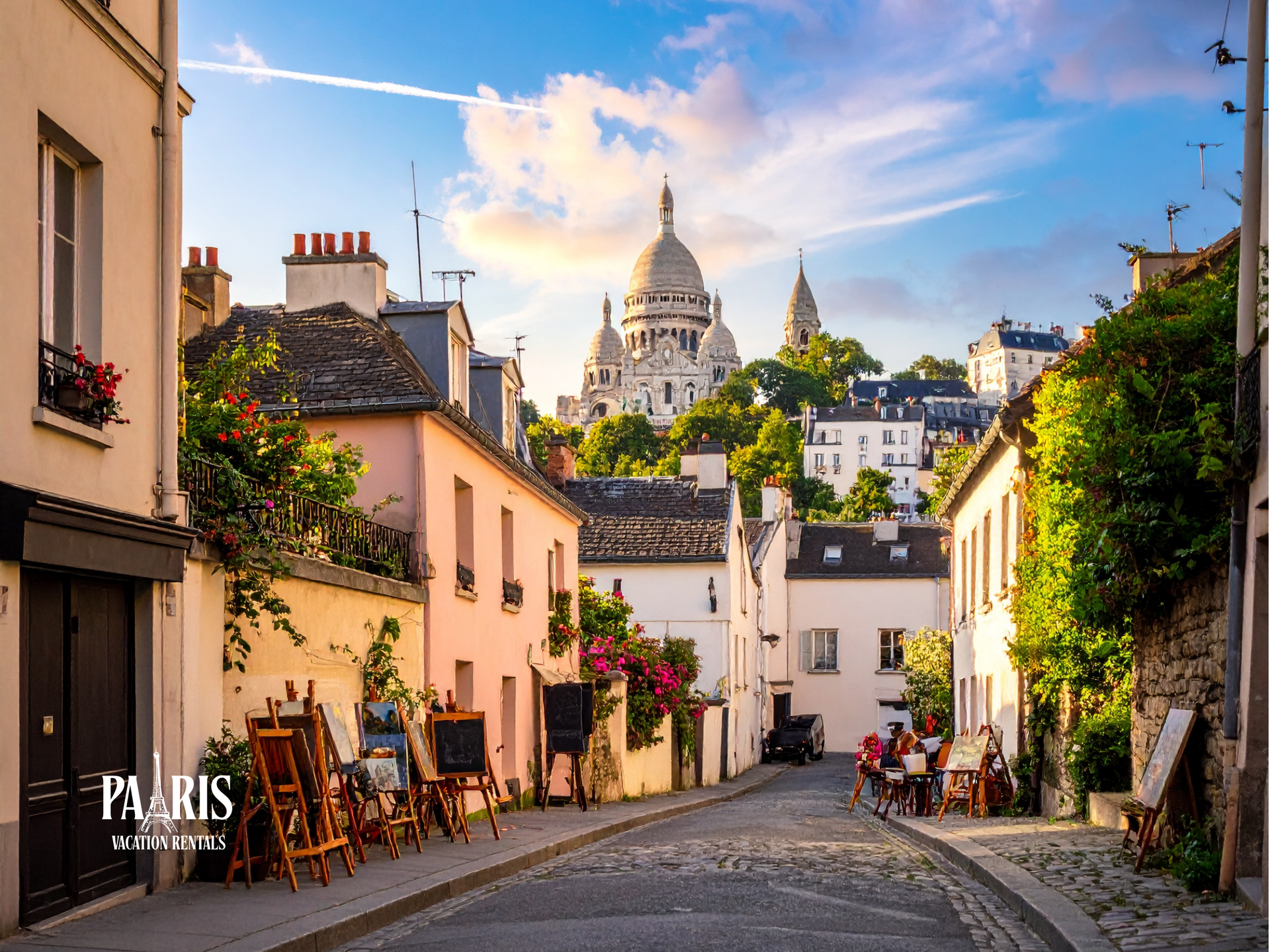
Perhaps the most subtle mistake is experiencing Paris primarily as an image. When trips revolve around photographing landmarks, documenting moments, and moving quickly between highlights, the city becomes a stage rather than a place.
This approach often leaves visitors feeling strangely disconnected, even after seeing everything they planned. The emotional memory lacks depth.
Paris is lived-in. Its charm lies in repetition: morning bakery visits, evening walks, familiar cafés, neighbourhood routines.
How to avoid it?
Spend time without objectives. Sit, observe, and repeat small rituals. Engage with daily life rather than consuming the city visually. This shift often transforms the entire trip.
Key Takeaways
Most mistakes Americans make in Paris are not about behaviour or etiquette. They are structural and expectation-based. Paris does not reward speed, efficiency, or optimisation. It rewards patience, location awareness, and adaptation.
Choosing the right area to stay, slowing down itineraries, understanding service culture, eating thoughtfully, walking more, planning around closures, and engaging with daily life all lead to a calmer, richer experience. Paris becomes easier and more enjoyable when visited on its own terms rather than through an imported travel lens.
These Paris travel tips can significantly enhance your experience when traveling to Paris. By avoiding common pitfalls and embracing the city's unique rhythm, you'll discover the true essence of Paris that keeps visitors coming back year after year.

FAQs
Why do many Americans feel disappointed after visiting Paris?
Because expectations shaped by US travel norms clash with Parisian pace, service style, and daily routines.
Is it better to stay near major attractions in Paris?
No. Areas just outside tourist zones offer a better balance of comfort, food quality, and local atmosphere. When searching for hotels in Paris, prioritize central but quieter neighborhoods.
How many activities should be planned per day in Paris?
One major activity per day is usually enough. Overloading schedules leads to fatigue and stress.
Why does service feel slow in Paris restaurants?
Meals are intentionally unhurried. Being left alone is considered respectful, not poor service.
What is the biggest mistake Americans make in Paris?
Expecting Paris to feel like home instead of adapting to local pace, norms, and culture. Remember, the goal is to experience Paris authentically, not to recreate American comforts abroad.