How to Avoid Airbnb Scams in Paris 2026 Guide
July 5, 2026
How to Avoid Airbnb Scams in Paris 2026 Guide
Airbnb scams in Paris reached alarming levels during the 2024 Olympics. Tourists arrived to find addresses that didn't exist. Airbnb removed over 59,000 fraudulent listings that year alone.
The stakes are high. Consumer research finds over 40% of Americans have fallen for an online scam, and losses average almost $2,000. In fact, fake hosts and payment requests outside Airbnb are just the beginning of how these scams work.
We created this piece to show you how to spot red flags, verify listings, and book safely in Paris. You'll learn which Airbnb protections work and when professional companies can reduce your risk.

Table of Contents
Understanding Airbnb Scams: Does Airbnb Have Scams?
How Scammers Operate on Rental Platforms
Scammers execute a multi-step process to defraud travelers. First, they upload photos of properties that either don't exist or belong to someone else. They use AI-generated images or plagiarized content from legitimate listings. Over 28,000 complaints about Airbnb scams appeared on Twitter from 2015 to 2020. About 41% involved multiple fake listings and 26% related to properties that didn't match their descriptions.
The scammer then convinces you to communicate off-platform by sharing personal contact information. This step proves critical for their success. They pressure you to wire money directly once outside Airbnb's protected environment rather than use the secure payment system. Airbnb's reminder feature cut clicks on potentially risky external links by more than 20% in 2025, yet scammers continuously adapt their tactics.
These fraudsters bypass verification systems through aliases and forged documents. They also use AI-generated materials. About 62% of Americans believe AI-generated content makes scams more convincing and harder to spot. Fake positive reviews come from coordinated scam networks that make listings appear authentic.
Why Paris Has Higher Scam Rates
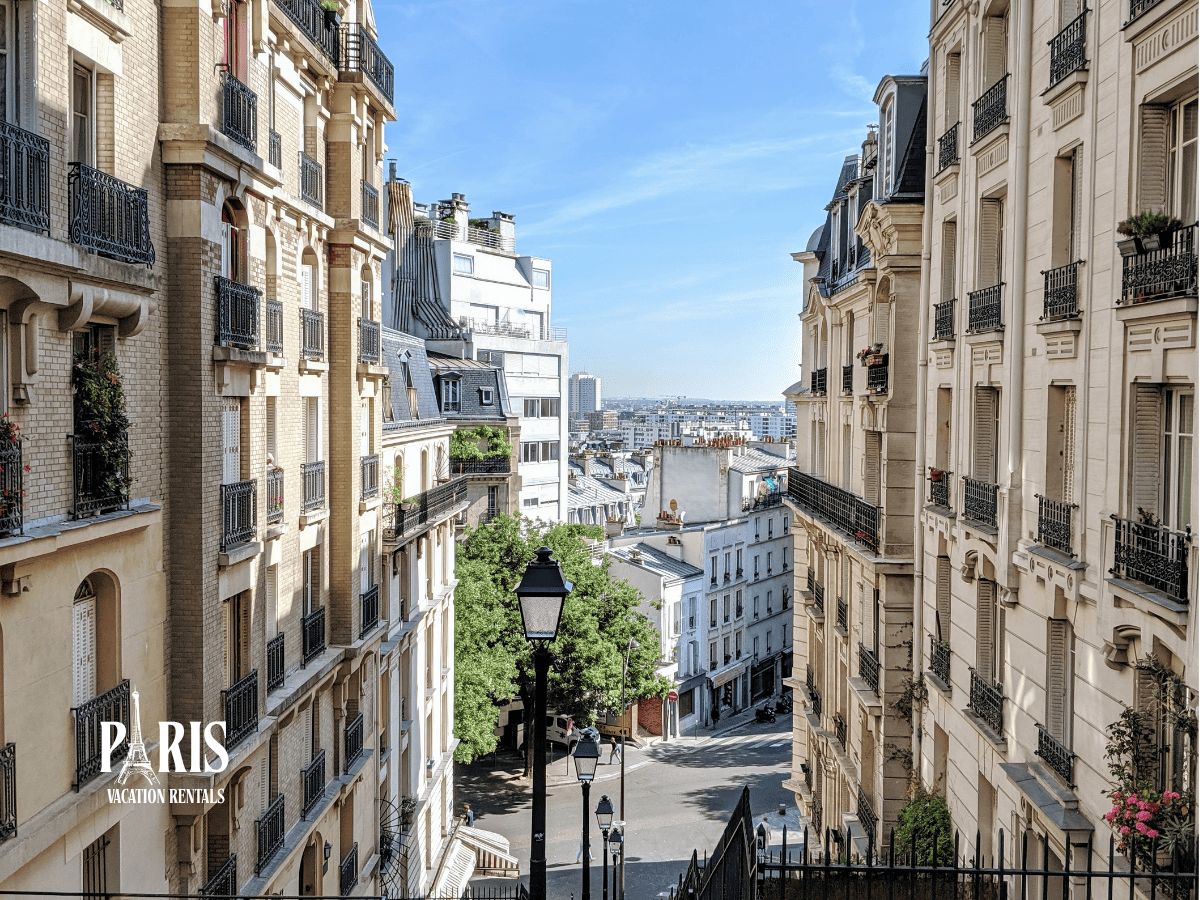
Paris faces unique conditions that attract scammers. The rental market suffers from high demand and limited supply. This creates desperation among travelers searching for accommodations. A renovated apartment in Le Marais listed at €80 per night signals a scam, not a bargain.
The Olympics intensified these problems. Scammers exploited the event's massive influx of visitors who just needed last-minute bookings and were willing to take risks to secure lodging. Property owners also saw opportunities to earn extra money, which flooded the market with both legitimate and fraudulent listings.
Statistics and Real Impact on Travelers
People have reported nearly 65,000 rental scams to the FTC since 2020. These total about $65 million in losses. Half of these reports from June 2024 through June 2025 originated from fake Facebook advertisements, while another 16% started on Craigslist.
Young adults bear the heaviest burden. People ages 18 to 29 were three times more likely than other adults to report losing money to rental scams. Many fell victim through Facebook groups that college students use to find sublets and housing.
Red Flags That Signal Fake Hosts and Listings
Recognizing warning signs before you book can save you from fake hosts and financial loss. Here are the specific red flags that signal Airbnb scams in Paris.
Unusual Payment Requests
Hosts who ask you to pay outside Airbnb through wire transfers, bank transfers, PayPal, or cryptocurrency are running a scam. You lose all protection the moment payment leaves the platform. Requests for cashier's checks or money orders also indicate fraud. Airbnb policy prohibits hosts from requesting payment outside the platform prior to booking.
No Reviews or Suspicious Review Patterns
New accounts without profile photos, bios, or government ID verification present risk. Listings with zero reviews might be legitimate newcomers, but they need extra scrutiny. Focus on reading three and four-star reviews rather than generic five-star ratings. Vague reviews like "nice place" without specific details indicate manipulation.

Communication Outside the Platform
Hosts push you to switch to WhatsApp, text, or email when they're setting up manipulation without accountability. Moving off-platform violates Airbnb terms and exposes you to phishing and identity theft. Guests who share phone numbers right after inquiry never complete bookings.
Pressure to Book Right Away
Scammers create artificial urgency by claiming multiple interested parties or limited availability. High-pressure tactics rushing you to pay signal fraud. Legitimate hosts give you time to verify details and ask questions.

Property Details That Don't Match
Photos that look heavily edited or don't show bathrooms, bedrooms, and windows warrant suspicion. Run a reverse Google image search to check if photos are stolen or stock images. Vague location descriptions using terms like "close to" or "next to" need investigation.
Price Substantially Below Market
Luxury properties priced like budget hotels are scams. Prices substantially below area averages indicate fake listings or properties that don't exist. Compare rates across similar Paris neighborhoods before booking.
Step-by-Step Process to Book Safely
Before You Search: Know Market Prices
You should research typical Paris apartment rates before you browse listings. Multiple booking platforms will help you understand what similar properties cost in your target neighborhood. This baseline prevents you from falling for prices that seem like deals but signal scams.
During Search: Verify Host Identity
Airbnb requires hosts to verify their identity through government-issued IDs, selfies, and personal information including legal name, address, and phone number. The host's verification status appears on their profile. Hosts display a verification badge once they complete this process.
The host's profile deserves a really close look. How many years they've been hosting and their other listings matter. Multiple properties from one host can validate legitimacy. Verified hosts have provided documentation, but this doesn't guarantee protection from all issues.
Before Booking: Check All Details

House rules come first, as booking means you agree to follow them. The cancelation policy needs your attention since strictness varies by property. What simple necessities the host provides should be clear to avoid surprises.
Additional fees beyond the nightly rate need attention. Some hosts add city taxes or cleaning fees not visible right away. Specific questions through Airbnb's messaging system create a written record. Floor level, elevator access, Wi-Fi reliability, and neighborhood safety are worth asking about.
Payment: Use Protected Methods Only
Credit cards when paying through Airbnb offer better protection and higher chances of recovering money. Airbnb accepts Visa, MasterCard, Amex, JCB, and debit cards processed as credit. Payment flows through Airbnb's secure system, which holds funds until you check in.
Payment requests outside the platform should never be accepted. Off-platform transactions eliminate your access to Airbnb's Host Guarantee, AirCover, and resolution tools. Then violations can result in account suspension.
Booking Protection: From Airbnb Features to Professional Services
Every Airbnb booking has protection layers, but understanding what they cover determines whether you need additional safeguards.

Airbnb's Built-in Safety Features
AirCover for guests addresses host cancelations and amenity problems. Airbnb helps find similar accommodation at comparable pricing or provides a refund if serious issues arise that the host can't resolve. Hosts receive up to $3 million in damage protection.
These protections focus on platform-specific issues alone. AirCover isn't traditional travel insurance. It doesn't cover trip cancelations due to illness, medical emergencies, or baggage loss.
Credit Card Protection Benefits
Credit cards provide chargeback rights when disputing unauthorized transactions. Chargebacks in hospitality have increased, though 75% involve friendly fraud rather than actual scams. Some cards have trip cancelation and medical evacuation coverage if you charged the booking to that specific card.
Credit card coverage has lower limits than detailed policies. Review your card's terms before relying on this protection alone.

When to Use Professional Booking Services
Professional vacation rental companies offer advantages beyond Airbnb scams Paris travelers face. Direct bookings eliminate hidden fees and provide clear cancelation policies upfront. Licensed, permitted properties avoid surprise shutdowns. Full-time management teams deliver consistent quality and 24/7 local support.
Book Your Paris Apartment with Confidence
If you'd rather avoid the uncertainty of peer-to-peer platforms, Paris Vacation Rentals offers a transparent and secure way to book your stay in the French capital. Every apartment on our website is professionally managed, carefully verified, and accurately presented, so you know exactly what to expect before you arrive.
We provide secure online payments, clear pricing with no hidden platform fees, responsive customer support, and flexible communication before and during your stay. Whether you're visiting Paris as a couple, family, or business traveler, you can book with confidence knowing you're dealing directly with an experienced local property management team committed to making your trip smooth and stress-free.
Key Takeaways
Booking an Airbnb in Paris requires vigilance, as scammers exploit high demand and major events to defraud travelers. By recognizing warning signs and following platform safety protocols, you can protect yourself from the 59,000+ fraudulent listings removed in 2024 alone.
Essential protection strategies include:
• Never pay outside Airbnb's platform – Wire transfers, PayPal, or cryptocurrency requests eliminate all buyer protection and signal fraud.
• Verify host identity and reviews thoroughly – Check for government ID verification badges, read 3-4 star reviews for authenticity, and reverse-search property photos.
• Research market prices before booking – Luxury apartments priced significantly below market rates (like €80/night in Le Marais) are scams, not bargains.
• Use credit cards for payment – They provide chargeback protection and dispute rights that debit cards and other payment methods don't offer.
• Stay on-platform for all communication – Hosts pushing WhatsApp, email, or text conversations are setting up manipulation without accountability or evidence trails.
• Recognize pressure tactics immediately – Legitimate hosts allow time for questions and verification; urgency claims about "multiple interested parties" indicate fraud.
The bottom line: Trust your instincts. If pricing seems too good to be true or hosts rush your decision, walk away. Airbnb's built-in protections only work when you follow their payment and communication systems completely.
FAQs
How do I avoid Airbnb scams when booking a Paris apartment?
Only pay through the official platform, never wire money or pay outside the app, verify the listing has genuine guest reviews with photos, and be wary of prices that are far below the market rate for the area.
What are red flags of a fake Paris rental listing?
A host who asks you to communicate or pay off-platform, stock or watermark-free photos that look too polished, and listings with no reviews or a brand-new host account.
Is it safer to book direct with a management company instead of Airbnb?
It can be, provided the company is established and verifiable — check for real reviews, a registered business address, and secure payment options before booking direct.
What should I do if an Airbnb host asks me to pay outside the app?
Decline and report the message to Airbnb immediately — any payment made off-platform loses Airbnb's guest protection entirely.
Can I trust a Paris Airbnb listing with only a few reviews?
Not automatically — read what those reviews actually say, check how recently the host joined, and look at the host's response rate and other listings if available.