How Americans Can Discover Their Inner Flâneur in Paris
June 7, 2026
7 Summer Walks in Paris for the Inner Flâneur
The flâneuse is an idler, a dawdling observer who strolls city streets without purpose or destination. While the male flâneur first appeared in 1585, the flâneuse meaning has been reclaimed by modern thinkers like Lauren Elkin, who championed the female urban wanderer's right to claim public space. The only way to enjoy Paris is to walk its streets and soak in the city's culture and charm. Paris is full of world-class monuments and historical sights, but the most important experiences happen between destinations. In this piece, I'll share beautiful walks in Paris that capture the flâneuse spirit, from Left Bank classics to secret green spaces. On top of that, I'll offer practical tips to help you embrace aimless wandering and find the soul of the city this summer.

Table of Contents
The Flâneuse Definition: Reclaiming the Art of Aimless Walking
From flâneur to flâneuse: A brief history
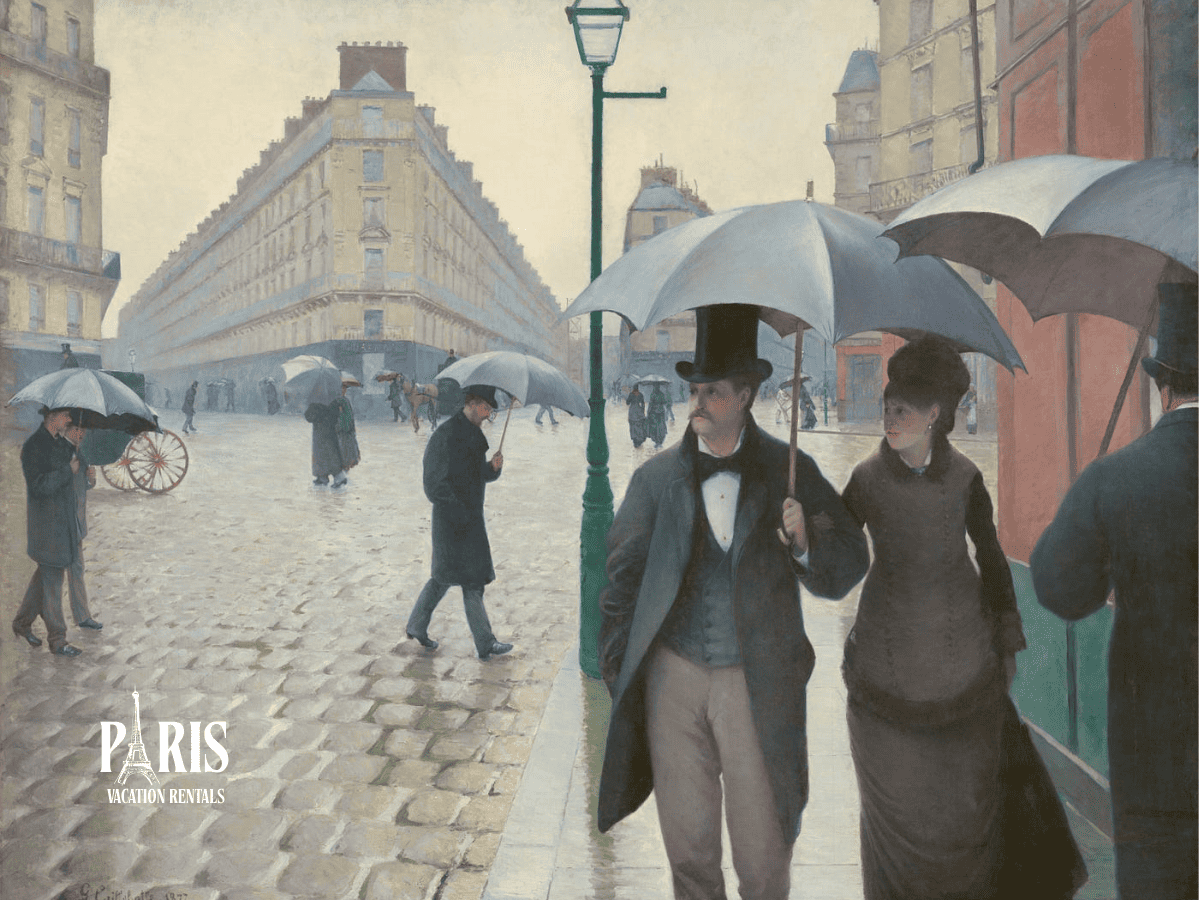
The flâneur emerged as an archetype in 19th-century Paris as the city transformed into a modern metropolis. Baudelaire described this figure as a "passionate spectator" who "enters into the crowd as though it were an immense reservoir of electrical energy". Walter Benjamin later characterized the flâneur as a pedestrian with "a detective's nose". Originally, the earliest mention of a flâneur appeared in the late sixteenth century, possibly borrowed from the Scandinavian word flana, meaning "a person who wanders".
This figure represented pure privilege. An 1806 pamphleteer wrote of the flâneur as "M. Bonhomme," a man from sufficient wealth who could wander the city at will and observe urban spectacle. An 1829 dictionary defined a flâneur as someone "who likes to do nothing," someone who relished idleness.
Women faced different realities on city streets. Women haven't shared the same privilege of anonymity or drift in urban settings. Domestic responsibilities and safety issues meant they have been nowhere near as free to roam streets without purpose. The barriers and expectations women negotiate in the city have called for a more active kind of transgression than idle wandering.
Lauren Elkin and the modern flâneuse movement
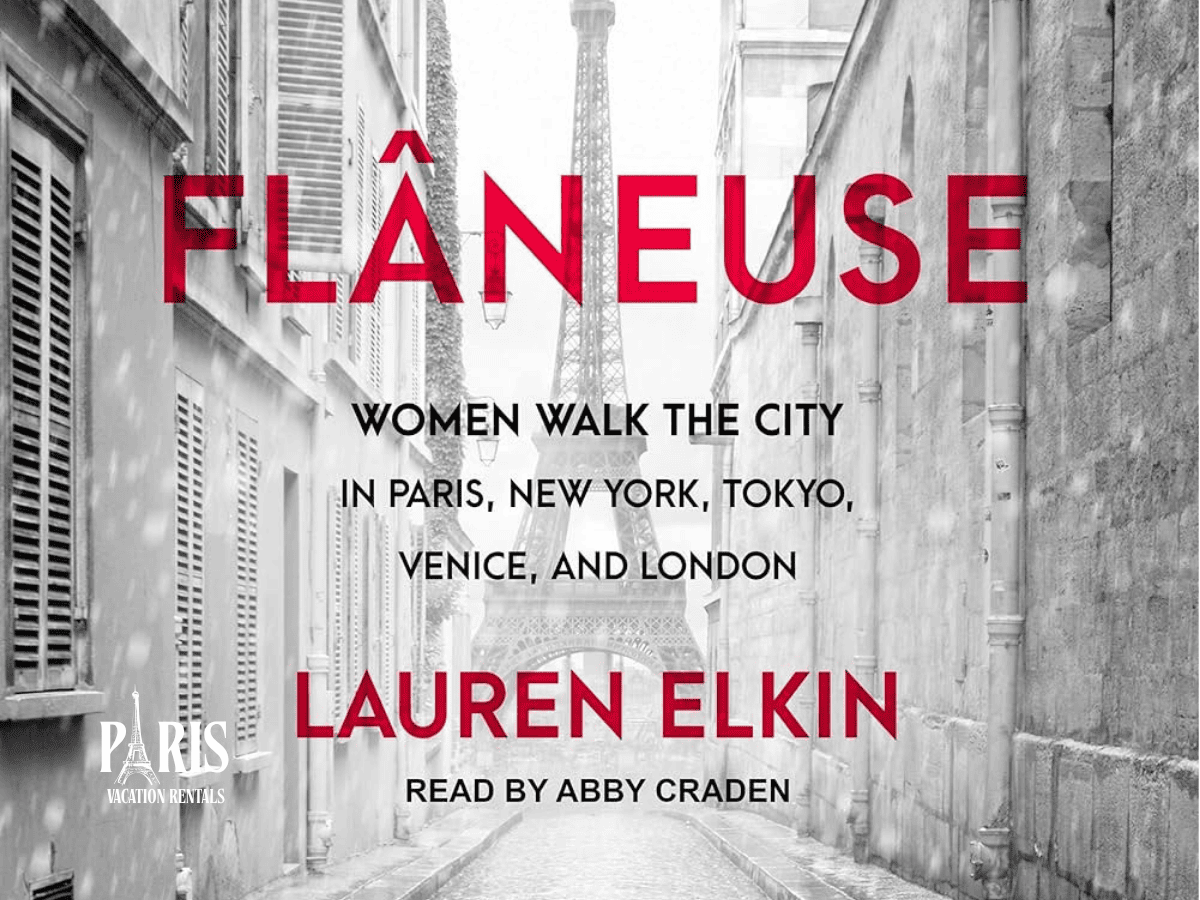
Lauren Elkin's book Flâneuse: Women Walk the City in Paris, New York, Tokyo, Venice, and London became a New York Times Notable Book of 2017. She defines the flâneuse as "a determined resourceful woman keenly attuned to the creative potential of the city, and the liberating possibilities of a good walk".
Elkin argues we shouldn't restrict the flâneuse to being merely a female version of a male concept. The key characteristic of the flâneuse is that she goes where she's not supposed to, rather than wandering without aim like the flâneur. Women assert their subjectivity through movement and shift from being looked at to looking.
Walking as observation, not destination
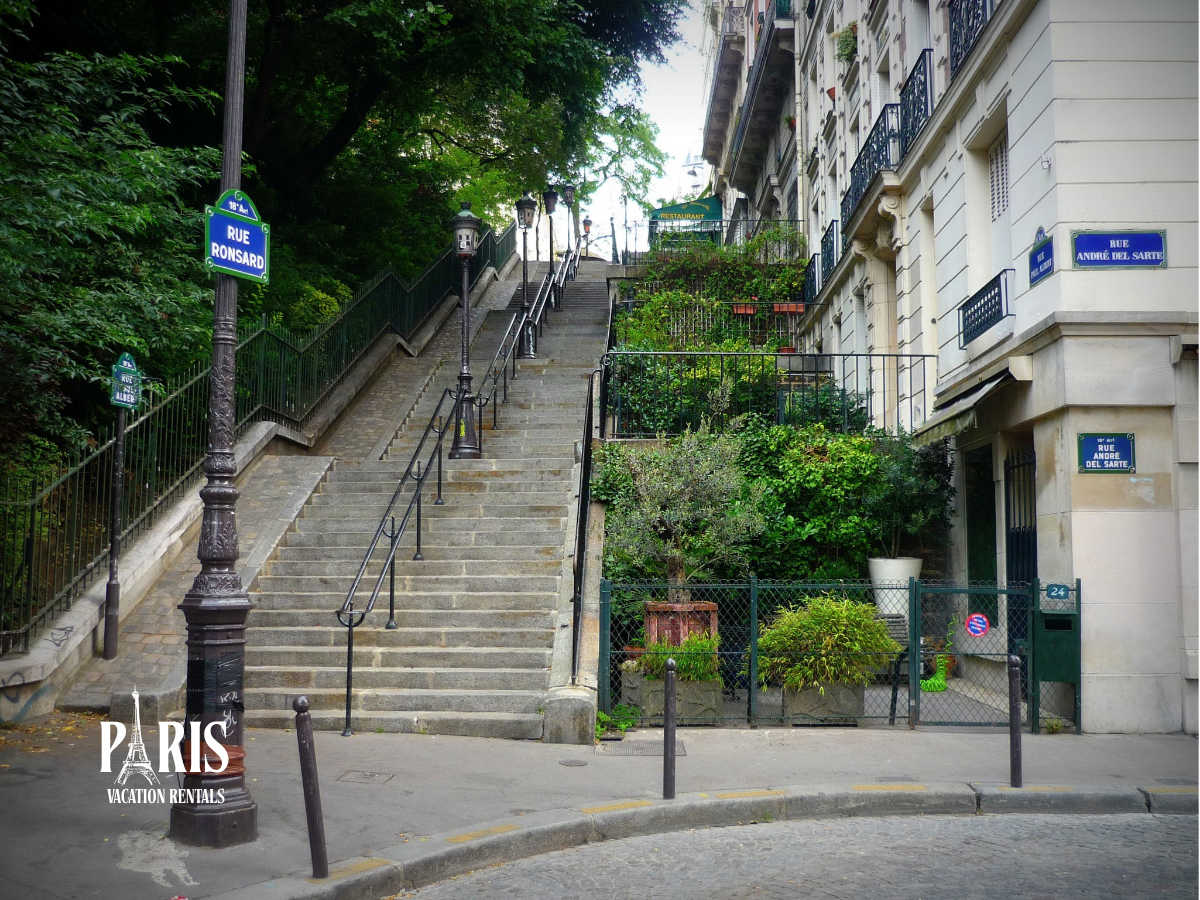
Walking allows us to experience the city as presence to the world and to ourselves. You find that it emancipates you from space and time when you walk. Walking is mapping with your feet. The flâneuse knows the city by wandering its streets and investigating dark corners while peering behind facades and penetrating secret courtyards.
Beautiful Summer Walks in Paris That Reveal the City's Character
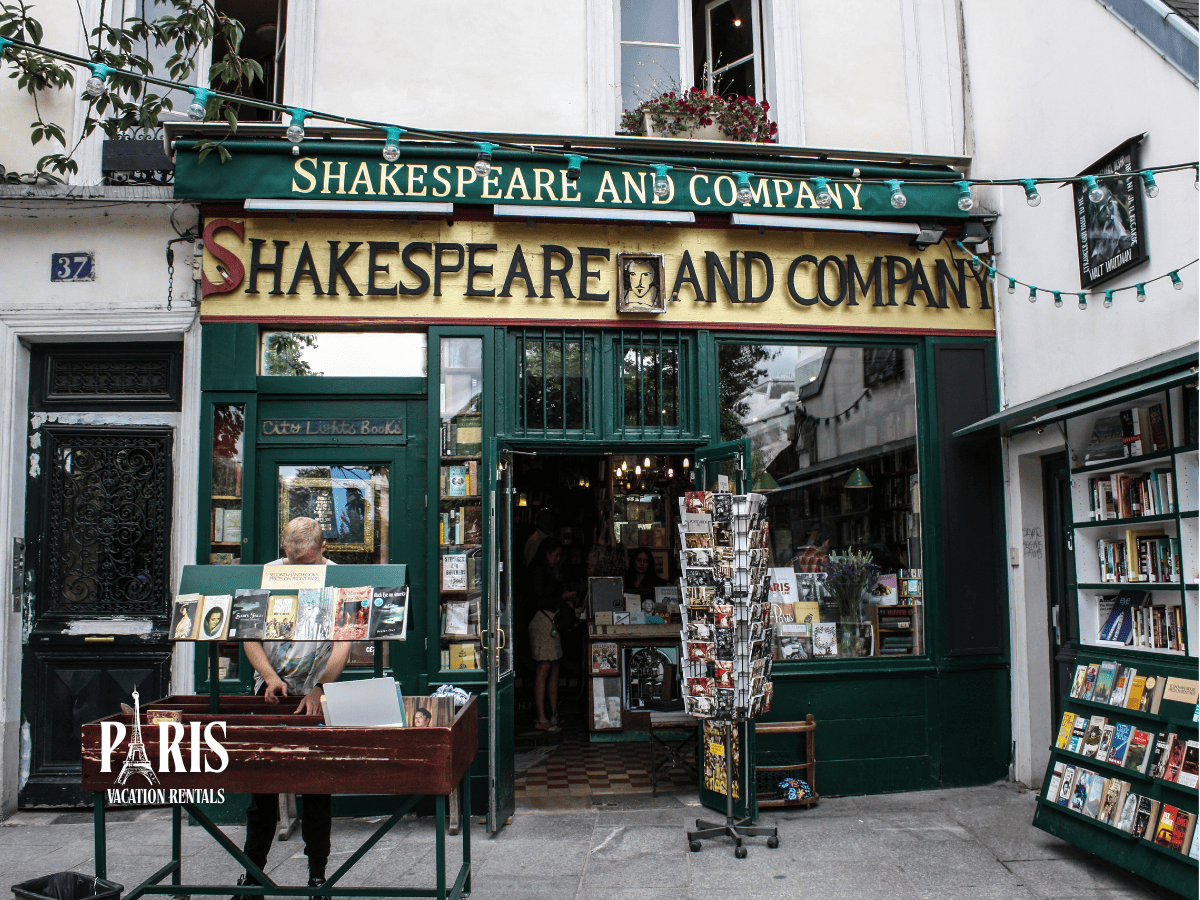
Left Bank classics: Shakespeare & Company to the Pantheon
Start your flâneuse experience at Shakespeare & Company bookstore, where unpublished writers still sleep among books in exchange for work. Walk along Quai de la Tournelle beside the Seine and venture into the Latin Quarter's medieval streets. Rue Mouffetard slopes downhill, lined with students and market vendors. The Pantheon rises at the top, a secular temple where France's great minds rest. Jardin du Luxembourg offers manicured lawns and sailboats drifting on the fountain pond, with quieter corners on the west side where locals practice tai chi under chestnut trees.
Right Bank elegance: Arc de Triomphe to Bois de Boulogne
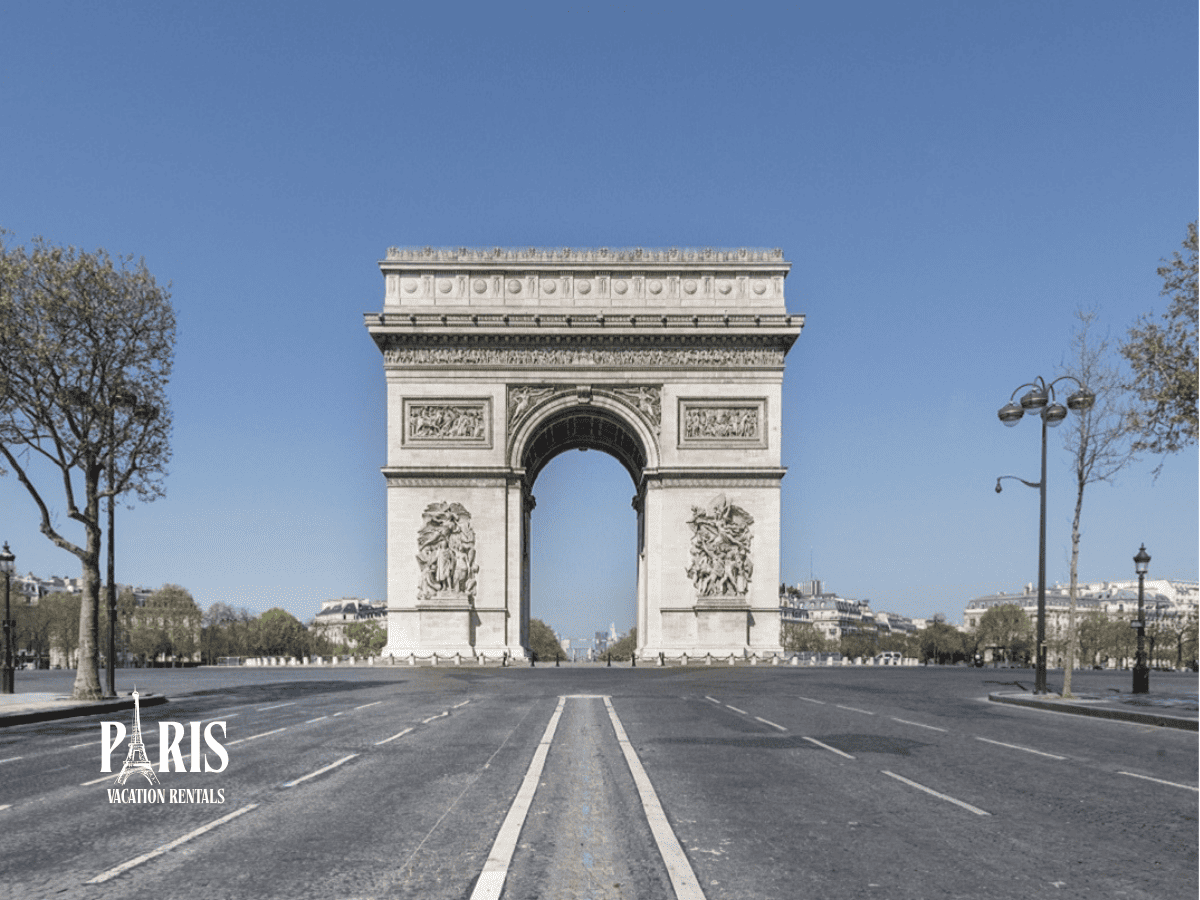
The Arc de Triomphe marks your starting point. Follow tree-lined avenues westward. Jardin des Tuileries provides peaceful paths even on busy days, with green chairs scattered in quiet corners. Nearby, Palais Royal hides its garden and photogenic striped columns behind elegant archways. The walk continues to Bois de Boulogne, twice the size of Central Park, where two lakes and eight ponds connect via three artificial streams. Napoleon III's Grande Cascade waterfall sits beside a Cedar of Lebanon planted in 1734.
Market street wanderings: Rue Montorgueil and Rue des Martyrs
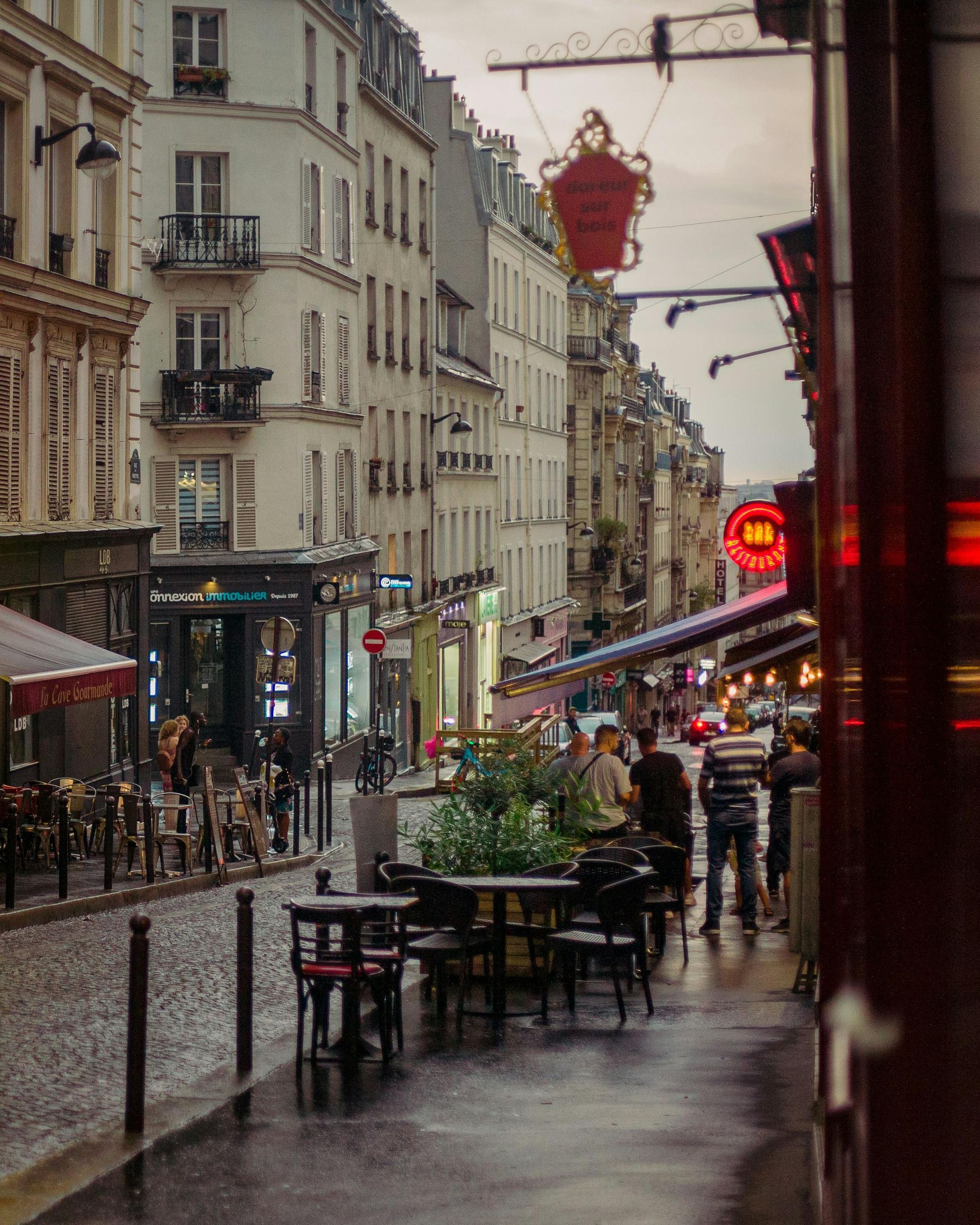
Rue Montorgueil has anchored Parisian food culture for over 800 years. This cobblestone pedestrian street hosts Stohrer, dating back to 1730 as Paris's oldest patisserie. Rue des Martyrs links the 9th and 18th arrondissements and is just as vibrant, closed to cars on weekends since 2019. Both streets pulse with locals shopping to buy cheese, bread and fresh produce.
The Seine experience: Berges and bridges at golden hour
Les Berges de Seine, inaugurated in June 2013, transformed a former expressway into floating gardens, rope hammocks and plein air cafés. Walk from Pont de l'Alma eastward, especially at sunset when Pont Alexandre III's gilded bronze statues catch the fading light.
Montmartre's artistic soul: Beyond the tourist crowds
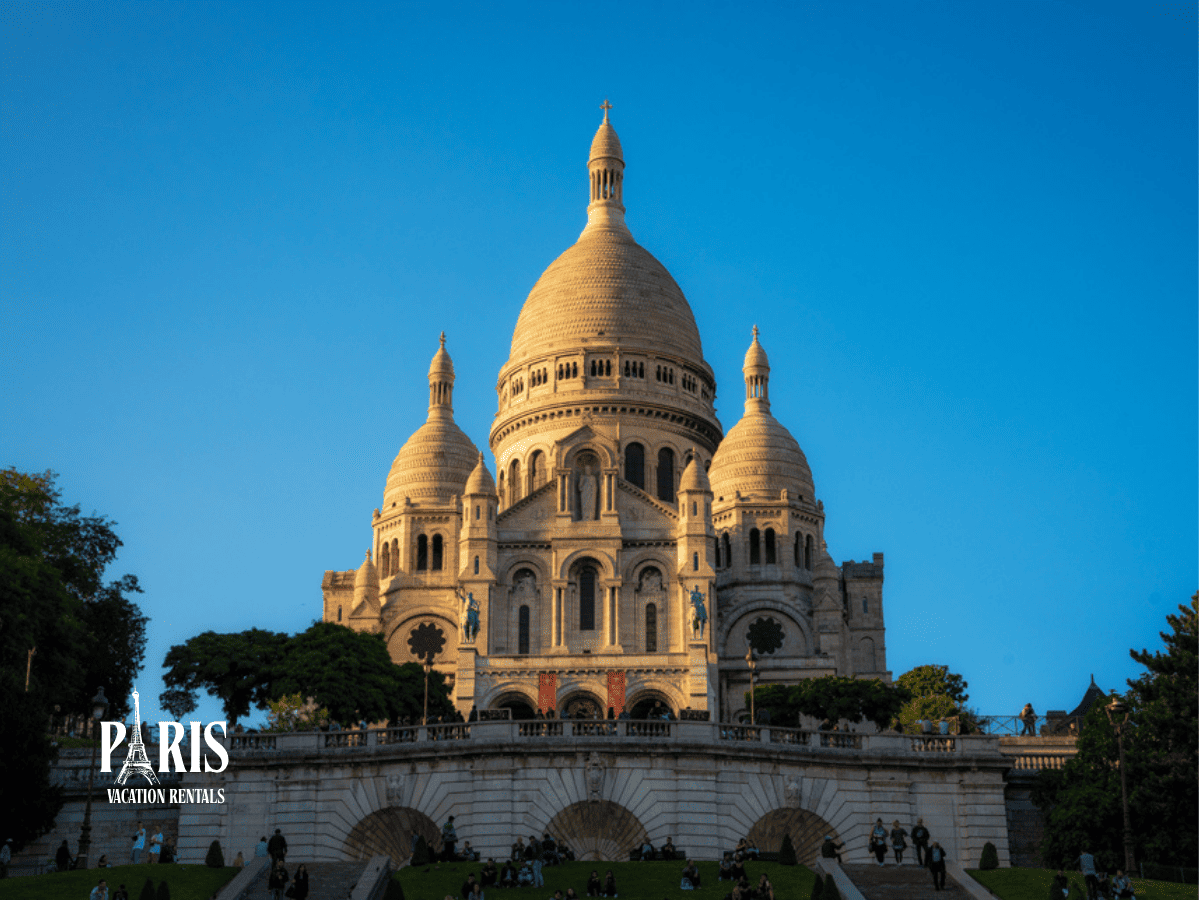
Skip Place du Tertre's crowds for Rue de l'Abreuvoir's ivy-covered houses, one of Paris's oldest streets dating from the 14th century. The Clos Montmartre vineyard produces 1500 half-liter bottles yearly and is tucked behind quiet Saint Vincent cemetery.
Secret green spaces: Coulée Verte and Petit Ceinture
Coulée Verte René-Dumont runs 2.8 miles from Bastille to Bois de Vincennes, built over abandoned railway tracks in 1993. Petite Ceinture's 32.5 km circular route has sections open to pedestrians through the 15th, 16th and 20th arrondissements.
How to Walk Paris Like a Flâneuse
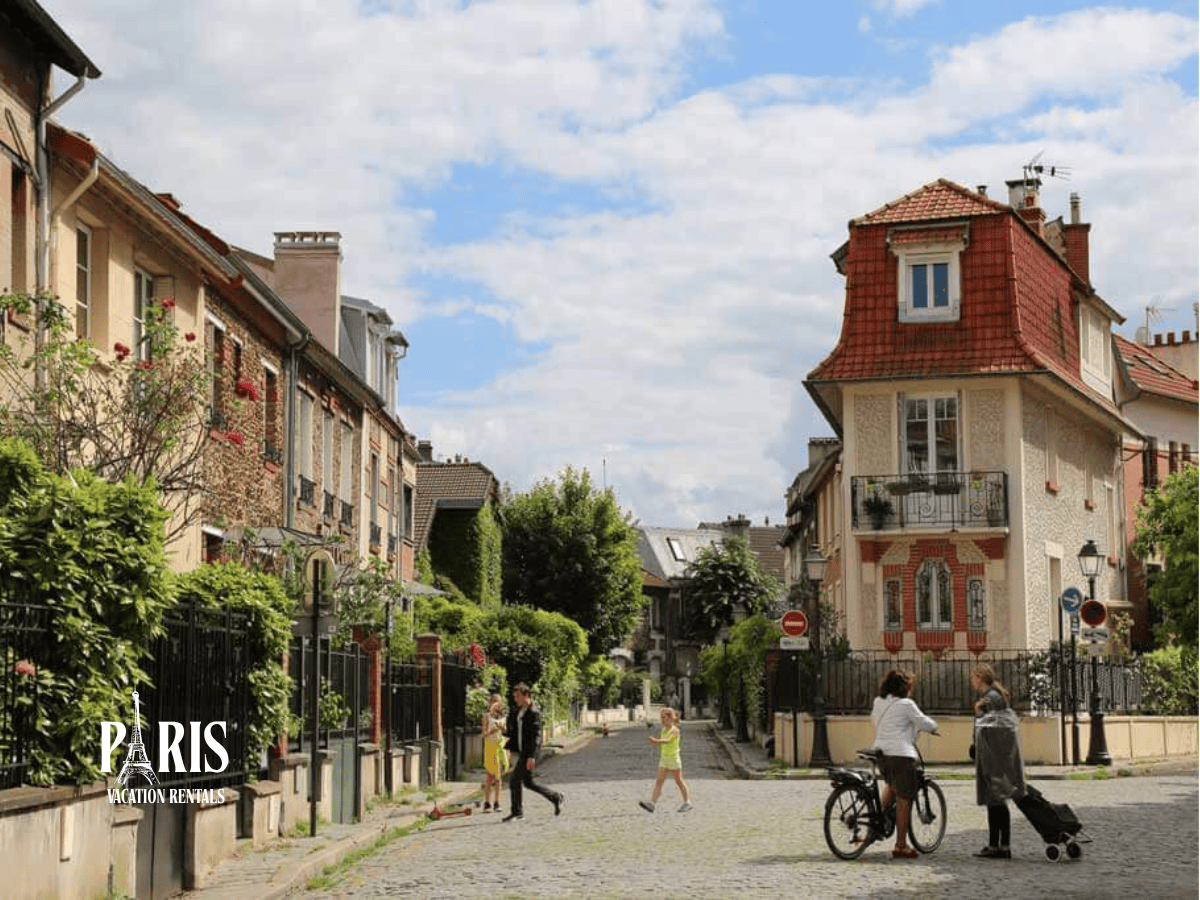
Accept getting lost in arrondissements
Paris arranges its 20 arrondissements in a spiral from the city center outward. Each district holds distinct character, from the Marais's narrow historic streets to residential corners with markets and slower rhythms. Wandering without rigid plans reveals authentic Parisian life between monuments.
Pack light but bring essentials
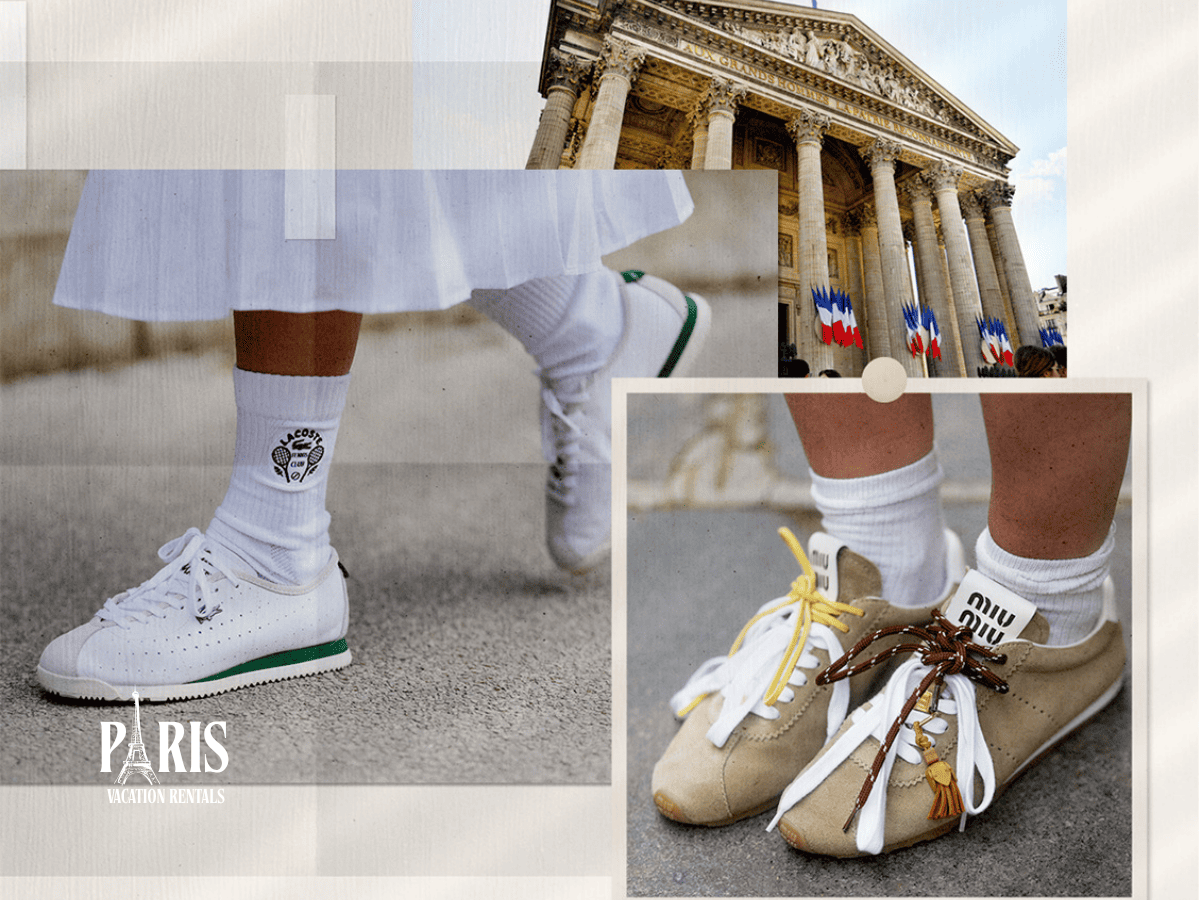
Broken-in walking shoes matter most. I walked 68 miles over three weeks. Comfortable footwear became non-negotiable. A crossbody bag with a zip deters pickpockets and keeps hands free. Pack an umbrella and reusable water bottle. French women wear sneakers with dresses rather than suffer through cobblestones in heels.
Find your own rhythm and pace
Research suggests 100 steps per minute qualifies as brisk walking to achieve moderate-intensity exercise. That pace might feel too aggressive in summer heat. Use perceived exertion instead: you want breathing that's harder but still allows conversation. Listen to your body rather than forcing a predetermined speed.
Use all your senses to experience the city
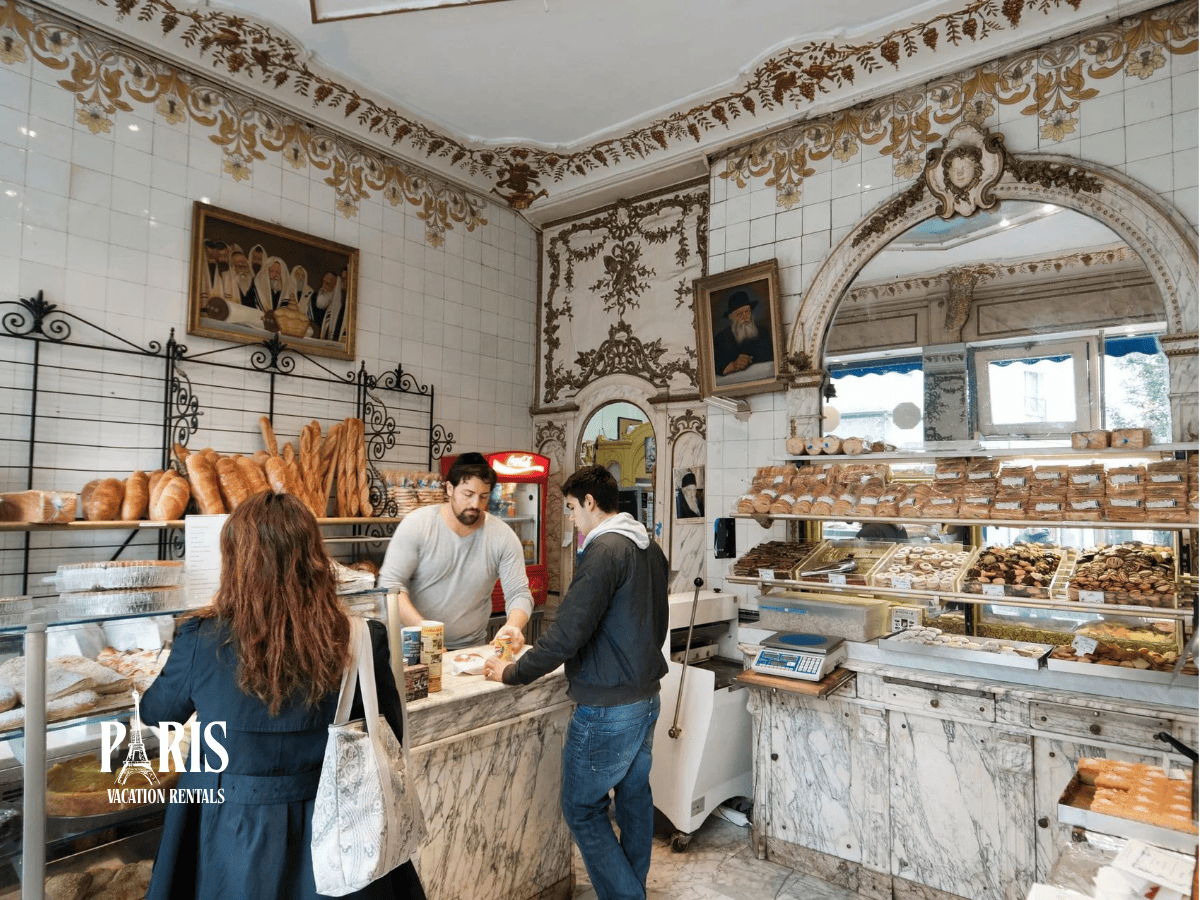
Touch building surfaces, from rough stone to smooth metal. Notice temperature shifts between sun and shade, and wind funneling through narrow streets. Smell fresh bread from boulangeries and citrus from market stalls. Hear café conversations, street musicians, and the rhythm of footsteps on cobblestones.
Summer Walking Essentials and Local Insights
Staying hydrated and comfortable in summer heat
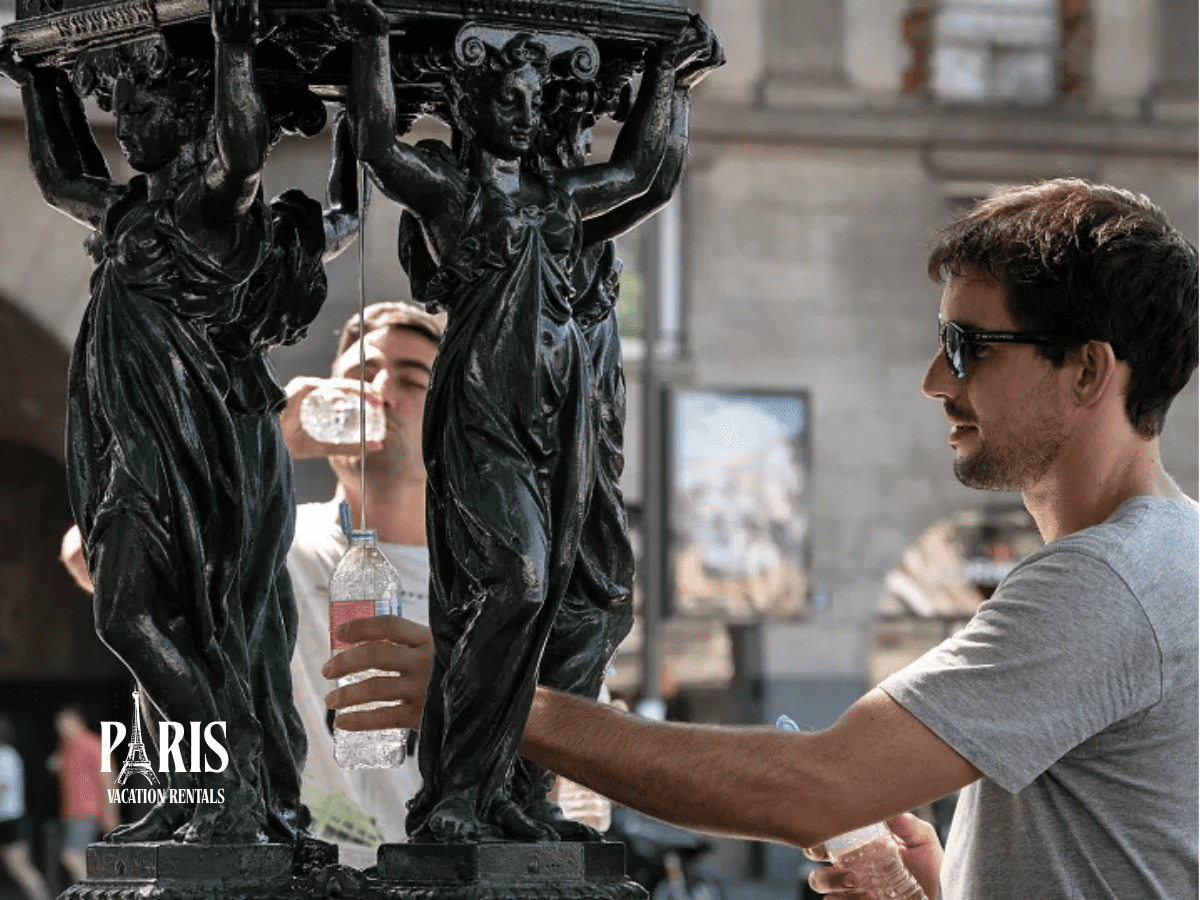
Paris tap water is excellent, so carry a reusable bottle to refill from approximately 1,200 public drinking fountains throughout the city. Wallace fountains appear most often with their distinctive green cast-iron design, though modern versions work equally well. Seek out sparkling water fountains that carbonate and chill water to 44°F for a special treat. This temperature produces the best bubbles.
Heat waves call for following Parisian habits and spending midday hours in shaded parks. Parc des Buttes Chaumont and Parc de Belleville give you better chances of finding shade than crowded central gardens. Café terraces are another refuge. Awnings block the sun and restrooms are nearby.
Best spots for rest and people-watching
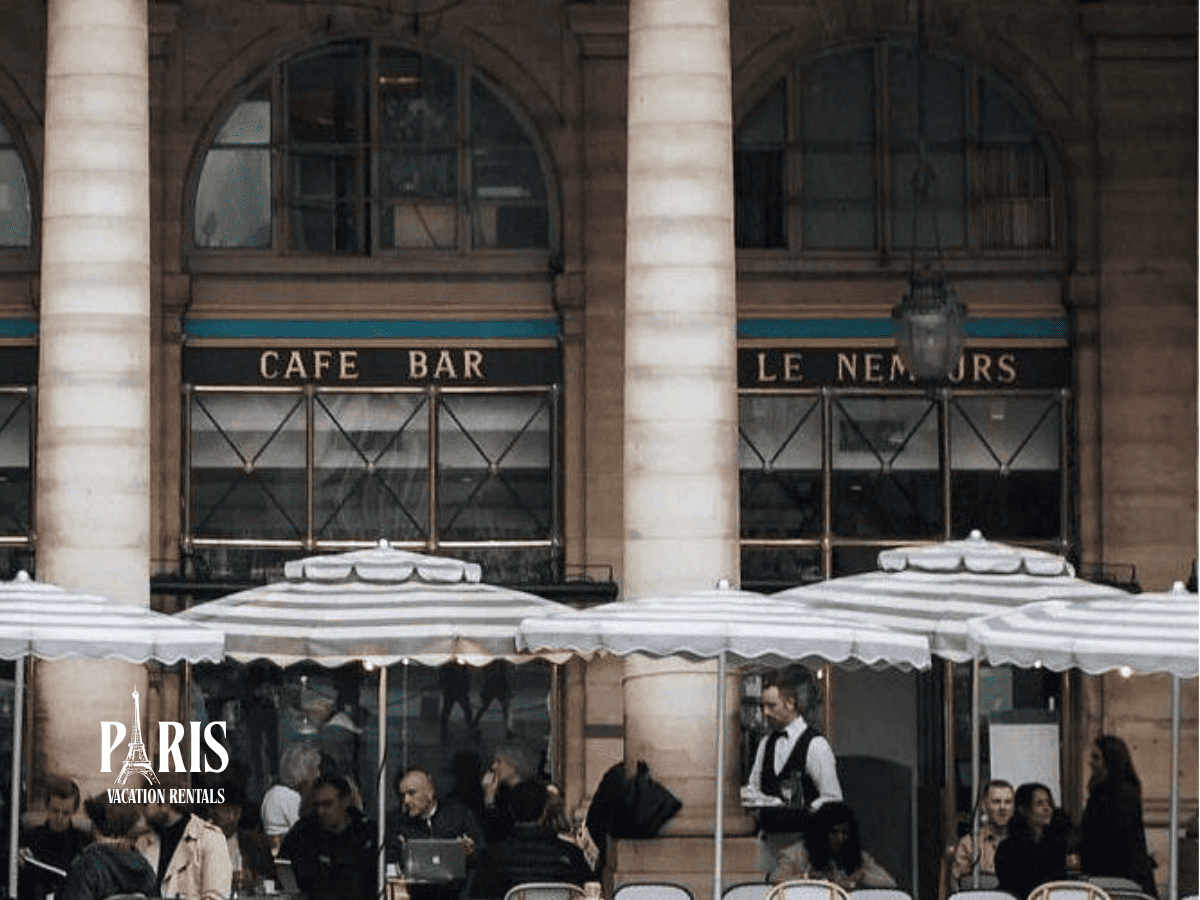
Café Nemours sits between Palais Royal and the Louver, perfect to take museum breaks. Le Saint Regis offers sunset views of Notre Dame, though outside tables fill quickly. Café Charlot on Rue de Bretagne attracts Sunday brunch crowds, while Bar du Marché at Rue de Seine and Rue de Bucci suits afternoon drinks.
When to walk for fewer crowds
Weekday mornings provide the best window to experience attractions without masses of visitors. Tuesdays and Wednesdays see fewer tourists than weekends.
Combining walks with cafés and picnics
Seine banks, Luxembourg Gardens, and Champ de Mars work well for picnics. Grab bread from nearby boulangeries and cheese from local markets. Settle into green space between walks.
Key Takeaways
Discover Paris through the art of flâneuse walking - purposeful wandering that reveals the city's authentic character beyond tourist attractions.
- Embrace aimless exploration: Walk without rigid destinations to discover authentic Parisian life between monuments and tourist sites.
- Choose diverse routes: From Left Bank classics to secret green spaces like Coulée Verte, each walk reveals different aspects of Paris's soul.
- Pack smart for summer: Bring comfortable shoes, reusable water bottle, and umbrella while staying hydrated at 1,200 public fountains.
- Time your walks strategically: Weekday mornings offer fewer crowds, while midday shade breaks in parks help beat summer heat.
- Use all senses to connect: Touch building surfaces, smell fresh bread, hear street sounds - full sensory engagement deepens your city experience.
The flâneuse approach transforms walking from mere transportation into cultural immersion, allowing you to claim public space and discover Paris's hidden rhythms at your own pace.
FAQs
Is Paris the best city for aimless wandering?
One of the best — but London, Rome, Venice, and Amsterdam are strong alternatives. Best city depends on the atmosphere you're after.
How long should I spend in Paris without a rigid itinerary?
Two weeks is ideal — enough time to explore different arrondissements, markets, and hidden corners at a relaxed pace.
Can I wander aimlessly in other cities?
Yes — New York, Tokyo, Berlin, Barcelona, Amsterdam, and Milan all work well. Any walkable city with good public spaces and street life does.
One city for two weeks or multiple destinations?
One city gives deeper immersion and a more relaxed pace. For Paris, London, or Berlin, two weeks easily justifies staying put with day trips.
What makes Paris different for wandering?
Compact arrondissements each with distinct personalities, café culture, and walkable streets. Go beyond the centre to find more authentic experiences.