Is Montmartre Safe in 2026? Full 18th Arrondissement Guide
May 13, 2026
Is Montmartre Safe in 2026? Full 18th Arrondissement Guide
The 18th arrondissement draws millions of visitors to Montmartre's charming hilltop streets each year, but many American tourists ask me whether it's safe to explore. Paris ranked as the 23rd-safest major city globally in 2021. The homicide rate between 2015 and 2017 was just 0.019 per 1,000 inhabitants. But safety in the 18th arrondissement varies by a lot by neighborhood. The Montmartre arrondissement offers iconic attractions like Sacré-Cœur and historic cemeteries, yet certain areas require extra caution. We'll break down 18th arrondissement safety concerns and identify which zones to avoid. You'll also get practical tips for securing your belongings and discover the best restaurants in 18th arrondissement Paris so you can enjoy things to do in the 18th arrondissement with confidence.

Table of Contents
Is the 18th Arrondissement in Paris Safe?
Safety statistics and crime rates in the 18th arrondissement
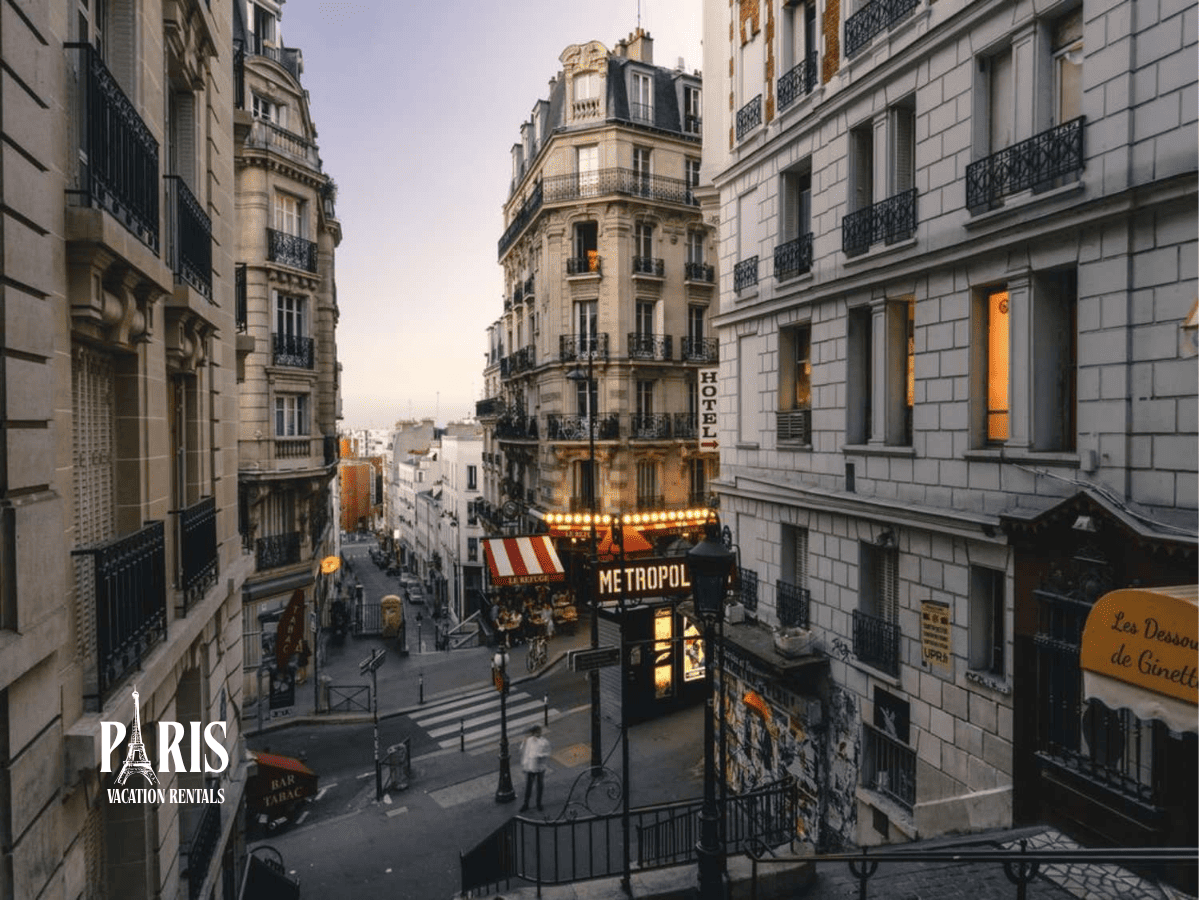
Paris, like many tourist cities, may seem a bit concerning due to crime statistics, but it's important to understand the context. The rate of violent crime in Paris is much lower than in other major cities, and most safety concerns are related to petty crimes such as pickpocketing and tourist-targeted scams, rather than serious incidents.
Walking around during the day is generally safe, but as in any big city, there may be some risks at night. It's especially important to be mindful in crowded areas, such as tourist spots, where petty thefts and other minor offenses can occur. These situations are more likely to happen in busy, well-known areas.
For most tourists, violent crime is extremely rare, and locals who have lived in Paris for many years assure that the chances of encountering such incidents are minimal. It's simply a matter of staying alert and keeping an eye on your belongings in areas with a high concentration of people. Overall, Paris remains one of the safest and most welcoming destinations for tourists, and you can explore the city with peace of mind by following a few basic safety guidelines.
Montmartre vs other parts of the 18th arrondissement
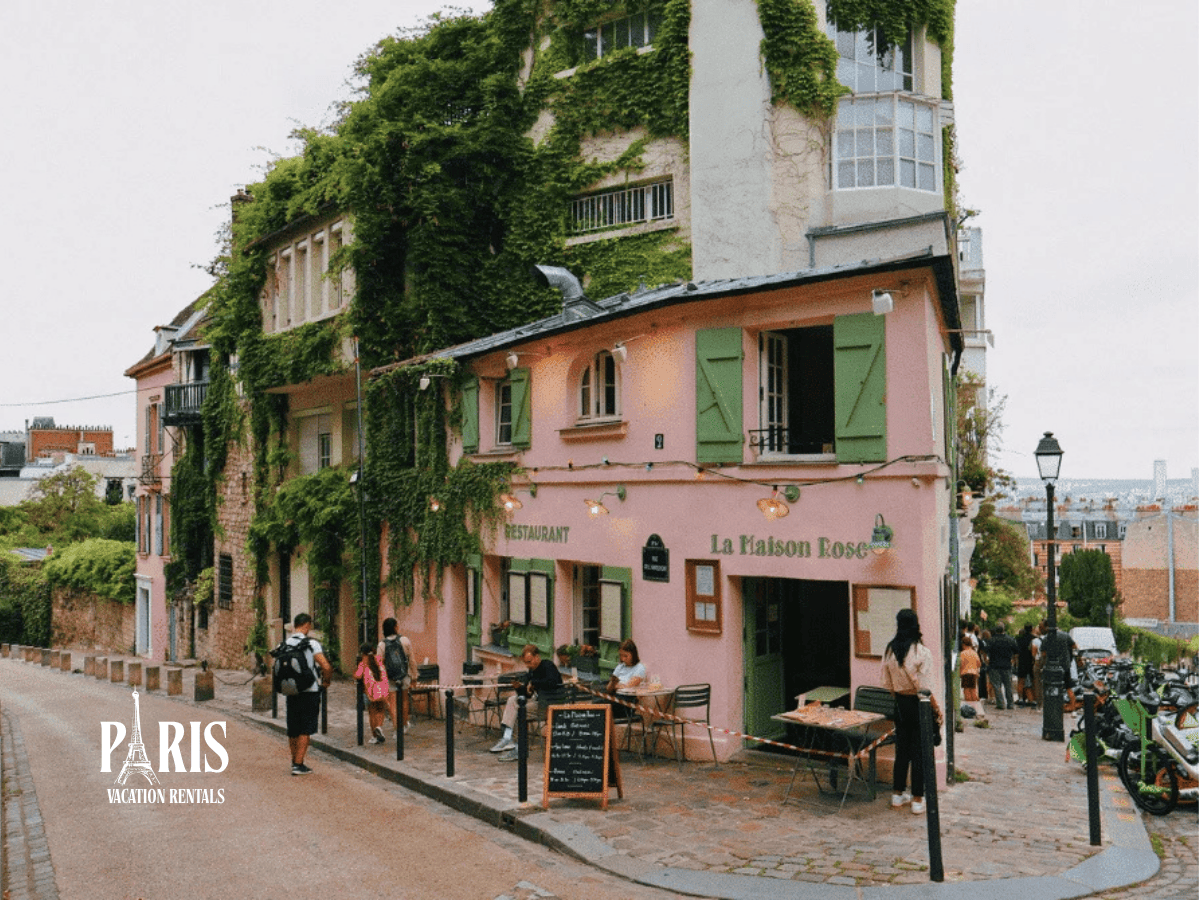
Montmartre hill itself stands apart from the rest of the 18th arrondissement. The area around Sacré-Cœur and Place du Tertre draws tourists throughout the day and evening. This creates a heavily policed zone that feels far safer than the arrondissement's outer edges. Police maintain visible presence here. The northern side of the hill houses celebrity-owned mansions in quiet, pretty streets.
Neighborhoods east of Montmartre tell a different story. Barbès, La Chapelle, and Château Rouge sit just a few hundred meters away but share little with the picturesque butte. These areas feel crowded and sketchy, with noticeable shifts in atmosphere. La Chapelle earned the nickname "colline du crack," though tourists won't accidentally wander into these zones.
The contrast appears stark. Residential areas near Jules Joffrin and Guy Môquet are pleasant and safe. Pigalle, the red light district south of Montmartre, bustles with tourists and locals during the day. It becomes rowdier at night, though it's not unsafe. Rather than viewing the entire arrondissement through one lens, you need to understand its distinct pockets.
What makes this area different from other Paris neighborhoods
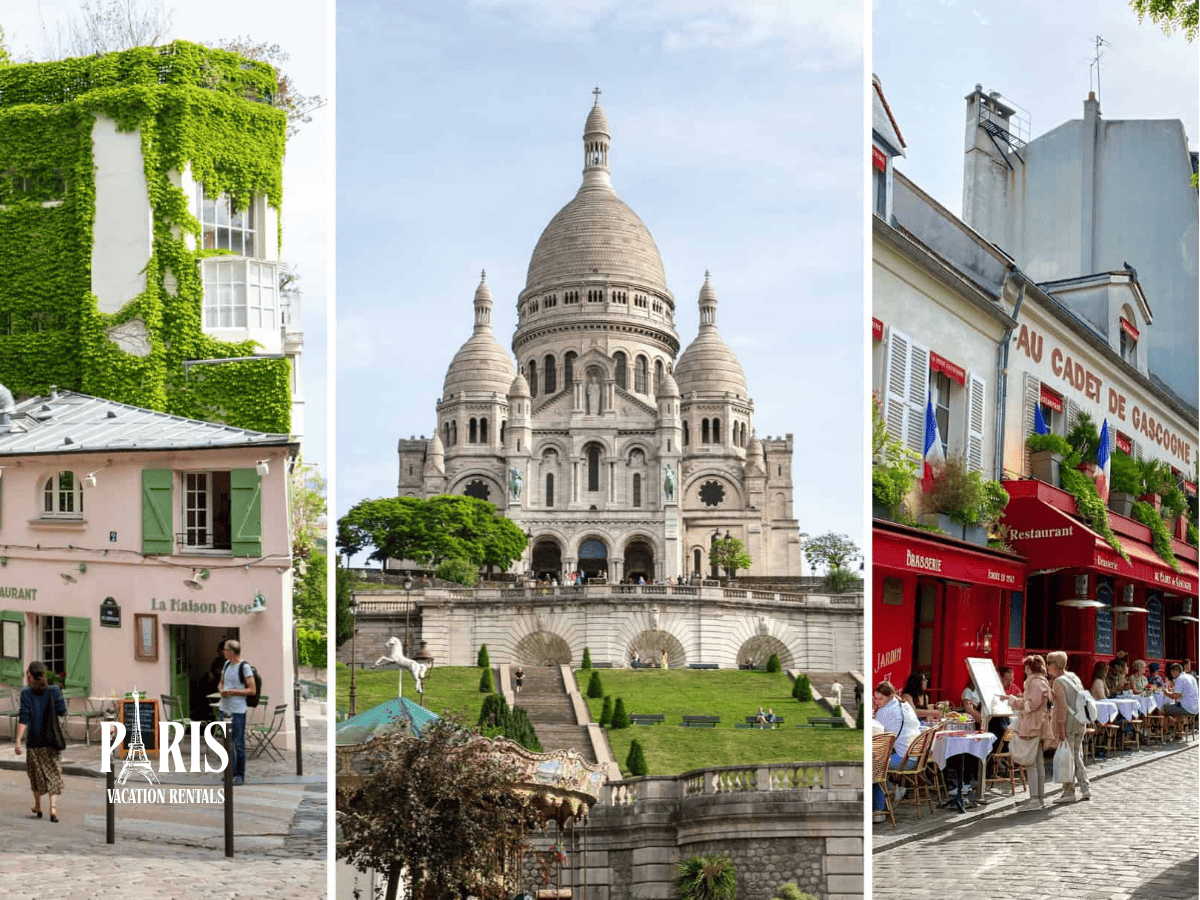
The 18th arrondissement safety profile is different because of extreme internal variation. Adjacent streets can move from charming residential blocks to areas locals avoid after dark. This arrondissement went through transformation in recent years. Some sections gentrified into "bobo" (bourgeois-bohème) neighborhoods while others remain rough.
The multicultural working-class character adds complexity. French, Indian, Chinese, Maghrebi, and African residents create vibrant communities. Some view this diversity positively. Others find certain concentrations intimidating. Crime levels vary sharply between areas, with differences appearing even between adjacent streets.
Common Safety Concerns and Scams in Montmartre
The petition and signature scam
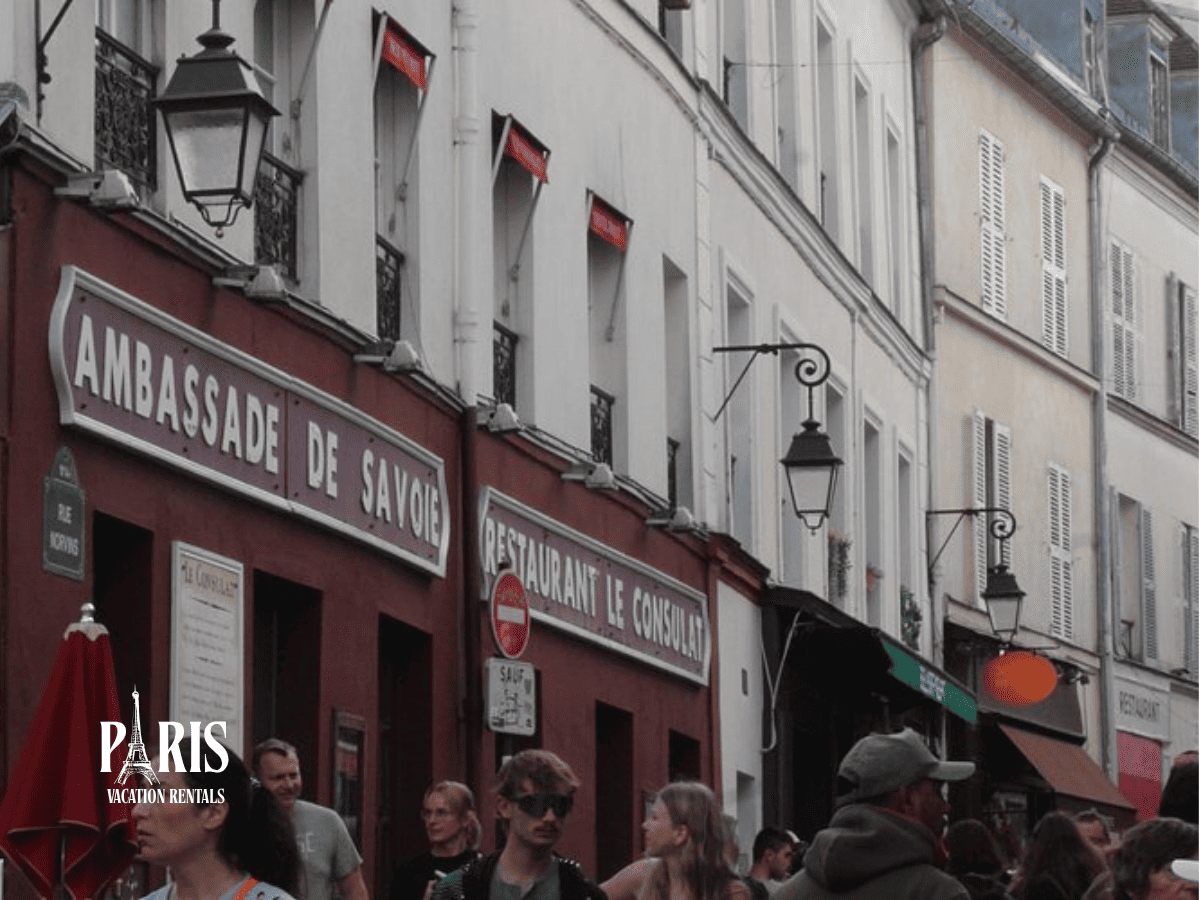
Groups carrying clipboards approach tourists near Sacré-Cœur and other landmarks. They ask you to sign petitions for supposed charities. They just need donations after you sign, sometimes in an aggressive manner. The real danger happens during the distraction: accomplices pickpocket you while the clipboard shields their hands from view. Some petitions show different suggested donation amounts on each side and adjust based on which country they think you're from. Refuse to participate. Say "Non" with firmness and keep walking without stopping.
The friendship bracelet scam
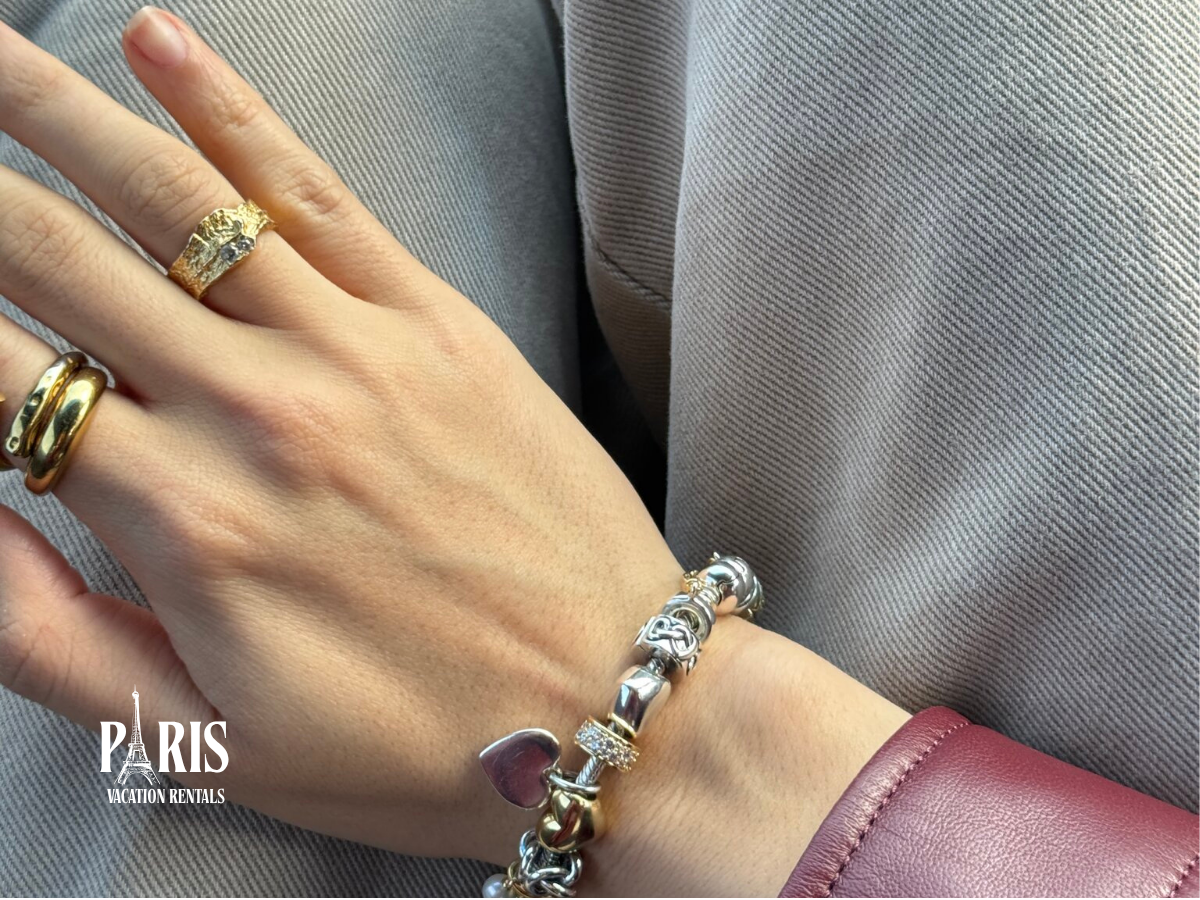
Men approach on the stairs leading to Sacré-Cœur with colorful strings. They weave bracelets around your fingers or wrist quickly while maintaining friendly chatter. They just need payment once the bracelet is tied, typically 10-20 euros, and several men may surround you if you refuse. The scam works because you need scissors to remove the bracelet. Keep your hands in your pockets, clasped behind your back, or refuse before they touch you. Pull away right away if someone grabs your arm and walk upward with purpose.
Pickpockets around Sacré-Cœur
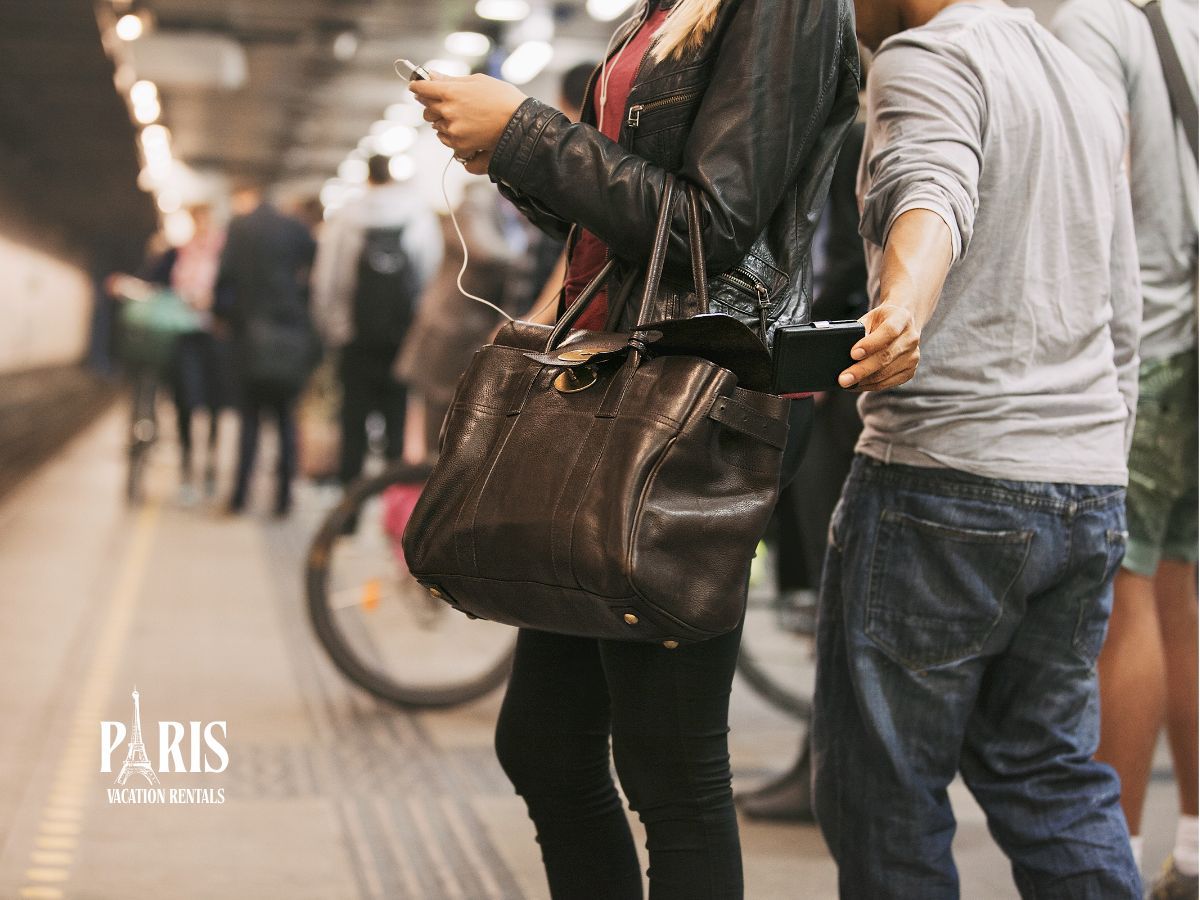
The paris 18th arrondissement sees pickpocketing concentrate around Sacré-Cœur, particularly in metro stations like Pigalle, Barbès, and Anvers. Thieves rely on distraction rather than violence. Common tactics include someone asking directions while an accomplice searches your bag, or papers held over café tables that hide hands grabbing phones underneath. Montmartre and the Marais attract the most activity as tourist-heavy neighborhoods.
Overpriced taxis and TukTuk scams
Legitimate taxis from Charles de Gaulle cost 56-65 euros to central Paris; from Orly, expect 36-44 euros. Scammers approach inside baggage claim or outside official queues and offer rides without meters. Fraudulent drivers at Gare du Nord preset meters at airport rates (58 euros) then add additional metered charges. Card readers "break" to force cash payments. Use only official taxi queues with illuminated rooftop signs and visible meters.
ATM safety and money exchange tips
French bank ATMs charge approximately 1% for currency conversion. Always withdraw in euros, never dollars, to avoid double conversion fees. Non-bank ATMs impose higher charges. Visit ATMs during banking hours near open banks for added security. Post office ATMs offer fee-free withdrawals.
Safe Neighborhoods in the 18th Arrondissement
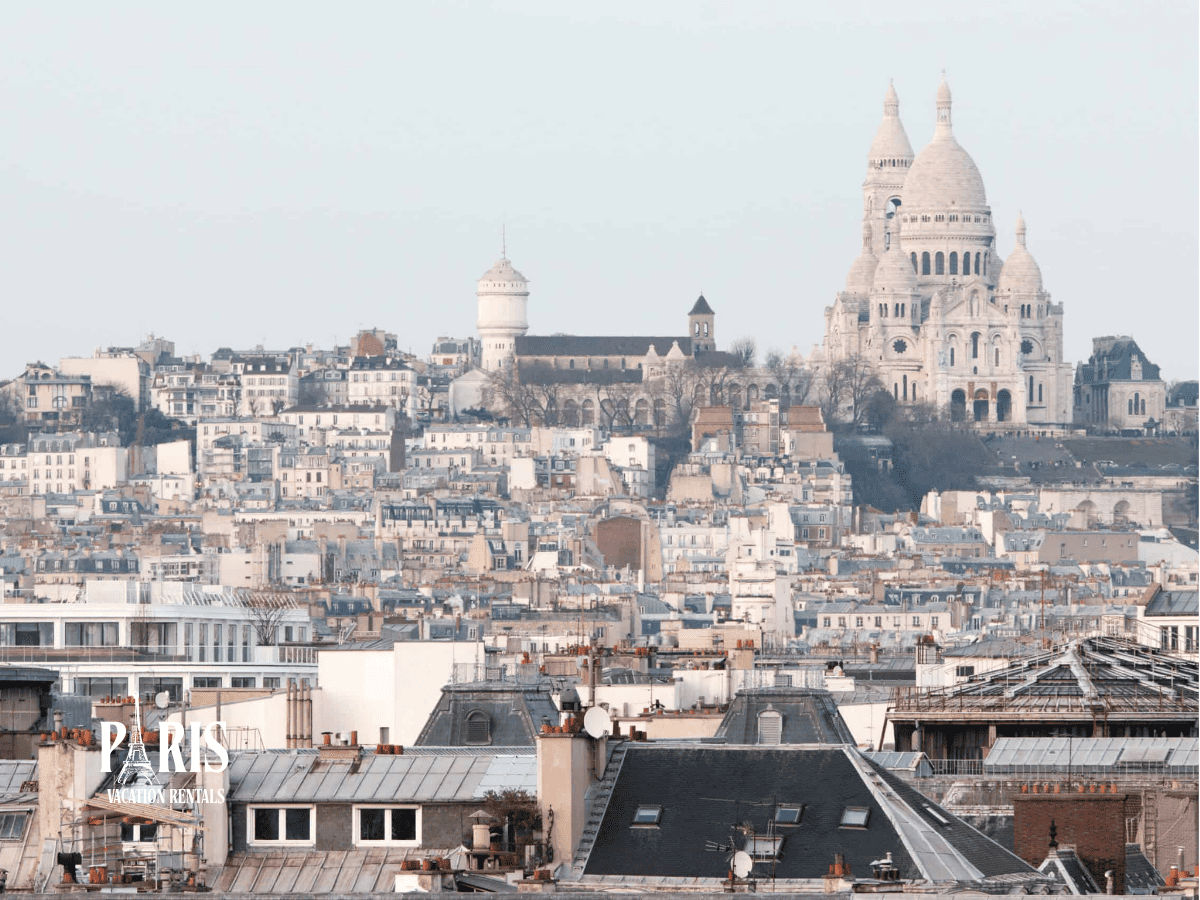
Safe areas: Montmartre hill and residential zones
Montmartre hill remains charming and secure throughout the day and evening. Police maintain a presence, and the butte's northern side houses quiet residential streets. West of Montmartre, neighborhoods near Jules Joffrin feel relaxed and less hectic than tourist zones. They attract a mix of older and younger residents.
Barbès-Rochechouart and La Chapelle: what to know
Barbès-Rochechouart functions as a major transit hub with no reason for worry when you exercise normal urban caution. Crowds and street vendors make the area feel chaotic and hectic. Walk with others on less-traveled streets past 8 PM. La Chapelle, nicknamed "colline du crack," has higher drug-related crime. You should avoid it for overnight stays. The neighborhood went through renovation for the 2024 Olympics, but residents worry police presence won't last.
Pigalle and the red light district
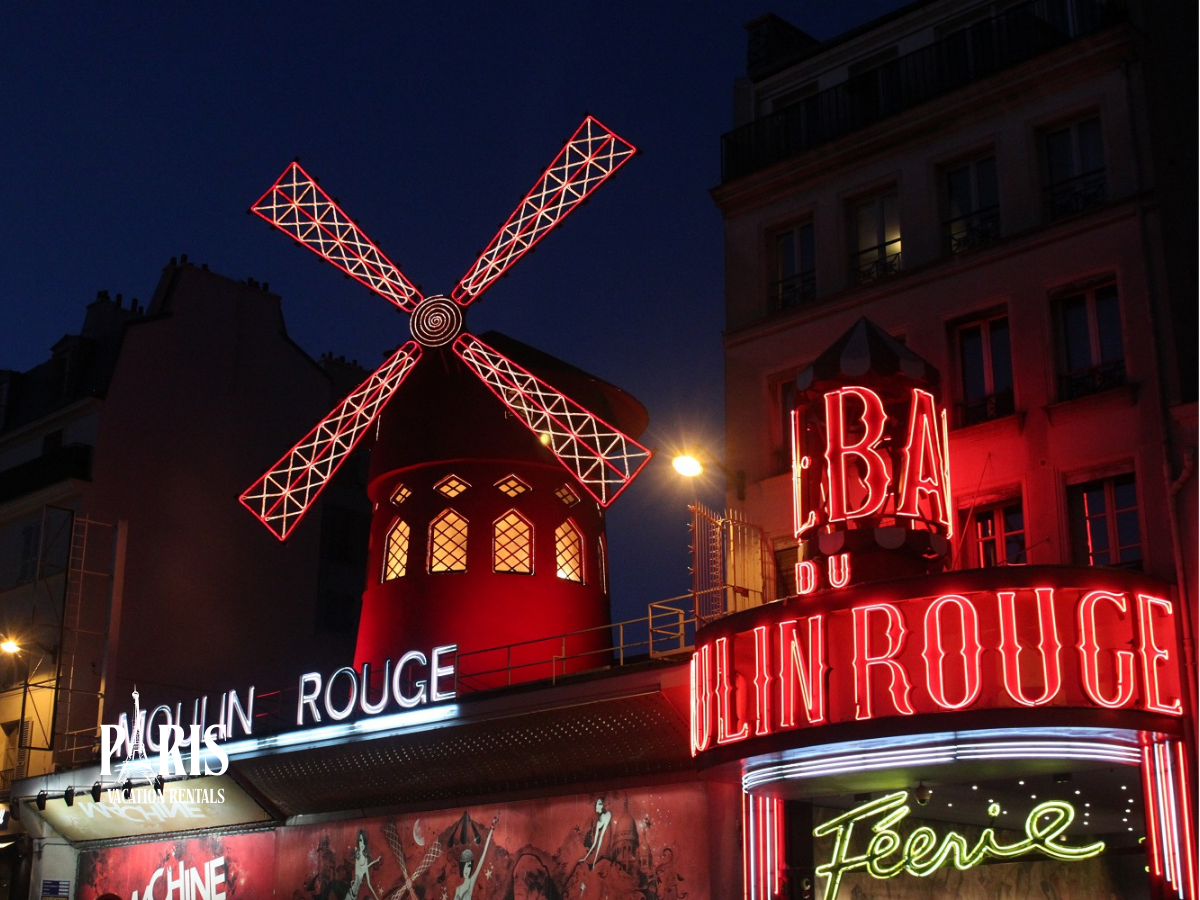
Pigalle sits south of Montmartre as the red light district of Paris but remains tourist-friendly and safe during daytime. The area has reformed from its seedier past, though adult entertainment venues remain. Nighttime brings rowdier crowds. Some establishments charge exorbitant prices.
Château Rouge metro area
Château Rouge offers vibrant African markets but has a reputation for aggressive street scams and overcrowding. The neighborhood divides sharply. West of the metro station near Rue Custine is gentrifying and pleasant, while the eastern Goutte d'Or section feels rougher.
Northern 18th: Jules Joffrin and Guy Môquet areas
Jules Joffrin and surrounding areas near metro stations Lamarck-Caulaincourt maintain a country vibe despite being in central Paris. These residential zones feel safe and less hectic than nearby Montmartre.
Practical Safety Tips for Visiting Montmartre
Best times to visit Montmartre
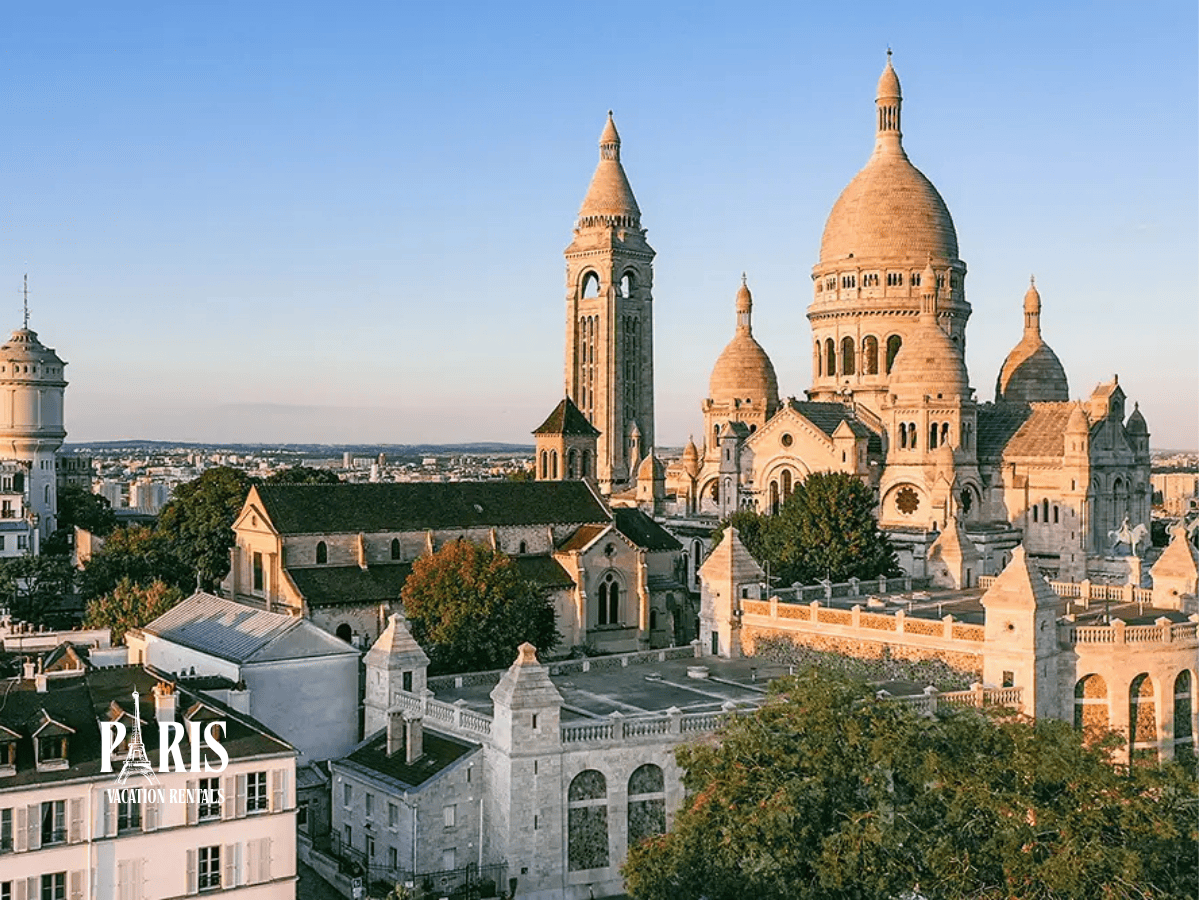
You should arrive before 8am when tourist scams and pickpockets haven't started their shifts. Sacré-Cœur opens at 6:30am, and weekday mornings offer the area's beauty without crowds. The basilica dome opens at 10:30am, so early birds can explore the esplanade in peace. Tour groups create unpleasant congestion by 11am. Spring and summer provide moderate weather, while fall offers charming strolls.
How to secure your belongings
You should wear bags across your shoulder and under your jacket. Valuables belong in inside pockets, and never hang bags off chair backs, especially in Goutte d'Or. Card payments reduce theft risk compared to carrying cash. Digital copies of identification papers should be stored in email.
Navigating the steep streets and accessibility
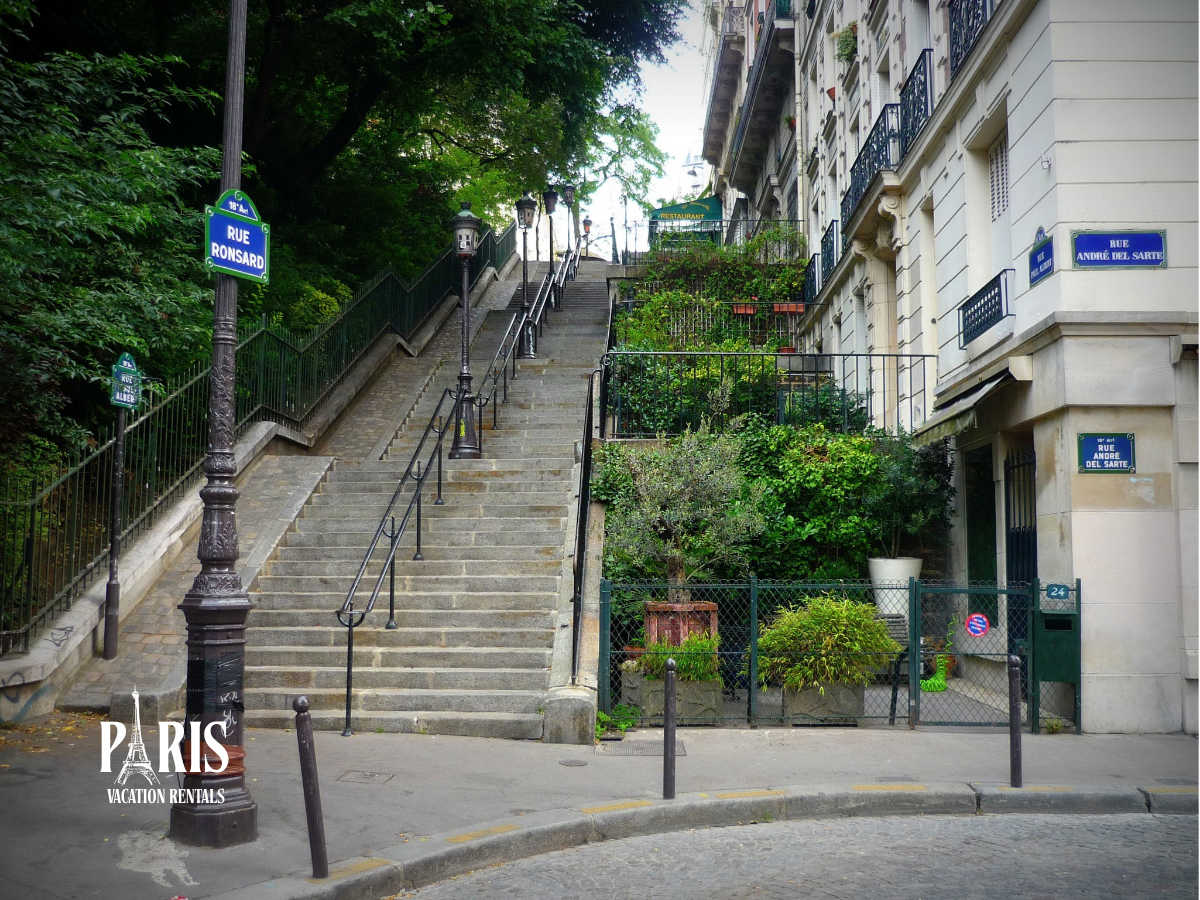
The funicular from Anvers station to Sacré-Cœur lets you skip the 222-step climb. Wheelchair users face serious challenges: cobblestones and steep gradients mean a 4.15-kilometer accessible route versus the standard 2.7 kilometers. Abbesses metro has an elevator, but creates difficult access when broken.
Things to do in the 18th arrondissement safely
Clos Montmartre, Paris's last working vineyard, offers tours and wine purchases. Hidden alleyways let you find cafes and secret gardens away from crowds. The Marché aux Puces de Saint-Ouen offers Europe's largest flea market for vintage treasures.
Best restaurants in 18th arrondissement Paris and where to eat
Chantoiseau serves refined French cuisine seven minutes from Place du Tertre. Le Progrès offers bistro classics below Sacré-Cœur. Mehmet provides modern Turkish meze, while Bouillon Pigalle delivers budget-friendly French meals. HIRU features Basque-Japanese fusion, and La Fa Brick specializes in Algerian food.
Key Takeaways
Understanding the safety landscape of Paris's 18th arrondissement helps American tourists navigate Montmartre confidently while avoiding common pitfalls.
- Montmartre hill is safe and well-policed, but avoid northern areas like La Chapelle and Château Rouge after dark
- Visit Sacré-Cœur before 8am to avoid tourist scams like petition signatures and friendship bracelets
- Keep belongings secure across your shoulder and under jackets - pickpockets target crowded tourist zones
- Use official taxi queues with visible meters and withdraw euros from bank ATMs to avoid overcharging scams
- Take the funicular from Anvers station instead of climbing 222 steps to reach Sacré-Cœur safely
The key to enjoying the 18th arrondissement lies in understanding its stark neighborhood contrasts. While Montmartre's hilltop charm attracts millions safely, staying alert to common scams and avoiding rougher eastern sections ensures a memorable Parisian experience.
FAQs
Is Montmartre safe for tourists to walk around?
Montmartre hill is safe and well-policed day and evening. Police maintain a visible presence around Sacré-Cœur. Just keep valuables close and stay aware of your surroundings.
Which parts of the 18th arrondissement should I avoid?
Avoid La Chapelle, Barbès-Rochechouart after 8 PM, and Château Rouge after dark — higher petty crime and chaotic atmosphere. Residential areas near Jules Joffrin are a pleasant, safe alternative.
What are the most common scams targeting tourists in Montmartre?
The petition signature scam, the friendship bracelet scam, and pickpocketing around Sacré-Cœur. Also watch for unlicensed taxis and ATMs with poor exchange rates.
When is the best time to visit Montmartre to avoid crowds and scammers?
Before 8 AM on weekdays. Sacré-Cœur opens at 6:30 AM. By 11 AM, tour groups and scammers are in full swing.
How can I safely navigate the steep streets of Montmartre?
Take the funicular from Anvers metro — it skips the 222-step climb. Keep bags secured across your shoulder, and visit in spring or fall for the most comfortable conditions.