The Biggest Paris Travel Mistakes Americans Still Make in 2026
July 28, 2026
The Biggest Paris Travel Mistakes Americans Still Make in 2026
Looking for the american tips before your first trip? Even experienced travelers make common Paris travel mistakes that waste time, increase costs, and make exploring the city more stressful. Whether you're visiting from the US for the first time or returning to Paris, avoiding these mistakes will help you enjoy a smoother and more authentic trip in 2026.

Table of Contents
Paris Travel Mistakes at a Glance
In a hurry? Here's a quick overview of the most common Paris travel mistakes Americans make and the easiest ways to avoid them before your trip.
| Common Mistake | Why It Matters | Better Choice |
|---|---|---|
| Not booking attractions in advance | Popular sites sell out quickly | Reserve tickets several weeks ahead |
| Choosing the wrong neighborhood | Longer commutes and fewer local experiences | Stay in central areas like Le Marais, Saint-Germain or the 7th arrondissement |
| Trying to see everything in one trip | Leads to stress and exhaustion | Focus on 2–3 neighborhoods each day |
| Relying on taxis everywhere | Higher transport costs | Use the Paris Metro and walk when possible |
| Ignoring basic French etiquette | Poorer interactions with locals | Start every conversation with "Bonjour" |
| Booking accommodation without research | Missing important amenities or inconvenient locations | Read recent reviews and compare neighborhoods |
| Falling for common scams | Lost money and valuables | Stay alert around major attractions and use anti-theft bags |
| Tipping like you're in the US | Unnecessary expense | Leave a small tip only for exceptional service |
Pre-Trip Planning Mistakes That Cost You Time and Money
Poor planning drains your vacation budget faster than anything else. Americans who skip advance preparation end up spending hours in ticket lines and rushing through neighborhoods they barely understand. They miss out on experiences that require reservations weeks ahead.
Not Buying Museum and Attraction Tickets in Advance
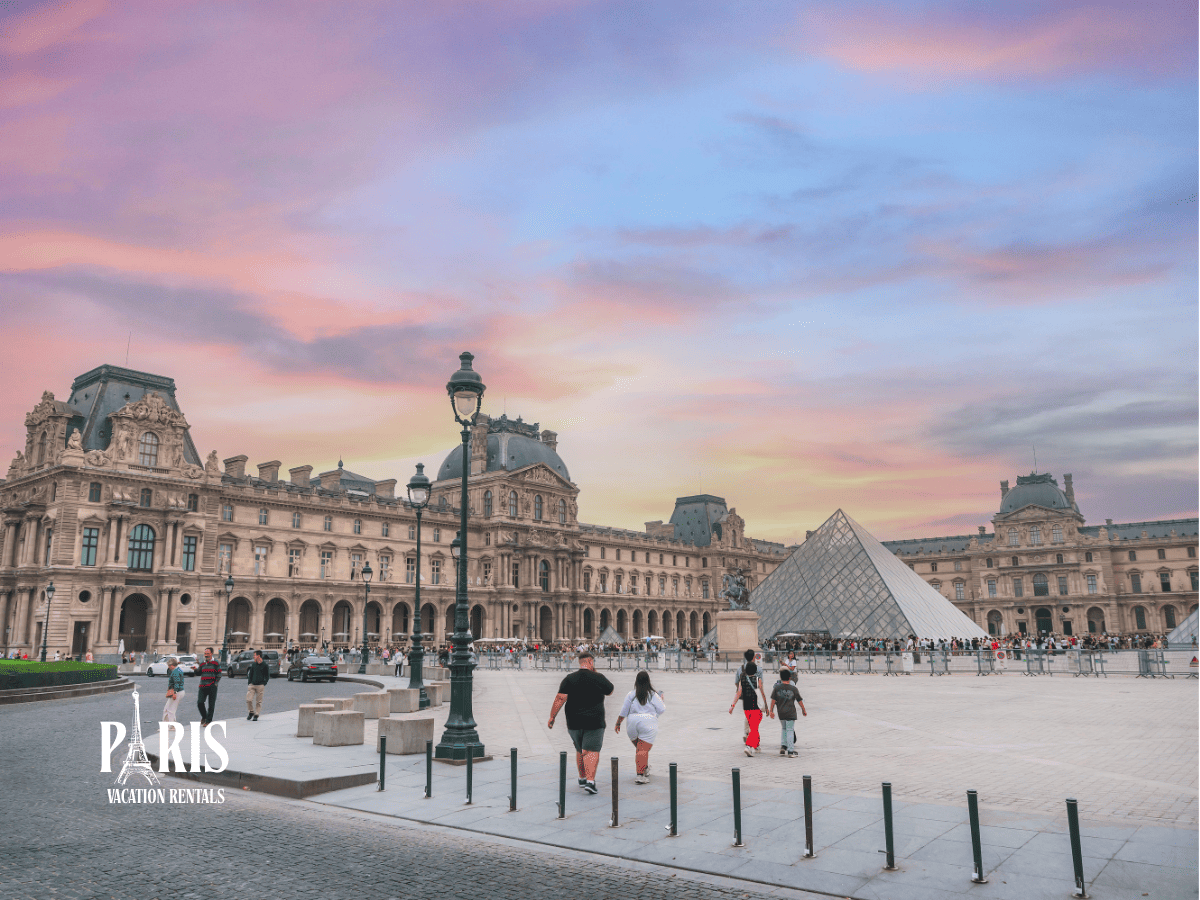
You walk up to the Louvre without a reservation and face disappointment. Reservations are required for all visitors from July 1 to August 31, 2026. Getting through regular ticket lines can take three hours or more during peak seasons.
Timed skip-the-line tickets cost 17 EUR, but the real value lies in securing your spot. Many major museums sell out days in advance during summer. I recommend booking 2-3 months ahead for the Louvre, Musée d'Orsay, the Eiffel Tower and Versailles.
The Paris Museum Pass covers over 50 museums and attractions. This makes it worth thinking over if you plan to visit multiple sites. A two-day pass costs 55 EUR, while a four-day pass runs 70 EUR. You still need to reserve time slots at popular venues like the Louvre and Versailles even with the pass.
Creating an Overly Ambitious Itinerary
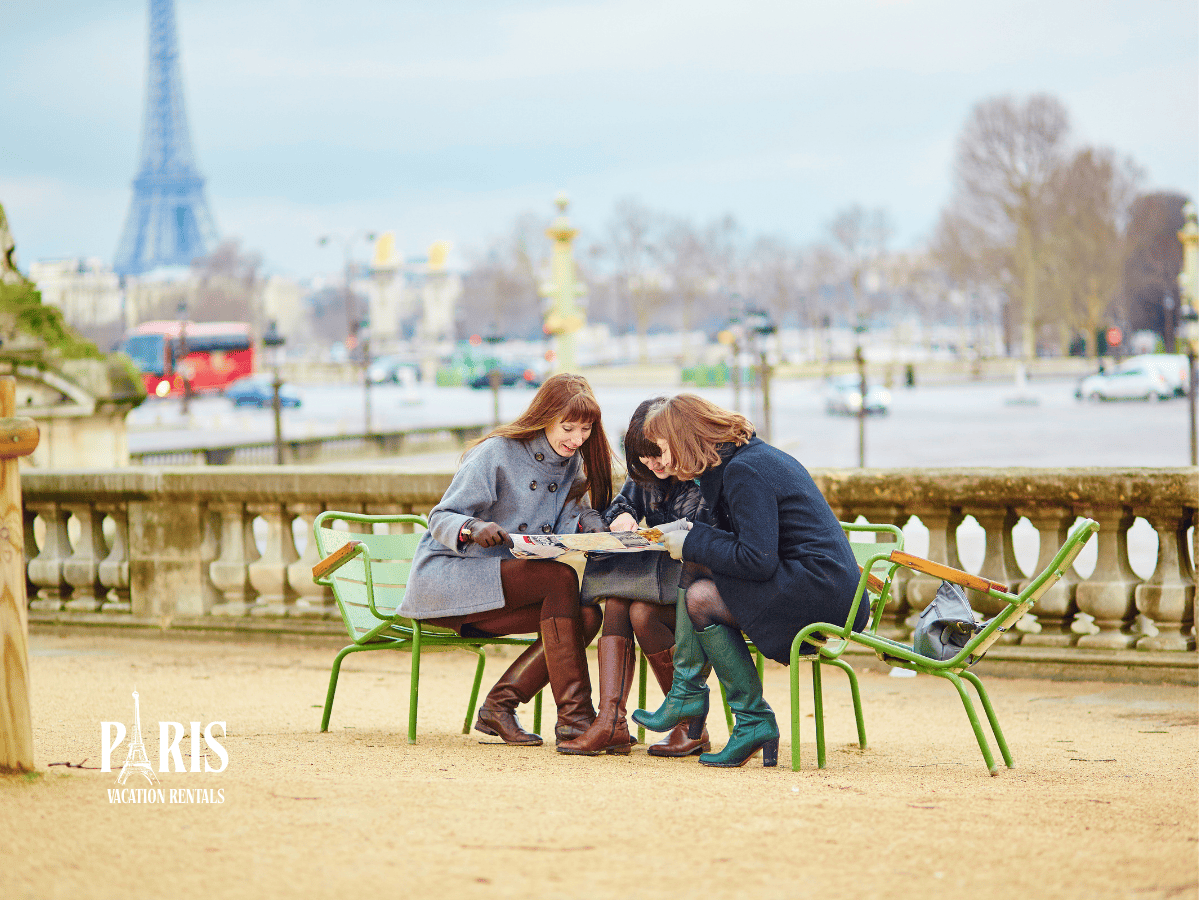
You attempt to sprint through every major monument in one day and end up exhausted. The Louvre alone displays 35,000 works across 72,735 square meters. You would need two weeks of nonstop walking if you spent just 30 seconds at each piece.
Focus on 2-3 neighborhoods per day instead of landmark-hopping across the entire city. Paris rewards slow exploration, not checkbox tourism.
Skipping Research on Paris Neighborhoods Before Booking
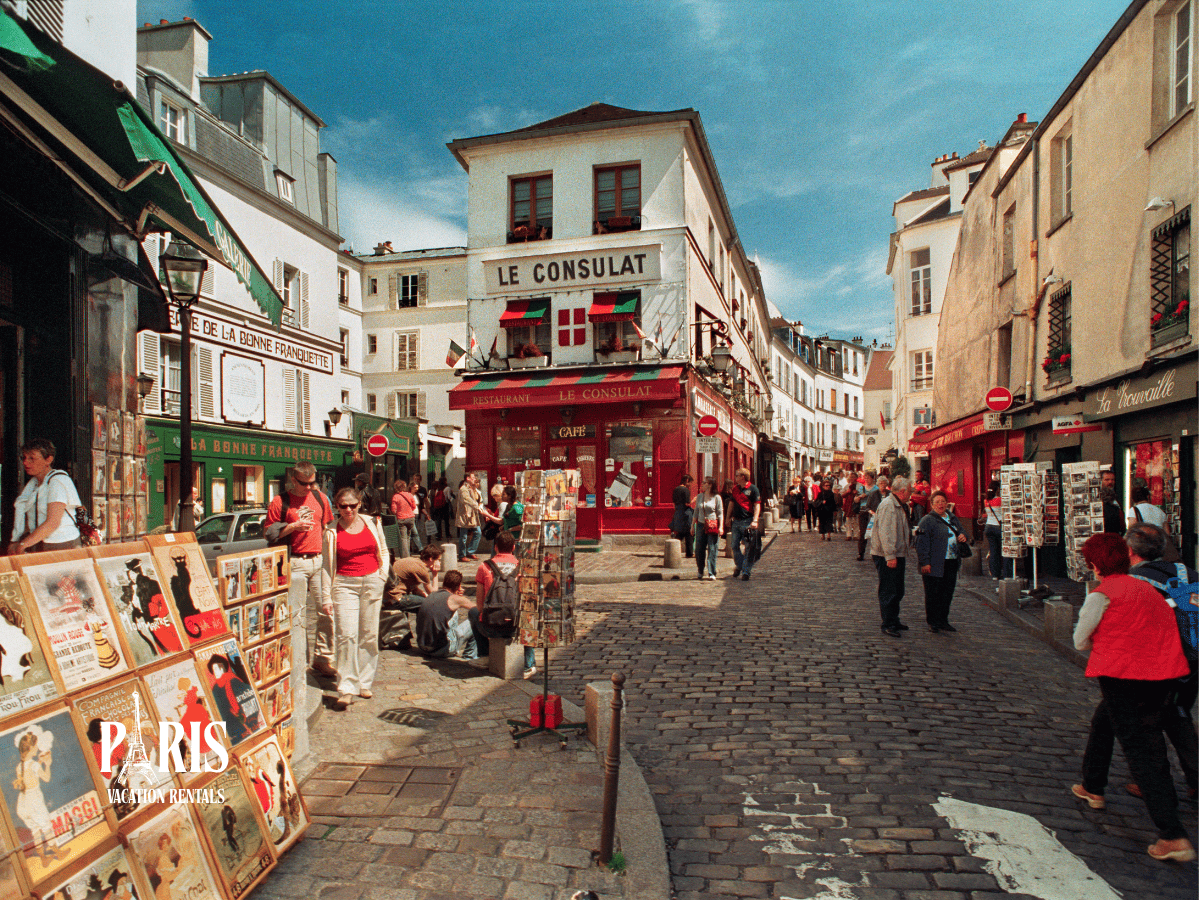
Not all Paris neighborhoods offer the same experience or convenience. The best arrondissements for tourists include the 1st (Louvre area), the Marais, and the Latin Quarter. These districts provide easy access to major landmarks and excellent restaurants. They offer a mix of historic attractions.
Each arrondissement has distinct character and price points. You choose your paris accommodation without understanding neighborhood dynamics and might end up far from transit or stuck in touristy areas.
Not Learning Simple French Phrases Before You Arrive
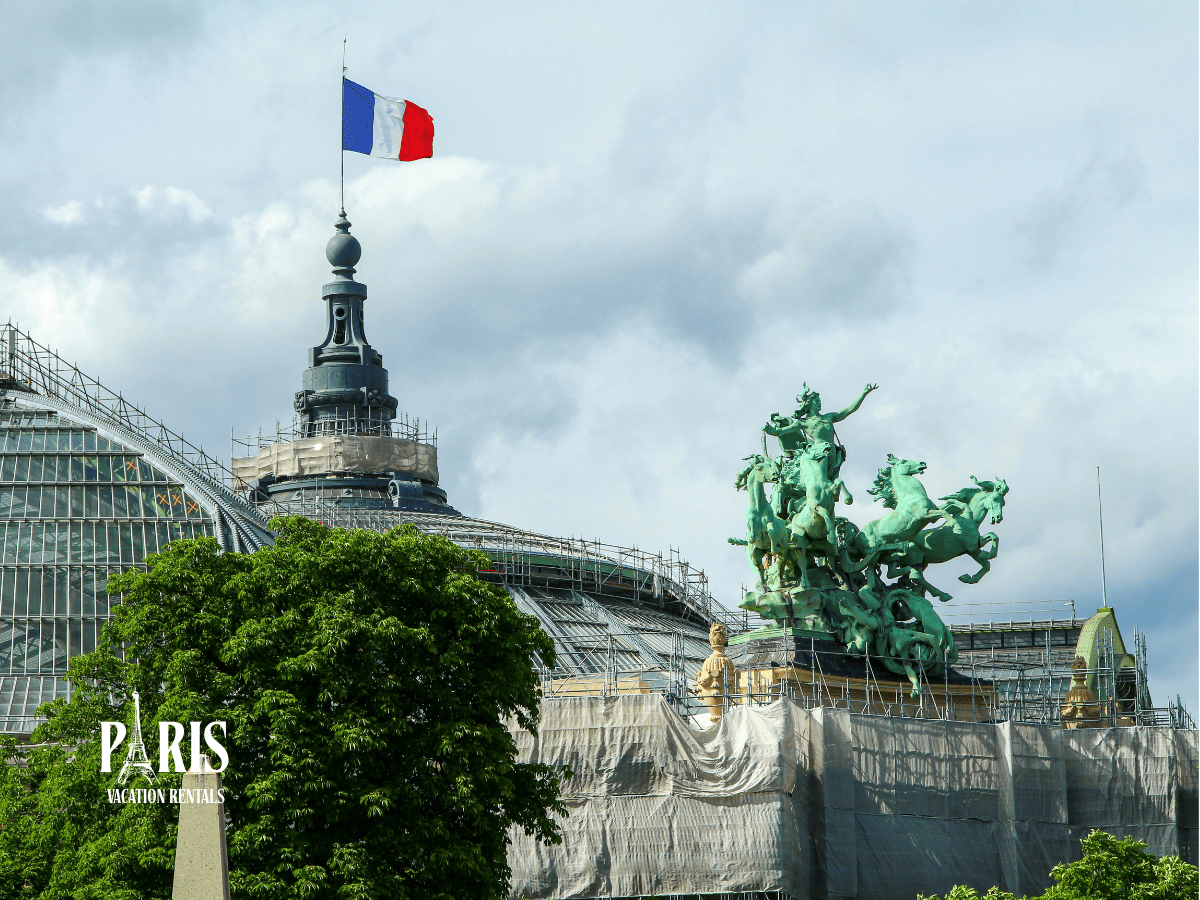
Over 60% of Parisians speak simple English, but that misses the point. You say "bonjour" when entering a shop and everything about how you're treated changes. The difference between leading with a cheerful greeting versus launching straight into English is substantial.
Learn five phrases: bonjour, merci, s'il vous plaît, excusez-moi, and l'addition (the check). These words transform Paris from intimidating to welcoming.
Paris Travel Mistakes Related to Cultural Etiquette and Behavior
Cultural missteps mark you as an outsider faster than any wrong metro line. These paris travel mistakes damage your interactions with locals and make simple transactions difficult.
Speaking Too Loudly in Restaurants and Public Spaces
The decibel level in Parisian restaurants runs lower than American establishments. Loud conversations in restaurants, trains, museums and other public spaces come across as rude. The French value privacy and maintain an unspoken agreement that quiet chatter from everyone means no one needs to shout.
Use your indoor voice. Simply put, if the table next to you can hear your conversation, you're too loud. This applies on the metro, in elevators and while on your phone.
Forgetting to Say Bonjour and Merci
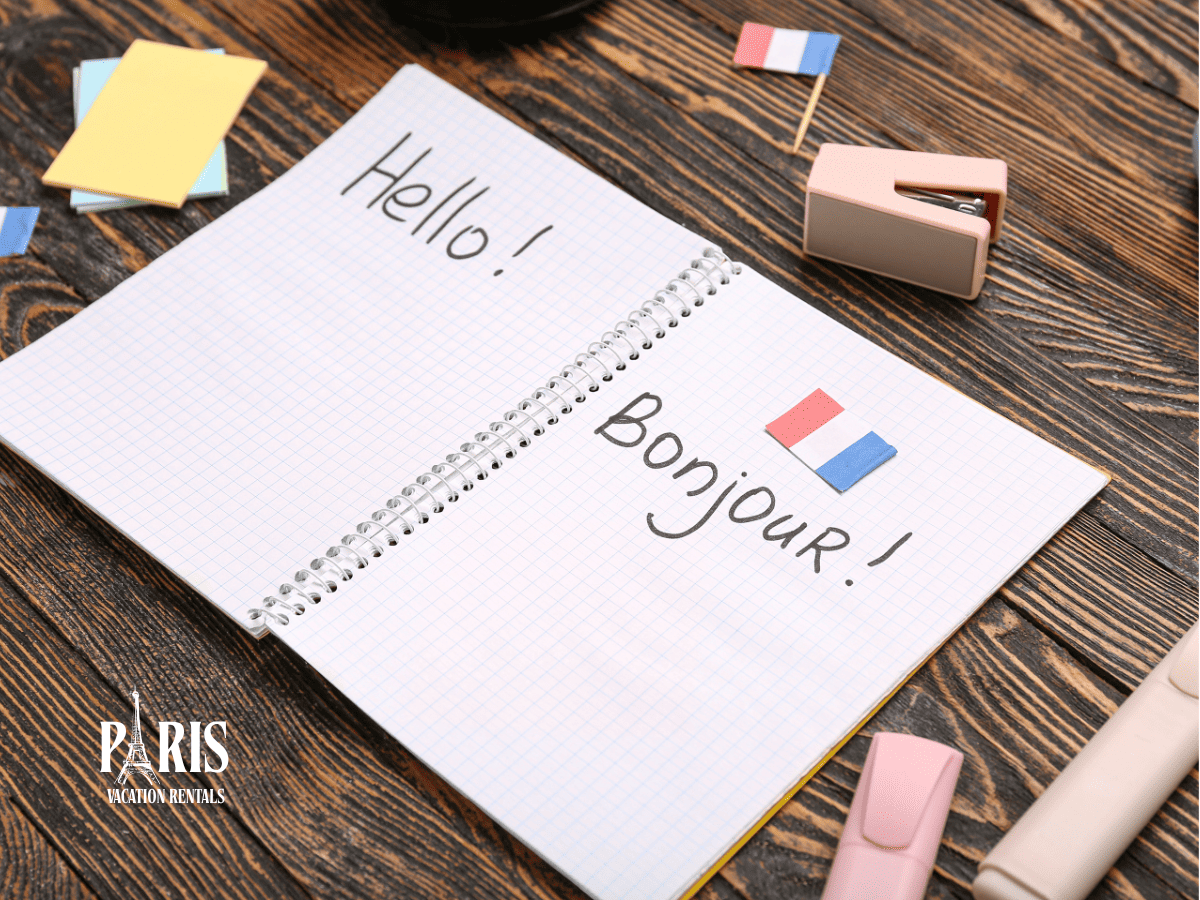
Skipped greetings signal bad upbringing. Start with "Bonjour Monsieur" or "Bonjour Madame" during the day, or "Bonsoir" in the evening when you enter any shop, restaurant or elevator. End every interaction with "Merci" and "Au revoir".
This small act demonstrates respect and sets a positive tone. Merchants get irritated with customers who browse without saying a word. Even expat students note how helpful strangers become when you attempt a few French words.
Tipping Like You're Still in America
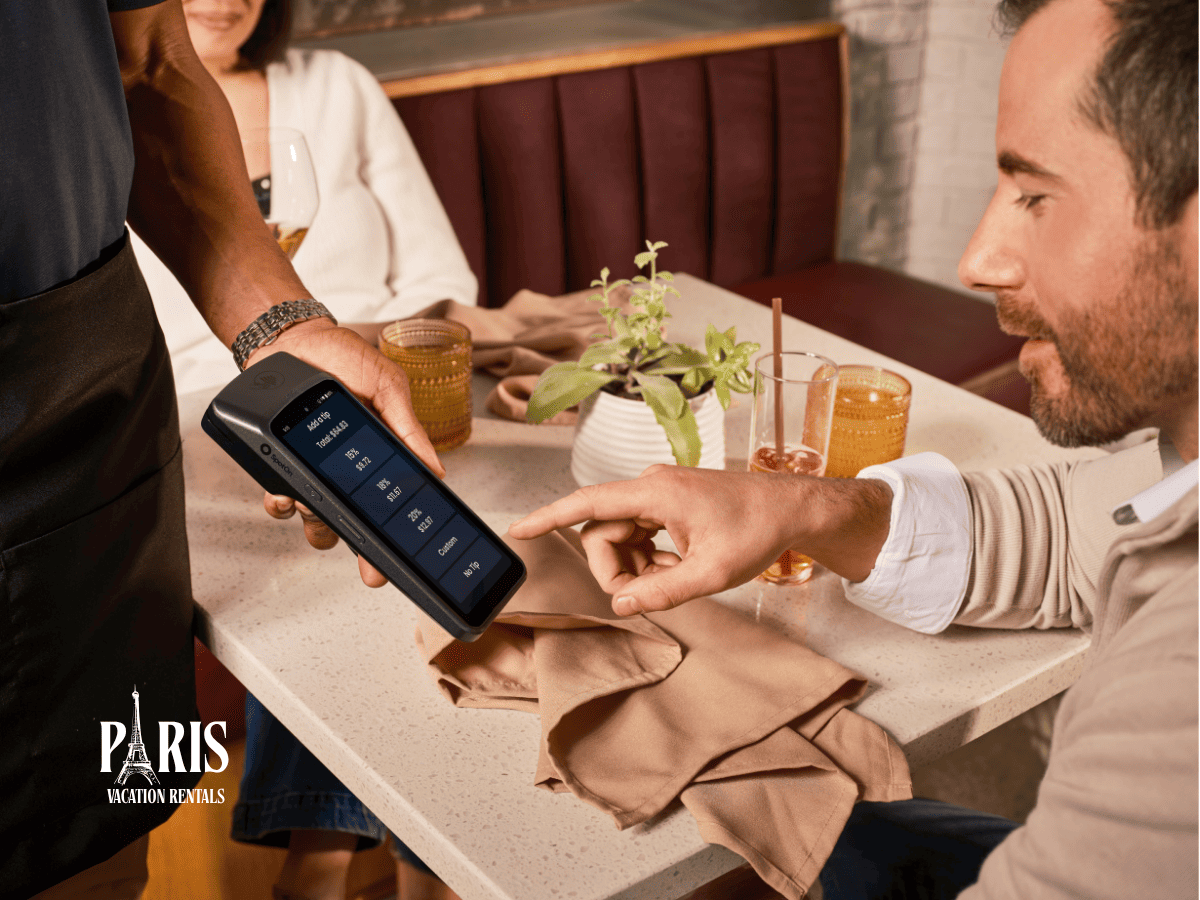
Service is legally included in all menu prices in France. A 15% service charge has been mandatory since 1985. Parisians rarely leave more than a 10% tip, and tips aren't calculated as percentages. A 5 EUR note for two people or 10 EUR for four is standard.
Servers earn living wages with health benefits. A 20% tip marks you as uninformed and creates inflated expectations for future visitors.
Dressing Like an Obvious Tourist

Baseball caps, athleisure and logo t-shirts scream American tourist. Parisians wear athletic clothes only for actual workouts, not as daywear. Leggings, gym clothes and heavily branded vacation apparel identify visitors.
Stick to neutral colors, clean sneakers and simple accessories. Skip the fanny packs and large backpacks.
Common Mistakes with Accommodation and Getting Around
Where you stay and how you move through Paris shapes your whole experience.
Staying in Overly Touristy Areas Near Major Attractions
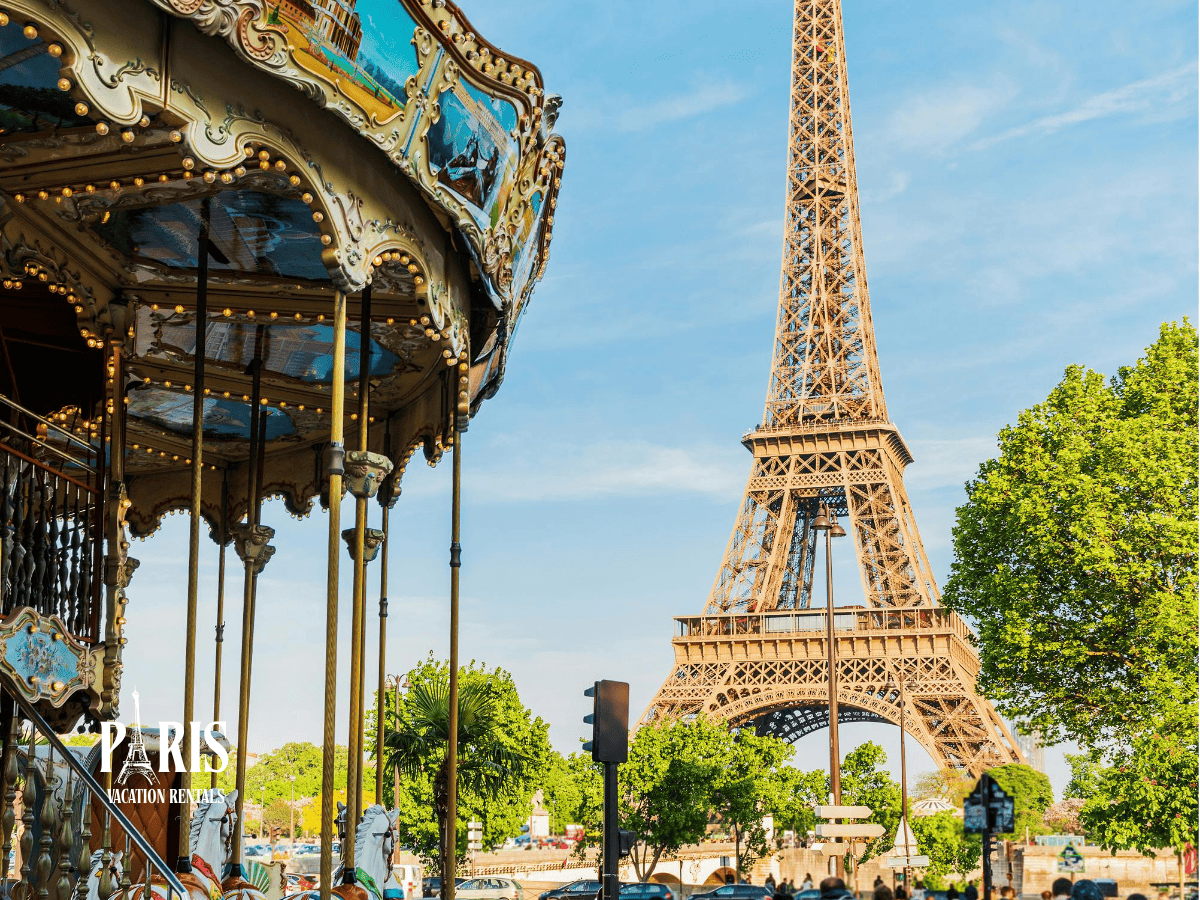
The 1st arrondissement around the Louvre feels like a full-blown tourist trap. No locals live there. Restaurants serve mediocre food and hotels charge premium rates. The area is stunning but exists mainly for foreign visitors.
Better options include the 1st arrondissement near Opéra, which offers great metro connections and walking distance to major sights without sacrificing neighborhood charm. The 7th and 9th arrondissements provide upscale residential character with well-lit streets that are safe for evening walks.
Not Using the Metro System Well
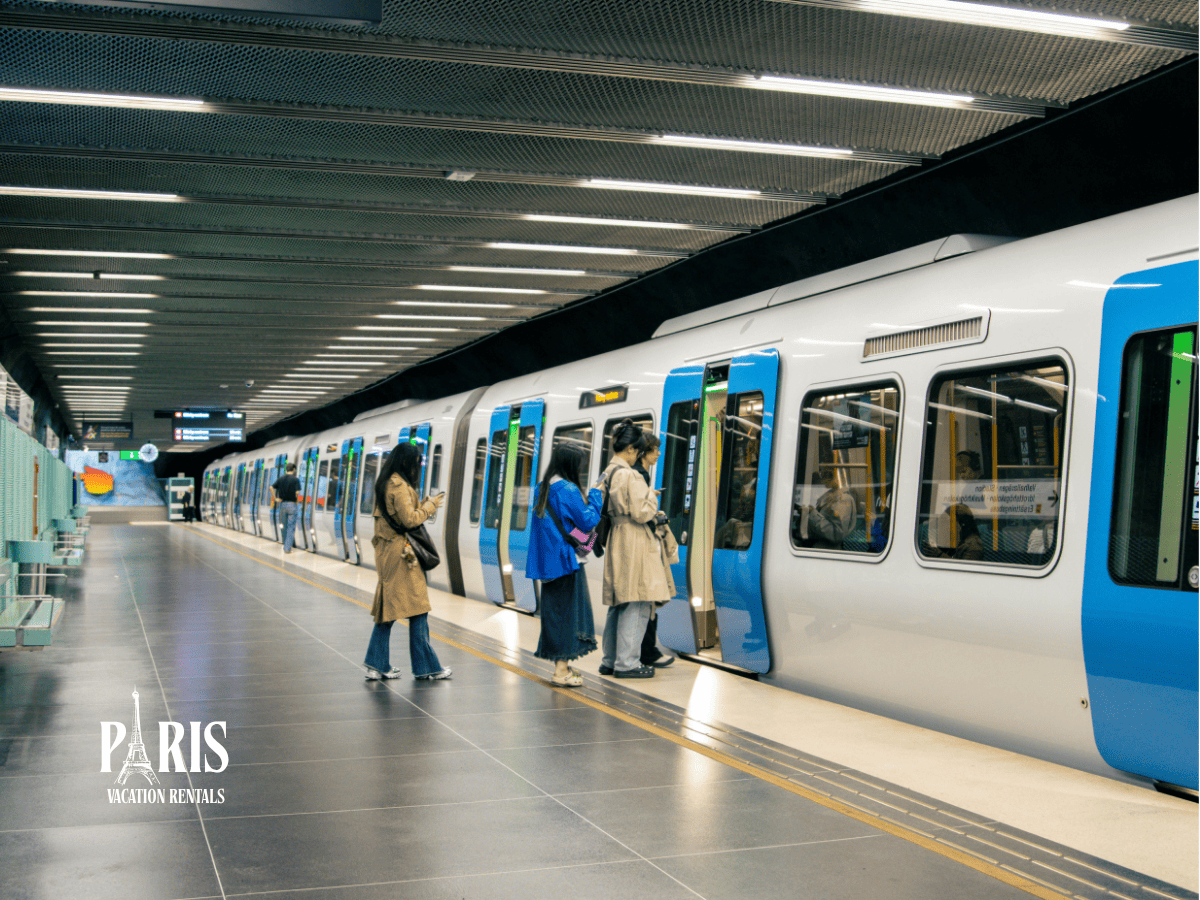
The Paris Metro has 16 lines and 308 stations, with trains running every 2-5 minutes. A single ride costs €2.55 as of January 2026. Download the Bonjour RATP app before you arrive. Paper tickets no longer work.
Wasting Time Walking When You Should Take Transit
Walk distances under 2 kilometers. Beyond 3 kilometers, take transit. Metro serves every major destination inside city limits.
Booking Accommodations Without Checking Neighborhood Safety and Amenities
The 6th and 7th arrondissements are the safest. Areas east or north of the 18th arrondissement feel sketchier. The 10th near Gare du Nord is convenient but unsafe after dark.
Safety, Scams, and Money Mistakes Americans Make in Paris
Thieves and scammers target tourists at every major Paris landmark. Know their tactics and you can prevent most theft attempts.
Falling for Common Paris Scams and Pickpocket Tactics
The petition scam operates near Notre Dame, the Louvre, Montmartre, and the Eiffel Tower. Groups approach and ask you to sign a fake charity petition on a clipboard. The clipboard blocks your view as you sign and they pickpocket you. They then demand donations and claim prices based on which country they estimate you're from.
The bracelet scam targets visitors on Montmartre's stairs. Scammers tie colorful strings around your wrist and then demand payment. The three cups scam near the Eiffel Tower costs €50 to play. It's rigged with accomplices who pretend to win.
Pickpocketing happens at the Eiffel Tower, Notre Dame, Sacré-Coeur, metro stations, and the RER B line to Charles de Gaulle airport.
Carrying Valuables in Unsafe Bags or Pockets
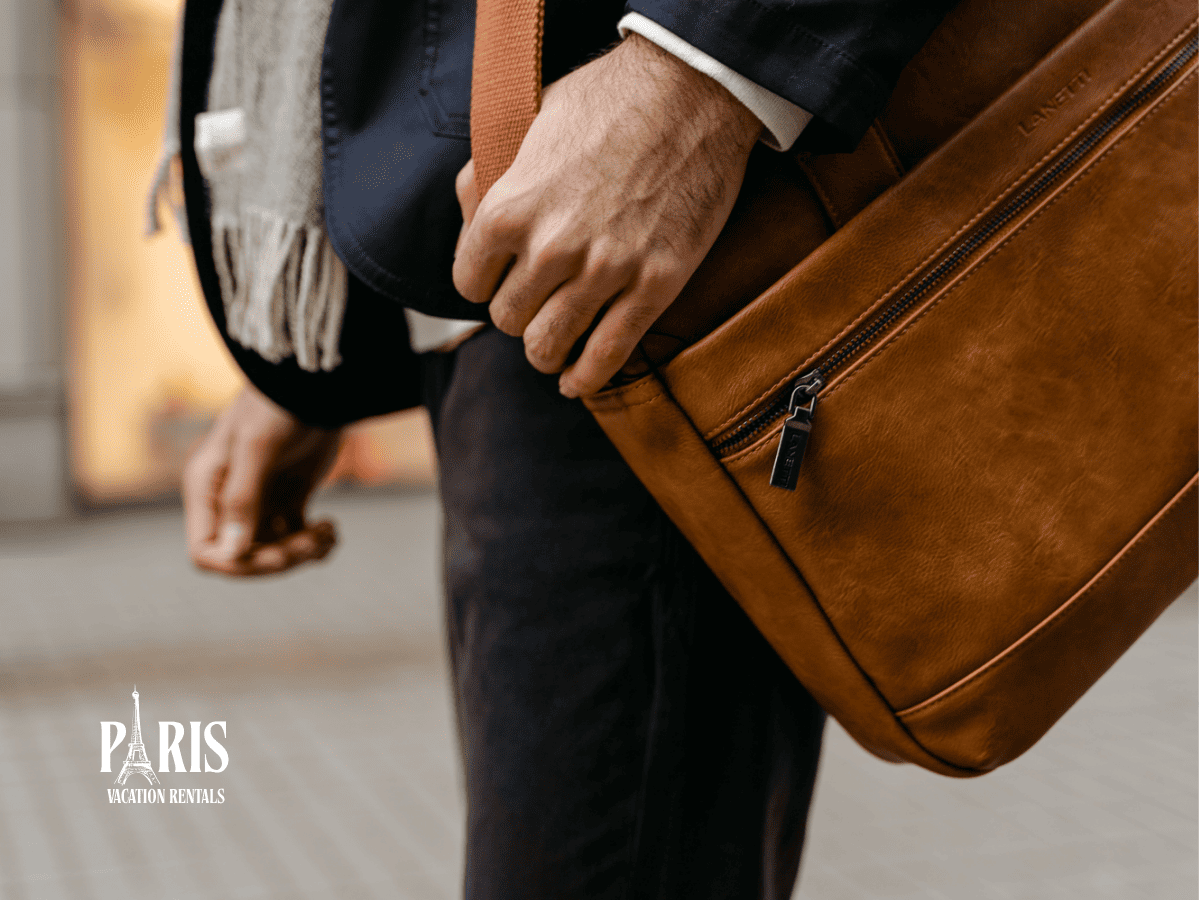
Cross-body anti-theft bags with locking zippers remove theft opportunities. Features worth having include slash-resistant straps and RFID blocking pockets. Keep phones in front pockets with your hand on them in crowds.
Not Planning Day Trips Beyond Central Paris
You miss Versailles, Giverny, and Mont Saint-Michel if you limit yourself to central Paris.
Key Takeaways
Planning ahead transforms your Paris experience from frustrating to magical. Here's what matters most for American travelers visiting Paris in 2026:
• Book museum tickets 2-3 months in advance – The Louvre requires reservations July-August 2026, and popular attractions sell out days ahead during peak season.
• Master basic French greetings to change how locals treat you – Simply saying "bonjour" when entering shops and "merci" when leaving dramatically improves interactions with Parisians.
• Service charges are legally included in all French bills – Tipping 20% like in America marks you as uninformed; leave 5-10 EUR maximum for good service instead.
• Avoid staying directly around major landmarks like the Louvre – These areas function as tourist traps with inflated prices and no local character; choose residential arrondissements like the 6th, 7th, or 9th instead.
• Stay alert for petition and bracelet scams at major attractions – Scammers operate near the Eiffel Tower, Louvre, and Montmartre using clipboards and string bracelets to distract while pickpocketing.
Choosing the right neighbourhood and apartment is one of the easiest ways to avoid many of these common mistakes. Staying in a professionally managed apartment in central Paris lets you spend less time worrying about logistics and more time enjoying the city.
FAQs
Do I need to book Paris attractions in advance?
Yes. Popular attractions like the Louvre, Eiffel Tower, and Versailles often sell out, especially in peak season. Book at least a few weeks in advance.
What French phrases should I know?
Learn "bonjour," "merci," "s'il vous plaît," "excusez-moi," and "l'addition." Always greet people with "bonjour" when entering shops or restaurants.
Do I need to tip in Paris?
No. Service is included in restaurant bills. A few euros for excellent service is appreciated but not expected.
Which Paris neighborhoods are best to stay in?
The 1st, Le Marais (3rd & 4th), Latin Quarter (5th), Saint-Germain (6th), 7th, and 9th are among the best areas for first-time visitors.
What scams should tourists watch out for?
Be aware of petition scams, bracelet scams, and pickpockets near major attractions. Keep valuables secure and avoid engaging with street scammers.