Paris Heatwave 2026: Records, Safety & Travel Guide
June 26, 2026
Paris Heatwave 2026: Records, Safety & Travel Guide
The Paris heatwave 2026 has broken all records. Temperatures soared to an unprecedented 42.2°C (108°F) in southwestern France. The red heat alert extended across Paris and Île-de-France, including Seine-Saint-Denis, Hauts-de-Seine, and Val-de-Marne, where temperatures peaked near 37°C on June 27. The 40°C threshold was breached multiple times, with Paris-Montsouris recording 39.6°C on June 24. France recorded its hottest day ever as the national thermal indicator reached 29.8°C (85.6°F). Météo-France compares this heat wave in France today to the August 2003 event. Understanding how to handle this extreme weather is critical then. We'll get into what's driving these record temperatures and how the heatwave affects daily life in Paris. We'll also cover safety measures to protect yourself.

Table of Contents
Watch: How to Stay Cool During the Paris Heatwave
Planning a trip to Paris this summer? This short video shares practical tips locals use to stay comfortable during extreme heat. From choosing the right apartment to keeping cool without air conditioning, these simple strategies can make your visit much more enjoyable during the Paris Heatwave 2026.
Whether you're visiting for a weekend or a longer stay, these travel hacks will help you avoid the hottest hours and make the most of your time in the French capital.
Paris Heatwave 2026 Shatters Temperature Records

42°C Mark Exceeded
France experienced an unprecedented assault of extreme heat. Temperatures shattered the 42°C barrier in multiple locations. Pissos in southwestern France recorded a scorching 42.2°C (108°F) on Sunday, whereas the département of Cher climbed to 43.3°C. The most extreme reading came from Landes in the southwest, where thermometers hit 44.3°C (111.7°F). Palluau, located 280 miles west-southwest of Paris, registered 43.8°C (110.8°F).
Paris itself broke its June temperature record on Wednesday and reached 40.9°C (105.6°F). This reading approached the capital's all-time high of 41.9°C, set during the July 2019 heatwave. The city recorded 38.4°C on Monday, marking the first time Paris surpassed its previous June measure.
Comparison with 2003
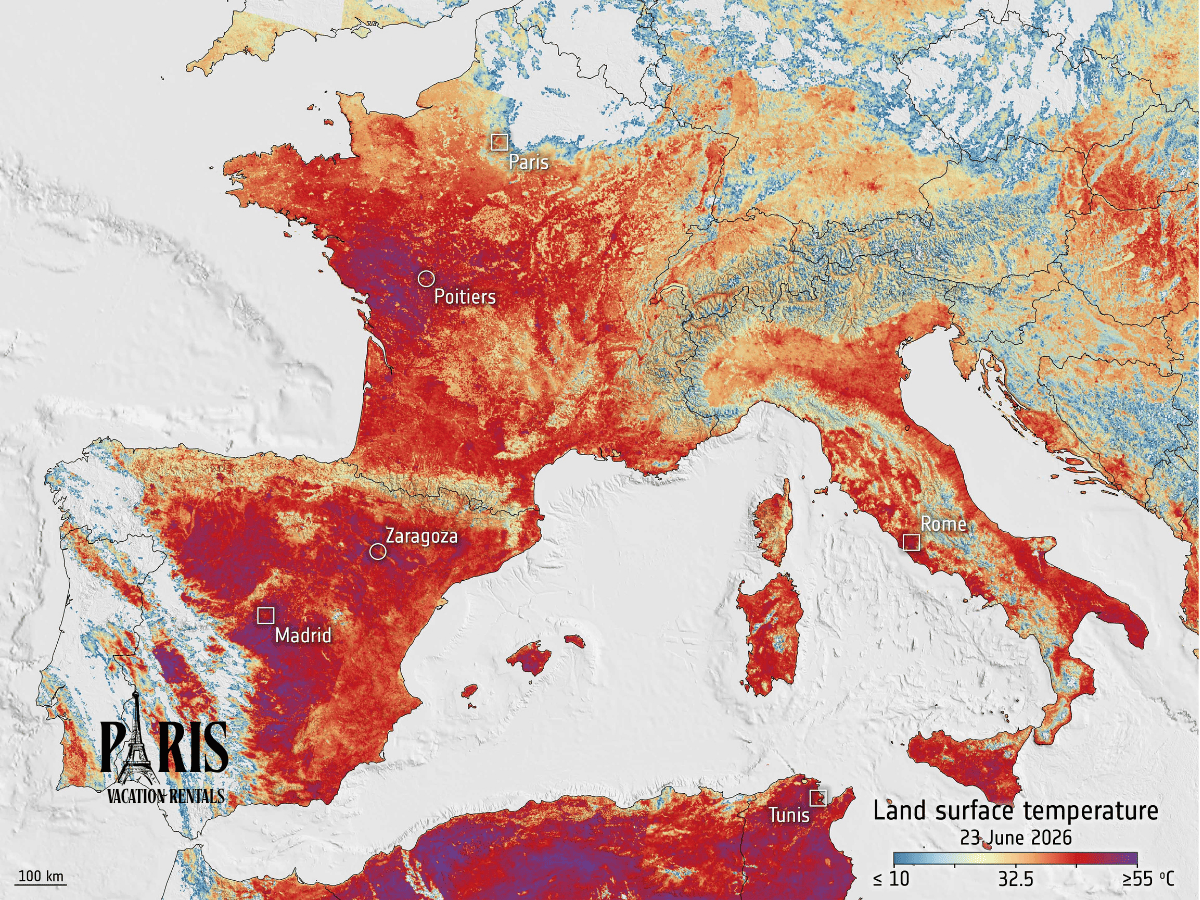
Météo-France compared this heatwave with the catastrophic August 2003 event. The 2003 heatwave resulted in an estimated 15,000 deaths in France and affected older people in apartments and retirement homes lacking air conditioning. Both events share similar intensity characteristics. Daytime temperatures exceeded 40°C and nighttime conditions offered little relief. The crisis particularly impacted passoires thermiques—poorly insulated buildings with inadequate performance énergétique that trap heat and offer little protection to residents.
France's national thermal indicator reached 29.8°C (85.6°F) on Tuesday and established the hottest day ever recorded in the country. This measurement, derived from averaging temperatures at 30 weather stations nationwide, exceeded the previous records from August 2003 and July 2019, when the average reached 29.4°C (84.9°F).
Record-breaking temperatures

More than 450 heat records were broken or equaled in France on Monday alone. The national average temperature pushed to 29.2°C and made it the third hottest day ever recorded. Cities throughout the country set new measures. Rennes registered 40.6°C, Angers hit 40.9°C, Saintes reached 42°C, and Bordeaux recorded 41.9°C. Météo-France placed 54 départements under red alert on Tuesday and affected about 39 million people across zone tendue areas and communes tendues where housing density compounds heat risks.
What's Causing the Extreme Heat?
African Air Mass
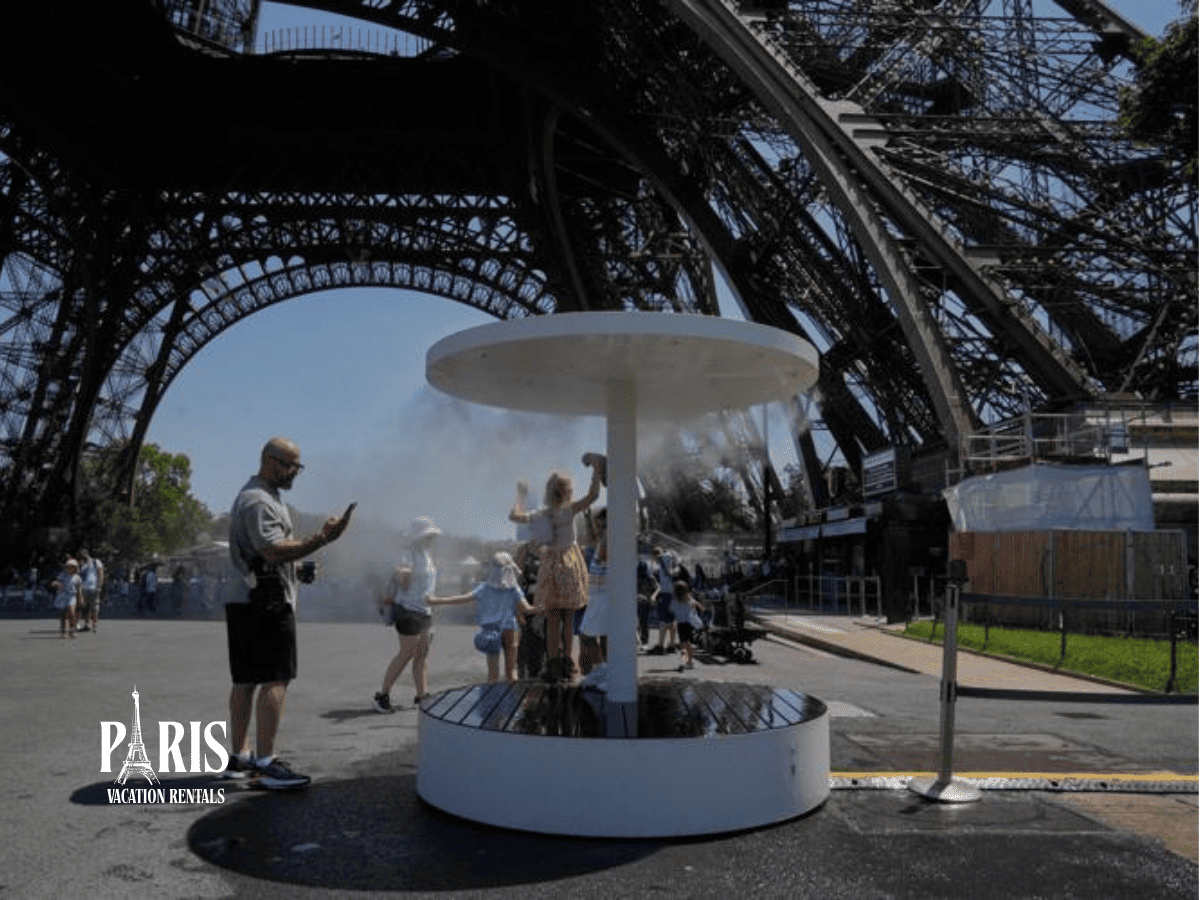
One of the main reasons behind the Paris heatwave 2026 is the arrival of an exceptionally hot and dry air mass from North Africa. Strong southerly winds transported Saharan air across Spain and into France, causing temperatures to climb well above seasonal averages. Once this hot air reached western Europe, daytime temperatures quickly exceeded 40°C in several regions, while Paris experienced one of the hottest June days ever recorded. This inflow of subtropical air is a natural weather phenomenon, but when combined with other atmospheric conditions, it can produce exceptionally severe heatwaves.
Omega Blocking Pattern Traps Hot Air Over Europe
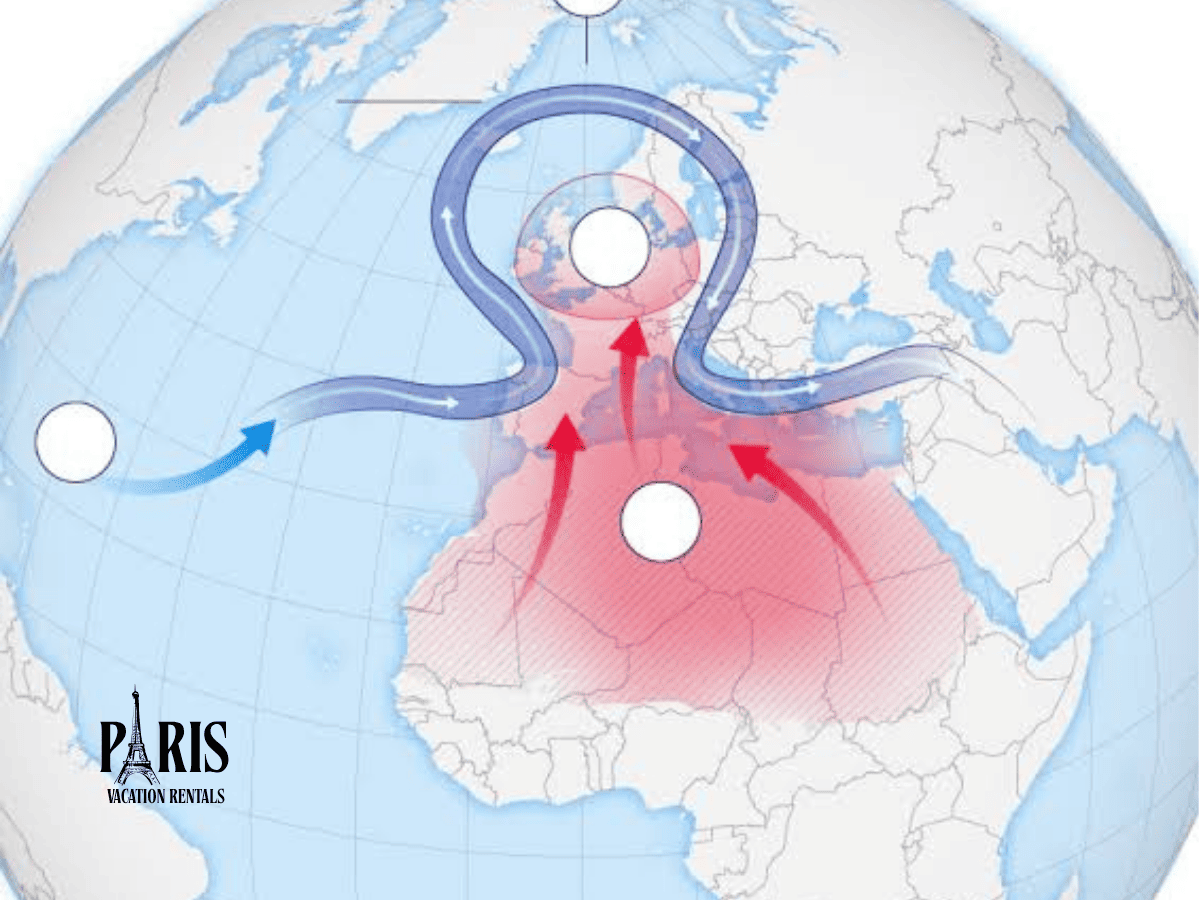
Meteorologists attribute the persistence of the heatwave to an atmospheric pattern known as an Omega block. Named after the Greek letter Ω, this weather pattern forms when a strong high-pressure system becomes trapped between two low-pressure systems. Instead of moving away after a few days, the high-pressure system remains almost stationary, preventing cooler Atlantic air from reaching France.
The result is a "heat dome" effect: cloud formation is limited, sunshine remains uninterrupted, and warm air continues to build near the surface day after day. This explains why temperatures remained extremely high for several consecutive days and why nighttime temperatures stayed unusually warm, offering little relief to residents or visitors.
Climate Change Is Making Heatwaves More Severe
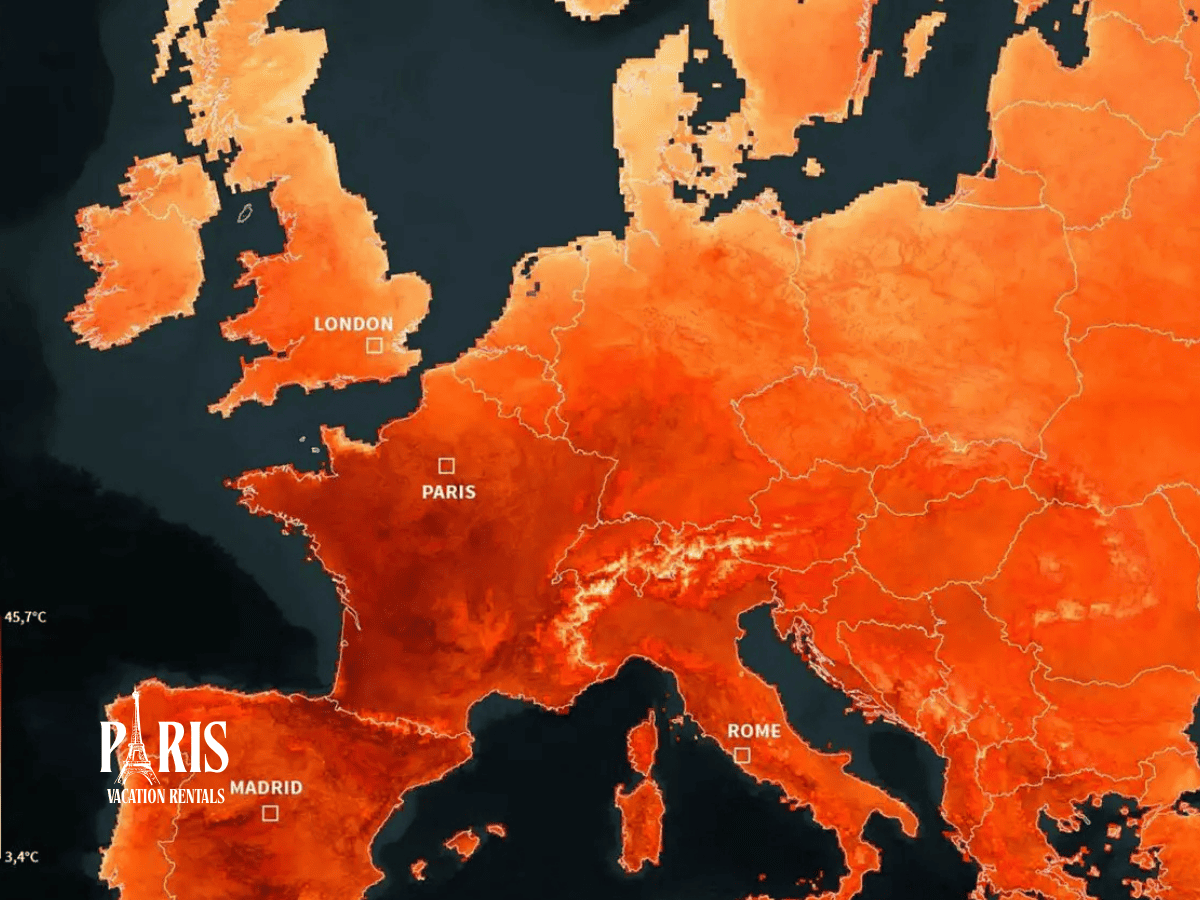
While weather patterns such as African air masses and Omega blocks occur naturally, scientists agree that climate change is making heatwaves significantly more intense and more frequent. According to the World Weather Attribution initiative, an event of this magnitude would have been extremely unlikely without human-induced global warming.
Rising global temperatures increase the baseline from which heatwaves develop, meaning that natural weather systems now produce hotter conditions than they would have decades ago. Researchers also note that Europe is warming faster than the global average, making prolonged periods of extreme heat increasingly common across France and other parts of the continent. As a result, record-breaking temperatures like those seen during the Paris heatwave of 2026 are expected to become more frequent unless greenhouse gas emissions are reduced.
How the Heatwave Is Affecting Paris

Transport networks struggled under the relentless heat as rail infrastructure reached critical stress points. Overhead electrical cables expanded and sagged, whereas tracks heated to between 50°C and 60°C when outside temperatures exceeded 37°C. Steel expands at these temperatures, so authorities imposed speed limits and canceled services to prevent permanent track deformation.
Public transport
Metro lines 5, 6, 8, and 13 experienced major slowdowns, coupled with disruptions on tram lines T1, T2, T5, and T6. The southern stretches of RER lines A and B raised concerns, with about nine trains running for every ten scheduled. SNCF withdrew 10% of Paris region trains from service to avoid overheating the tracks. A broken power line was the suspected cause of a massive freight train outage at Paris Gare de l'Est station on June 18. Air conditioning systems on trains struggled or cut off when wagons overheated in the scorching conditions. Authorities then advised travelers to limit nonessential trips, especially for vulnerable populations.
Tourist attractions

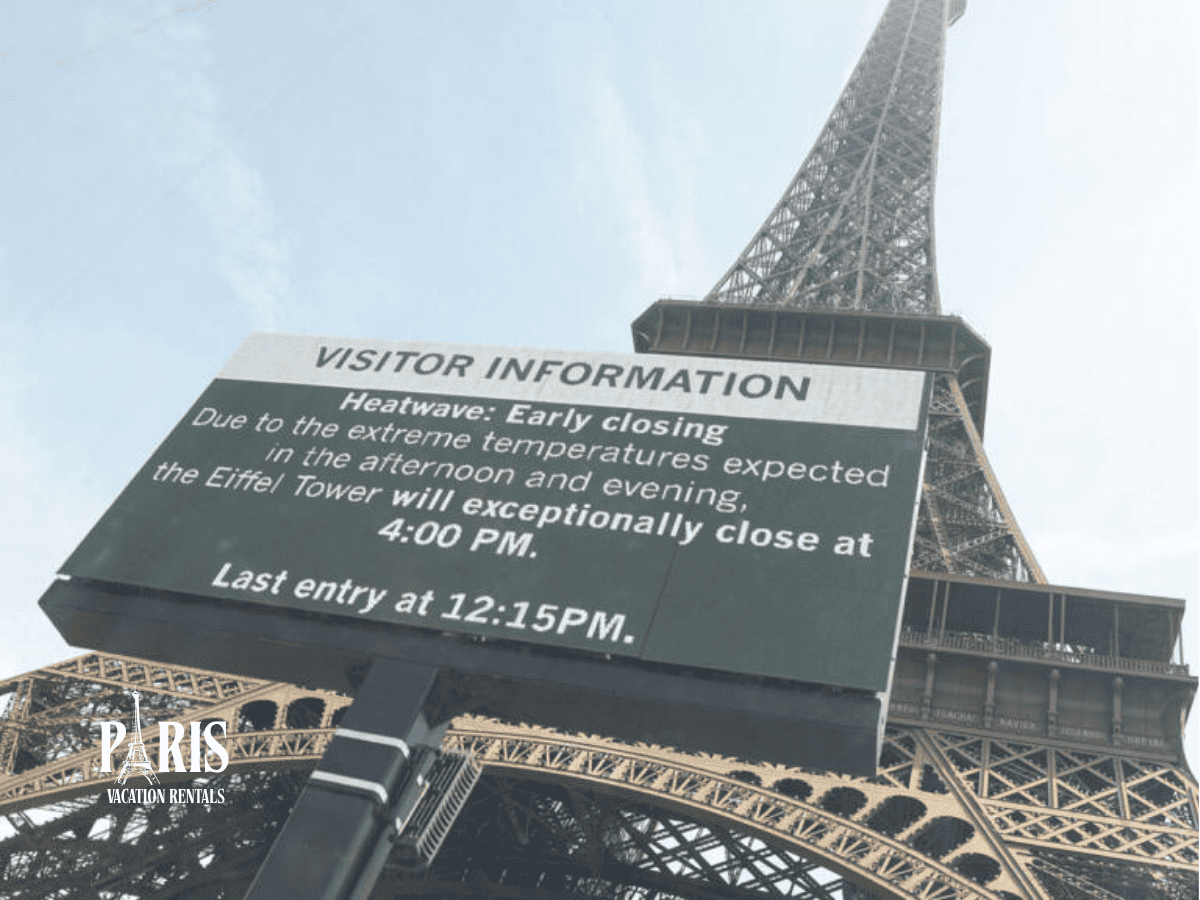
The Eiffel Tower closed early at 4pm instead of its typical midnight closing during peak season, with last admissions at 12:15pm. This affected operations for the monument that receives seven million annual visitors. The Louver closed at 4pm from Wednesday to Saturday instead of its normal 6pm closing. The museum welcomes around nine million visitors each year. The museum's management acknowledged the historic building remains vulnerable and insufficiently adapted to climate change. Heat buildup intensifies toward day's end with high visitor numbers. The Arc de Triomphe shortened hours to 2:30pm rather than 11pm. Palais de Tokyo closed through Saturday, whereas Disneyland Paris suspended outdoor attractions. The crisis significantly impacted the clientèle de passage and affected booking patterns across plateforme de location services, with many commentaires voyageurs noting the extreme conditions.
Public health

Over 200,000 people died from heat-related causes over the last four years in Europe. Most deaths were preventable according to the World Health Organization's Europe office. Vulnerable groups face disproportionate risks. These include the elderly, children, and those with pre-existing conditions. The above-average temperatures can trigger heat exhaustion and life-threatening heat stroke. Buildings classified as logement classé f or logement classé g—the worst-performing categories for energy efficiency—proved particularly dangerous, as these logements énergivores lack adequate isolation thermique to protect occupants from extreme heat.
Is It Still Worth Visiting Paris?
You can still visit Paris in extreme conditions if you adjust your schedule and expectations.
Morning vs afternoon sightseeing
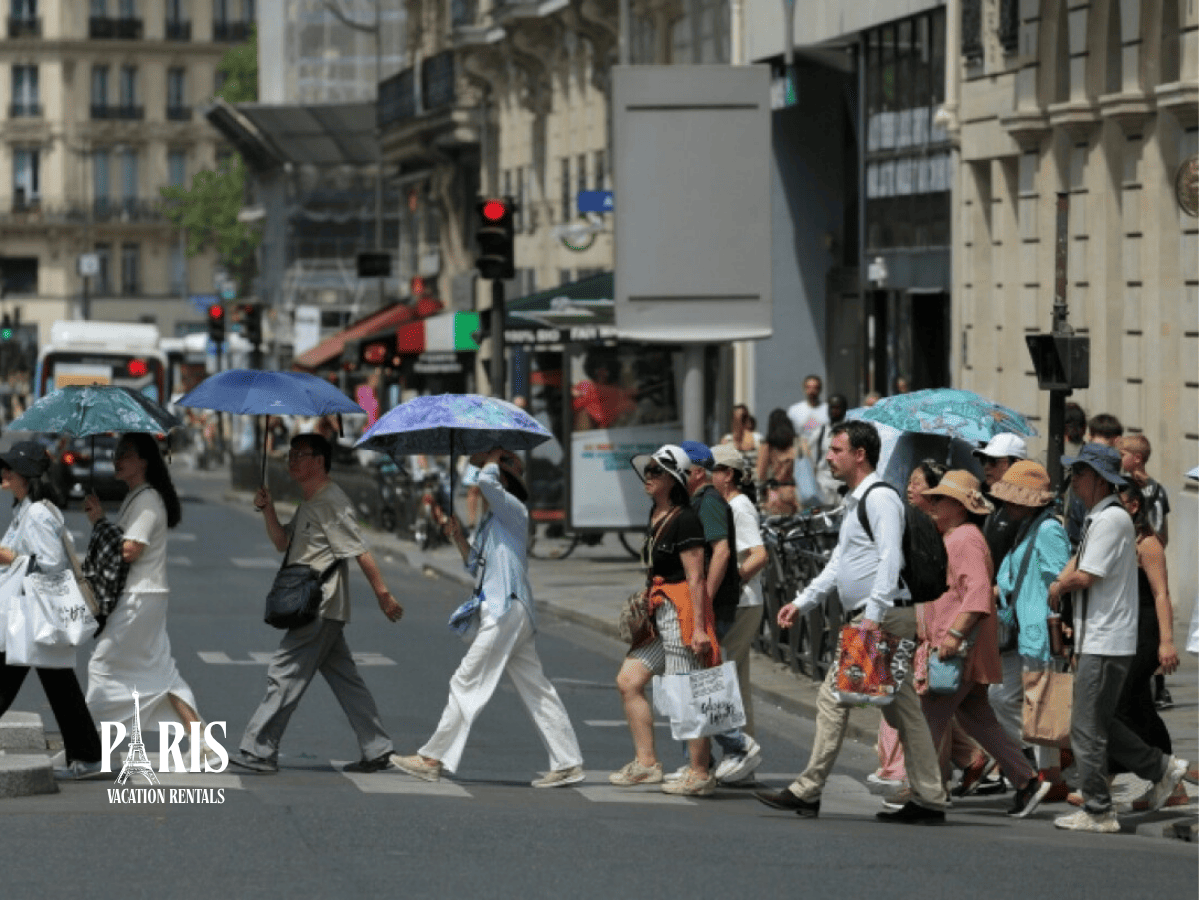
Parisians avoid the outdoors between 10am and 6pm, the hottest hours. We recommend you visit major landmarks like the Eiffel Tower and Montmartre before mid-morning when temperatures remain bearable. Before you leave your accommodation, close the blinds to keep it cool. Retreat to shaded cafe terraces along the Seine or canals around midday. Paris Plages pop-up areas are a great way to get some respite there. Scoring shaded spots resembles competitive sport during heatwaves, so arrive early. Outdoor sightseeing becomes inadvisable between 2pm and 6pm when the afternoon heat intensifies.
Museums & indoor activities
Museums maintain cooler temperatures to preserve collections. Air conditioning at the Louver varies by floor, whereas Musée d'Orsay and Musée de l'Orangerie provide reliable cooling. Evening hours give you additional options. The Louver opens late on Wednesdays and Fridays, and Musée d'Orsay on Thursdays. The Catacombs maintain 14°C temperatures. Churches stay cool because of their stonework and high ceilings.
Staying cool in your apartment
Choosing the right accommodation can make a big difference during the Paris Heatwave 2026. Top-floor apartments tend to trap heat throughout the day, while lower-floor units and apartments facing interior courtyards usually stay cooler.
When booking your stay, look for properties with good insulation or air conditioning whenever possible. Close shutters and curtains during the hottest hours to block direct sunlight, then open the windows in the evening once temperatures begin to fall.
At Paris Vacation Rentals, we recommend selecting well-insulated apartments designed to remain comfortable even during periods of extreme heat, allowing you to enjoy your stay while escaping the hottest part of the day.
How to Stay Safe During the Heatwave

Stay Hydrated Throughout the Day
During extreme heat, your body loses water much faster than usual. Health authorities recommend drinking water regularly, even if you do not feel thirsty. Aim for around 2–3 litres per day, increasing your intake if you spend time outdoors. Avoid excessive alcohol and limit drinks with high caffeine or sugar, as they can contribute to dehydration.
Carry a reusable water bottle while exploring Paris. Fortunately, the city has hundreds of public drinking fountains where visitors can refill their bottles free of charge.
Avoid Outdoor Activities During Peak Heat
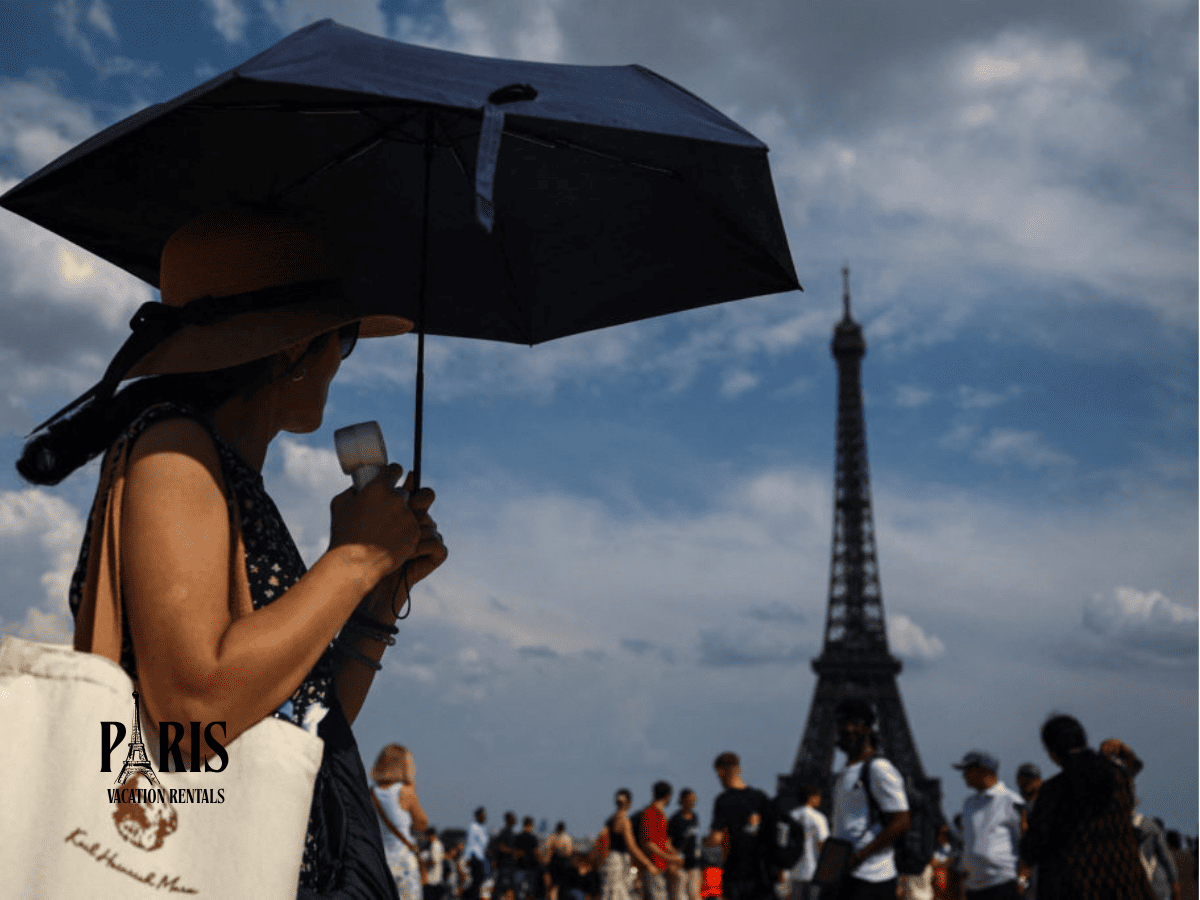
The hottest hours in Paris are generally between 12 p.m. and 6 p.m. If possible, plan sightseeing early in the morning or later in the evening when temperatures become more comfortable.
If you visit popular landmarks such as the Eiffel Tower, Montmartre or the Luxembourg Gardens, arrive shortly after opening time. During red heat alerts, always check attraction websites for updated opening hours before leaving your accommodation.
Keep Your Accommodation Cool
Simple measures can make a significant difference indoors. Close shutters, curtains and windows during the day to block direct sunlight, then ventilate your apartment once outdoor temperatures begin to fall in the evening.
If your accommodation does not have air conditioning, use portable fans where available and avoid using ovens or other appliances that generate additional heat. Choosing a well-insulated apartment can also help maintain a more comfortable indoor temperature throughout the day.
Recognise the Warning Signs of Heat-Related Illness
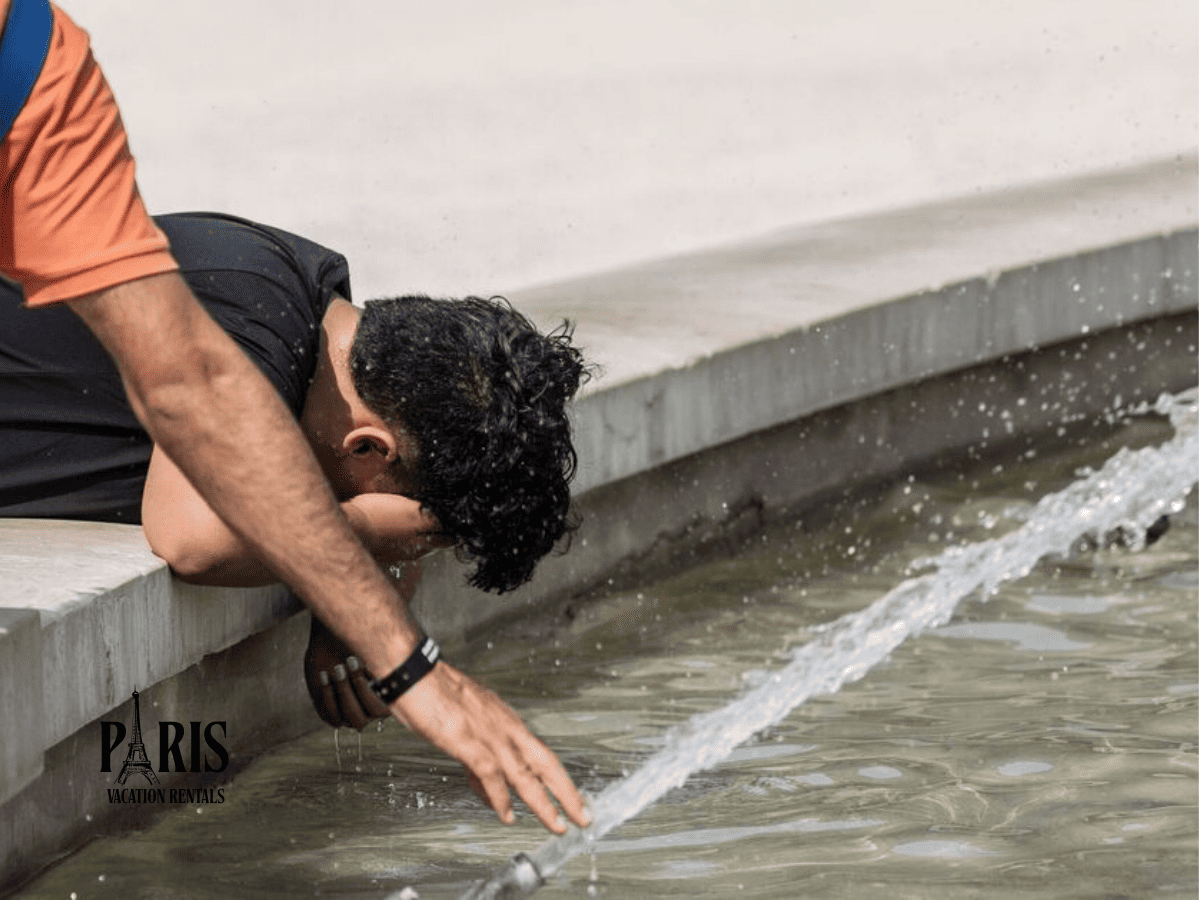
Heat exhaustion and heatstroke can develop quickly during prolonged exposure to high temperatures. Symptoms include dizziness, headache, nausea, muscle cramps, excessive sweating, confusion and unusual fatigue.
If someone becomes disoriented, loses consciousness or has a body temperature above 40°C (104°F), call the emergency services immediately. In France, dial 15 (SAMU) for medical emergencies or 112, the European emergency number. While waiting for help, move the person into the shade or an air-conditioned space, offer water if they are conscious and cool their body with wet towels or cool water.
Taking these simple precautions will help you enjoy Paris safely, even during one of the most intense heatwaves the city has ever experienced.
Key Takeaways
Paris is experiencing its most severe heatwave on record, with temperatures reaching 42.2°C and affecting millions across France. Here's what you need to know to stay safe and informed:
• Record-breaking temperatures: Paris hit 40.9°C, approaching its all-time high, while southwestern France exceeded 44°C—making this comparable to the deadly 2003 heatwave that claimed 15,000 lives.
• Major disruptions across the city: Public transport faces significant delays with 10% of trains canceled, while iconic attractions like the Eiffel Tower and Louver closed early to protect visitors and staff.
• Adjust your schedule strategically: Visit outdoor attractions before 10am, retreat to air-conditioned museums during peak heat (2-6pm), and choose lower-floor accommodations with proper isolation thermique to escape trapped heat in passoires thermiques.
• Hydration is critical: Drink 24-32 ounces of water per hour during heat exposure, avoid alcohol, and monitor urine color to prevent dangerous dehydration and heat-related illness.
• Vulnerable populations at highest risk: Over 200,000 Europeans died from heat-related causes in recent years, with elderly, children, and those with pre-existing conditions facing the greatest danger during extreme temperatures, particularly in logements énergivores lacking adequate performance énergétique.
The heatwave underscores the urgent reality of climate change and the importance of rénovation énergétique in the parc locatif. With proper precautions, schedule adjustments, and careful selection of accommodations through booking platforms that verify dpe valide certifications, visitors can still experience Paris safely while respecting the serious health risks posed by these unprecedented conditions.

FAQs
What caused the extreme heatwave in France in 2026?
Hot air from Africa, atmospheric blocking patterns, and climate change amplifying the heat.
What was the hottest temperature ever recorded in France?
France's national average hit a record 29.8°C, with southwestern regions exceeding 44°C locally.
How can elderly people stay safe during extreme heat?
Stay indoors 10am–6pm, close blinds, run AC or fans, and drink water regularly throughout the day.
How much water should you drink during a heatwave?
24–32 oz per hour (about 8 oz every 15–20 min). Don't exceed 48 oz/hour. Aim for pale, clear urine.
Are Paris tourist attractions open during the heatwave?
Yes, with reduced hours — Eiffel Tower closes at 4pm, Louvre at 4pm. Check ahead before visiting.