Your First Trip to Paris from the US: What to Know Before You Go
December 12, 2025
How to Plan Your First Paris Trip from the US?
Planning your first Paris trip from the United States often comes with a mix of excitement and hesitation. Paris feels iconic in a way few cities do. It is layered with history, culture, and imagery that many travelers have carried with them for years before ever booking a flight. The city can feel intimidating on paper, but in practice, it is one of the most accessible and rewarding destinations for Americans visiting Europe for the first time.
The key to a successful first visit to Paris is not trying to do everything. It is understanding how the city works, choosing the right place to stay, and leaving room for the small, unplanned moments that make Paris memorable. With the right preparation, Paris quickly shifts from overwhelming to intuitive, making your Paris travel experience truly unforgettable.
What to Know Before You Start Booking Your Paris Trip
Before searching for flights or accommodation, it helps to understand the basic framework of traveling to Paris as a US citizen. Entry is straightforward, and there is very little administrative planning required compared to many other international destinations.
As a US passport holder, you can visit France without a visa for short stays. You are allowed to remain in the Schengen Area for up to 90 days within a rolling 180-day period, which comfortably covers any typical vacation. Your passport should be valid for the duration of your stay.
Arrival procedures in Paris are generally efficient. Airports are well organized, signage is clear, and English is widely spoken in travel-facing environments. For many Americans, Paris ends up being easier to navigate than expected, especially for a first European trip.

Timing your visit also matters. Paris changes noticeably throughout the year, and each season offers a different atmosphere. Late spring and early autumn tend to provide the best balance of mild weather, manageable crowds, and comfortable walking conditions. Summer brings long days and energy but also higher prices and more congestion. Winter is quieter and more subdued, with fewer tourists and a slower pace that many travelers appreciate.
For a first visit, most Americans find that staying five to seven nights works best. This allows time to adjust to jet lag, explore several neighborhoods, and enjoy major Paris attractions without feeling rushed. Shorter trips often feel compressed, while longer stays are better suited for return visits. When planning your days in Paris, consider creating a flexible Paris itinerary that allows for both structured activities and spontaneous exploration.
Booking Flights from the US to Paris
Flights from the US to Paris are frequent and competitive, which works in travelers' favor. Many major American cities offer nonstop routes, and choosing a direct flight significantly reduces fatigue on an overnight journey.
When booking flights, focus less on chasing the absolute lowest fare and more on overall comfort and timing. In general, booking a few months in advance provides a good balance of price and availability. Arrival time matters more than many travelers expect. Landing in the morning or early afternoon makes it easier to stay awake, adjust to local time, and enjoy the first evening in Paris.
Most long-haul flights arrive at Charles de Gaulle Airport. While it is large, it is well structured and connected to the city by taxi, rideshare, and train. Orly Airport handles fewer transatlantic flights but offers a similarly efficient arrival experience. For first-time visitors, both airports are perfectly manageable, making your travel to Paris smooth and stress-free.
Where to Stay in Paris for a First Visit
Where you stay in Paris has a direct impact on how the trip feels. Paris is compact, but staying too far from the center adds daily planning, transit time, and fatigue—especially for travelers unfamiliar with the city.
For first-time visitors, staying in central Paris makes the experience significantly easier. Central neighborhoods allow you to walk to major sights, return to your accommodation during the day, and experience Paris beyond peak tourist hours.
Some of the most convenient areas for a first stay include:
- Le Marais, known for its historic streets, cafés, shops, and vibrant atmosphere
- Saint-Germain-des-Prés, offering classic Parisian charm and easy access to the Seine
- The 1st and 2nd arrondissements, close to the Louvre, Palais Royal, and major shopping streets
These neighborhoods provide a strong sense of place while minimizing reliance on public transport.
Accommodation type also matters. Paris hotels offer familiarity, but apartments often provide more space, privacy, and flexibility. After long days of walking, having a separate living area and kitchen can make the stay more comfortable and relaxed.
For travelers looking to stay in central Paris while avoiding inflated platform fees, Paris Vacation Rentals offers professionally managed apartments in prime locations. Booking directly is 20% cheaper than using major platforms, with transparent pricing and local support. When choosing Paris accommodations, consider your budget, desired amenities, and proximity to the Paris landmarks you wish to visit.
Getting Around Paris Without Stress
One of the most pleasant surprises for many first-time visitors is how walkable Paris is. Distances between major attractions are often shorter than they appear, and walking allows you to experience the city at street level.
Public transport complements walking rather than replacing it. The Paris Metro is fast, frequent, and reliable once you understand the basics. Stations are well marked, trains run every few minutes, and navigation apps make route planning effortless. There is no need to memorize lines or stations in advance.
On arrival day, simplicity is more important than efficiency. After an overnight flight, choosing a direct transfer to your accommodation—such as a taxi or rideshare—often leads to a smoother start. The goal is to begin the trip calmly, not to optimize every minute. As you become more comfortable with travel in Paris, you'll find that exploring the city becomes second nature.
Planning Your Days Without Overloading Them
Paris rewards travelers who resist the urge to overpack their itinerary. Trying to see too much in one day often leads to fatigue and frustration. A slower approach allows you to actually enjoy what you see and create the perfect Paris itinerary for your interests.
A realistic daily rhythm for a first trip usually includes:
- One main activity in the morning
- A long lunch or café break
- One main activity in the afternoon
- A relaxed evening walk or dinner nearby
If you want an organized plan, this 4-day Paris guide created by Euro Travel Coach. It mixes famous sights with exploring local areas. Use it as a useful guide to figure out how to balance visiting museums checking out markets, and taking peaceful evening strolls by the Seine.
Major Paris landmarks such as the Eiffel Tower, the Louvre, Montmartre, and the Seine deserve time, but they do not need to dominate every day. Pre-booking museum tickets can save time, but many of Paris's most memorable moments come from unscheduled wandering. Consider taking a Seine cruise to see many of the city's iconic sights from a different perspective.
Leaving room for spontaneity is not poor planning. It is one of the best ways to experience Paris as a living city rather than a checklist. This approach to Paris sightseeing allows you to immerse yourself in the city's atmosphere and discover hidden gems.
Understanding Food and Dining Culture
Food plays a central role in the Paris experience, but understanding local habits helps avoid disappointment. Meal times are more structured than in the US. Lunch is typically served from midday until early afternoon, and dinner begins later in the evening.
Choosing good restaurants does not require extensive research. Places filled with locals, limited menus, and understated décor are often reliable indicators of quality. Bakeries, neighborhood cafés, and casual bistros frequently provide some of the best meals of the trip. Exploring Paris food culture is an essential part of your visit, offering a taste of authentic French cuisine.
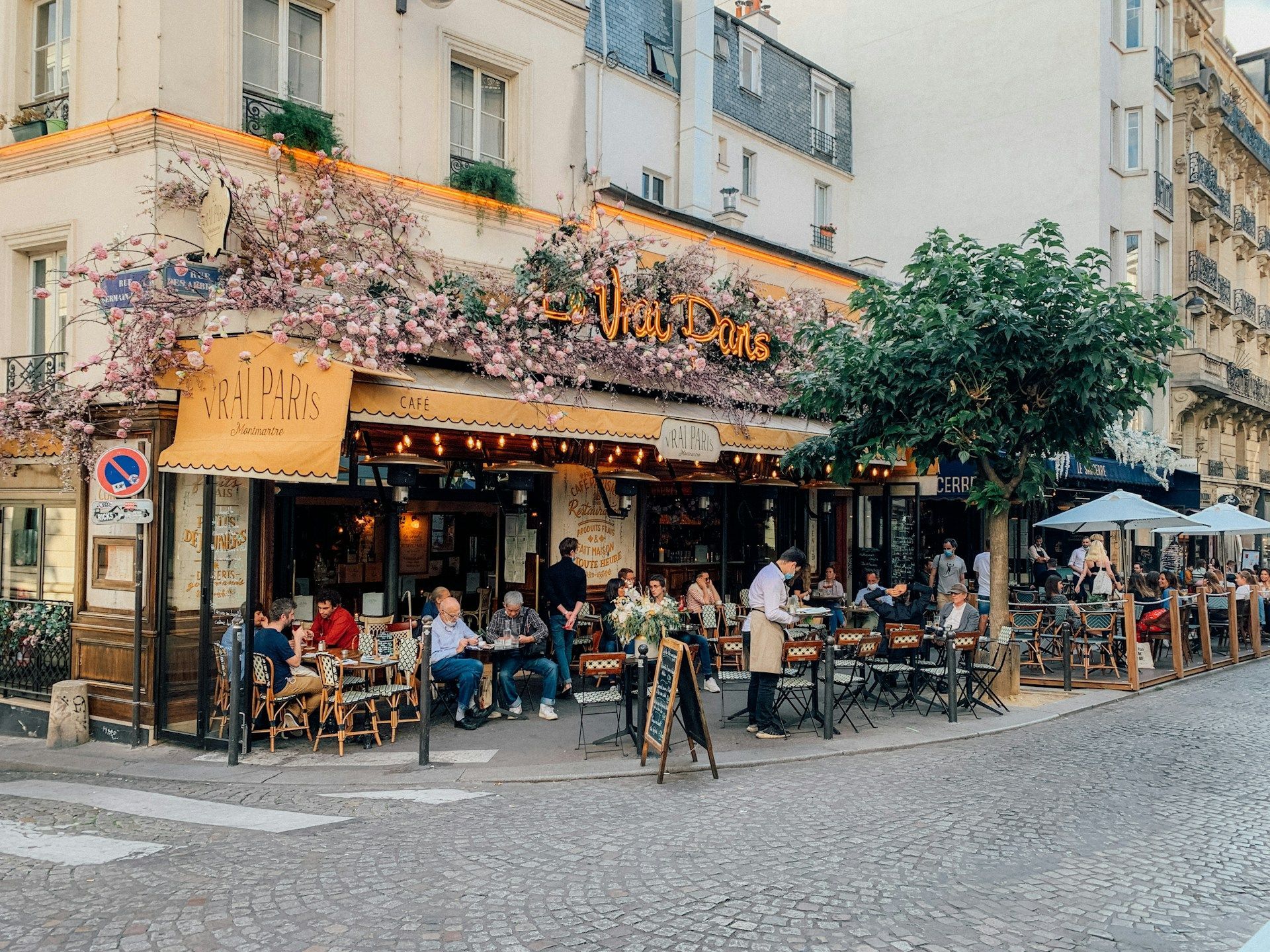
A few practical dining points help set expectations:
- Service is included in menu prices
- Tipping is optional and modest
- Credit cards are widely accepted
Once you adjust to the rhythm, dining in Paris feels relaxed and enjoyable rather than rushed.
Budgeting and Daily Costs in Paris
Paris has a reputation for being expensive, but daily costs are predictable once accommodation is secured. Food, transport, and attractions scale based on choices rather than necessity. Many of the city's best experiences—walking through historic neighborhoods, visiting markets, relaxing in Paris gardens—cost nothing at all.
Tourist pricing tends to concentrate around major landmarks. Walking a few streets away often leads to better food and better value. A thoughtful location choice reduces transport costs and saves time, which is often more valuable than money.
Safety and Peace of Mind
Paris is generally safe for visitors, including first-time travelers. Violent crime affecting tourists is rare. Most issues involve pickpocketing in crowded areas such as public transport or popular attractions.
Simple awareness goes a long way:
- Keep valuables secure in busy areas
- Avoid distractions from unsolicited interactions
- Decline street games or petitions politely
Emergency services are reliable, but most travelers never need them. By following these Paris travel tips, you can ensure a safe and enjoyable experience in the city.
Cultural Details That Make a Difference
Small cultural habits significantly improve interactions. Greeting shopkeepers and restaurant staff with a simple "Bonjour" is considered polite and sets a positive tone. While English is widely spoken, making a small effort with basic French phrases is appreciated.
Service culture differs from the US. It is professional but less performative, with more emphasis on giving space. Many travelers come to prefer this approach once they adjust to French customs.
Dress in Paris is practical rather than formal. Comfortable shoes and simple clothing are more important than trying to look fashionable. Blending in is easier than many expect, allowing you to feel like a local rather than a Paris tourist.

Final Thoughts Before Going to Paris
A first trip to Paris often exceeds expectations when approached with the right mindset. The city is not difficult, unfriendly, or overly complicated. It is layered, human, and surprisingly accessible.
With thoughtful planning, a central place to stay, and a flexible schedule, Paris reveals itself naturally. For many travelers, the first visit is not a once-in-a-lifetime experience, but the beginning of a long relationship with the city—one that invites return trips rather than closure.
As you prepare for your Paris travel adventure, remember that the city offers something for everyone. Whether you're interested in art, history, cuisine, or simply soaking in the atmosphere, Paris has it all. Consider purchasing a Paris Museum Pass if you plan to visit multiple attractions, and don't hesitate to join Paris tours for a deeper understanding of the city's rich history and culture.
By following this Paris guide and keeping an open mind, first-time visitors can ensure a memorable and enriching experience in the City of Light. Bon voyage, and enjoy exploring Paris!
FAQs
Do US citizens need a visa to visit Paris for tourism?
No. US passport holders can visit Paris and the rest of France for up to 90 days within a 180-day period without a visa.
How many days are ideal for a first trip to Paris?
Five to seven nights is ideal. This allows time to adjust to jet lag, explore central neighborhoods, and visit major attractions without rushing.
What is the best area to stay in Paris for first-time visitors?
Central neighborhoods such as Le Marais, Saint-Germain-des-Prés, and the 1st or 2nd arrondissement are best due to walkability and proximity to major sights.
Is Paris easy to get around without speaking French?
Yes. English is widely spoken in hotels, restaurants, shops, and public transport. Knowing a few basic French phrases is helpful but not required.
Is Paris safe for first-time American travelers?
Yes. Paris is generally safe for tourists. The main risk is pickpocketing in crowded areas, which can be avoided with basic awareness.