The Perfect Packing List for Americans Visiting Paris in 2026
The Perfect Packing List for Americans Visiting Paris in 2026
Packing for Paris isn't about bringing everything you own. It's about bringing the right things. The difference between a stressful trip and a liberating one often comes down to what's in your bag — and what you left at home.
Paris rewards light packers. The city is walkable, the shops are excellent, and anything you forget is easy to find. Here's exactly what to bring for your Paris trip from the US.

Table of Contents
What Should Americans Pack for a Trip to Paris?
Packing for Paris isn't quite the same as packing for other European destinations. From comfortable walking shoes and weather-appropriate clothing to travel adapters and everyday essentials, bringing the right items can make your trip much more enjoyable.
Watch the short video below for a quick packing guide and discover what experienced travelers always bring to Paris—and what you can leave at home.
Essential Items for Every Paris Trip
Before you start choosing outfits or gear, certain items belong on every vacation packing list whatever your destination in Paris.
Travel Documents and Identification
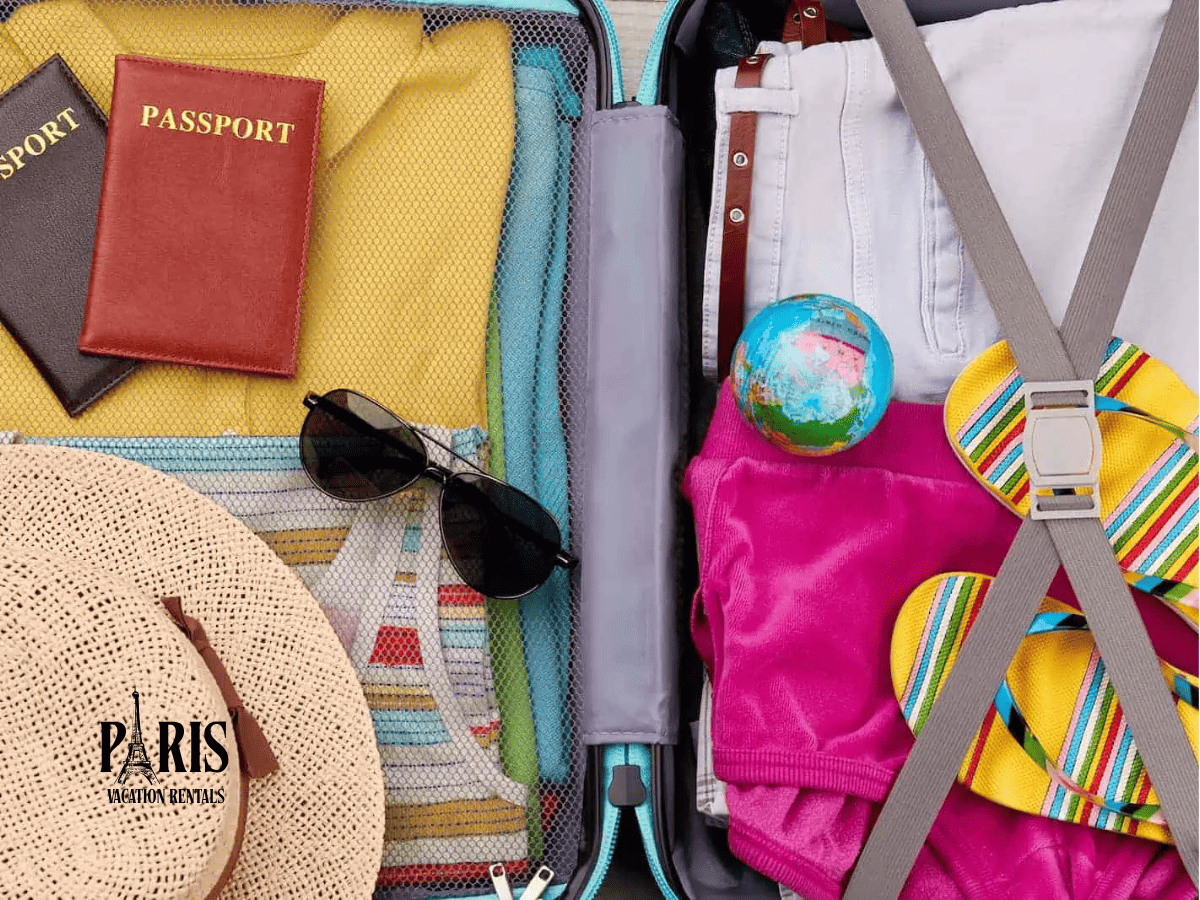
Your passport needs at least six months' validity beyond your planned return date. US citizens do not need a visa for France for stays under 90 days, but from 2025 you'll need ETIAS pre-travel authorization — apply at least 72 hours before departure.
Keep copies of all documents in three places: one set with a trusted person at home, one set separate from your originals, and photos on your phone. Bring copies of prescriptions and medication labels — French pharmacies are excellent but will need to verify what you're taking.
Tech and Connectivity
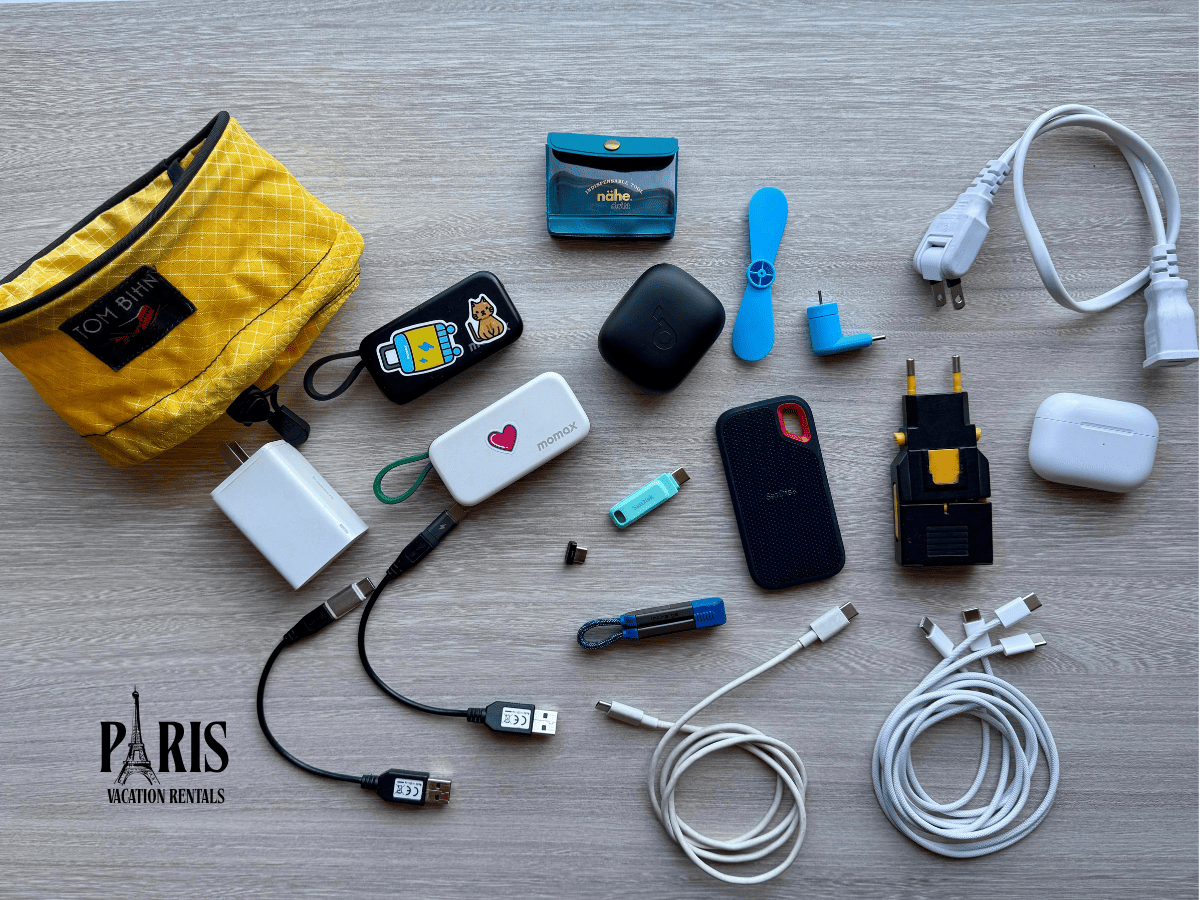
France uses Type E outlets (two round pins). Buy a universal adapter before you leave — airport prices are steep. A multi-port USB charger handles your phone, tablet, and camera simultaneously.
A power bank of at least 20,000mAh keeps you going through long sightseeing days. Download Google Maps offline for Paris before you arrive — data can be unreliable in the Métro. A portable WiFi device or international SIM card saves you from expensive roaming charges.
Health and Safety
Pack acetaminophen, ibuprofen, antihistamines, and any prescription medications in their original labeled containers. French pharmacies (look for the green cross) are well-stocked and pharmacists give genuine medical advice — but bring what you know you need.
Sunscreen is worth bringing from the US as French brands can be expensive. Hand sanitizer, blister plasters, and a basic first aid kit round out your health kit. Paris tap water is excellent and safe — bring a reusable bottle.
Everyday Carry
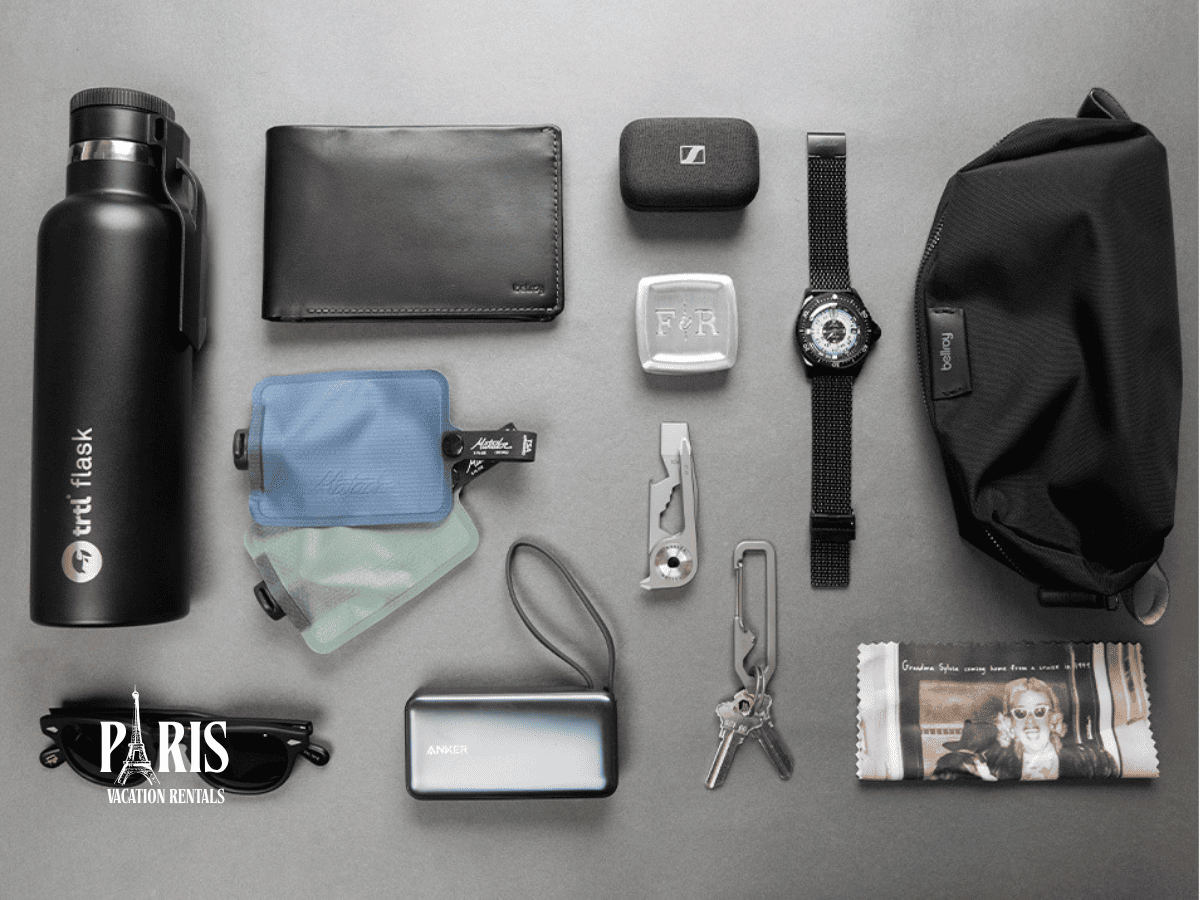
Keep your wallet in a front pocket or inside jacket pocket — pickpockets target tourists, especially around the Eiffel Tower, Sacré-Cœur, and on the Métro. A crossbody bag with a zip closure is the safest option. A small padlock for hostel or hotel safes adds peace of mind.
What to Pack Based on the Season

Spring in Paris (March–May)
Spring is unpredictable — warm sunny days can turn cold and rainy within hours. Pack layers: a light waterproof jacket is non-negotiable. Bring a mix of long-sleeve tops, a light sweater or cardigan, and one or two warmer pieces for evenings. Comfortable waterproof walking shoes handle both rain-soaked cobblestones and sunny afternoon strolls.
Summer in Paris (June–August)

Summers are warm and occasionally hot. Lightweight, breathable fabrics work best. Pack light-colored clothes, a wide-brimmed hat, and sunglasses — the sun off Paris's pale stone buildings is intense. A light layer for air-conditioned museums is useful even in July.
Important: most Paris apartments and many smaller hotels don't have air conditioning. Pack a small portable fan if you're sensitive to heat. A light linen dress or breathable trousers keeps you comfortable on the Métro and in outdoor cafés.
Autumn in Paris (September–November)

September is one of the best months to visit — warm but not hot, and crowds start to thin. Bring a proper jacket by October. Layers are key: mornings and evenings drop significantly. A scarf is both practical and very Parisian.
Winter in Paris (December–February)

Paris winters are grey and damp more than bitterly cold, but you'll feel it. A good wool coat, warm layers underneath, gloves, and a hat are essential. Waterproof boots handle wet streets and keep you comfortable during long days on foot. Merino wool base layers are worth the investment — they keep you warm without bulk.
Clothing: What Actually Works in Paris
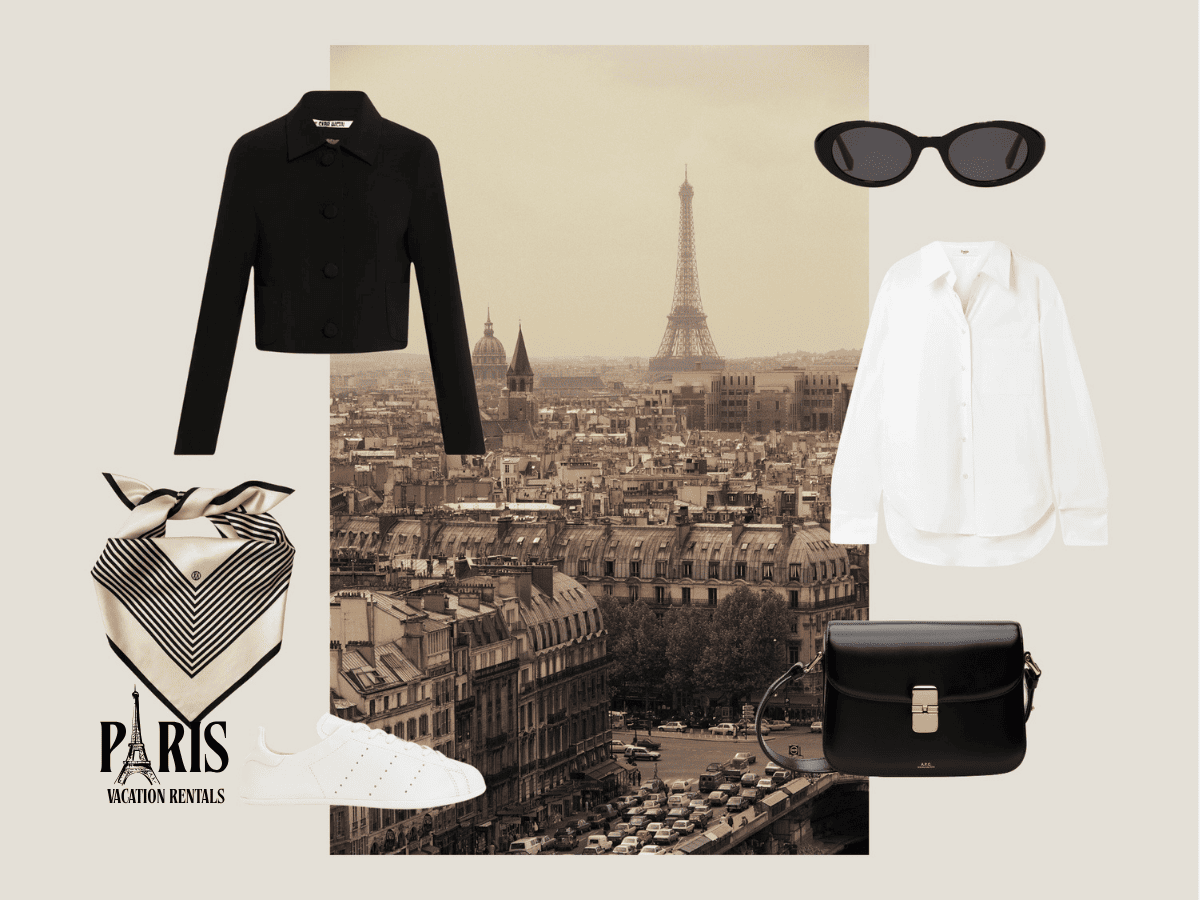
The Paris Dress Code
Parisians dress with intention — not formally, but with care. Leave your logo t-shirts and athletic wear for the hotel room. Smart casual works everywhere: dark jeans or trousers, simple tops, a blazer or leather jacket. You'll feel more comfortable and get better treatment at restaurants.
Shoes: The Most Important Decision
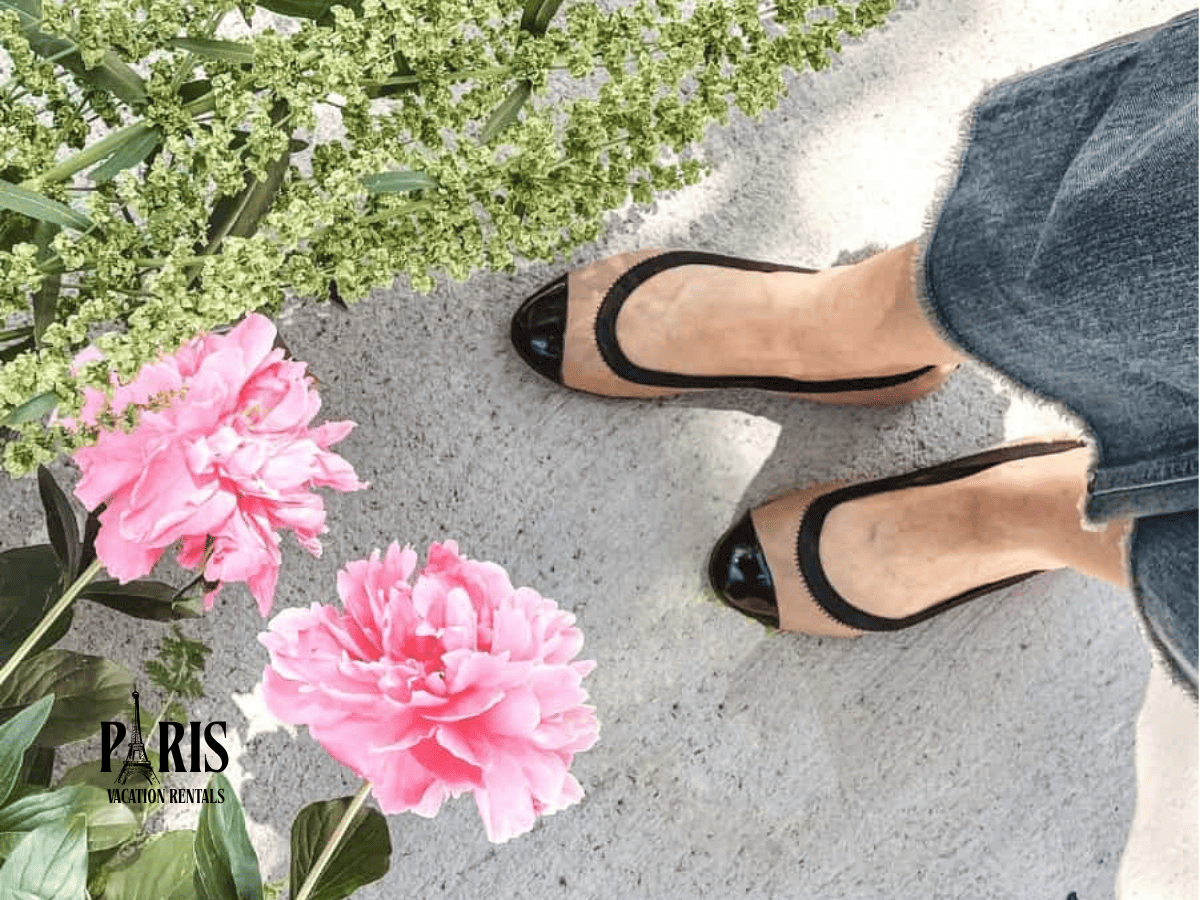
You will walk more than you think. Budget for 8–12 miles per day. Comfortable walking shoes that don't look like trainers are the sweet spot — brands like Mephisto, Clarks, or smart sneakers like New Balance 574 work well. Never wear new shoes to Paris. Break them in before you leave.
Heels on Paris cobblestones are a bad idea. Even dressy occasions are better served by stylish flats.
How Many Outfits?
For a one-week trip: 5–6 tops, 2–3 bottoms, one smart outfit for a nicer dinner, underwear for each day, one pair of walking shoes, one pair of smarter shoes. Most Paris apartments have washing machines — use them.
For two weeks: double up on the basics, but Paris laundromats (laveries automatiques) are affordable and easy to find.
Paris-Specific Packing Tips
What to Buy When You Arrive
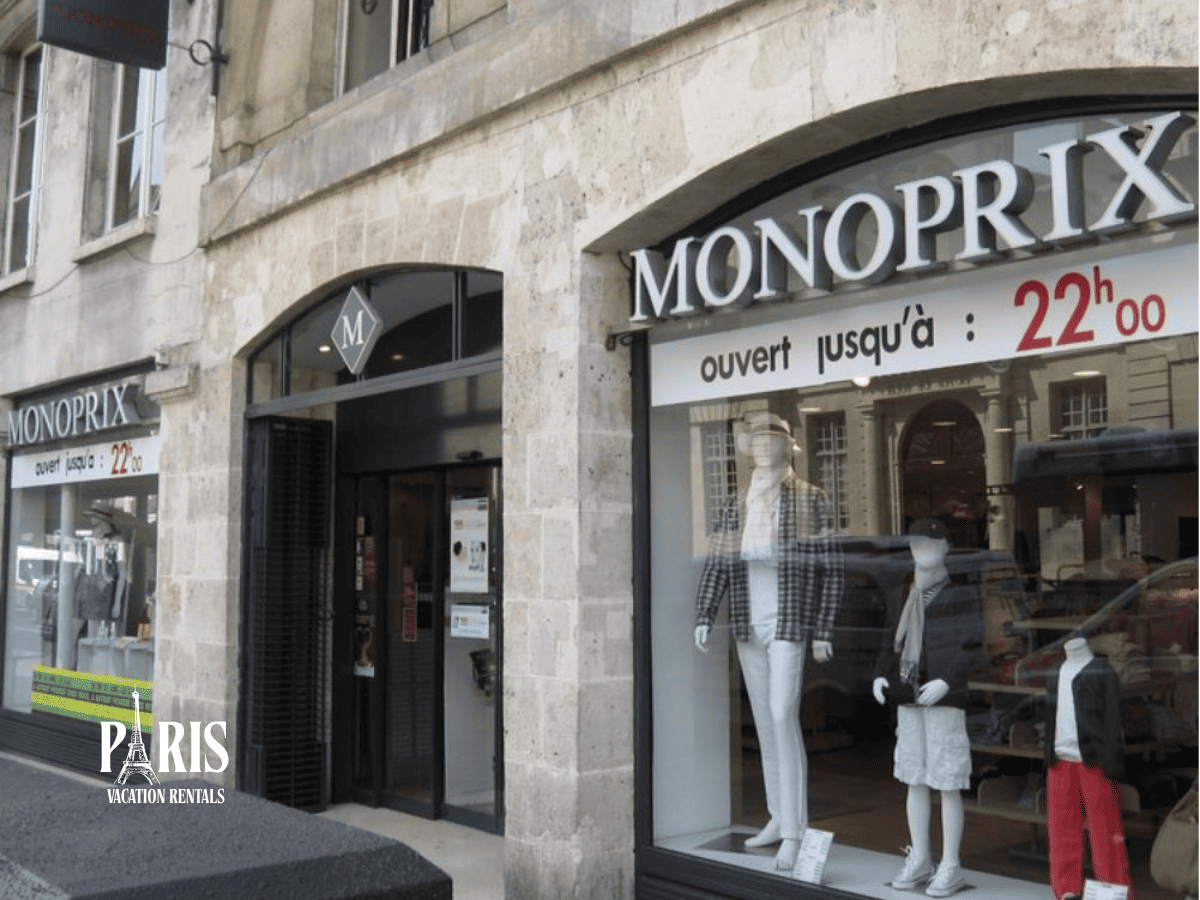
Toiletries are widely available at Monoprix (the supermarket you'll use constantly) and Pharmacies. Bring travel sizes for the first day and buy full-size on arrival. Shampoo, conditioner, and body wash can stay at home.
French sunscreen brands like La Roche-Posay and Bioderma are excellent and easy to find — but they cost more than US equivalents. Bring what you need.
What Not to Bring
- Hair dryers: most Paris apartments and hotels provide them
- Full-size toiletries: buy on arrival
- Too many shoes: two pairs maximum
- An iron: apartments usually have one, and Parisian casual doesn't require pressed clothes
- Anything you'd be devastated to lose
Paris Apartment Kitchen Essentials
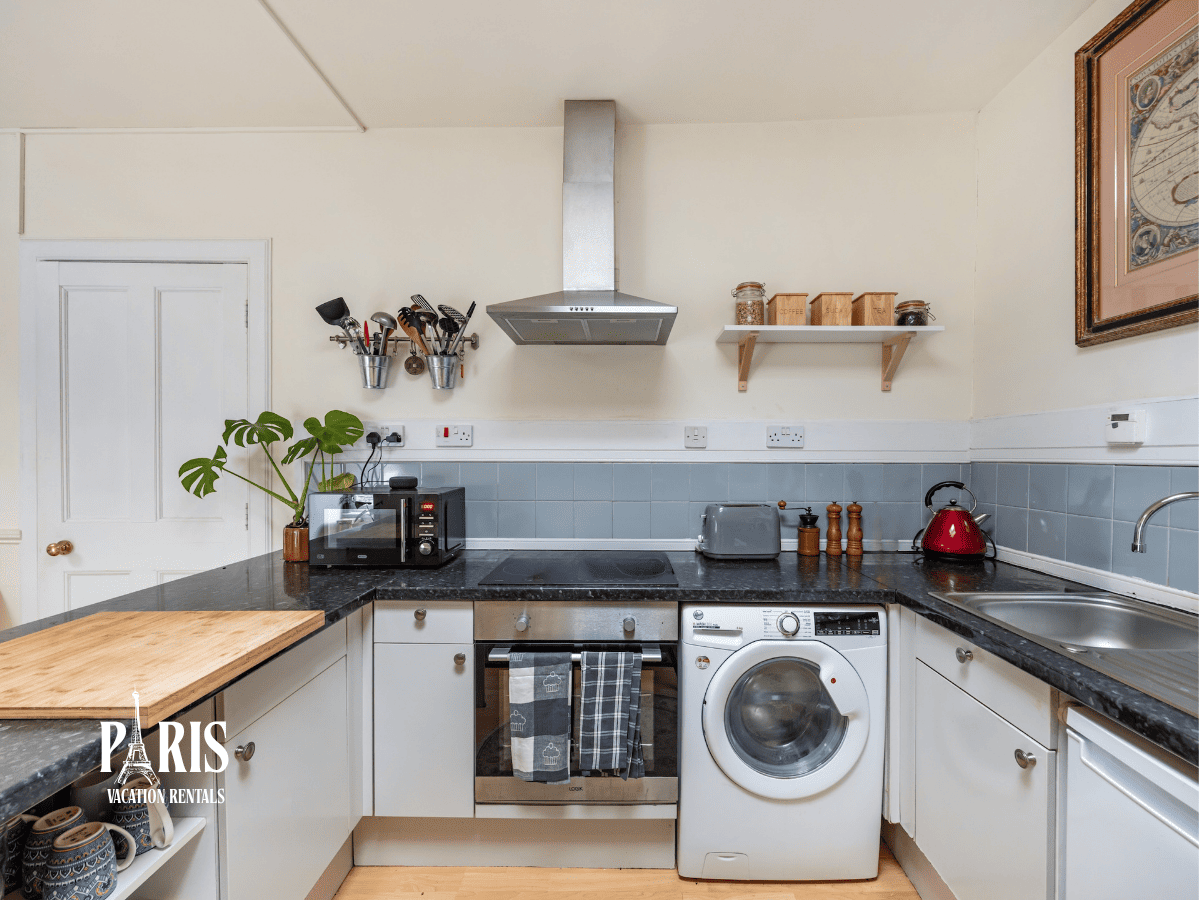
If you're staying in an apartment (highly recommended for groups and longer stays), you'll likely cook some meals. A reusable shopping bag is essential — French supermarkets charge for plastic bags. French markets don't use plastic bags at all.
Bring a compact wine opener if you plan to picnic in Luxembourg Gardens or along the Seine — a classic Paris activity.
Getting Around Paris: What to Pack for the Métro

The Paris Métro is excellent. Buy a Navigo Easy card at any station (€2, reusable) and load it with carnets of 10 trips or day passes. It works on the Métro, bus, and RER.
Keep your bag in front of you at all times on the Métro, especially on busy lines like Line 1 and Line 4. Avoid flashing your phone on crowded platforms.
A small city map is worth having even if you use your phone — dead batteries happen at the worst moments.
Smart Packing Strategy for Paris
Carry-On vs Checked Luggage
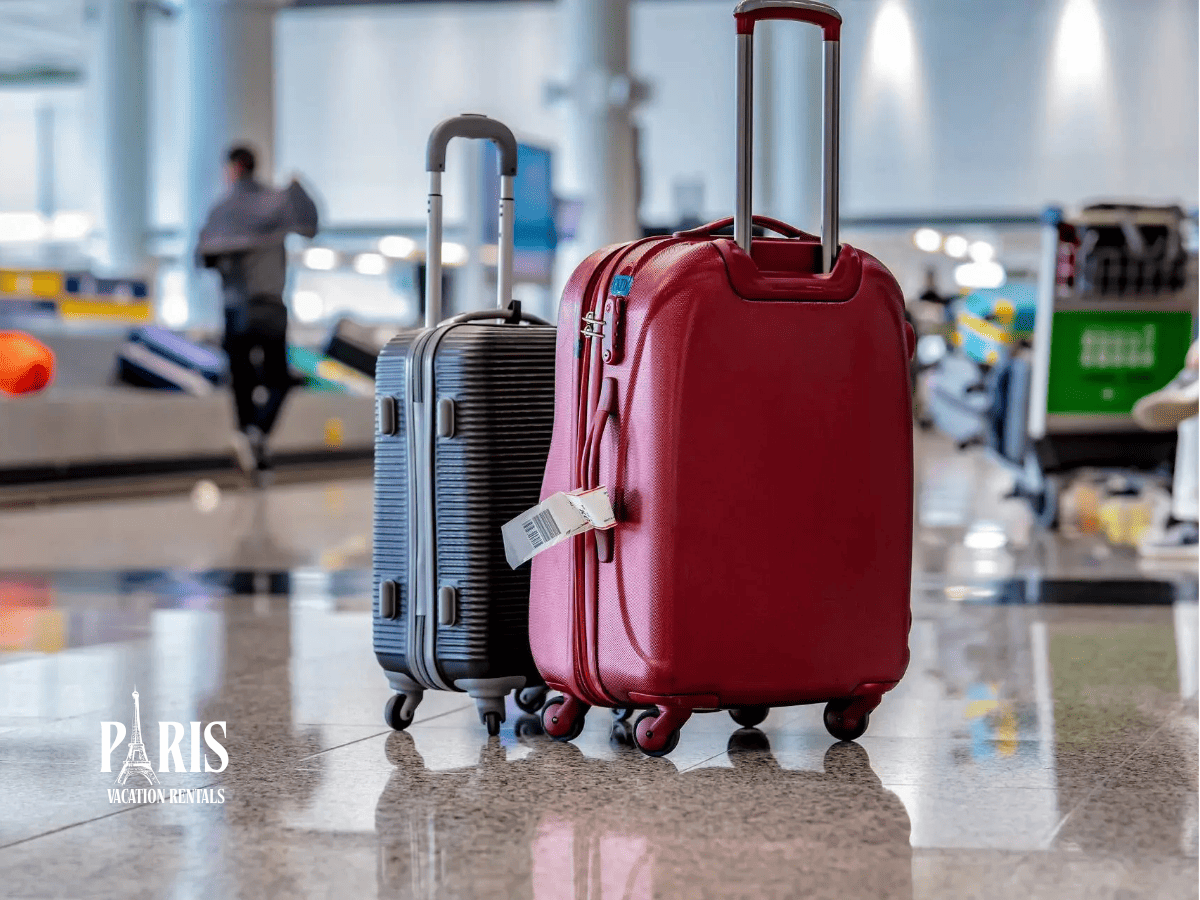
A carry-on (22x14x9 inches) handles up to two weeks in Paris if you pack efficiently. Checked bags make sense for winter trips with heavy coats or stays longer than two weeks.
Carry-on only means no waiting at baggage claim and no checked bag fees — worth the discipline.
Packing Cubes
Three to five packing cubes keep your bag organized and make finding things effortless. Organize by category: tops, bottoms, underwear/socks. One small cube for cables and tech accessories saves significant time.
What to Bring Home
Budget space in your bag for what you'll buy in Paris: wine, macarons (in a tin), scarves, books from Shakespeare & Company, and the inevitable cheese that you'll want to get through customs. Vacuum-seal bags help with bulky purchases.
Key Takeaways
- Comfortable walking shoes are the single most important thing you'll pack
- Layers over bulk — Paris weather is unpredictable at any time of year
- Front pockets and crossbody bags protect against pickpockets
- Buy toiletries and sunscreen on arrival at Monoprix or a pharmacy
- A reusable water bottle and shopping bag are essential daily items
- Most apartments have washing machines — pack light and use them
- Leave space in your bag for what you'll bring home
FAQs
Do Americans need a visa to visit Paris in 2026?
No — US citizens don't need a visa for stays under 90 days. However, ETIAS pre-travel authorisation is required from 2025. Apply at least 72 hours before departure.
What type of power adapter do I need for Paris?
France uses Type E outlets with two round pins. Bring a universal adapter — buy it before you leave as airport prices are much higher.
What shoes should I pack for Paris?
Comfortable, broken-in walking shoes that aren't trainers — expect 8–12 miles per day on cobblestones. Never bring new shoes. Leave heels at home.
Should I bring toiletries from the US or buy them in Paris?
Buy on arrival at Monoprix or a pharmacy. Bring travel sizes for day one and stock up locally. French pharmacy brands are excellent but slightly pricier.
What's the most important thing to pack for Paris?
A crossbody bag with a zip closure to protect against pickpockets, a reusable water bottle for Paris's free public fountains, and a light waterproof jacket whatever the season.