Traveling to Paris: Crowd-Free Tips for US Travelers
March 5, 2026
Travelling to Paris: Crowd-Free Tips for US Travellers
Paris attracts around 50 million tourists each year, and joining them means crowd avoidance becomes as challenging as perfecting a croissant. The Louvre and Musée d'Orsay draw international hordes, while picnic spots near the Eiffel Tower disappear quickly on summer evenings. Overcrowding has become such a big problem that major museums have implemented reservation-only systems.
As an American travelling to Paris right now, I've learned that strategic planning makes a real difference. In this piece, I'll share practical tips for travelling to Paris from the US. You'll find the best times to visit popular sites and crowd-free alternatives to tourist hotspots that will help you experience the city without the chaos.

Table of Contents
Understanding Paris Crowds: What Americans Need to Know
Peak Tourist Season Overview
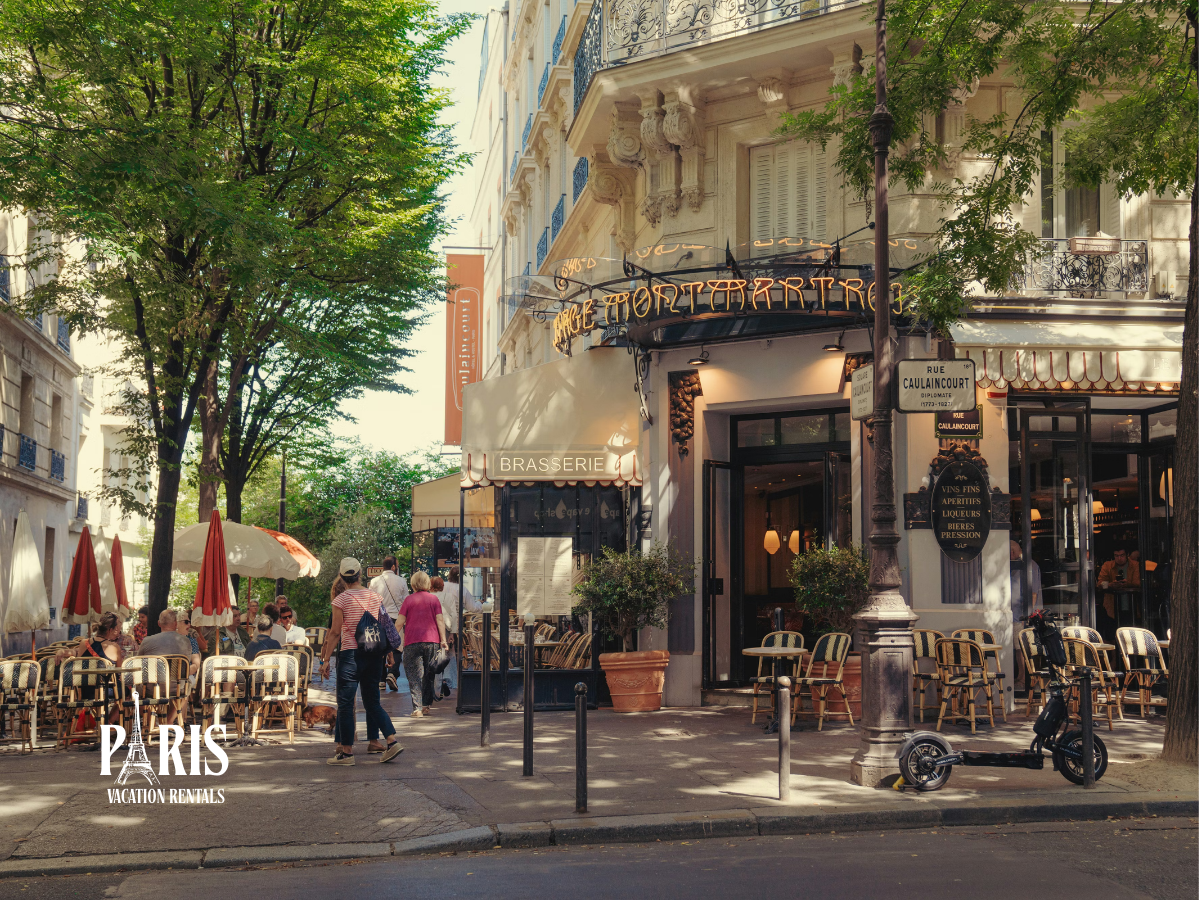
Paris claims the title as the most visited city in the world. The Île-de-France region recorded nearly 22 million arrivals during 2023. Peak season runs from late May through mid-September. June and July see the biggest crowds. Queues at attractions like the Picasso Museum, the Louvre, and Versailles stretch much longer these months.
Multiple factors drive the summer rush. The French Open in late May kicks off the tourist influx. The Paris Marathon in early April attracts about 54,000 runners, and 70% arrive from outside Greater Paris. American tourists arrive in force by May and want to skip the even larger summer crowds. College students descend on the city as study abroad programmes commence.
Crowds drop somewhat in August, contrary to the belief that Paris shuts down. French residents return in early September for la rentrée and bring trade shows and conventions that fill hotels but leave tourist attractions less packed than summer months.
Current Crowd Levels and Trends
Americans represent one of the leading inbound travel markets for Paris. More than 5 million Americans visited France in 2025. This marked a 17% increase from the previous year. The United States, United Kingdom, and Italy together represented over 30% of all international visitors to Paris in 2023.
Autumn 2025 saw a slight tourism dip. International visits dropped 4.6% compared to 2024. Fewer travellers arrived from the UK, Italy, Germany, and the US in this period. But bookings for late November and December 2025 showed a 6.2% increase in hotel occupancy. New Year's Eve occupancy reached 64.6%, up 5.2% from the previous year.
How US Holiday Schedules Affect Your Visit
French school holidays create an additional crowd layer that most Americans overlook. France divides into three academic zones (A, B, and C). Paris belongs to Zone C. These breaks stagger to prevent transport overload.
Children attend programmes that include museum visits when school holidays arrive. You'll encounter groups of Parisian kids at the Louvre or Musée d'Orsay even mid-week. Zone C winter holidays run from 21 February to 9 March 2026. Spring holidays run from 18 April to 4 May 2026, and summer holidays begin 4 July 2026. Plan your visit around these dates for a quieter experience.
Strategic Timing Tips for Travelling to Paris
Choose Off-Peak Travel Months
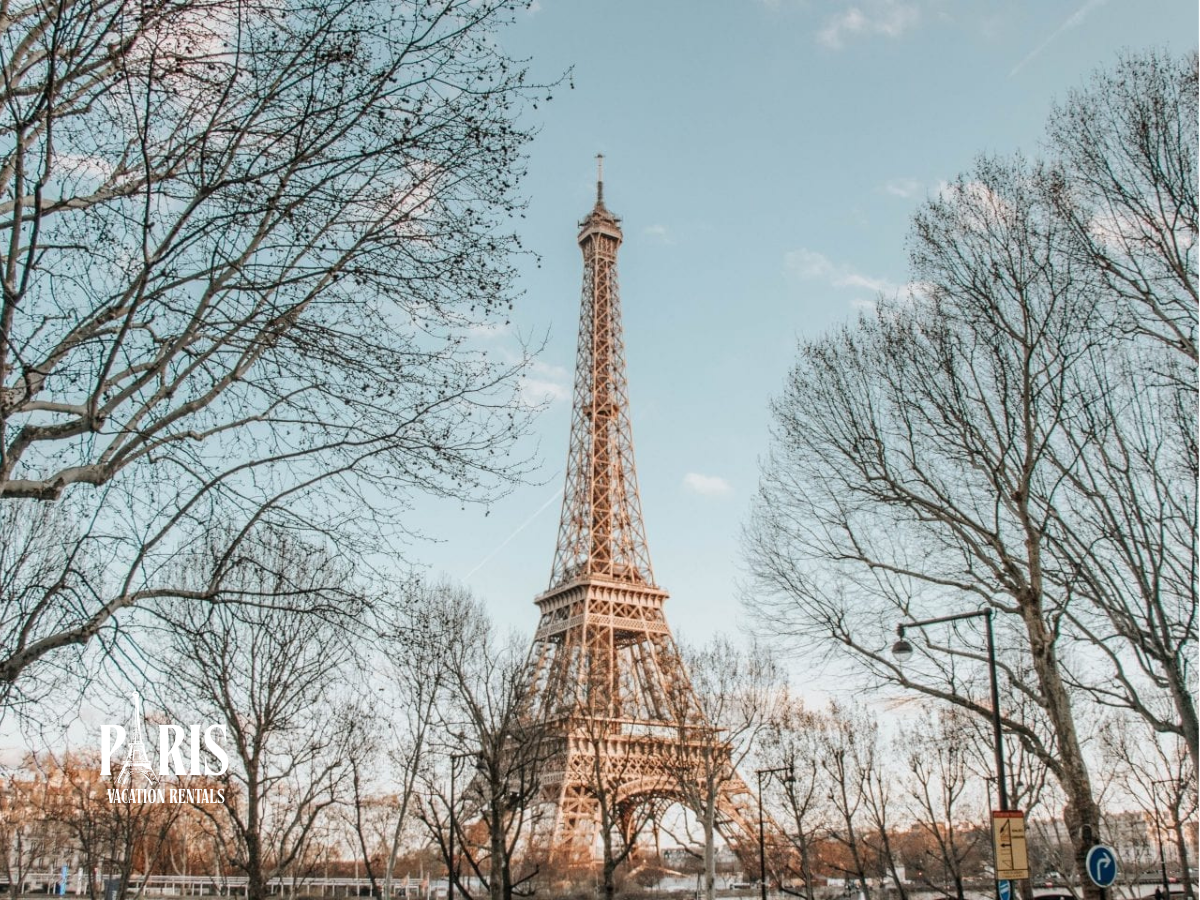
January, February, and March offer the quietest experience for Americans travelling to Paris. You'll find cheaper airfare, better hotel rates, and the luxury of showing up at museums without pre-booked time slots in these months. The Eiffel Tower sees the shortest wait times from October through March, with January, February, and early November being the least crowded months.
You'll dodge the major crowds if you plan travel between October and April and can avoid the December holiday season. Spring months bring colourful blooms but also increased visitor numbers as the weather improves.
Visit Major Attractions on Weekday Mornings
Tuesday, Wednesday, and Thursday show the smallest crowds at major attractions like the Eiffel Tower. Weekday mornings provide your best shot at seeing popular sites with manageable lines. Mondays can be moderately busy as some tourists start their trips, whilst Fridays see travellers wrapping up visits before heading home.
Weekends should be avoided, especially between 11am and 5pm when elevator and security lines reach their longest.
Experience Museums After Dark
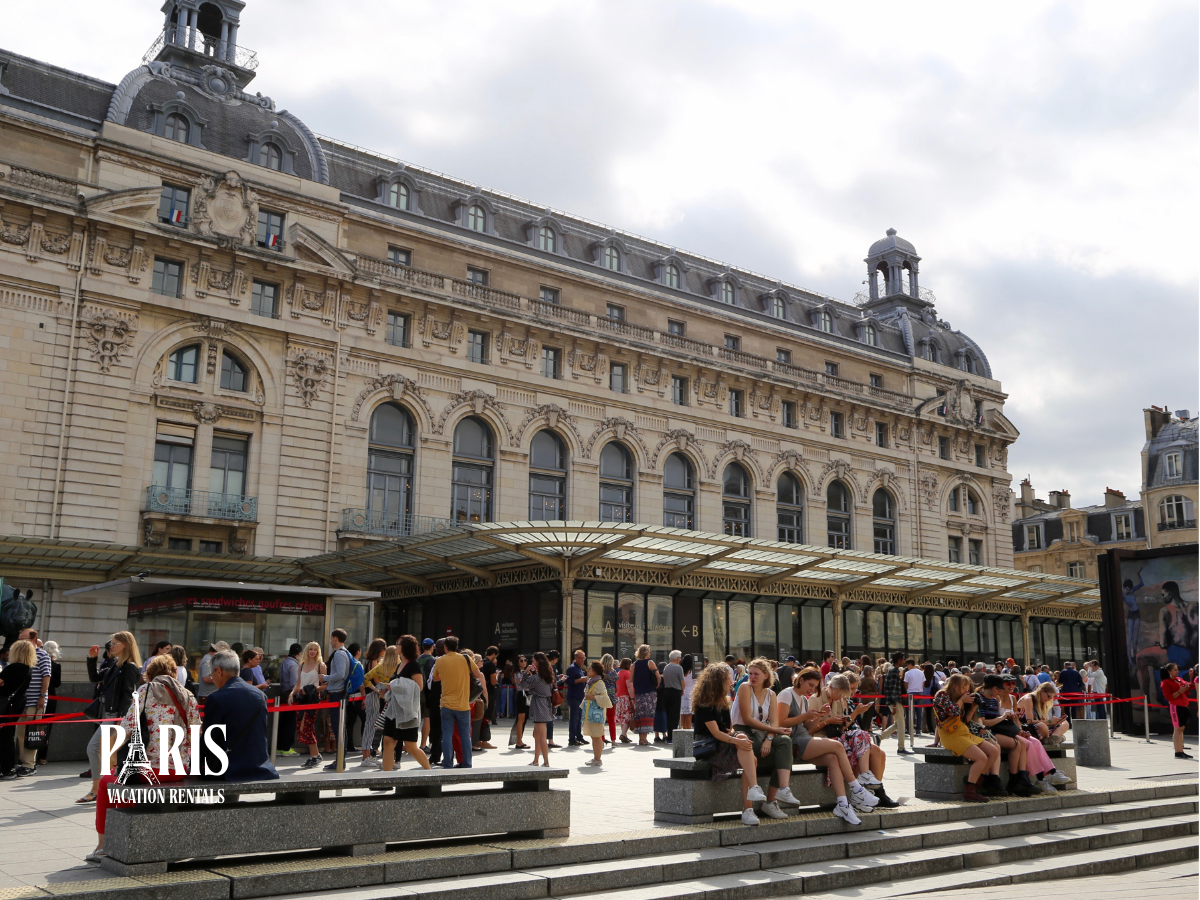
The Louvre stays open until 9:45pm on Wednesday and Friday evenings. You can view the Mona Lisa without peering through a forest of selfie sticks. The Musée d'Orsay extends hours until 9:45pm on Thursdays. These nocturnes transform the museum experience, with most daytime crowds already departed.
Arrive Before Opening Times
Arrive before opening and purchase tickets for the stairs to the second floor at the Eiffel Tower. The 674-step climb offers fascinating viewpoints on the city and bypasses elevator queues. Crowds thin substantially after 5pm, with wait times dropping by 8pm.
Crowd-Free Locations and Experiences
Canal Saint-Martin Instead of the Seine
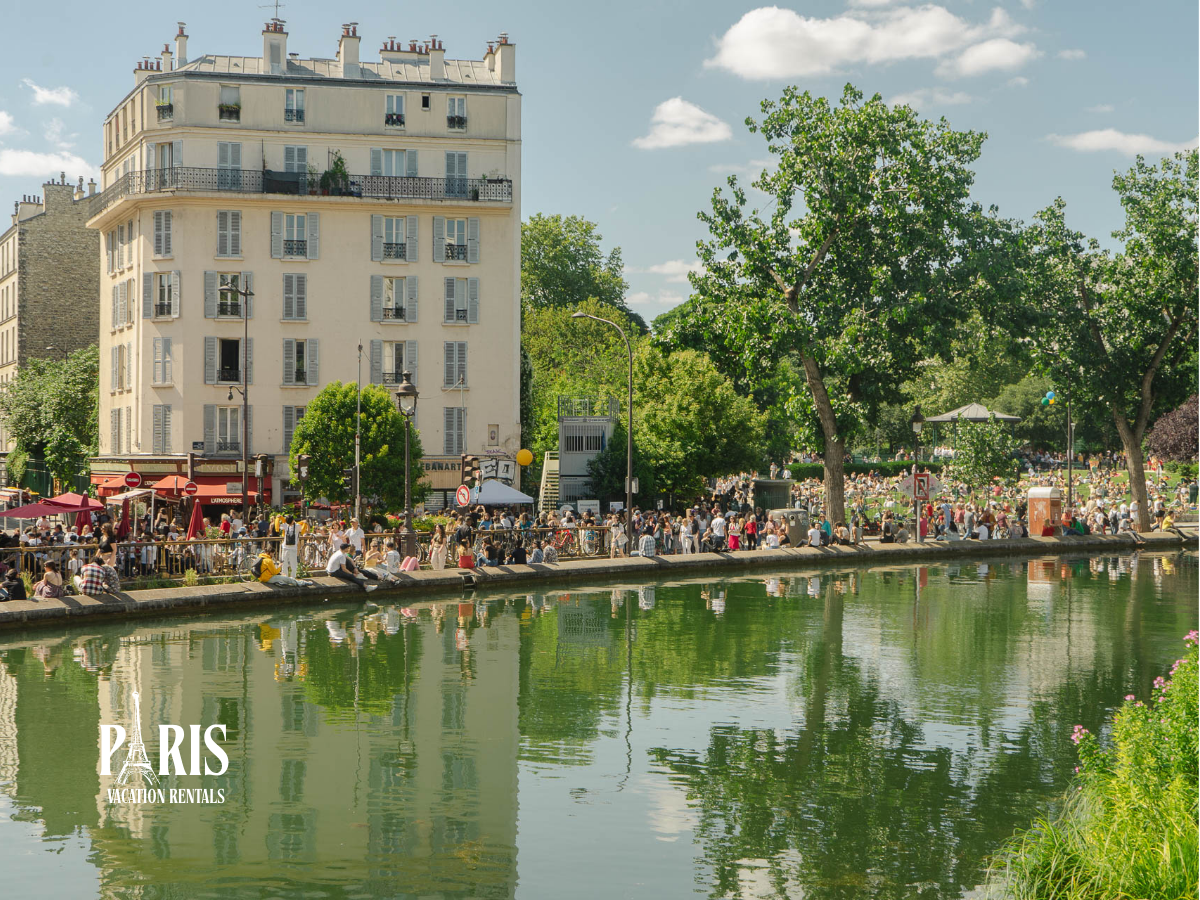
The 4.6 km Canal Saint-Martin in the 10th arrondissement attracts locals rather than tour groups. Parisians gather here for picnics and boules games, while street art covers the surrounding walls. Boat excursions depart from Port de l'Arsenal or Bassin de la Villette and pass through locks and swing bridges during the 2.5-hour trip. Jardin Villemin sits next to the canal and offers a family-friendly green space.
Parc de Belleville for Eiffel Tower Views
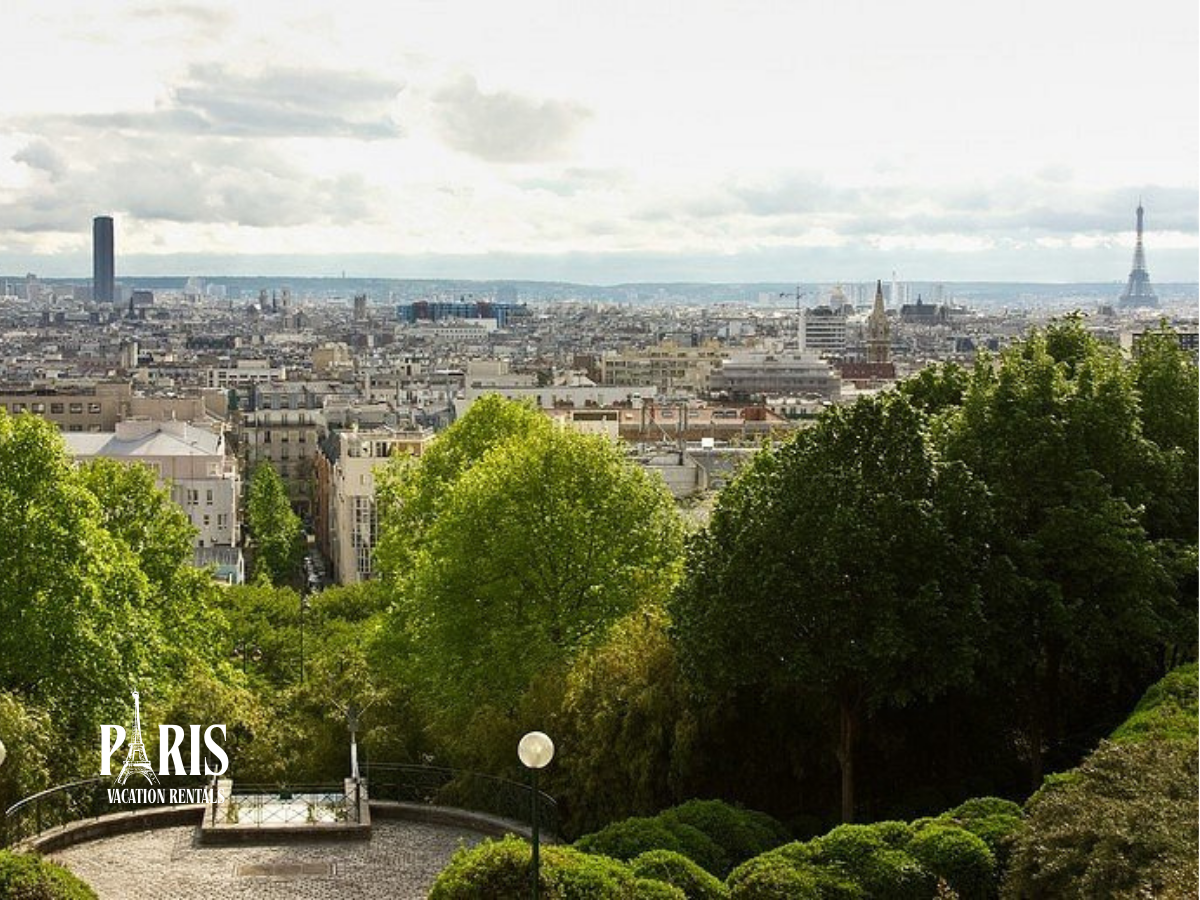
Parc de Belleville is Paris's highest park and provides panoramic views of the Eiffel Tower and city skyline from the Belvédère pavilion. The 1,000 square metres of lawn here welcomes picnickers and sunbathers, unlike the Tuileries. Take Metro Line 11 to Pyrénées, then walk down Rue de Belleville to reach the summit without the climb.
Château de Chantilly vs Versailles

Chantilly receives about half a million visitors each year, compared to Versailles's overwhelming crowds. Tickets remain available for same-day purchase. The château features 27 rooms with original furniture, a library housing over 1,500 manuscripts, and 115 hectares of gardens designed by André Le Nôtre. You can hear your footsteps echo through the hallways.
Hidden Covered Passages for Shopping
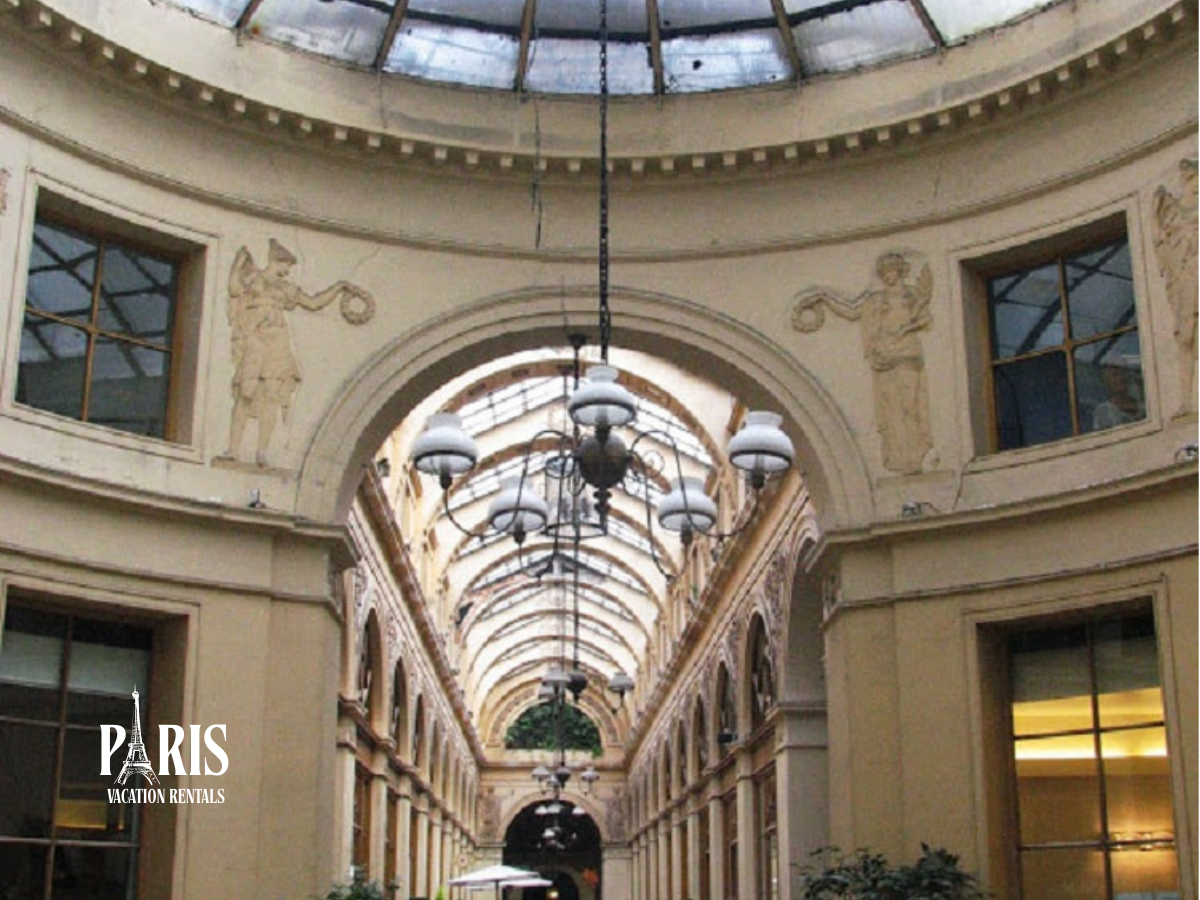
Around 30 covered passages remain from the 19th century. Passage des Panoramas dates to the early 1800s and houses restaurants and bars. Galerie Vivienne showcases Neo-Classical décor with intricate mosaics. Galerie Vero-Dodat features black and white floors with luxury boutiques. Passage Choiseul stretches 190 metres and is Paris's second-longest arcade.
Quiet Corners at Popular Museums
Most visitors queue at the Louvre's Pyramid entrance. Enter via the Carrousel du Louvre shopping centre for smoother passage
Essential Practical Advice for Americans Travelling to Paris
How to Book Your Paris Vacation Rental Directly
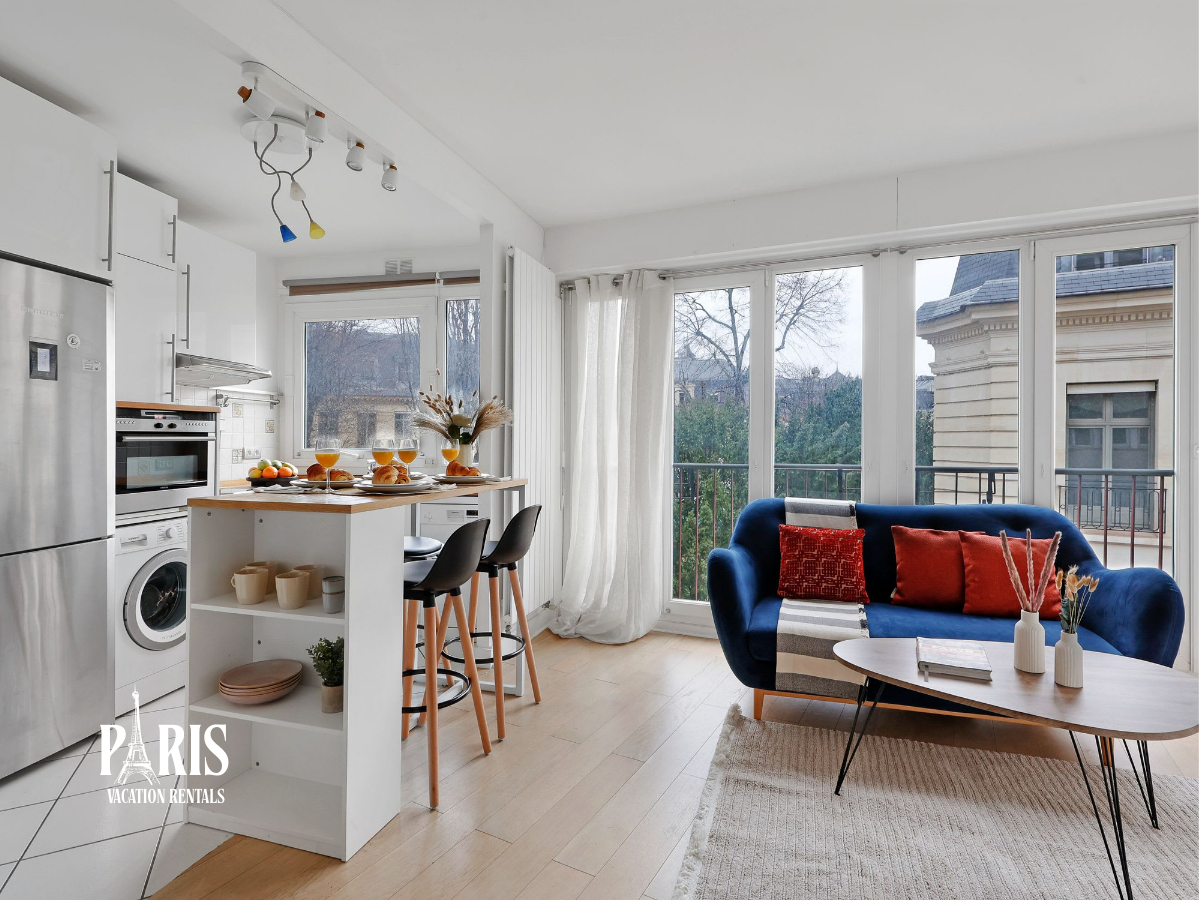
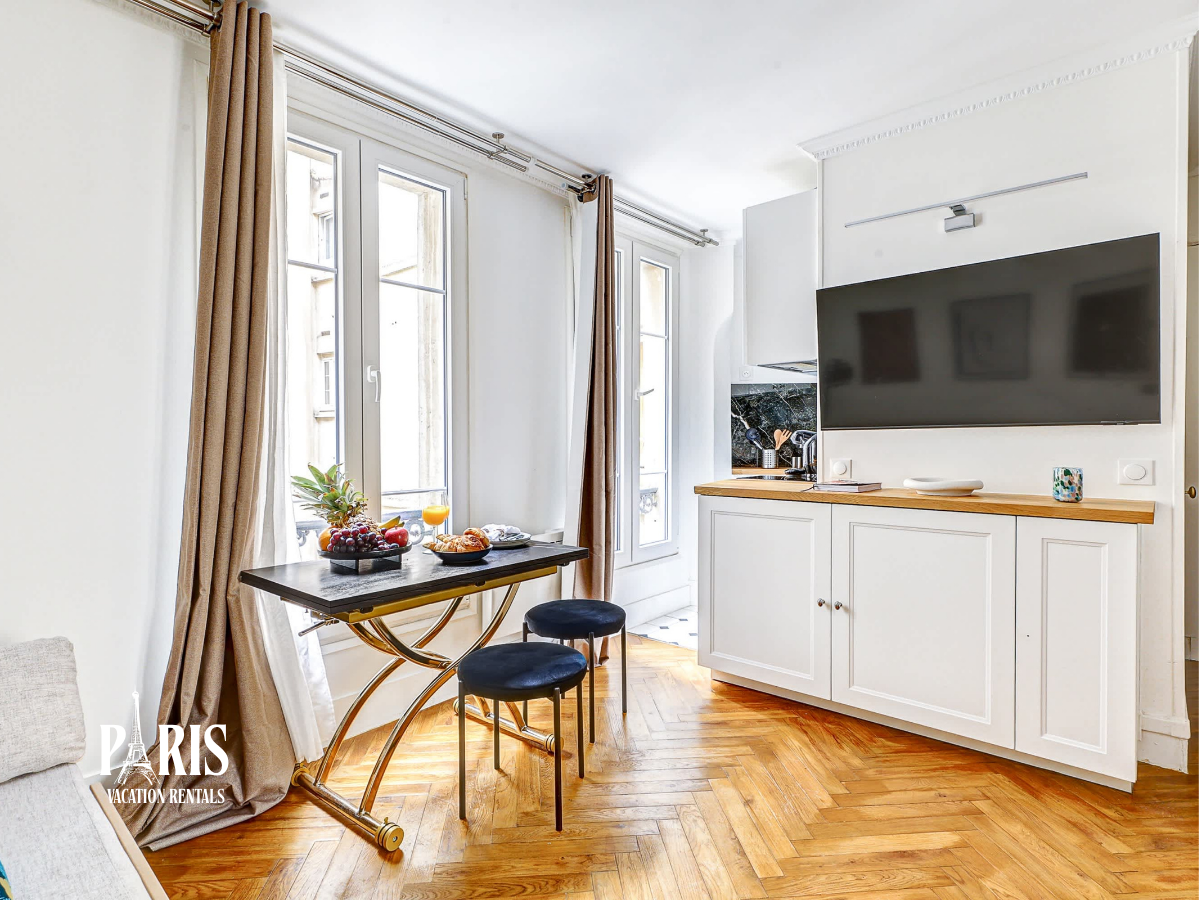
Direct booking eliminates platform fees and unexpected charges. Paris Vacation Rentals offers transparent pricing with no hidden costs, whilst Lodgis provides furnished rentals with zero agency fees. Both platforms verify properties and provide local support. This ensures legally compliant apartments managed by professionals rather than private hosts.
Pre-Book Everything You Can
Eiffel Tower lift tickets release 60 days in advance at midnight Paris time and sell out within minutes. The Musée d'Orsay sells out more than the Louvre and requires advance booking. Versailles time slots disappear quickly during summer and weekends. Sainte-Chapelle capacity remains limited, with morning slots booking fastest. Book restaurant reservations weeks ahead or think about lunch service to get better availability.
Direct Public Transport Smartly
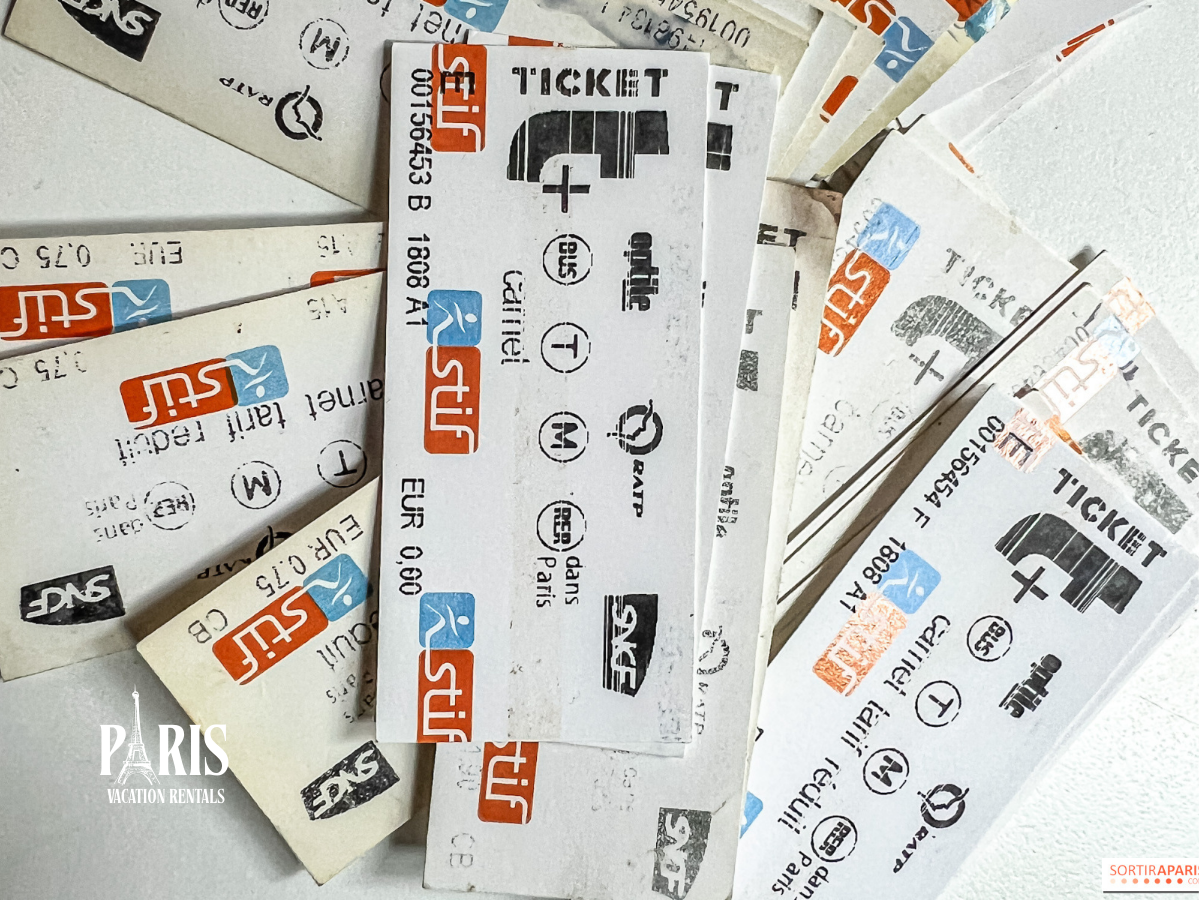
The Metro operates from 6am to 12:45am weekdays and extends until 1:45am Fridays and Saturdays. Metro-Train-RER tickets cost €2.55, whilst Bus-Tram tickets cost €2.05. Download the Bonjour RATP app for immediate navigation and ticket purchases.
Stay Safe from Pickpockets
Pickpocketing ranks as the crime reported most against tourists. Use crossbody bags with closed zippers, keep phones in pockets near Metro doors, and refuse street interactions. Lines 1 and 4 see the highest theft rates during rush hours (7:30-9:30am and 5:00-7:30pm).
Walking vs Metro for Sightseeing
Walking reveals hidden details that Metro travel misses. Distances under 1.2km often match Metro speed once you account for station navigation.
Now that you've armed yourself with these strategies for travelling to Paris, the city transforms from an overwhelming tourist trap into a manageable adventure. The difference between fighting crowds at the Louvre's Pyramid entrance and slipping through the Carrousel entrance takes mere minutes of planning. Your Paris experience hinges on these small decisions.
Americans travelling to Paris right now face advantages previous generations lacked. Online booking systems and live Metro apps put control in your hands. Pre-booking tickets 60 days ahead feels tedious until you walk past hour-long queues at Versailles. Thursday evening at the Musée d'Orsay means you see Impressionist masterpieces rather than the backs of other tourists' heads.
The tips for travelling to Paris shared here work because they address specific pain points. Pickpockets target Metro Line 1 during rush hour, so you ride Line 6 instead. Tour groups flood Versailles, so you visit Chantilly. Everyone photographs the Eiffel Tower from Trocadéro, so you climb to Parc de Belleville.
Your Paris trip deserves better than following the same overcrowded path as millions before you. Apply even half these crowd-avoidance strategies and you'll experience the Paris that locals know, not the one marketed to tourists.
Key Takeaways
These strategic insights will help you experience Paris like a local whilst avoiding the overwhelming crowds that plague most tourist visits.
- Visit during January-March for the quietest experience, with shorter queues and better hotel rates than peak summer months.
- Book Eiffel Tower tickets 60 days in advance at midnight Paris time, as they sell out within minutes during peak season.
- Choose alternative attractions like Château de Chantilly over Versailles and Canal Saint-Martin over Seine riverbanks for authentic experiences.
- Visit major museums during evening hours (Louvre until 9:45pm Wed/Fri) when daytime crowds have departed.
- Use weekday mornings (Tuesday-Thursday) for popular attractions and enter the Louvre via Carrousel entrance to bypass Pyramid queues.
The key to crowd-free Paris travel lies in strategic timing and knowing the alternatives that locals prefer. With proper planning, you can experience the city's magic without the frustration of fighting through tourist hordes at every turn.
FAQs
What are the least crowded months to visit Paris?
January, February, and March are the quietest months. Expect fewer tourists, cheaper flights, and shorter lines at major attractions.
How far in advance should I book Eiffel Tower tickets?
Tickets are released 60 days in advance and often sell out quickly. Book as soon as they become available.
Which days are best for visiting Paris attractions?
Tuesday to Thursday mornings usually have the smallest crowds. Avoid weekends if possible.
Are there quieter alternatives to popular Paris spots?
Yes. Try Château de Chantilly instead of Versailles, Canal Saint-Martin instead of the Seine, and Parc de Belleville for Eiffel Tower views.
How can I avoid queues at the Louvre?
Use the Carrousel du Louvre entrance and visit Wednesday or Friday evenings when crowds are smaller.