Explore Paris Like a Local: 2nd Arrondissement for US Visitors
February 26, 2026
Explore Paris Like a Local: 2nd Arrondissement for US Visitors
The 2nd arrondissement might be Paris's smallest district at just 1 square kilometre, but it's one of the city's most rewarding destinations for US visitors seeking authentic Parisian experiences. Locals know this compact area as Sentier and Bourse. Here, 19th-century glass-roofed arcades sit among bustling food markets, historic patisseries, and hidden medieval towers. As a frequent visitor, I've spent many afternoons wandering these streets and discovering chef-driven restaurants on Rue Montorgueil and Europe's largest cinema dating back to 1932. In this piece, we’ll explore the best restaurants and talk about staying in the 2nd arrondissement Paris offers — whether you’re comparing
hotel vs apartment in Paris or choosing longer stays. In this guide, we'll explore the best restaurants and talk about staying in the 2nd arrondissement Paris offers. We’ll also cover 2nd arrondissement safety for Americans and share insider tips that most US travellers miss, much like the essential planning advice in the
first trip
to Paris from the US guide.

Getting Oriented: Your 2nd Arrondissement Guide
Where Exactly Is the 2nd Arrondissement
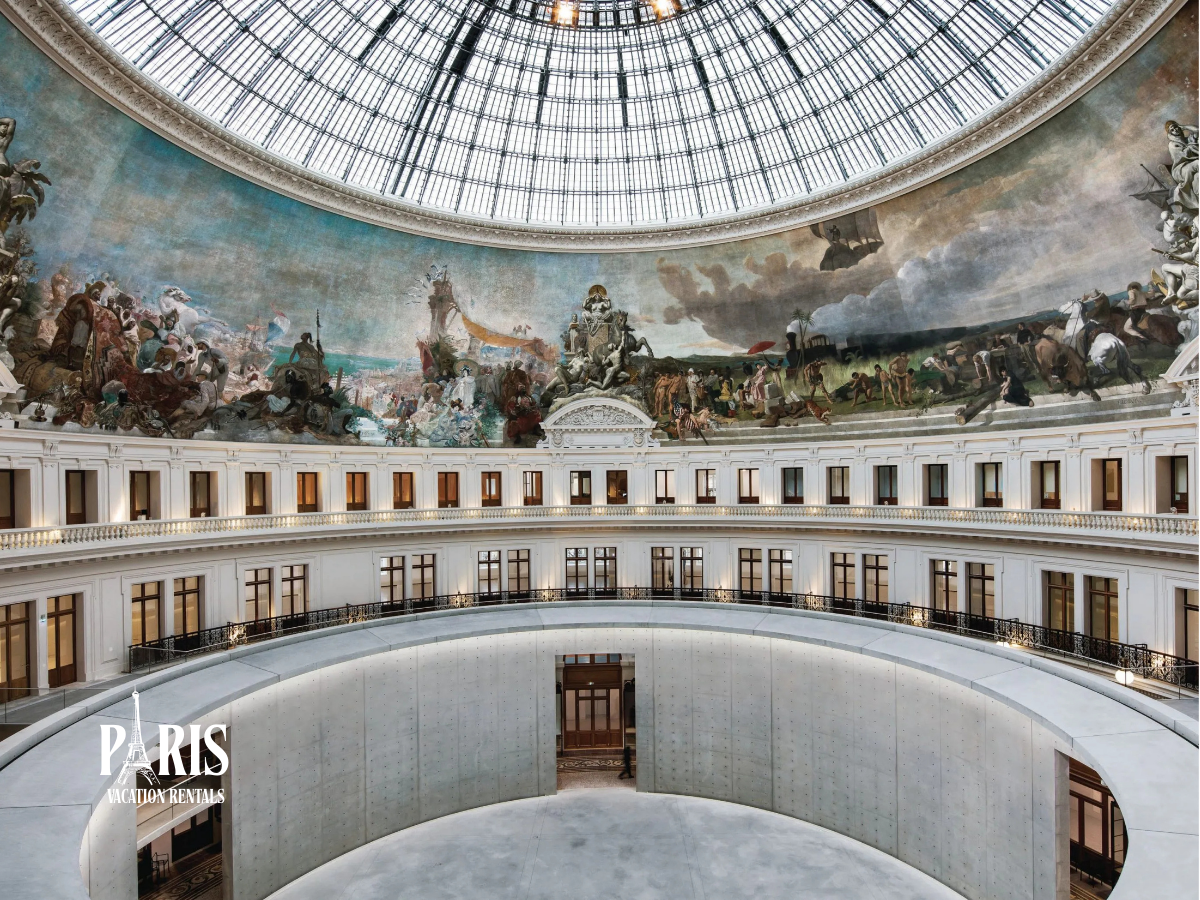
Major boulevards border the 2nd arrondissement. It sits on Paris's right bank, north of the Seine and just above the 1st arrondissement. Rue de Sebastopol marks its eastern edge. Boulevards de Bonne Nouvelle, Poissonière, and Montmartre form the northern boundary. The district extends west to Boulevards des Italiens and des Capucines, then south along Rues des Capucines, Danielle Casanova, des Petits Champs, and Etienne Marcel.
This is Paris's smallest arrondissement at 0.99 square kilometres with around 21,000 residents. Paris's arrondissements spiral outward from the centre, so the 2nd occupies one of the most central positions in the city. You can walk the entire perimeter in about an hour. This makes it perfect for US travellers who prefer walking around rather than hopping on the Metro, a concept also emphasised in the how many days do you need in Paris guide, where walkability and itinerary pacing are crucial.
The Three Neighbourhoods: Sentier, Bourse, and Montorgueil
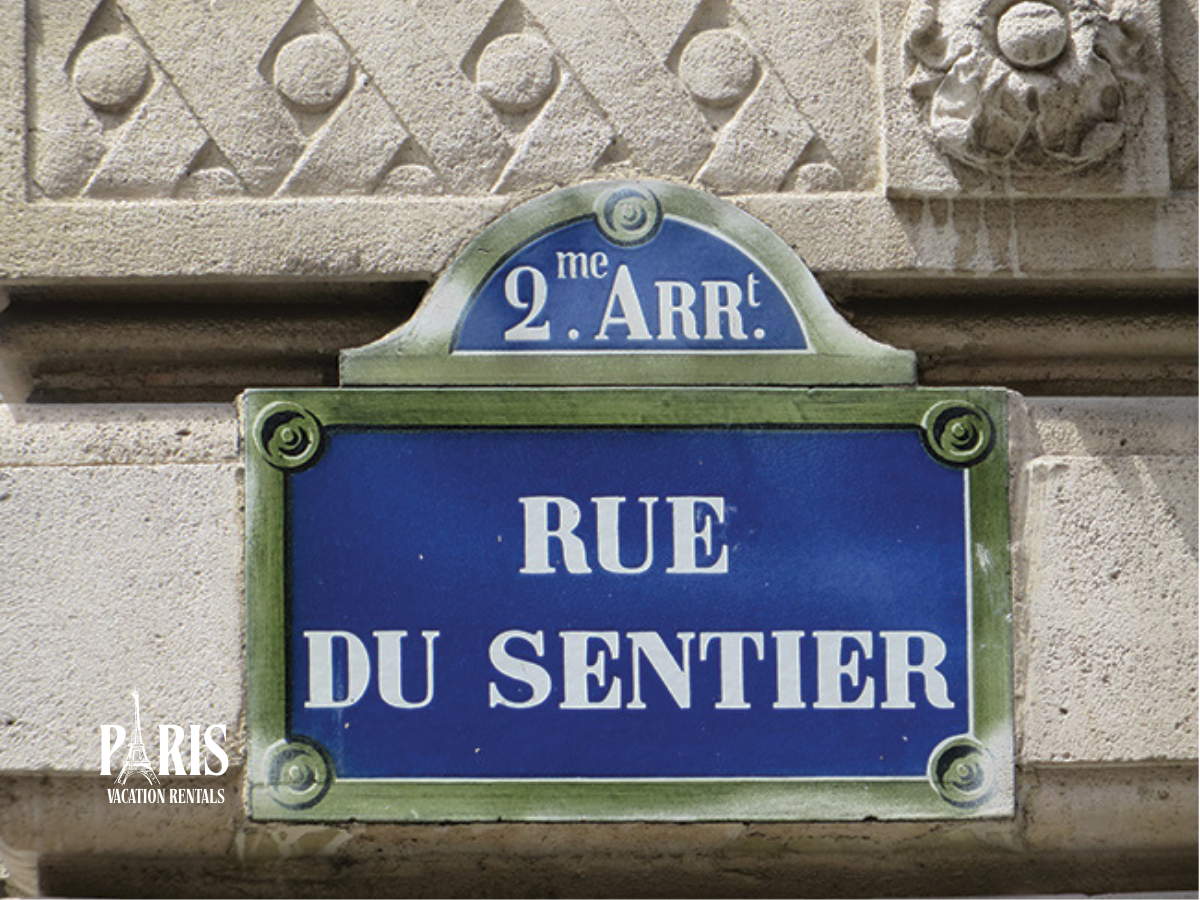
Sentier occupies the eastern section and carries fascinating history. This was the most dangerous place in Paris during the Middle Ages where even police refused to enter. Now it's safe and has changed into a hip destination filled with independent retailers and fabric shops from its textile heritage. Tech startups have been drawn to the central location. The mini skirt of the 1960s was created here. You'll find the only feather maker in Paris at 82 rue de Cléry, still supplying theatres and cabarets.
Bourse forms the middle section. The Palais Brongniart once housed the Paris Stock Exchange and gave this neighbourhood its name. This financial district features elegant Haussmannian buildings, designer boutiques, and high-end restaurants. The neighbourhood inspired the creation of financiers, those hand-sized French cakes invented in 1890 for bankers who wanted snacks that wouldn't dirty their hands.
Montorgueil has Rue Montorgueil at its heart, a pedestrian market street that embodies authentic Parisian life. These atmospheric streets echo many insights from the 9 best things to do in Paris, where exploring local culture is a key theme.This cobblestoned thoroughfare hosts outdoor markets and historic bistros like L'Escargot Montorgueil and Le Rocher de Cancale (frequented by Balzac, Dali, and Marcel Proust). Patisserie Stohrer, Paris's oldest patisserie since 1730, is also here.
What Makes This District Special for US Travellers
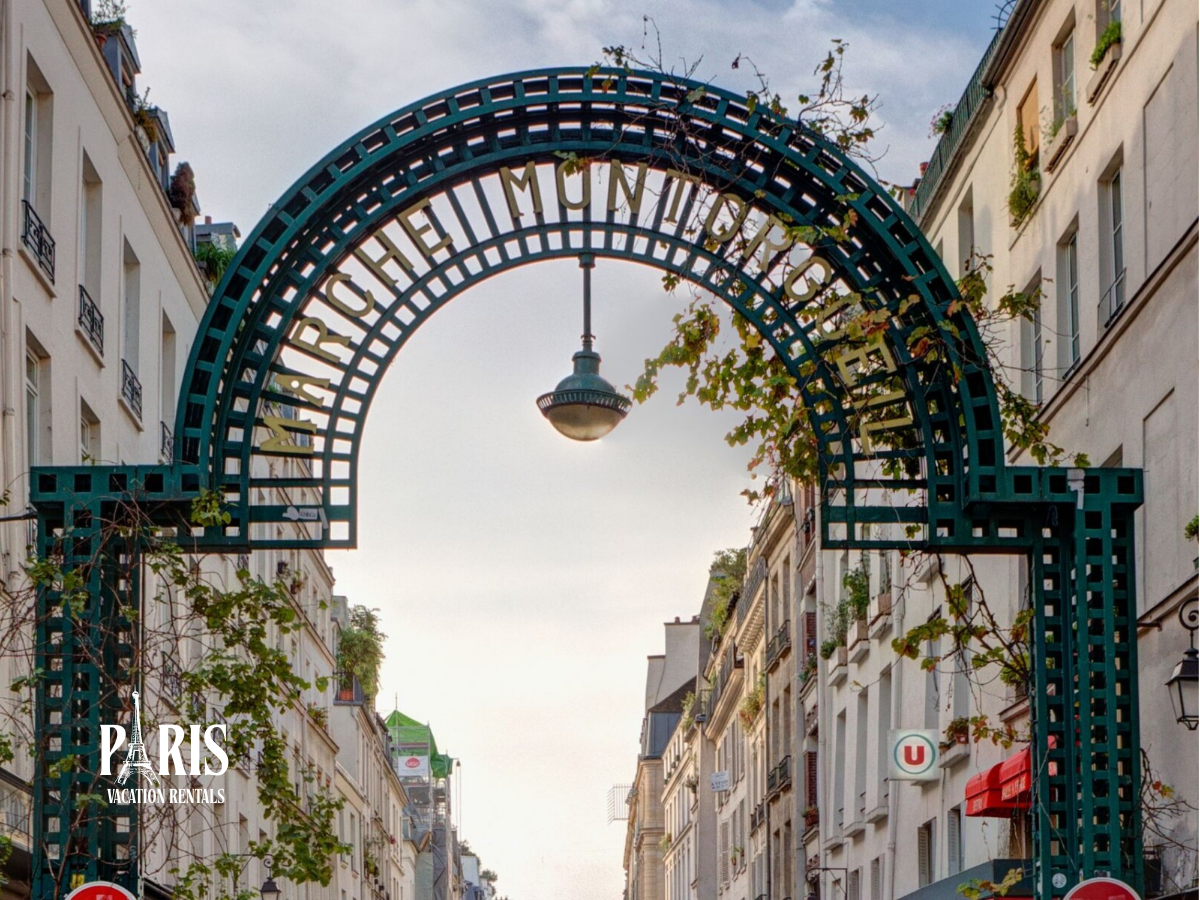
The 2nd maintains a healthier ratio of Parisians to tourists compared to neighbouring areas. You'll hear more French than English in alleyways. Cafes have baristas who know regulars by name. The district's network of 19th-century covered passages offers weatherproof shopping through glass-roofed arcades that feel like stepping back in time. Most attractions sit within a 10-minute walk of each other, so Americans accustomed to car-dependent cities appreciate the compact, walkable layout.
Experience Local Food Culture
Start Your Day at Historic Stohrer Bakery
La Maison Stohrer is Paris's oldest pâtisserie, nearly 300 years old. Nicolas Stohrer worked as pastry chef to the King of Poland before he accompanied the king's daughter to France for her marriage to Louis XV. He opened his bakery on Rue Montorgueil five years later. The shop's interior features frescoes commissioned in 1860 from a student of Paul-Jacques-Aimé Baudry. The rum baba was created here, though the éclairs are just as exceptional. American visitors will also find that picking the right stay influences your overall food exploration and comfort, as explained in the cool places to stay in Paris piece, which notes that comfortable central accommodation enhances every culinary outing.
Lunch at Rue Montorgueil's Market Stalls
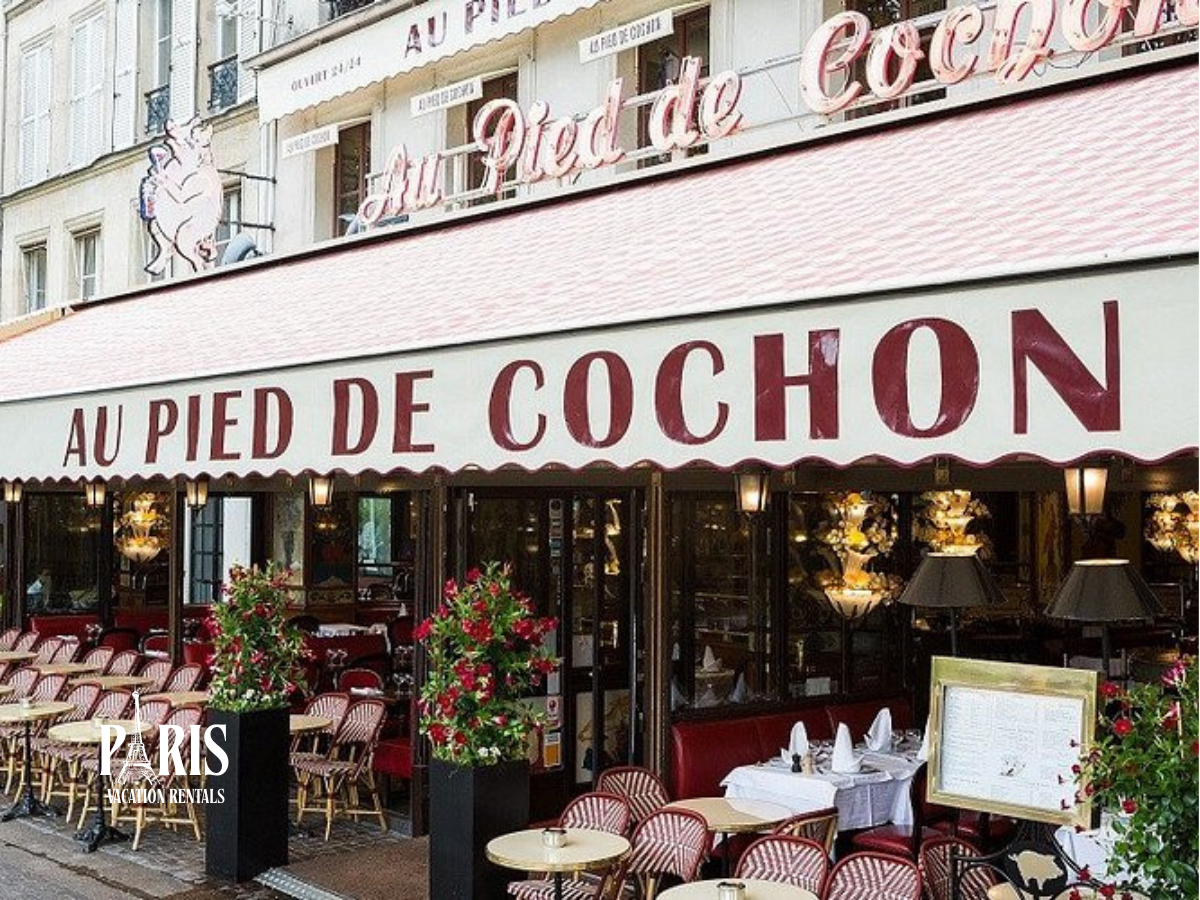
Tuesday or Wednesday mornings between 9:00-11:00 AM offer the most authentic market experience. Fresh deliveries arrive after Monday closures, and crowds remain manageable. Vendors participate more helpfully. Many shops close on Mondays, making it the least authentic day to visit. Stop at Cul de Cochon for traditional French charcuterie and Poissonnerie Soguisa to get fresh seafood. La Fromagerie provides cheese guidance.
Dinner in the Asian Quarter
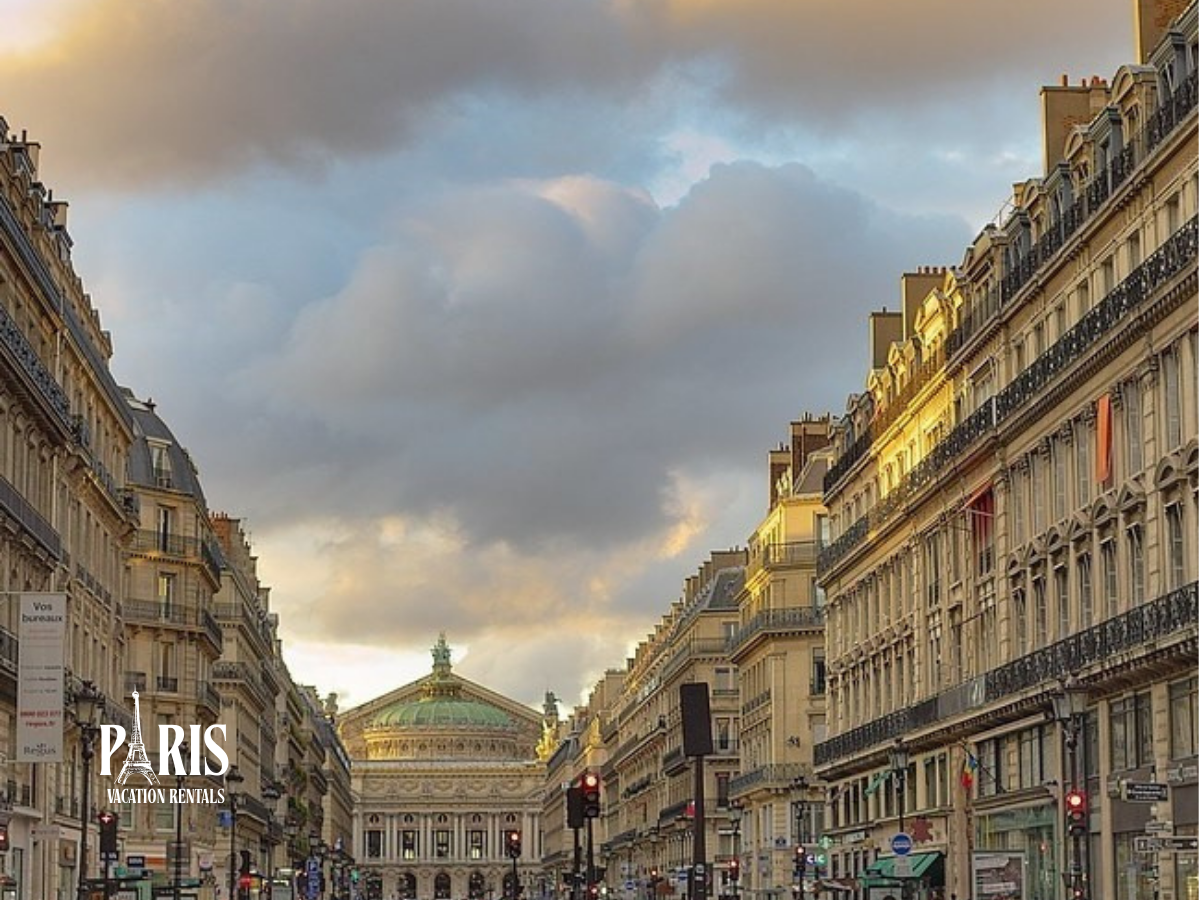
Rue Sainte-Anne stretches from Avenue de l'Opéra to Rue Saint-Augustin and serves as Little Tokyo with authentic Asian restaurants. Dosanko Larmen draws queues for enormous ramen bowls and unforgettable gyozas. Bambou offers refined Thai classics with actual chilli heat, including crispy calamari with green peppercorns and basil.
Wine Bars and Evening Drinks
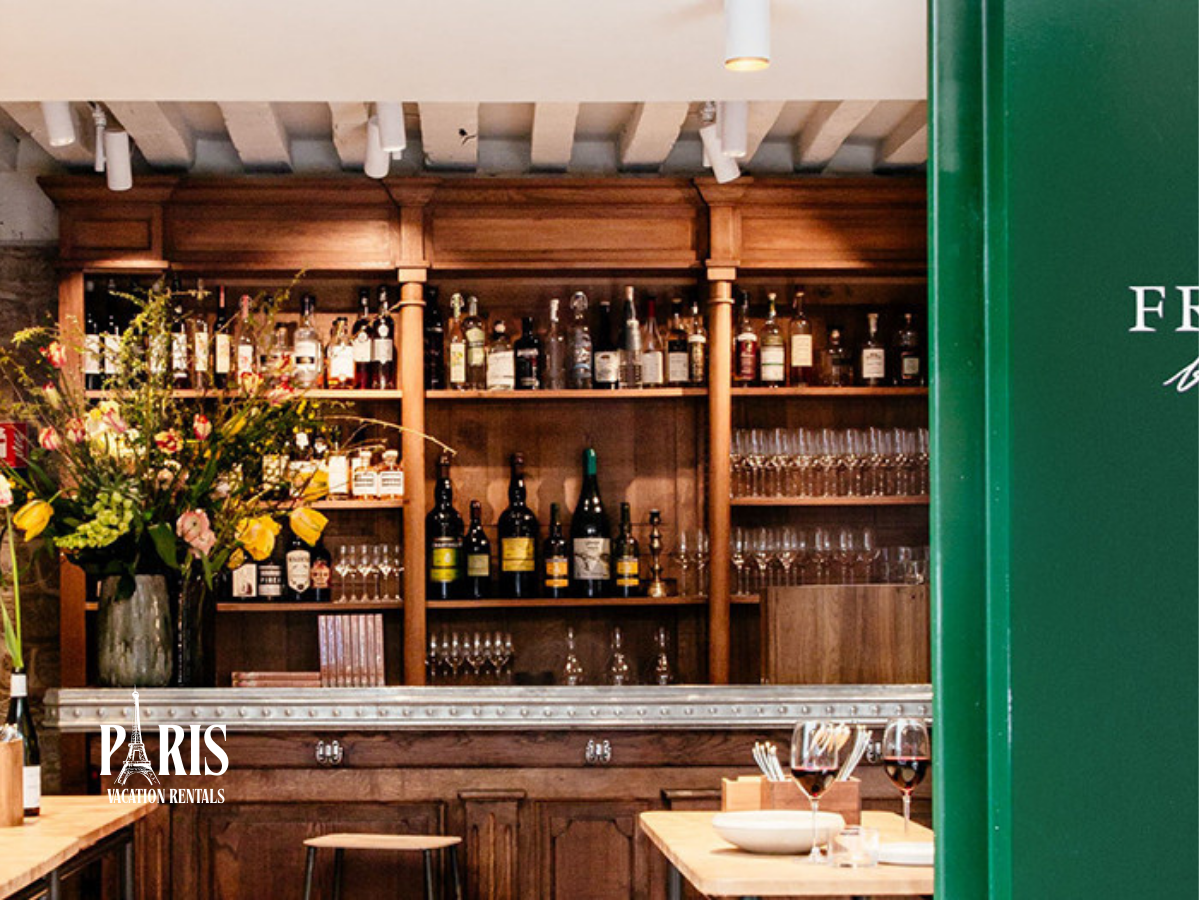
Frenchie Bar à Vins on Rue du Nil combines excellent kitchen work with wines that mix classics and natural references. The gougères with za'atar and labneh start meals perfectly. Burrata with boudin noir remains a signature dish.
Sweet Treats and Dessert Spots US Travellers Love
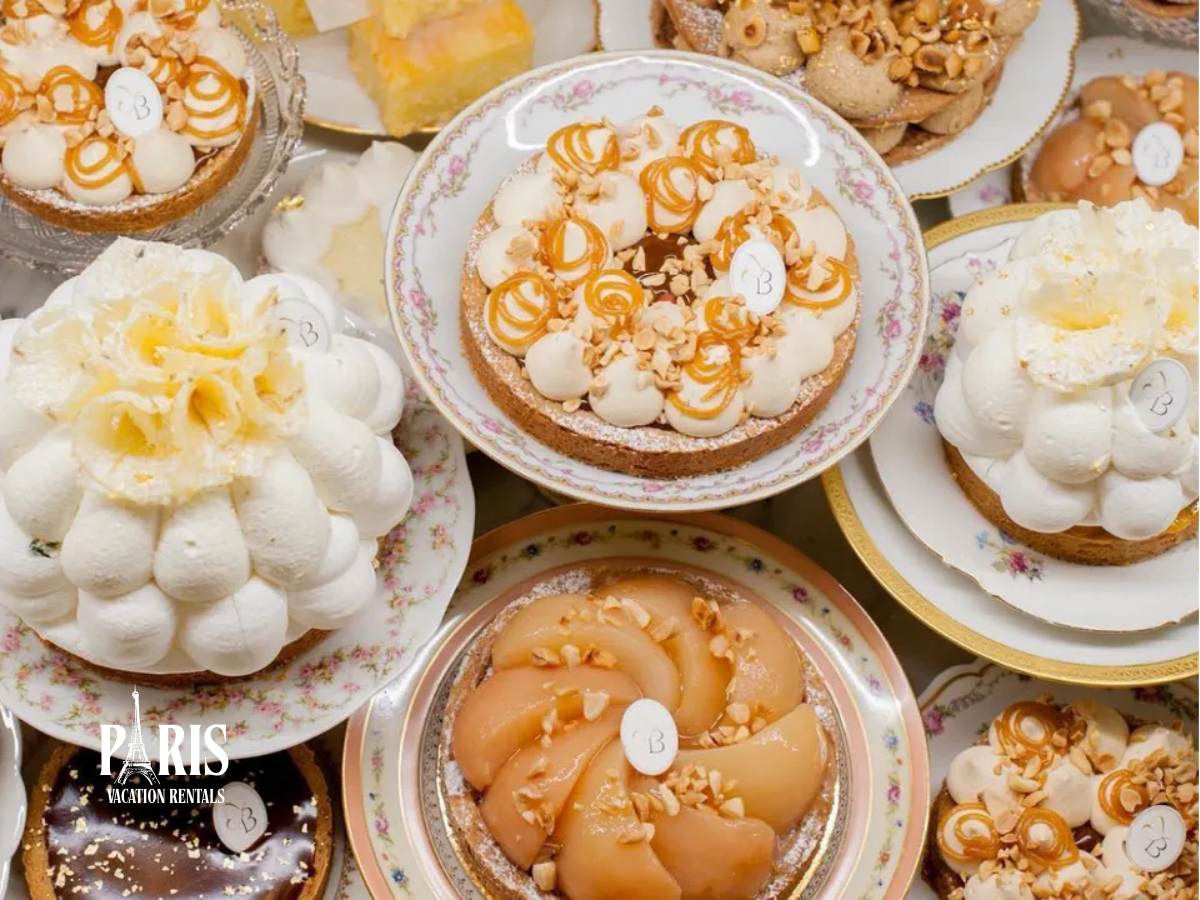
Fou de Pâtisserie curates pastries from Paris's top chefs under one roof, including creations from Angelina and Dalloyau. Odette specialises in cream puffs, with raspberry and vanilla flavours proving most popular.
Explore Hidden Gems and Attractions
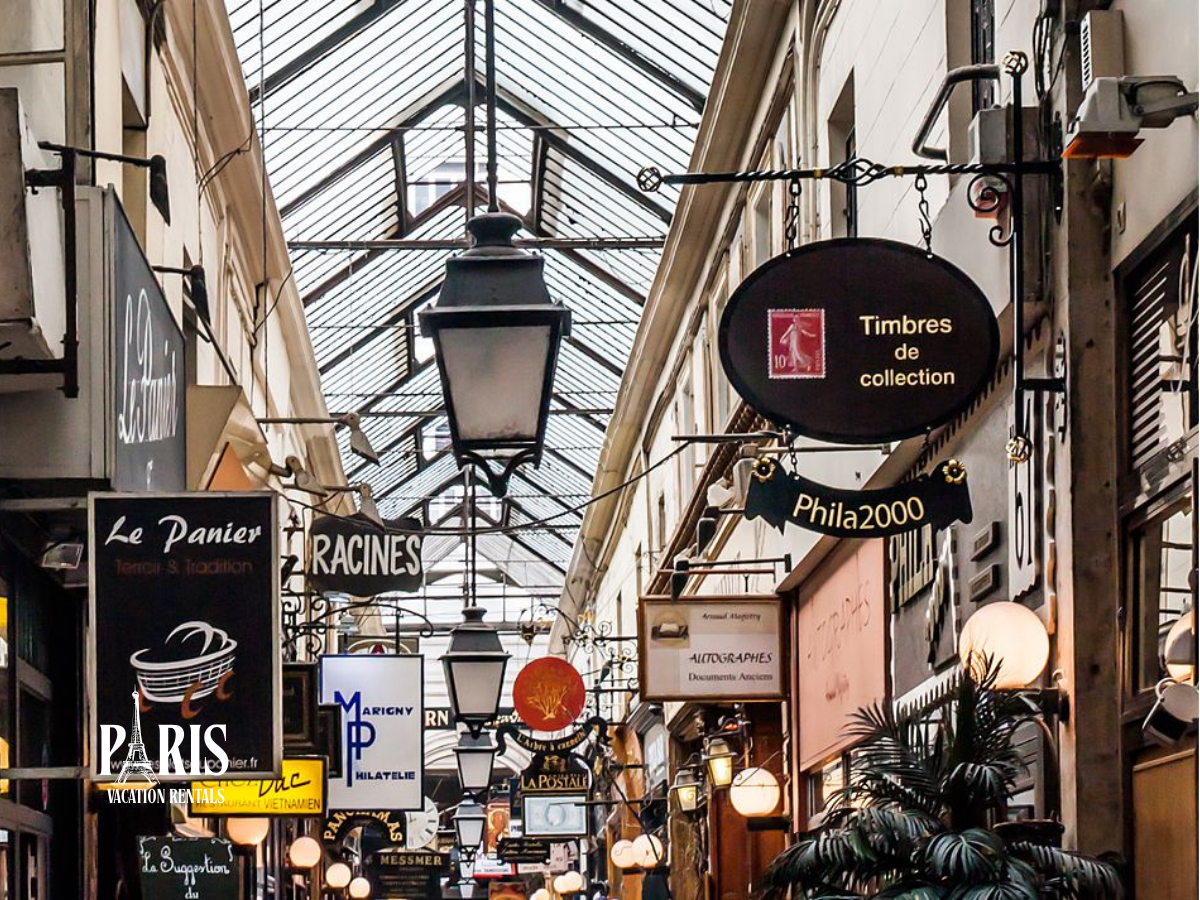
The Covered Passages: Shopping Like the 1800s
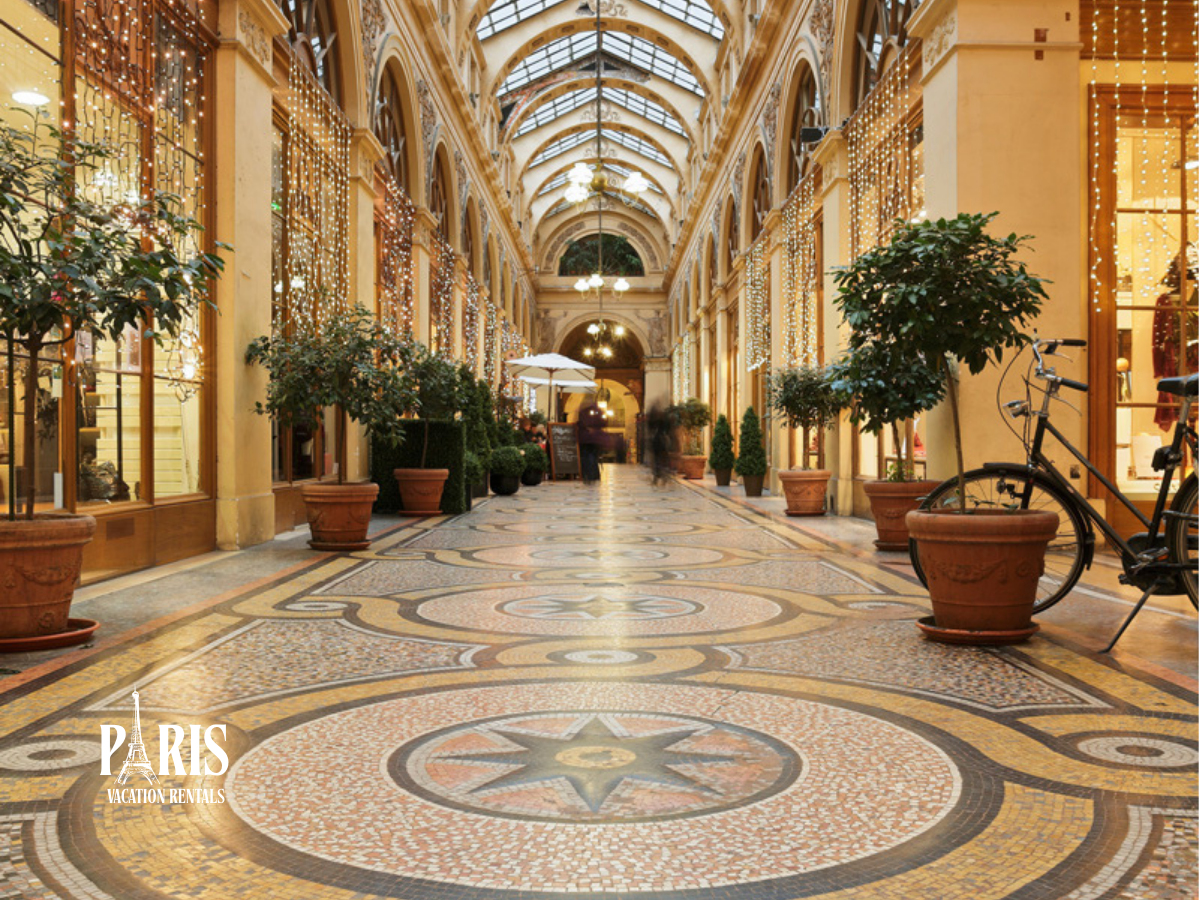
The 2nd arrondissement has more covered passages than any other Paris district, with 16 passages couverts and 9 galleries constructed during the 19th century. Passage des Panoramas, built in 1799, holds the title of Paris's oldest surviving passageway. Skylight roofing philtres natural light onto classic tiles and original woodshop facades, and each merchant pays homage to French craftsmanship. The name comes from an American architect, William Thayer, who placed two rotundas on the facade that displayed 'panoramas'.
Galerie Vivienne was constructed in 1823 and declared a historical monument in 1974. It showcases detailed mosaics laid throughout each hall. Antique shops line the passage, attended by passionate shopkeepers who know their inventory well. The architectural details recall the elegance of the Ritz Hotel, though at very different price points.
Palais Brongniart: The Old Stock Exchange
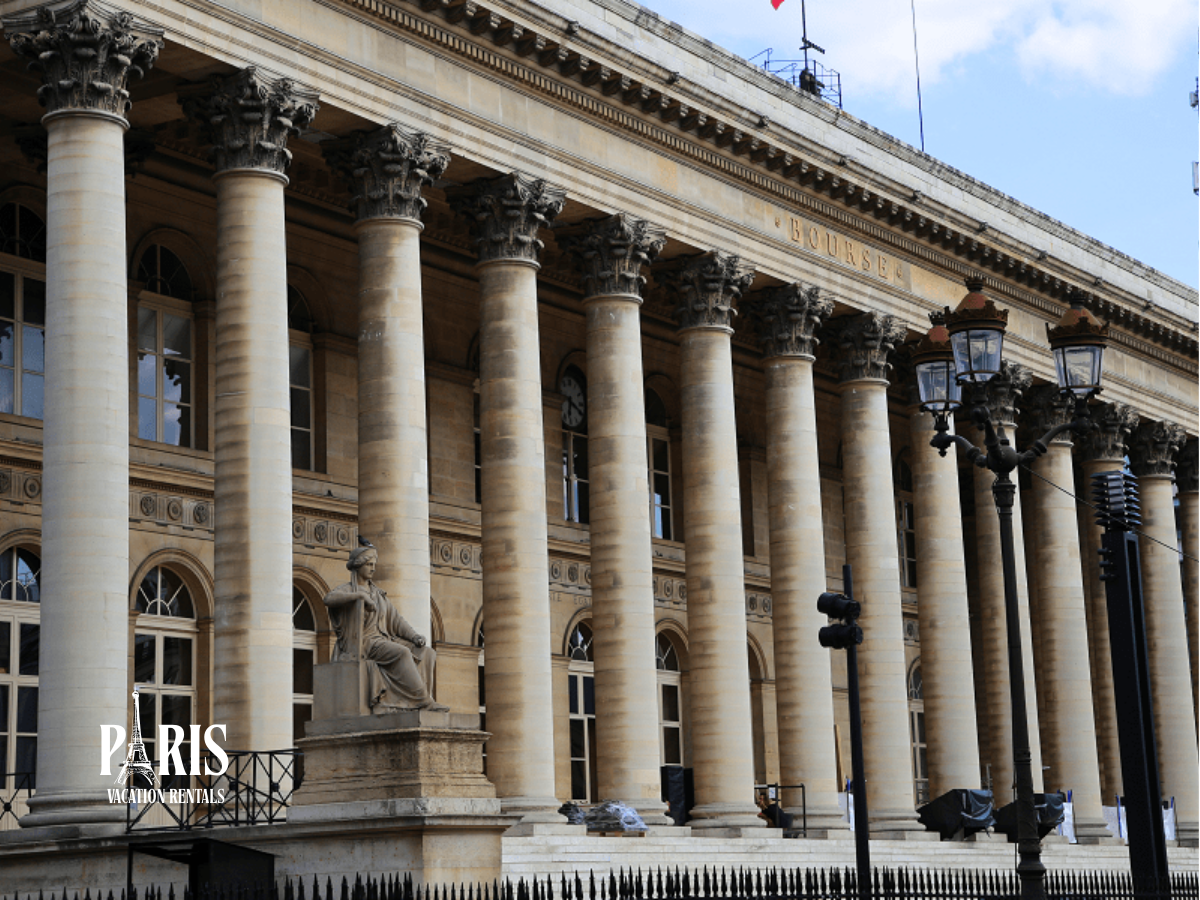
Napoleon Bonaparte commissioned this neoclassical building in 1808, designed by architect Alexandre-Théodore Brongniart. Inaugurated on November 4, 1826, it housed the Paris Stock Exchange for almost 150 years. The famous "Corbeille," where stockbrokers traded major stocks, was dismantled on July 14, 1987. The building now serves as an event and convention centre, closed to the public except during special occasions like Journées du Patrimoine.
Tour Jean Sans Peur: A Mediaeval Tower
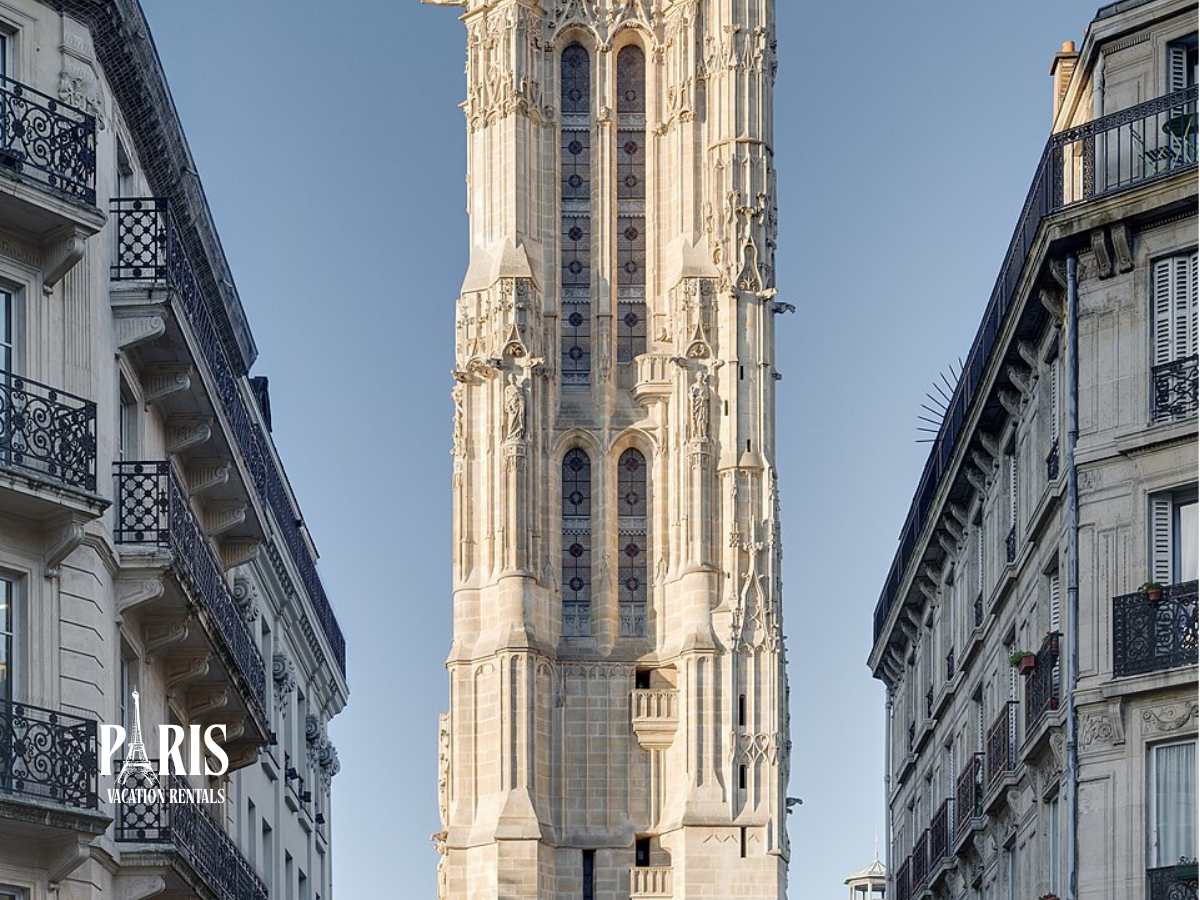
This tower rises 90 feet high at 20 Rue Étienne Marcel and stands as one of Paris's best-preserved mediaeval structures. Built between 1409-1411, it features a beautiful spiral staircase that leads to a two-room apartment where John the Fearless hid from enemies. The tower has a state-of-the-art latrine for that period.
Square Louvois: The Only Park in the District
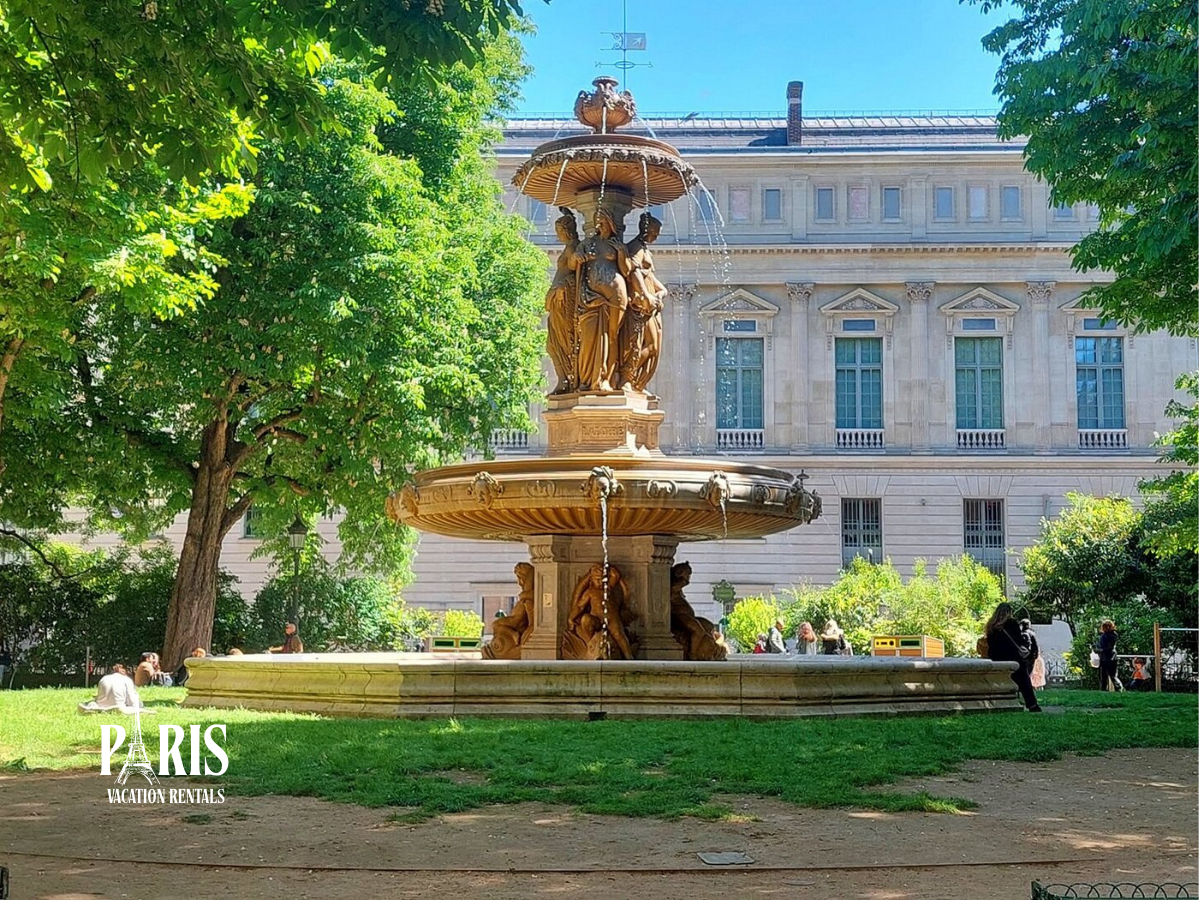
Paris has almost 500 public parks, but the 2nd arrondissement claims just one: Square Louvois. Created in 1836 on Rue Richelieu, the square centres around Fontaine Louvois, installed in 1844. Sculptor Jean-Baptiste-Jules Klagmann created statues that symbolise France's four major rivers: the Seine, Saône, Loire, and Garonne.
Le Grand Rex: Europe's Largest Cinema
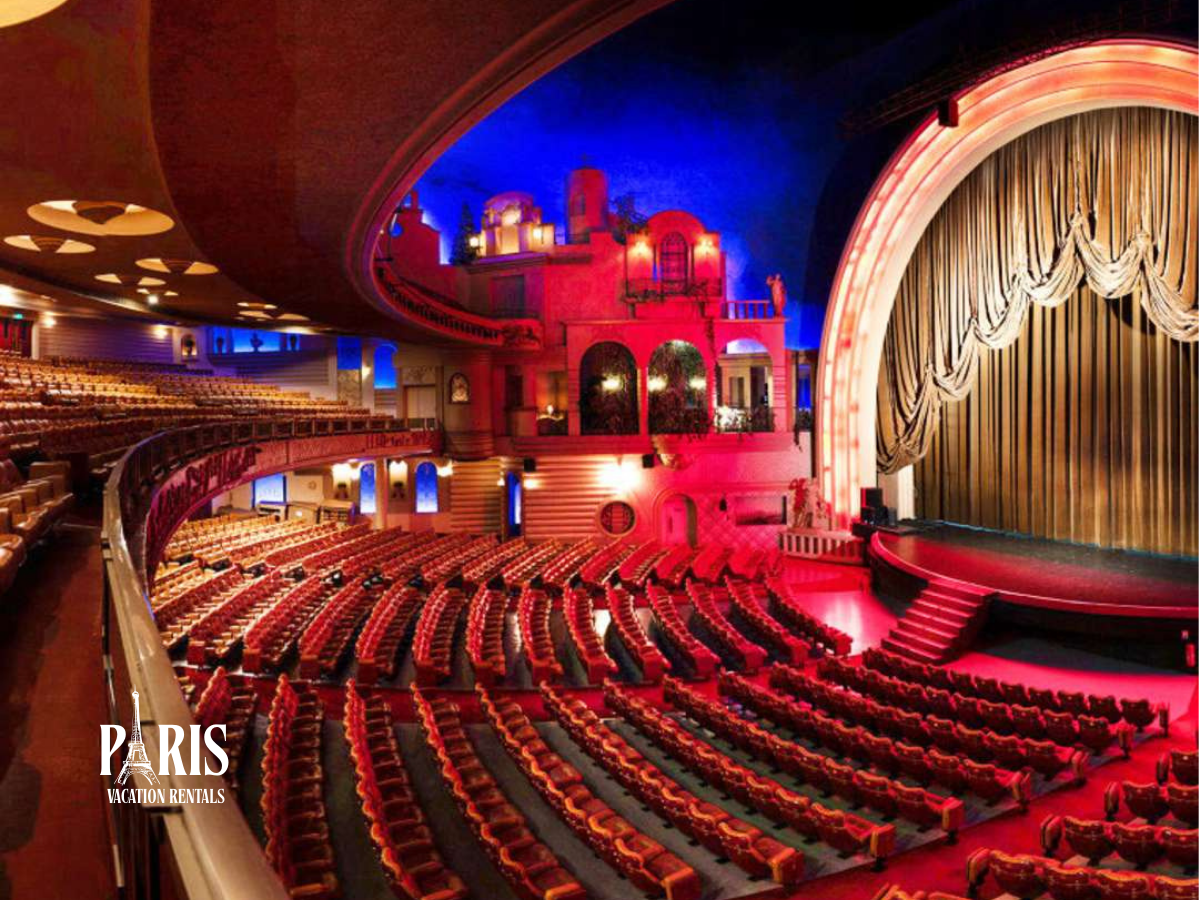
Constructed in 1932 on Boulevard Poissonnière, Le Grand Rex maintains its reputation as Europe's biggest and most advanced theatre. The Art Deco architecture features beaming neon lights visible from blocks away. Behind-the-scenes tours run every five minutes and last 50 minutes, with audio guides in six languages.
Practical Information for Americans Visiting the 2nd
Where to Stay: Hotel Recommendations
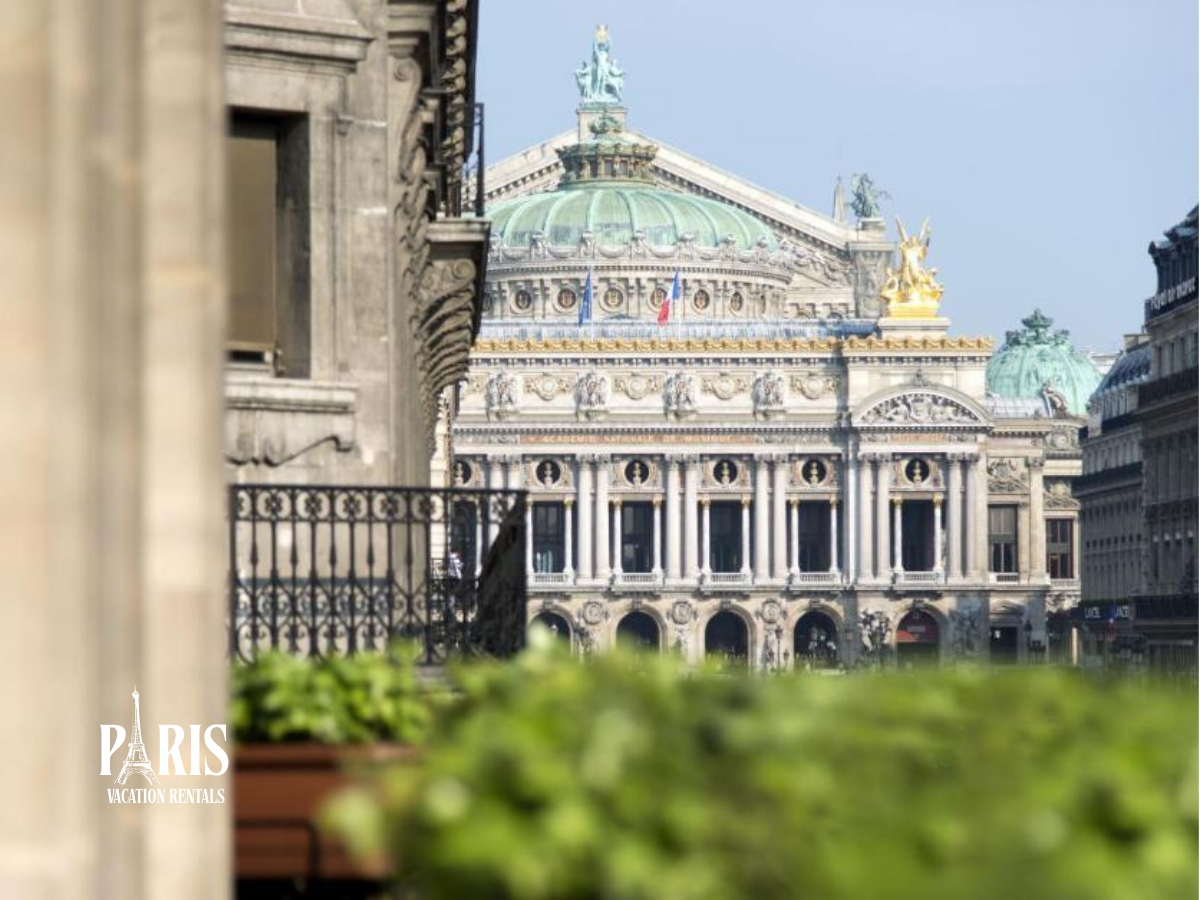
Hotel Edouard VII on Avenue de l'Opéra sits less than five minutes from Paris Opera House. Hotel Bachaumont occupies a quiet street between Rue Montorgueil and luxury boutiques on Rue Montmartre. The Hoxton fills an 18th-century building in Sentier with 172 rooms. Paris Vacation Rentals provide apartments in this area for travellers who prefer more space than traditional hotels offer.
Safety Tips: Is the 2nd Arrondissement Safe
The 2nd ranks among Paris's safest arrondissements. Security from the neighbouring 1st arrondissement spills over. Theft is opportunistic in crowded markets and narrow passageways, and covered passages attract pickpockets. Avoid Rue Saint-Denis on the eastern edge. The district empties at night, though main streets stay safe. For families looking for more detailed information on safety and where to stay, we have a comprehensive guide on staying safe in Paris with family.
Best Times to Visit
May through early June brings temperatures between 21-27°C with longer daylight hours. September offers similar conditions after August's vacation exodus. August should be avoided when restaurants close for weeks.
How to Get Here from Major Airports
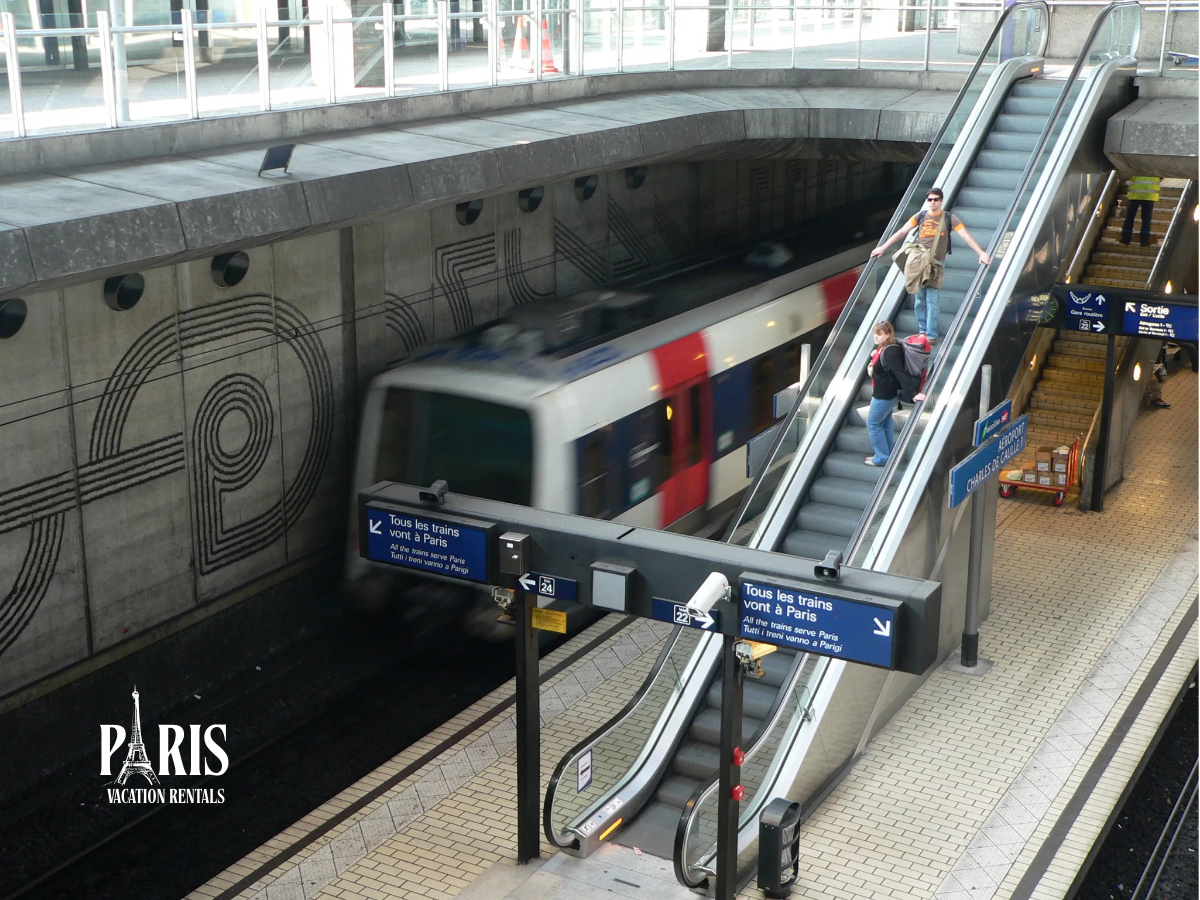
RER B trains from Charles de Gaulle cost €14 and reach central Paris in 35-40 minutes. Metro Line 14 costs €11.50 for a 25-minute trip from Orly.
Budget Guidelines for US Visitors
For 2026, mid-range travelers spend €265 daily. Hotels average €150-250 per night, meals cost around €72 daily, and transport expenses are approximately €21 per day.
Key Takeaways
Discover authentic Parisian life in the 2nd arrondissement, where locals outnumber tourists and centuries-old traditions thrive in the city's most compact district.
- Paris's smallest arrondissement (1 sq km) offers the highest concentration of authentic experiences, from the oldest pâtisserie (1730) to Europe's largest cinema
- Rue Montorgueil's pedestrian market provides genuine local culture - visit Tuesday/Wednesday mornings for fresh deliveries and engaged vendors
- The district houses 16 covered passages from the 1800s, offering weatherproof shopping through glass-roofed arcades with original architectural details
- Budget €265 daily for mid-range travel, with the area ranking among Paris's safest whilst maintaining walkable distances to major attractions
- Three distinct neighbourhoods (Sentier, Bourse, Montorgueil) each offer unique character - from tech startups to financial elegance to cobblestoned markets
The 2nd arrondissement proves that Paris's best experiences often hide in plain sight, rewarding travellers who prioritise authentic local culture over crowded tourist attractions.
FAQs
What are the top things to do in Paris's 2nd arrondissement?
Explore the covered passages, visit Stohrer bakery, Tour Jean Sans Peur, Le Grand Rex cinema, the Asian Quarter, and Palais Brongniart.
Is the 2nd arrondissement safe for American tourists?
Yes, it's one of Paris's safest areas. Be cautious of theft in busy spots and avoid Rue Saint-Denis at night.
Can you easily walk around the 2nd arrondissement?
Yes, it's Paris's smallest arrondissement, easy to walk around in about an hour, with most attractions within 10 minutes.
Where should Americans stay in the 2nd arrondissement?
Hotel Edouard VII, Hotel Bachaumont, and The Hoxton are great options, offering central access and a quieter vibe.
When is the best time to visit the 2nd arrondissement's markets?
Visit Rue Montorgueil on Tuesday or Wednesday mornings for the best experience, avoiding Mondays when many shops are closed.