Photo Places Paris: Best Spots for Perfect Pictures
May 21, 2026
Photo Places Paris: Best Spots for Perfect Pictures
Paris ranks as one of the most photographed cities in the world. Finding the perfect photo spots in Paris can transform your travel album from ordinary to extraordinary. The city offers endless Paris photography opportunities. The iconic Eiffel Tower sparkles for five minutes every hour. The Louvre, the world's largest museum, houses over 380,000 pieces of artwork. You might seek classic Paris pictures or hidden neighbourhood gems. I've compiled this guide to help you find the best photo spots in Paris. We'll cover everything from planning your Paris photoshoot locations to timing your visits and avoiding crowds. You'll learn specific techniques for capturing stunning pictures of Paris France that truly showcase the city's magic.

Table of Contents
Planning Your Paris Photoshoot Locations
Best Times to Visit Popular Spots
Timing reshapes Paris photography from mediocre to magnificent. Early morning remains the gold standard to capture the city's best photo spots. You get soft, flattering light when you arrive around 7-8 AM and iconic locations like the Eiffel Tower and Louvre stay relatively empty. Sunrise proved rewarding since the warm, soft light creates that magical quality you see in professional Paris pictures.
Golden hour occurs twice daily, just after sunrise and just before sunset, and lasts about 60 minutes. Sunset can arrive as late as 10 PM during summer months, so patience pays off. Evening photography at the Eiffel Tower works best when you arrive close to sundown and stay through darkness to capture both daylight views and the lit-up tower.
Weekday mornings, Tuesday through Thursday, offer shorter wait times and fewer tourists. Paris receives visitors year-round, but November through March marks the off-season when nearly 7 million annual visitors thin out.
What Camera Gear to Bring
A versatile lens setup covers most Paris photoshoot locations without weighing you down. The 24-105mm f/4 range handles everything from street photography to architectural details. A 16-35mm wide-angle lens proves essential to get those iconic wide shots of monuments and interiors. Adding a 70-200mm telephoto helps isolate details and compress perspectives along the Seine.
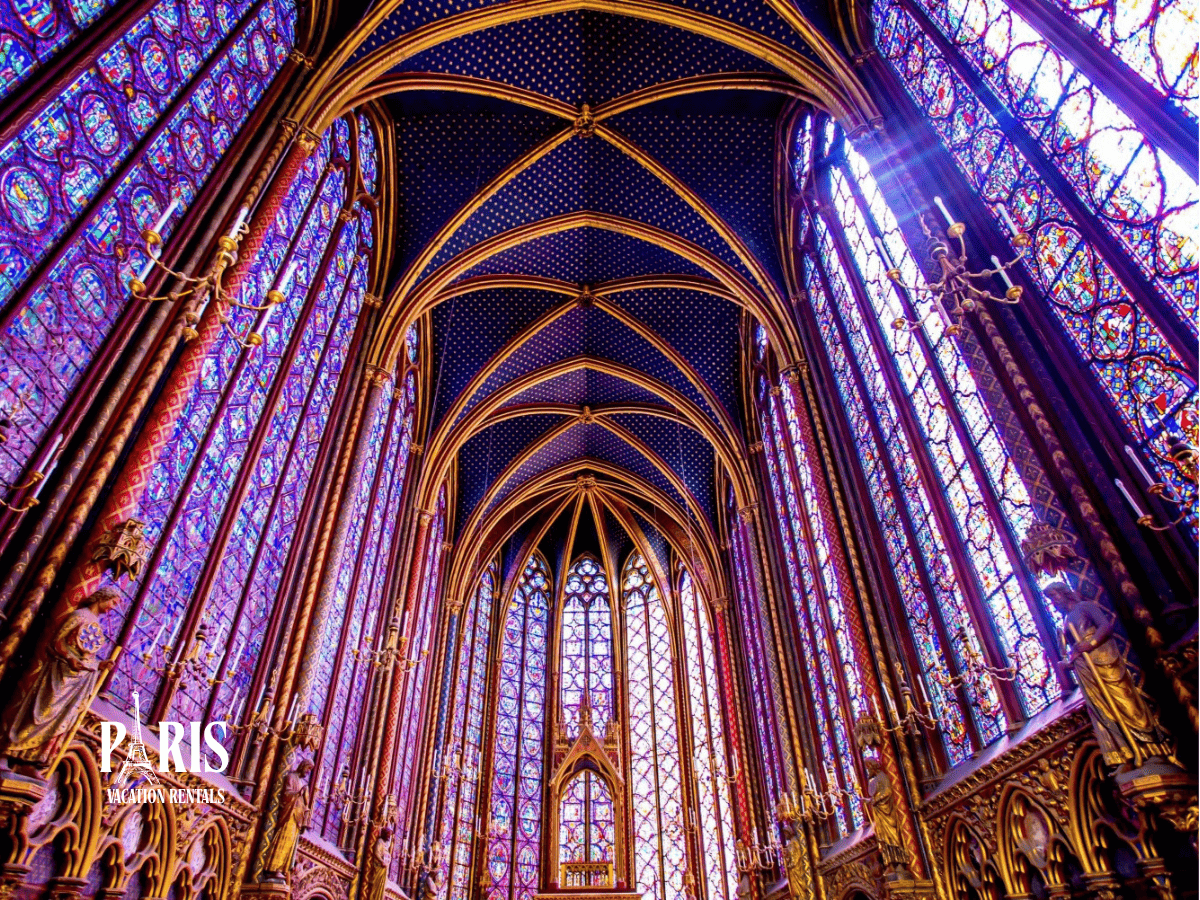
Tripods face restrictions inside most monuments and museums, yet they're valuable to get evening shots along the river and at lit-up landmarks. Beanbag-style supports work as portable alternatives that security allows, even in restricted venues like Sainte-Chapelle.
Avoiding Crowds at Famous Landmarks
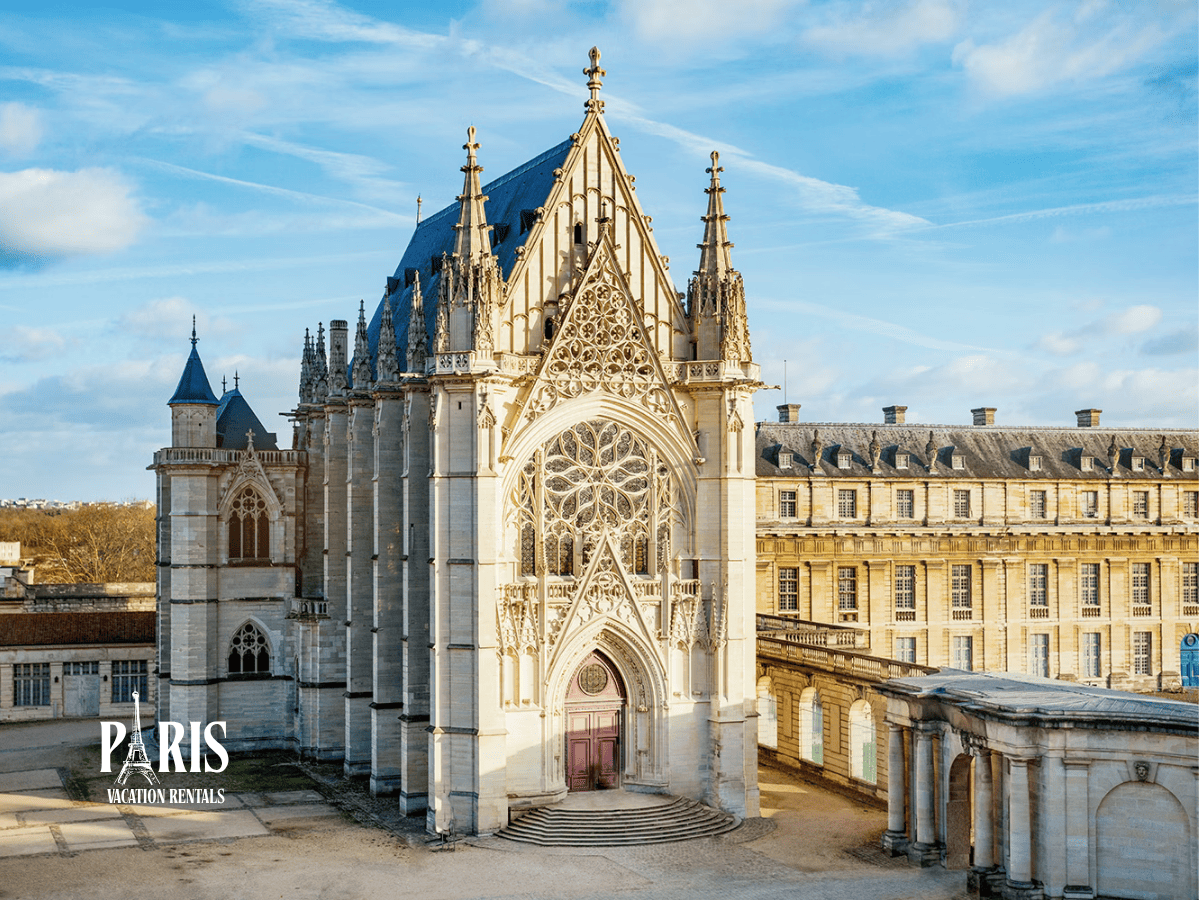
Peak season stretches from June through September when waiting times at major attractions extend beyond an hour. Visiting between October and April, January and February in particular, means encountering the lowest tourist numbers. The first few hours after opening (9:30 AM) and the final hours before closing (after 7 PM in summer) see reduced attendance within any given day.
Skip-the-line tickets up to 60 days in advance help you bypass on-site queues. Security checkpoints create bottlenecks at entrance points and elevator access, so factor these delays into your schedule whatever ticket type you have.
Classic Paris Photo Spots You Can't Miss
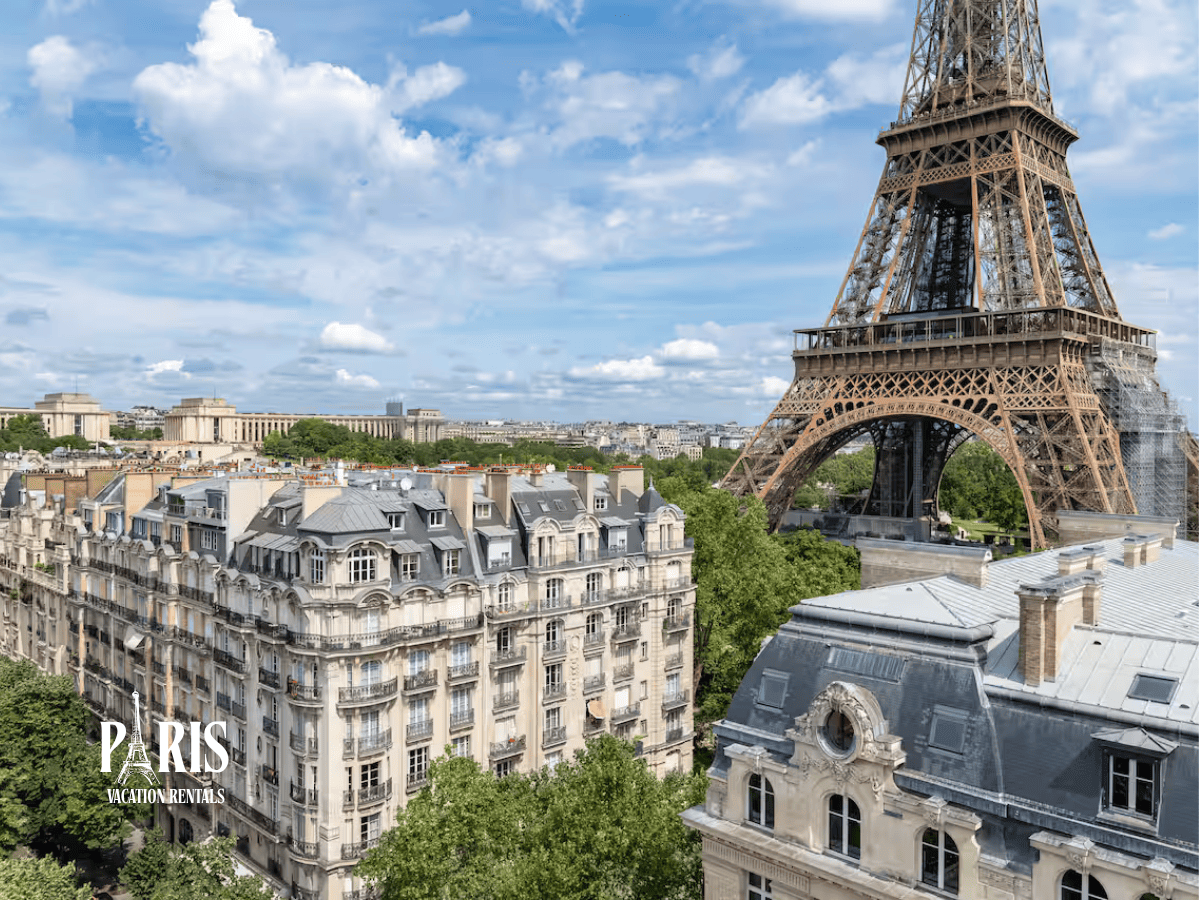
Trocadéro for Eiffel Tower Views
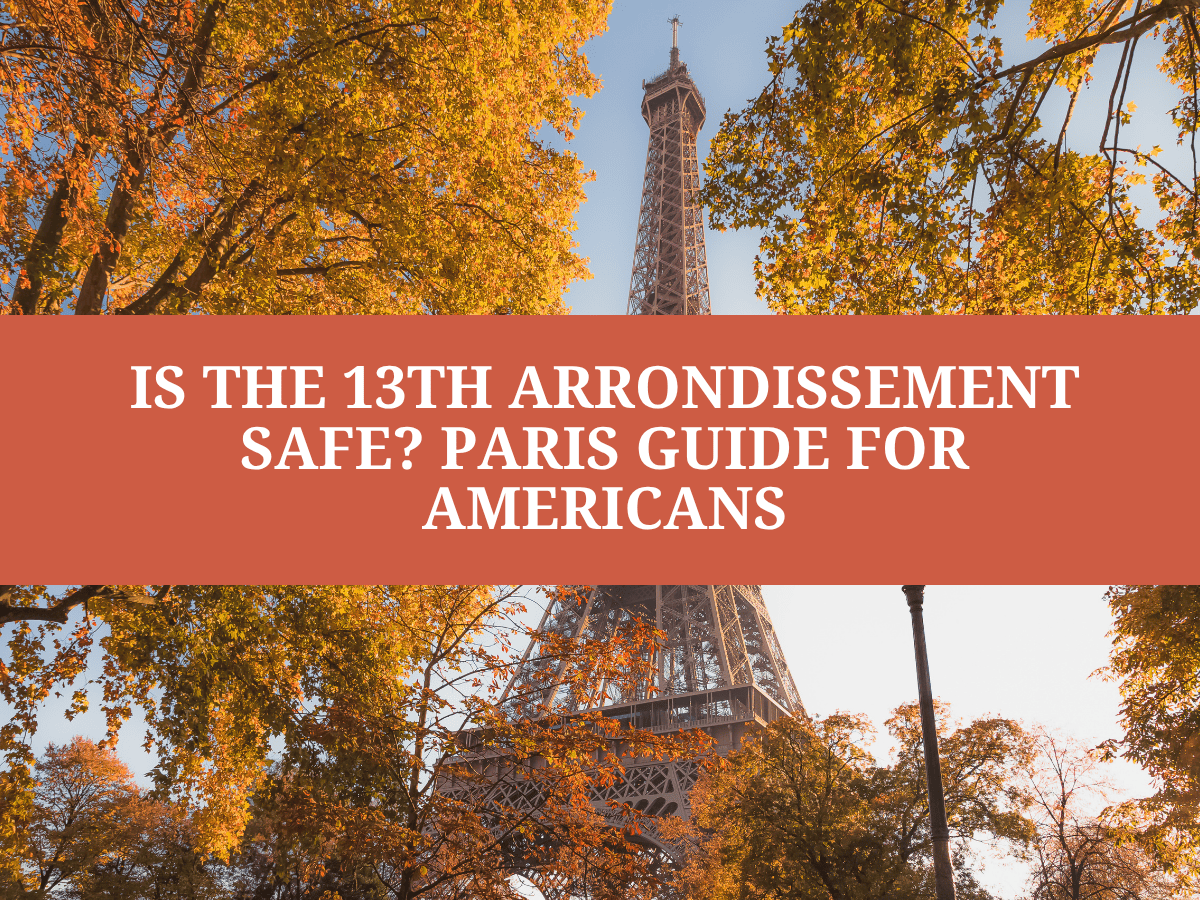
Trocadéro delivers the most iconic and recognisable Paris photo across the Seine. The elevated esplanade provides an unobstructed viewpoint with symmetrical lines that frame the tower perfectly. The fountains line up directly with the Eiffel Tower when they operate and create strong foreground interest. Just a two-minute walk away, the steps below the main square offer centred views with natural leading lines. You can use them for both posed and candid shots. You can capture reflections at the fountain level when the basin fills with water. This adds depth without complex setups.
The Louvre Courtyard
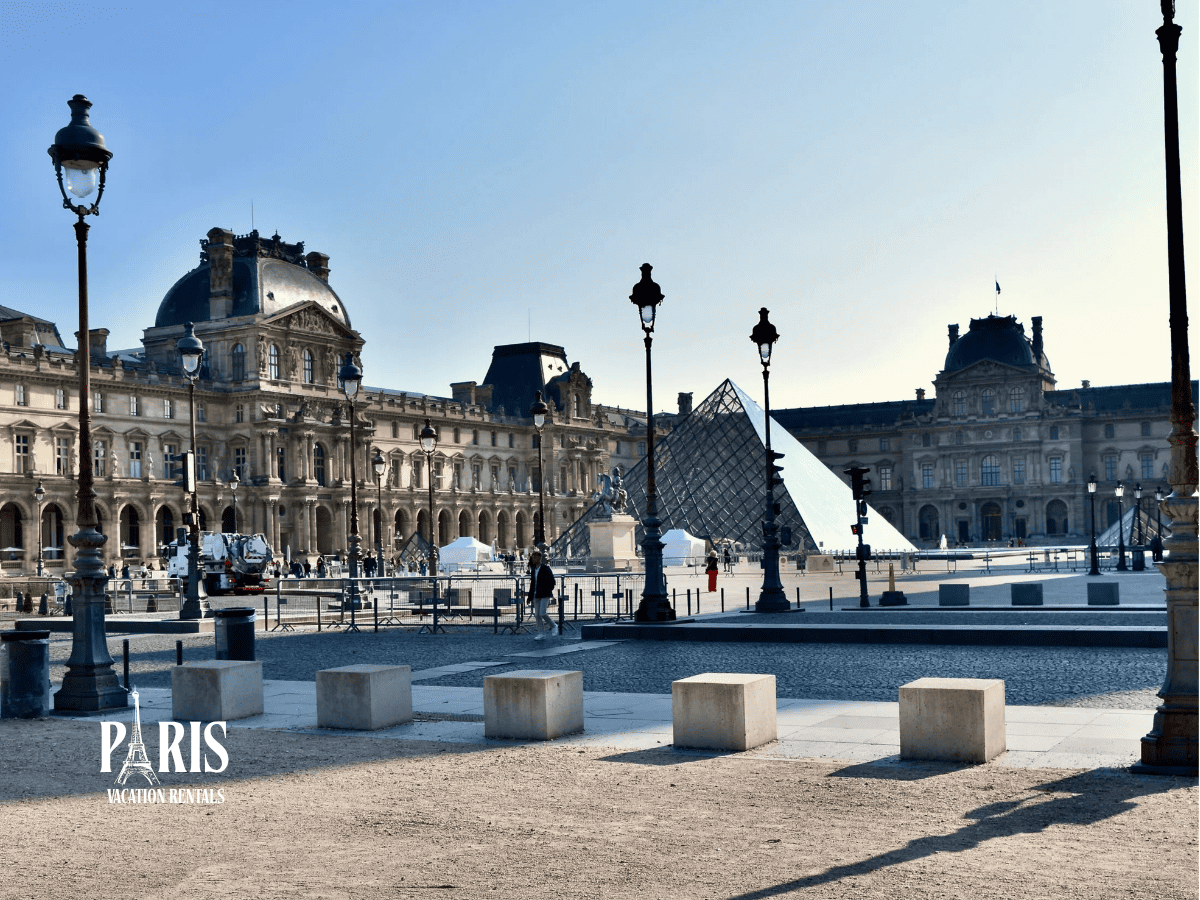
I.M. Pei's glass pyramid sits at the heart of the Cour Napoléon and stands 21 metres tall with a 35-metre square base. The structure was completed in 1989 and has 675 diamond-shaped and 118 triangular glass panes. A 95-tonne steel frame supports them. The pyramid lights from within during blue hour whilst the museum facades glow warmly against the evening sky. Shoot straight on to get symmetry, or position low and use the smaller surrounding pyramids as foreground elements. The Cour Carrée behind the main pyramid offers quieter compositions away from tourist concentrations.
Champs-Élysées and Arc de Triomphe
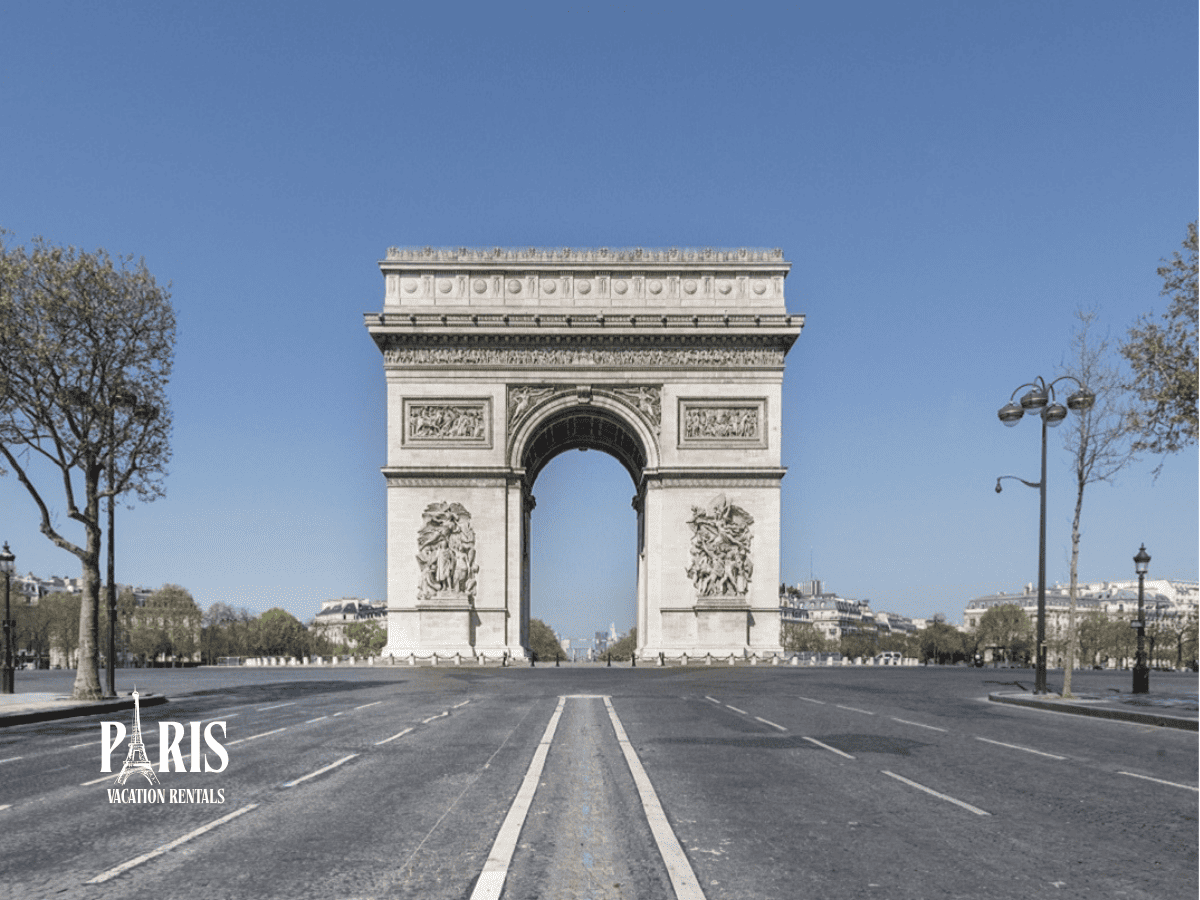
The Arc de Triomphe's enormous scale means you can photograph it from considerable distances. Surrounding crowds won't interfere. Longer focal lengths work better for this gigantic monument from the Champs-Élysées crosswalks. The terrace atop the Arc provides sweeping city views that include the Eiffel Tower, Sacré-Cœur and Les Invalides golden dome. There's no time limit once you reach the top viewing platform.
Montmartre and Sacré-Coeur
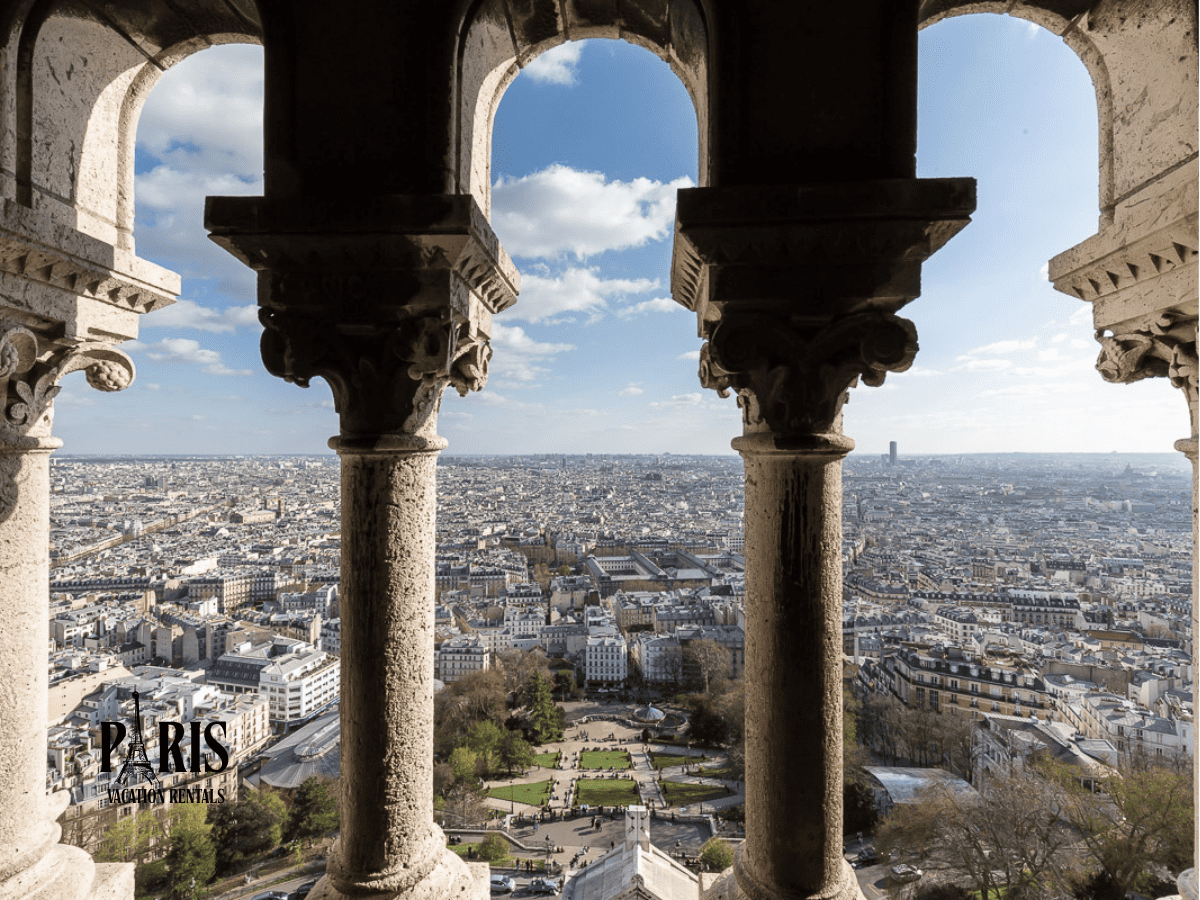
A double staircase with 222 steps leads directly to Sacré-Coeur from Square Louise Michel below. The basilica was inaugurated in 1891 and uses special stone from Souppes quarries. This stone releases calcite in rain and keeps its white appearance. Panoramic city views extend across Paris rooftops from the basilica steps. They look striking during golden hour particularly. Place du Tertre behind the basilica fills with local artists who offer portraits and original work.
Seine River Bridges
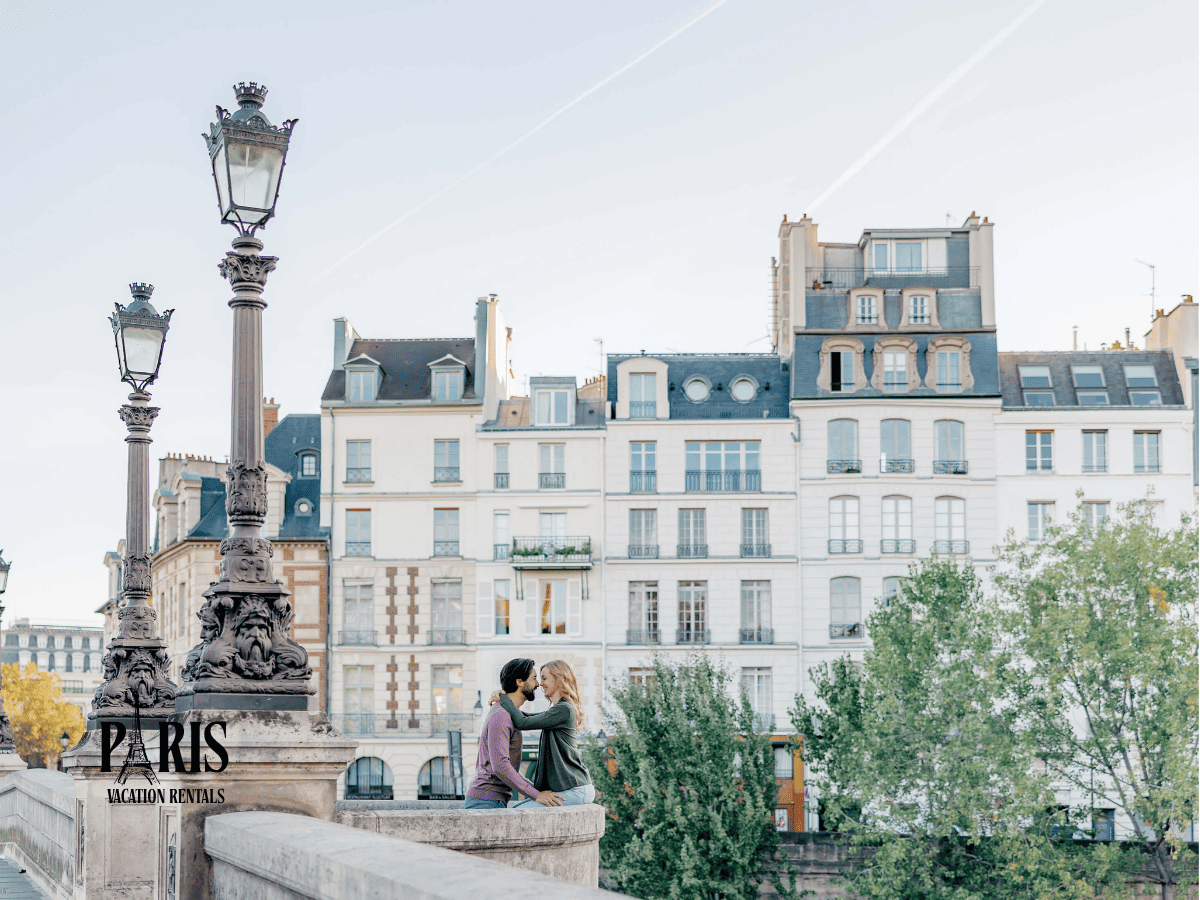
Pont Alexandre III surpasses other bridges with its ornate Art Nouveau lampposts and gilded sculptures. Golden-winged horses sit atop massive stone pillars. The single-span arch was built for the 1900 Universal Exposition and designed to preserve sightlines to Les Invalides. Pont des Arts connects the Louvre with Institut de France and offers direct views with golden Seine reflections at sunset. Transparent plexiglass panels now provide unobstructed photography after workers removed 45 tonnes of love locks in 2015.
Best Photo Spots Paris Neighbourhoods Offer
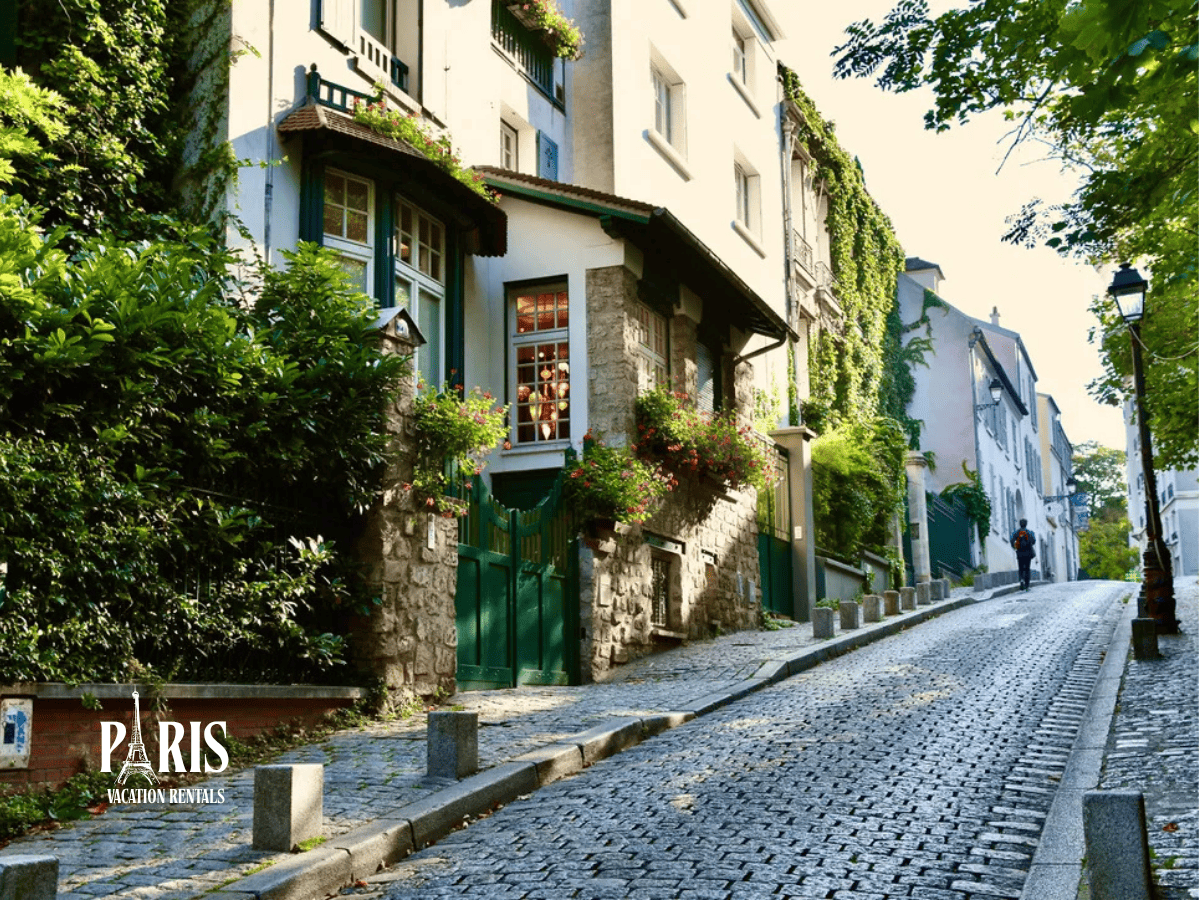
Charming Streets in Montmartre
La Maison Rose, located at the corner of Rue des Saules and Rue L'Abreuvoir, has served coffee for over 100 years. Rue de l'Abreuvoir ranks among the most photographed streets, especially during autumn when ivy-covered facades change through seasonal colours. Montmartre's 38 staircases create picturesque opportunities. The famous vine-covered lamppost on Rue Saint-Vincent turns bright red in fall.
Latin Quarter's Historic Architecture
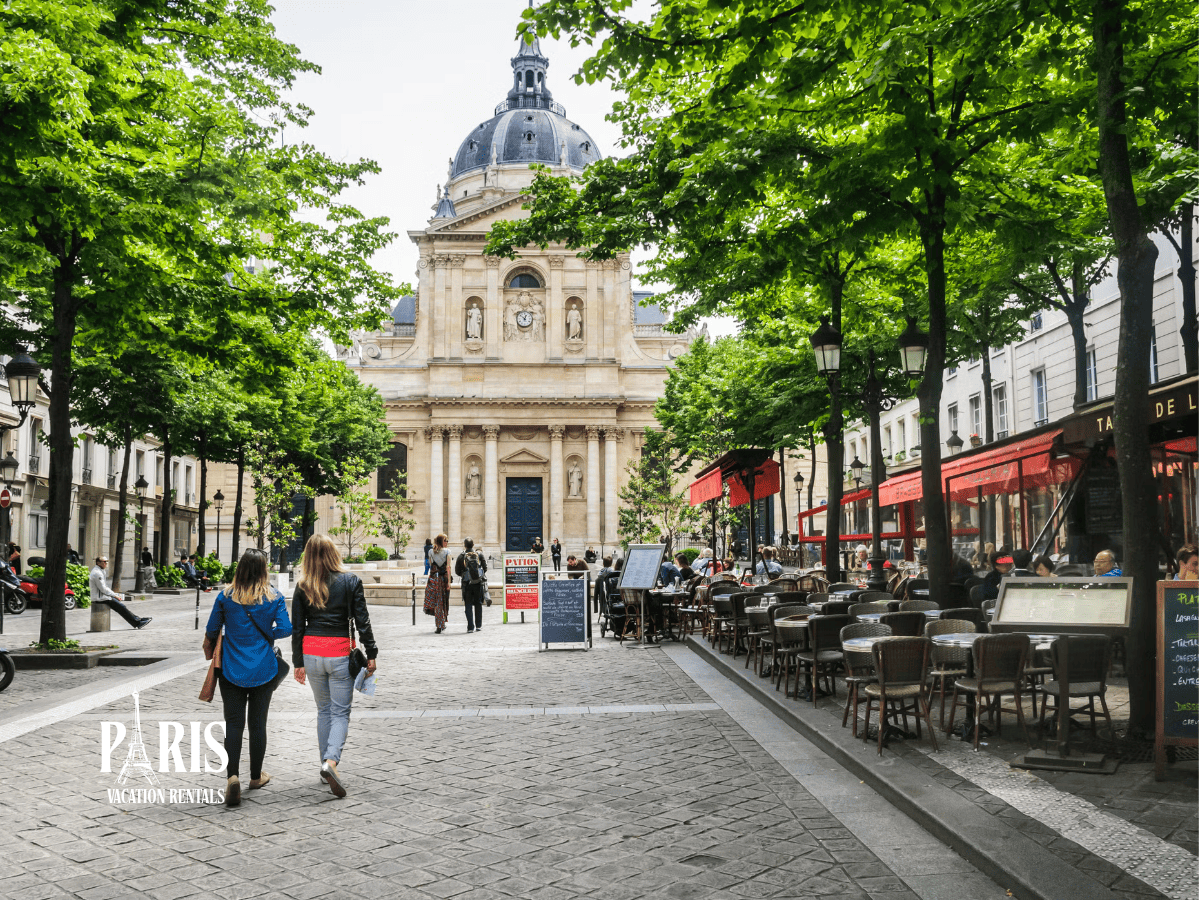
The Latin Quarter concentrates major Paris photoshoot locations within walking distance. The Pantheon anchors the hilltop and Luxembourg Gardens extend westward. Rue Mouffetard runs downhill from near the Pantheon and is lined with market stalls, produce displays and historic facades.
Colourful Rue Crémieux
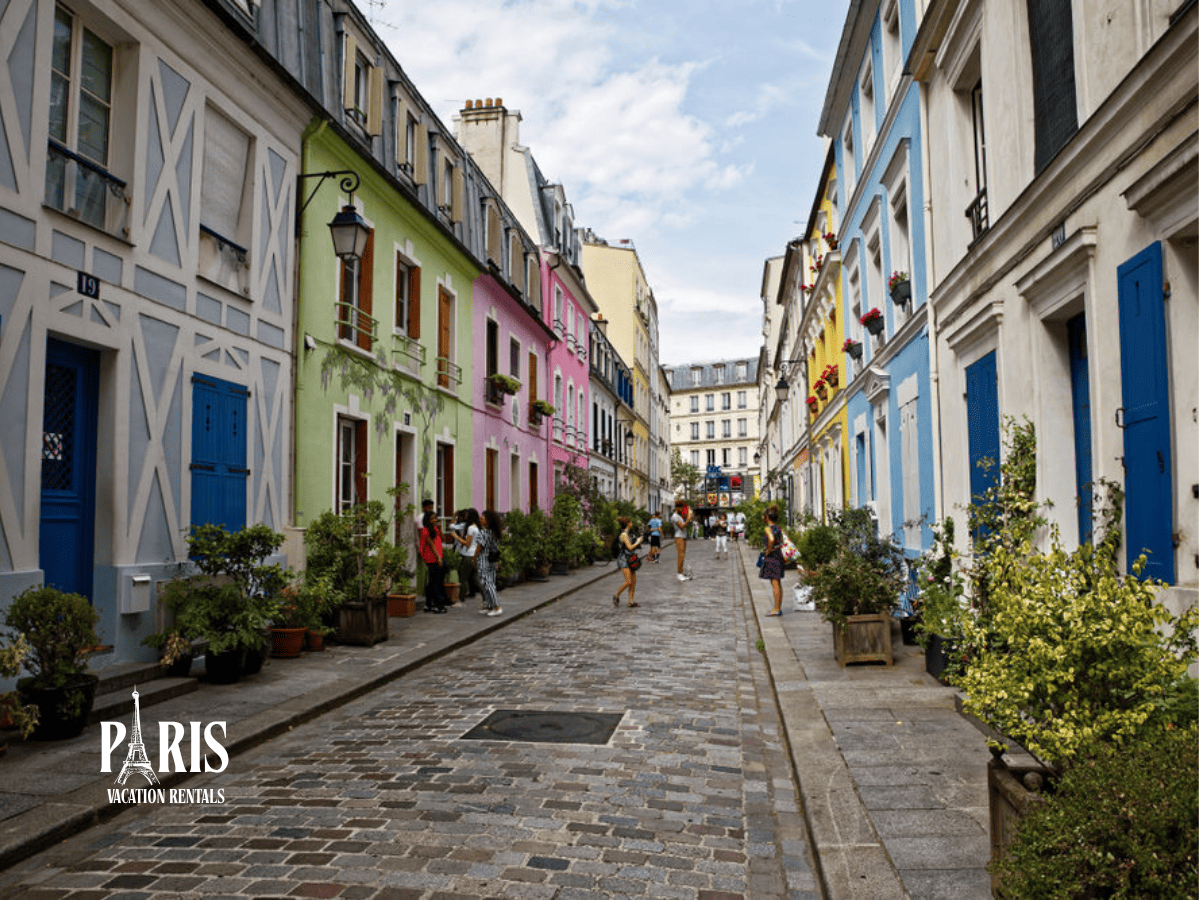
This pedestrianised street stretches 144 metres long and 7.5 metres wide between Rue de Lyon and Rue de Bercy. Around 35 similar houses display pastel facades ranging from soft green to blush pink. A plaque at number 8 marks where floodwaters reached 1.75 metres during the 1910 Seine flood.
Le Marais Hidden Courtyards
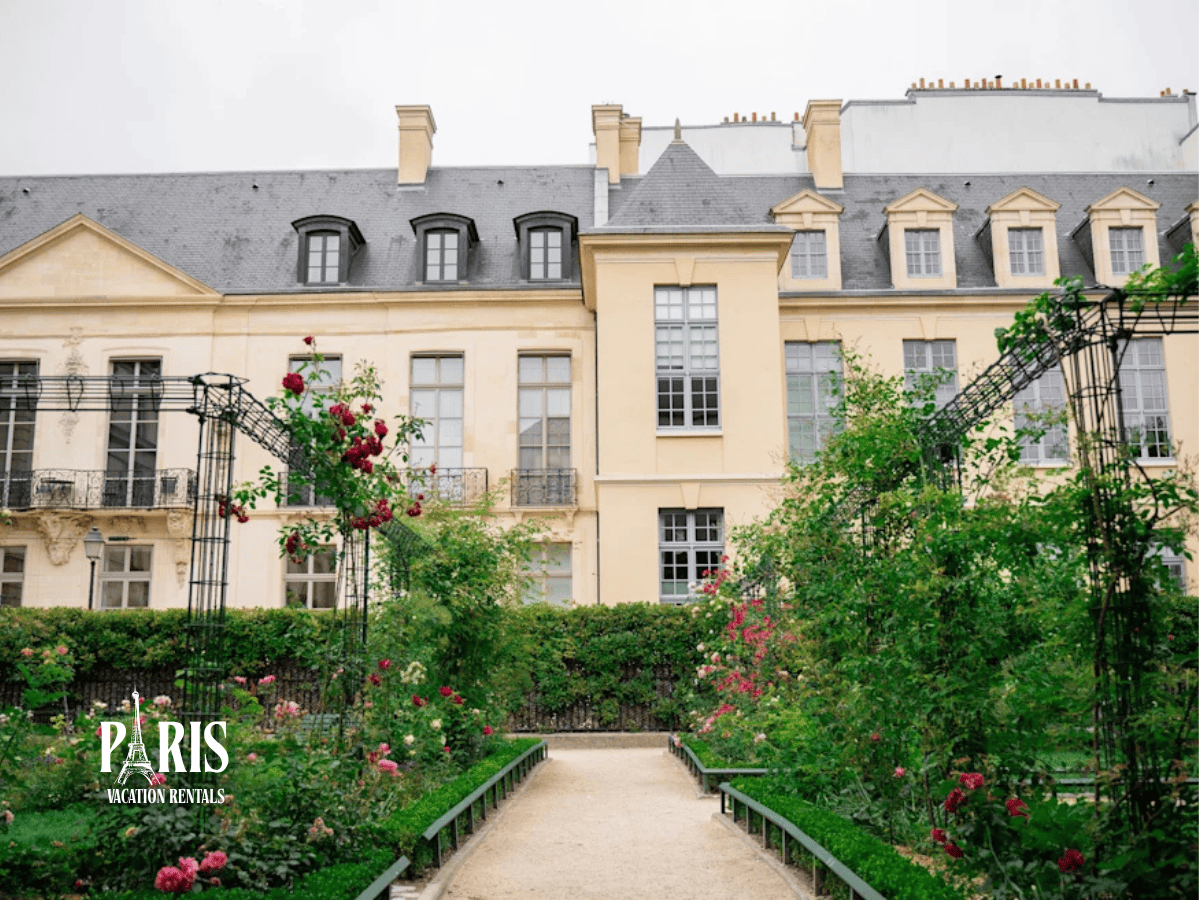
Massive doors conceal cobblestone courtyards and gardens that remain available during daytime hours. Jardin Anne Frank, Jardin des Rosiers and Square Saint-Gilles Grand Veneur offer secluded photo opportunities away from crowded streets.
Île Saint-Louis Quaint Corners
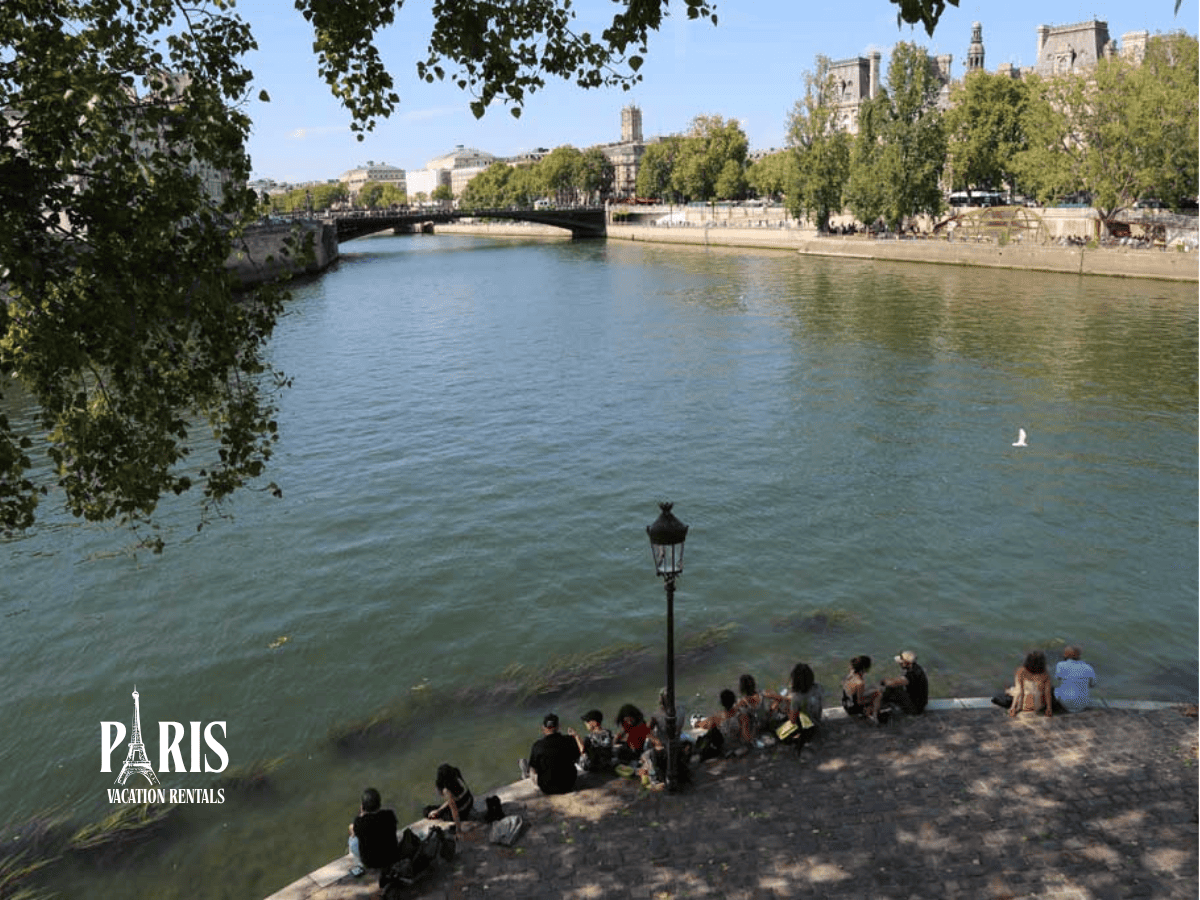
This 2,300-inhabitant district features narrow streets and 17th-century mansions. Rue Saint-Louis en l'Île runs through the island's centre. Shady quays provide riverside views. Paris Vacation Rentals offers good places of the apartment to reach photo spots in Paris easier.
Garden and Park Locations
Tuileries Garden's Terrasse du Bord de l'Eau provides tree-lined privacy despite central positioning. Luxembourg Gardens features perfect layouts with fountains and the Luxembourg Palace backdrop geometrically.
Tips for Taking Better Pictures of Paris France
Using Natural Light Effectively
Soft light during the first two hours after sunrise and the hour before sunset produces the most flattering results for Paris photography. Overcast days provide even illumination throughout the day. They're perfect for street photography where harsh shadows ruin midday shots. Position yourself near windows when photographing food or portraits indoors to employ natural light without artificial sources.
Composition Techniques for Paris Photography
The rule of thirds divides your frame into nine equal rectangles using two horizontal and two vertical lines. Place subjects along these lines or at their intersections rather than centring them. Leading lines draw viewers through your Paris pictures towards the main subject. These can be bridge railings, street patterns or architectural elements. Frame shots with foreground elements like trees or archways to add depth.
Respecting Locals and Private Property
France's Article 9 civil code protects privacy rights and creates strict photography laws. You can photograph people in public spaces, but using those images commercially without permission risks legal issues. Street photography for personal use remains acceptable. Avoid photographing people in vulnerable situations. Move on if someone objects, whatever the legal standing.
Capturing the Eiffel Tower Sparkle
The tower sparkles for five minutes at the beginning of each hour from nightfall until midnight or 1 AM. The system uses 20,000 6W bulbs. Personal photography of the illuminated tower is legal, but commercial use requires permission since the lighting system remains copyrighted.
Key Takeaways
Master the art of Paris photography with strategic timing, essential locations, and practical techniques that will elevate your travel photos from tourist snapshots to stunning memories.
- Visit iconic spots like Trocadéro and Louvre Courtyard during early morning (7-8 AM) or golden hour to avoid crowds and capture magical lighting
- Explore hidden gems in neighbourhoods like colourful Rue Crémieux, Montmartre's charming streets, and Le Marais courtyards for unique shots
- Pack versatile camera gear including 24-105mm lens for most situations and wide-angle 16-35mm for architectural photography
- Respect French privacy laws when photographing people and remember the Eiffel Tower's evening sparkle is copyrighted for commercial use
- Plan visits during off-season months (November-March) and weekdays for significantly fewer tourists at popular landmarks
Whether you're capturing the Eiffel Tower's nightly sparkle or discovering intimate cobblestone courtyards, successful Paris photography combines proper timing with respect for local customs and an eye for both iconic landmarks and neighbourhood treasures.
FAQs
Best spots to photograph the Eiffel Tower?
Trocadéro for the classic elevated view, Bir Hakeim bridge for a unique angle, Avenue de Camoëns for a quieter perspective, and Seine riverbanks for reflections.
Best time to avoid crowds?
7–8 AM on weekday mornings. November–March for fewer tourists overall.
Most photogenic streets?
Rue Crémieux (pastel houses), Rue de l'Abreuvoir in Montmartre (especially in autumn), Rue Mouffetard in the Latin Quarter, and Le Marais courtyards.
What camera gear to bring?
24-105mm f/4 for most shots, 16-35mm for wide architecture, 70-200mm for details. Tripods restricted indoors — use a beanbag support instead.
Can I photograph the Eiffel Tower light show?
Yes — personal photos are legal. Commercial use requires permission as the lighting design is under copyright.