Dangerous Areas in Paris: Guide for Americans
April 2, 2026
Dangerous Areas in Paris for Americans: Where to Be More Careful in 2026
Paris is not a city Americans need to fear, but it is a city where attention matters. Most U.S. visitors who run into trouble are not dealing with serious violence. They are usually dealing with more common travel problems like pickpocketing, phone theft, scams, crowded transit, and bad decisions made when tired, jet-lagged, or lost.
That distinction matters for Americans. Paris can feel polished, iconic, and easy to navigate, which makes it tempting to let your guard down. But the busiest tourist areas are often where thieves and scam artists target distracted visitors. The goal is not to avoid Paris, but to understand where problems are most likely to happen and move through the city with more confidence. That is also where practical guidance helps. At Paris Vacation Rentals , we share useful details on which areas call for more caution, what times of day tend to be trickier, and which of our accommodations place visitors in more comfortable, well-situated parts of the city.

Table of Contents
- Paris Is Usually Safe, but Not Always Easy
- The Areas Where Americans Should be More Careful
- The Real Threats Americans Face in Paris
- When Paris Feels Less Safe: Nighttime, Fatigue, and Bad Timing
- How Americans Can Avoid Looking Like Easy Targets
- Where Americans Usually Feel More Comfortable Staying
- Key Takeaways
- FAQs
Paris Is Usually Safe, but Not Always Easy
The first thing Americans should know is that “dangerous” in Paris often means something different from what they expect. It usually does not mean you are likely to face random violence while sightseeing near the Louvre or walking through Saint-Germain at lunch. More often, it means a higher chance of theft, scams, aggressive hustling, or feeling uncomfortable in certain places late at night.
That is also why broad statements about “bad neighborhoods” can be misleading. Paris changes block by block and hour by hour. A train station can feel busy and manageable at 4 p.m. and much less comfortable at 11:30 p.m. A landmark packed with selfie-taking tourists can be physically safe but still be one of the best places in the city to lose your phone or wallet. Official Paris tourism advice focuses heavily on vigilance in busy tourist areas, keeping bags closed and in front of you, avoiding large amounts of cash, and being alert for distraction-based scams.
Americans can stand out more than they realize. Loud conversations, checking directions in the middle of the sidewalk, carrying shopping bags, wearing a backpack loosely on the back, or leaving a phone on a café table all signal “tourist” very quickly. In Paris, looking distracted is often a bigger problem than being American.
The Areas Where Americans Should be More Careful
It is more useful to think in terms of situations and zones than to label whole sections of Paris as off-limits. Still, some places do deserve extra caution.
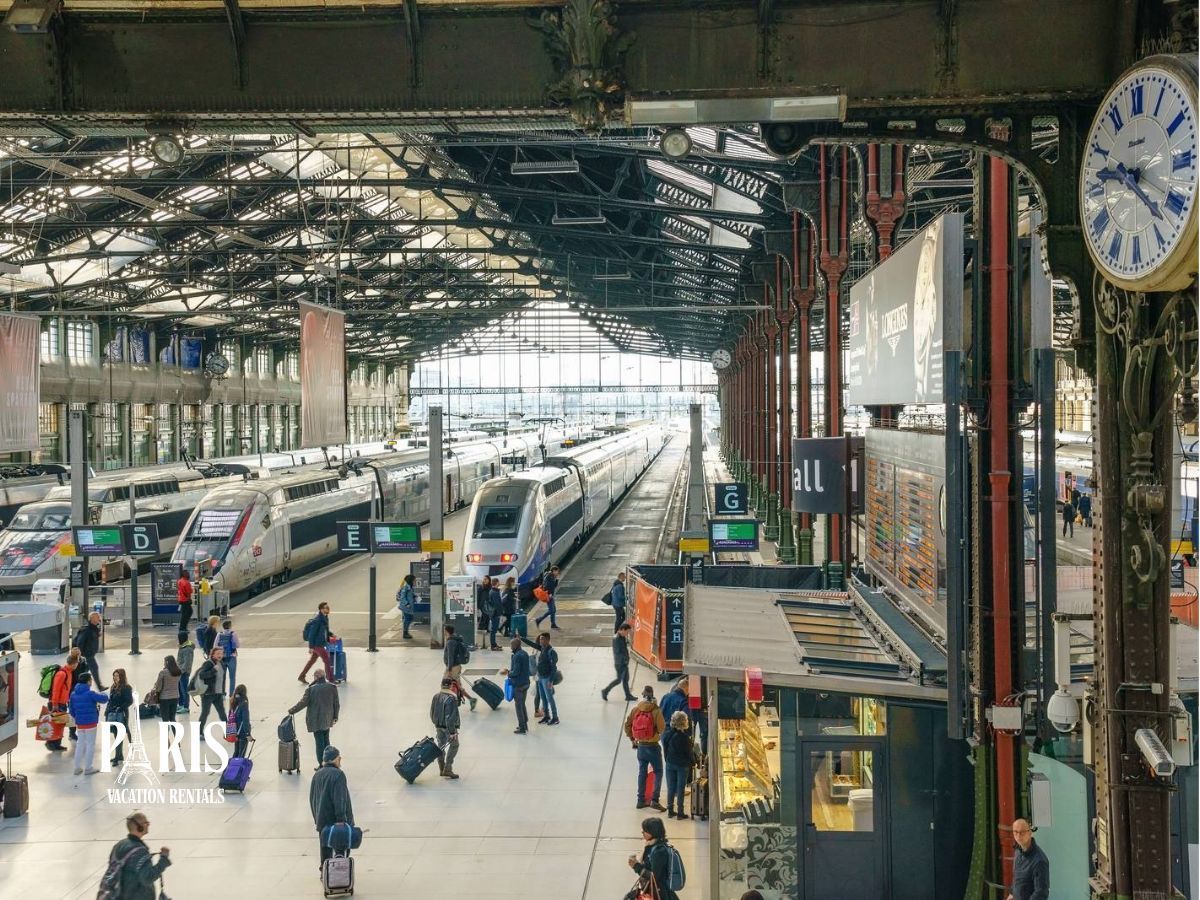
Major train stations are at the top of the list, especially Gare du Nord and Gare de l’Est. These are not places most travelers need to fear, but they are chaotic, high-traffic environments where exhausted arrivals, rolling luggage, phones, passports, and confusion all come together. The U.S. State Department specifically warns that theft is common in train stations and on subways and train cars. If you arrive from London, Brussels, or the airport and you are juggling bags while checking directions, you are exactly the kind of person scammers and thieves are looking for.
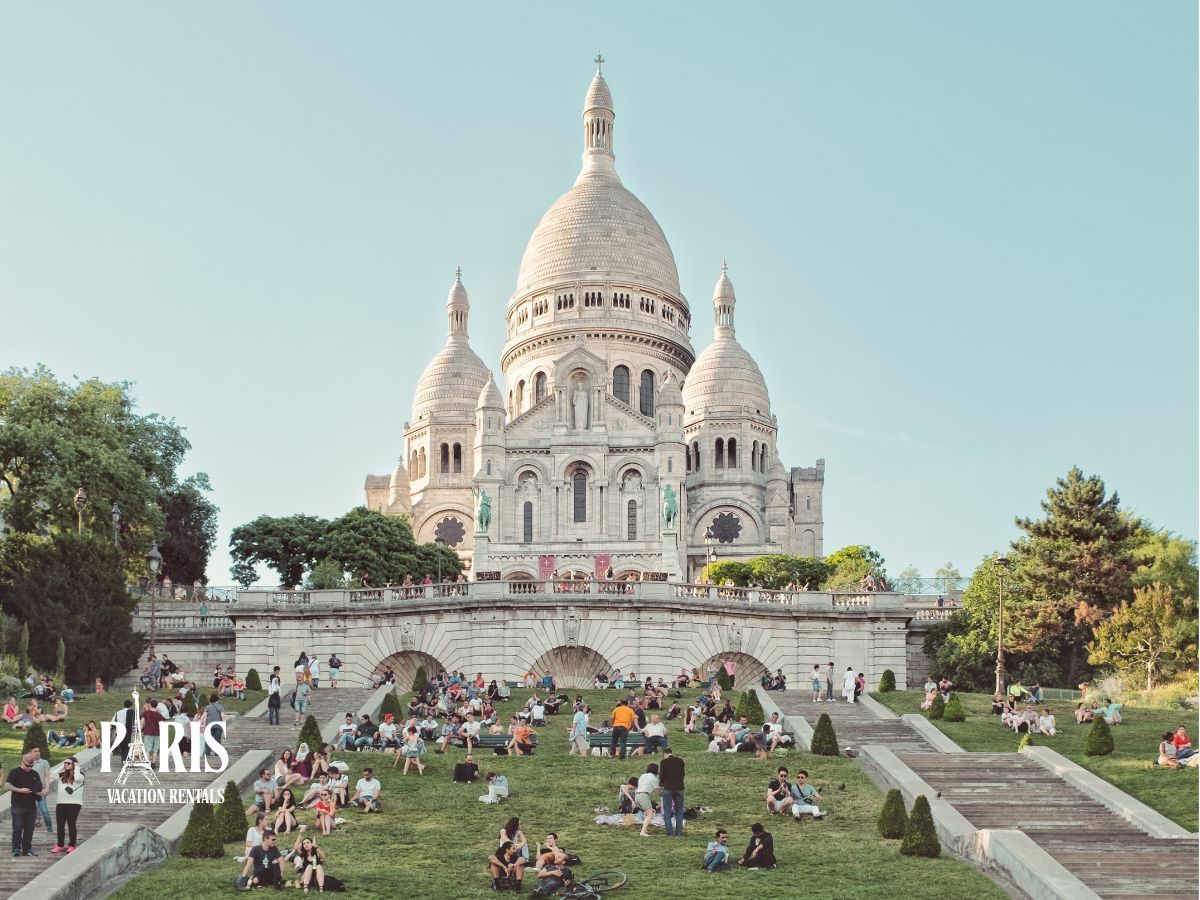
Crowded tourist landmarks are another major category. Around the Eiffel Tower, Trocadéro, Sacré-Cœur, Notre-Dame, and the Latin Quarter, the main risk is usually not the neighborhood itself. It is the density of visitors. French public safety guidance warns tourists about fake petitions, illegal street selling, and the “bonneteau” shell-style street game, especially in tourist-heavy parts of the capital such as the Latin Quarter and Notre-Dame area. These places are beautiful and worth seeing. They are also where Americans are most likely to be approached, distracted, or skimmed.
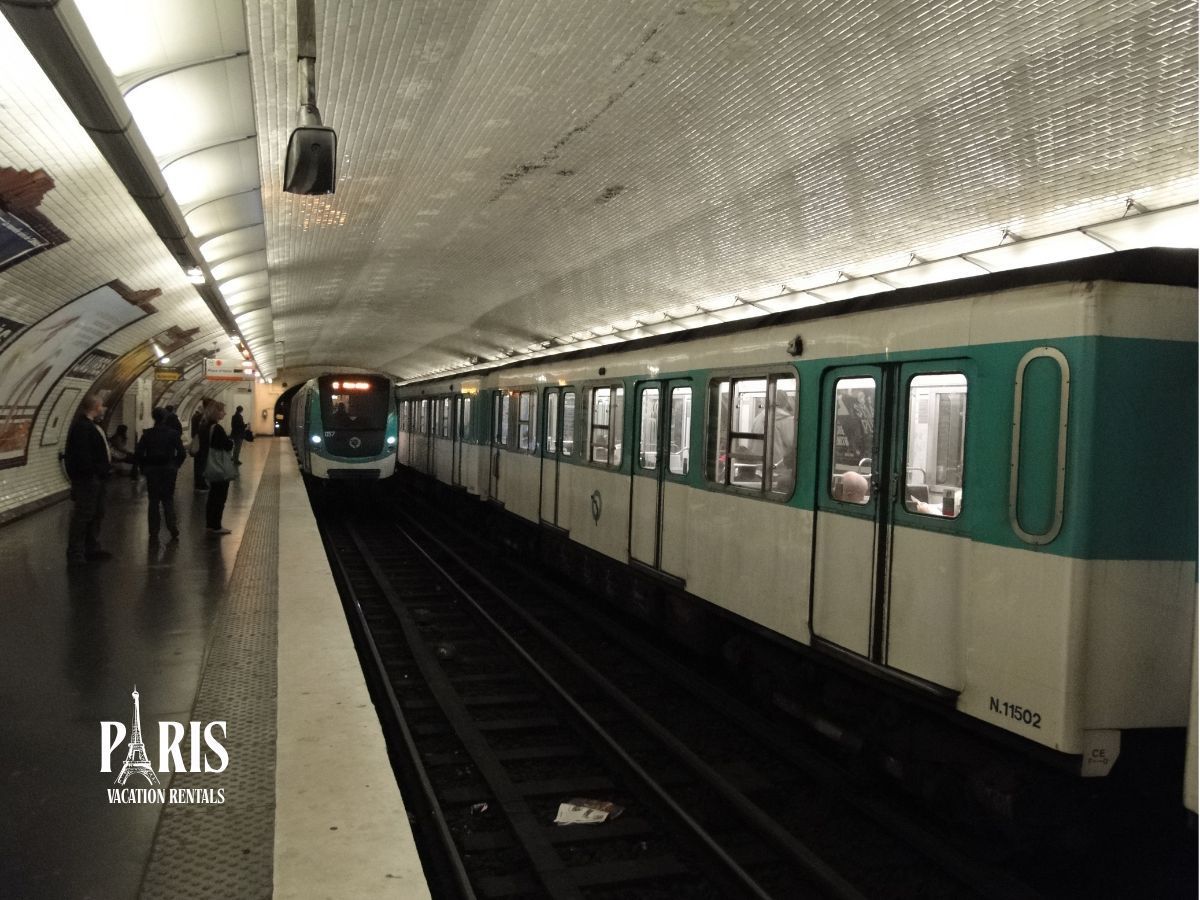
The Metro and RER system also deserve respect, especially during rush periods and on trains serving major sights and airports. Paris tourism advice notes that busy and tourist-heavy areas attract pickpockets and recommends keeping personal belongings in a closed bag worn in front of you. For Americans who are less used to dense public transit, the learning curve itself can create vulnerability. It is easy to focus so hard on the map that you stop paying attention to your surroundings.
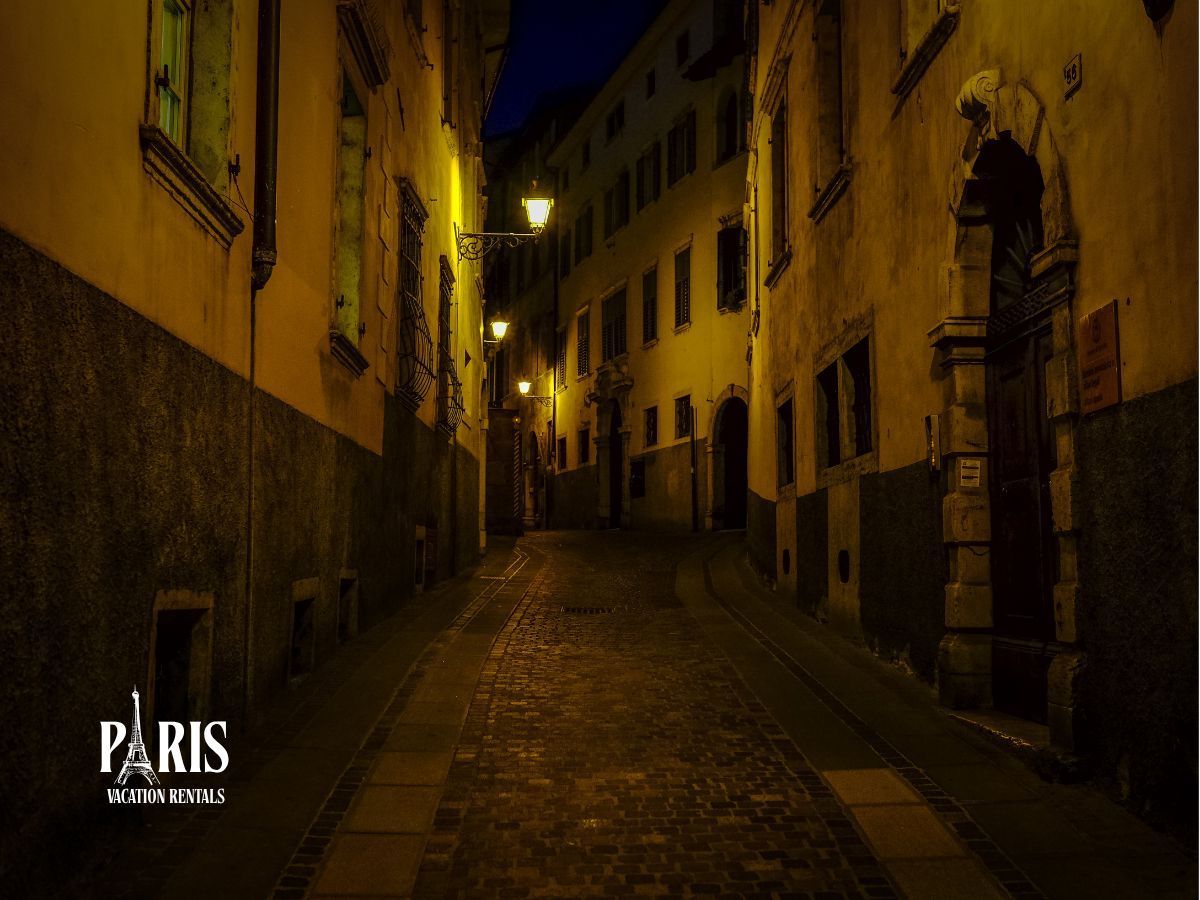
Then there are farther-out, less tourist-oriented neighborhoods at night. Many outer districts are perfectly normal residential areas, and plenty of locals live there without issue. But for a first-time American visitor, wandering into an unfamiliar area well outside central Paris after dark can feel isolating fast. The point is not that all outer arrondissements are dangerous. It is that they are often a poor match for a tired traveler with a dead phone battery and no sense of the local rhythm.
The Real Threats Americans Face in Paris
For most U.S. travelers, the biggest risks are predictable.
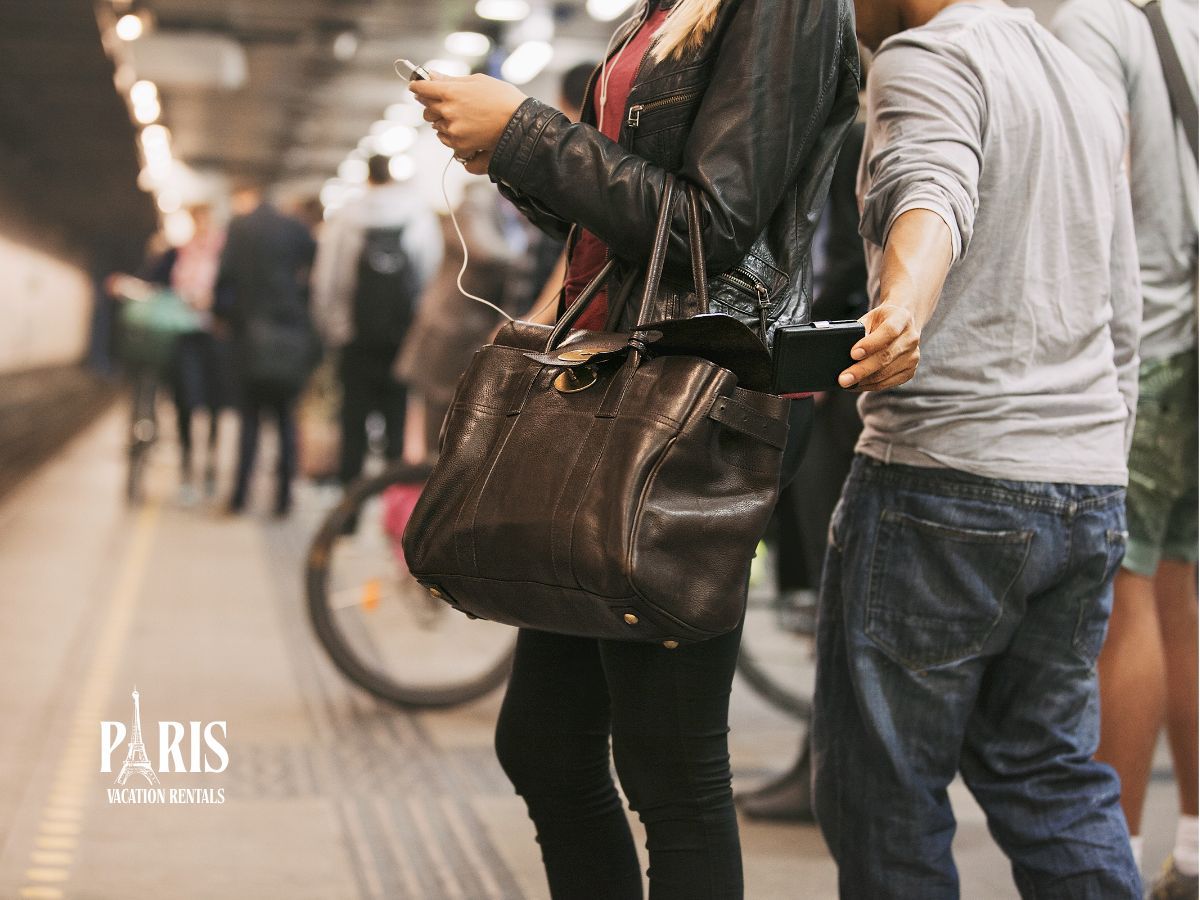
The first is pickpocketing. This is the classic Paris travel problem for a reason. It happens where people are packed close together and not fully focused: Metro entrances, train cars, escalators, boarding moments, museum lines, and crowded plazas. Sometimes it is subtle. Sometimes it is done through distraction, like someone bumping you, asking you a question, or causing a small commotion nearby.
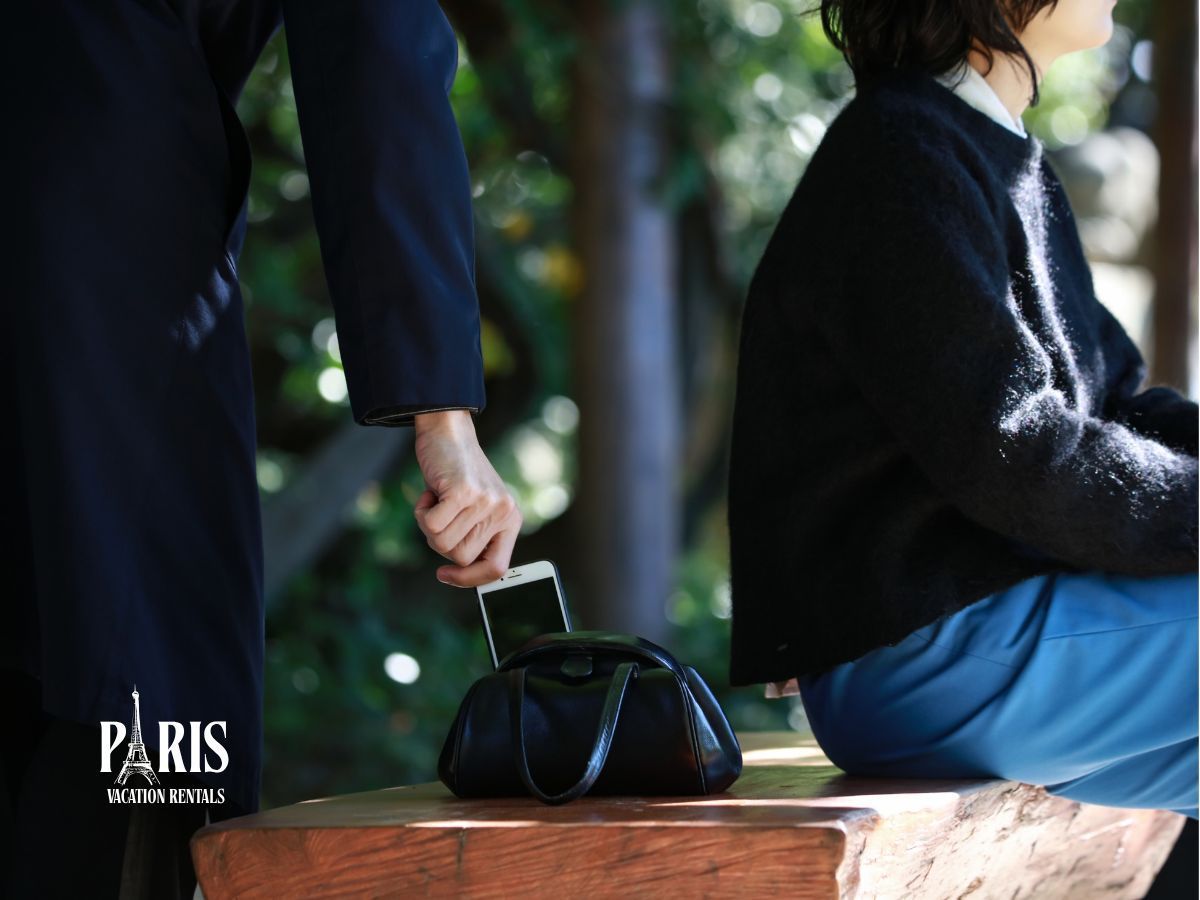
The second is phone theft. The State Department specifically mentions phone theft, and that warning matters because Americans often rely on their phones for everything at once: maps, hotel information, tickets, payment apps, and communication. A stolen phone in Paris can quickly become a much bigger problem than a stolen wallet.
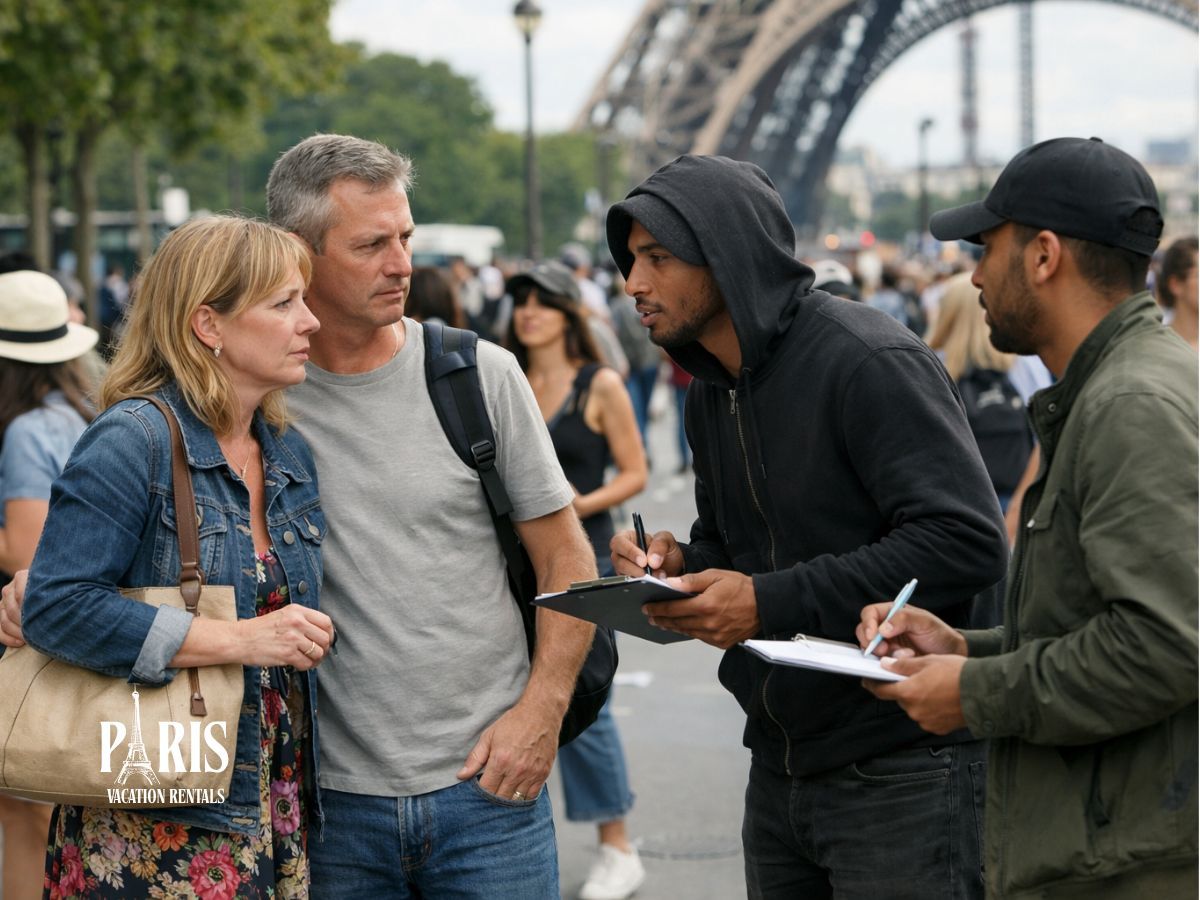
The third is street scams. Official French safety guidance warns about fake petitions and rigged street games, while Paris tourism advice also flags those distractions as a common tactic to draw attention away from your belongings. These schemes work because many Americans want to be polite. They stop, listen, smile, sign, donate, or argue. The safest move is usually a simple “non” and continuing to walk.
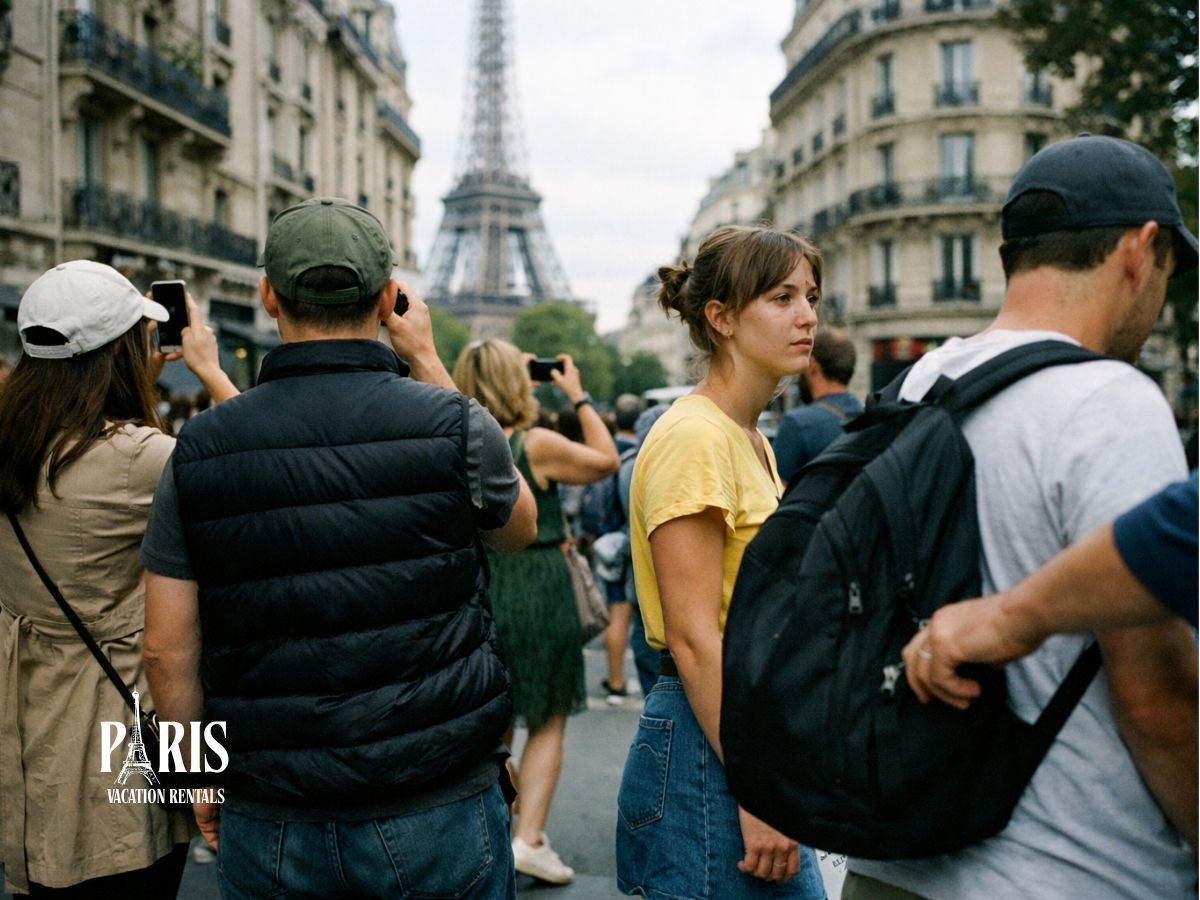
The fourth is carelessness with bags and documents. Paris tourism guidance advises travelers to keep baggage close, avoid carrying large sums of cash, use safer ATMs, and keep copies of identity documents. Americans often make one of two mistakes: they carry too much with them, or they keep everything important in one place. Losing your passport, main credit card, and phone in the same incident can derail a trip very quickly.
When Paris Feels Less Safe: Nighttime, Fatigue, and Bad Timing
A lot of travel trouble happens because of timing, not because someone chose a famously dangerous block.
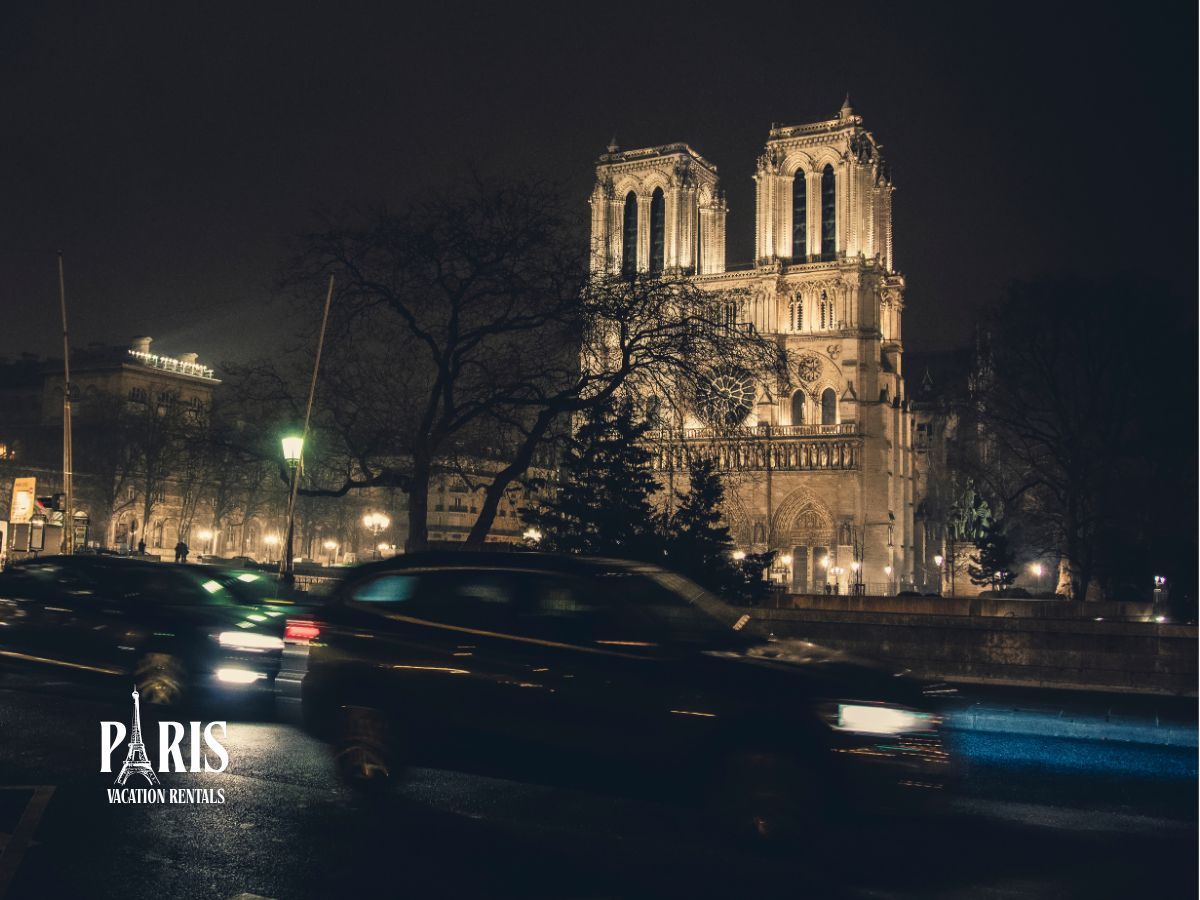
Paris after dark is not the same city you experience over coffee at 10 a.m. Streets empty out. Metro stations can feel less friendly. Your judgment gets worse when you are hungry, tired, or slightly disoriented after dinner and wine. Add jet lag, and even seasoned travelers make mistakes.
This is where Americans often get themselves into avoidable trouble. They assume that because central Paris felt easy during the day, taking a late train back from a far-flung dinner reservation or a cheap hotel outside the center will feel the same. It often does not. The U.S. government also warns that demonstrations and strikes happen often in Paris and can disrupt transportation, with rare cases of violence or police response. That matters because a simple transit delay can leave you rerouting through unfamiliar areas late at night.
If you are exhausted, unfamiliar with the route, or carrying luggage, pay for the easier option. A licensed taxi or trusted rideshare late at night can be money well spent. Saving 20 euros is not worth stumbling through a station while broadcasting that you have no idea where you are.
How Americans Can Avoid Looking Like Easy Targets
This is where smart habits matter more than fear.
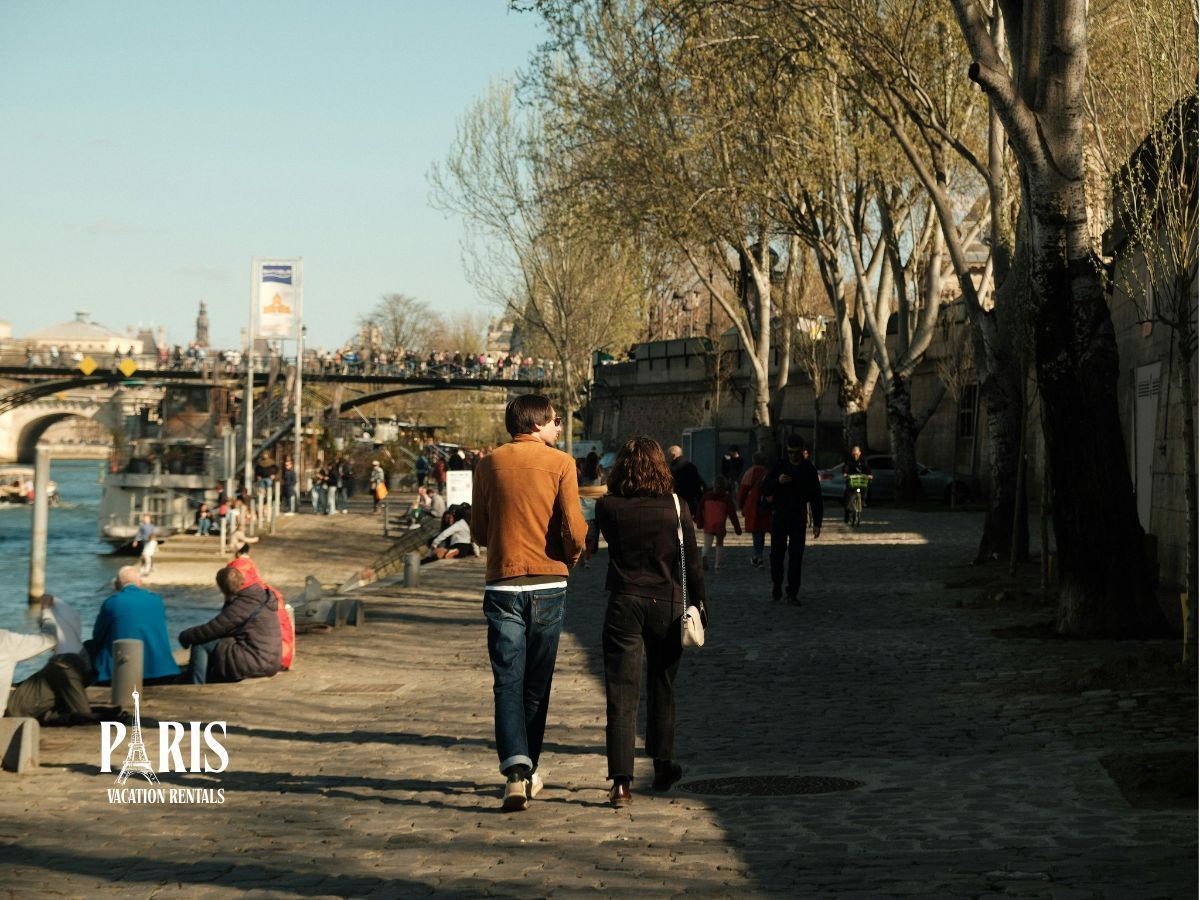
1. Dress simply. You do not need to disguise yourself, but there is no reason to advertise expensive watches, luxury labels, or a brand-new phone in your hand at all times. Keep your bag zipped and wear it in front in crowds. Paris tourism officials say exactly that for busy tourist areas. A small crossbody bag is usually better than a loose tote or a backpack hanging behind you.
2. Separate your essentials. Keep your passport secure, not in the same place as your daily spending cards and not in an easy-access outer pocket. Carry a backup bank card separately. Keep a digital copy of your documents and emergency numbers, which Paris tourism guidance also recommends.
3. Be firm with strangers. If someone approaches you with a clipboard, bracelet, “charity” pitch, or street game, do not engage. Do not explain. Do not stop. Keep walking.
4. Handle your phone like cash. Do not place it on café tables. Do not wave it around at the Metro door. Do not stand at the top of station stairs with it out while reading directions. Step into a café, shop doorway, or quieter wall-side spot if you truly need to orient yourself.
5. And maybe most important, do not confuse politeness with obligation. In Paris, confident travelers keep moving.
Where Americans Usually Feel More Comfortable Staying
For first-time visitors, central Paris is usually worth the extra cost. Areas in and around the 1st, 4th, 5th, 6th, 7th, and parts of the 9th arrondissement tend to be easier for Americans because they combine walkability, familiar landmarks, better evening foot traffic, and simpler logistics. That does not make them theft-proof. In fact, tourist density can raise the risk of pickpocketing. But they are often more manageable than staying far outside the center just to save money on a hotel, which is one reason travelers often look at centrally located options from Paris Vacation Rentals.
A good rule is simple: choose a neighborhood that still has normal street life in the evening, easy transit, and a straightforward route back after dinner. “Cheaper but farther” can become expensive fast when it leads to more taxis, more confusion, and more time spent in stations with your luggage.
Key Takeaways
Paris is not a city Americans need to fear, but it is a city where a little awareness goes a long way. Most problems tourists face come from theft, scams, or simply being in the wrong situation at the wrong time.
- Pickpocketing is the most common risk for Americans, especially on the Metro, in train stations, and around major tourist attractions.
- Phone theft is a real issue in crowded areas, cafés, and while using transit.
- Street scams are more common than violent crime, especially near famous landmarks and busy public spaces.
- Late-night travel can feel less comfortable, particularly in unfamiliar areas or farther from central Paris.
- Looking distracted makes tourists easier targets, especially when checking maps, carrying luggage, or handling cash in public.
- Simple habits make a big difference, like wearing a zipped crossbody bag, keeping valuables secure, and staying aware of your surroundings.
The smartest way to stay safe in Paris is not to focus only on “dangerous areas,” but to pay attention to risky situations. With good habits and a little common sense, most Americans will find Paris exciting, manageable, and well worth the trip.
FAQs
Which areas of Paris should tourists avoid?
The outer edges of the 18th, 19th and parts of the 10th and 20th arrondissements late at night, and the area immediately around Gare du Nord and Chatelet-Les Halles after dark, see more petty crime than central tourist districts.
Is central Paris dangerous for tourists?
No — the central arrondissements (1st through 8th) and popular districts like Le Marais and Saint-Germain are safe and heavily trafficked at all hours.
What's the most common safety issue for visitors in Paris?
Pickpocketing, not violent crime — it's concentrated around major tourist sites, the metro, and crowded shopping streets.
Is Gare du Nord safe for tourists passing through?
It's safe during the day with normal awareness, but like most major train stations it sees more petty crime at night, so it's worth staying alert if arriving late.
Should I avoid the Paris metro at certain times for safety?
Late at night on quieter, outer lines is when to be more cautious; the busier central lines remain well-used and safe throughout the evening.