How Many Days Do You Need in Paris? US Travelers Guide
December 30, 2025
How Many Days Do You Need in Paris? Full Guide for US Travelers
My Paris experiences range from quick 14-hour visits to two-week stays. This gives me insight into choosing the perfect duration for your Paris trip. The right amount of time becomes crucial whether you're a first-timer or returning to dig deeper into the city's charm.
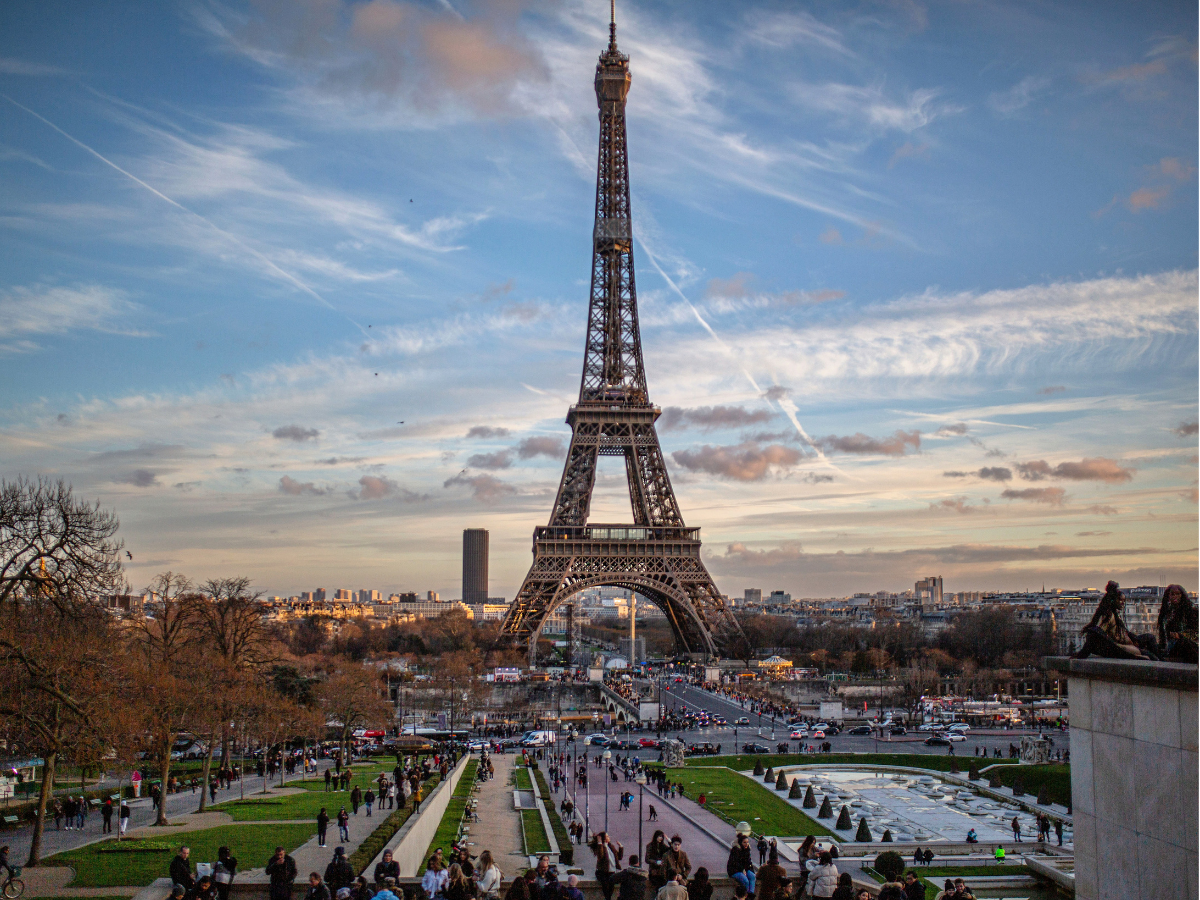
Three to four days marks the typical duration for most Paris visitors. Four days stands as the bare minimum you should set aside. This timeframe lets you explore major attractions comfortably. The Louvre, Musée d'Orsay, Eiffel Tower, Arc de Triomphe become accessible without rushing. You could even squeeze in a day trip to Versailles.
This piece guides you through various itinerary options based on your schedule. Quick 2-3 day tours showcase essential spots while 5+ day stays offer a more relaxed pace. You'll find practical tips to enhance your Paris experience. The shoulder seasons of spring and fall provide ideal visiting conditions. Learn which days to skip certain attractions and the quickest ways to direct yourself through this magnificent yet expansive city.
How many days in Paris is enough?
Your ideal Paris stay length really depends on how you like to travel, what interests you, and the time you have. Paris feels both huge and compact at the same time. The tourist areas cluster along the Seine, but you need time to really see it all.
What most first-time travelers expect
First-time visitors often don't realize just how big Paris is or how many attractions it packs in. The main tourist area might look small on a map, but you'll spend about 90 minutes walking from the Arc de Triomphe to Place de la Bastille. Most visitors start with a 3-4 day plan and think that's enough time to see the major sights. This leads to a rushed trip where they race between landmarks without getting to feel the city's magic.
Why 4 days is the sweet spot
Most travelers agree you need at least four days to get a good taste of Paris. This gives you time to check out the big museums (Louvre and Musée d'Orsay), see the famous spots (Eiffel Tower and Arc de Triomphe), and fit in a Versailles day trip. Four days lets you enjoy what makes Paris special - long lunches with wine, walks through Montmartre's cobblestone streets, or quiet moments by the Seine. A typical 4-day plan might look like this: Left Bank on day 1, Gothic churches and museums on day 2, neighborhood walks on day 3, and Versailles on day 4.
When 2 or 3 days might be enough
Three days works if you move quickly and want to focus on the main sights. You can see Paris's famous landmarks without feeling too rushed. Two days might be enough if you're short on time and just want the highlights - seeing the Mona Lisa, visiting the Eiffel Tower, and trying fresh croissants. Just plan carefully, and watch out for Mondays and Tuesdays when many museums close their doors.
When 5+ days makes sense
A stay of five or more days lets you dive deeper into Paris. Museum fans can go beyond the Louvre to spots like Centre Pompidou. History buffs get time to explore the Catacombs and take special tours. You can also take it slow in different neighborhoods, visit local markets, and plan several day trips to places like Chartres or Fontainebleau.
2 to 3 Days in Paris: A Quick Trip Itinerary
The best way to see Paris's iconic attractions is with a smart game plan. You can experience the city's magic in 2-3 days without rushing through everything.
Day 1: Eiffel Tower, Seine Cruise, and Notre-Dame
The Eiffel Tower deserves your early morning attention to dodge the long lines. Smart travelers book tickets ahead to save time. The top level gives you the most amazing views - Paris spreads out below with its beautiful street patterns.
A Seine river cruise comes next. These one-hour boat rides let you see Paris from a different angle on the water. The cruise takes you past Notre-Dame Cathedral, the Louvre Museum, Les Invalides, and the Eiffel Tower. Audio guides in 14 languages tell stories about each monument you pass.
The restored Notre-Dame Cathedral on Île de la Cité should fill your afternoon. This historic island was where the first Roman settlement took root, and it still feels special.
Day 2: Louvre, Champs-Élysées, and Montmartre
The Louvre Museum needs your full morning. You could spend 30 days here and still not see all million pieces of art. The smart move is to focus on the stars: Mona Lisa, Venus de Milo, and the Winged Victory. Early birds catch the best experience here.
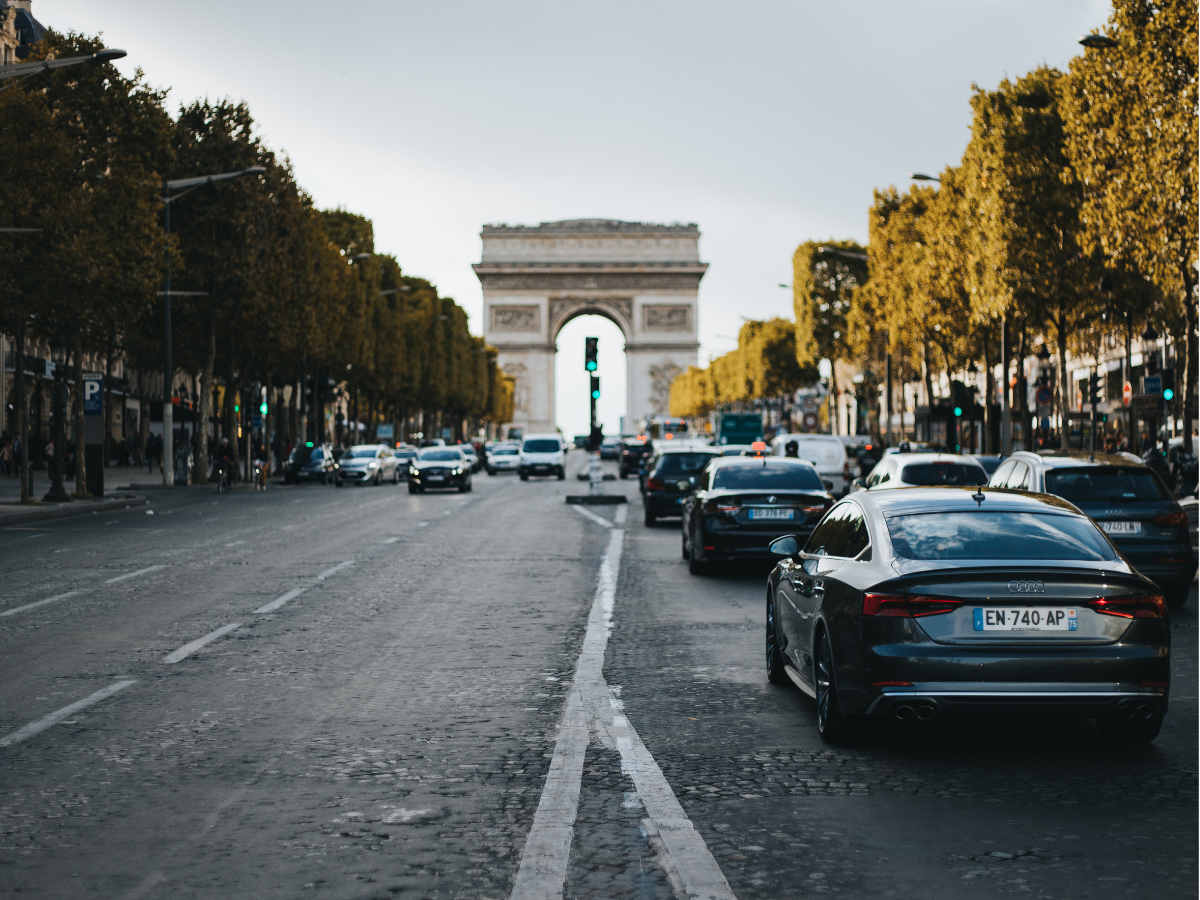
The beautiful Tuileries Garden leads you to the Champs-Élysées. This grand avenue runs from the Louvre all the way to the Arc de Triomphe. The Arc offers some of the best city views that include the Eiffel Tower.
Montmartre makes a perfect end to your day. This artsy neighborhood once drew legends like Monet, Picasso, and Van Gogh. The Sacré-Cœur Basilica sits at the top, rewarding climbers with stunning Paris views.
Optional Day 3: Musée d'Orsay and Latin Quarter
The Musée d'Orsay, an old railway station turned museum, should start your third day. It houses the world's finest Impressionist art, with gems from Monet, Degas, and Van Gogh. The massive clock window looking over the Seine is a must-see.
The Latin Quarter beckons with its maze of streets packed with cafés, bookshops, and creperies. Stop by the famous Shakespeare and Company bookstore, where Hemingway and Joyce once browsed. The elegant Jardin du Luxembourg provides a perfect finale to your Paris adventure.
4 to 5 Days in Paris: A Balanced Experience
A 4-5 day stay lets you experience Paris at a relaxed pace. You can enjoy both famous attractions and lesser-known spots without rushing through this carefully balanced itinerary.
Day 1: Orientation walk and Eiffel Tower
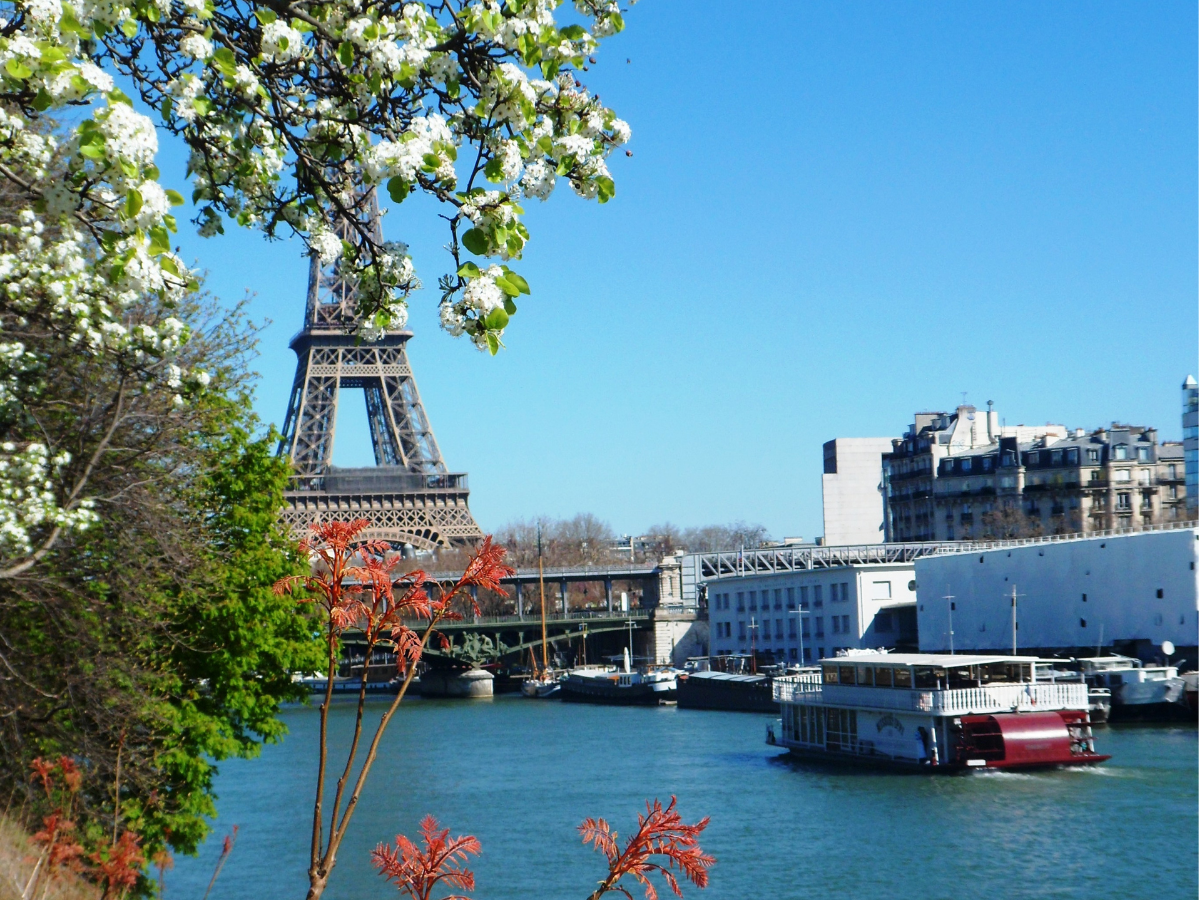
Your Paris adventure starts with a morning walk around your hotel's neighborhood. Montmartre offers an especially charming introduction. The afternoon takes you to the Eiffel Tower through Champ de Mars, where you'll find perfect photo opportunities. The best time to arrive is before sunset when you can watch the sky change from golden to deep blue as the city lights up below. You should book tickets in advance to avoid the long lines.
Day 2: Louvre and Tuileries Garden
The legendary Louvre Museum deserves your morning attention. Get there by 8:30am and use the Passage Richelieu or Carrousel entrance instead of the busy Pyramid. You'll need at least 2-3 hours to appreciate this vast collection. A peaceful stroll through the beautiful Tuileries Garden leads you to Place de la Concorde with its historic obelisk.
Day 3: Versailles Day Trip
A full day awaits you at the Palace of Versailles. The RER train from Paris takes you to this magnificent destination. The opulent palace, Marie Antoinette's estate, and the stunning 2,000-acre gardens designed by André Le Nôtre will fill your day with wonder. Early arrival at 8:30am with pre-purchased tickets makes the most of your visit.
Day 4: Montmartre and Sacré-Cœur
The bohemian spirit of Montmartre beckons today. Paris's best views await you at the stunning Sacré-Cœur Basilica. The neighborhood's winding streets lead you to charming spots like Le Consulat and La Maison Rose.
Day 5: Catacombs and local markets
Paris's fascinating underground world opens up at the Catacombs. Advanced ticket booking is essential since the lines can stretch endlessly. The day ends perfectly at Rue Mouffetard, where you can experience authentic Parisian life through its outdoor market, cafés and wallet-friendly eateries.
Tips to Maximize Your Time in Paris
Smart planning will revolutionize your Paris trip, especially if you're short on time. Choosing centrally located accommodation is part of that planning, especially for shorter stays. Paris Vacation Rentals offers apartments across central Paris, allowing travelers to focus on sightseeing rather than commuting. Good preparation will give a smoother experience and lets you see more sights.
Book major attractions in advance
You must buy timed-entry tickets for popular sites. The Louvre needs direct booking through their official website well ahead of time. This rule applies even more to the Eiffel Tower - morning visits help you avoid waiting for hours. The Catacombs also need advance tickets to skip those notorious long lines.
Use the Paris Museum Pass
The pass gives you access to over 50 museums and monuments in Paris and nearby areas. You can choose from 2-day (€70), 4-day (€110), and 6-day options. The pass pays for itself after 4-5 visits. You can skip ticket lines with the pass but not security checks. Note that some places like the Louvre and Versailles still need reservations even with your pass.
Stay in a central arrondissement
First-time visitors should pick the 1st, 4th, 6th, or 7th arrondissements. These central districts reduce travel time and make short stays far more efficient, especially for US travelers. Paris Vacation Rentals focuses on apartments in these areas, close to major sights and public transport. The 1st and 4th districts near the Louvre have great transport connections. Saint-Germain-des-Prés (6th) works best for families because it's safe and quiet. The 7th puts you close to the Eiffel Tower but doesn't offer much nightlife.
Avoid Mondays and Tuesdays for museums
Major museums close on different days - the Louvre on Tuesdays and Musée d'Orsay on Mondays. These places get packed on days before and after closures. The Louvre is quietest on Thursday mornings (9-11am) or Wednesday/Friday evenings.
Use public transport efficiently
Paris has a reliable network of busses, metros, and RER trains. A Navigo Jour day pass (€12) lets you travel unlimited times daily and saves money if you move around a lot. Short-stay visitors should get carnets (10-ticket packs) for flexibility and better value than single tickets.
Key Takeaways
Planning the perfect Paris trip requires balancing must-see attractions with authentic experiences. Here's what US travelers need to know about timing their visit to the City of Light:
- Four days is the sweet spot - This provides enough time to see major attractions like the Louvre, Eiffel Tower, and Versailles without feeling rushed.
- Book major attractions in advance - Skip long lines at popular sites by purchasing timed-entry tickets, especially for the Eiffel Tower and Catacombs.
- Use the Paris Museum Pass strategically - For 4+ museum visits, this pass (€70-110) saves money and time while providing access to 50+ attractions.
- Avoid Mondays and Tuesdays for museums - The Louvre closes Tuesdays, Musée d'Orsay closes Mondays, creating crowded conditions on surrounding days.
- Stay in central arrondissements (1st, 4th, 6th, 7th) - These locations offer excellent transport links and walking access to major attractions.
While 2-3 days works for quick travelers focused on highlights, and 5+ days allows deeper neighborhood exploration, four days strikes the perfect balance between seeing iconic sights and experiencing authentic Parisian culture through leisurely café visits and Seine-side strolls.

FAQs
Is 3 days enough for Paris?
Yes, for highlights only. Expect a fast pace focused on landmarks and one major museum.
What is the minimum recommended stay for first-time visitors?
Four days. This allows major sights, a museum or two, and time to enjoy the city without rushing.
How many days are ideal to visit Paris comfortably?
Four to five days offers the best balance between sightseeing and relaxed exploration.
Can Paris be done in 2 days?
Yes, but only for essentials like the Eiffel Tower, the Louvre Museum, and a short neighborhood walk.
When does staying longer than 5 days make sense?
For repeat visits, multiple museums, local neighborhoods, and day trips such as Palace of Versailles.