Wine Shop Paris: How to Buy Wine Like a Local
June 16, 2026
Wine Shop Paris: How to Buy Wine Like a Local
The right wine shop Paris France can feel overwhelming to find when hundreds of options surround you, from historic establishments to trendy cavistes.
France is one of the largest wine producers in the world, and Paris is an oenophile's paradise. Expert advice is accessible and knowledgeable during your shopping excursion. But navigating French wine labels, understanding price points, and communicating your priorities requires some insider knowledge.
In this piece, we'll walk you through everything you need to know about the best wine shops in Paris, from understanding AOC classifications to finding neighborhood gems where you can buy wine France like a true local.

Table of Contents
Understanding French Wine Labels Before You Shop
Decoding French wine labels becomes much simpler once you learn the three-tier classification system that governs wine production throughout France.
AOC, IGP, and VDF Classifications Explained
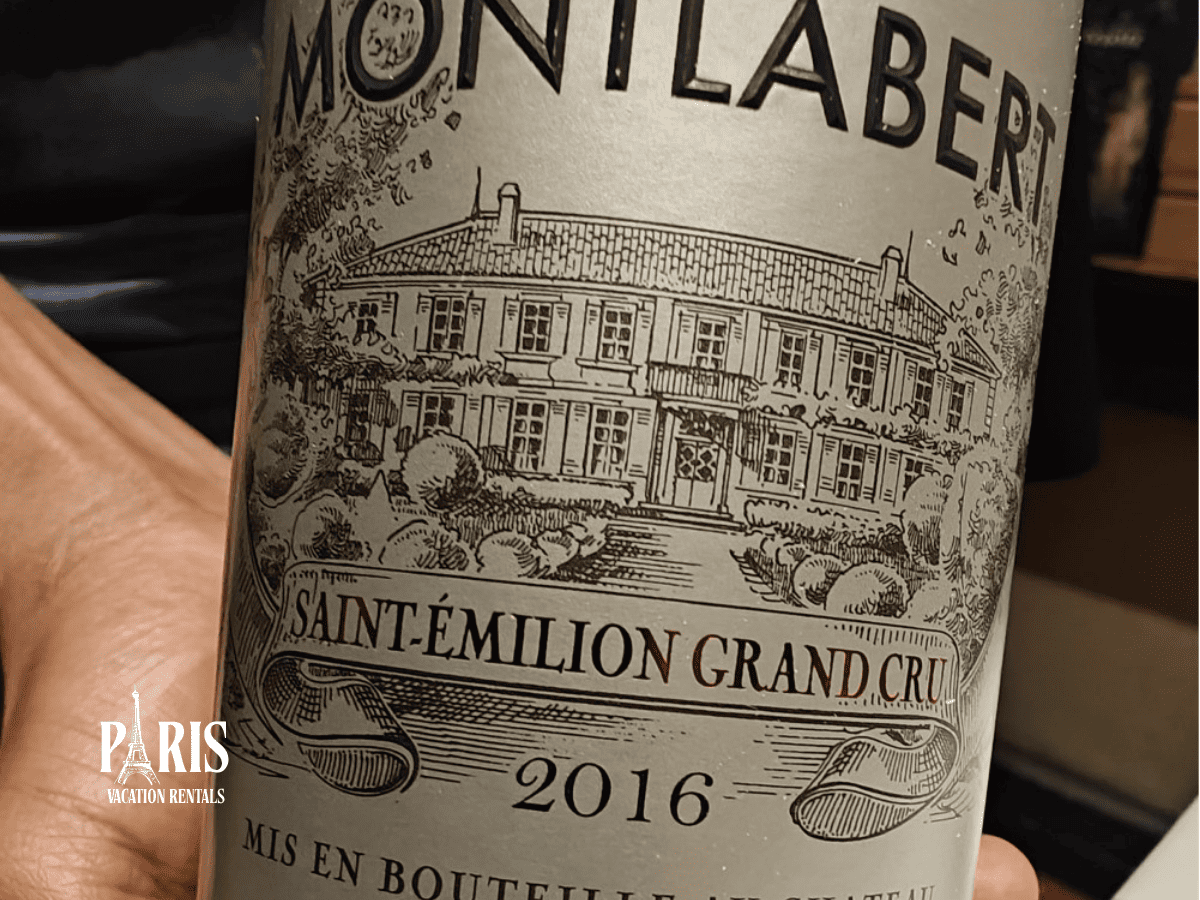
France organizes wine production through the Appellation d'Origine Contrôlée/Protégée (AOC/AOP) system, which originally started in 1937. Today, there are over 360 AOCs in France, with more than 300 of these appellations for wine constituting over a third of the total wine production in the country. This classification represents the highest quality tier. Wines are produced according to strict regulations covering grape varieties, minimum alcohol levels, aging requirements and even vineyard planting density.
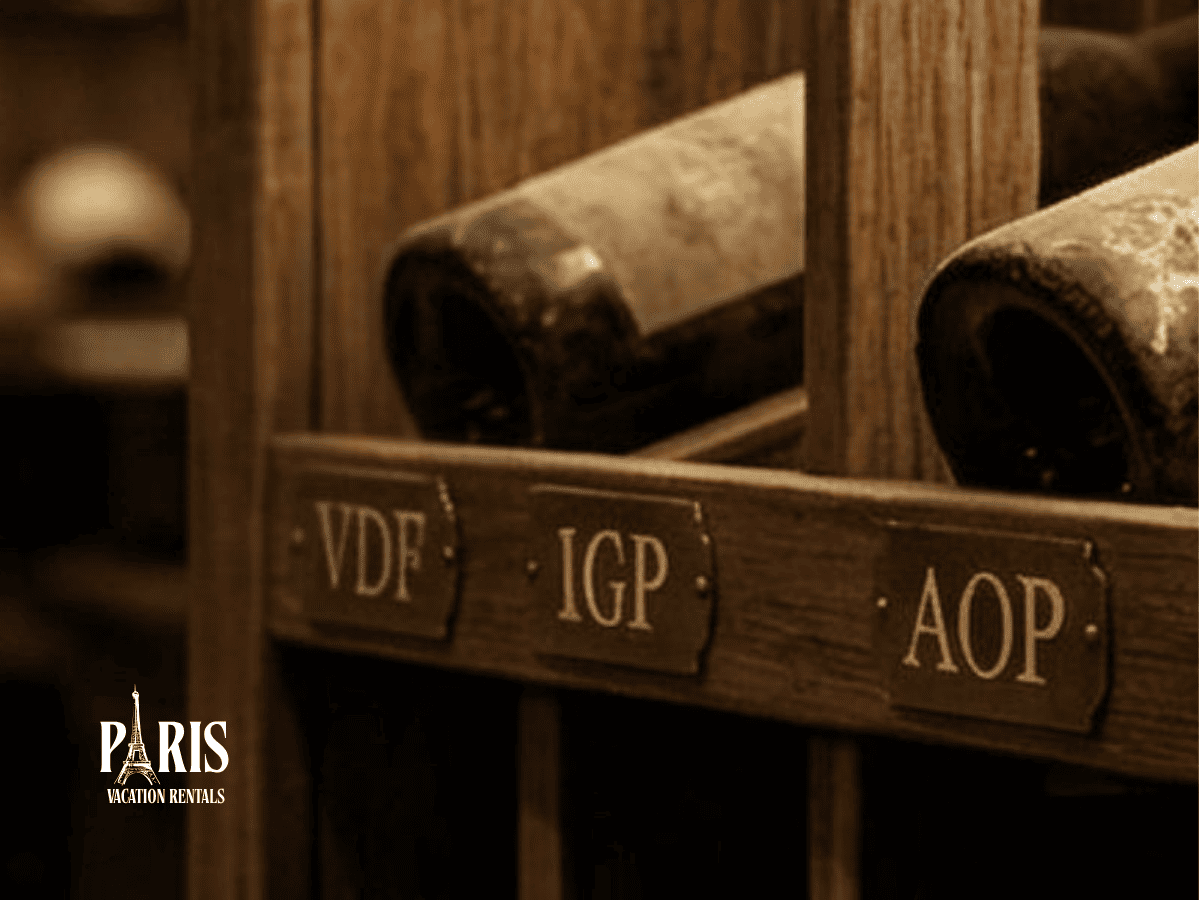
The IGP (Indication Géographique Protégée), formerly known as Vin de Pays, offers winemakers more flexibility while still maintaining geographic origin standards. This category includes 74 geographic areas and 150 unique designations, including popular names like Pays d'Oc, Comté Tolosan and Côtes de Gascogne. IGP wines often display grape varieties on their labels and make them easier for consumers to understand.
Vin de France represents the simplest classification and allows producers to blend grapes from
different regions throughout France. These wines focus on grape variety rather than geographic origin and often provide excellent value for everyday drinking.
Key Information on Wine Labels
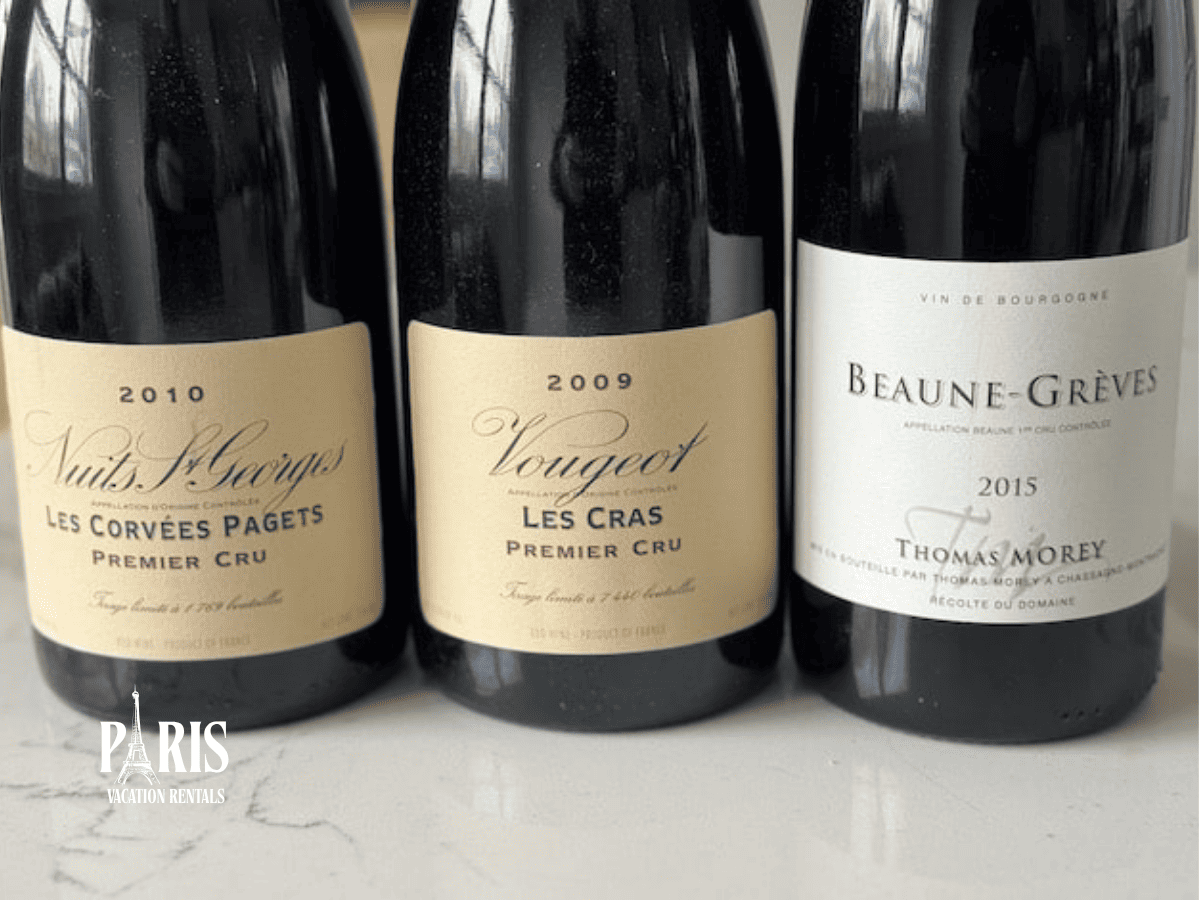
French wine labels emphasize region over grape variety and reflect the importance of terroir and regional characteristics. Mandatory label information has the wine's appellation, alcohol content, volume, provenance, bottler's name, lot or batch number, sugar levels, allergens and health warnings.
Note that 85% of the wine must come from that stated year when vintage appears on a label. If a grape variety (cépage in French) is listed, it must comprise at least 85% of the wine. Classifications such as Grand Cru and Premier Cru indicate the wine's quality level based on vineyard prestige rather than the producer.
Regional Wine Terminology You Should Know
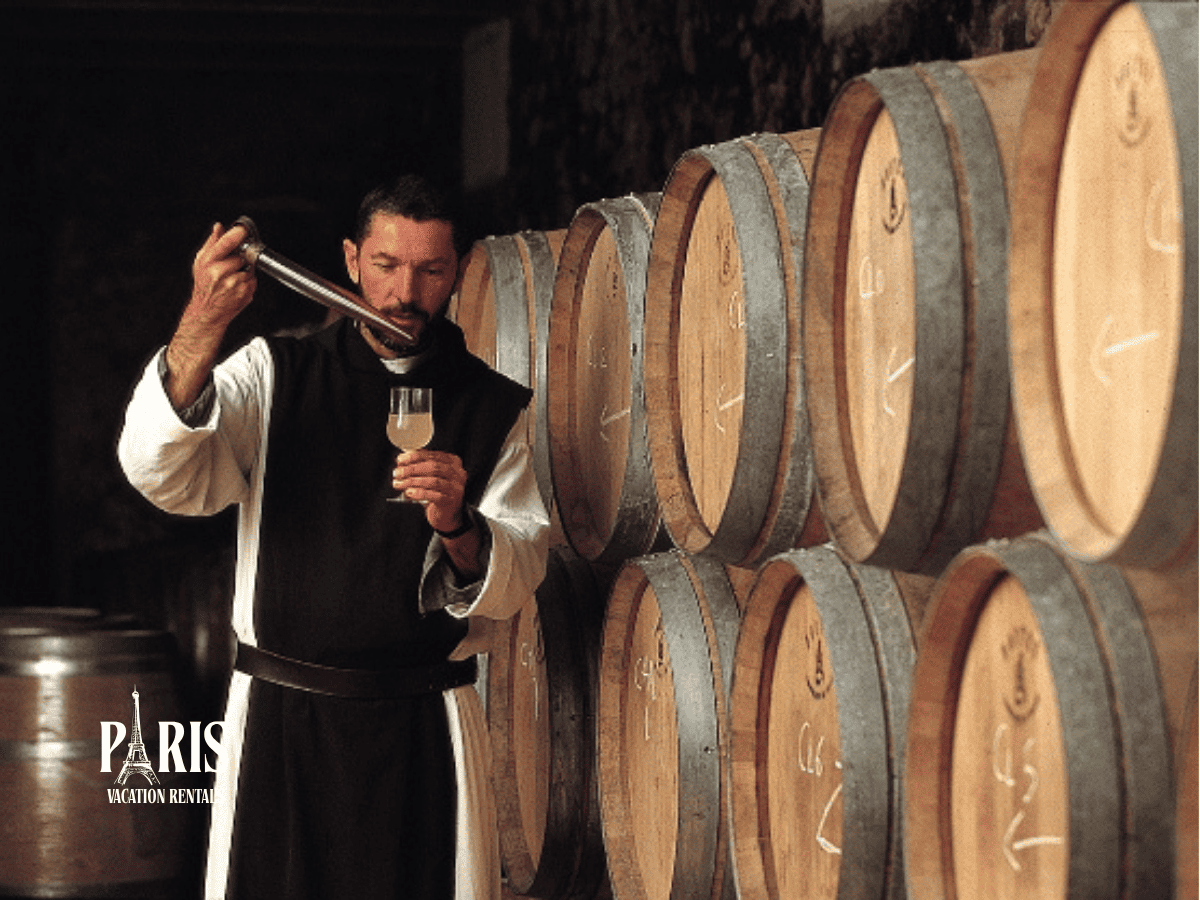
Mis en bouteille au château or domaine guarantees that the wine was both produced and bottled at the vineyard estate. This ensures quality control throughout the entire process. Élevé en fût de chêne indicates aging in oak barrels, while vieilles vignes refers to wine from older vines, planted more than 40 years ago.
Sur lie means the wine aged on dead yeast cells after fermentation and adds complexity to white wines. Vendanges Tardives designates wine from late-picked grapes with higher sugar levels in Alsace, while Sélection de Grains Nobles indicates dessert wine made from botrytis-affected grapes.
Types of Wine Shops in Paris and When to Visit Each
Paris provides different shopping experiences depending on whether you visit chain stores, independent cavistes, supermarkets, or wine bars with retail options.
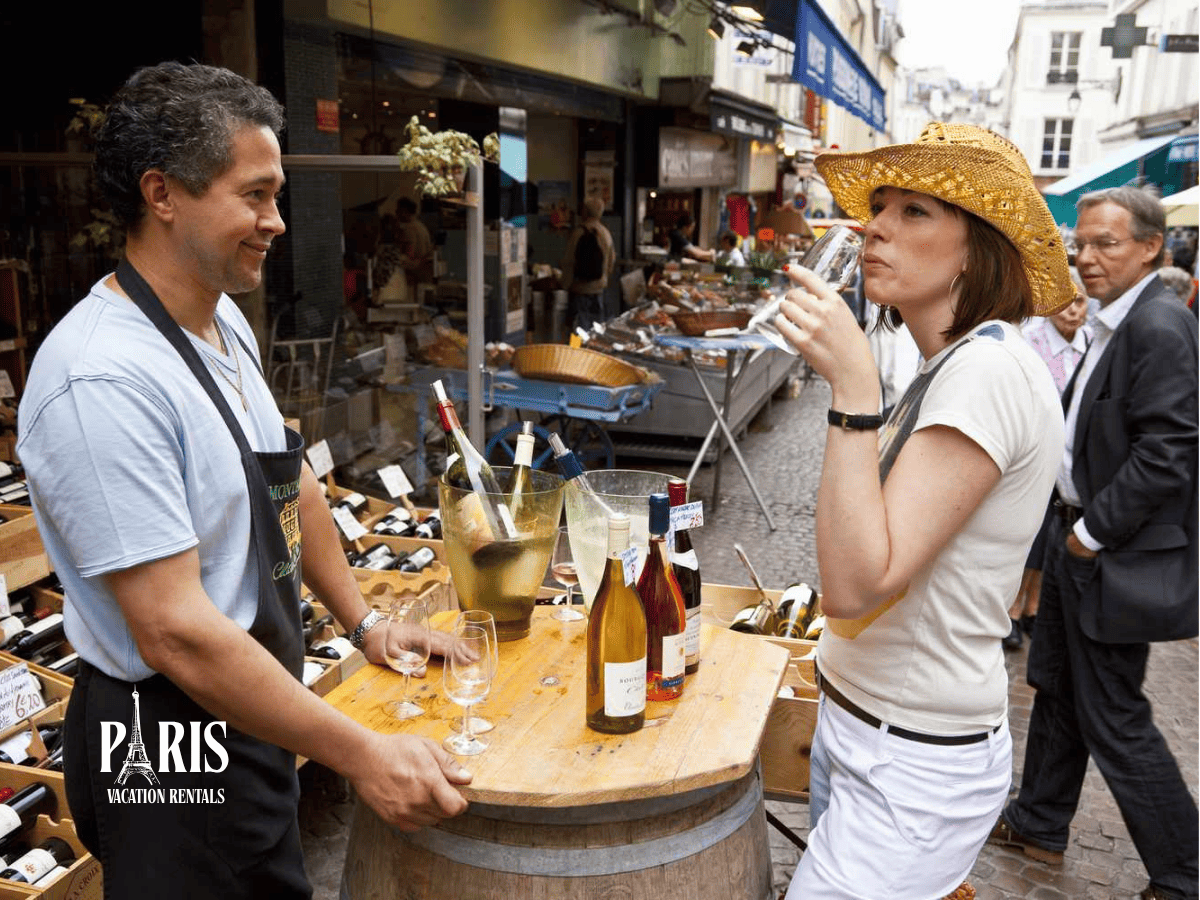
Chain Wine Shops: Nicolas and Repaire de Bacchus
Nicolas operates over 500 stores throughout France. The chain stocks more than 1,200 wines, champagnes, and spirits. This 202-year-old business trains all wine merchants for five weeks through the integrated École Nicolas. You'll find branches every few blocks in Paris. They're convenient for quick purchases. Prices remain competitive, and staff can answer questions about wine service and food pairing.
Repaire de Bacchus maintains 34 stores in Paris and Île-de-France. The chain features 2,500 products sourced from partner winemakers. The chain positions itself between Nicolas and premium independent shops, employing 75 qualified cavistes who attend approximately 50 masterclasses annually.
Independent Cavistes (Fine Wine Merchants)
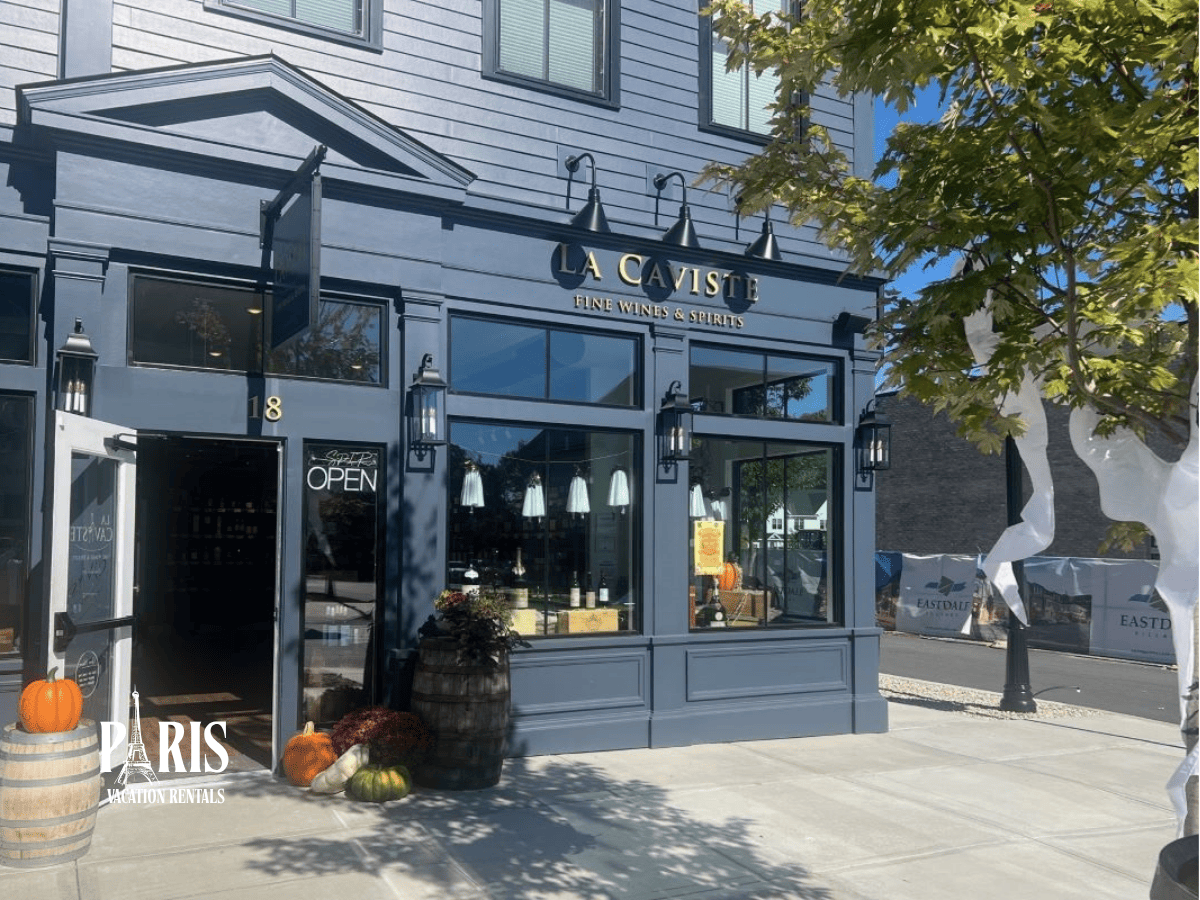
Lavinia stands out as a three-floor department store near the Madeleine. It provides wines from around the world alongside food service. Legrand Filles et Fils, near the Banque de France, opened a wine bar in 2002 where you can drink fine wine by the glass. La Dernière Goutte provides a club-like atmosphere. Free tastings happen on Fridays and Saturdays, conducted in both English and French.
Supermarkets vs Specialty Shops
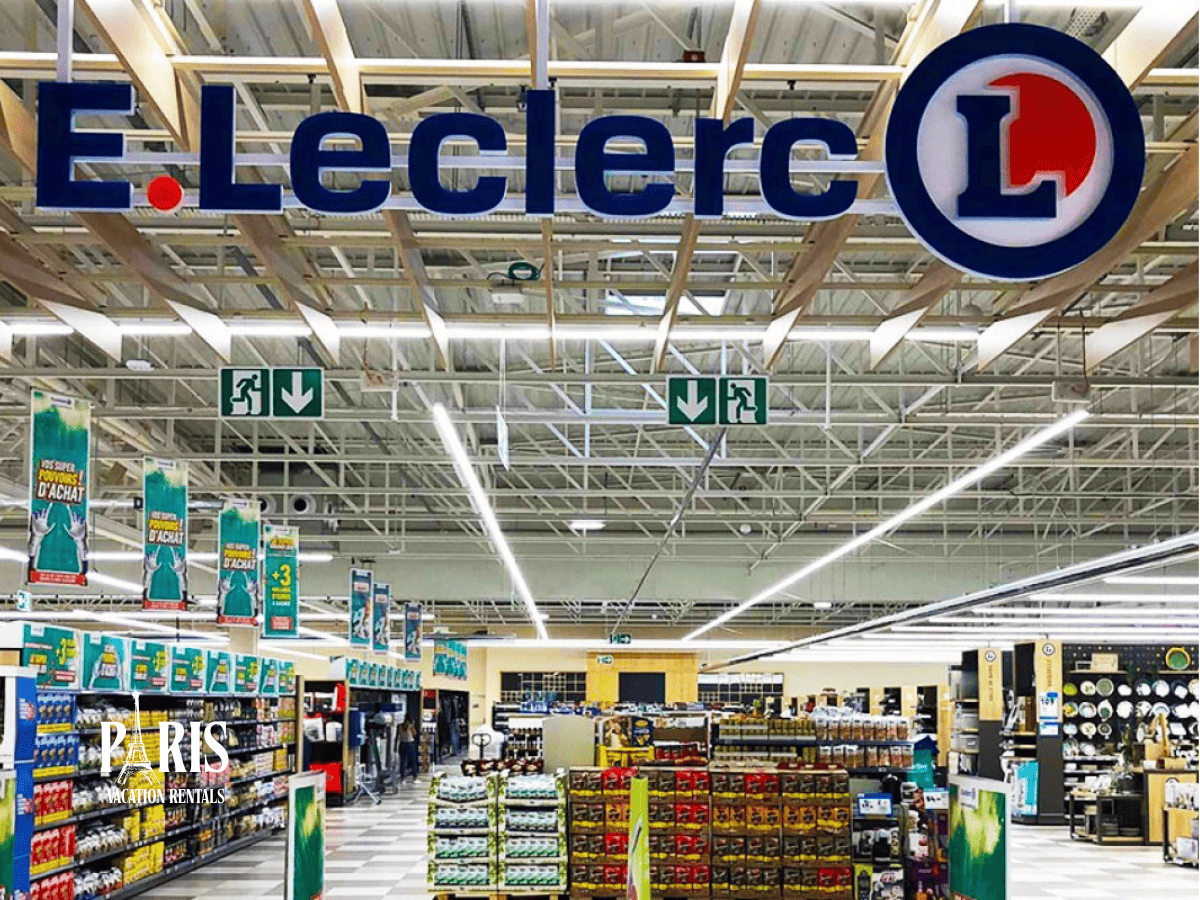
Large supermarkets like Carrefour, E Leclerc, and Intermarché stock well-labeled wines from France's regions at lower prices. Independent shops provide curated selections and expert guidance that supermarkets cannot match.
Wine Bars That Sell Bottles to Go
Juveniles wine bar has sold hand-picked bottles from outside France since 1987. Many natural wine bars now blur the line between on- and off-sales, selling bottles to take away.
How to Communicate with Wine Shop Staff Like a Local
Once you've chosen your wine store Paris France, talking to staff the right way transforms your shopping experience from intimidating to enjoyable.
Questions to Ask Before Making Your Selection
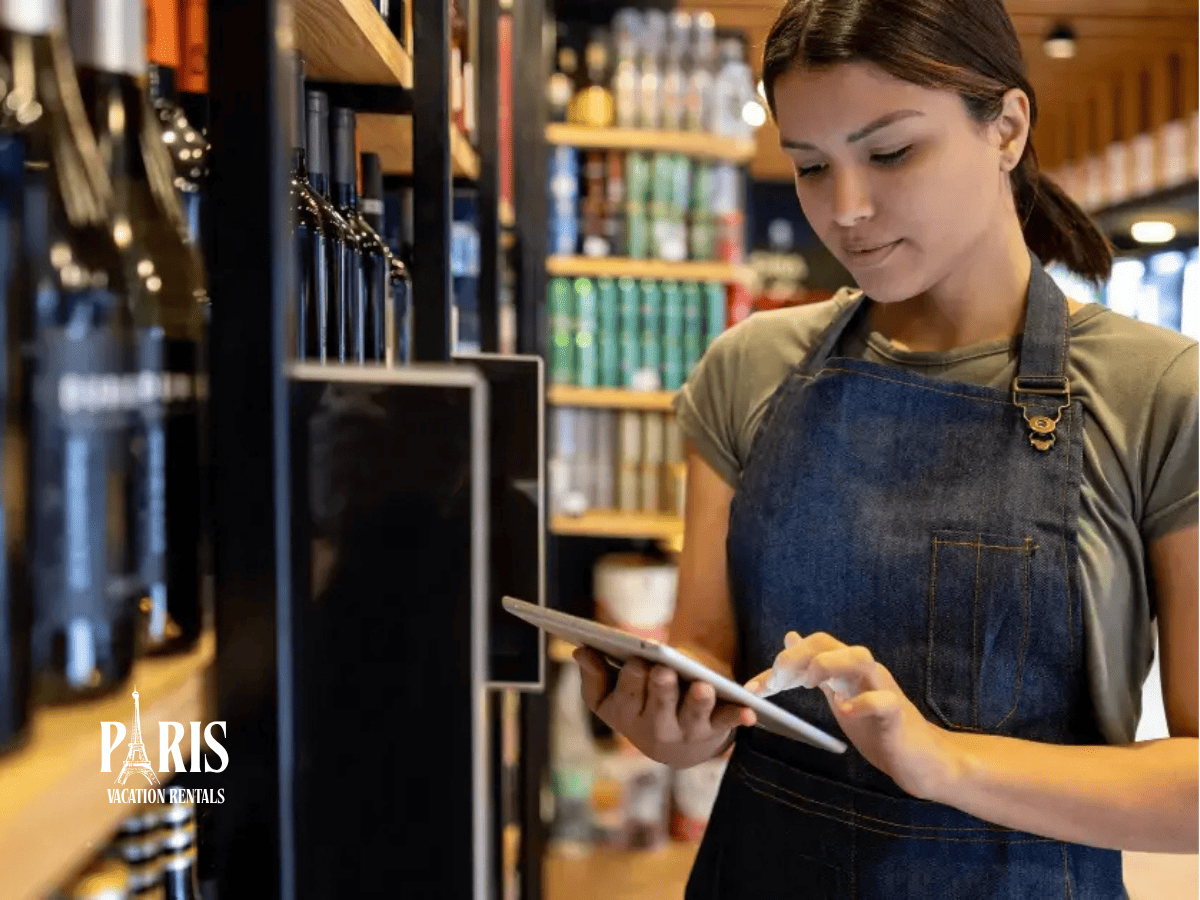
Wine shop employees appreciate specific questions that help them understand your needs. Start by describing what you're pairing with dinner, as acidity levels and regional characteristics affect how wine complements food. Ask which grape varieties are like ones you already enjoy. This opens your palate to new discoveries without straying too far from familiar territory.
Ask about winemakers focused on nature and sustainability, as these producers often avoid chemical additives and support healthy vineyard systems. Ask what has been inspiring for staff, especially when it comes to local offerings.
Understanding Price Points and Value
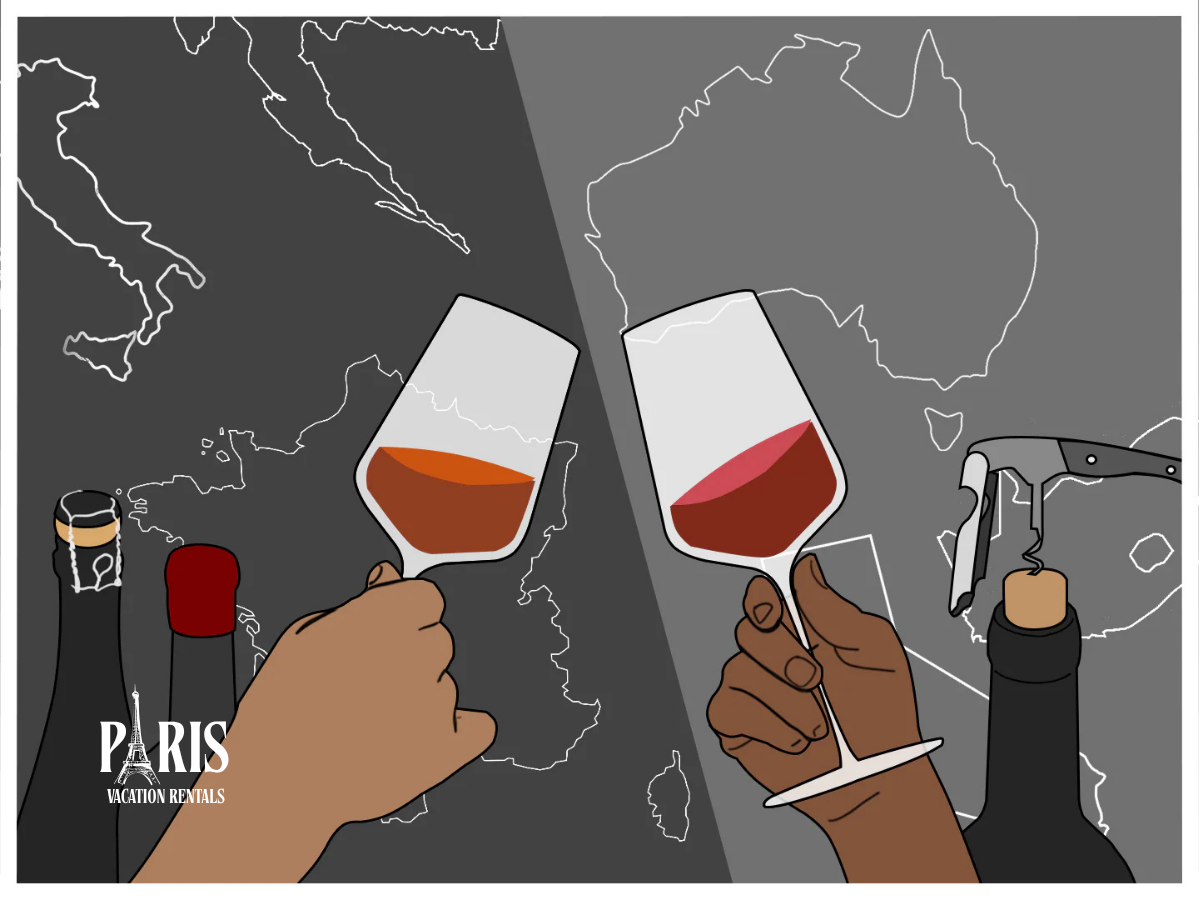
Be upfront about your budget from the start. This narrows selections and helps staff recommend wines offering the best quality for your price range. Note that expensive bottles don't guarantee quality. Inexpensive wines can surprise you with excellence.
What to Share About Your Priorities
Tell staff whether you prefer Old World or New World styles. Mention specific wines you've enjoyed, as this helps them find comparable options at similar price points. Share your favorite fruits and flavors, along with your current mood or situation. Context matters if you need a comforting wine after a hard day versus something celebratory.
Avoid asking for "dry" wines, as most wines in France contain little residual sugar. This makes the question unhelpful.
Tasting Etiquette at Paris Wine Shops
Let the host lead during tastings. Listen first when staff explains vineyard details, harvest conditions, or aging processes. Ask thoughtful questions about production methods or what distinguishes different parcels. Spitting during tastings is normal and expected, especially when sampling multiple wines. Buying a bottle or two shows appreciation at private tastings, though serious hosts won't pressure purchases.
Best Wine Shops in Paris by Neighborhood
Each arrondissement has distinct wine shopping experiences, from traditional cavistes to natural wine specialists.
Marais and Central Paris Options
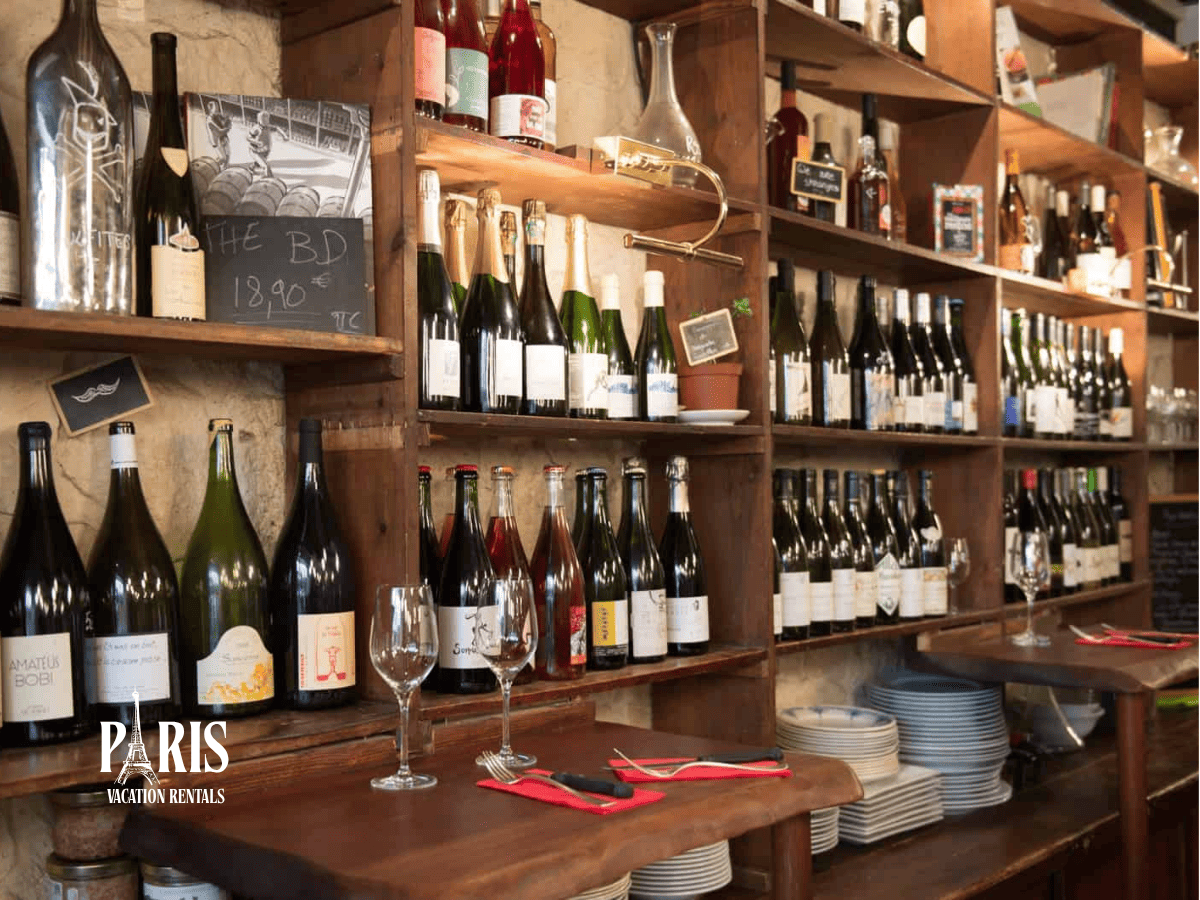
Cave Arthus et Jean at 42 Rue de Saintonge has passionate owners with competitive prices and wine classes available in English. Divvino Marais, located at 16 Rue Elzevir, has a wine shop upstairs and a cozy cellar downstairs. Sommeliers conduct guided tastings and wine-cheese pairings there. Les Caves du Marais showcases famous winemakers in wooden cases. Proprietor Jean-Jacques Bailly has classical selections beyond the natural wine scene. Le Barav at 6 Rue Charles-François Dupuis doubles as both shop and wine bar, though snagging a table proves difficult at this hotspot.
Saint-Germain and Left Bank Cavistes
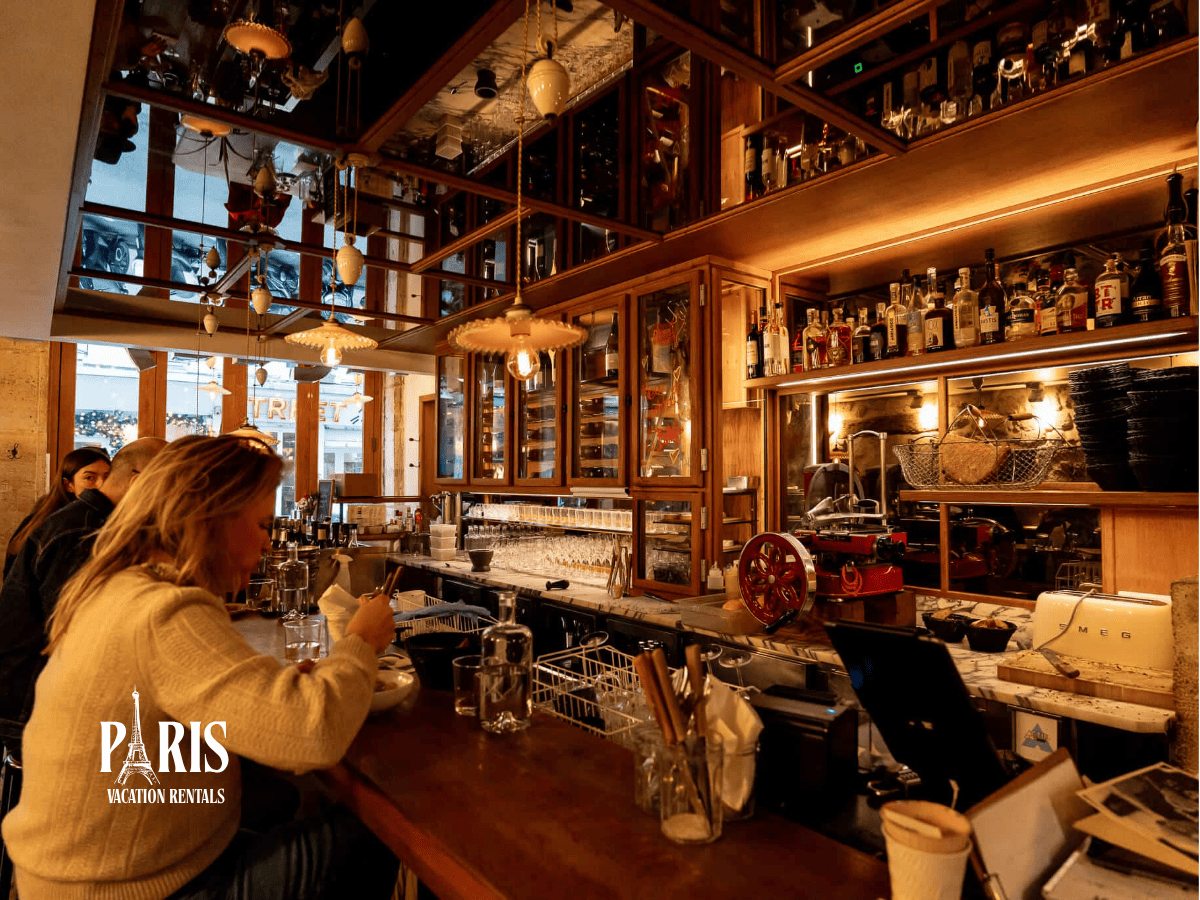
Ambassade de Bourgogne sits at 6 Rue de l'Odéon with arched ceilings and diverse French and international wines. L'Etna at 33 Rue Mazarine specializes in natural wines within a compact, chic space. Bacchus et Ariane in marché Saint-Germain has back-vintage bottles from classics to natural wines. Owner Georges Castellato provides bottle service for a 7€ corkage fee. Caves Legrand in Galerie Vivienne has special occasion bottles and operates as both merchant and wine bar with excellent stemware. La Cave des Papilles stocks over 1200 selections with fair prices and occasional block parties featuring jazz and oysters.
Lavinia and Other Premium Wine Stores
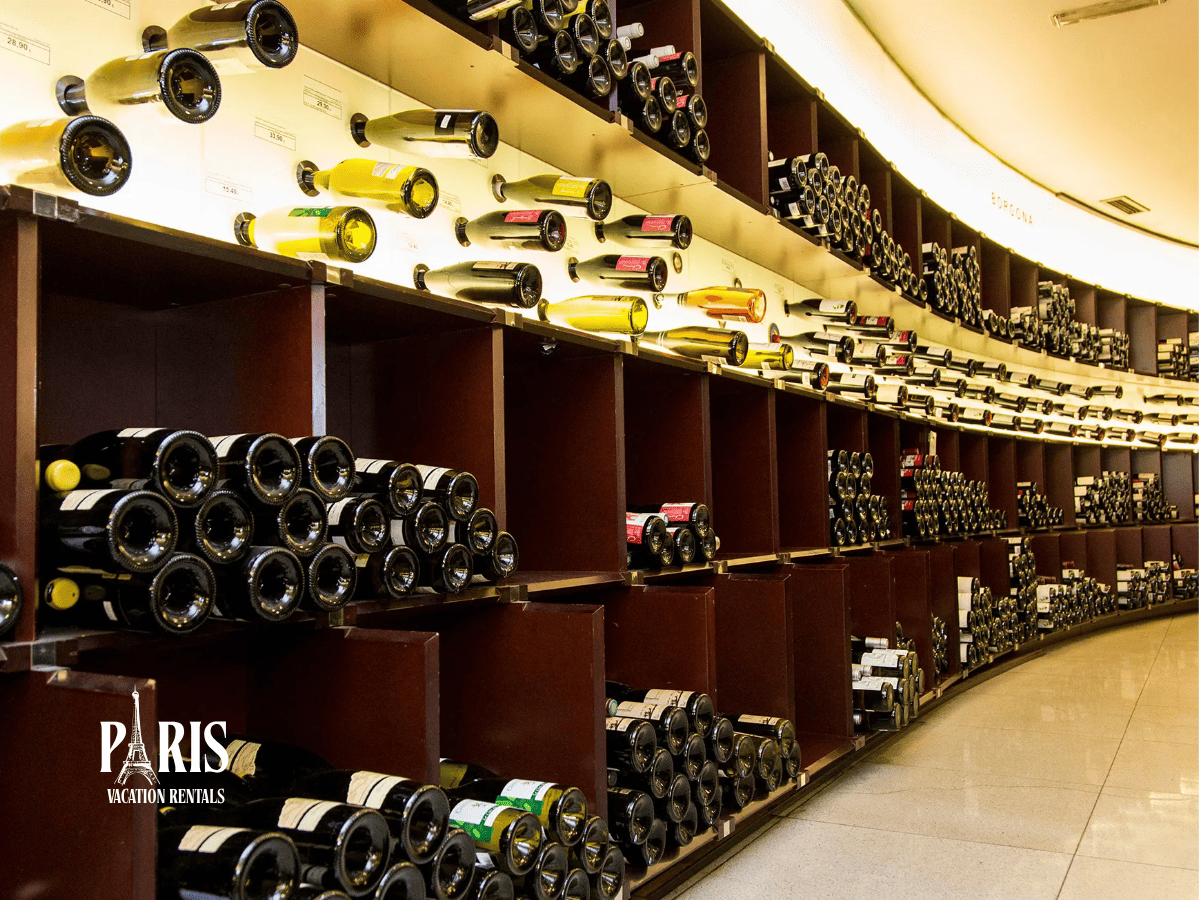
Lavinia spans three climate-controlled floors with over 6500 wines from 29 countries. The tasting station allows sampling before purchasing. The upstairs cafe serves premium wines by the glass. Lavinia relocated from Madeleine and now operates in the Victor Hugo quartier near Arc de Triomphe. Les Caves de Taillevent has world-class selections built through decades of winemaker partnerships.
Budget-Friendly Options for Everyday Wine
Wines in the €4-10 range are excellent value at supermarkets like Monoprix. Bottles under €3 disappoint, while those from €20 up represent rarefied selections. Chain stores Nicolas and Repaire de Bacchus have competitive pricing throughout the city.
Key Takeaways
Master the art of wine shopping in Paris by understanding French classifications, choosing the right type of shop, and communicating effectively with knowledgeable staff.
- Learn the AOC system before you shop - Understanding France's three-tier classification (AOC, IGP, VDF) helps you identify quality levels and make informed choices.
- Choose your shop type strategically - Visit chain stores like Nicolas for convenience, independent cavistes for expertise, and wine bars for unique selections you can take home.
- Communicate your budget and preferences upfront - French wine merchants appreciate honesty about price range and specific food pairings to recommend the perfect bottle.
- Ask the right questions to unlock expert knowledge - Inquire about grape varieties similar to your favorites, sustainable producers, and staff recommendations rather than vague requests.
- Explore neighborhood gems for authentic experiences - Each arrondissement offers distinct shopping experiences, from Marais' passionate owners to Saint-Germain's natural wine specialists.
French wine merchants genuinely want to help you discover exceptional wines. Approach each visit with curiosity, share your preferences honestly, and don't be afraid to ask questions - your next favorite bottle is waiting to be discovered in Paris.
FAQs
How much should I budget for a good bottle of wine in Paris?
Yes, excellent wines can be found for €15–30, while many good everyday bottles cost under €10.
Should I buy wine from a chain store or an independent caviste in Paris?
Yes, independent cavistes offer more personalized advice, while chain stores provide convenience and competitive prices.
What should I tell wine shop staff to get the best recommendations?
Yes, share your budget, food pairing plans, and wine preferences for better recommendations.
What do AOC, IGP, and VDF mean on French wine labels?
Yes, AOC is the highest classification, IGP offers more flexibility, and VDF is the basic national category.
Can I drink wine in Paris parks during a picnic?
No, alcohol is technically prohibited in public parks, although enforcement varies depending on the situation.