Is Paris Safe in 2026? Why Le Marais Is the Safest Choice
March 24, 2026
Is Paris Safe in 2026? Why Le Marais Is the Safest Choice
Is Paris safe right now for American tourists planning a 2026 trip? The short answer is yes — and the data backs it up. Paris welcomes tens of millions of visitors each year, with tourism reaching a record 47.5 million in 2023, a clear reflection of the city's welcoming and secure atmosphere. Violent crime rates in Paris are significantly lower than in many major American cities, and most concerns for visitors are limited to petty crime in busy tourist areas, which is easily avoided with a little awareness. Le Marais ranks as the top choice to stay for first-time visitors. This piece covers why Paris is a safe and wonderful destination for tourists, why Le Marais offers the best location to stay in Paris, and addresses common questions like is Le Marais safe at night.

Table of Contents
Is Paris Safe for Tourists in 2026?
Overall Safety Statistics and Crime Rates
Paris maintains a moderate crime index of 58.09 with a safety index of 41.91 in 2026. These figures place the city in a manageable safety range, especially when you understand what they represent. The vast majority of reported incidents involve non-violent petty theft rather than serious crime.
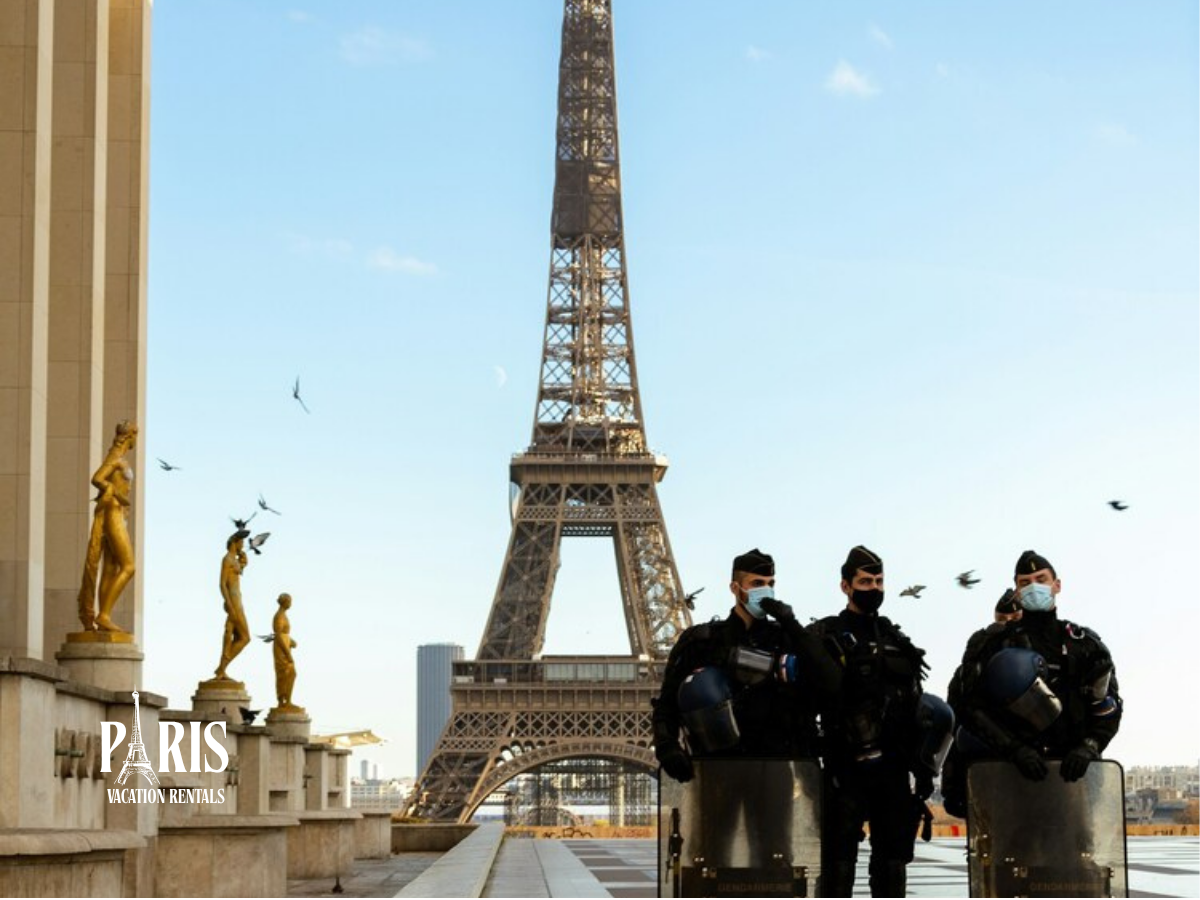
Paris has sustained an increased security infrastructure after the Olympics. Approximately 5,000 officers patrol the most visited districts on a regular basis. This contributes to a 12% decrease in reported tourist-targeted crimes compared to pre-Olympic levels. Central areas where most visitors stay benefit from this visible presence.
The US State Department continues to list France at Level 2. It applies the same routine caution used for most popular travel destinations worldwide. No travel restrictions, curfews, or special advisories affect American travellers. French authorities maintain strong counter-terrorism measures and intelligence coordination with international partners that include the United States.
Common Safety Concerns for First-Time Visitors
Most worries about visiting Paris stem from unfamiliarity rather than actual danger. Violent crime involving tourists remains very uncommon. Paris has a violent crime rate about three times lower than New York.
Pickpocketing represents the biggest concern. It concentrates in crowded metro cars, stations, and heavily visited landmarks such as the Eiffel Tower and Louvre. These incidents are opportunistic rather than aggressive. No weapons, no confrontations. Just quick theft when bags are left open or phones held loosely near metro doors.
Several prominent scams target visitors. These include petition approaches, friendship bracelets near Montmartre, and the found ring trick. The key point: engagement creates the opening. A firm "Non, merci" while continuing to walk ends most interactions.
Terrorism concerns arise occasionally. French authorities disrupt planned attacks on a regular basis and maintain high preparedness. Security measures remain strong but discreet, as with protocols in London, New York, or Rome.
How Paris Compares to Other Major European Cities
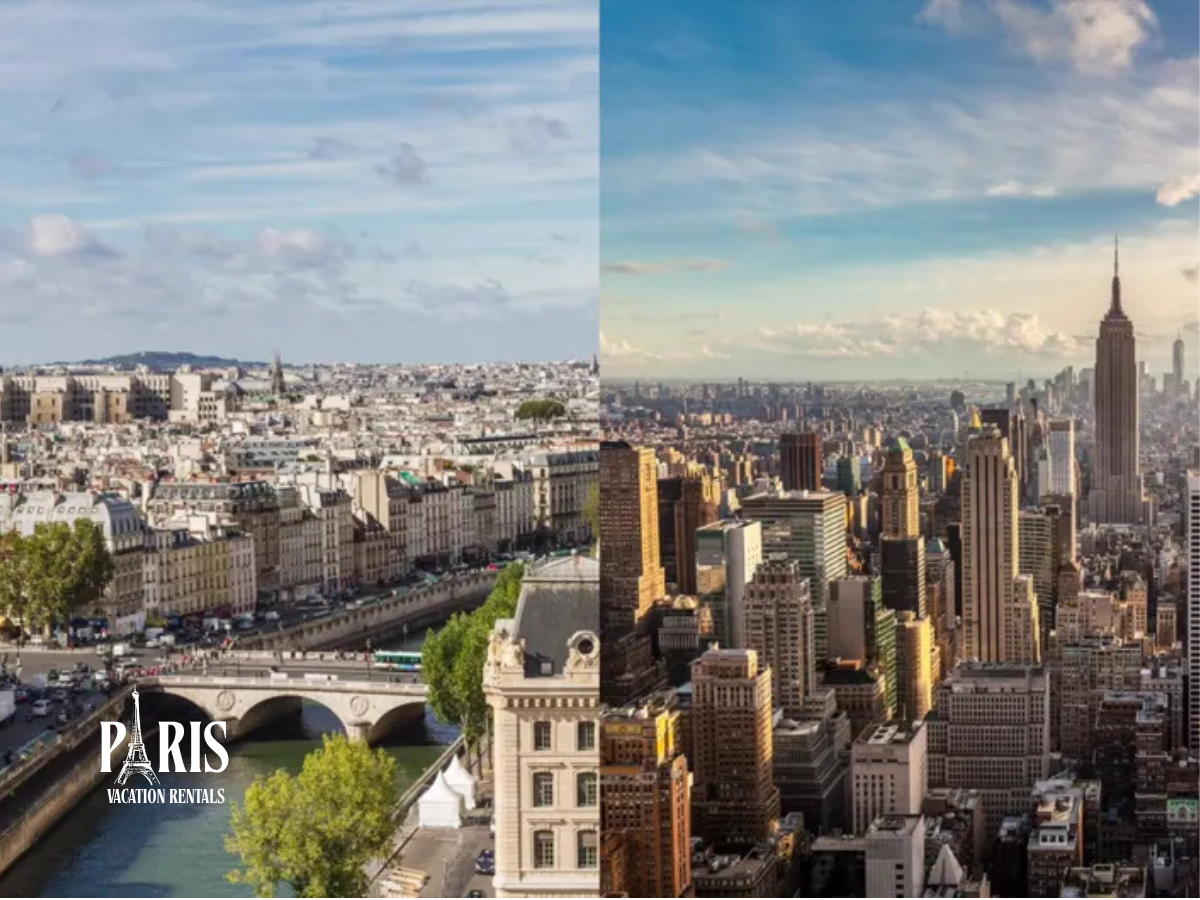
Paris ranks comparably to other major European capitals. The city has a higher crime index than Berlin (44.65) but remains on par with Rome, Barcelona, and Madrid. Paris registers safer than London for violent crime.
Safety varies by time of day. Walking alone during daylight scores 63.01 on the safety scale. Walking alone at night drops to 35.75. This pattern mirrors most urban centres and reinforces why choosing accommodation in well-lit, residential areas matters for comfort and peace of mind.
Why Le Marais Is the Safest and Best Area to Stay in Paris
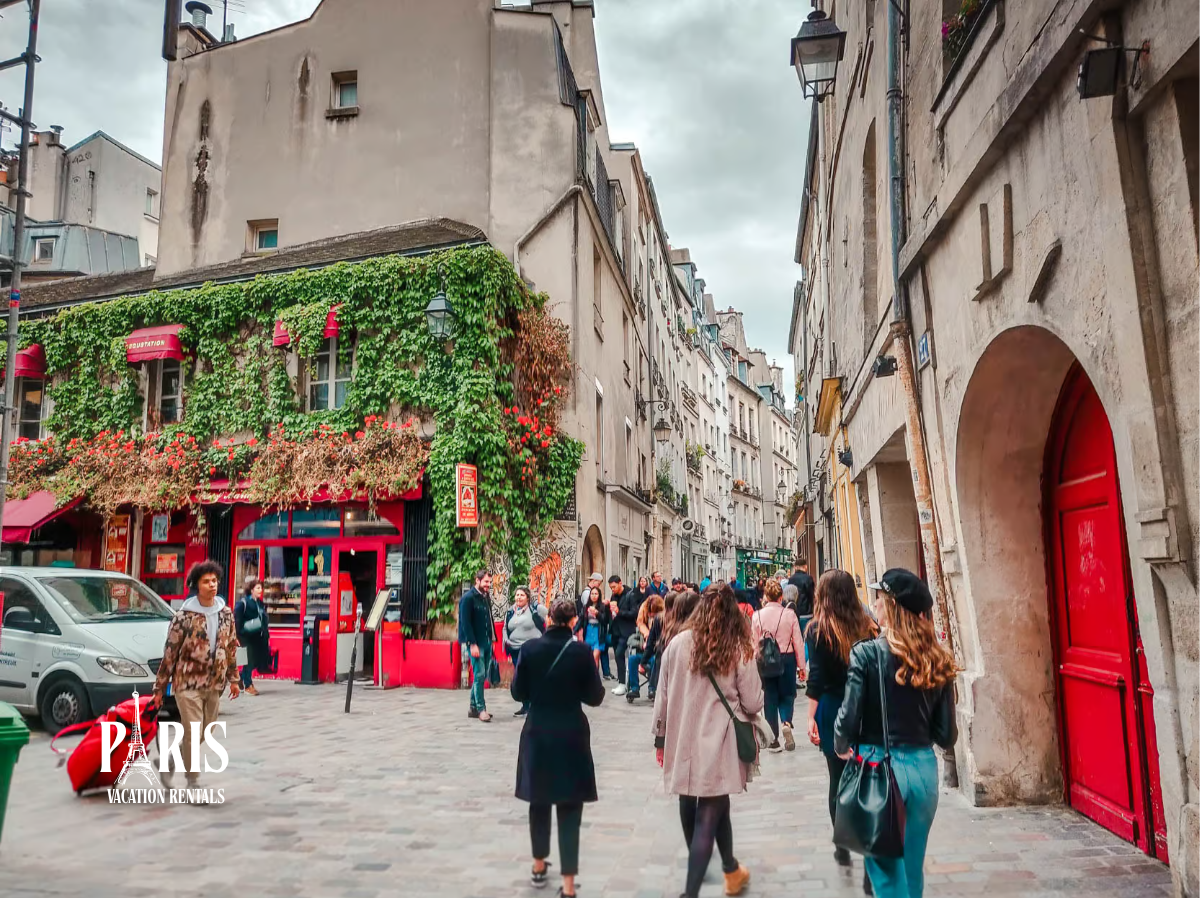
Central Location with Easy Access to Major Attractions
Le Marais sits in the 3rd and 4th arrondissements on the Right Bank. You're within walking distance of Notre-Dame Cathedral, the Pompidou Centre, Place des Vosges, and Place de la Bastille. Metro lines 1, 3, 8, and 11 run through the neighbourhood and connect you to the Champs-Élysées, major train stations like Gare du Nord and Gare de l'Est, and the rest of Paris. Walkability is the most appealing feature. You can explore central Paris on foot and enjoy the energy of narrow mediaeval streets.
Well-Lit Streets and Constant Foot Traffic
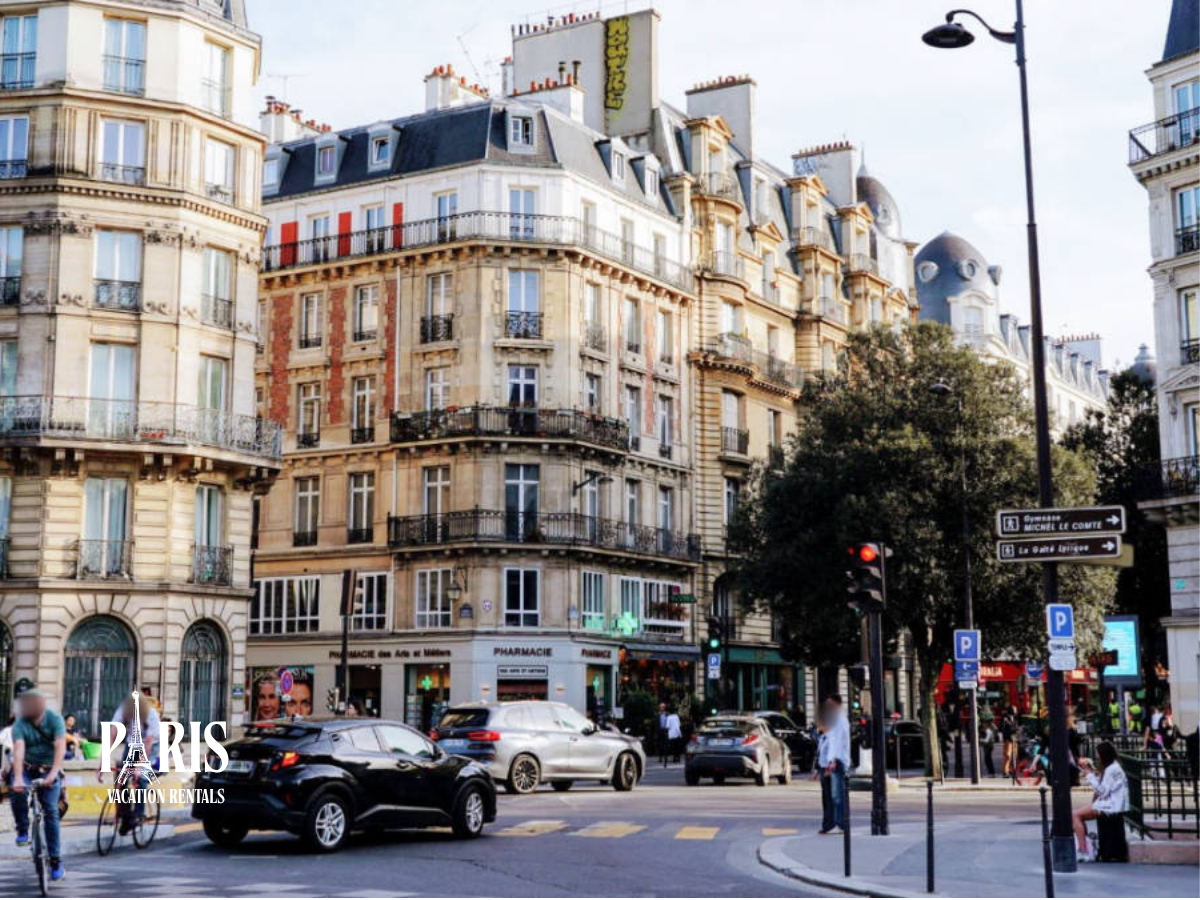
Le Marais maintains activity throughout the day and night. The 3rd and 4th arrondissements are known for busy nightlife, with bars and bistros open late. Pedestrian-only areas make strolling safe and pleasant. This constant foot traffic creates a secure environment. You're rarely alone on the streets.
Strong Police Presence and Security Measures
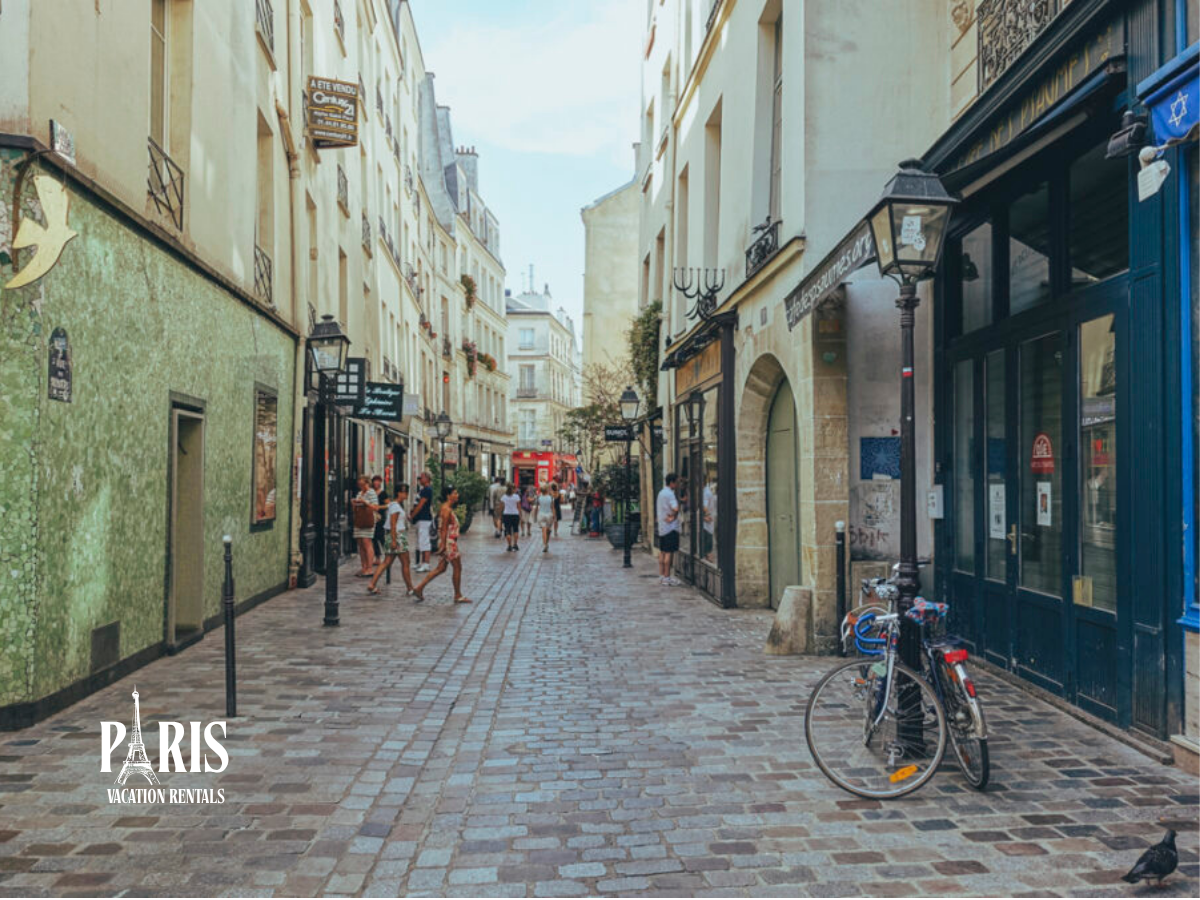
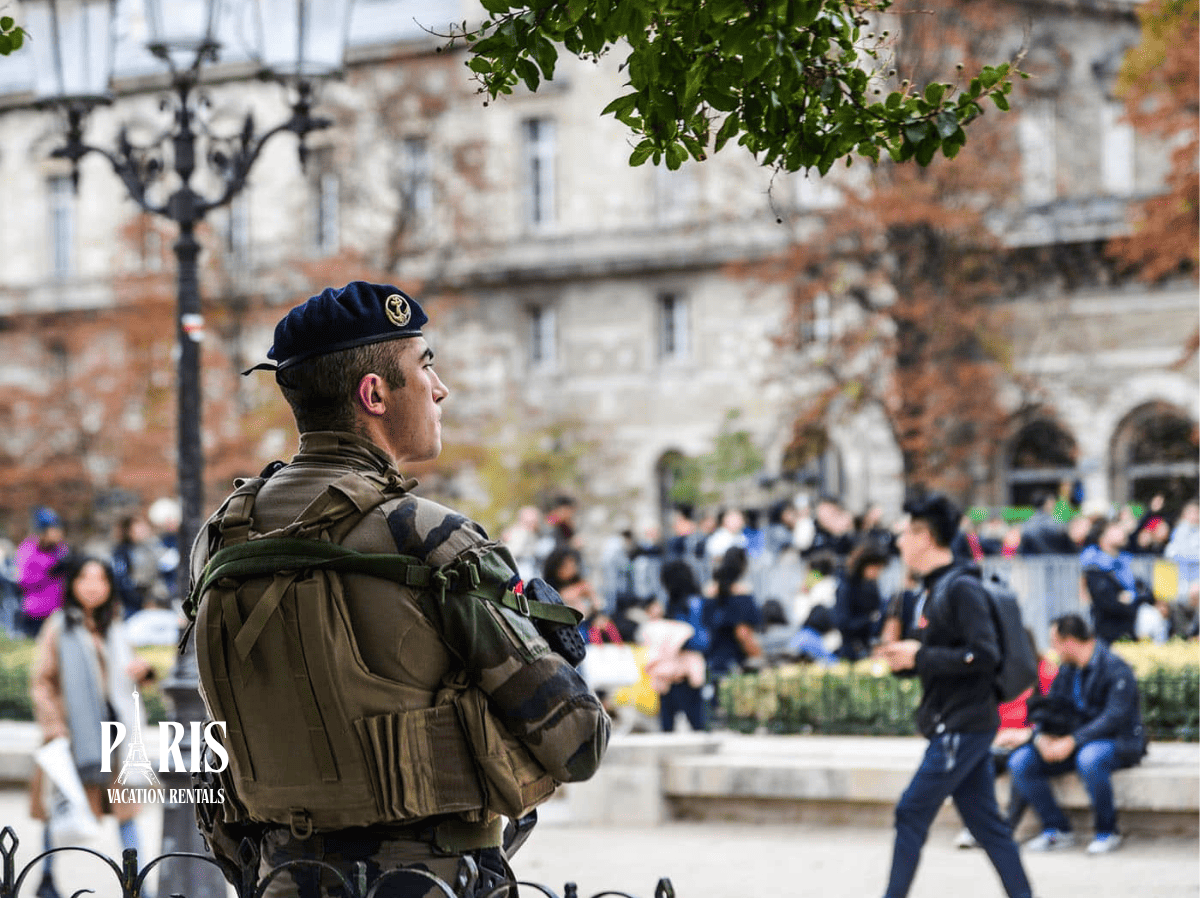
A police station housing 650 civil servants operates in Le Marais. Officers are visible on streets. The Jewish quarter receives improved protection, including armed police stationed at synagogues and Jewish institutions. This visible security presence keeps crime very low in the historical centre.
English-Speaker Friendly and Welcoming Atmosphere
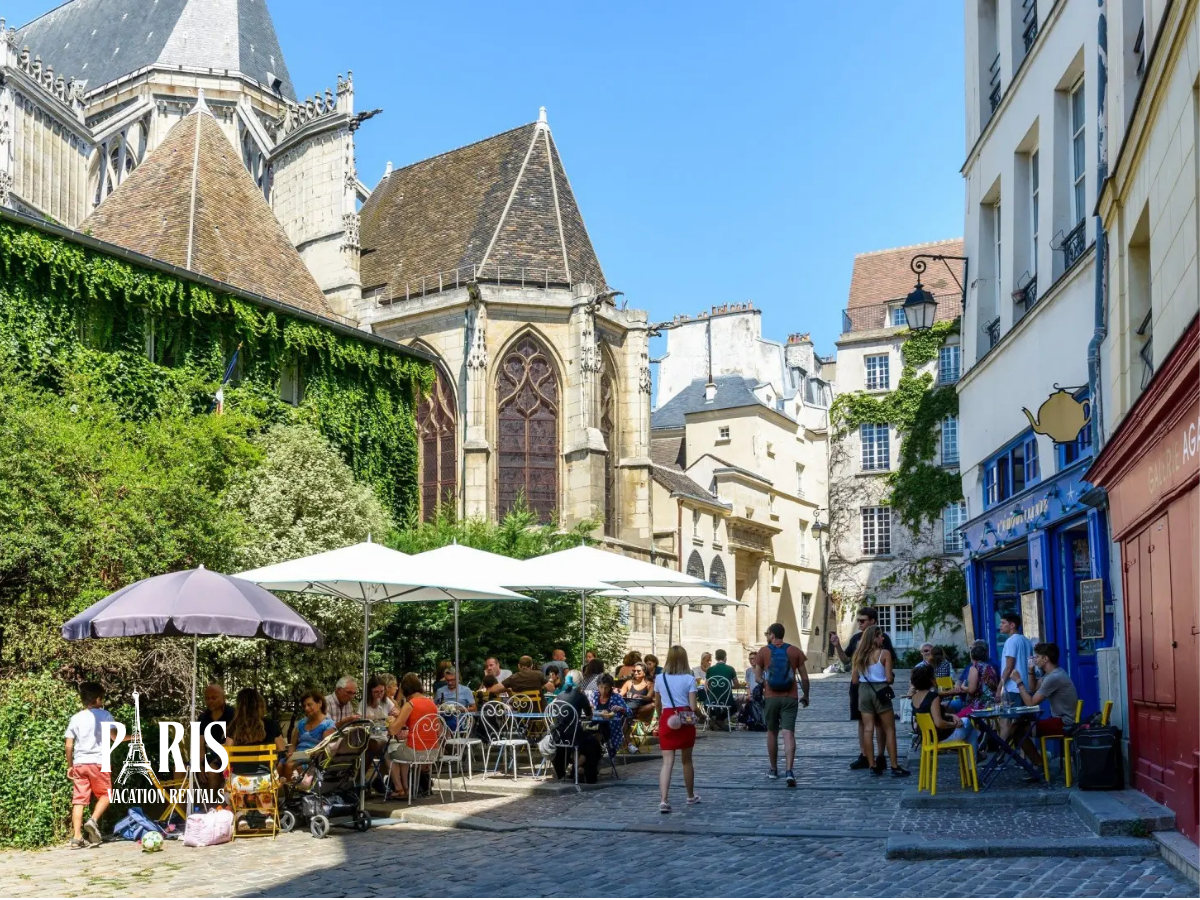
Le Marais welcomes English speakers with many expat residents and businesses accustomed to international visitors. Shops, restaurants, and hotels serve foreigners. Residents speak good English and welcome American visitors. Expat meet-ups and English-speaking clubs operate within walking distance.
Is Le Marais Safe at Night?
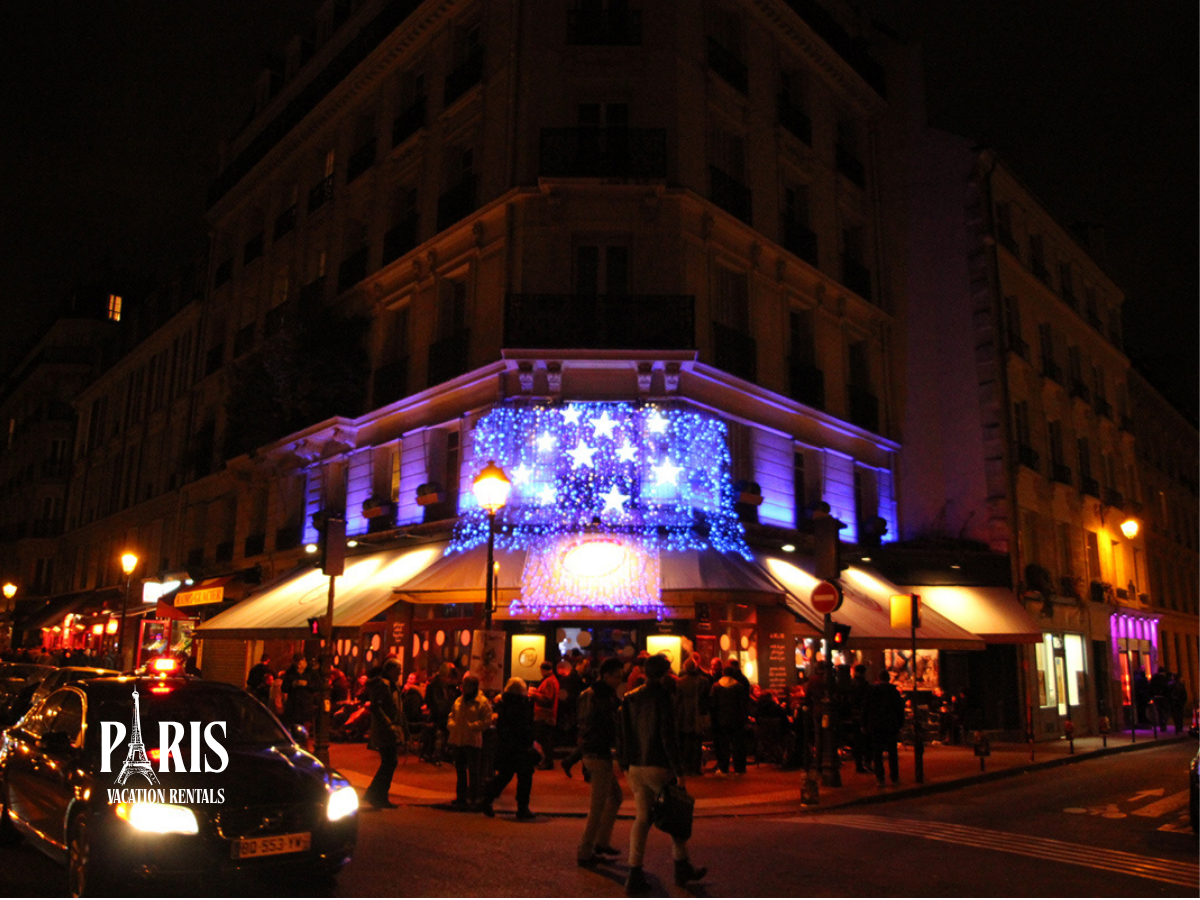
Walking anywhere in Le Marais at night ranks as "probably the most peaceful thing to do". The district remains safe at any time of day. Solo female travellers report feeling comfortable walking alone at night.
Perfect for Couples, Families, and Solo Travellers
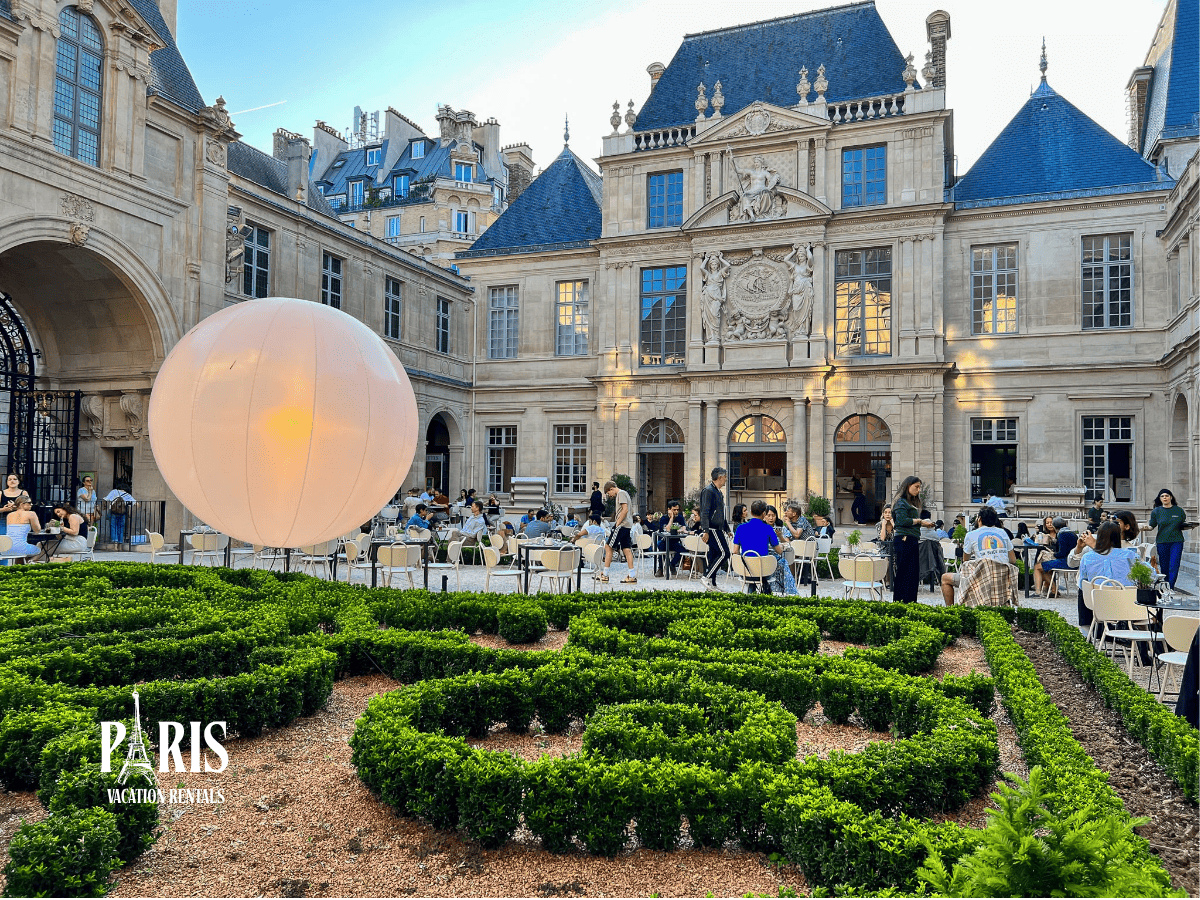
Le Marais suits all traveller types. Couples seeking romantic settings will love it. Families wanting central access and solo travellers prioritising safety find it ideal. The inclusive LGBTQ+ community adds to the welcoming atmosphere.
Common Scams and Safety Issues to Avoid in Paris
Pickpocketing at Tourist Hotspots
Thieves concentrate near the Eiffel Tower, Notre Dame, and Champs-Élysées. Pickpockets work in groups, often adolescents. They use distraction techniques while an accomplice removes wallets or phones. Carry only one credit card, one ID, and no more than €40-50 in cash. Ladies should use bags that zip and hold them tightly under the arm, slightly forward. Gents benefit from placing a rubber band around wallets and keeping them in front pockets.
Petition and Bracelet Scams
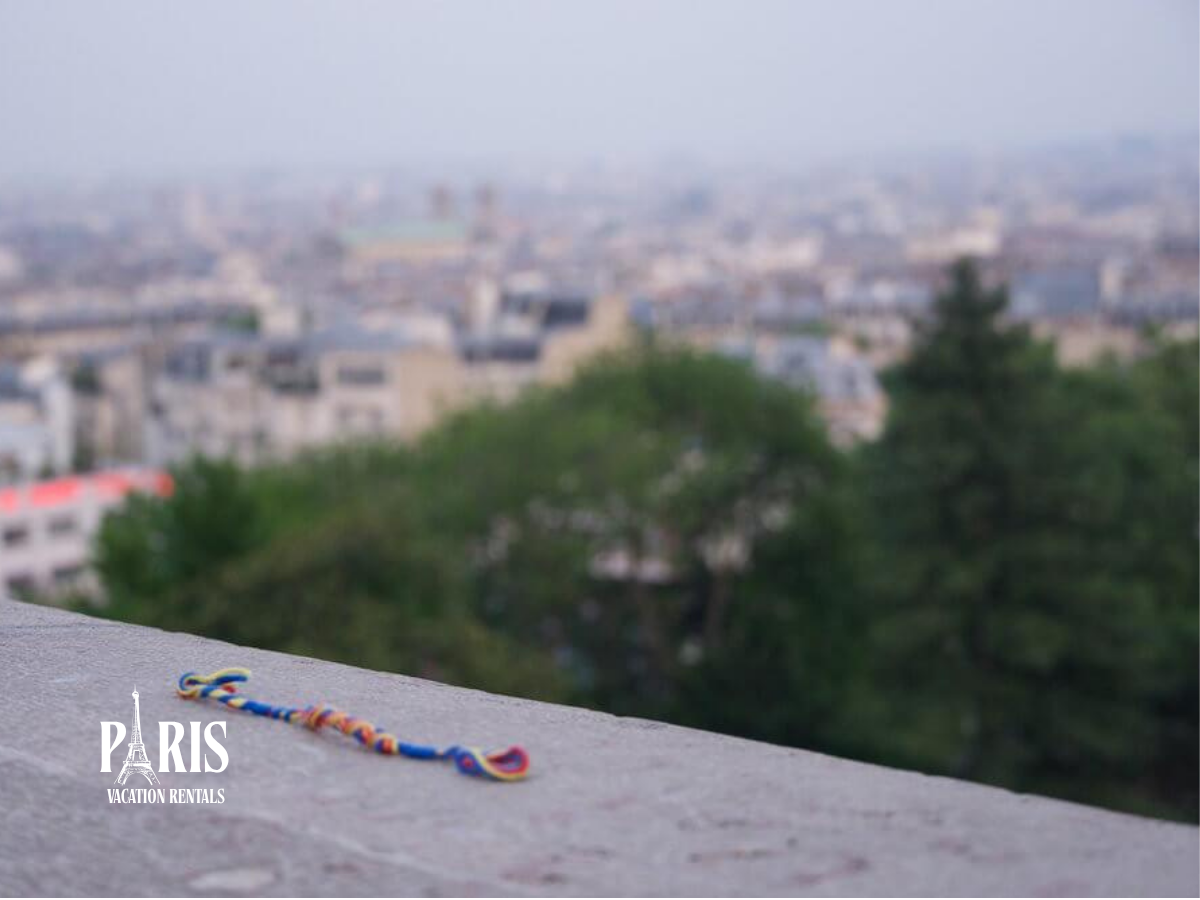
Groups of young women approach with clipboards and ask you to sign petitions for fake charities. They demand donations after you sign while accomplices pick pockets. As with petitions, scammers around Montmartre and Sacré-Cœur tie friendship bracelets around your wrist before they ask for payment. Some corner tourists to force the bracelet on. Don't get involved, make no eye contact, and keep walking.
Gold Ring and Street Game Scams
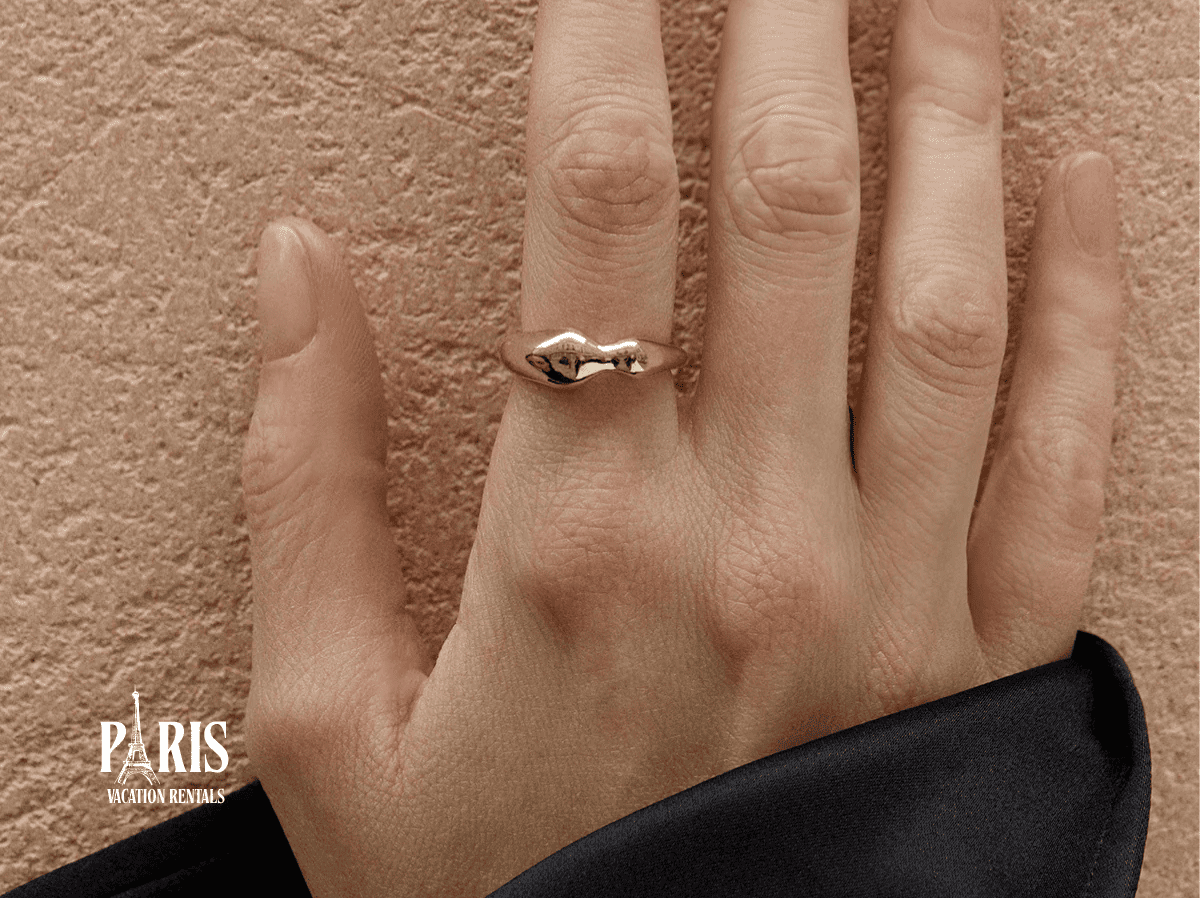
Someone "finds" a gold ring near your feet, asks if it's yours, then presses it upon you. They claim it's against their religion to wear jewellery. They request money for being hungry or as compensation. The ring is worthless brass. This happens near the Louvre, Eiffel Tower, and Jardin des Tuileries. Three-cup street games near tourist sites are rigged, with accomplices who pretend to win.
Metro and Public Transport Safety
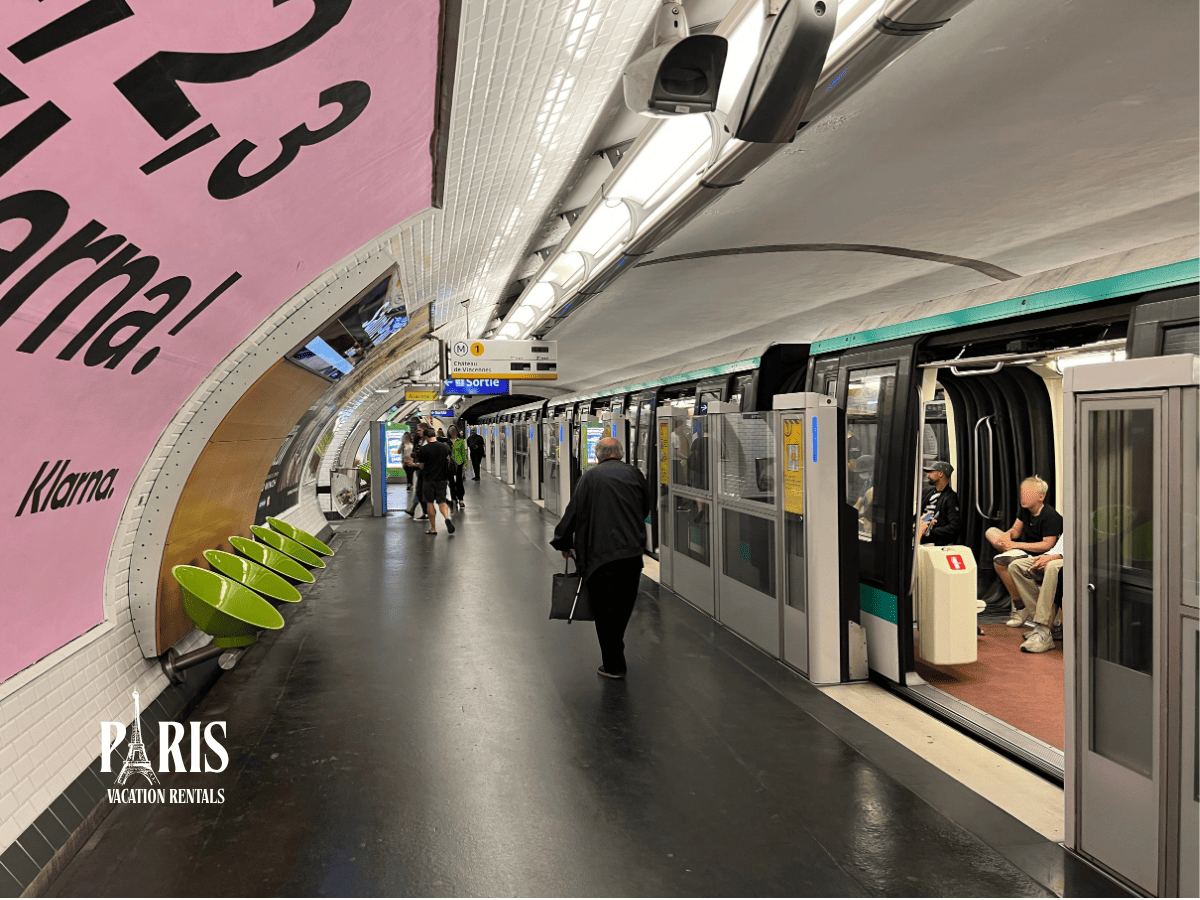
Pickpockets use the crush-and-grab method and swarm as passengers board or exit. Lines 1, 4, 9, and 13 carry higher risk. Châtelet-Les Halles, Gare du Nord, and Saint-Michel stations see frequent incidents. Rush hours between 8-10 am and 5-8 pm present peak danger. Stand away from doors and shield your PIN at ATMs.
Safety Around Train Stations
Gare du Nord experiences pickpocketing, bag snatching, and aggressive panhandling. Violent crime remains rare, but discomfort is more common than in residential neighbourhoods.
Practical Safety Tips When Staying in Le Marais
Choosing the Right Accommodation in Le Marais
Secure buildings matter most. Look for accommodations with digital entry codes or keycard access and double-entry doors. Professional rental companies outperform private hosts in building security and verified listings. Choose locations within five minutes of metro stations to avoid long walks late at night. Proximity to residential streets rather than nightlife hotspots provides better rest and keeps you safe.
Best Practises for Walking at Night
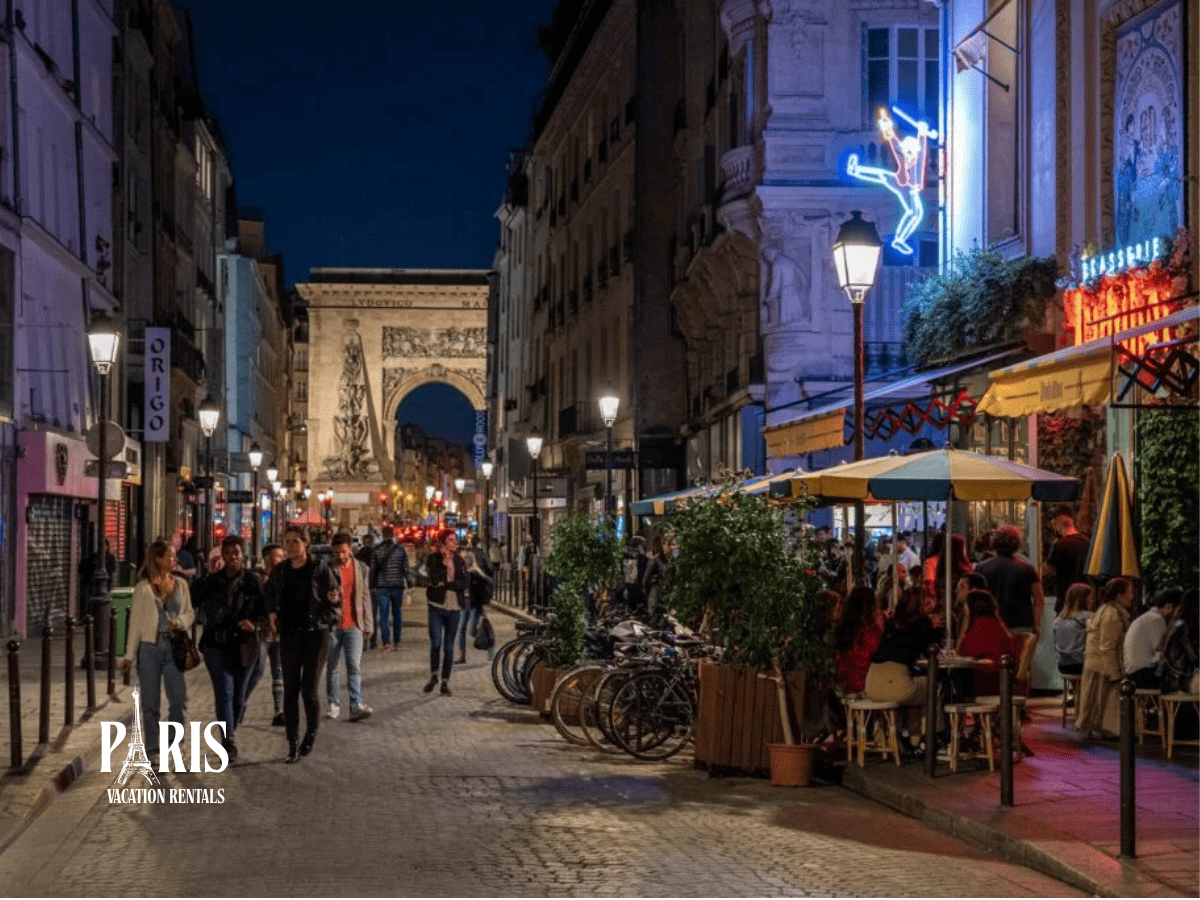
Walk confidently on busy streets that are well-lit. Le Marais has steady foot traffic until 1am on weekdays and 2am on weekends. Evening strolls feel comfortable. Trust your instincts. If a street feels uncomfortable, choose another route. Stick to main avenues rather than taking shortcuts through deserted alleys.
Protecting Your Belongings in Crowded Areas
Use an anti-theft crossbody bag with zippers fully closed. Keep your bag in front of you on the metro and near tourist sites. Avoid using your phone near metro doors. Grab-and-run thefts occur just before doors close. Don't flash valuables such as cameras or shopping bags.
Emergency Contacts and Resources
Save 112 (Europe-wide emergency), 17 (police), 15 (medical emergency), and 18 (fire) in your phone. The US Embassy operates at +33 1 43 12 22 22. British Pharmacy on Champs-Élysées (01 88 61 03 63) provides English-speaking service. Central police stations operate 24/7 throughout Paris.
Key Takeaways
Paris remains a safe destination for tourists in 2026, with practical precautions ensuring a secure and enjoyable visit to the City of Light.
- Paris has a violent crime rate three times lower than New York, with most incidents involving petty theft rather than serious threats
- Le Marais offers the safest accommodation choice with constant foot traffic, strong police presence, and central access to major attractions
- Pickpocketing concentrates at tourist hotspots like the Eiffel Tower and metro stations - keep bags zipped and avoid engaging with petition scammers
- Choose professionally managed accommodation within five minutes of metro stations for optimal security and convenience
- Emergency numbers 112 (general), 17 (police), and the US Embassy (+33 1 43 12 22 22) should be saved before arrival
The key to a safe Paris experience lies in selecting Le Marais as your base, staying alert in crowded tourist areas, and following basic urban safety practises that apply to any major city worldwide.
FAQs
Why is Le Marais considered the safest area to stay in Paris?
It's central, well-lit, densely populated with shops and restaurants open late, and heavily walked at all hours — all of which discourage crime and make it comfortable for solo travelers and families alike.
Is Le Marais a good base for first-time visitors?
Yes — it's walkable to Notre-Dame, the Louvre and the Latin Quarter, well-served by metro, and has a huge range of short-term rental apartments.
Is Le Marais expensive to stay in?
It's one of the pricier central districts, but the safety, location and walkability often make it worth the premium for shorter stays.
Is Le Marais quiet or noisy at night?
The main streets stay lively with restaurants and bars into the evening, while the smaller side streets are generally calm and residential.
Is Le Marais good for LGBTQ+ travelers?
Yes, it's historically Paris's main LGBTQ+ neighborhood and remains a welcoming, safe area with a strong scene of its own.