10 Exhibitions in Paris Spring-Summer 2026 for Americans
April 15, 2026
10 Exhibitions in Paris Spring-Summer 2026 for Americans
Exhibitions in Paris during spring and summer 2026 present a rare chance for art lovers, with major retrospectives spanning centuries of artistic achievement. The city's museums are hosting some of their biggest shows in years. Renoir's romantic works will be at Musée d'Orsay (17 March–19 July 2026) and Alexander Calder's nearly 300 works at Louis Vuitton Foundation (15 April–16 August 2026). We've put together this piece to help you find the best exhibitions Paris has to offer. Matisse's later works at Grand Palais (24 March–26 July 2026) are among the season's cultural standouts you won't want to miss.

Table of Contents
- Leonora Carrington – A British-Mexican Surrealist in Paris
- Light and Shadow – Modern Takes on Classical Techniques
- Unicorns! – Exploring Mediaeval Art and Legend
- Fashion of the 18th Century – Luxury and Craftsmanship
- Renoir and Love – Romantic Vision of Paris
- Matisse 1941–1954 – Reinvention in Later Years
- The Grandeur of Baroque: From El Greco to Velázquez – Spanish Masters
- Marilyn Monroe – 100 Years Since Her Birth
- Calder – Dreaming in Balance at Louis Vuitton Foundation
- Giovanni Segantini – Mountains and Light
- Key Takeaways
- FAQs
Leonora Carrington – A British-Mexican Surrealist in Paris
Musée du Luxembourg presents its first major retrospective devoted to Leonora Carrington, bringing together 126 works from this emblematic figure of Surrealism. The exhibition runs from 18 February to 19 July 2026 and traces a body of work nourished by oneirism, Celtic myths, esoteric literature and alchemy. The curatorial approach positions Carrington as a 'Vitruvian Woman', a total artist who embodies harmony and breakthroughs and echoes Leonardo da Vinci's humanist ideal while revealing her feminist and environmentalist commitment.
The Artist's Extraordinary Life Path
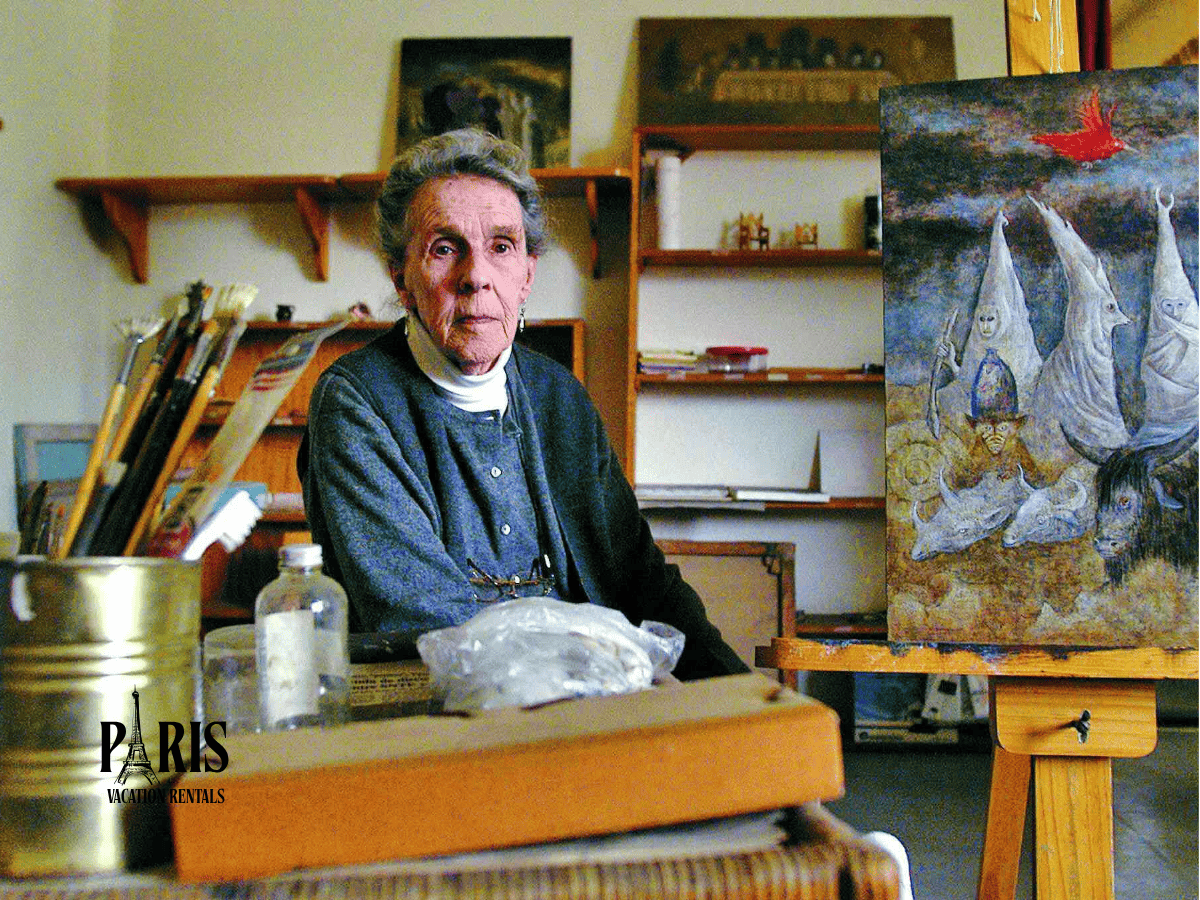
Carrington was born in Lancashire, England, in 1917. She travelled from Florence to Paris, from the South of France to Spain, all the way to Mexico, where her work found a unique resonance. Her formative years in post-Victorian England and her initiatory stay in Florence left a lasting impression, especially the Renaissance art that would influence her creative vision. She met Max Ernst in London during 1937 and their partnership redefined her artistic trajectory. The couple moved to Paris, where she immersed herself in the Surrealist circle alongside André Breton, Salvador Dalí, and Pablo Picasso.
World War II shattered this creative period. French authorities arrested Ernst, being German, as a 'hostile alien', and the Gestapo later detained him because his art was considered 'degenerate'. Carrington fled to Spain, where she experienced two traumatic events. Spanish soldiers gang-raped her in a cafe. A psychotic break caused by paralysing anxiety led to her admission into an asylum in Santander. There, she endured Cardiazol shock therapy and Luminal treatment before escaping her planned transfer to a South African sanatorium.
She found refuge through a marriage of convenience with Mexican diplomat Renato Leduc, a friend of Picasso, which accorded her diplomatic immunity. She spent a year in New York and then settled in Mexico in 1942, taking Mexican nationality and spending the rest of her life there. Mexico provided a vibrant artistic community that included fellow Surrealist Remedios Varo, with whom she studied alchemy and the kabbalah alongside post-classic Mayan mystical writings.
Major Themes in Her Work
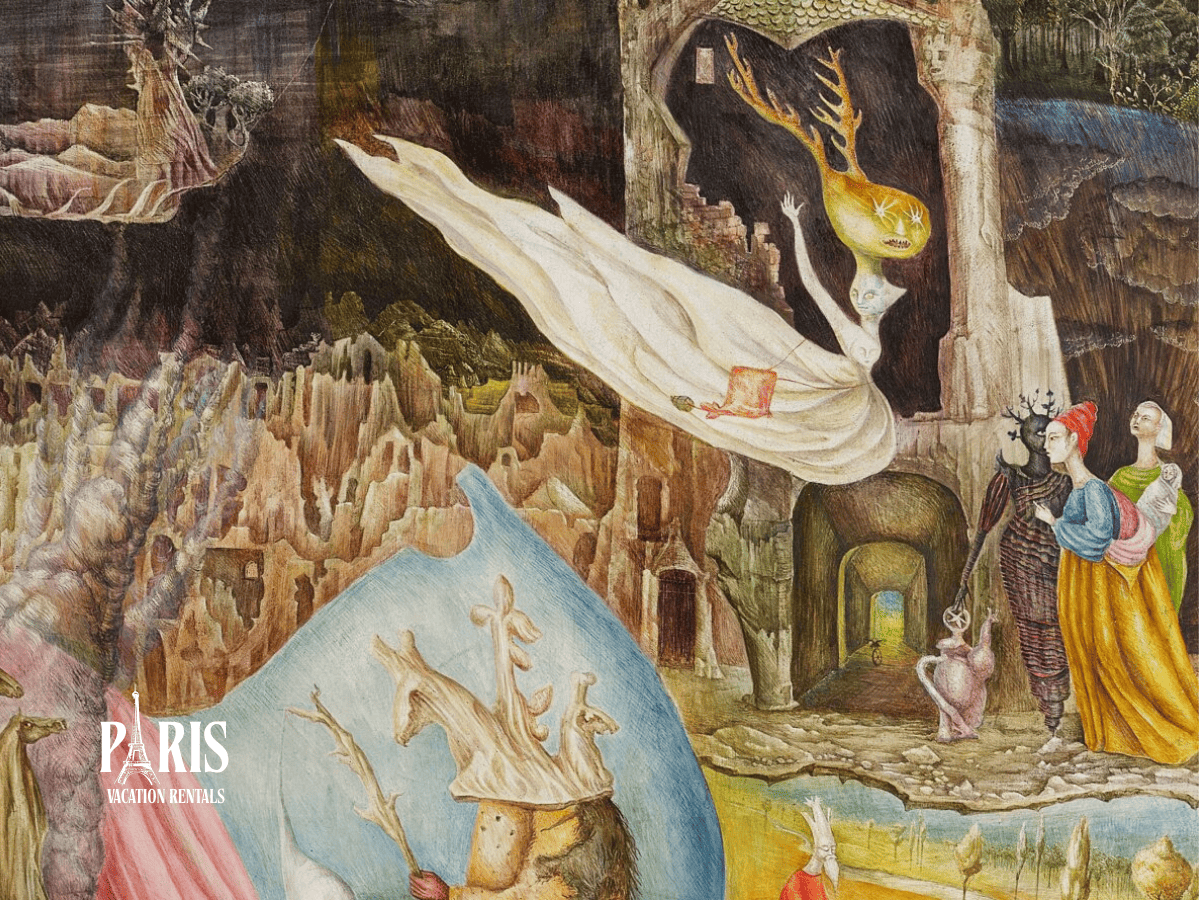
Carrington's creation reflects a world in perpetual metamorphosis, where human and animal, masculine and feminine intersect. Her paintings and drawings are populated by hybrid creatures, mystical feasts, floating worlds, and metamorphic beings that merge different forms and identities. Rather than following Sigmund Freud's theories like other Surrealists, she focused on magical realism and alchemy while using autobiographical detail and symbolism as subjects.
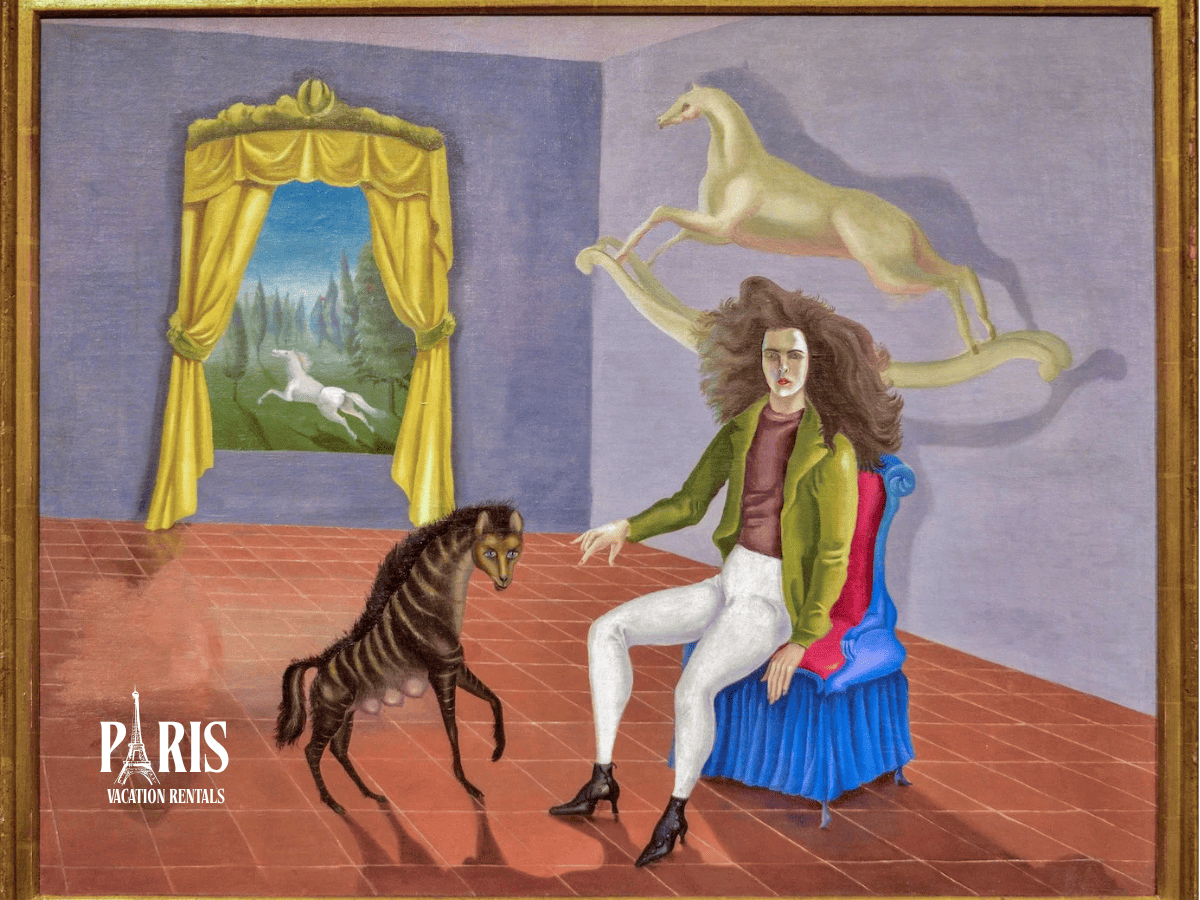
The exhibition expresses her passions: Italian classical art found in Florence, the influence of the Renaissance, her Celtic and post-Victorian roots, and her immersion in French surrealism. Early works such as the Sisters of the Moon series reveal her lifelong fascination with powerful female figures, alternate cosmologies, and esoteric symbolism. Her famous Self-Portrait: The Inn of the Dawn Horse shows her with wild hair in a room with a rocking horse floating behind her, a hyena at her feet, and a white horse galloping away outside the window.
Carrington's work presents female sexuality as she experienced it and avoids the male Surrealists' characterisation of women as objects of desire. Her art from the 1940s focuses on women's role in the creative process and positions motherhood as a key experience. She spoke about women's 'legendary powers' and the need for women to reclaim 'the rights that belonged to them'.
Planning Your Visit to Musée du Luxembourg
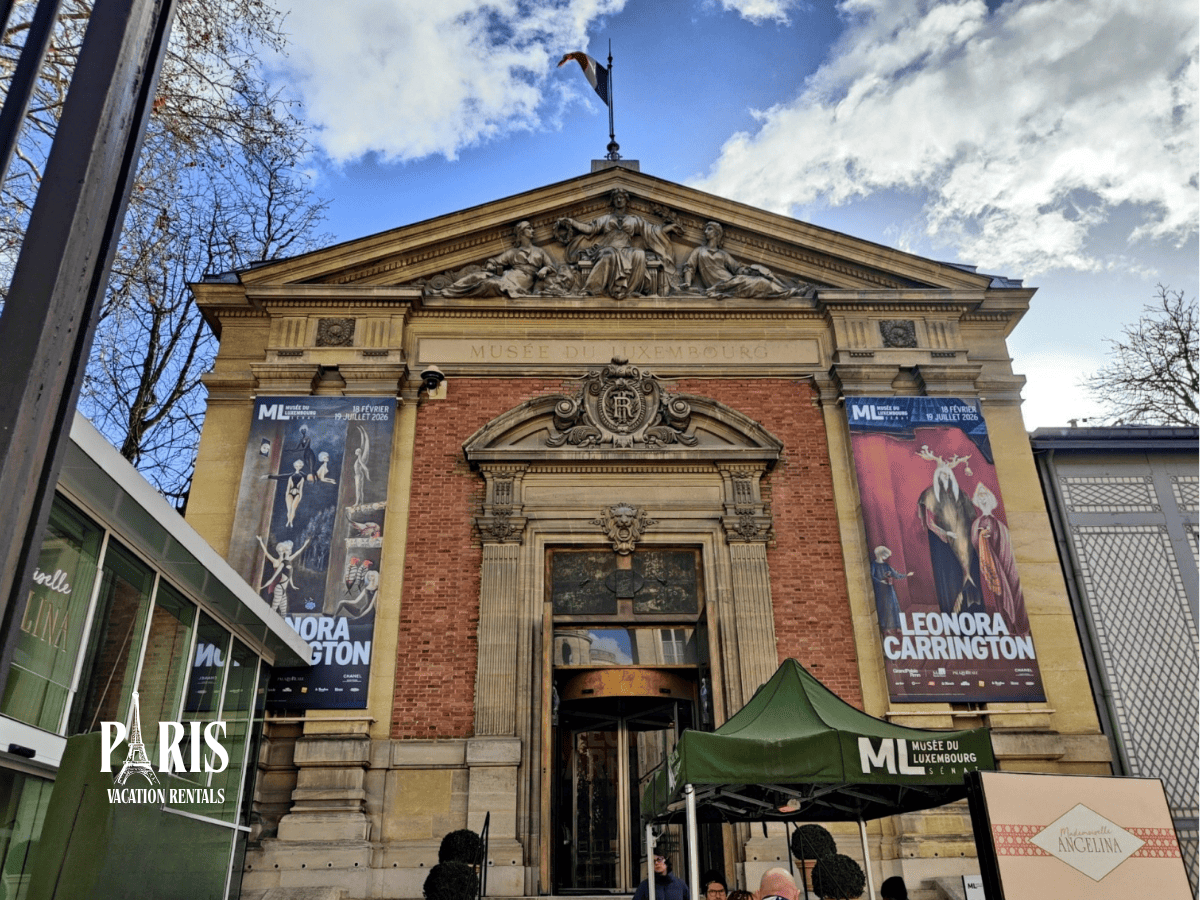
The museum is located at 19 rue de Vaugirard, 75006 Paris, close to the Palais du Luxembourg and the Luxembourg Gardens. You can reach it via Metro line 4 to Saint Sulpice, line 10 to Mabillon, or line 12 to Rennes. Bus lines 58, 84, and 89 stop at Musée du Luxembourg, whilst lines 63, 70, 86, and 96 stop at Église Saint Sulpice.
Opening hours: Tuesday to Sunday from 10.30am to 7pm, with late opening on Mondays until 10pm. Last admission is 45 minutes before closing time, with evacuation of exhibition areas 15 minutes before closing. The museum is closed on 1 May.
Light and Shadow – Modern Takes on Classical Techniques
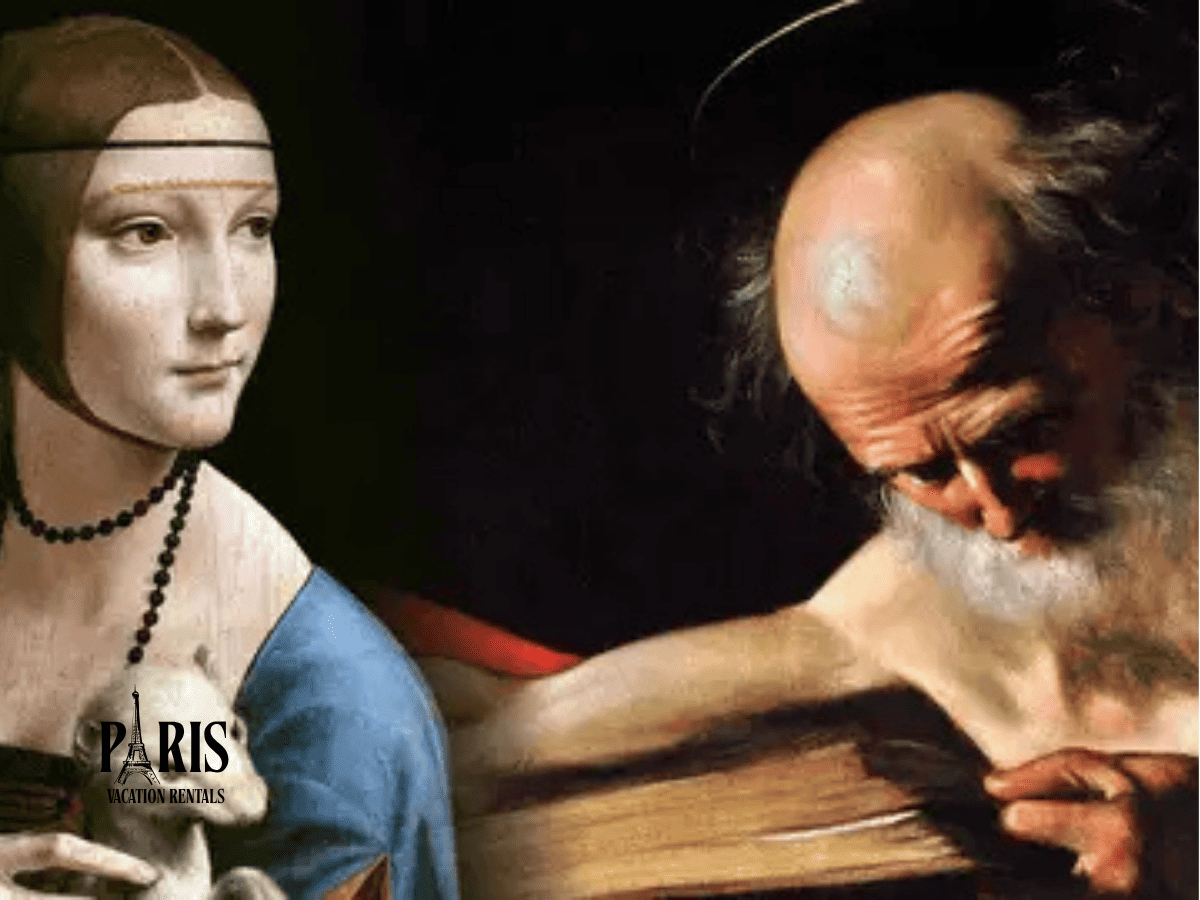
Bourse de Commerce transforms its circular exhibition space into a meditation on darkness and light with "Clair-obscur", running from 4 March to 31 August 2026. This collective exhibition brings together around 20 artists who explore the legacy of chiaroscuro. They don't approach it through a traditional historical survey but as a critical tool that involves contemporary realities.
Caravaggio to Contemporary Art
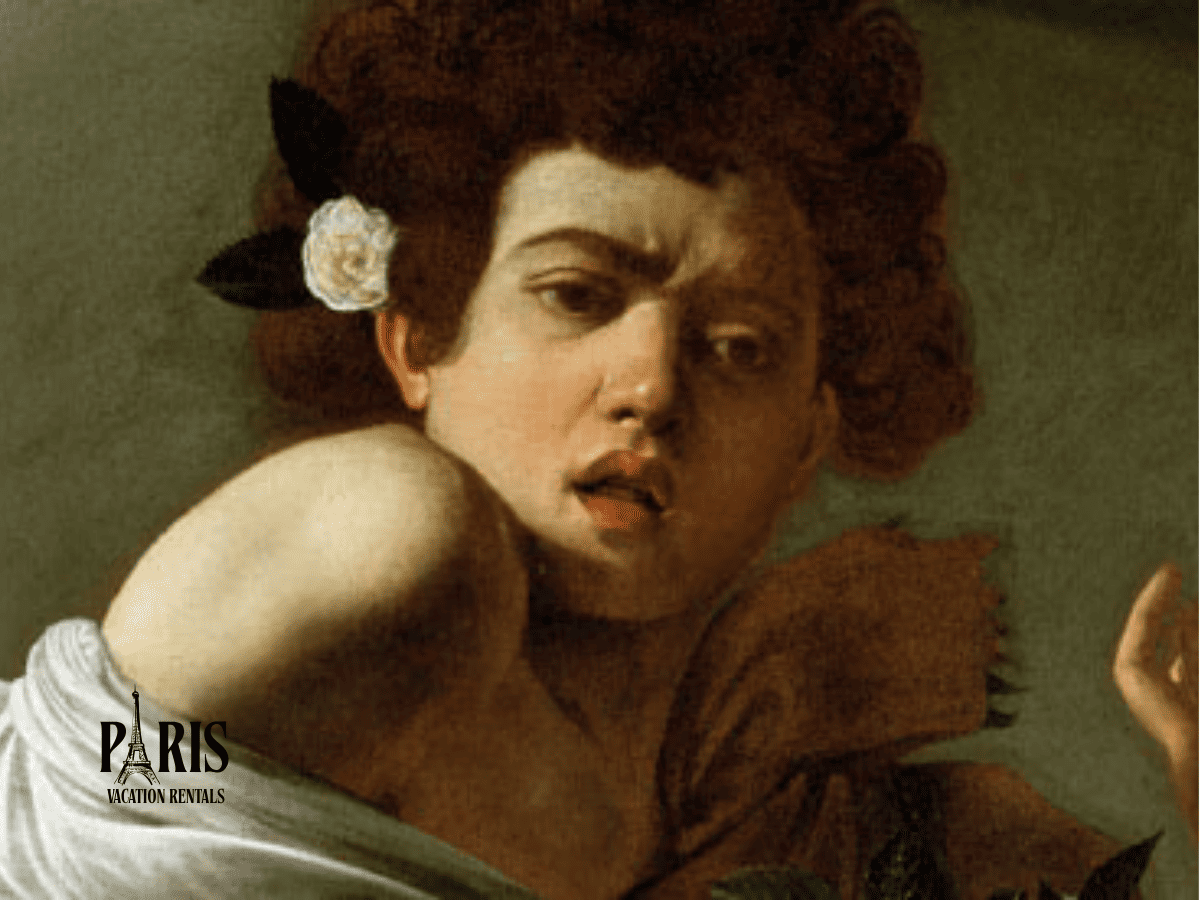
Chiaroscuro, meaning light-dark, was used by Renaissance artists to create contrast and realism. Caravaggio pushed this technique further with tenebrism, using stark light and shadow to highlight figures. His works, like Saint John the Baptist in the Wilderness, conveyed raw emotion, symbolizing the struggle between good and evil. This style influenced Baroque artists such as Artemisia Gentileschi, who focused on strong female figures, and Georges de La Tour, who used candlelight to create intimate, spiritual scenes.
What Makes This Exhibition Special
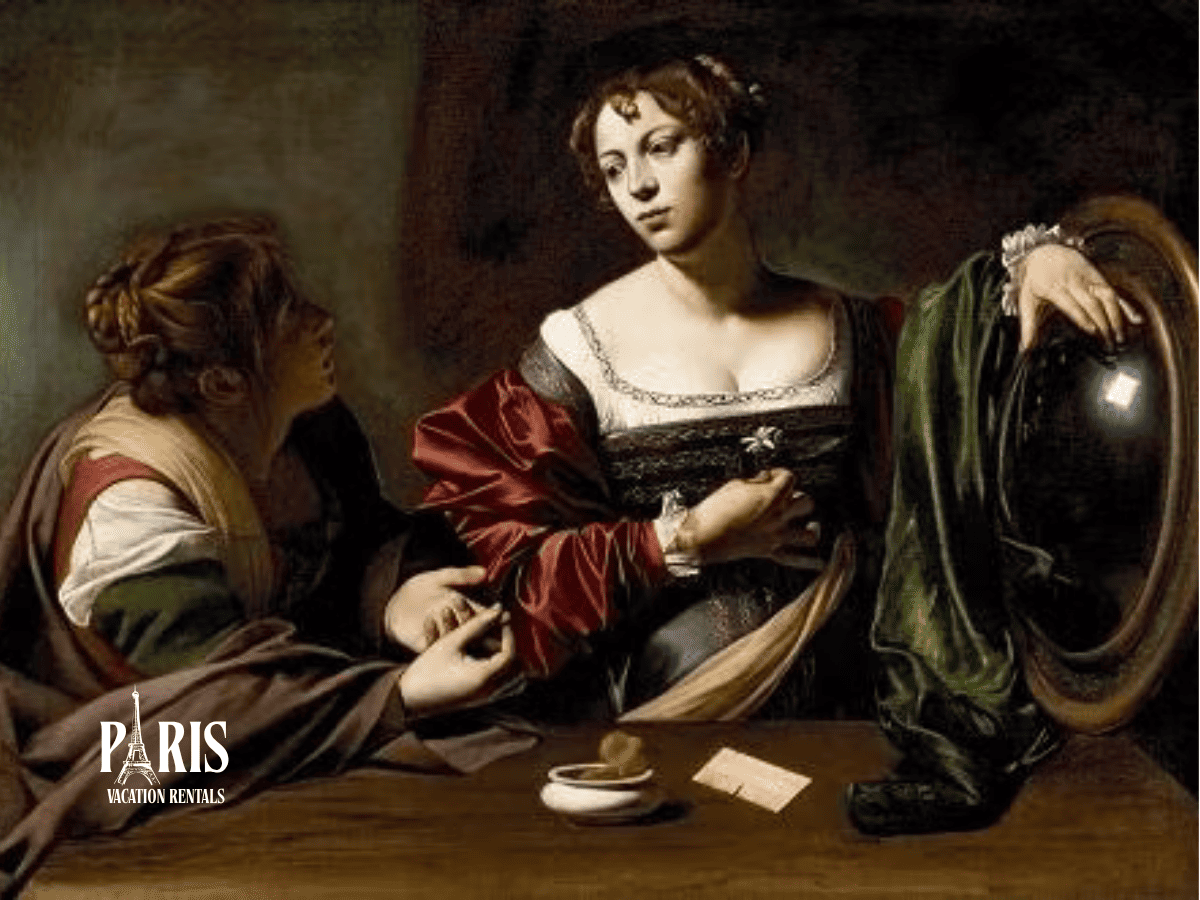
The guiding thread follows a symbolic movement "from darkness to light" and transposes chiaroscuro's legacy into the architectural space of the Bourse de Commerce. Emma Lavigne, director general of the Pinault Collection and exhibition curator, explained that these works "embody a strong tendency among artists to resist too much light, too much clarity, too many artificial emotions".
Bill Viola engages in direct dialogue with Old Master painting tradition, transposed into slowed-down temporality and almost sculptural light. His mesmerising videos show bodies that ignite with dramatic light. Victor Man's paintings explore young figures flirting with death through contemporary chiaroscuro. Pierre Huyghe's Camata (2024), presented beneath the central dome, immerses visitors in a ritual filmed in Chile's Atacama Desert and transforms the space into a timeless amphitheatre.
Twenty-four display cases feature Laura Lamiel's installations in the Passage de la Bourse de Commerce. They blend colour, light and found objects centred on spiritual cosmology. Fluorescent tubes light up materials and contrast with raw steel surfaces. This extends the dialogue between light and shadow initiated in the rotunda. Chiaroscuro becomes a narrative principle for apparitions and disappearances, a philosophical tool for thinking about the unconscious, and a plastic device for contrasts and silhouettes in negative.
Unicorns! – Exploring Mediaeval Art and Legend
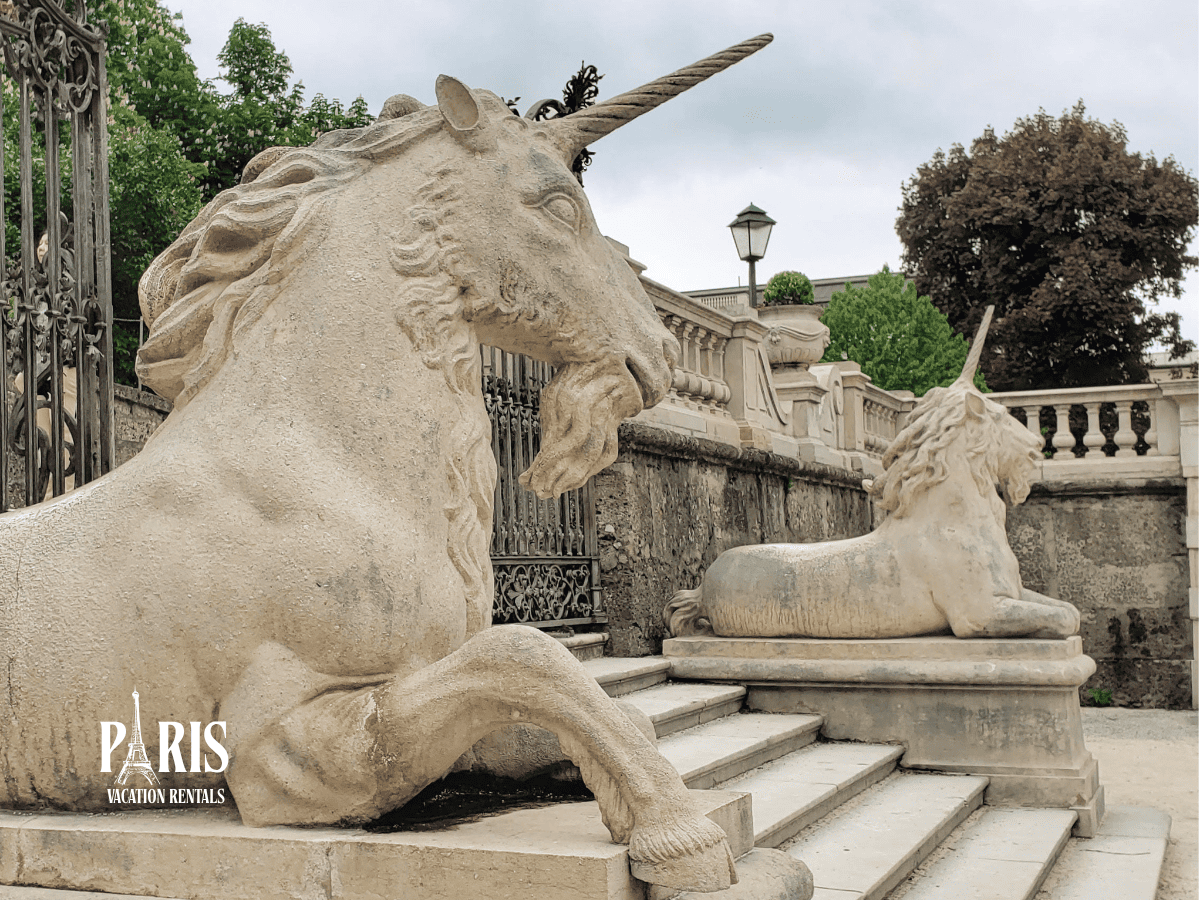
Mediaeval mythology meets contemporary curiosity at Musée de Cluny, where "Unicorns!" runs from 10 March to 12 July 2026. This exhibition celebrates one of Western art's most enduring symbols and brings together historical artworks that reveal how the mythical beast fascinated mediaeval imagination.
The Unicorn in Mediaeval Culture
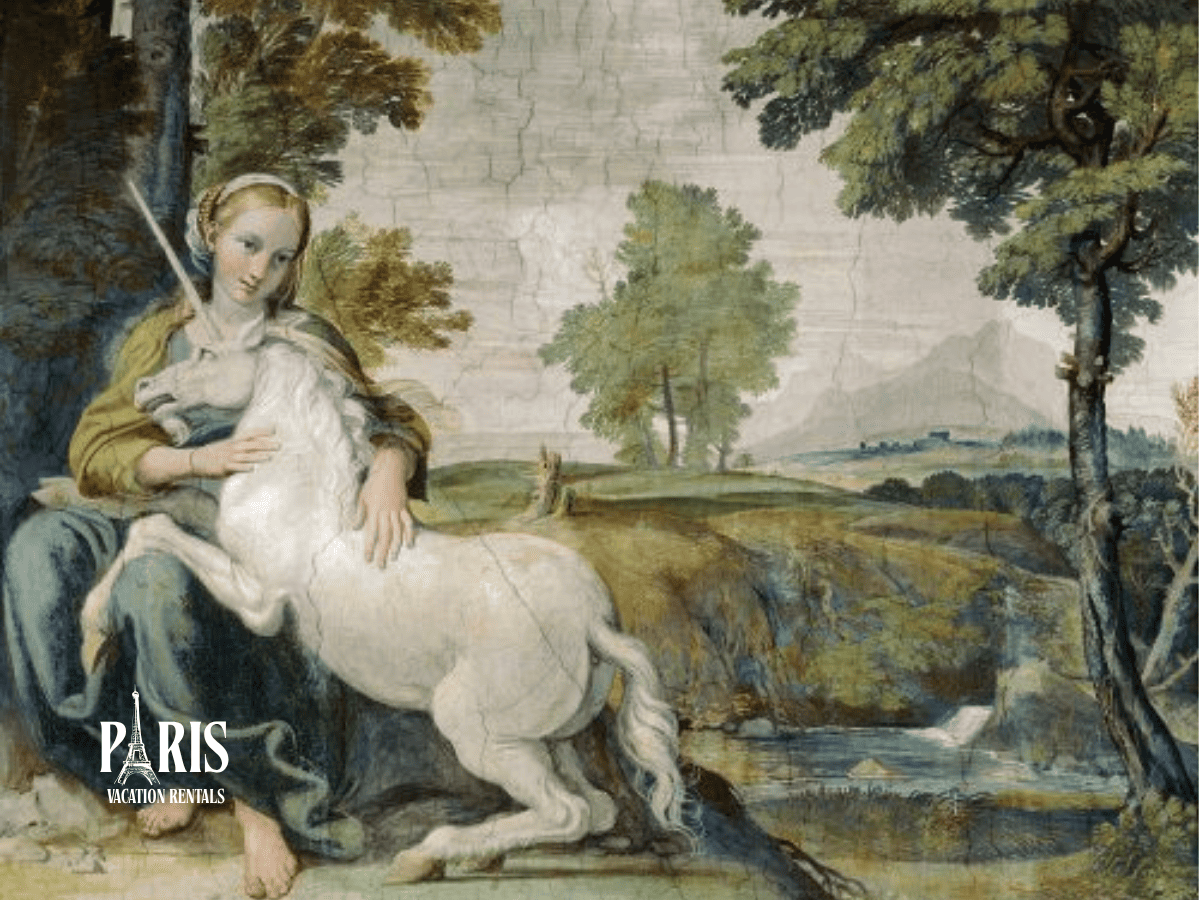
Narwhal tusks were already thought to be unicorn horns by the 12th century. Valued as wonders of nature, they were kept in church treasuries and sometimes used to make candlesticks. One twisting example, more than 6ft (1.8m) long, documented in the treasury of the Abbey of Saint-Denis by the end of the 15th Century, is the earliest exhibit in the Cluny's show.
The unicorn accrued different associations beyond mere decoration over time. Its horns were said to have magical powers: they could bring water to the boil, or detoxify poison if dipped into a drink or added to food. This explains why they appealed to paranoid rulers throughout Europe. Unicorn horns were also said to purify water, a belief reflected in a striking copper-alloy ewer from c1400, cast in the shape of a unicorn and used for the symbolic washing of hands during mass or before a meal.
Mediaeval encyclopaedias and bestiaries illustrated unicorns and provided the earliest examples of unicorns in Western art. The creature became woven into Christian symbolism. Mediaeval bestiaries described Christ as 'the spiritual unicorn', and the unicorn's proximity to God 'from the beginning' appeared in illuminated manuscripts that showed the Garden of Eden before the Fall of Man. The unicorn's purification of water was equivalent to Moses cleansing the waters of Marah and Christ's own purification of the world after it had been corrupted by Adam's sin.
Tapestries and Artworks on Display
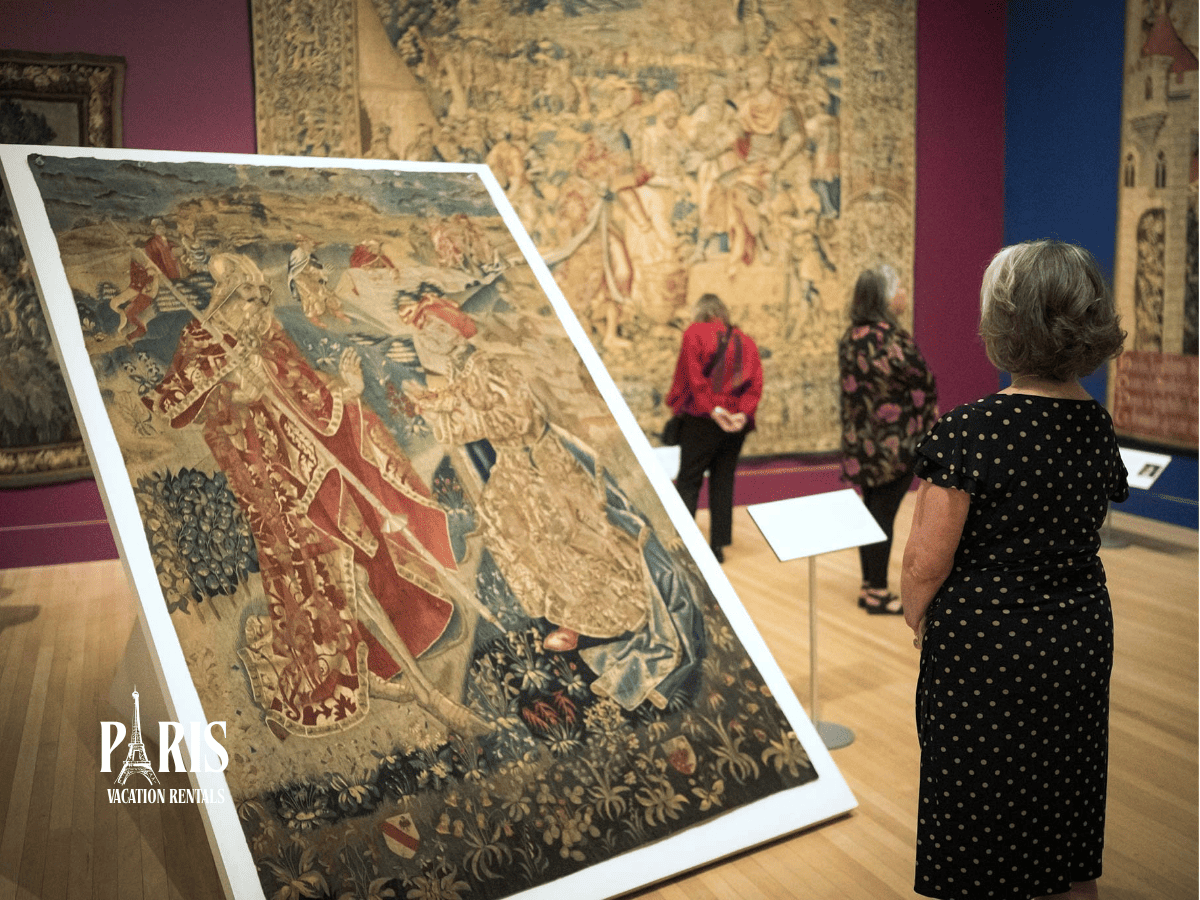
The Lady and the Unicorn tapestries remain the museum's greatest treasure, a series of six stunning 15th-century tapestries. These fine examples of mediaeval millefleurs (thousand flowers) style depict the five senses, with a mysterious sixth tapestry titled "À Mon Seul Désir" (To My Only Desire). They are housed in a specially designed, dimly lit circular room that enhances their mystical allure.
An elegant white unicorn appears in every one of the six tapestries. Each also features a richly dressed noblewoman, accompanied by a lion and mostly a lady-in-waiting, all floating against a rich, red background full of flowering plants and other animals, including monkeys and rabbits. The meaning of the sixth tapestry continues to be debated, though scholars agree the tapestries were woven around 1500.
Location and Visitor Information
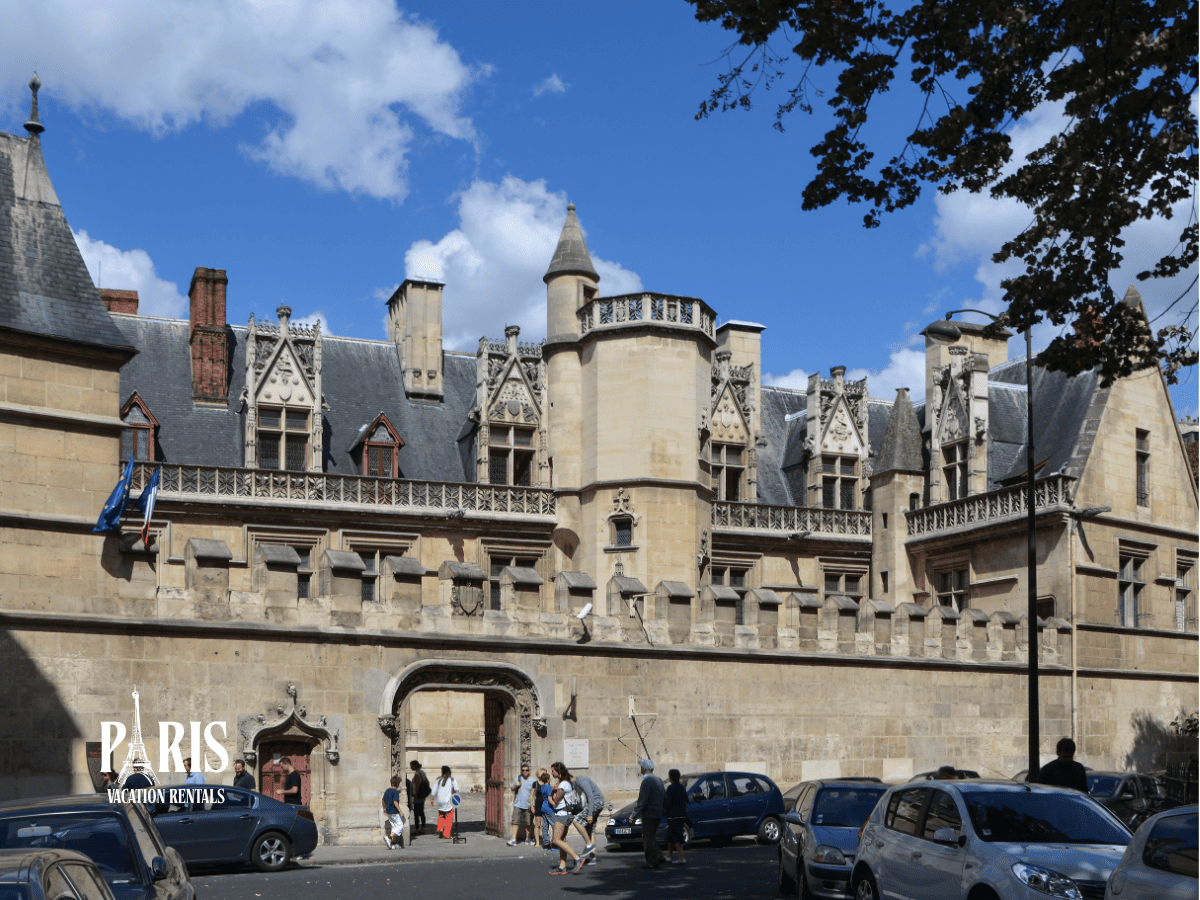
The museum entrance is at 28 rue Du Sommerard, 75005 Paris. You can reach it via Métro Cluny-La Sorbonne, Saint-Michel, or Odéon stations. Bus lines 21, 27, 38, 47, 63, 86, and 87 serve the area. RER line C stops at Saint-Michel, whilst line B stops at Cluny-La Sorbonne.
Opening hours are every day except Mondays, from 9.30am to 6.15pm. The ticket office closes at 5.30pm and evacuation starts at 5.45pm.
Best Time to Visit Musée de Cluny
Large numbers of school groups visit on Mondays, Thursdays, and Fridays. Quieter times are between noon and 2.00pm, or after 3.30pm. Spring months of April and May offer pleasant weather and manageable crowds, particularly mid-week mornings. Winter months provide very light crowds, making a cold, grey day walk into a relatively empty Cluny a special experience.
Fashion of the 18th Century – Luxury and Craftsmanship
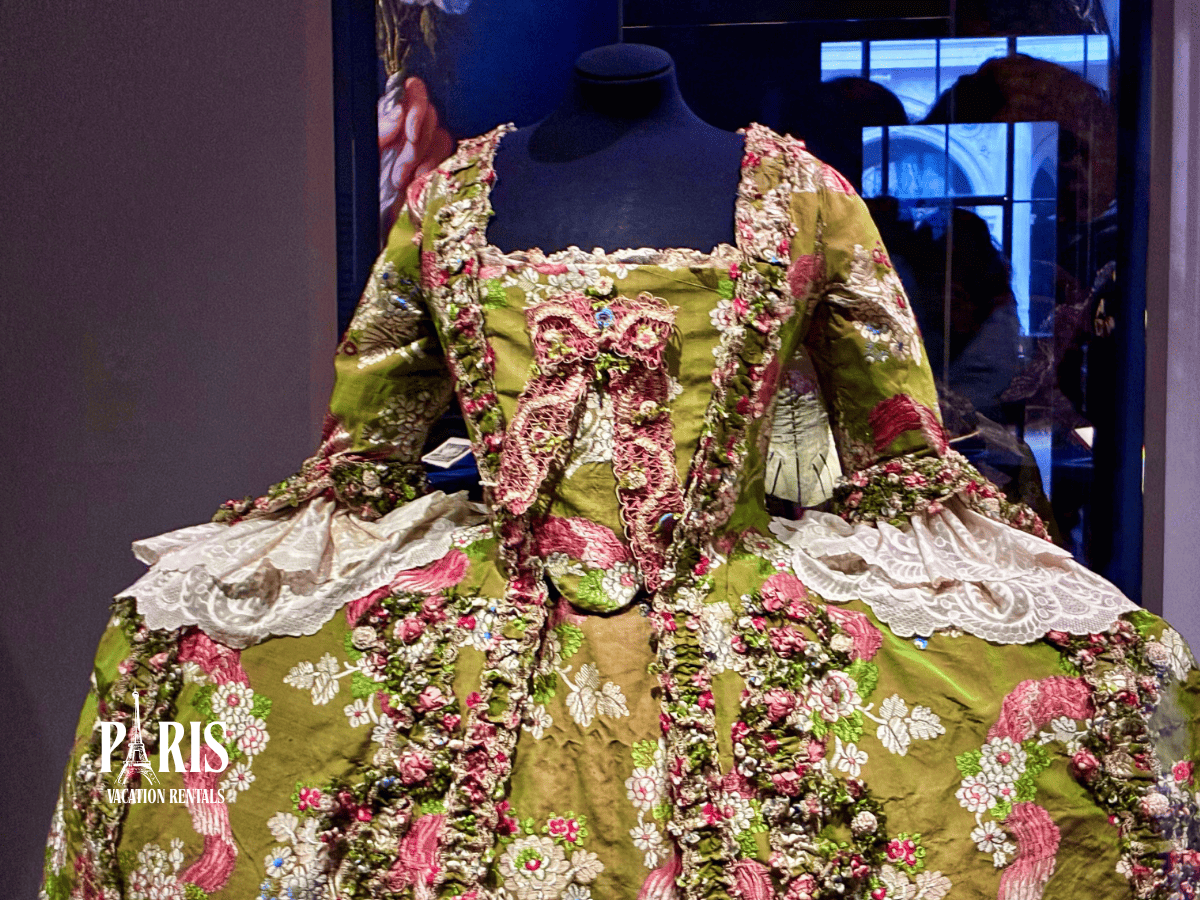
Palais Galliera invites visitors to reconsider how collective memory shapes fashion through "Fashion in the 18th Century: A Fantasised Legacy", running from 14 March to 12 July 2026. This exhibition gets into three centuries of creation and learns the extent to which 18th-century fashion has been reinterpreted between historical heritage, aesthetic fantasy, and creative freedom.
Understanding 18th Century Aesthetics
The 18th century brought creative energy, with bold silhouettes, rich fabrics, and dramatic accessories. It marked a shift in women’s fashion, highlighting panniers, corsets, and revealing skirts for theatrical sensuality. Later, the Second Empire drew on Enlightenment aesthetics, turning 18th-century elegance into a nostalgic, iconic style that influenced modern couture. Today, this aesthetic blends with kitsch, camp, and queer elements.
Notable Designers and Garments

The exhibition brings together over 70 silhouettes and explains masterpieces like Queen Marie Antoinette's corset, on display because of its extreme fragility. The white silk corset features a wooden stay at the front that acts as a brace, with back lacing and short sleeves showing its use for formal court wear. Visitors can compare 18th-century silhouettes with later centuries through iconic contemporary pieces from Chanel, Christian Dior, Louis Vuitton, Christian Lacroix, Vivienne Westwood, and Dries van Noten.
How to Appreciate Historical Fashion
The exhibition honours artistry and handiwork that went into each piece and shows levels of dedication impossible in our modern era. Floral prints, detailed embroidery, and enviable craftsmanship reconnect us to a long-lost era. The exhibition reveals how clothes, furniture, and interior design became tools for seduction and self-expression and relates unfamiliar settings to universal human behaviours.
Renoir and Love – Romantic Vision of Paris
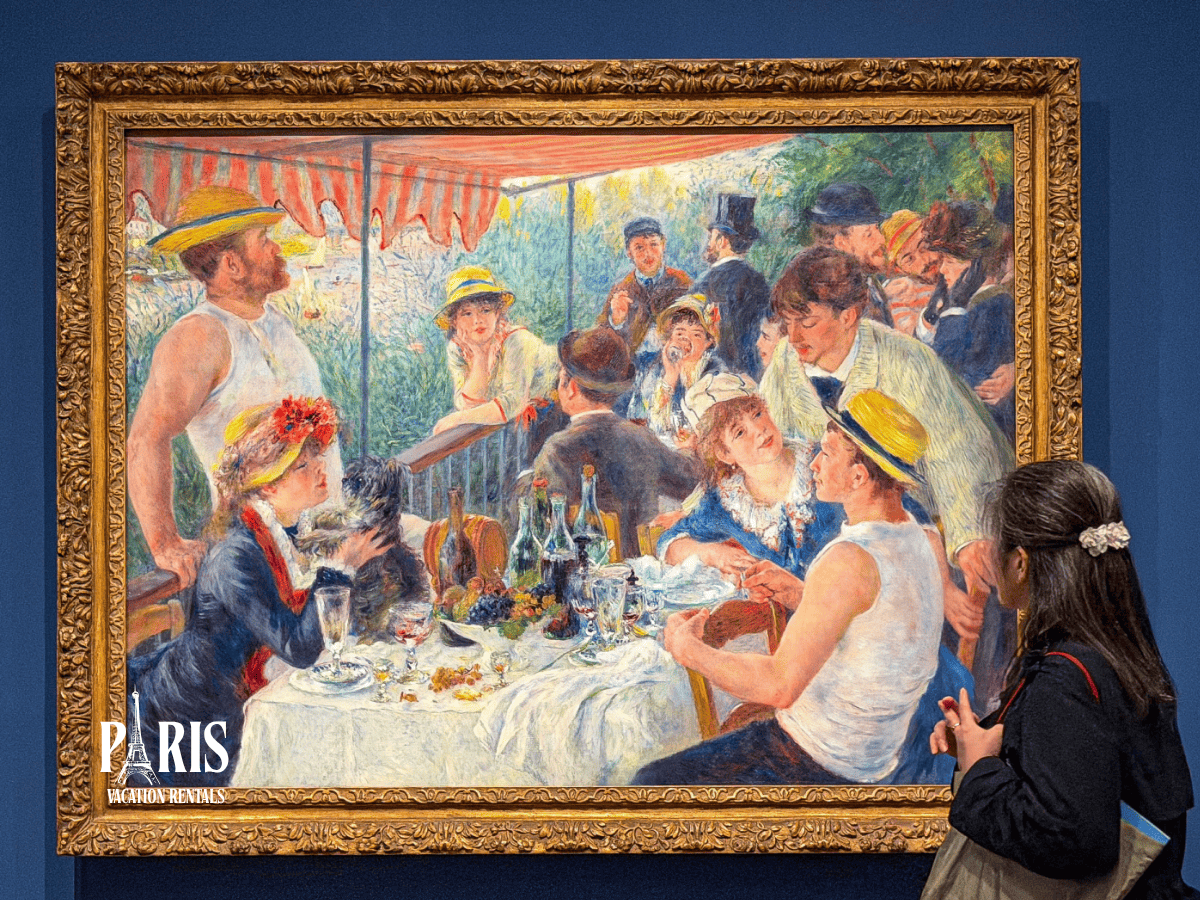
Pierre-Auguste Renoir saw the world through relationships between people, not just romantic seduction but conversation and friendship, along with family bonds. This point of view sets him apart from contemporaries like Manet and Degas, and "Renoir and Love: A Joyful Modernity (1865-85)" at Musée d'Orsay gets into this fundamental contribution to Impressionism through the universal notion of love as the central driving force of his work.
Early Career Works on Display
Running from 17 March to 19 July 2026, this exhibition, co-hosted with the National Gallery in London and Museum of Fine Arts in Boston, showcases 50 paintings from Renoir's early years (1865-1885). It highlights his role in Impressionism and his focus on modern life scenes.
Renoir's tender, joyful vision, free of sentimentality and drama, sets him apart. He captured interactions in public spaces like theatres, restaurants, and gardens, reflecting modern love and changing societal norms.
The exhibition features rarely seen masterpieces, including Luncheon of the Boating Party (1880-81) from the Phillips Collection and Confidence (1897), once owned by Greta Garbo. Key Renoir works are displayed from each museum: Dance at Le Moulin de la Galette (1876) in Paris, The Umbrellas (1881-86) in London, and Dance at Bougival (1883) in Boston.
The Bal du Moulin de la Galette Anniversary
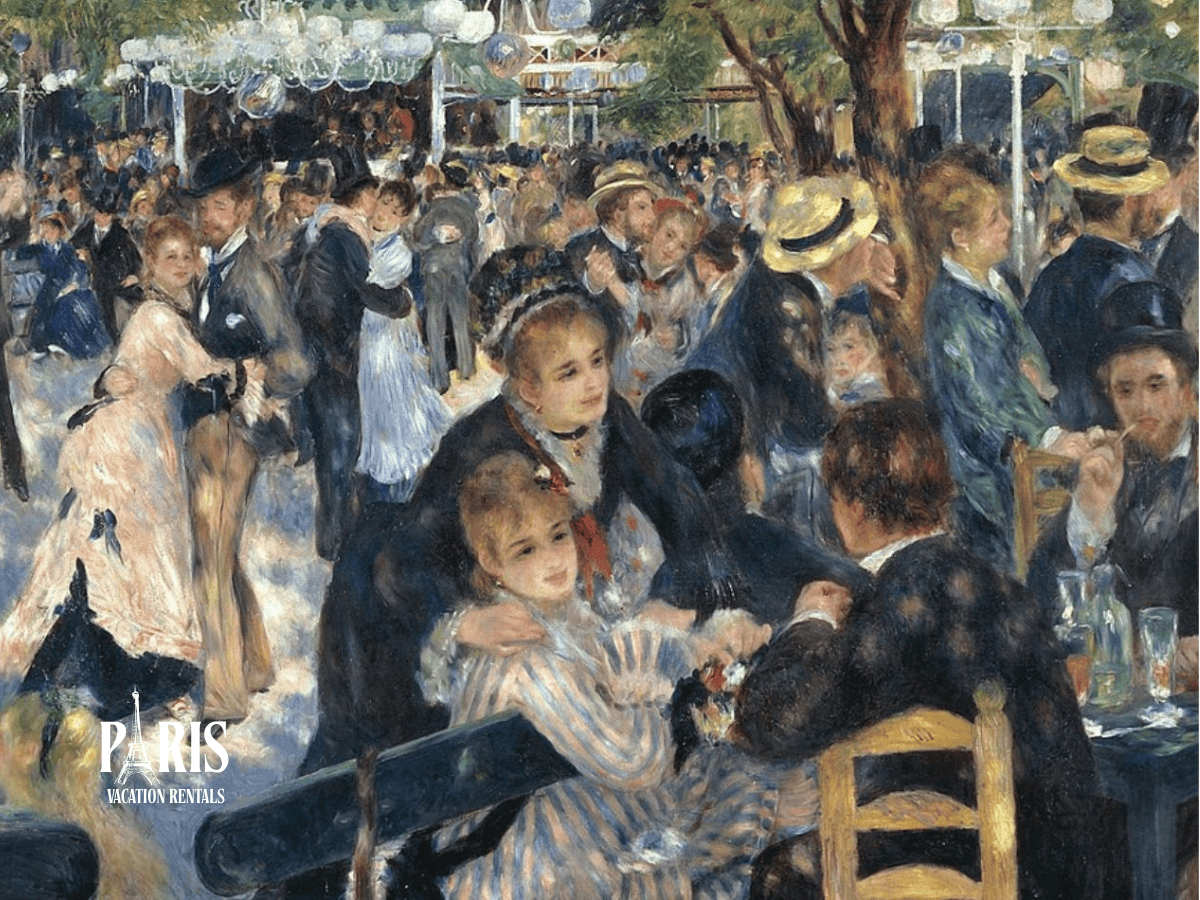
Painted in 1876, Bal du moulin de la Galette celebrates its 150th anniversary this year. The painting depicts a typical Sunday afternoon at the original Moulin de la Galette in Montmartre, where working-class Parisians dressed up to dance, drink, and eat galettes into the evening. Renoir executed the work on the spot, though the wind threatened to blow the canvas away constantly.
Getting to Musée d'Orsay
The museum sits at Esplanade Valéry Giscard d'Estaing, 75007 Paris. Metro line 12 stops at Solférino station, while RER line C stops at Musée d'Orsay station. Bus routes 63, 68, 69, 73, 83, 84, 87, and 94 serve the museum.
Matisse 1941–1954 – Reinvention in Later Years
Henri Matisse faced severe physical limitations after surgery for intestinal cancer in 1941. These constraints would have ended most artistic careers. Confined to a wheelchair or bed, he produced some of the most revolutionary work of the 20th century. Grand Palais presents "Matisse 1941-1954" from 24 March to 26 July 2026, a landmark retrospective that brings together more than 300 works from the artist's final 13 years.
Paintings, Drawings, and Textiles
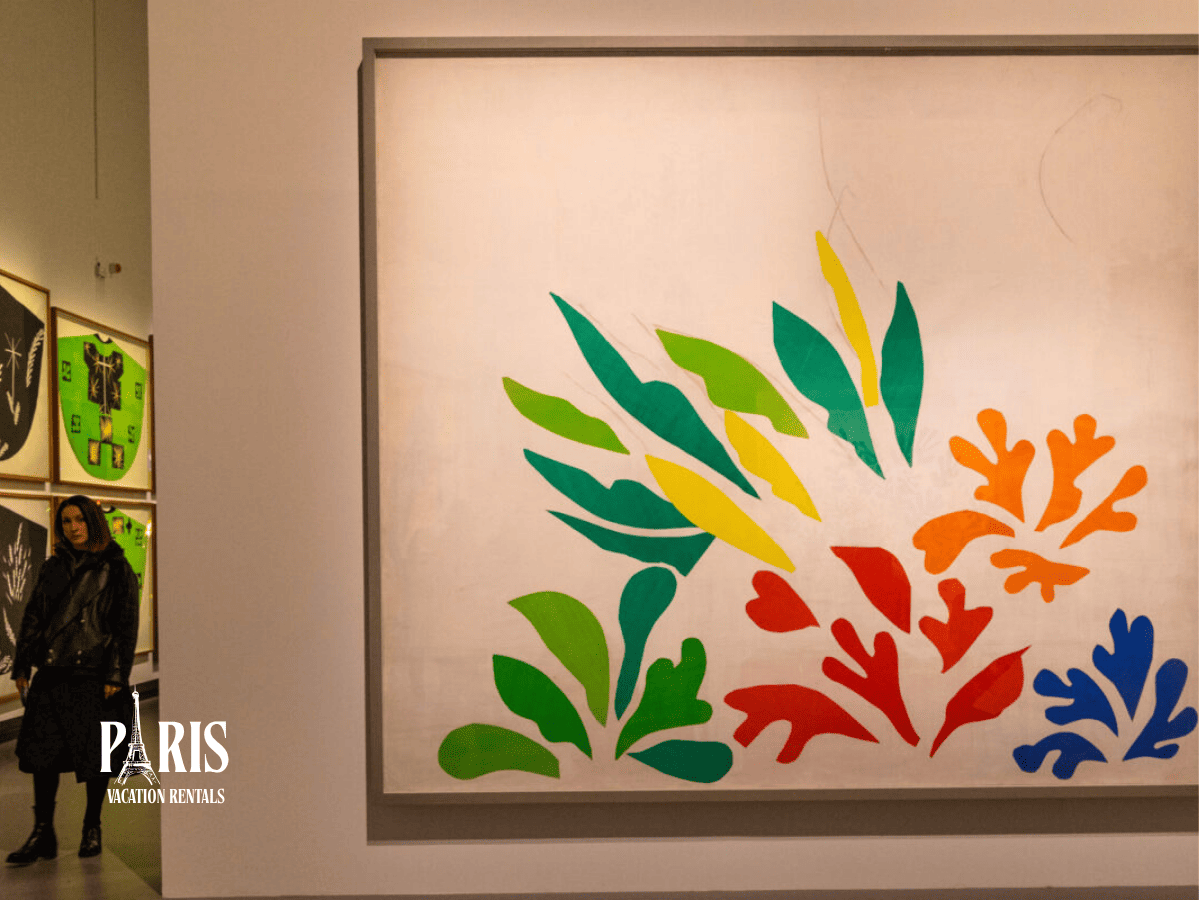
The exhibition recreates the atmosphere of Matisse's large studio. It presents paintings, drawings, illustrated books, textiles, and stained glass. His Thèmes et variations series saw him draw the same subjects over and over—a woman, flowers, a face. He refined lines, simplified images, and reduced everything to barest components. Brush-and-ink drawings demonstrate his mastery. One painting of a face uses just seven black lines on yellow paper.
The Cut-Outs Technique
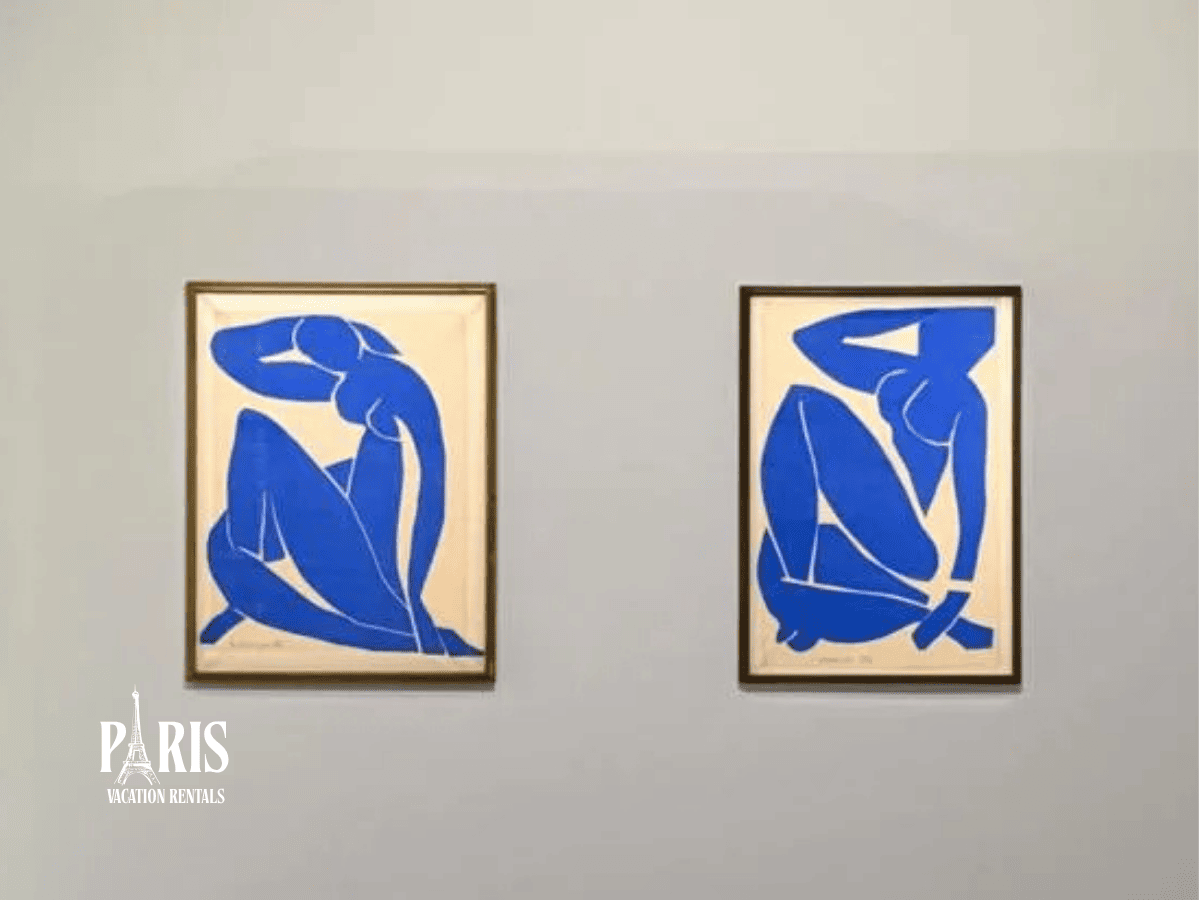
Matisse deployed two simple materials—white paper and gouache—to create works of wide-ranging colour and complexity. Studio assistants painted sheets of paper with gouache that Matisse then cut using scissors. He worked on a board using pins for smaller compositions. Assistants arranged cut-outs on studio walls and followed his directions for larger compositions. The album Jazz (1947) showcased this 'drawing with scissors' approach and featured circus and theatre subjects.
Why This Period Defines Matisse's Legacy
Matisse united the formal elements of colour and line that defined his lifelong artistic practise through cut-outs. His groundbreaking technique influenced Abstract Expressionism and Colour Field painting. Artists like Mark Rothko and Ellsworth Kelly drew inspiration from his use of pure colour and form.
The Grandeur of Baroque: From El Greco to Velázquez – Spanish Masters
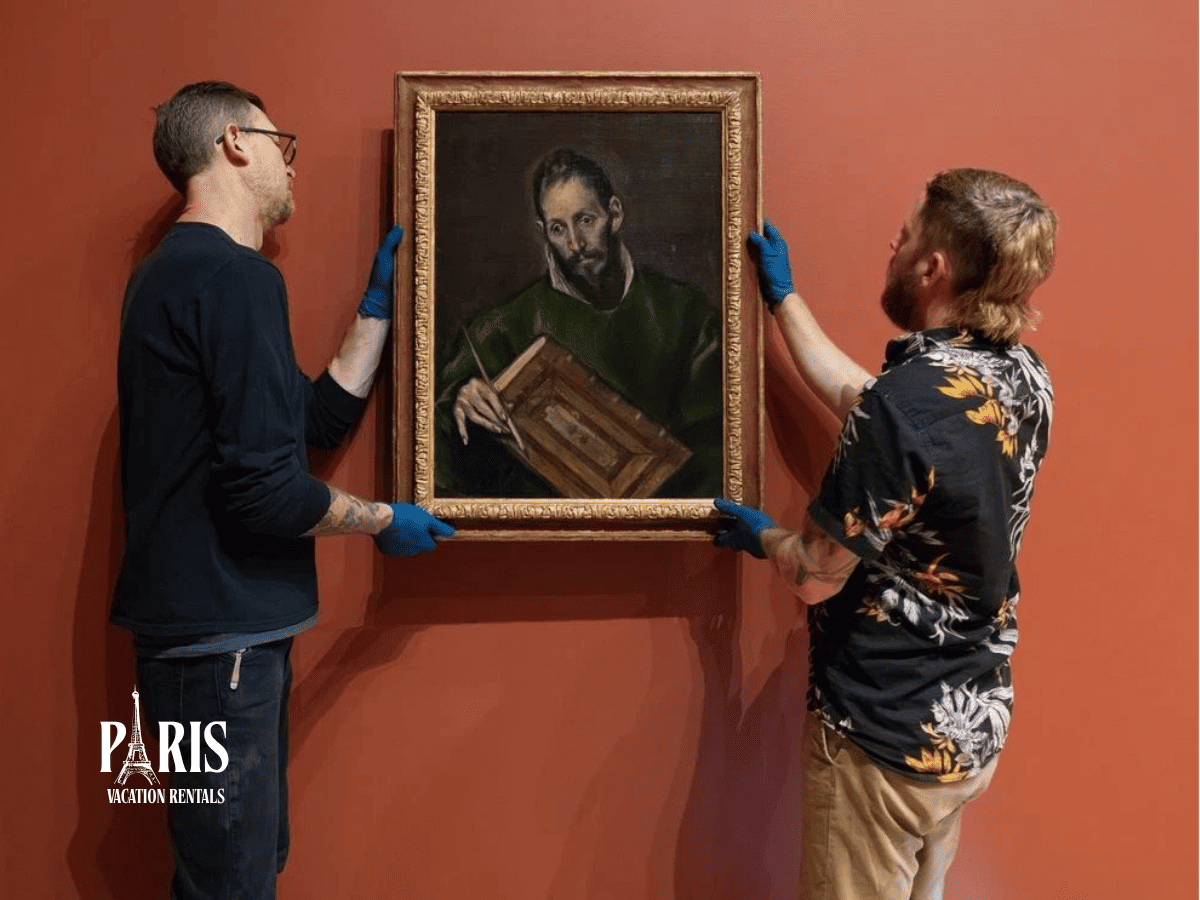
Musée Jacquemart-André turns its attention to Hispanic art with "Baroque Splendours: From El Greco to Velázquez", running from 26 March to August 2, 2026. The exhibition brings around forty works to France for the first time through collaboration with the Hispanic Society of America in New York. The collection has paintings by masters of the Spanish Golden Age such as Velázquez, El Greco, and Zurbarán.
Drama and Beauty in Baroque Art
The Spanish Golden Age (16th to late 17th century) marked a period of economic, artistic, and literary flourishing under the Spanish Habsburg monarchy. Spain’s colonial empire and political influence spread across Europe, the Americas, and Asia, fostering vibrant artistic production with a focus on intensity and spirituality.
Spanish art blended Italian and Flemish influences, creating rich aesthetics. The term Baroque, derived from "barroco" (irregular pearl), describes art with dramatic, sensory forms. Spanish painting excelled in religious themes and portraiture, with Velázquez revolutionizing portraiture during the Catholic Counter-Reformation.
Key Paintings to Look For
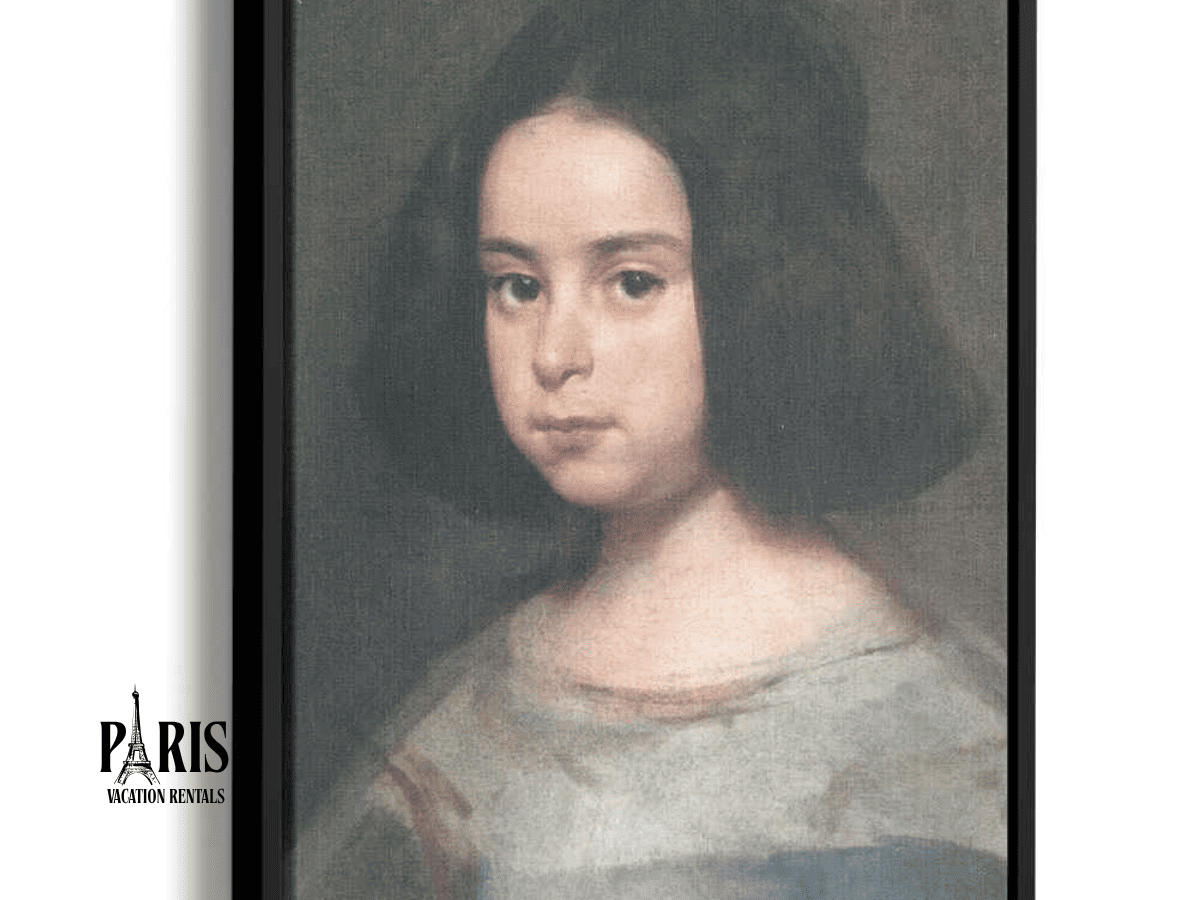
Velázquez's Portrait of a Young Girl (c. 1638-1642) illustrates his knowing how to give models a striking presence. El Greco's Pietà represents his contribution to Spanish painting renewal. Works by Francisco de Zurbarán showcase powerful chiaroscuro effects in religious compositions.
The exhibition also has major works by 17th- and 18th-century artists active in or originating from Latin America. These painters combined Western influences with local techniques and traditions, creating a unique body of work still rarely shown in French museums.
Marilyn Monroe – 100 Years Since Her Birth
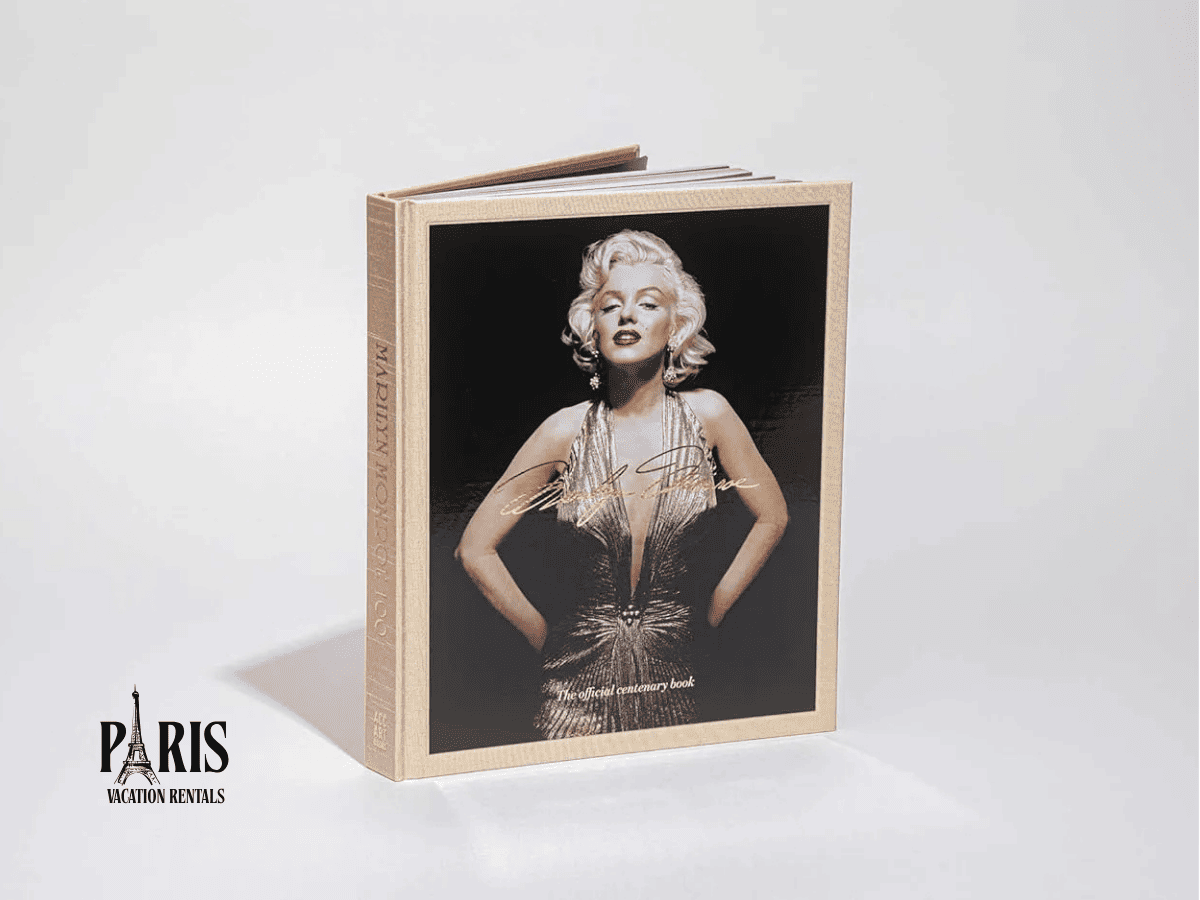
Born on June 1, 1926, Marilyn Monroe would have turned 100 in 2026. La Cinémathèque française marks this centenary with a retrospective running from April 8 to July 27, 2026, dissecting the woman behind one of cinema's most enduring legends.
Career Retrospective at Cinémathèque Française
Monroe appeared in 29 films between 1946 and 1961. She began with a small role as a waitress in Dangerous Years (1946). Her breakthrough arrived in 1953 with Niagara, and Gentlemen Prefer Blondes and How to Marry a Millionaire followed. Billy Wilder's The Seven Year Itch (1955) and Some Like It Hot (1959) showcased her comedic timing and screen presence. The Misfits (1961), her final completed film and written by her husband Arthur Miller, revealed depths beyond the 'blonde bombshell' typecast.
Monroe never received an Oscar nomination despite her breakthrough roles. The industry undervalued her performances because of her sex symbol status. She responded by founding Marilyn Monroe Productions in 1955 and became one of the first women to establish her own production company, encouraging greater control over her career.
Film, Photography, and Personal Artefacts
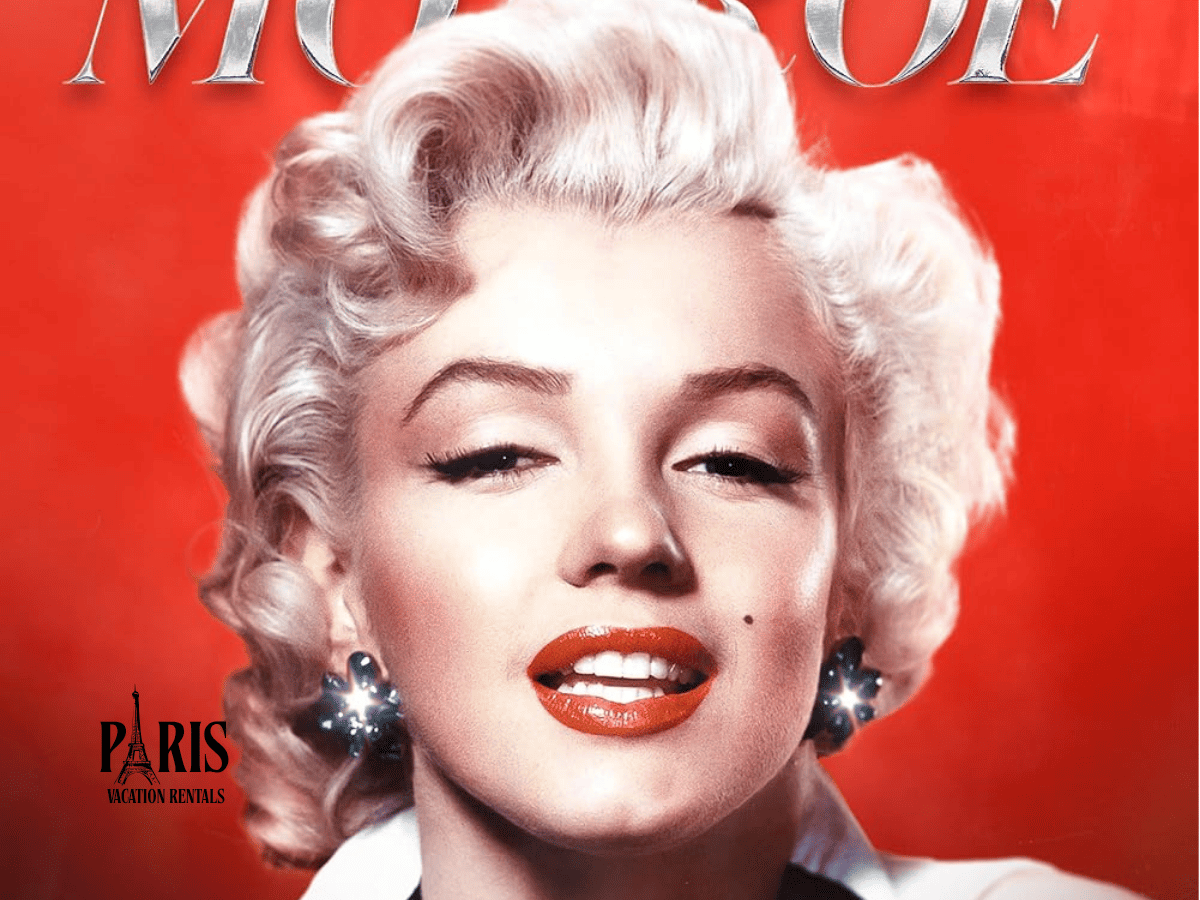
The exhibition presents film clips, photographs and personal items that reveal Monroe's complexity. Her personal library contained 403 books, dispelling the 'dumb blonde' stereotype. She read poetry, wrote extensively and involved herself with intellectual pursuits far removed from her public image.
Understanding Her Lasting Legacy
Monroe's films had grossed £158.83 million by her death in 1962. The American Film Institute ranked her sixth amongst the greatest female screen legends. She supported civil rights and ensured that Ella Fitzgerald could perform at Hollywood's Mocambo nightclub by guaranteeing her presence at a front-row table every night. Monroe used her privilege to curb racial segregation and proved herself ahead of her time.
Calder – Dreaming in Balance at Louis Vuitton Foundation
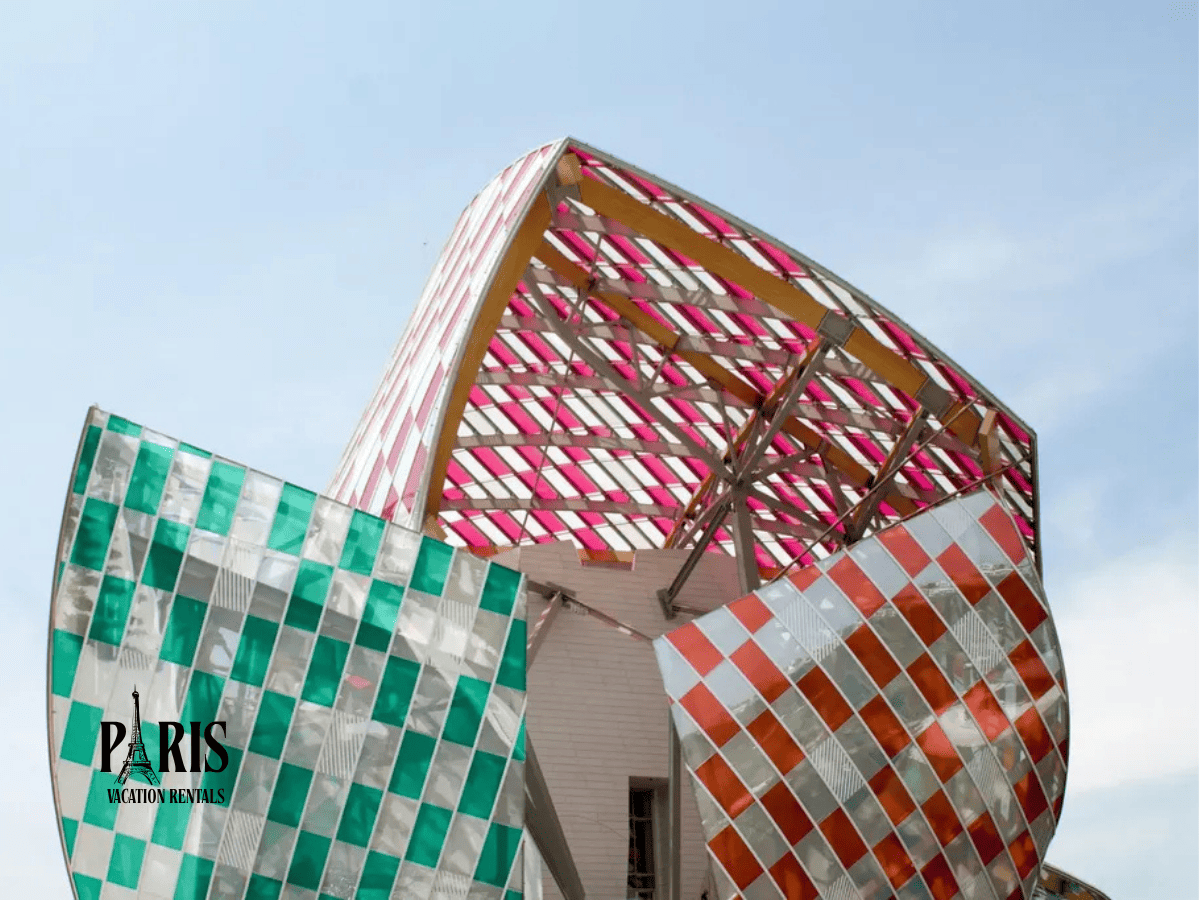
Alexander Calder receives one of the most ambitious retrospectives Paris has seen. The Fondation Louis Vuitton dedicates not only all of its exhibition spaces but, for the first time, its adjoining lawn to a single artist. Running from 15 April to 16 August 2026, "Calder. Rêver en équilibre" marks both the centenary of Calder's arrival in France and the 50th anniversary of his death.
Nearly 300 Works on Display
The Calder Foundation collaborated to bring together nearly 300 works spanning half a century of creation. The chronological path covers the late 1920s and extends through to the monumental sculptures that redefined public art in the 1960s and 1970s. Calder first staged his Cirque Calder performances that engaged the Parisian avant-garde at the time. An exceptional loan from the Whitney Museum of American Art sees the Cirque Calder return to Paris for the first time in 15 years. Calder originally created his miniature replica of a working circus using wire, fabric, wood and plastic there.
Mobiles, Stabiles, and Wire Portraits
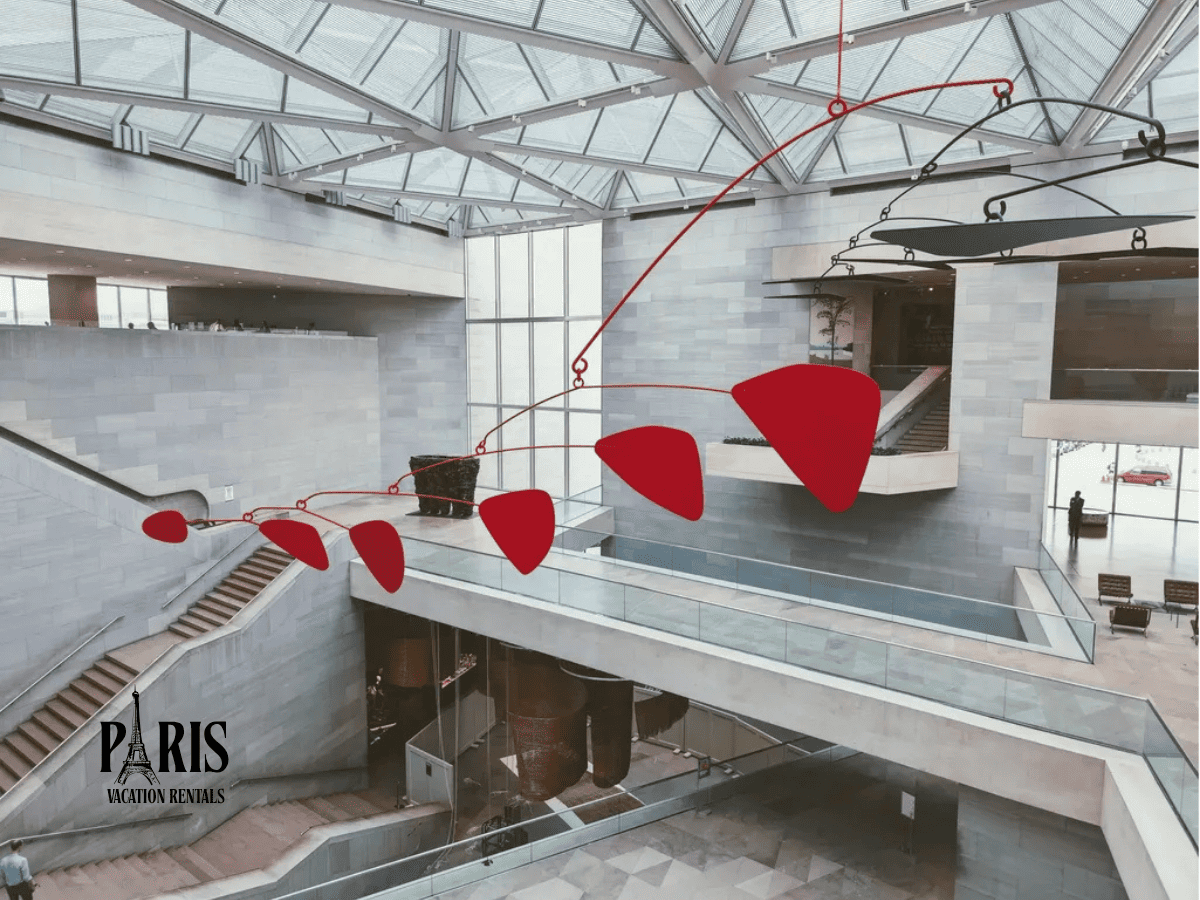
Marcel Duchamp coined the term "mobiles" to describe Calder's sculptures which moved of their own accord. These abstract, kinetic sculptures communicated that movement defines the physical universe. Stabiles, their stationary counterparts, offered a grounded yet dynamic complement. Calder cut, bent, punctured, and twisted his materials by hand. Biomorphic shapes recalled organic motifs of Surrealist friends Joan Miró and Jean Arp. Visitors encounter wire portraits, carved wooden figures, paintings, drawings, and jewellery designed as unique sculptures.
The Perfect Setting for Calder's Art
The exhibition spans more than 3,000 m² and creates a conversation between Calder's volumes, planes and movements and those of Frank Gehry's architecture. His fundamental artistic concerns receive full attention: movement above all, but light and reflexion as well. Humble materials, sound, the ephemeral, gravity, performance, and the interplay of positive and negative space complete his vision.
Giovanni Segantini – Mountains and Light
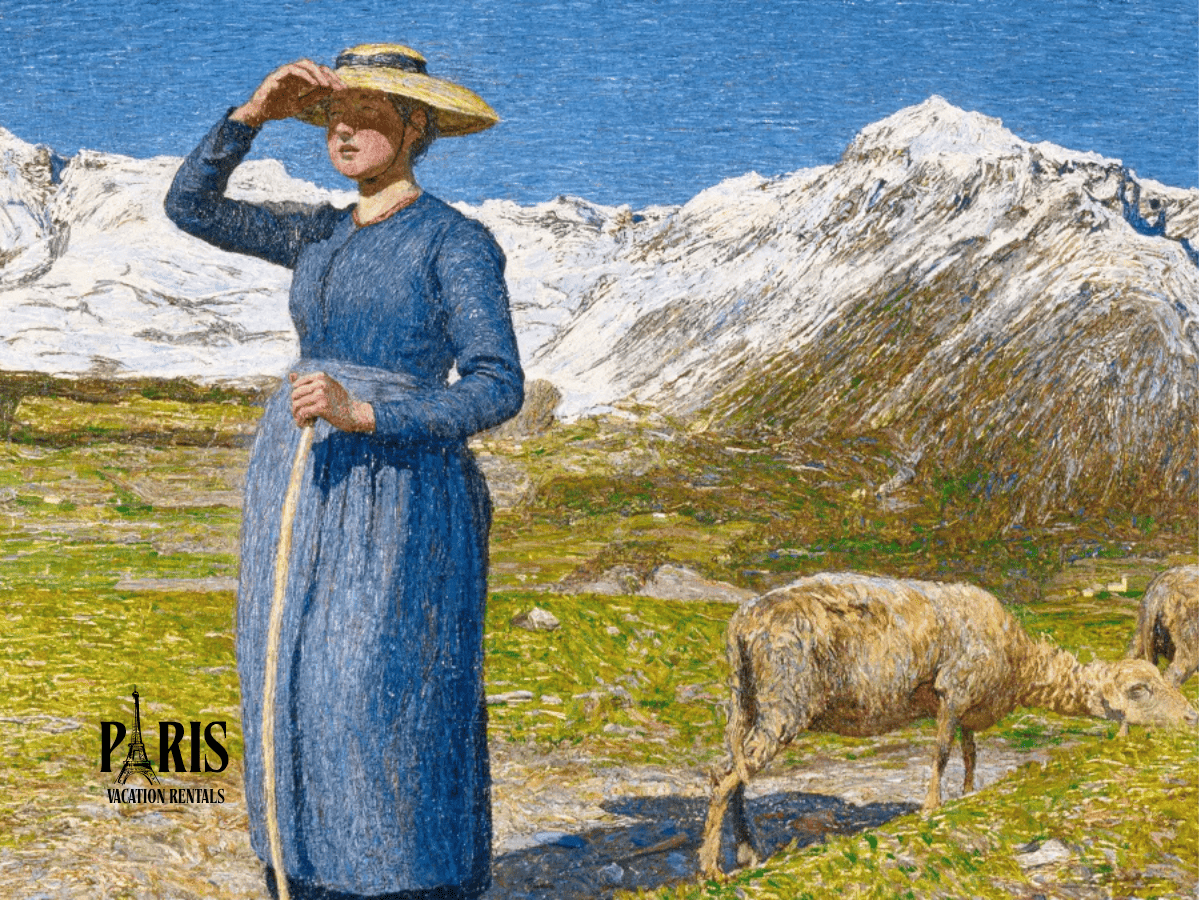
"I Want to See My Mountains" captures Giovanni Segantini's devotion to Alpine landscapes. The exhibition runs at Musée Marmottan Monet from April 29 to August 16, 2026.
The Artist's Love for Alpine Landscapes
Segantini (1858-1899) began his career in Milan before moving to Brianza. He settled in the Swiss Engadine Valley, which became both refuge and inspiration. His paintings lifted mountains beyond mere scenery and transformed them into silent stages for dialogue between humanity and nature. His obsessive dedication led to an early death at only 41 years old. He was working at high altitude near Schafberg when peritonitis ended his life.
What Makes This Exhibition Unique
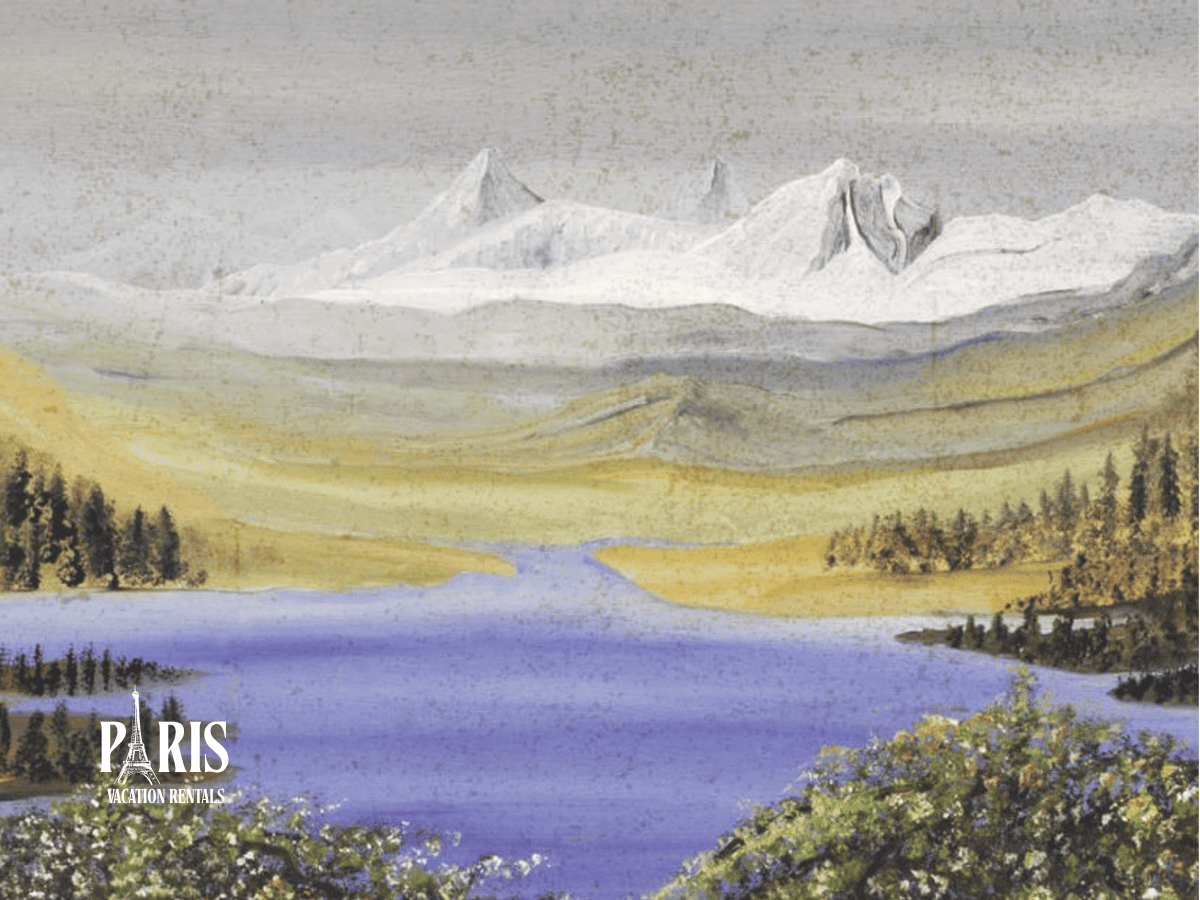
Sixty works trace Segantini's avant-garde approach to the relationship between man and nature. These include paintings, pastels and drawings. The exhibition is a chance for an inward voyage. It encourages visitors to rethink connections with nature, solitude and light.
How to Get to Musée Marmottan Monet
The museum sits at 2 rue Louis Boilly, 75016 Paris. Metro line 9 stops at La Muette or Ranelagh. RER C stops at Boulainvilliers. Bus lines 22, 32, 52, 63, 70 and PC1 serve the area. Opening hours run Tuesday to Sunday from 10am to 6pm, with late opening Thursdays until 9pm.
Key Takeaways
If you're looking for quick access to all the incredible exhibitions in Paris, Paris Vacation Rentals has the perfect solution. We offer a range of apartments and studios located near the city's top cultural spots, ensuring you're just a short walk away from world-class art. Enjoy the convenience of being close to all the action, with great prices and fantastic locations that put you right in the heart of Paris’ vibrant art scene. Book your stay with us for an unforgettable experience!
Paris's spring-summer 2026 cultural season offers an extraordinary lineup of world-class exhibitions spanning centuries of artistic achievement, from mediaeval unicorn tapestries to Matisse's revolutionary cut-outs.
- Book early for blockbuster shows: Popular exhibitions at Musée d'Orsay (Renoir) and Louis Vuitton Foundation (Calder) will draw massive crowds during peak season.
- Visit mid-week mornings for optimal experience: Avoid school groups and weekend crowds by planning museum visits between Tuesday-Thursday before noon.
- Explore diverse artistic movements in one trip: From Surrealism (Carrington) to Spanish Baroque (Velázquez) to contemporary chiaroscuro, Paris offers unmatched artistic breadth.
- Don't miss once-in-a-lifetime displays: Rare loans include Calder's Cirque returning to Paris after 15 years and Marie Antoinette's fragile corset at Palais Galliera.
- Plan strategically around exhibition dates: Most major shows run March-August 2026, with some extending into July for maximum summer tourism overlap.
These exhibitions represent some of the most ambitious museum programming Paris has mounted in recent years, making 2026 an exceptional year for art lovers visiting the City of Light.
FAQs
Must-see Paris art exhibitions (Spring/Summer 2026)
Renoir at Musée d'Orsay (17 March–19 July)
Calder at Louis Vuitton Foundation (15 April–16 August)
Matisse at Grand Palais (24 March–26 July)
Carrington at Musée du Luxembourg
Spanish Baroque at Musée Jacquemart-André
Best time to visit Paris museums for fewer crowds
Mid-week mornings (Tuesday to Thursday)
Avoid Mondays, Thursdays, and Fridays
Quiet hours: Noon–2pm or after 3:30pm
Best months: April and May
2026 ticket prices for major Paris exhibitions
Musée du Luxembourg: €14 (full), €10 (reduced)
Musée de Cluny: €14 (full), €12 (concessions)
Musée Jacquemart-André: €18.50 (adults)
Free entry for EU citizens under 26 and on first Sundays
Matisse 1941-1954 exhibition at Grand Palais
Features over 300 works from Matisse's final years, including his famous cut-out technique and the complete Blue Nudes series
Paris exhibitions with rare works
Calder at Louis Vuitton Foundation (including Cirque Calder)
Renoir at Musée d'Orsay (including Luncheon of the Boating Party)
Spanish Baroque at Musée Jacquemart-André (featuring works from the Hispanic Society of America)