American Guide to Paris’ 4th Arrondissement (2026)
February 22, 2026
American Guide to Paris’ 4th Arrondissement (2026)
Paris’s 4th arrondissement is a vibrant historic area filled with landmarks like Notre‑Dame and Place des Vosges, perfect for US travelers and American visitors planning their first trip to Paris. One of the most vibrant neighborhoods in the city packs an incredible amount of Parisian culture into just 1.601 km² (0.618 sq mi).
Paris's third smallest arrondissement offers an impressive variety of experiences. This historic area has half of Île de la Cité, all of Île Saint-Louis, and much of the famous Le Marais district. Locals call the fourth arrondissement expensive and increasingly crowded after its surge in popularity in the last fifteen years. Yet it remains one of Paris's most vibrant and centrally located neighborhoods. The 4th arrondissement stands out for its winding medieval streets, plentiful cafés, interesting shops, and remarkable historical sites. On top of that, 2026 will be an exciting time to visit when Notre Dame Cathedral reopens after its extensive restoration following the devastating 2019 fire. In this piece, I'll share the top experiences and hidden gems that make the 4th arrondissement Paris truly special.

Must-See Historic Landmarks in the 4th Arrondissement Paris
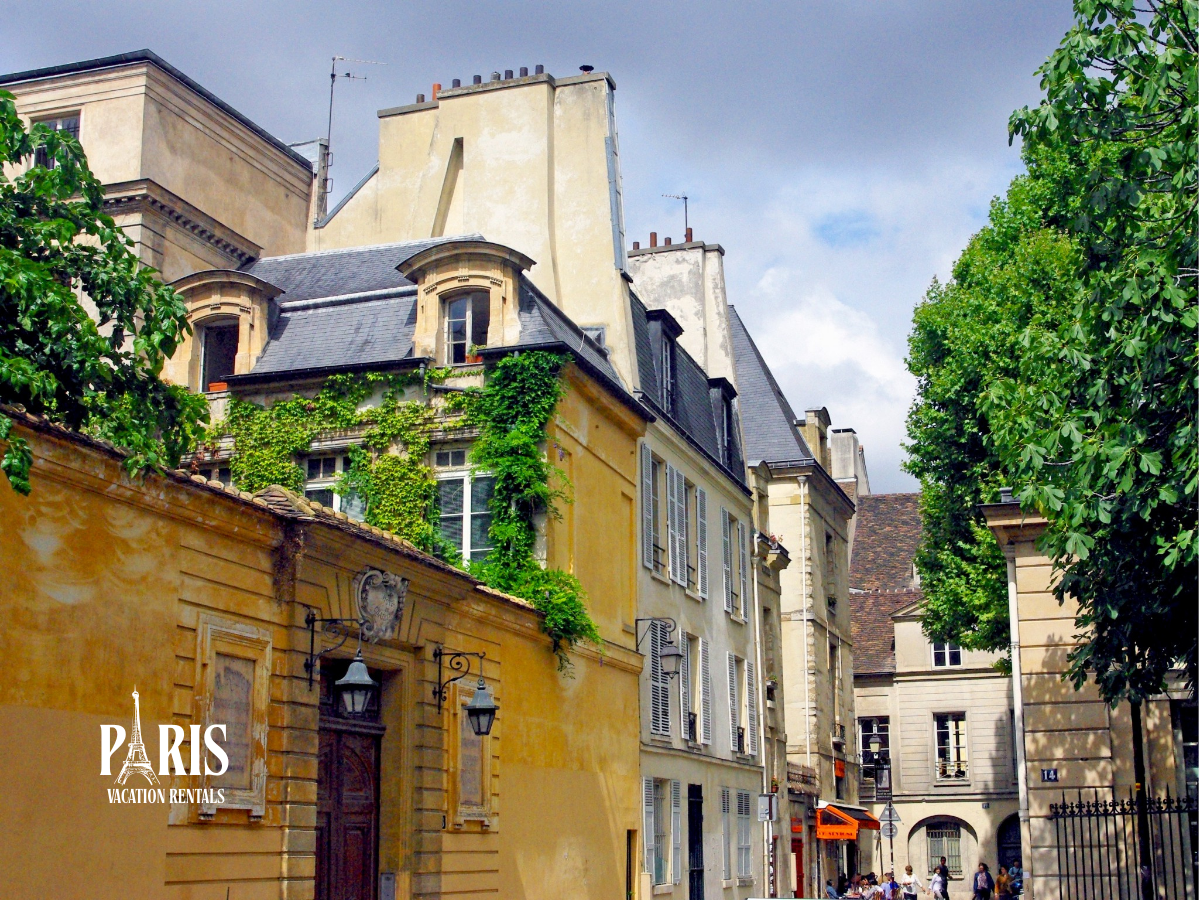
The 4th arrondissement offers a rich source of architectural masterpieces that span centuries of Parisian history. This district's historic landmarks tell the story of Paris's rise from medieval times to today, making it an ideal place for those renting an apartment in Paris. From the stunning Notre-Dame Cathedral to the charming streets of Le Marais, the area offers a perfect blend of history and modern living.
Whether you’re an American visitor exploring Paris for the first time or a seasoned US traveler returning for more, this guide highlights the best experiences in the 4th arrondissement.
Notre-Dame de Paris
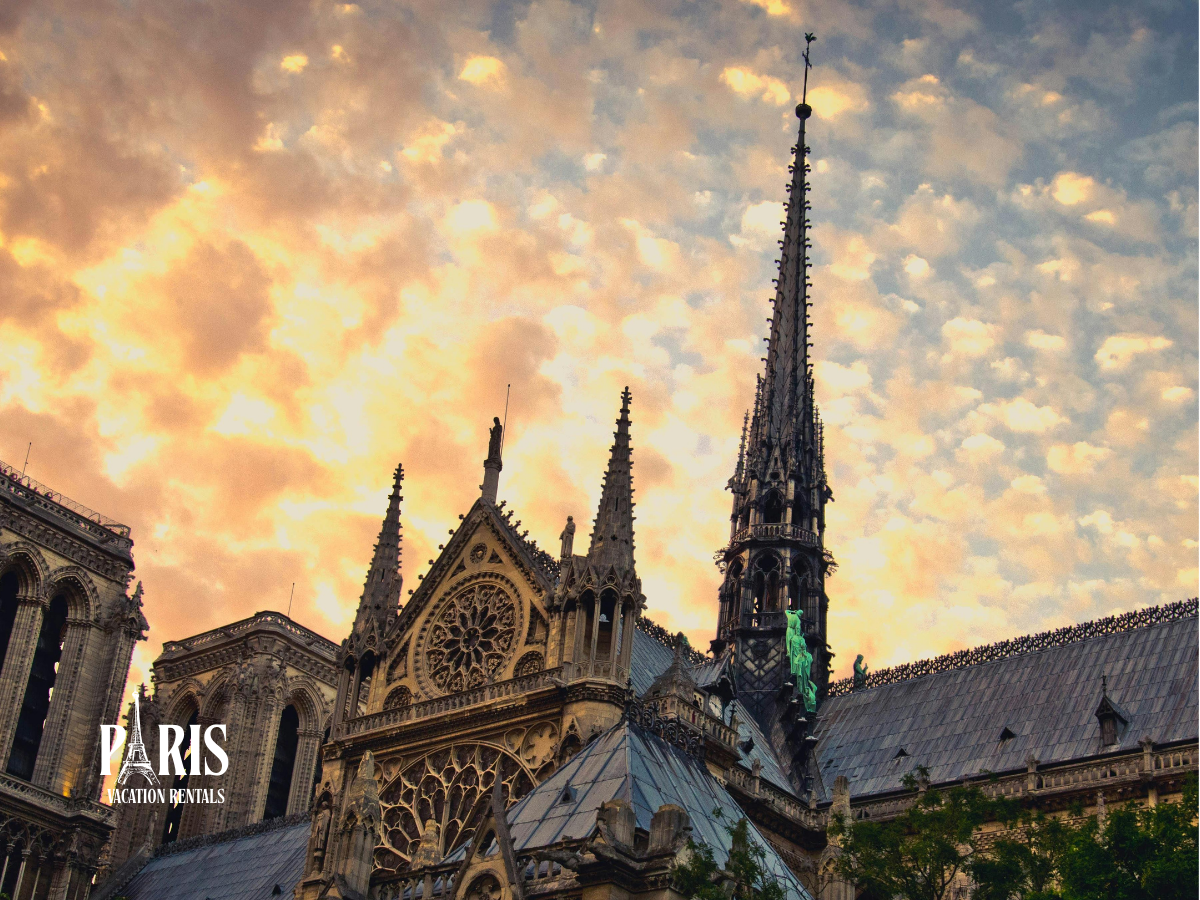
Notre-Dame Cathedral stands majestically on the Île de la Cité and represents the finest example of French Gothic architecture. Construction of this medieval Catholic cathedral, dedicated to the Virgin Mary, started in 1163 and reached completion by 1260. The cathedral's trailblazing use of rib vaults, flying buttresses, and magnificent rose windows transformed architectural practices of that era. The devastating fire in April 2019 led to extensive restoration work, and the cathedral will reopen in December 2024. Notre-Dame has been the site of many historic events, including Napoleon's coronation and French Republic presidents' funerals.
Hôtel de Ville
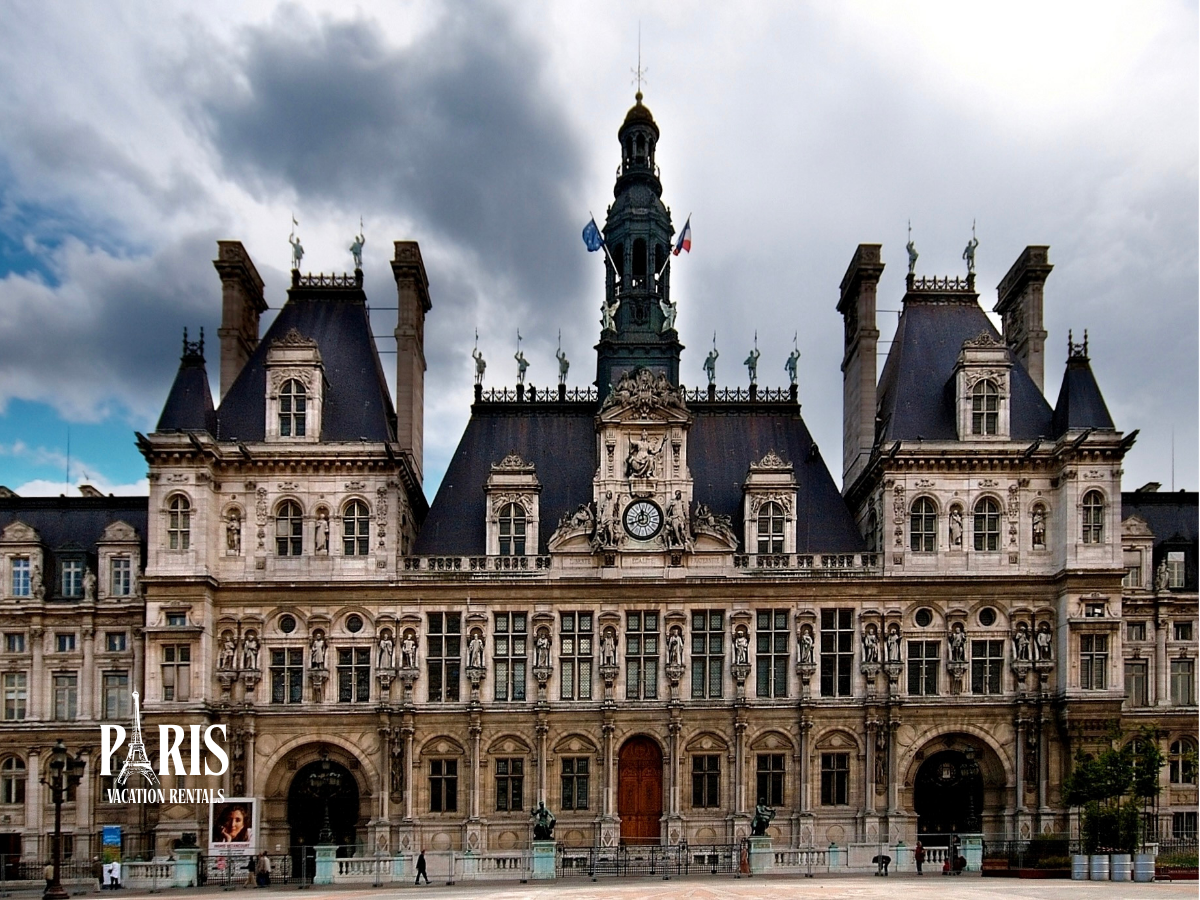
Paris's municipal government has operated from the Hôtel de Ville since 1357. Architects Théodore Ballu and Édouard Deperthes rebuilt the current neo-Renaissance building between 1874 and 1882 after the Paris Commune destroyed the original structure in 1871. This landmark has played a central role in pivotal moments, notably General Charles de Gaulle's famous liberation speech in August 1944. The building now houses the mayor's office and hosts major receptions and free exhibitions.
Place des Vosges
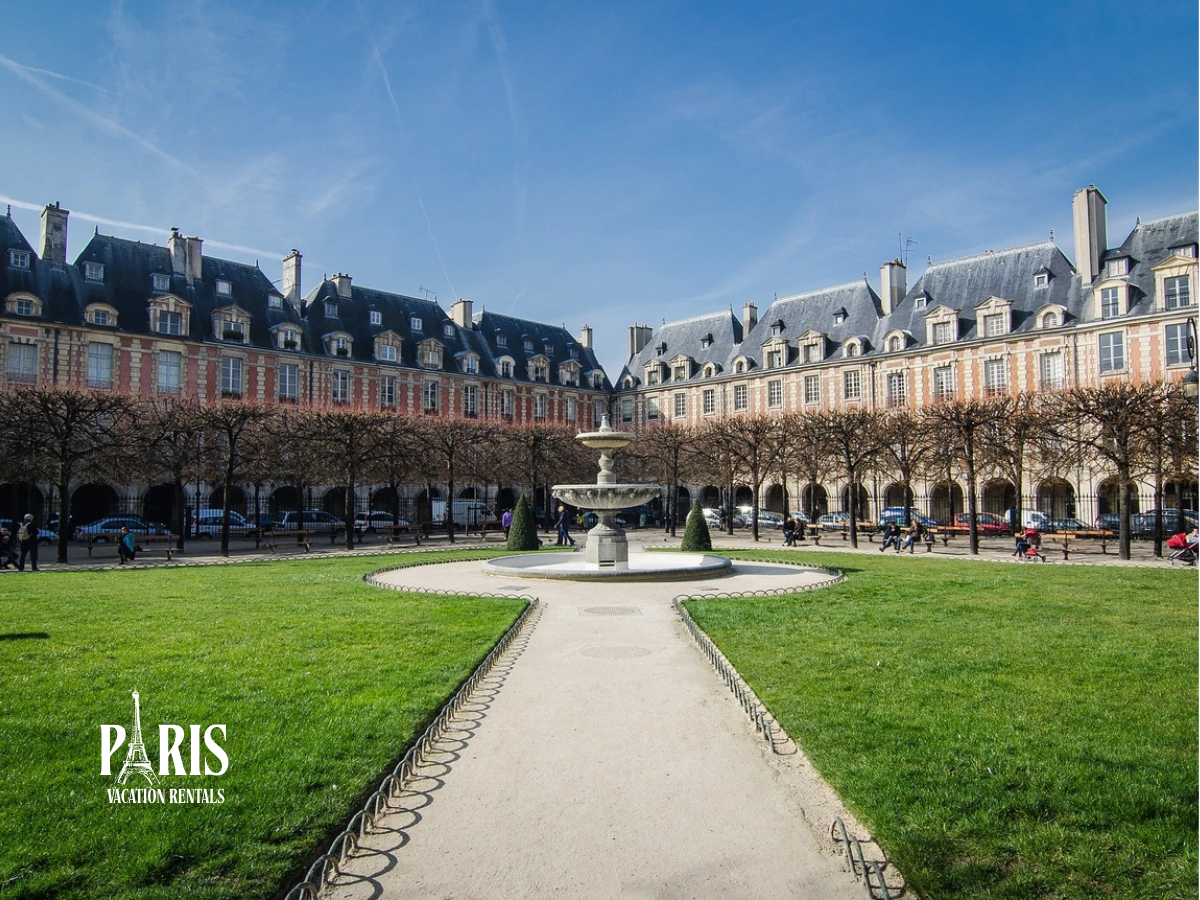
Place des Vosges, originally known as Place Royale, holds the honor of being Paris's oldest planned square. King Henri IV commissioned this perfectly symmetrical square (140m × 140m) between 1605 and 1612, making it a model of early European royal city planning. The square's striking uniformity comes from similar façades that feature red brick with stone quoins, vaulted arcades, and steep blue slate roofs. The square got its current name after the French Revolution to honor the Vosges department, which led other departments in paying taxes to support the Revolutionary army.
Hôtel de Sens and Renaissance Architecture
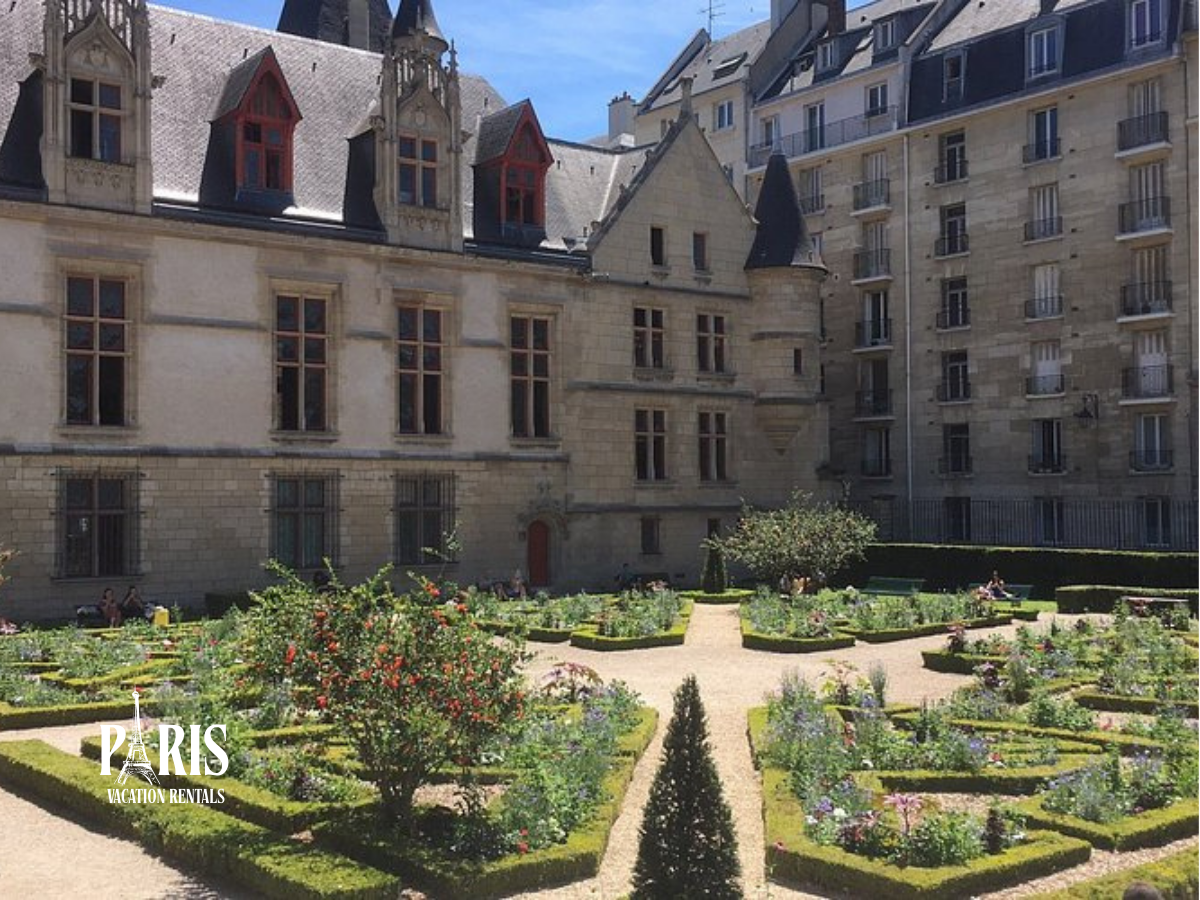
The Hôtel de Sens remains one of medieval Paris's rare survivors with its castle-like appearance, turrets, and Gothic details. Archbishop Tristan de Salazar built this structure between 1475 and 1519, and it served as the Sens archbishops' residence until Paris became an archdiocese in 1622. The building served many purposes over the centuries - from a laundry to a jam factory - until Paris's city government bought and restored it in 1911. The building has housed the Bibliothèque Forney since 1961, a specialized art library with extensive collections of decorative arts, posters, and textiles.
Exploring Le Marais and Its Unique Character
Le Marais radiates an array of vibrant cultures that sets it apart from other Parisian districts. Le Marais, spanning the 3rd and 4th arrondissements, is beloved by American travelers and US visitors looking for Parisian charm on foot. This historic district in the 4th arrondissement has evolved from a medieval swamp to revolutionize the city's neighborhood scene, making it one of the cool places to stay in Paris. Whether you're looking for charming boutiques, trendy cafés, or rich cultural history, Le Marais offers a unique blend of everything.
The Jewish Quarter and Rue des Rosiers
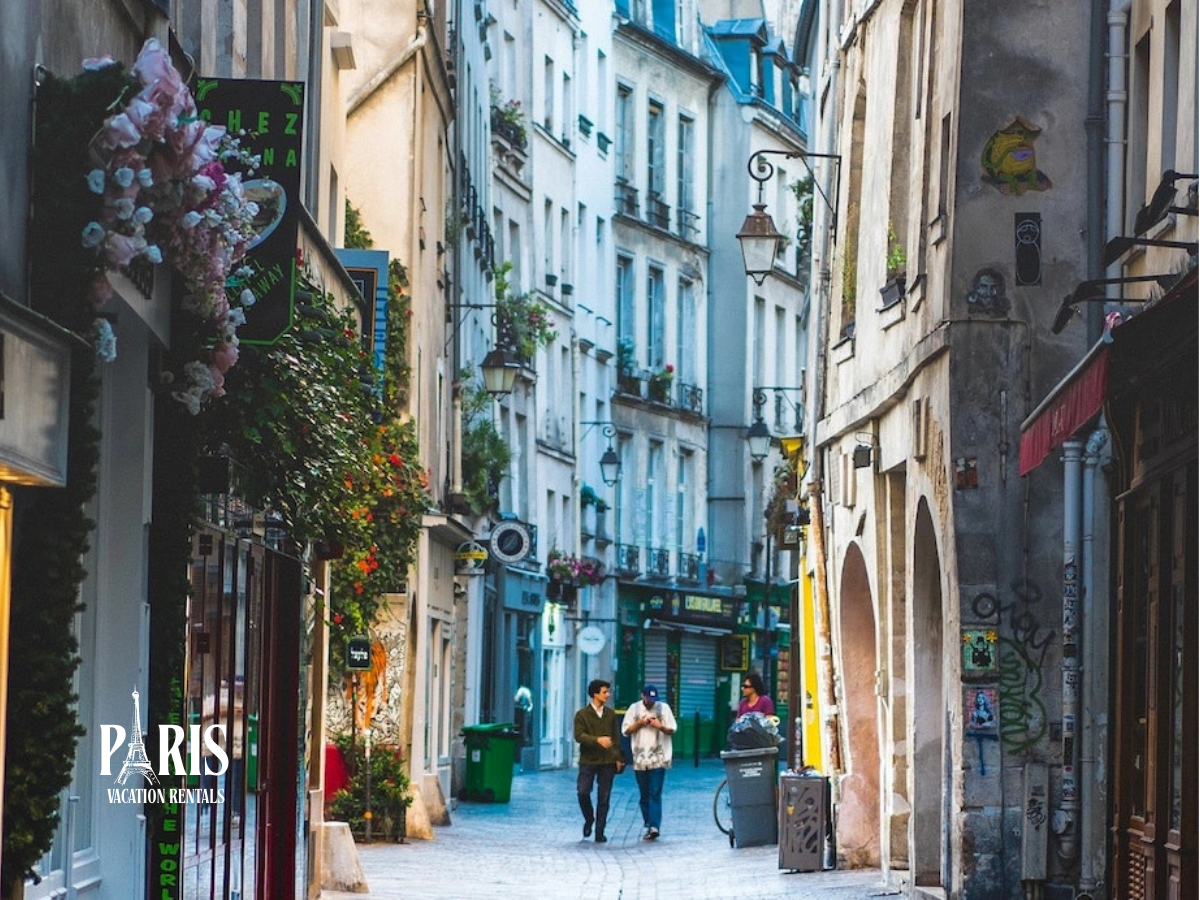
Paris's Jewish community runs on the energy of Rue des Rosiers, which locals affectionately call the "Pletzl" (Yiddish for "little square"). The Jewish presence in the Marais started in the 13th century, though the community faced expulsion a century later. The Emancipation of 1791 brought Alsatian Jews back to the area, and Eastern European Jews made it their home in the 1880s. Rue des Rosiers now serves up authentic Jewish culture through Israeli street food, New York-style diners, fashion boutiques, and bakeries. The neighborhood's synagogues showcase architectural beauty, particularly the impressive Agudath Hakehilos on rue Pavée, a masterpiece by Art Nouveau architect Hector Guimard from 1914.
LGBTQ+ Culture and Nightlife
Le Marais became Paris's LGBTQ+ center during the 1980s. Rainbow flags and a vibrant rainbow street crossing mark the intersection of rue du Temple and rue des Archives. The area's nightlife includes Cox Bar, the neon-lit dance club Freedj, and La Mutinerie - a "QueerFeministTranslesbian" bar that opened in 2012. Le Cud takes the party underground in its vaulted cellar where "collective energy replaces the notion of time".
Half-Timbered Houses and Medieval Streets
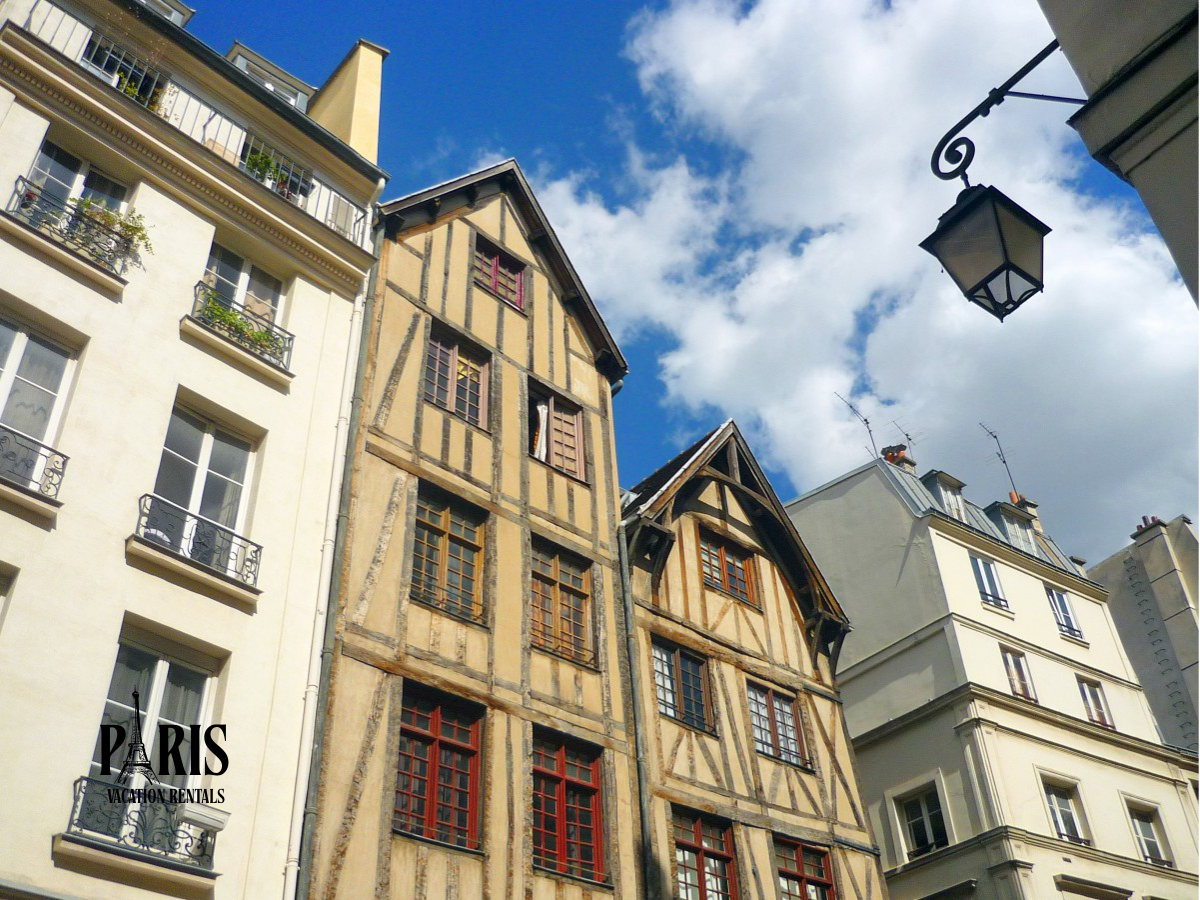
Le Marais's medieval architecture comes alive on rue François Miron. Two twin half-timbered buildings at numbers 11 and 13 stand as 16th-century treasures, possibly even older. These structures originally displayed their wooden frames until a 1607 edict mandated plastering them to prevent fires. A 1967 restoration revealed their current exposed-beam appearance, making it a great spot to visit when deciding how many days you need in Paris. The rich history and unique sights of Le Marais make it a must-see on your itinerary.
Center Pompidou
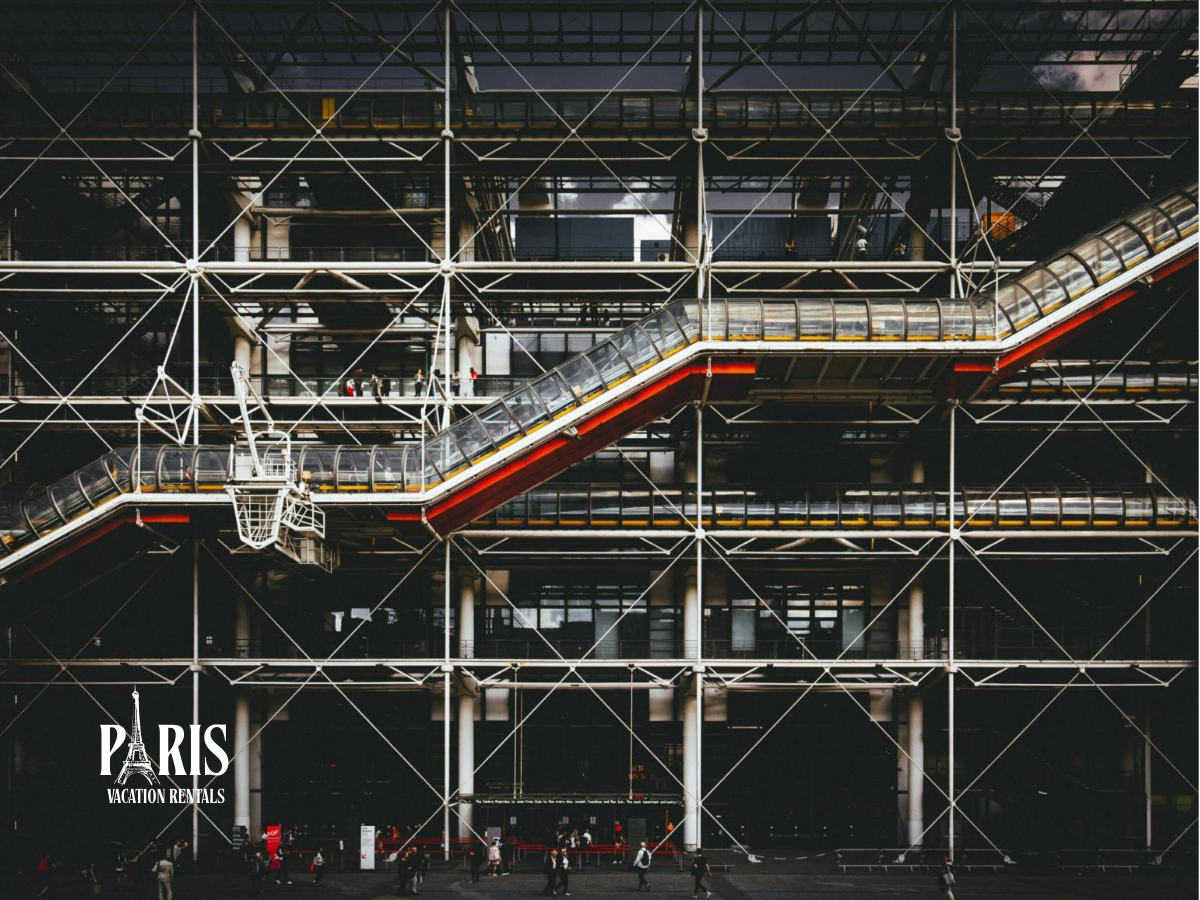
The Centre Pompidou, known for its revolutionary "inside-out" design, has become one of Paris’s most iconic museums since its opening in 1977, attracting over 180 million visitors. It houses Europe's largest modern art collection and functions as a cultural complex with a library, IRCAM music institute, and more. The building's color-coded exterior pipes serve functional purposes, such as air conditioning, electricity, water, and pedestrian circulation. The public piazza also turned the area into a vibrant cultural hub.
However, the Centre Pompidou will be closed for renovations until 2030. Don’t miss its panoramic terrace and unique escalator experience before then! And don’t worry - there are plenty of other things to do in Paris with kids to keep everyone entertained! From parks and interactive museums to family-friendly shows, Paris offers a wealth of activities for all ages.
Saint-Paul-Saint-Louis Church
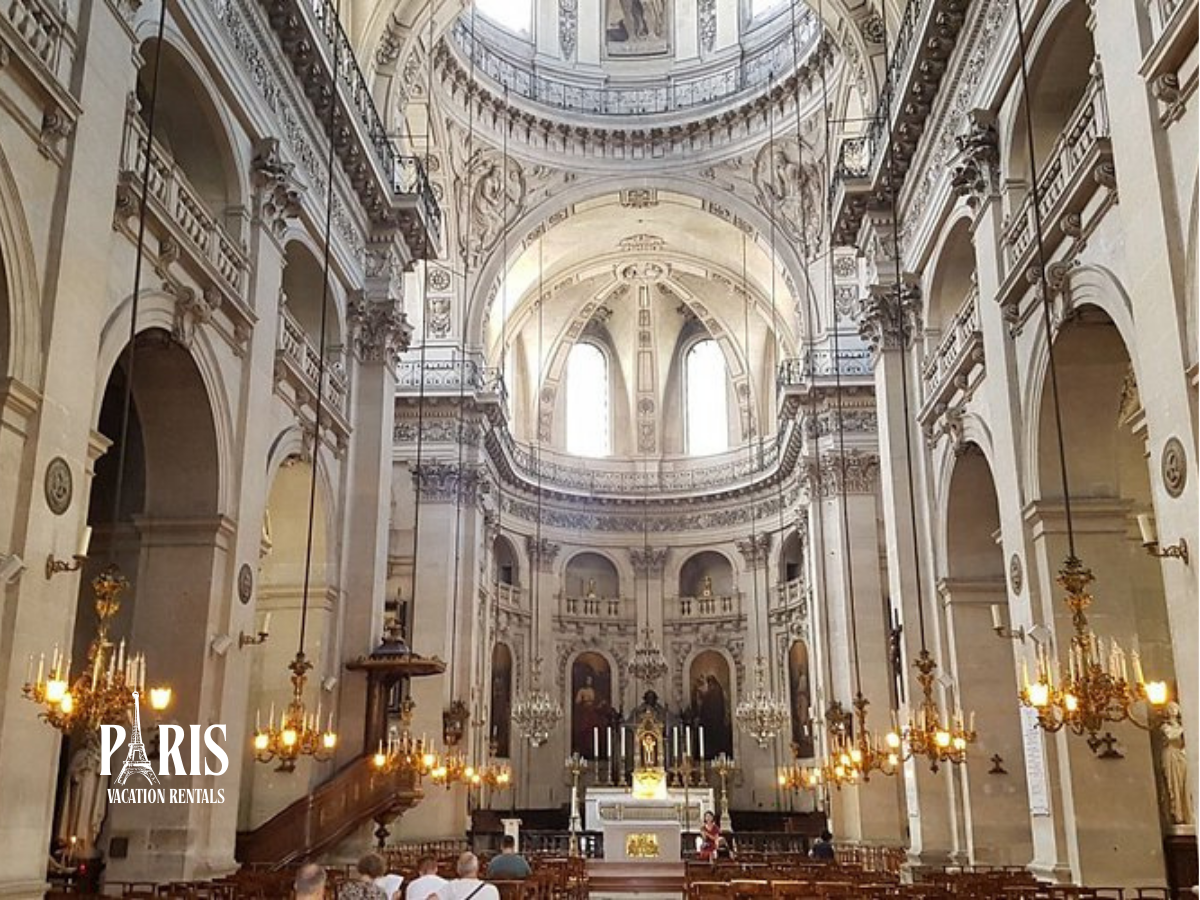
Saint-Paul-Saint-Louis Church stands as Paris's first Baroque church, breaking Gothic traditions. Louis XIII commissioned this architectural marvel between 1627-1641, crowned by a magnificent 55-meter dome. The church's literary significance grew when Victor Hugo donated two shell-shaped holy water fonts during his daughter's wedding in 1843. He later immortalized the church by setting Cosette and Marius's wedding here in Les Misérables.
Islands, Parks, and Outdoor Spaces
The islands and green spaces of the 4th arrondissement sit peacefully along the Seine River, offering quiet retreats from Paris's urban bustle.
Discovering Île de la Cité
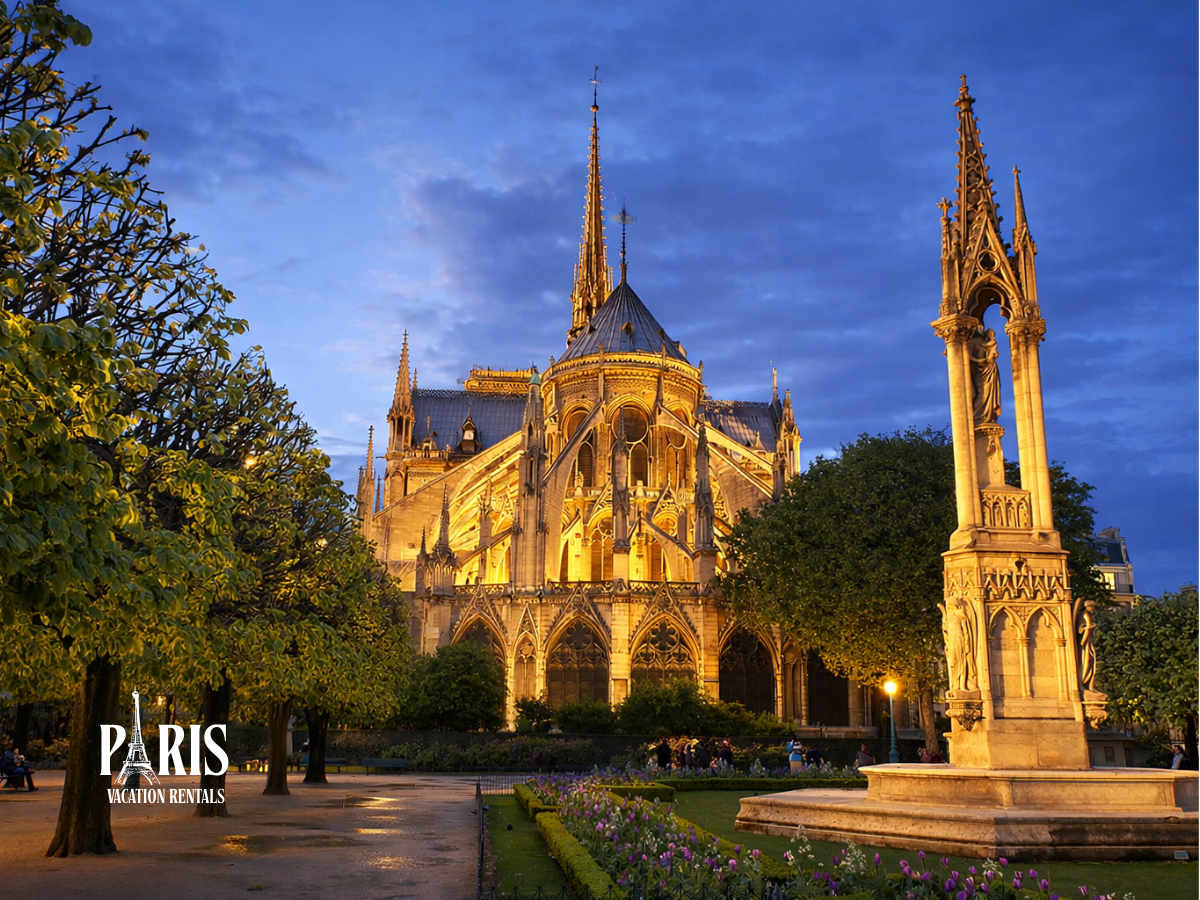
Paris began on Île de la Cité, which holds almost 2,300 years of history. The 4th arrondissement claims the eastern section with treasures that go well beyond Notre-Dame. Paris's first public clock has kept time since 1371 from the Tour de l'Horloge (clock tower). The western tip features Square du Vert-Galant, a peaceful park built on a natural sandbar with stone wall reinforcements. Visitors can enjoy sweeping views of both Seine banks, the Louver, and Institut de France from this spot.
Strolling Through Île Saint-Louis
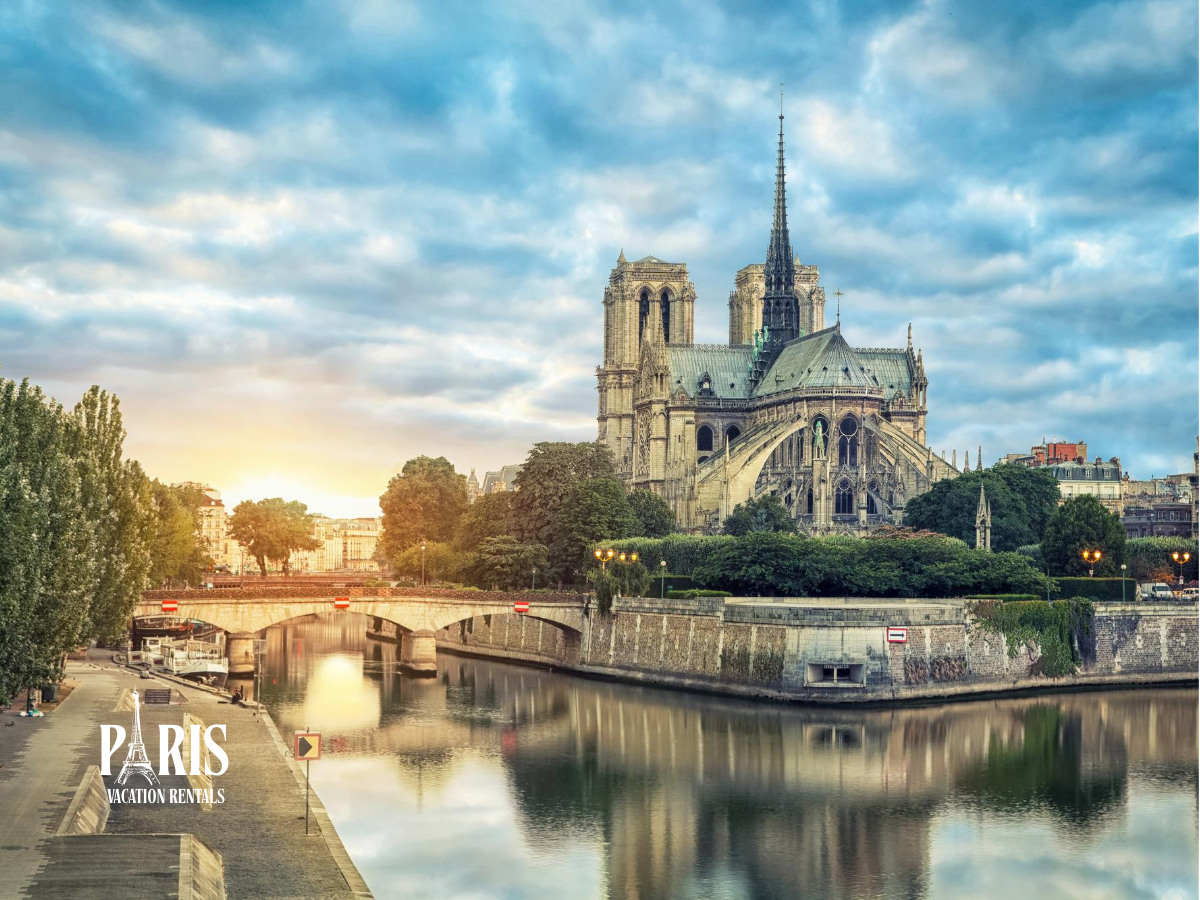
Pont Saint-Louis connects this charming island to Île de la Cité. What started as pastureland split between two smaller islands has evolved into a refined, quiet neighborhood. Notre-Dame's chevet and Hôtel de Ville create stunning backdrops from the elegant Quai d'Orléans and Quai de Bourbon. The stone quays at water level make perfect spots where locals gather with books and wine for picnics.
Square Jean XXIII and Green Spaces
Square Jean XXIII sits behind Notre-Dame Cathedral and showcases the cathedral's magnificent flying buttresses. Paris's first public district garden opened here in 1843 under Prefect Rambuteau. The park's remarkable trees include linden, spruce, and Paris's last remaining elm trees. The neo-Gothic Virgin Fountain from 1845 stands as another highlight, its design matching the cathedral's pinnacles.
Seine River Walks and Photo Spots
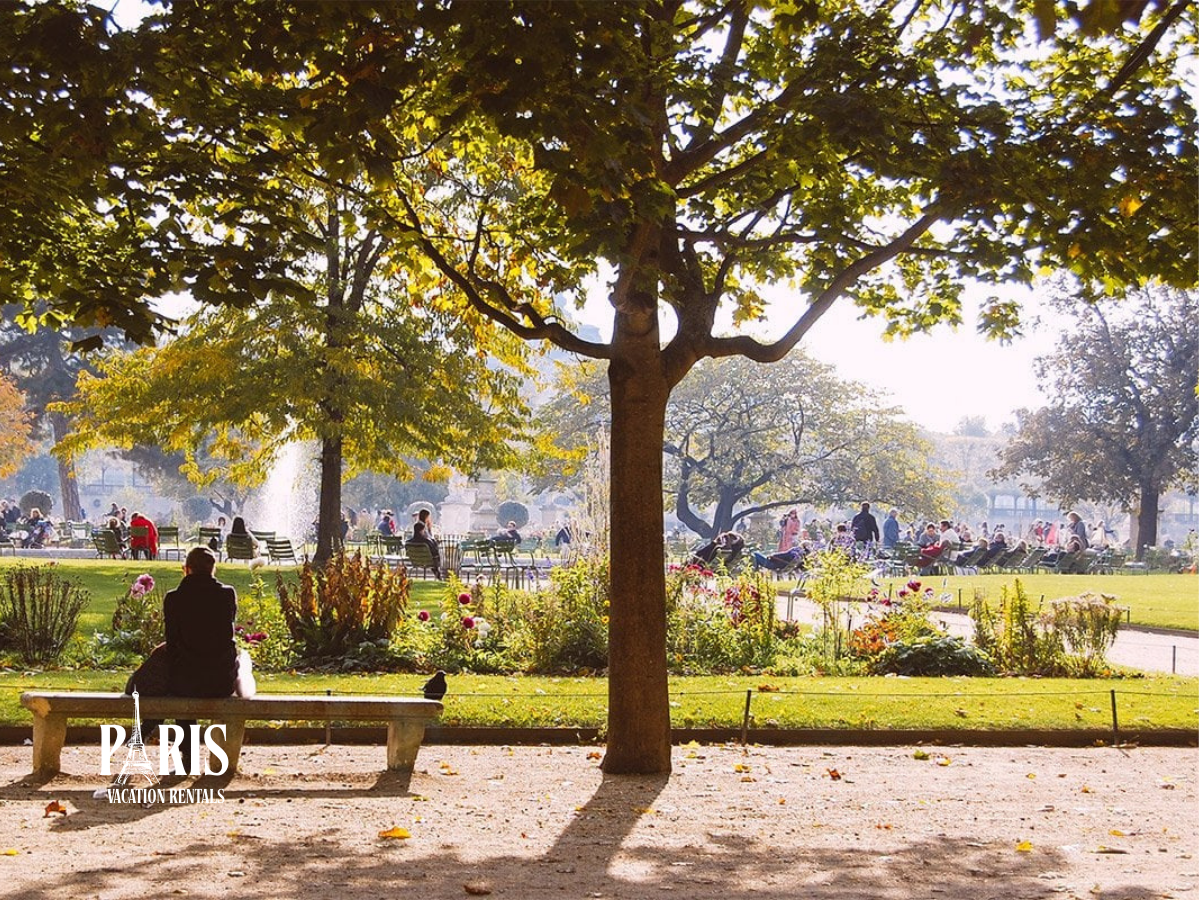
The Seine's riverbanks present some of Paris's most camera-worthy views. The Rives de Seine Park has changed former roadways into pedestrian areas, spanning 2.3 km across 10 hectares. Place Louis Aragon on Île Saint-Louis offers spectacular Seine views from its simple concrete benches - perfect at sunset. Paris's oldest standing bridge, Pont Neuf, provides classic viewpoints of both islands and the river. For Americans visiting Paris in 2026, autumn and spring bring fewer crowds but still great weather for wandering the 4th arrondissement.
Where to Eat, Shop, and Experience Local Life
The 4th arrondissement welcomes you with amazing food, unique shops, and local experiences that make this historic district come alive. For the best places to eat, shop, and hang out like a local, be sure to check out our Le Marais guide for insider tips on where to find the most authentic spots in the neighborhood. From charming cafés to hidden boutiques, you'll feel like a true Parisian!
Best Restaurants and Cafés
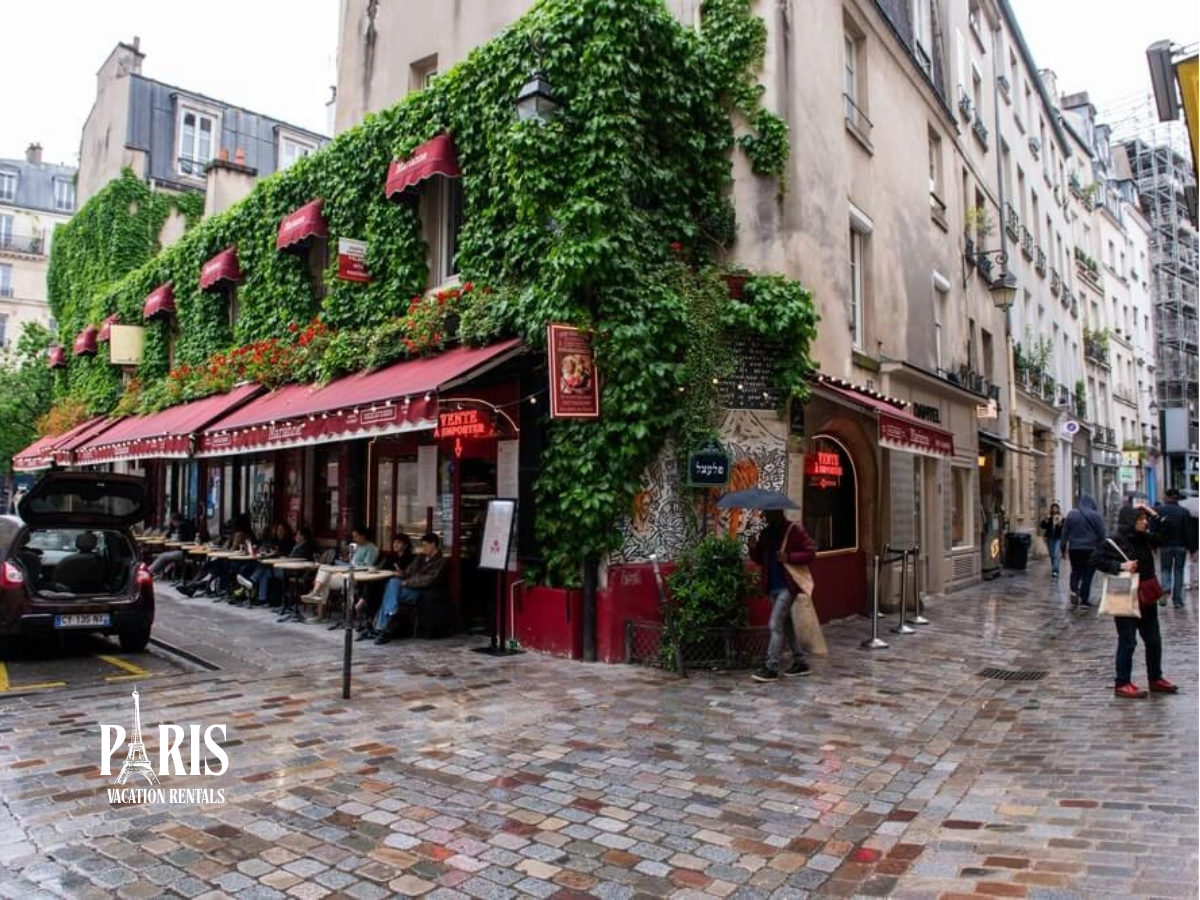
The 4th arrondissement's food scene ranges from old-school bistros to modern cafés. Café du Marais sits on rue du Bourg Tibourg and serves classic French dishes in a beautiful flower-filled setting from 8am to 2am. Coffee lovers will find their paradise here - the Marais has become the craft coffee capital of Paris. You'll find gems like Fondation Café, Fragments, and Boot Café - a tiny spot that used to be a shoe repair shop. The Marais coffee scene looks a lot like Seattle back in the 1990s, but with local cafés instead of big chains.
Berthillon and Sweet Treats
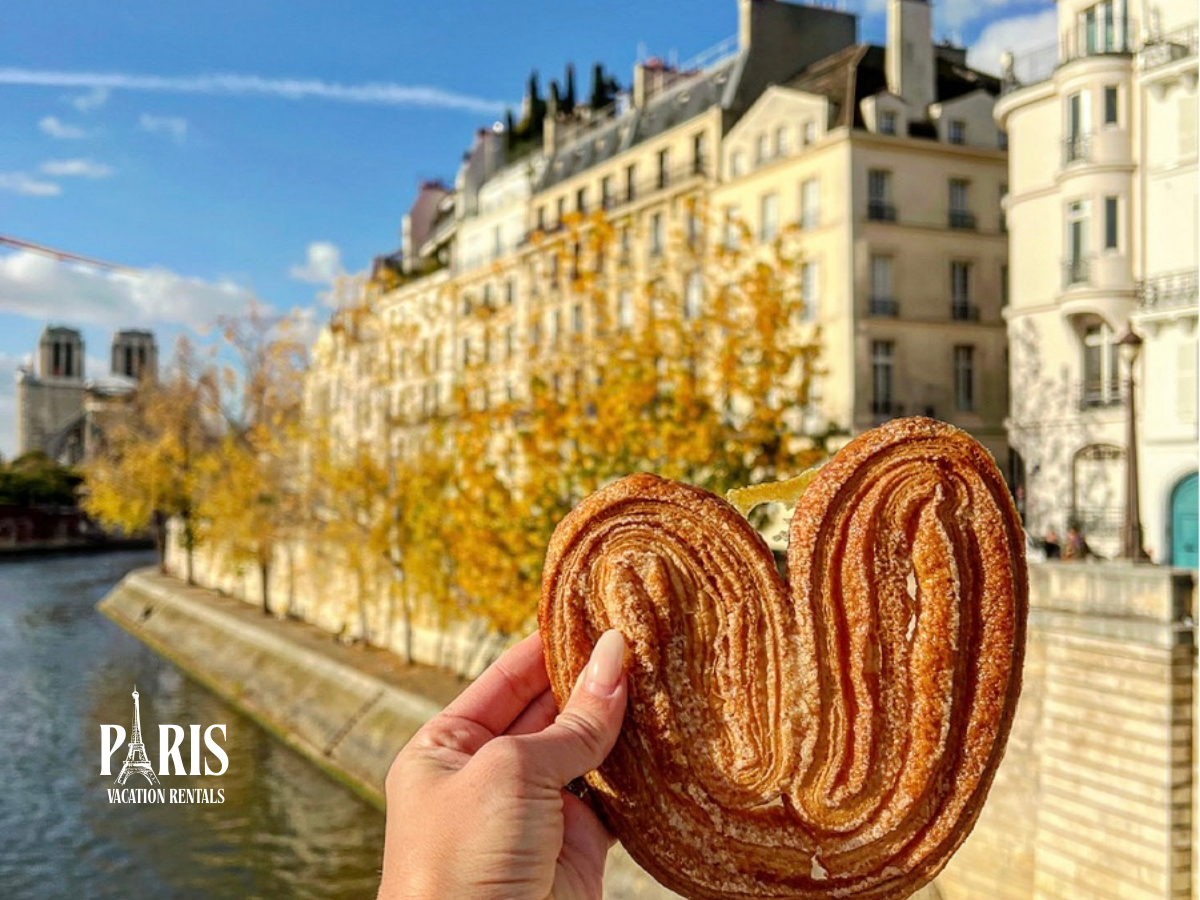
Île Saint-Louis wouldn't be complete without a taste of Berthillon ice cream. Raymond Berthillon started this family business in 1954 with his handmade treats. The Chauvin family continues the tradition today. They make everything by hand using fresh ingredients they pick up from early morning market runs. The intense flavors will blow you away - their sorbets taste just like biting into fresh mangoes or cherries. You can grab an apartment through private vacation rentals in the 4th district and enjoy these treats whenever you want.
Shopping at BHV and Local Boutiques
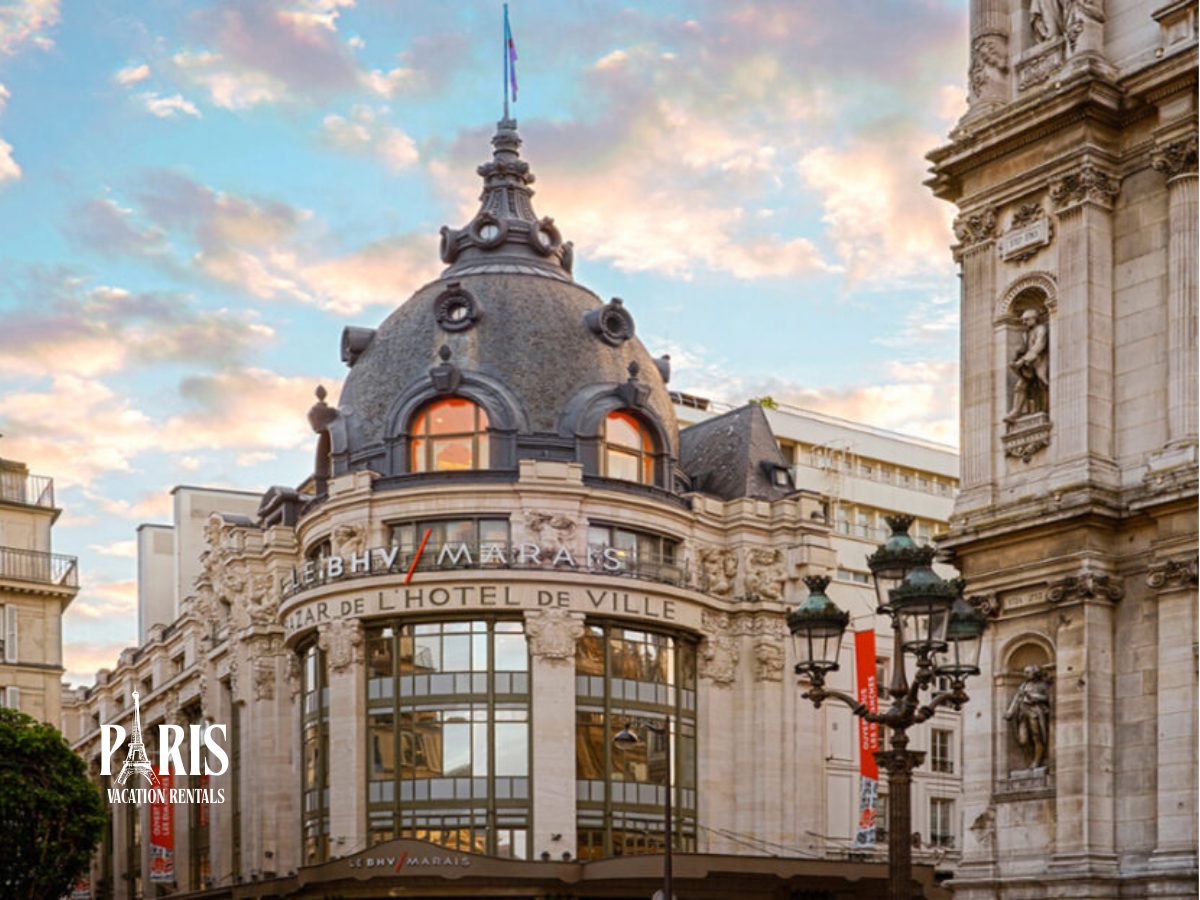
BHV Marais stands proud at 52 rue de Rivoli, right across from Hôtel de Ville. This massive 38,000-square-meter store spans eight floors. You'll find everything from fashion to their famous DIY basement. The Marais also has amazing boutiques. Check out Free 'P' Star for vintage deals and FrenchTrotters to shop contemporary fashion. After your shopping spree, make sure to explore where to eat in Paris - the Marais offers a variety of delicious dining spots to satisfy your cravings!
Food Tours and Culinary Experiences
The best way to discover Le Marais's food scene is through food tours. Secret Food Tour takes you through French classics. Start with viennoiseries, then try croque-monsieur at Jim Morrison's favorite spot. The tour includes cheese and wine pairings and ends with falafels in the Jewish Quarter. Other tours show you the area's bobo (bourgeois-bohemian) food culture. You'll visit specialty shops, épiceries, and the Marché des Enfants Rouges - Paris's oldest covered market from 1615.
Getting Around: Metro Stations and Transport Tips
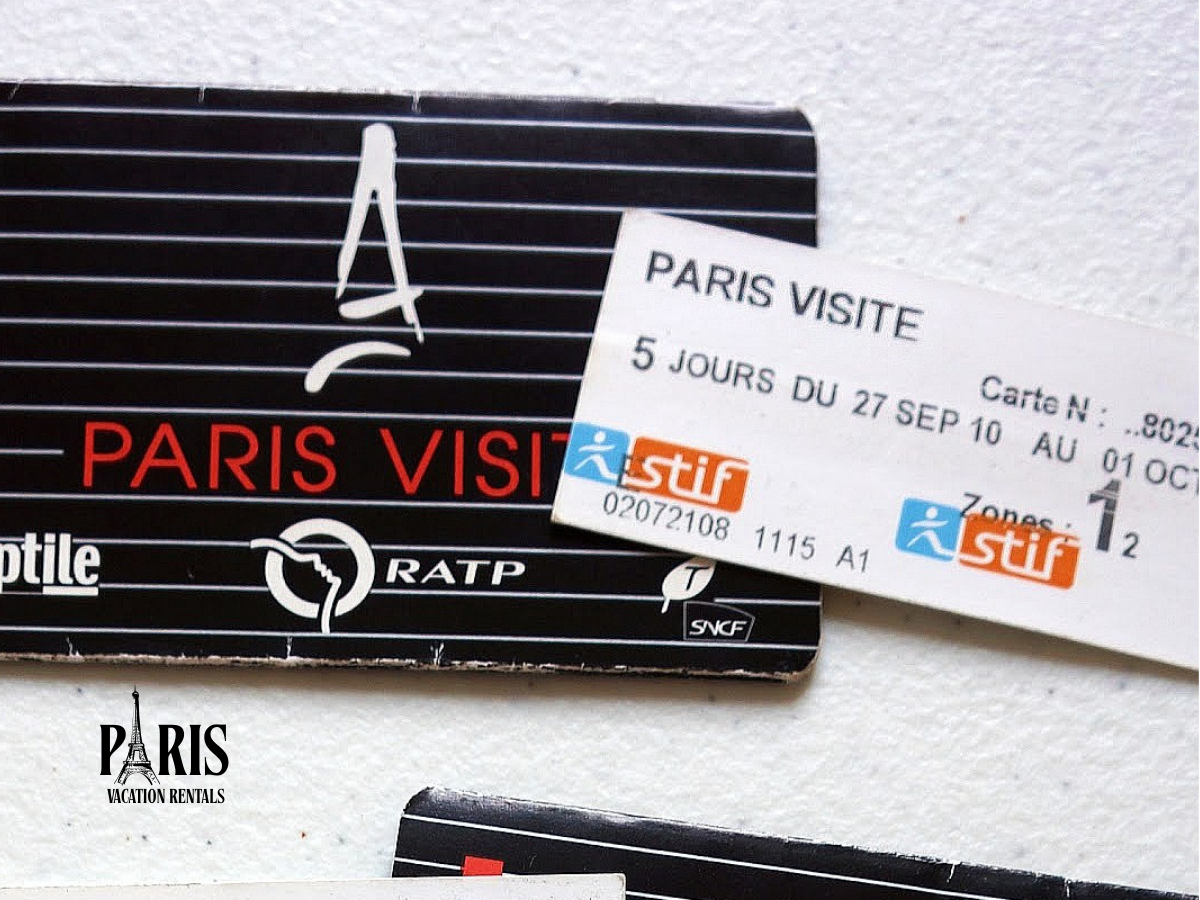
The 4th arrondissement connects well through metro stations like Hôtel de Ville and Saint-Paul. Trains run from 5:30am to 1:15am. The Paris Visite travel pass might save you money if you're staying several days. It costs between 11.65 and 63.90 euros for 1-5 days of unlimited travel. City Mapper app helps you navigate Paris easily. It shows routes, travel times, and ticket costs.
Key Takeaways
Discover why Paris's 4th arrondissement remains one of the city's most captivating districts, blending medieval charm with modern vibrancy in just 1.6 square kilometers.
- Historic landmarks await exploration: Notre-Dame Cathedral reopened in 2024 after restoration, while Place des Vosges showcases Europe's oldest planned square from 1605.
- Le Marais offers diverse cultural experiences: From Jewish heritage on Rue des Rosiers to LGBTQ+ nightlife, this neighborhood celebrates Paris's multicultural identity.
- Two Seine islands provide peaceful escapes: Île de la Cité houses Notre-Dame's birthplace of Paris, while Île Saint-Louis offers refined tranquility and legendary Berthillon ice cream.
- Culinary scene spans traditional to trendy: Experience everything from classic French bistros to craft coffee culture, plus organized food tours showcasing local specialties.
- Compact size enables easy exploration: Multiple metro stations and walkable distances make it possible to experience centuries of history, architecture, and authentic Parisian life in a single day.
The 4th arrondissement proves that Paris's smallest districts often pack the biggest punch, offering an unmatched combination of historical significance and contemporary culture that captures the essence of the City of Light.
FAQs
What are the must-see attractions in Paris's 4th arrondissement?
Key landmarks include Notre-Dame Cathedral, Hôtel de Ville, Place des Vosges, Le Marais district, and the historic islands of Île de la Cité and Île Saint-Louis.
Is Le Marais a good area for nightlife and dining?
Yes, it offers vibrant nightlife, particularly in the LGBTQ+ scene, and diverse dining options, including Jewish cuisine along Rue des Rosiers.
What's special about the ice cream on Île Saint-Louis?
Berthillon is famous for its artisanal ice creams and sorbets, known for intense, fresh, and natural flavors.
How can I best explore the 4th arrondissement?
The area is walkable, with the metro offering convenient access. Food tours are also a great way to explore.
What shopping experiences does the 4th arrondissement offer?
Visit the BHV Marais department store, along with unique boutiques, vintage shops, and contemporary fashion stores in Le Marais.